Introduction: The Garden Secret That Changes Everything
You've planted your potatoes carefully, watered them faithfully, and then something disappointing happens. You dig up what should have been a great crop, only to find thin, underwhelming tubers or, worse, some that have turned green and are completely inedible.
The culprit? Most likely, you skipped or did improperly one of the most important steps in potato production: hilling. This simple, often overlooked technique transforms a mediocre potato harvest into an impressive abundance of quality tubers.
The good news is that hilling is straightforward once you understand why it matters and how to do it correctly. Whether you're growing potatoes in the ground, in containers, or in raised beds, proper hilling is the difference between a small harvest and a substantial one. This guide walks you through everything you need to know about this crucial cultivation step.
What Is Hilling: More Than Just Piling Dirt
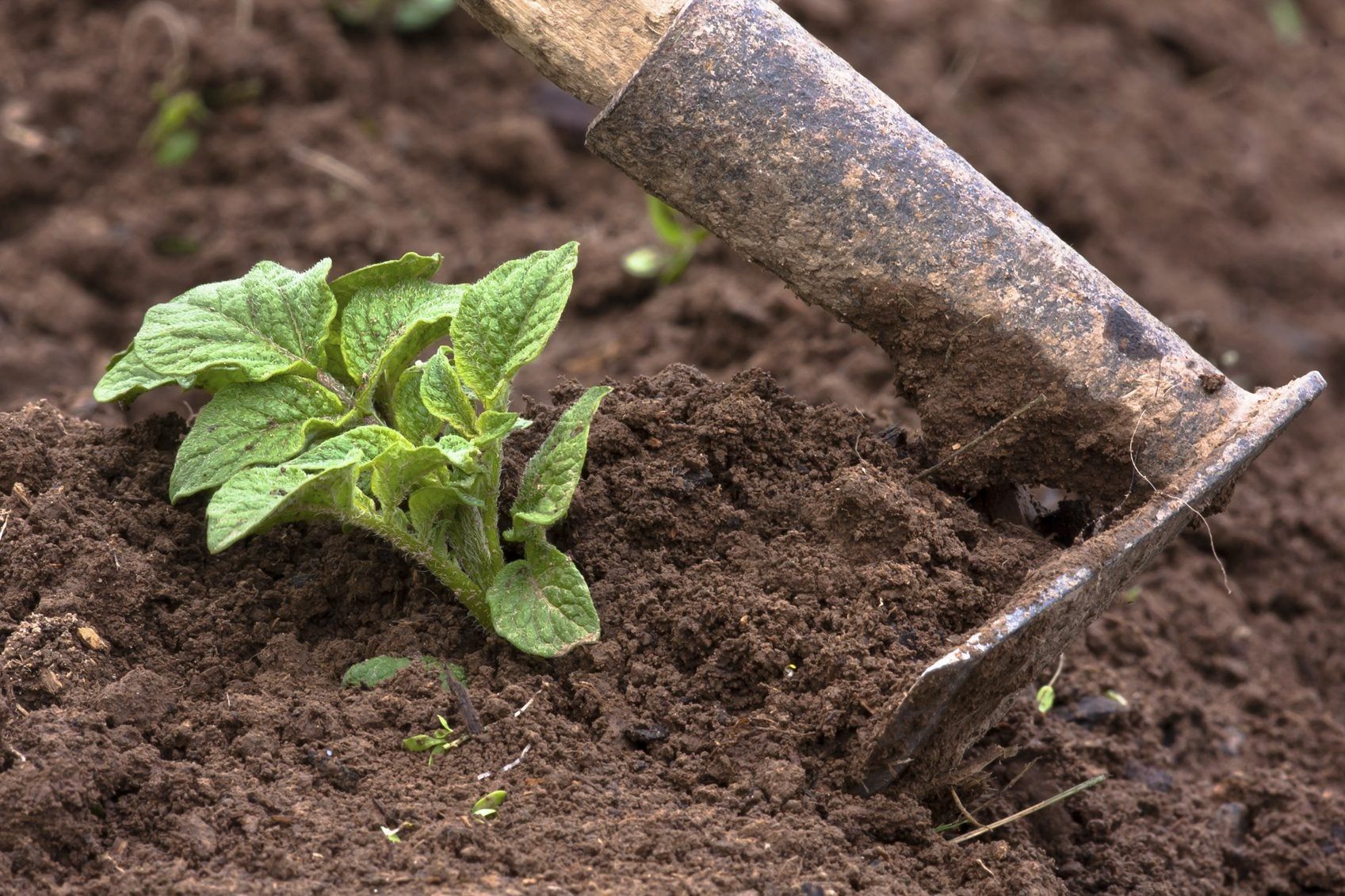
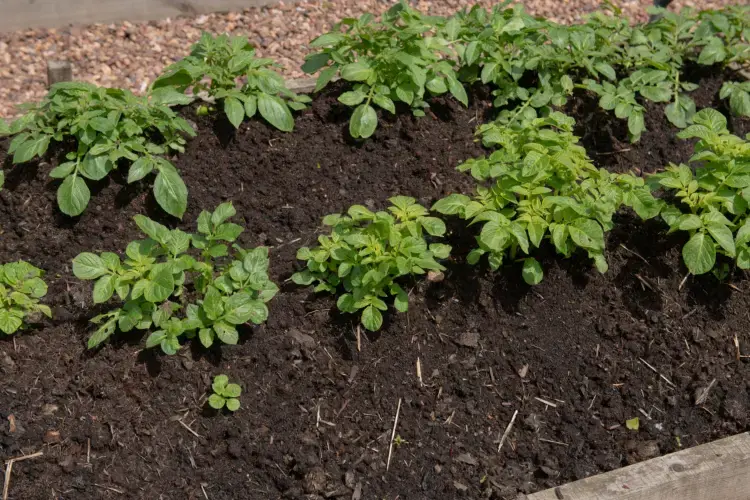
Hilling sounds exactly like what it is: piling soil around the base of your growing potato plants to create a mound or ridge. The term comes from the fact that you're creating a hill of earth around each plant. Some gardeners call it earthing up, particularly in regions outside North America.
But hilling is far more than simply making the landscape look nice. It's a deliberate agricultural practice with specific purposes and timing. Understanding the difference between initial planting (where you create a furrow or trench) and hilling (where you add additional soil as plants grow) is critical to success.
Hilling is done after plants emerge and begin growing. The initial planting involves digging trenches and placing seed potatoes at specific depths. Hilling occurs later when the growing plants have emerged through that initial soil layer and continue their development.
Why Hilling Matters: The Real Benefits
Hilling produces multiple significant benefits that directly impact your harvest quality and quantity.
Preventing Green Potatoes
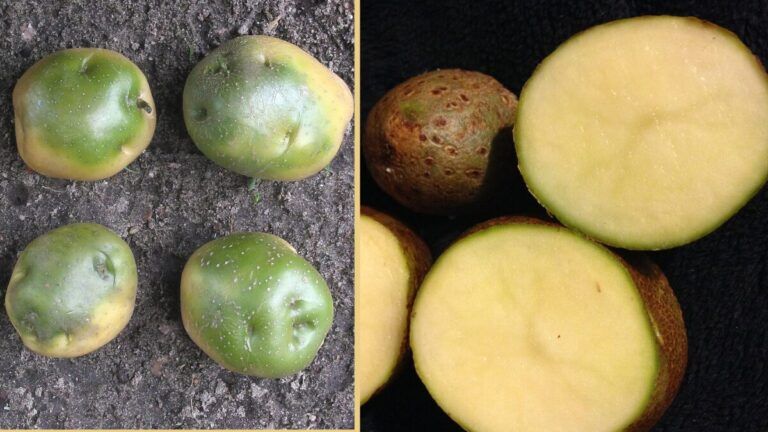
The most critical benefit of hilling is preventing green tubers. Potato tubers develop from underground stems called stolons. When these stolons remain buried in soil, they develop into tubers. If the tubers grow close to the soil surface and become exposed to sunlight, they develop chlorophyll, turning green.
Green potatoes contain solanine, a toxic compound that can cause serious digestive upset. Not just unpleasant, but genuinely dangerous. By hilling soil over developing tubers, you keep them in darkness where they can develop properly into edible potatoes.
Increasing Production Space for Indeterminate Varieties
Potato varieties come in two types: determinate and indeterminate. Indeterminate potatoes continue producing tubers all along their underground stems as they grow. The more of the stem that's underground and covered with soil, the more space available for tuber development.
Hilling creates this additional underground space. As you add soil around the stems, you're essentially extending the growing area for new tubers. This is why hilling is particularly important for indeterminate varieties, which can produce substantial increases in yield with proper hilling.
Protecting From Frost Damage
Late season frosts can devastate exposed potato plants. Hilled potatoes have protection because the soil covers the lower stems. If an unexpected frost damages the exposed foliage, the underground stems that have been hilled can regrow shoots, allowing the plant to recover and continue producing.
Suppressing Weeds and Improving Soil
Hilling buries weed seeds and small weeds, suppressing weed growth naturally. It also loosens the soil, improving aeration and drainage around the developing plants. Better soil structure means better tuber development and fewer problems with dense, compacted soil.
Pest Protection
Tuber moths and other pests find it easier to access tubers exposed near the soil surface. Buried tubers are better protected from these insects.
Understanding Your Potato Variety: This Changes Everything
Not all potatoes are created equal when it comes to hilling. Your variety type dramatically affects how much hilling benefits your crop.
Determinate Potatoes: Compact and Simple
Determinate varieties produce all their tubers in a single layer just above the seed potato, roughly 6 to 8 inches deep. These potatoes grow to a fixed height and put all their energy into tuber production in a concentrated zone. Examples include Red Pontiac, Kennebec, Yukon Gold, and Fingerling varieties.
For determinate potatoes, hilling is primarily about preventing green tubers, not about increasing production area. These varieties form tubers at a fixed depth regardless of how much soil is piled on top. A single light mulching layer providing sufficient coverage is often adequate.
Indeterminate Potatoes: Vertical Growers
Indeterminate varieties continue producing tubers all along their stems as they grow taller. These potatoes want more soil and space to work with. Examples include King Edward, Dutch Cream, and Pink Fir Apple. Late-season varieties are typically indeterminate.
For indeterminate potatoes, hilling becomes more significant. More soil around the stems means more space for stolons to develop into tubers, potentially yielding substantially more potatoes per plant. Some growers report yield increases of 50 to 100 percent with proper hilling of indeterminate varieties compared to no hilling.
Determining When to Hill: Timing Is Everything
Hilling must begin at the right moment and happen at appropriate intervals for maximum effectiveness.
First Hilling: 8 to 10 Inches Tall
Begin hilling when your potato plants reach about 8 to 10 inches tall or have developed 3 to 5 visible leaves. This typically occurs 3 to 4 weeks after planting, though timing varies by climate and soil temperature.
At this size, plants are established enough to handle disturbance but young enough that you can effectively bury the stems. For the first hilling, bring soil up around the stems so that only the top leaves remain visible. This stimulates the plant to develop additional roots and stolons in the newly buried stem sections.
Second Hilling: 2 to 3 Weeks Later
Approximately 2 to 3 weeks after the first hilling, when plants have grown another 8 to 10 inches, perform a second hilling. For the second round, excavate soil from between the ridges (if space allows) and pile it around the plants again. This typically adds another 2 to 4 inches of soil around the plants.
After second hilling, your ridges should reach approximately 12 to 15 inches tall for indeterminate varieties. Determinate potatoes typically need less dramatic hilling.
When to Stop: Before Flowering
Stop hilling when plants begin flowering. Once flowering begins, tuber set is complete, and additional hilling provides little benefit. In fact, continued disturbance can damage tubers that are now actively sizing up underground.
Tools and Materials: Choose Your Approach
Hilling can be accomplished using various tools and materials, each with advantages.
Traditional Hand Tools
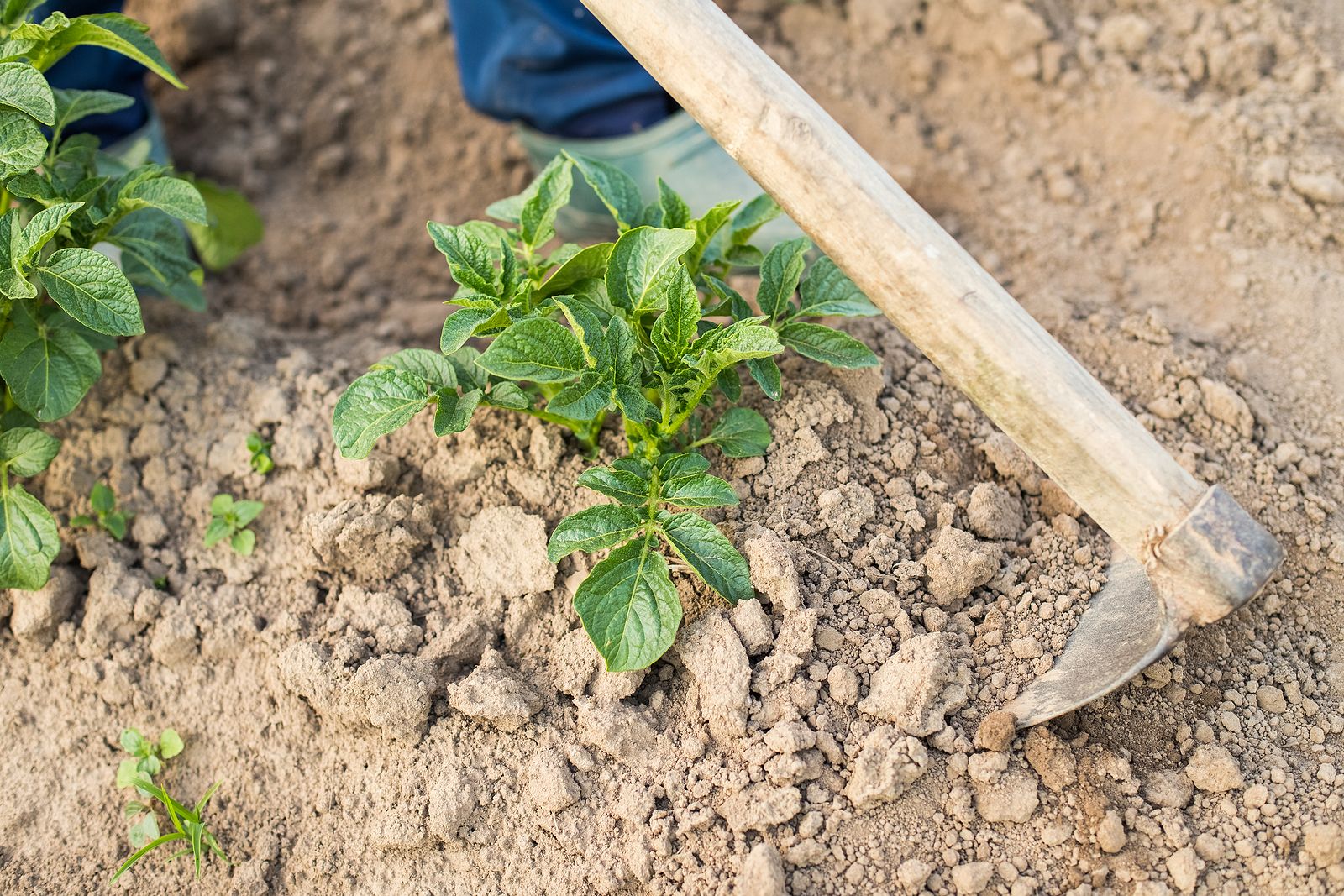
A standard rake or square-bottomed hoe works perfectly for hilling in most situations. These tools allow you to pull soil from between rows toward the plants, creating ridges efficiently. A simple cultivator also works well for loosening soil before raking.
Hand tools require no fuel, minimal cost, and provide excellent control. The labor cost is minimal for home gardeners but becomes significant for commercial operations.
Mechanical Options
Large-scale growers use tractor mounted potato hillersridgers. These machines create consistent ridges and dramatically increase the speed of the operation. For home gardeners with larger plantings, walk-behind potato cultivators offer a middle ground between hand tools and full-scale machinery.
Mulch Alternatives
Rather than moving soil, many gardeners use organic mulch like straw, leaves, or grass clippings. Straw mulch accomplishes the same protection goals as soil hilling while offering soil health improvements as it decomposes.
Mulch hilling requires less physical labor than soil hilling and provides additional benefits including moisture retention, temperature regulation, and eventual soil organic matter addition. The downside is that mulch may blow away or settle, requiring monitoring and occasional replenishment.
Step-by-Step: How to Hill Your Potatoes Properly
Follow this procedure to hill your potatoes correctly.
Preparation
Wait for soil to dry slightly after watering or rain. Hilling wet soil creates compaction and clods rather than loose, workable ridges. Choose a day when soil conditions are reasonable.
Check your plants carefully. Look for any that are diseased or damaged. Remove these immediately before hilling to prevent disease spread. Look for volunteer potatoes from previous seasons and remove them before they compete.
First Hilling Technique
Loosen soil carefully around each plant using a hoe or cultivator. Be gentle to avoid damaging shallow root systems or the young stems. Work from both sides of the row, pulling soil toward the plants.
Rake soil up and around the stems until only the top leaves are visible. The goal is to completely bury all but the uppermost leaves. Ridge height after first hilling should be approximately 6 to 8 inches.
Don't worry about creating a perfect geometric ridge. Potatoes care about coverage, not appearance. Irregular mounds work just fine.
Second Hilling Technique
If space allows and adequate loose soil remains, repeat the process 2 to 3 weeks later. Pull soil from between the rows and pile it around the plants again. Some growers switch to mulch for the second application if they're running short on available soil.
After second hilling, ridge height should reach approximately 12 to 15 inches for most plantings.
Common Hilling Mistakes to Avoid
Don't bury plants so deeply that all leaves are covered. Plants need some foliage exposed for photosynthesis. The goal is to cover stems, not completely smother the plant.
Don't hill too early. Small plants can be damaged by aggressive disturbance. Wait until they're established.
Don't neglect to check on your hilling work. Heavy rain can wash soil away or expose tubers. Monitor and repair as needed throughout the season.
Mulch Versus Soil Hilling: Which Approach Is Best
Each method has advantages, and many growers combine both.
Soil Hilling Advantages
Soil provides excellent tuber protection from light and pests. Soil based ridges create good drainage. Soil has been used successfully for generations. The approach is proven and reliable.
Mulch Hilling Advantages
Straw mulch requires less labor to apply and can cover larger areas more easily than moving soil. As mulch decomposes, it adds organic matter to soil and improves structure. Mulch moderates soil temperature and conserves moisture. Harvesting through loose straw is often easier than digging through compacted soil, resulting in fewer cut and bruised tubers.
Research shows that straw mulched potatoes produce comparable or even superior yields to soil hilled potatoes, with reduced labor and better final soil health.
The Combination Approach
Many experienced growers use soil for the first hilling, then switch to straw mulch for the second application once soil becomes scarce. This captures benefits of both approaches.
Container and Raised Bed Hilling: Different Challenges
Growing potatoes in containers requires adjusted approaches.
Determinate in Containers
Determinate potatoes work well in standard containers. Fill the container with several inches of soil, plant seed potatoes, and add soil as the plants grow until the container is full. Light mulching prevents greening. Determinate potatoes thrive in containers with minimal fuss.
Indeterminate in Tall Containers
Indeterminate potatoes are perfect for tall containers like trash cans or specialized grow bags. Layer soil and mulch as the plant grows, adding new layers as foliage emerges. Some growers cut holes in layers of stacked containers or bags to accommodate continuous growth.
The principle is identical to in-ground hilling: provide increasing soil depth as plants grow taller, maximizing tuber development space.
Using Soil and Mulch in Containers
Start with 6 to 8 inches of soil in the bottom of the container. As plants grow 8 to 10 inches tall, add 4 to 6 inches of straw mulch. As foliage continues growing through the mulch layer, add more straw. Continue this process throughout the growing season.
This straw layering eliminates the need to find and move soil, making container potato growing relatively effortless while providing superior yields.
Monitoring Your Potatoes: Checking Hilling Progress
After hilling, check your potatoes regularly. Heavy rains can wash soil away. Dry conditions may crack soil ridges. Identify problems early and correct them.
Check for any exposed tubers showing green coloration. If you spot any green, immediately add soil or mulch to cover them. Early intervention prevents wasted tubers.
For those growing multiple containers or large gardens, tools like Plantlyze dot com help track which plants have been hilled, monitor growth stages, and manage the hilling timeline across multiple plantings.
The Payoff: Harvesting Properly Hilled Potatoes
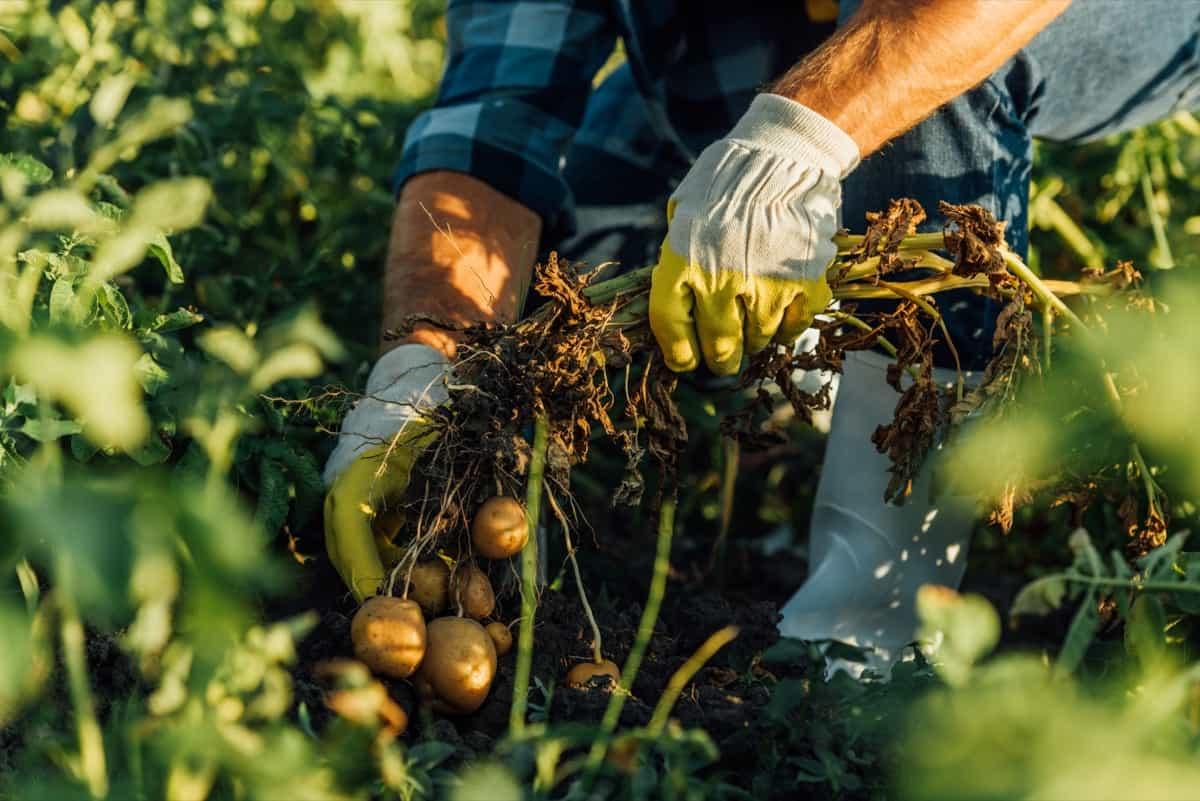
When harvest time arrives, properly hilled potatoes reward your effort. Instead of digging through hard-compacted soil, you excavate loose ridges that release tubers cleanly. Fewer tubers are cut or bruised during harvest.
The tubers themselves are superior: larger (when adequately spaced underground), cleaner (less dirt caked on), and completely free from green coloration. Storage quality is excellent because properly developed tubers have thicker skins and fewer defects.
The yield speaks for itself. Properly hilled indeterminate potatoes consistently outproduce unhilled potatoes, often by substantial margins.
References
1. University of Florida IFAS Extension
https://sfyl.ifas.ufl.edu/
2. Colorado State University
https://www.colostate.edu/
3. University of Maine Extension
https://extension.umaine.edu/
4. University of Wisconsin College of Agricultural and Life Sciences
https://www.wisc.edu/
5. North Dakota State University Extension
https://www.ndsu.edu/
6. University of Minnesota Extension
https://www.extension.umn.edu/
7. Michigan State University Extension
https://www.canr.msu.edu/
8. Penn State College of Agricultural Sciences
https://www.psu.edu/