Introduction: When Your Potato Garden Becomes a Bug Buffet
There is that one moment every gardener dreads. You walk up to your potato patch and find the leaves full of holes or, even worse, several clusters of striped beetles feasting on your crop. You have invested so much time and effort in growing potatoes—probably also involving some cash outlay for inputs—and now pests just threaten all that you have built.
The good news is this is completely preventable. Understanding potato pests and how they operate transforms you from a helpless gardener into someone who can protect their crop and even prevent infestations before they start.
This guide walks you through identifying the most destructive potato pests, understanding their life cycles, and implementing strategies that actually work. Whether you prefer organic methods, cultural practices, or a combination approach, you'll find practical solutions that fit your gardening style.
Why Potato Pests Deserve Your Immediate Attention
Potato pests aren't just an annoyance. Left uncontrolled, they can completely defoliate plants, reduce yields to nothing, and compromise the potatoes you do manage to harvest.
Consider the Colorado potato beetle alone. When not controlled, these insects can strip a potato plant of its leaves in days, preventing photosynthesis and drastically reducing tuber development. A single unchecked infestation can mean the difference between a productive harvest and a disappointing loss.
Beyond direct feeding damage, many potato pests also transmit viruses and diseases that weaken plants and compromise storage quality. Early detection and management prevent these cascading problems from developing, protecting both your current season crop and your soil health for future seasons.
The Most Common Potato Pests: Know Your Enemy
Understanding the pests that target potatoes is your first line of defense.
Colorado Potato Beetle: The Striped Menace
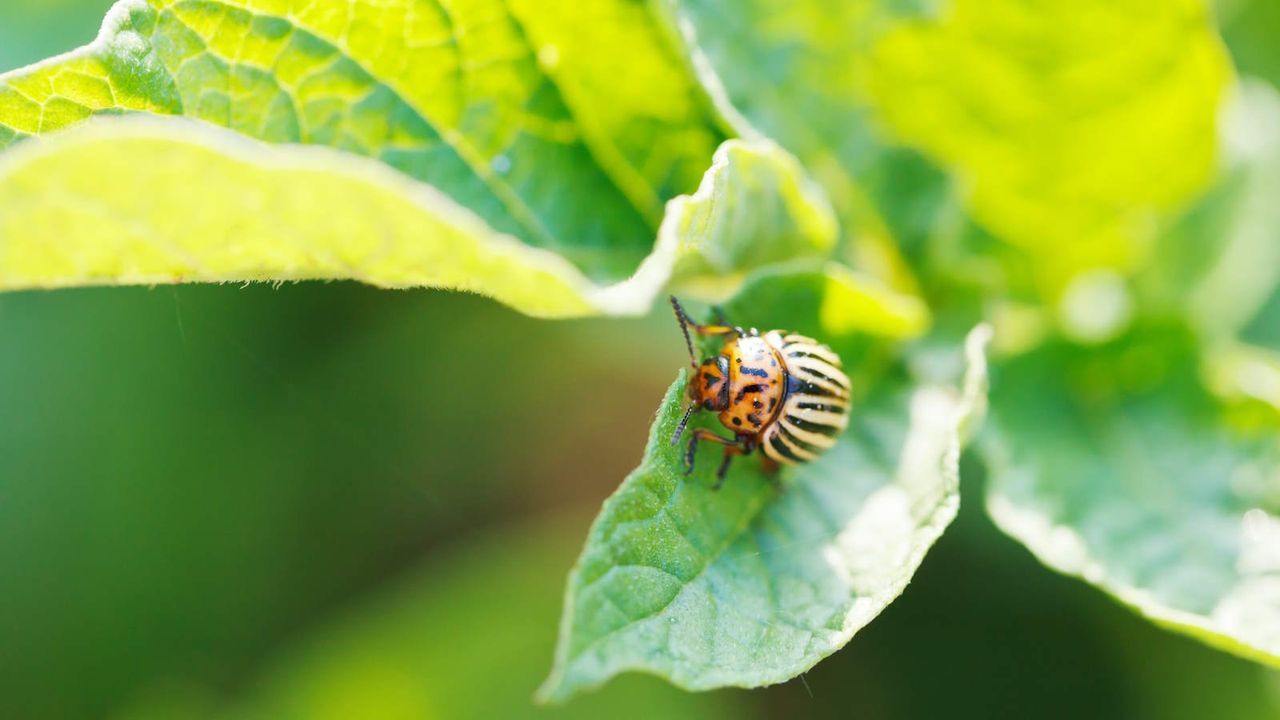
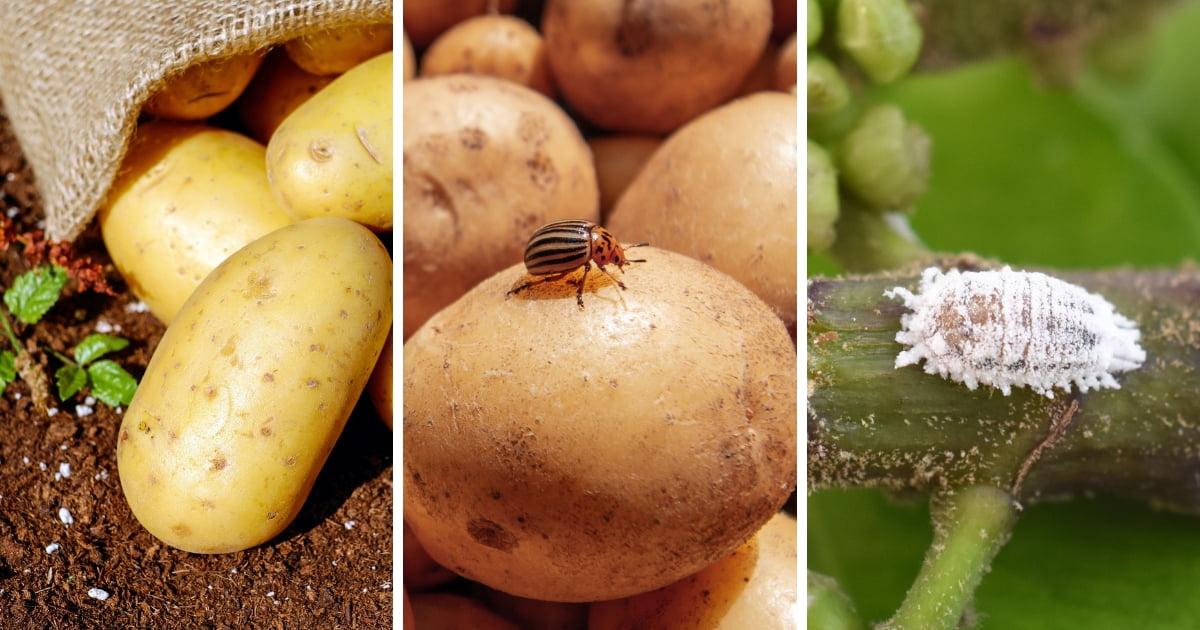
The Colorado potato beetle is unquestionably the most serious potato pest in North America. These insects are easy to identify: bright yellow shells with 10 black stripes running lengthwise. Both the adults and larvae are voracious feeders.
Beetles emerge from soil in spring around the same time potato plants emerge. Adult beetles lay eggs on the undersides of leaves in clusters. These eggs hatch into small, humped larvae that are orange or reddish with black spots. As larvae grow through multiple life stages, their appetite intensifies dramatically.
Damage from Colorado potato beetles ranges from small holes in leaves when populations are low to complete defoliation when infestations explode. A plant that's completely stripped of leaves cannot photosynthesize, meaning your potatoes underground stop developing.
The beetle lifecycle in most regions allows for two to three generations per season, meaning early control is critical to prevent population explosions later.
Aphids and Potato Leafhoppers: Piercing Suckers
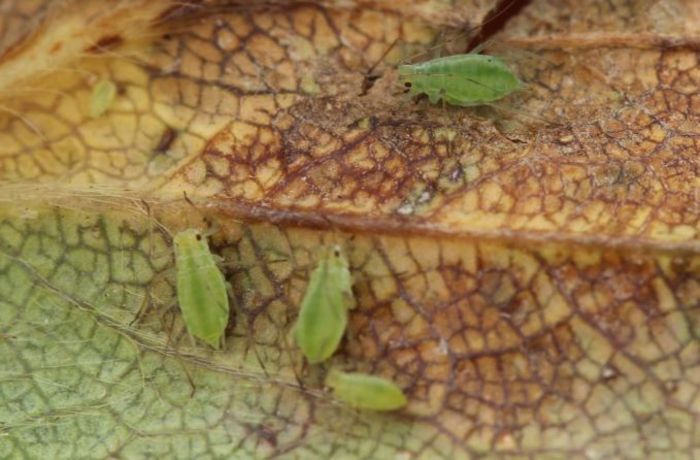
Aphids and leafhoppers are different insects but share similar damage patterns. These small, soft bodied insects use needle-like mouthparts to pierce leaves and suck plant juices.
Green peach aphids are the most common aphid species on potatoes. You might notice them as clusters on new growth, or you might see the telltale yellowing of leaves as they feed. Beyond direct feeding damage, aphids transmit potato viruses, particularly potato virus Y, which can significantly reduce yields.
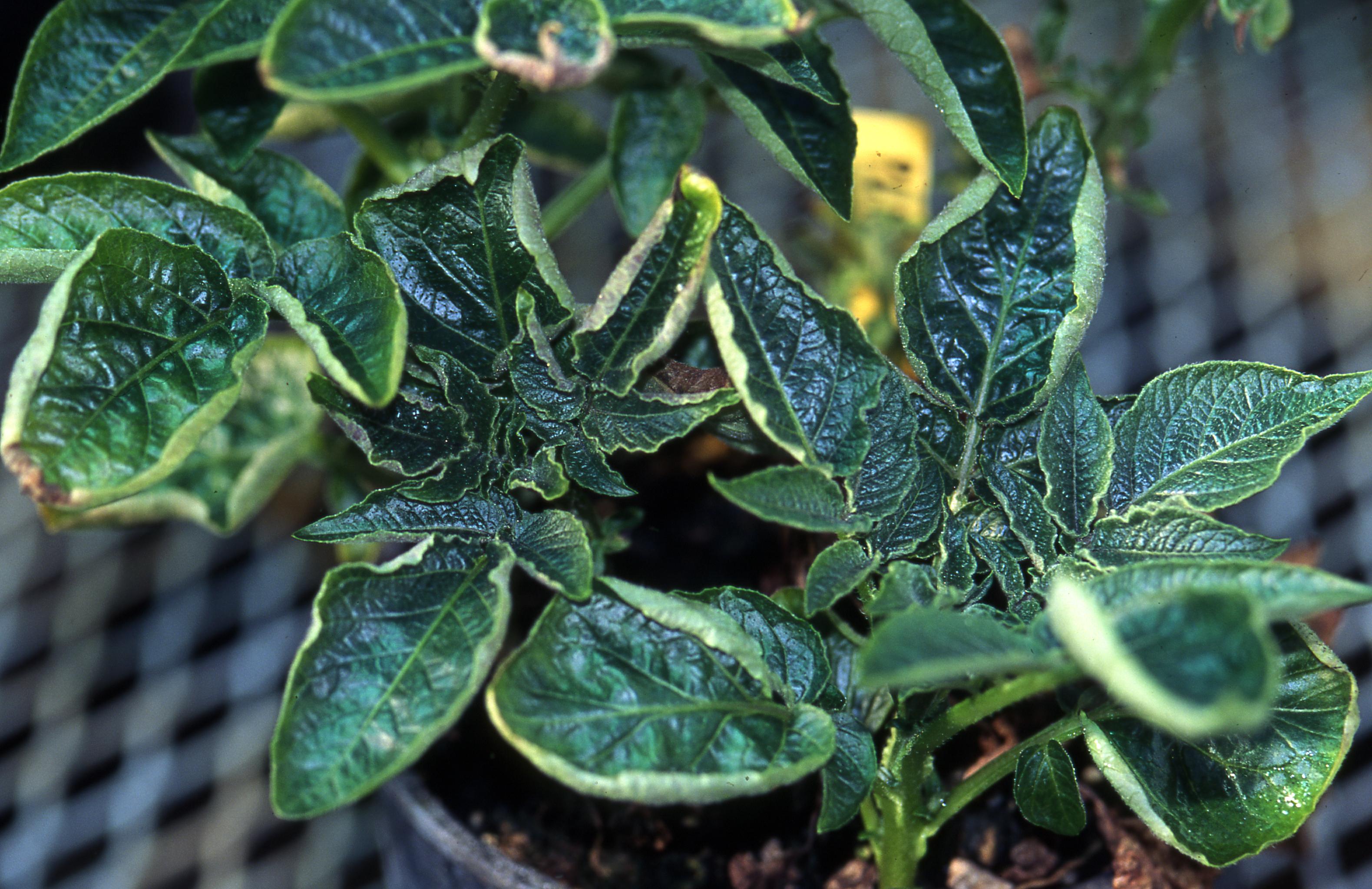
Leafhoppers cause a condition called hopperburn as they feed, turning leaves yellow, stunted, and eventually brown. This damage appears quickly once populations build, sometimes within a week or two.
Both insects reproduce rapidly in warm weather, making mid-season management essential.
Spider Mites: Tiny But Terrible
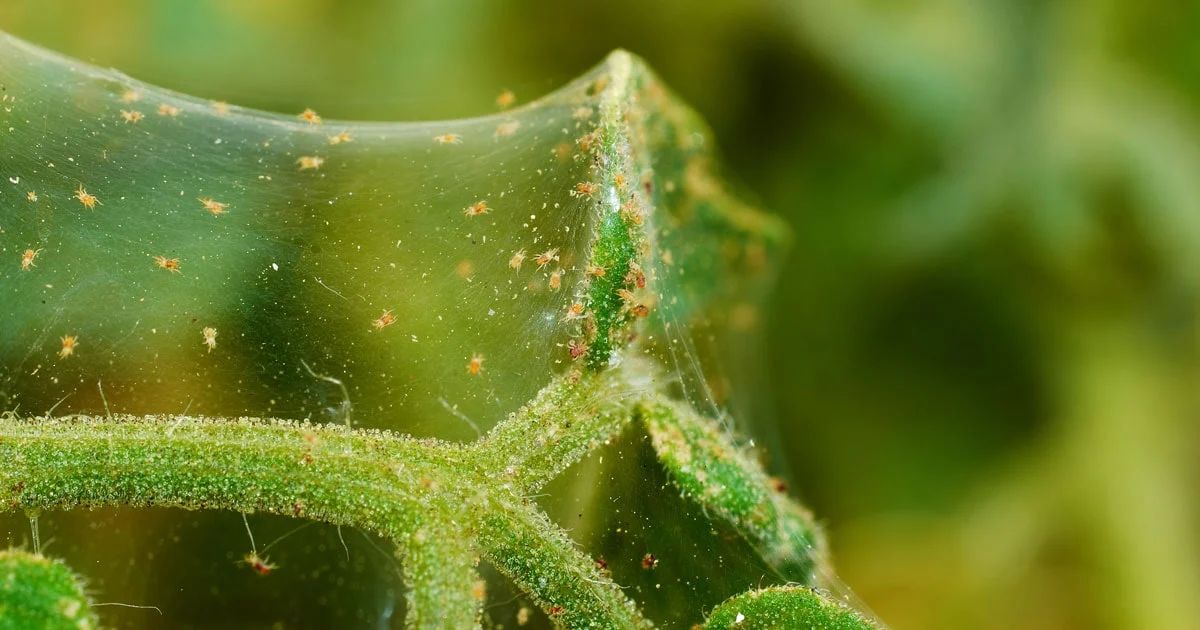
Spider mites are more common in hot, dry conditions. These microscopic pests feed on the undersides of leaves, causing a fine, stippled appearance and eventual yellowing and browning of foliage.
Unlike larger insects, spider mites produce fine webbing on affected plants. Heavy infestations can strip leaves entirely. The real challenge with spider mites is that they reproduce extremely quickly under hot conditions, sometimes doubling populations every three to five days during peak summer heat.
Other Notable Pests
Wireworms, the larval stage of click beetles, tunnel through seed pieces and underground stems, causing plant death and creating entry points for disease. Flea beetles create small round holes in leaves, primarily damaging young plants. While less destructive than Colorado potato beetles, uncontrolled flea beetle populations can still significantly impact plant vigor and yield.
Early Detection: Your Most Powerful Pest Tool
Early detection of pest problems changes everything. A small infestation caught early is manageable. The same problem two weeks later can be catastrophic.
Scout your potato plants at least once weekly starting when plants are young. Look for signs of pest activity: holes in leaves, yellowing, wilting, sticky residue indicating aphids, or the insects themselves.
For Colorado potato beetles, count adults and eggs during scouting. Treatment is recommended when you find 25 beetles per 50 plants, or when defoliation reaches 10 percent. For small larvae, treat when you find four per plant. For large larvae, treat at one and a half per plant.
For aphids and leafhoppers, use a sweep net to sample insects. Brushing the sweep net across plants 25 times captures insects accurately enough to estimate population levels and decide on treatment.
Document your findings. Note the date, pest type, location in your garden, and population levels. This information helps you identify patterns and predict problems in future seasons.
For those who love tracking plant health metrics and pest activity, digital tools like Plantlyze dot com help organize your monitoring data and send reminders for regular scouting. Their AI powered diagnosis features also help identify pests from photos when you're unsure what you're looking at.
The Integrated Pest Management Approach: Multiple Tactics Win
Integrated Pest Management or IPM uses multiple tactics working together, rather than relying on a single control method. This approach reduces pest populations while minimizing environmental impact and building resistance to any single control method.
Cultural Controls: Setting Up for Success
Crop rotation is your single most important tactic. Colorado potato beetles overwinter in soil. If you plant potatoes in the same location year after year, beetles emerge directly into your new crop, creating immediate infestation. Rotating potatoes to a different field at least 200 yards away from the previous year's location prevents this direct transmission.
Resistant potato varieties provide built in pest resistance. While true resistance to all pests doesn't exist, some varieties tolerate pest damage better than others. Consult local university extension services to identify varieties recommended for your region.
Plant timing also matters. Early plantings can allow beetles to leave your field before plants are fully established, resulting in naturally lower pest pressure.
Mechanical Controls: Going Hands On
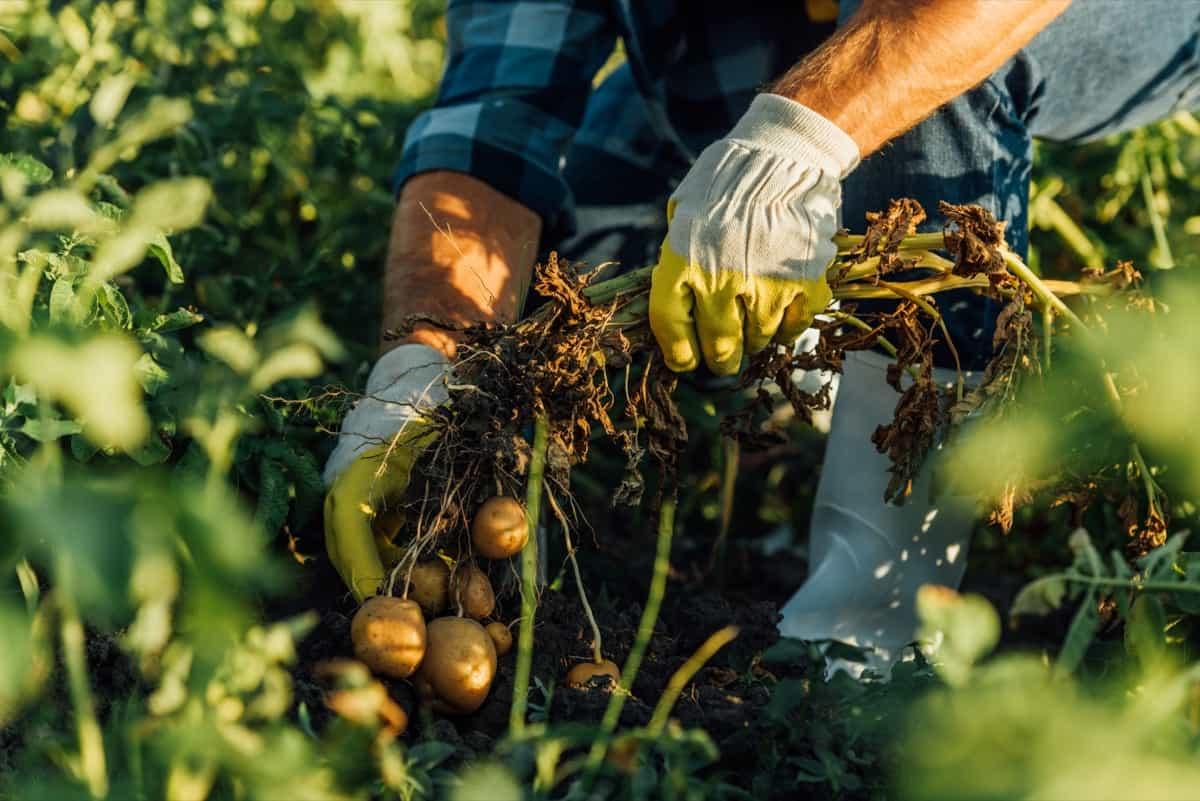
Hand picking is the most foolproof Colorado potato beetle control for home gardens. Walk your plants regularly and crush egg masses and small larvae with your fingers. Drop larger larvae and adults into a cup of soapy water. This method is labor intensive but highly effective for small gardens.
Floating row covers protect young plants from most pests by creating a physical barrier. Cover plants immediately after planting and remove covers when flowers appear and pollination is needed if growing for seed.
Straw mulch around plants has been shown to reduce Colorado potato beetle settling on plants and egg laying. The mulch interrupts their ability to easily climb to and find suitable feeding sites on stems.
Biological Controls: Nature's Pest Managers
Beneficial insects and fungi naturally control potato pests. Entomopathogenic fungi like Beauveria bassiana infect and kill a wide range of insects including Colorado potato beetles, aphids, and mites. These fungi are available commercially as sprayable formulations and work best when applied to small larvae.
Beauveria bassiana has been shown to reduce Colorado potato beetle populations up to 75 percent in some studies.
Parasitic flies, beneficial beetles, and ground dwelling predators all contribute to pest suppression in diverse gardens and organic farms. These natural enemies are more abundant and effective when you minimize broad spectrum insecticide use.
Birds also contribute significantly to pest control. Encouraging birds through habitat features and avoiding bird harming pesticides provides free, ongoing pest suppression.
Chemical Controls: When Nature Needs Help
For organic production, spinosad products provide excellent Colorado potato beetle control but work best on young larvae. Beauveria bassiana products offer both prevention and control. Azadirachtin (neem products) work slowly but can reduce overall pest damage and numbers over time. Insecticidal soaps control soft bodied pests like aphids and mites effectively.
For conventional growers, multiple insecticide classes are available, but resistance management is critical. Alternate between different chemical groups and modes of action to prevent beetles from developing resistance. Using the same chemical repeatedly, season after season, eventually renders it ineffective.
Treatment thresholds matter. Just because you see a few pests doesn't mean treating is necessary. Plants can tolerate 20 percent defoliation without yield reduction, meaning waiting until populations reach treatment thresholds wastes money on unnecessary applications.
Organic Strategies That Actually Work
Organic gardeners have more tools available today than ever before.
Neem oil, derived from neem tree seeds, disrupts insect feeding and reproduction. Multiple applications are typically needed as neem doesn't provide knock down control like some synthetic insecticides. Start applications early and repeat every seven to 14 days.
Spinosad, derived from soil bacteria, provides excellent control of Colorado potato beetles and many other pests. It works by disrupting insect nervous system function. Most effective on young larvae, spinosad loses effectiveness on larger insects. Apply to thoroughly cover foliage when populations are low.
Beauveria bassiana products are sprayable, commercially available fungal formulations. These naturally occurring fungi infect and kill insects. They work best in moist conditions and take several days to provide visible control, making them more of a preventative tool than a rescue treatment.
Creating diverse habitat with flowering plants attracts beneficial insects and provides pollen and nectar sources. Companion planting near potato crops, while being careful not to plant nearby tomatoes which share similar pests, can support beneficial populations.
Disease Management: Beyond Insects
While insects get most attention, diseases are equally important to manage. Late blight, caused by Phytophthora infestans, remains the most serious disease of potatoes. This fungal pathogen thrives in cool, wet weather and can destroy entire crops in days.
Prevention is critical since no potato variety offers complete resistance. Use disease free seed potatoes, practice good sanitation by removing volunteer plants and culling potato piles,and maintain adequate spacing for air flow.
Fungicide applications based on weather forecasts or blight prediction models provide effective control. These forecasting tools like BLITECAST predict when conditions are favorable for infection, allowing you to spray preventatively before disease appears. Apply fungicides starting 7 to 12 days before blight is predicted, rotating between different fungicide classes to prevent resistance development.
Early blight, another fungal disease, causes brown spots with concentric rings on lower leaves. This disease is less destructive than late blight but still warrants management through fungicide applications and removal of infected leaves.
Post harvest sanitation is essential. Don't harvest when soil is excessively wet, as water on tubers facilitates disease spread during harvest. Store potatoes in cool, dry conditions with adequate air flow to prevent moisture accumulation.
Encouraging Natural Enemies
The most sustainable long term pest management comes from supporting diverse populations of natural enemies. Unlike synthetic insecticides that kill on contact, natural enemies provide ongoing, season long suppression.
Beneficial beetles, parasitic wasps, and predatory mites all feed on potato pests. Parasitic flies lay eggs on Colorado potato beetle adults, with developing fly larvae consuming the beetle from inside. This sounds gruesome but is incredibly effective.
Create habitat for these beneficial organisms by maintaining permanent vegetation, providing water sources, and minimizing pesticide applications. Even a small hedgerow or wildflower planting near potato fields significantly increases beneficial insect diversity and pest suppression.
Birds consume enormous quantities of insects. Providing nesting boxes, perches, and shrub habitat encourages birds to establish territories in your garden. A single bird can consume hundreds of insects daily.
Your Potato Pest Management Calendar
Spring: Planting Through Early Growth
Scout weekly as plants emerge. Watch for Colorado potato beetle adults migrating from overwintering sites. If beetles are abundant in neighboring fields, consider early insecticide treatment of young plants. Plant resistant varieties selected for your region. Use row covers if beneficial pollinating insects haven't established.
Early Summer: Mid-Growth Phase
Increase scouting frequency to twice weekly as pest populations build. Crush Colorado potato beetle eggs on sight. If aphids are abundant, consider early treatment before populations explode. Maintain row cover protection if still using it.
Mid-Summer: Peak Growth and Flowering
Peak pest season requires vigilant monitoring. Scout every three to four days. Treat early if pest populations reach treatment thresholds. Apply fungicide preventatively if blight conditions are predicted. Maintain adequate irrigation to support plant vigor. Remove any visibly diseased plants immediately.
Late Summer: Senescence and Pre-Harvest
Monitor for late developing problems. Watch for secondary pests as plant vigor declines. Stop fungicide applications one to two weeks before harvesting. Allow foliage to completely die back if late blight is a concern, waiting 14 days after frost to harvest.
When to Seek Professional Help
Severe infestations, repeated problems despite management efforts, or disease identification challenges warrant professional intervention. Local university extension services offer free cost identification and management recommendations. Master gardener programs provide research guidance specific to your region.
For home gardeners struggling with pest identification or management decisions, diagnostic tools powered by AI like Plantlyze dot com allow you to upload photos of affected plants and receive potential pest and disease identification, along with management suggestions.
The key is getting help early before problems become unmanageable.
References
1. University of Minnesota Extension
https://www.extension.umn.edu/
2. University of Idaho Extension Services
https://www.uidaho.edu/extension
3. Colorado State University College of Agricultural Sciences
https://www.colostate.edu/
4. UC Davis Integrated Pest Management Program
https://ipm.ucanr.edu/
5. Wisconsin Crops and Soils Extension Program
https://cropsandsoils.extension.wisc.edu/
6. Maine Organic Farmers and Gardeners Association
https://www.mofga.org/