Introduction: Stop Watching Your Potatoes Sprout Too Soon
There's nothing quite like opening your pantry to grab a potato for dinner, only to find they've sprouted into an unruly jungle of green sprouts. You're not alone in this frustration. The average household tosses pounds of potatoes each year simply because they didn't know how to store them properly.
Here’s the good news. Keeping potatoes fresh for months is not complicated or expensive, and does not involve any fancy equipment or a dedicated root cellar (though that would be nice). Simply understand and apply just a few basic principles regarding temperature, light, and air circulation. This will take your potato storage from disappointing to impressive.
This guide contains practical and scientific methods of keeping potatoes safe for a long period, retaining their nutritional values thus reducing wastages that will eventually turn out as food on our tables either from few pounds bought at the farmers market or stored up for winter meals. Realistic approaches applicable to actual homes with real climates shall be discussed.
Why Getting Potato Storage Right Actually Matters
Before diving into the how, let's talk about why this matters beyond just convenience. Properly stored potatoes can last three to four months, while poorly stored ones might start deteriorating in weeks. That difference translates directly into your grocery budget and your meal planning flexibility.
Potatoes are living organisms, even after harvest. They continue a biological process called respiration, where they consume oxygen and release carbon dioxide. This ongoing metabolic activity means your storage conditions directly influence how quickly your potatoes age, sprout, and eventually spoil.
When stored correctly, potatoes maintain their firm texture, pale skin, and nutrient profile. They begin to sprout when stored in conditions of warmth, light or even too much humidity. Spots are created on them softly and their starches turn into sugars changing both flavor and properties of cooking.(1) Part of these changes create greening on the skin which signals the production of solanine a compound thats unpleasant to eat.
The cost of replacing spoiled potatoes adds up fast, especially if you buy in bulk or grow your own. Learning proper storage methods means more of your investment actually makes it to your dinner table.
Understanding Your Storage Environment: Temperature, Humidity, Light, and Air
Success with potato storage comes down to controlling four key environmental factors. Get these right, and your potatoes will stay dormant and fresh. Miss them, and sprouting begins almost immediately.
Temperature: The Most Critical Factor
Potatoes are incredibly temperature sensitive. The ideal storage temperature for fresh market potatoes is between 45 and 50 degrees Fahrenheit. This sweet spot keeps the respiration rate low, meaning your potatoes age slowly and stay dormant.
Most homes maintain temperatures between 65 and 75 degrees Fahrenheit, which is far too warm for long term potato storage. At these warmer temperatures, sprouting can begin within days. Even worse, temperatures above 55 degrees Fahrenheit trigger more rapid respiration and create an environment where rot and disease can develop.
On the flip side, storing potatoes below 40 degrees (like in a typical refrigerator) causes a different problem. The cold converts potato starches into sugars, altering the texture and taste. This is why potatoes never belong in the refrigerator unless they're already cut and prepared for cooking.
The key is finding the coolest location in your home that remains stable. A basement corner, a cool closet, an unheated garage, or a pantry away from heat sources often works perfectly for most households.
Humidity Levels: Finding the Right Balance
Potatoes need high humidity to prevent them from shriveling and losing weight. However, excess moisture can encourage rot and mold growth. Your target humidity range is between 85 and 95 percent relative humidity.
In commercial storage, this is precisely controlled by ventilation. At home, you are dealing with whatever humidity happens to exist in your chosen storage area. A basement or cool garage typically provides enough humidity while a hot dry kitchen cabinet causes the potatoes to shrivel fast.
If you notice your potatoes beginning to shrivel after a few weeks, your storage location is too dry. Consider moving them to a more humid environment or placing them in a container that retains moisture better, like a paper bag.
Light Exposure: Why Your Potatoes Turn Green
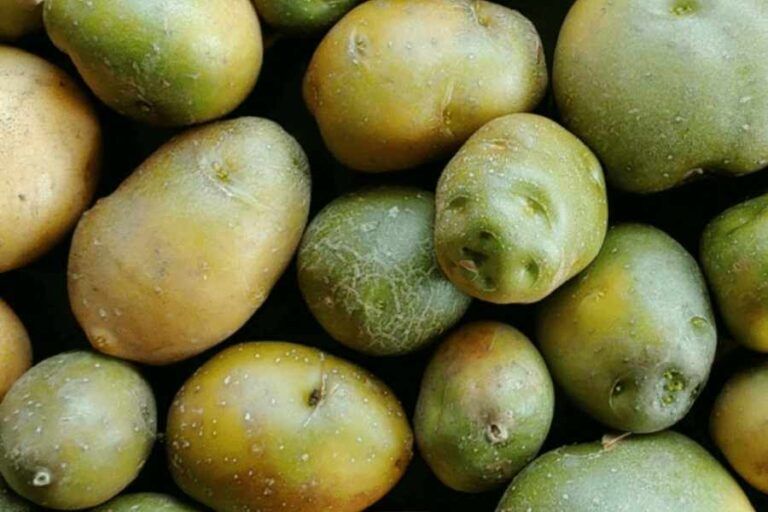
Never, ever store potatoes in bright light. Light exposure triggers the production of chlorophyll, which makes potatoes green, and more importantly, it signals the production of solanine. This compound gives potatoes a bitter taste and can cause digestive discomfort in large quantities.
The good news is that this problem is easy to prevent. Simply store potatoes in a dark location or cover them with newspaper or cardboard. If you're using a clear container, wrap it in an opaque bag. There's no need for special darkroom conditions. Simply keeping them out of direct sunlight and away from bright ambient light is sufficient.
Air Circulation: Preventing Moisture Traps
Stagnant air around stored potatoes creates pockets of excess moisture that encourage mold and rot. Good air circulation removes excess moisture and carbon dioxide while providing oxygen to the tubers.
This is why storing potatoes in completely sealed plastic bags is a mistake. Mesh bags, paper bags, ventilated plastic containers, wicker baskets, or wooden crates all allow air to move around the potatoes while protecting them from light.
Step by Step: How to Store Potatoes for Maximum Freshness
Now that you understand the principles, here's how to put them into practice.
Step 1: Select Quality Potatoes
Start with potatoes that are free from soft spots, sprouting eyes, or visible damage. Small cuts or bruises are okay for immediate use, but they indicate the potato's skin is compromised, making it more vulnerable to rot. When shopping, choose potatoes that feel firm to the touch. If you're harvesting your own, allow them to cure in a warm location for a week before storing (more on this below).
Step 2: Cure Freshly Harvested Potatoes
If you're storing potatoes immediately after harvest, they need a curing period first. Lay them in a single layer in a dark, well ventilated space at temperatures between 55 and 65 degrees Fahrenheit for one to two weeks. This allows any minor cuts or bruises to heal, and permits the skin to thicken and mature. This process significantly extends storage life.
If you're buying potatoes from a grocery store or farmers market, they've already been cured and are ready to store directly.
Step 3: Choose Your Storage Location
Scout your home for the coolest available spot. Common options include a basement corner, an unheated garage, a cool pantry, a hallway closet, or a root cellar if you're lucky enough to have one. The location should be away from heating vents, radiators, or direct sunlight from windows. It should also stay relatively free from temperature swings.
If your home stays warm year round, you might use a wine cooler, a dedicated storage box with temperature control, or work with smaller quantities that you rotate through more frequently.
Step 4: Prepare Your Storage Container
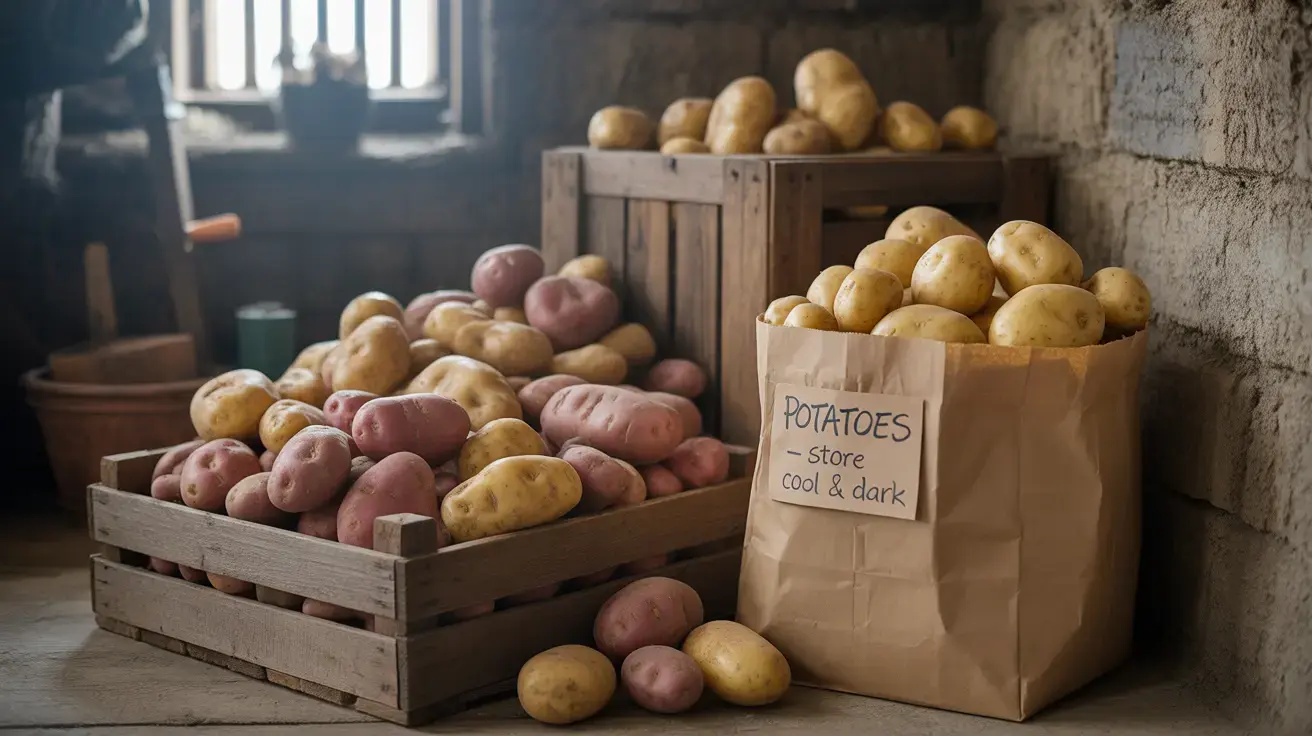
Avoid completely sealed plastic bags or airtight containers. Instead, use paper bags, mesh bags, breathable storage bins, wicker baskets, wooden crates, or cardboard boxes. These materials allow air to circulate while blocking light.
If you're using a transparent container, simply place it inside an opaque bag or cover it with newspaper. Don't wash the potatoes before storage; the dirt actually protects them. Simply brush off excess soil gently if needed.
Step 5: Organize for Easy Monitoring
Spread potatoes in a single layer when possible. If you must stack them, don't go more than one or two layers deep. Heavy stacking compresses lower potatoes, causing them to soften and rot more quickly. Consider using a shelf rack or even a simple cookie tray to create a second level without stacking potatoes directly on top of each other.
This organization also makes it easier to spot and remove any potatoes that begin to soften or show signs of rot, which you should do immediately.
Step 6: Check and Rotate Regularly
Dedicate 30 seconds each week to checking your potatoes. Gently press on them. If any feel soft, remove them immediately. If you smell any off odors, investigate and remove the problem potato. You're looking for the early signs of trouble before decay spreads to your whole batch.
Comparing Potato Storage Methods
Different situations call for different storage approaches. Here's what works best for various households.
Paper Bags: The Traditional, Effective Choice
Brown paper bags are the gold standard for most home potato storage. They completely block light, allow air circulation, absorb excess moisture without becoming airtight, and they're free if you're recycling bags from grocery trips. Simply place potatoes in the bag and fold the top loosely closed. Paper bags work beautifully in cool basements, pantries, and garages. They typically keep potatoes fresh for three to four months.
Mesh or Net Bags: Excellent Airflow with Light Protection

If you need maximal air circulation, mesh bags offer a perfect balance. The tight weave blocks most ambient light while allowing complete air movement. These bags work especially well if your storage location tends toward humidity or dampness, as they prevent moisture from accumulating on the potatoes.
Wicker Baskets: Attractive and Functional
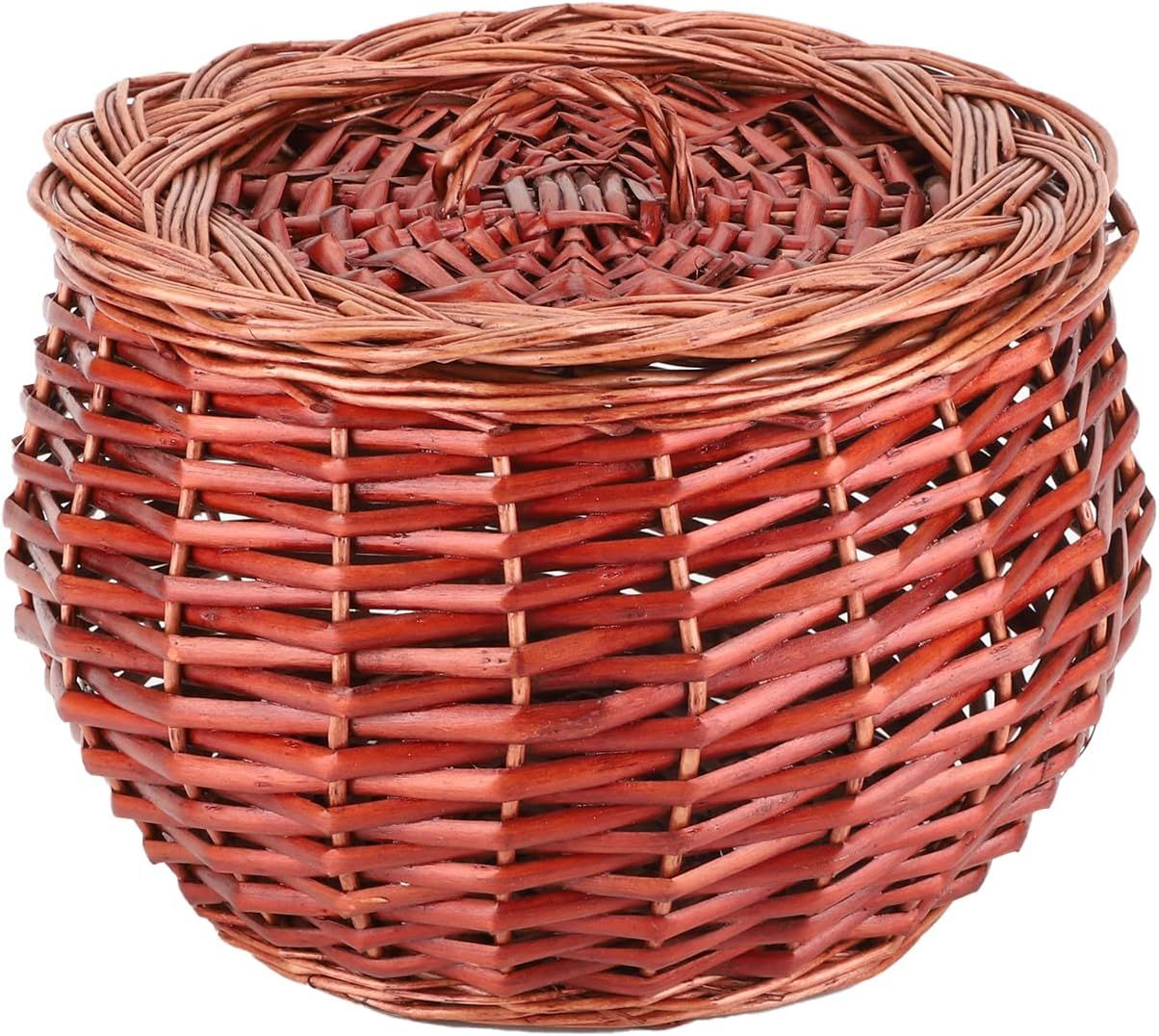
If you prefer your storage containers visible, wicker baskets provide good light protection thanks to their tight weave while maintaining air circulation. They're attractive enough to keep in a corner of the kitchen without ruining your decor. Make sure the basket has a tight enough weave that ambient light can't penetrate easily.
Ventilated Plastic Containers: For Organized Households
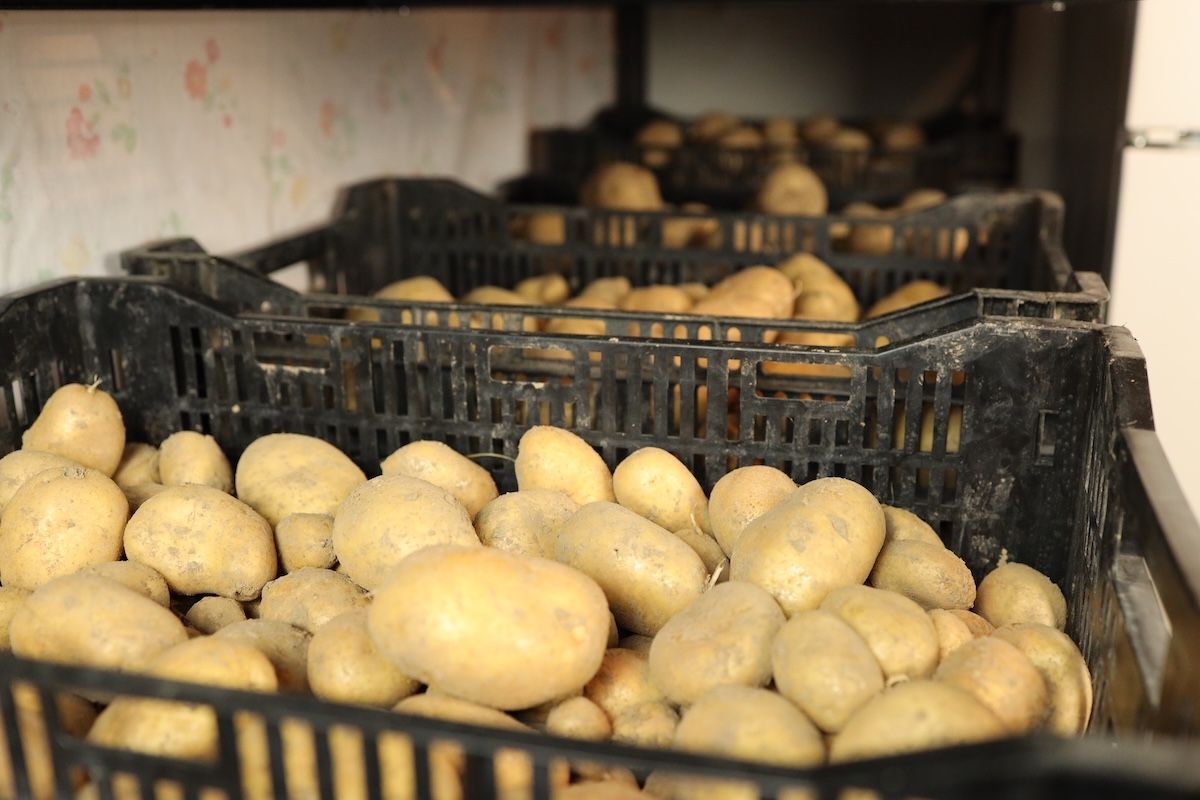
If you use plastic storage containers, choose ones with ventilation holes or leave the lid slightly ajar. Never seal potatoes in airtight containers. Label the container with the storage date so you know how long you've been storing them.
Basement or Cool Room Storage: The Ideal Solution
If you have a basement, cool corner of a garage, or root cellar, you can store potatoes in their original bags or in open bins. These locations naturally maintain cooler temperatures and often have sufficient air movement. Many households store potatoes this way without any special containers, simply grouped together in a cool corner.
Preventing Common Potato Storage Problems
Even with good intentions, several problems can derail your potato storage. Here's how to avoid them.
Stop Sprouting Before It Starts
Sprouting happens when potatoes sense warmth and light, triggering them to prepare for growth. The most foolproof prevention method is maintaining cool temperatures (below 50 degrees) in a dark location. This keeps potatoes in dormancy.
An old trick involves placing an apple or banana with your potatoes. These fruits release ethylene gas, which theoretically inhibits sprouting. Scientific evidence supports this concept under controlled conditions, but results in home kitchens are mixed. It doesn't hurt to try, but don't rely on it as your primary prevention method.
The real secret is temperature and darkness. Master these two factors, and sprouting becomes rare.
Prevent Green Skin
Green potatoes develop when exposed to light. Simply keeping them in a dark location completely prevents this problem. If you see any greening, it signals solanine production. Cut away the green portions before cooking, or discard the potato if the greening is extensive.
Manage Humidity Issues
If potatoes shrivel noticeably after a few weeks, move them to a more humid location. If they develop mold or soft spots, your storage location is too damp. Increase air circulation or move them to a slightly warmer (but still cool), better ventilated location.
Keep Potatoes Away From Problem Produce
Never store potatoes alongside onions. Onions release gases that cause potatoes to sprout and spoil more quickly. Bananas and apples also release ethylene gas, so while these might slow sprouting, they also increase complexity. Store these items separately or keep them in very small quantities with potatoes only if you're experimenting.
Remove Problem Potatoes Immediately
Once or twice weekly, do a quick inspection of your stored potatoes. The instant you notice soft spots, wrinkles, or mold, remove that potato. A single rotting potato left in storage will rapidly cause others nearby to rot as well. Early removal prevents cascading spoilage.
How Long Will Your Potatoes Last
With proper storage conditions, you can expect these timeframes.
In a cool, dark basement or root cellar at 45 to 50 degrees Fahrenheit with good air circulation, potatoes will remain fresh for three to four months or longer. Some varieties can last considerably longer, even into late spring if stored under ideal conditions.
In a cool pantry or closet at slightly warmer temperatures (50 to 60 degrees), expect two to three months of good quality storage.
In a moderate temperature location without optimal conditions, potatoes might stay acceptable for four to eight weeks.
As potatoes age, they gradually lose moisture and their texture becomes softer. They might still be safe to eat, but cooking quality declines. Check regularly and use older potatoes first. When potatoes reach four months in storage, prioritize using them soon.
Keep Your Potatoes Fresh: A Simple System
Proper potato storage doesn't require complexity or expensive equipment. Focus on these fundamentals: keep them cool (45 to 50 degrees), keep them dark, ensure air circulation, maintain reasonable humidity, and check them weekly for problems. Find one cool location in your home, select an appropriate storage container, and commit to weekly monitoring.
Monitor your potatoes easily with regular checks, or for those who love tracking their produce health and storage conditions, tools like Plantlyze dot com provide helpful reminders and guidance for optimal storage management of all your home produce. Their AI powered platform helps organize when items were stored and suggests optimal usage timelines.
Over time, you'll develop an intuition for your specific storage space and the varieties that work best in your climate. Your grocery budget will thank you, and your dinner table will benefit from having fresh potatoes available throughout the season.
The next time you're tempted to toss sprouting potatoes, remember: this was preventable. Use these strategies now, and you'll be buying far fewer replacement potatoes next season.
References
1. University of Idaho Extension Services
https://www.uidaho.edu/extension2. Colorado State University Potato Program
https://www.colostate.edu/3. UC Davis Integrated Pest Management
https://ipm.ucanr.edu/4. Cornell University College of Agriculture and Life Sciences
https://cals.cornell.edu/5. Idaho Potato Commission (Agricultural Research)
https://idahopotato.com/