
Introduction
Cucumber diseases devastate gardens faster than almost any other plant problem. One week your plants look vigorous and healthy. The next week powdery white coating covers the leaves, or yellow spots with fuzzy undersides signal downy mildew has arrived. Suddenly your abundant harvest disappears, replaced by struggling, declining plants.
The frustrating truth is that many gardeners treat diseases after they appear, when intervention becomes much more difficult. Smart growers prevent diseases before they start. Prevention requires understanding which diseases threaten cucumbers in your area, knowing how to recognize early symptoms, and implementing proven strategies that keep plants healthy before problems develop.
This comprehensive guide reveals the exact prevention strategies that successful cucumber growers use to avoid disease problems entirely. You will learn which cucumber varieties resist disease naturally, how to space and water plants to prevent fungal infections, and when simple cultural practices eliminate disease before treatment becomes necessary.
Understanding the Major Cucumber Diseases
Before you can prevent diseases effectively, you need to recognize the enemies you are fighting. Five diseases cause most cucumber problems in home gardens.
Powdery Mildew: The Most Common Fungal Problem
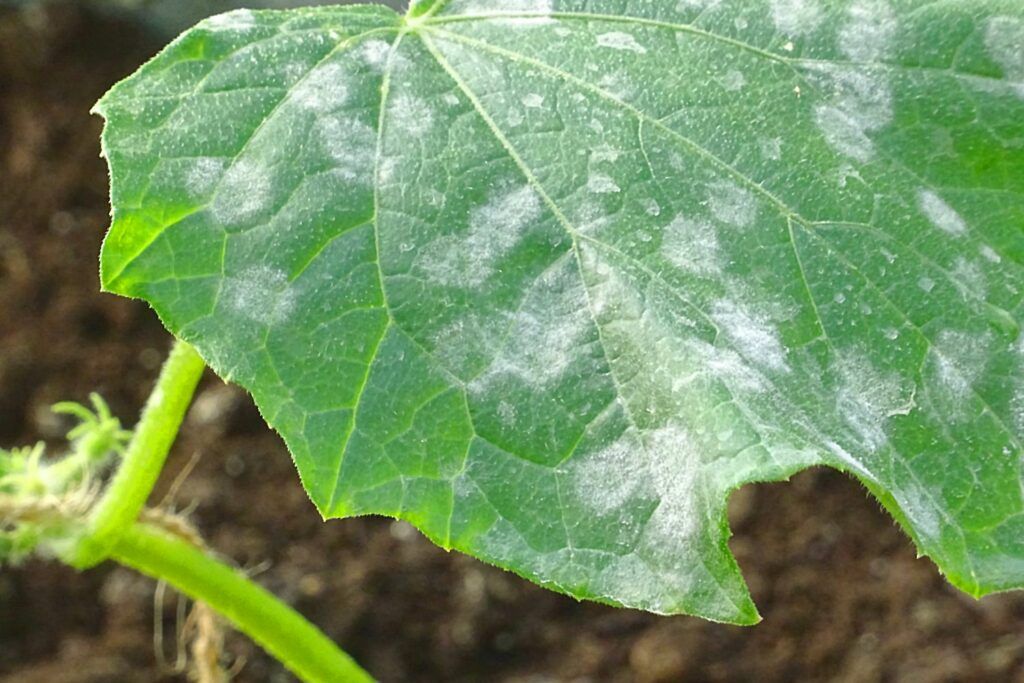
Powdery mildew appears as white or grayish powder coating on leaves, stems, and occasionally flowers. Affected leaves eventually yellow and drop, exposing fruit to sunburn. The fungus thrives in dry conditions with moderate temperatures between 50 and 90 degrees Fahrenheit, making it especially problematic in late summer and fall.
Here is the frustrating part: powdery mildew appears on healthy looking plants. You might water regularly, provide good air circulation, and still watch the white coating spread. This disease spreads through airborne spores, meaning your neighbor's infected plants can infect your garden even without direct contact.
Downy Mildew: The Serious Threat
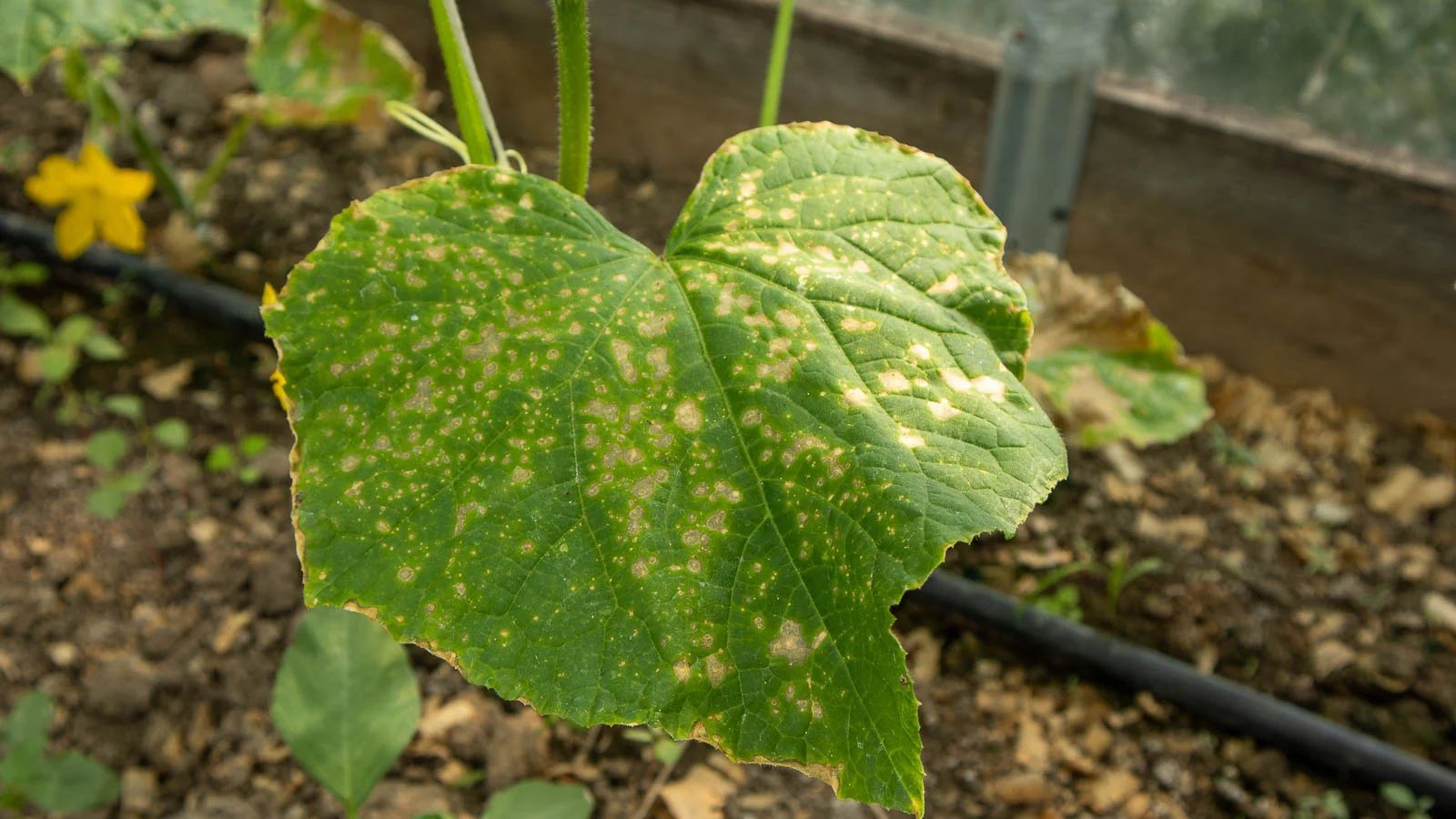
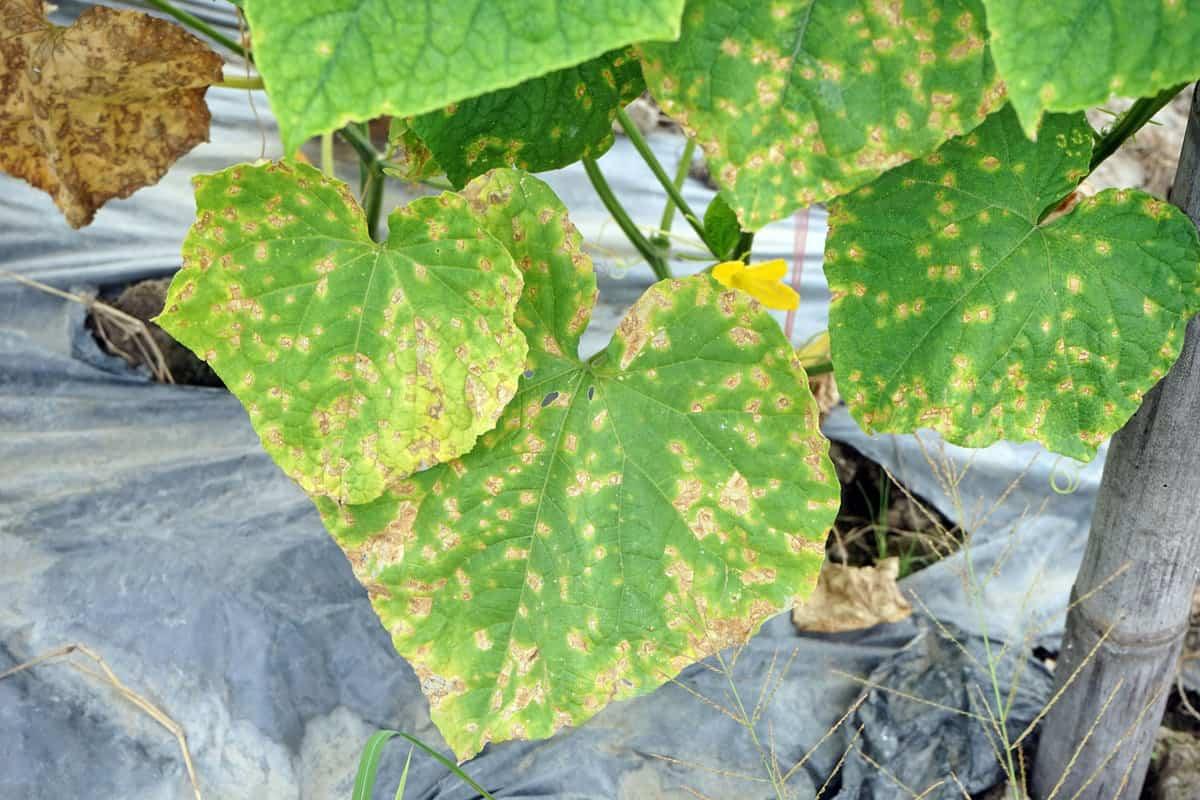
Downy mildew presents differently than powdery mildew. Yellow spots develop on the upper leaf surface while the underside shows gray or purplish fluffy growth. Affected leaves eventually brown and drop. Under ideal conditions with high humidity and moderate temperatures, downy mildew can destroy an entire planting within days, causing yield losses up to 100 percent.
Unlike powdery mildew, downy mildew prefers wet foliage and humid conditions. Plants crowded together or watered from overhead develop downy mildew rapidly. Once established, downy mildew proves extremely difficult to manage, making prevention absolutely critical.
Anthracnose: The Leaf and Fruit Destroyer
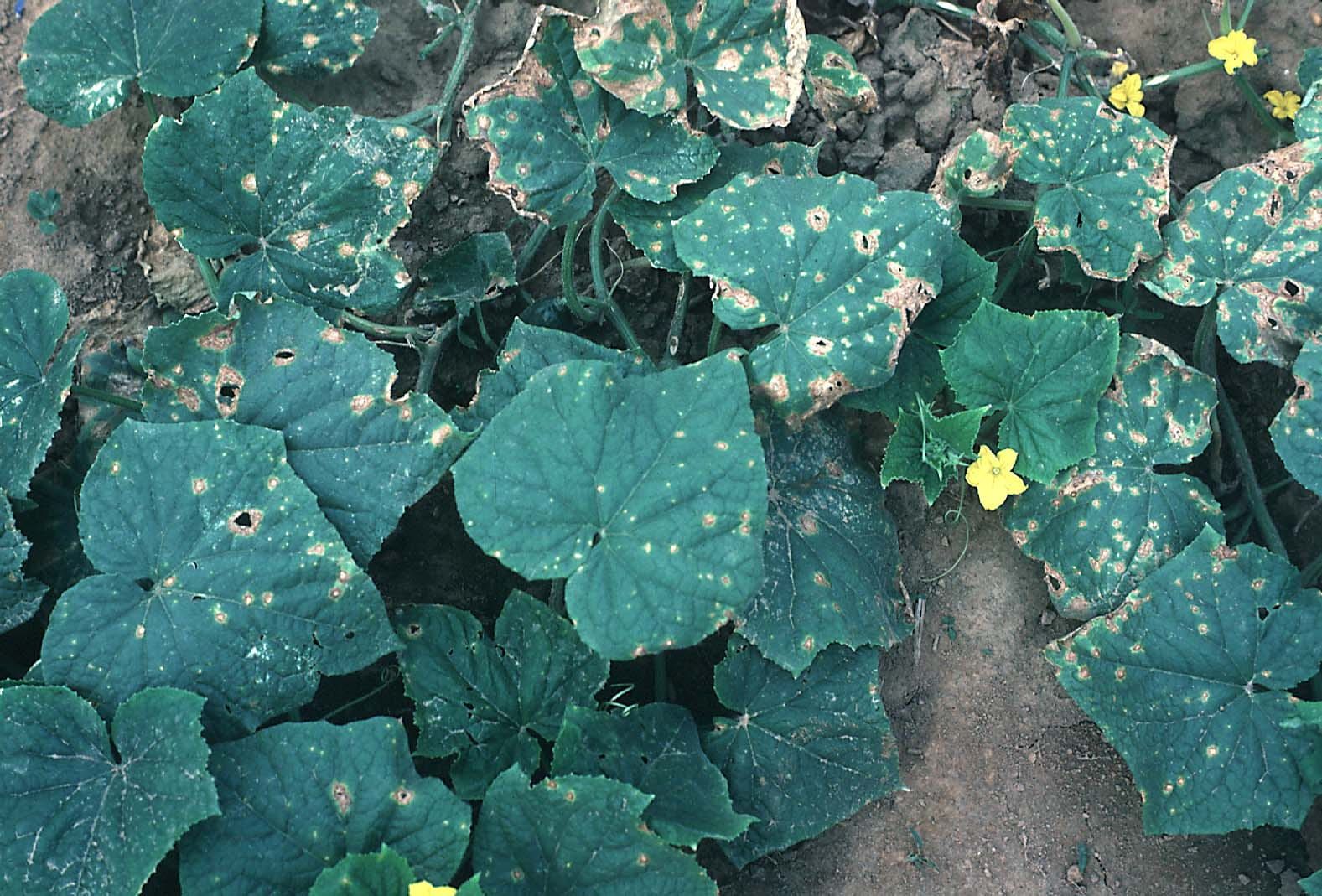
Anthracnose causes water-soaked yellow spots on leaves that progress to brown, sunken lesions. The disease also attacks fruits, creating brown sunken spots that make cucumbers unmarketable. Anthracnose survives in plant debris and soil, meaning it persists year after year in the same garden location unless you actively prevent it through crop rotation.
Bacterial Wilt: The Most Devastating
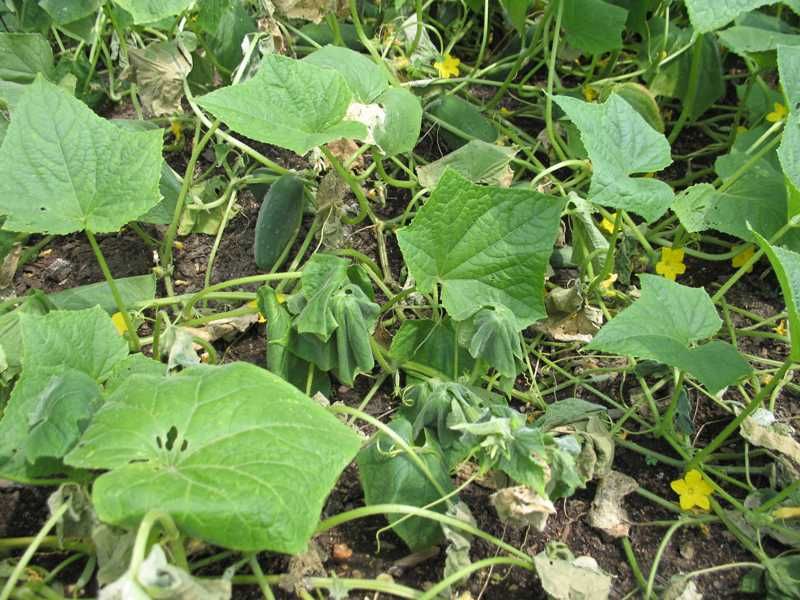
Bacterial wilt causes sudden, complete plant collapse. The disease offers no warning. Plants that appear healthy suddenly wilt dramatically and die within days. Bacterial wilt spreads through cucumber beetle feeding, and once plants become infected, no cure exists. Your only option is removing and destroying infected plants immediately to prevent beetles from spreading the bacterium to neighboring plants.
Cucumber Mosaic Virus: The Hidden Threat
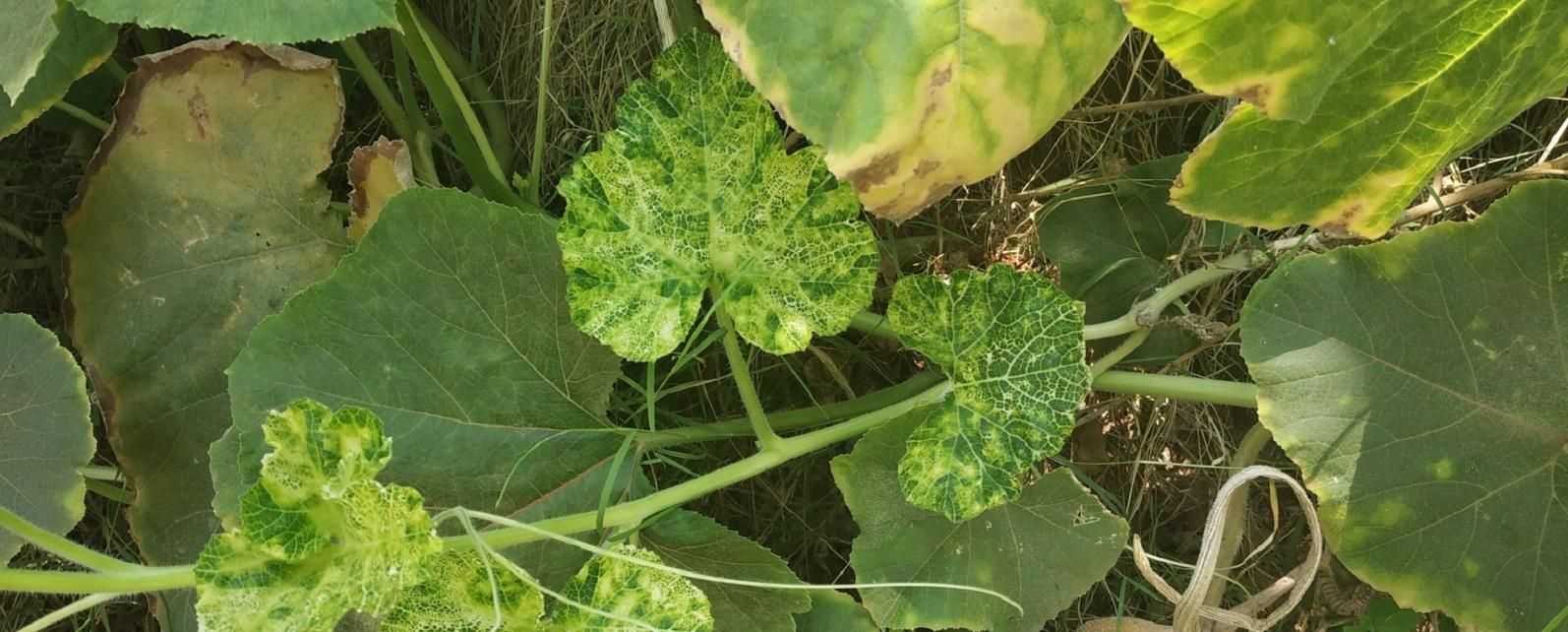
Cucumber mosaic virus creates mottled, crinkled leaves with distorted growth. Infected plants produce fewer, misshapen fruits. Aphids spread the virus from plant to plant. The challenge is that infected plants often look only mildly affected early, allowing the virus to spread before you recognize the problem.
Disease Resistant Varieties: Your First and Best Defense
The simplest disease prevention strategy requires doing absolutely nothing beyond selecting the right varieties at planting time.
Why Resistant Varieties Matter
Plant breeders have developed cucumber varieties with natural resistance to powdery mildew, downy mildew, anthracnose, bacterial wilt, and cucumber mosaic virus. Growing resistant varieties eliminates entire disease categories from your garden without requiring sprays, monitoring, or intervention.
This approach works because the plant's genetics prevent disease development. The pathogen cannot infect resistant varieties regardless of conditions. You get disease prevention for free through seed selection.
Identifying Resistant Varieties
Seed packets list disease resistance using abbreviations. PM indicates powdery mildew resistance. DM means downy mildew resistance. ALS stands for angular leaf spot. Look for these codes when purchasing seeds. Many modern hybrid cucumbers include multiple resistances, protecting against several diseases simultaneously.
Examples of disease resistant varieties include Salad Bush (bacterial wilt tolerant), Marketmore 76 (bacterial wilt resistant), and County Fair 83 (bacterial wilt tolerant). Ask your local cooperative extension which resistant varieties grow well in your specific region.
Cultural Practices: Prevention Through Good Gardening Habits
Long before any disease appears, simple cultural practices prevent problems from developing in the first place.
Starting with Clean Seeds and Soil
Purchase seeds from reputable sources and choose certified disease-free stock when available. Some diseases survive on seeds, meaning infected seeds spread disease to healthy plants immediately upon germination.
Avoid planting in areas where cucurbits grew in previous years. Fungi that cause anthracnose, powdery mildew, and other diseases survive in soil, in plant debris, and on garden tools. Planting cucumbers in the same location year after year guarantees disease problems. Instead, rotate cucumbers to completely different garden areas, ideally waiting three years before planting cucumbers in the same spot again.
Removing Plant Debris
This simple practice prevents incredible amounts of disease. Many cucumber diseases survive the winter in dead plant material. In fall, immediately remove all cucumber vines, leaves, and debris after harvest. Do not compost infected material since this simply spreads disease into next season's soil. Bag diseased debris and send it to landfill instead.
Clean your tools thoroughly between plants. A dirty trowel or pruner moving from a diseased plant to a healthy plant spreads pathogens instantly. Wipe tools with a cloth moistened in diluted bleach solution (one part bleach to ten parts water) between plants.
Controlling Weeds
Weeds harbor insects that spread viruses and bacteria. They also create humid, dense growth that favors fungal diseases. Keep your garden area weeded thoroughly. Remove even weeds on the edges of the garden since they can harbor pests and diseases.
Proper Spacing and Air Circulation: Creating an Unfavorable Disease Environment
Diseases thrive in humid, dense environments. Spacing and airflow create conditions hostile to disease development.
Spacing Recommendations
Space cucumber plants 12 to 36 centimeters apart depending on whether you trellis vertically or grow them horizontally. This spacing allows air to circulate freely around foliage, reducing humidity within the plant canopy. Crowded plants create micro-environments where humidity stays high, fungal spores germinate readily, and diseases spread rapidly.
Trellising plants vertically on supports provides even better airflow than ground level growing. Elevated plants benefit from better air movement and lower humidity directly around foliage.
Promoting Airflow
Remove lower leaves from plants mid-season once the plant is well established. This simple practice improves airflow significantly and removes the warmest, most humid micro-environment where pests congregate and diseases thrive. Removing leaves also eliminates pest harboring spots and allows you to inspect plants more thoroughly.
Watering Techniques: Preventing Fungal Disease Spread
How you water your plants dramatically impacts disease development.
Base Watering Only
Always water at soil level directly at the plant base. Avoid overhead watering that wets foliage. Water on leaves provides the moist conditions fungal spores need to germinate. Powdery mildew and downy mildew both require leaf moisture to establish infection.
Overhead watering also spreads fungal spores from infected leaves to healthy leaves as water runs down the plant. Base watering eliminates this spread mechanism while reducing humidity within the plant canopy.
Timing Matters
Water early in the morning when you can. If unexpected rain wets foliage, morning sun dries it quickly. Evening watering leaves foliage wet through the cool night, creating perfect conditions for fungal development. Morning watering followed by morning sun maximizes drying time and minimizes disease opportunity.
Water deeply and thoroughly to encourage deep root development, but allow soil to dry slightly between waterings. Proper moisture supports plant vigor while avoiding the waterlogged conditions that promote root diseases and the humid canopy environment that encourages foliar diseases.
Crop Rotation: Breaking the Disease Cycle
Rotation prevents disease buildup in your soil.
Understanding Crop Rotation
Rotating crops means planting different plant families in different locations each year. Many cucumber diseases survive in soil, waiting to infect susceptible plants. When you plant cucumbers in the same spot yearly, you reinfect plants with persistent pathogens.
Plant cucumbers in location A one year. The next year, plant a completely different crop family in location A. Beans, peas, lettuce, or carrots work well. The third year, you can plant cucumbers in location A again. This three year rotation breaks most pathogen cycles, dramatically reducing disease pressure.
Selecting Rotation Crops
Avoid planting other cucurbits (melons, squash, pumpkins) in rotation locations. These crops share diseases with cucumbers. Rotate with legumes, leafy greens, or other non-cucurbit crops instead.
Early Detection and Monitoring: Catching Problems Before They Spread
Regular monitoring catches disease early when intervention succeeds.
Scout Plants Regularly
Check plants at least twice weekly, inspecting both leaf surfaces. Look for any unusual discoloration, spots, powdery coating, or wilting. Early detection means you catch disease before it spreads throughout the plant or the garden.
Morning inspection works best since you can see damage clearly in good light. Look underneath leaves where powdery mildew and downy mildew hide initially before becoming obvious.
Quick Response to Symptoms
Remove affected leaves immediately upon spotting disease. For powdery mildew, removing a few affected leaves stops spread. For downy mildew, removing affected foliage slows progression. For any spotted leaf disease, prompt removal prevents spores from spreading.
If disease becomes severe despite removal efforts, remove the entire plant rather than allowing it to serve as a disease source for surrounding plants.
Organic Treatment Options: When Prevention Fails
Despite best efforts, disease sometimes appears. These organic treatments help manage it.
Baking Soda Spray for Powdery Mildew
Mix one tablespoon baking soda per gallon of water. Add a few drops of dish soap to help the spray adhere to leaves. Spray both leaf surfaces thoroughly when disease appears. Apply early morning or late afternoon. This spray prevents powdery mildew spores from germinating on leaves.
Sulfur for Fungal Prevention
Sulfur dust or spray controls both powdery mildew and some other fungal diseases. Apply according to label directions, always in cool morning or late afternoon hours to avoid leaf damage. Never apply sulfur within two weeks of oil-based products.
Copper-Based Treatments for Bacterial Diseases
Copper fungicides help control bacterial diseases and some fungal problems. Apply as a preventive spray before disease appears for best results. Follow label directions carefully since excessive copper application can accumulate in soil.
Neem Oil and Insecticidal Soap
These organic treatments control pests that spread diseases. Controlling aphids reduces virus spread. Controlling cucumber beetles prevents bacterial wilt spread. Apply at first sign of pest activity, following label directions.
Milk Spray for Powdery Mildew
Mix milk with water at a ratio of one part milk to ten parts water. Spray affected foliage thoroughly. This unusual treatment works surprisingly well for powdery mildew control, costing nearly nothing while using materials most gardeners have at home.
Hydrogen Peroxide Solution
Mix one cup hydrogen peroxide per gallon of water and spray plants thoroughly when powdery mildew appears. Apply in evening to avoid plant stress. This treatment helps control both powdery and downy mildew.
Integrated Pest Management: The Comprehensive Approach
The most effective disease prevention combines multiple strategies rather than relying on any single approach.
Combining Strategies for Maximum Effect
Start with disease-resistant varieties. Implement proper spacing and air circulation. Practice base watering at optimal times. Remove plant debris faithfully. Scout plants regularly. When disease appears despite prevention efforts, respond quickly with appropriate organic treatments.
This layered approach prevents most disease before it appears. When problems do develop, you catch them early enough that organic treatments succeed.
Monitoring and Adjustment
Keep simple records of what diseases appeared, when they appeared, and which prevention strategies worked. Use this information to adjust your approach yearly. If downy mildew always appears in August despite your efforts, consider planting later-maturing varieties that avoid peak downy mildew season. If powdery mildew consistently troubles your garden, choose resistant varieties exclusively.
Effective disease management becomes increasingly easy as you learn what works in your specific garden and climate.
Getting Expert Diagnosis with Plantlyze
As you implement disease prevention strategies, you might encounter symptoms that are difficult to identify. Accurate diagnosis determines appropriate response, so getting expert identification matters greatly.
Plantlyze provides an AI powered plant diagnosis and care tool that helps identify diseases quickly and accurately. When you observe unusual symptoms on your cucumber plants, simply photograph the affected foliage or fruit and use Plantlyze's advanced technology to receive instant diagnosis. The tool analyzes images against thousands of disease, pest, and nutrient deficiency patterns, providing you with accurate identification and specific treatment recommendations.
Stop guessing about what is affecting your plants. Visit plantlyze.com today and experience the confidence that comes from expert, instant plant diagnosis. This powerful tool helps you make informed decisions about prevention and treatment, ensuring your cucumbers stay healthy and productive throughout the season.
Conclusion: A Season of Healthy, Disease-Free Cucumbers
Cucumber disease prevention proves far simpler and more reliable than treating diseases after they appear. Start with resistant varieties, implement proper spacing and watering, practice crop rotation, monitor regularly, and respond quickly to any symptoms. This comprehensive approach prevents most disease before it becomes a problem.
Season after season, as you refine your disease prevention strategy based on experience, managing cucumber diseases becomes second nature. You will enjoy harvests of beautiful, healthy cucumbers without the frustration of disease devastation that troubles gardeners who discover problems too late.
References
1. Nature (Scientific Journal)
https://www.nature.com/articles/s41598-024-81643-0
2. Clemson University
https://hgic.clemson.edu/factsheet/cucumber-squash-melon-other-cucurbit-diseases/
3. University of Kentucky Extension
https://plantpathology.mgcafe.uky.edu/sites/plantpathology.ca.uky.edu/files/PPFS-VG-45.pdf