Introduction: Why Your Cucumbers Might Be Struggling on Flat Soil
Your cucumber plants started strong in spring. As summer progresses, something shifts. Leaves yellow despite adequate water. Disease spots appear. Fruit production slows dramatically. You wonder if you missed something fundamental about growing cucumbers.
You might have. Most home gardeners plant cucumbers on completely flat soil. While this works adequately, it misses a significant opportunity for improvement. Hilling cucumbers, the practice of mounding soil around plant bases, transforms plant health and productivity. This simple technique creates better drainage, encourages secondary root development, reduces disease pressure, and extends your fruiting season.
This guide teaches you exactly how to hill cucumbers properly, when to do it, and why this foundational technique matters more than you probably realize.
What Is Hilling Cucumbers? Understanding the Basics
Hilling, sometimes called mounding or earthing up, means creating raised mounds of soil around the base of cucumber plants as they grow. Instead of planting on completely flat ground, you build a low, broad mound approximately eight to ten inches high and twenty to thirty inches across. Seeds or transplants go into the peak of the mound.
This technique differs completely from flat planting where seeds go directly into level garden bed soil. Many gardeners never consider hilling, assuming it is unnecessary work. In reality, hilling is one of the simplest, highest-impact improvements you can make to cucumber growing success.
A common misconception exists that hills help water run off quickly, improving drainage. In practice, well-made hills hold water within the mound structure itself, allowing water to infiltrate deeply through loose soil into the root zone rather than running off the surface. The mounded soil provides superior moisture penetration compared to tight, flat soils.
Why Hill Cucumbers? The Substantial Benefits
Hilling cucumbers delivers multiple interconnected benefits that compound throughout the growing season.
The most important benefit is enhanced drainage combined with superior water infiltration. Mounded soil provides loose, well-draining structure that prevents waterlogging while maintaining consistent moisture availability to roots. This balance eliminates root rot problems common in flat, compacted soils while ensuring plants never suffer drought stress.
A second major benefit is secondary root system development. Cucumber plants naturally produce adventitious roots (additional roots) wherever stems contact soil. When you hill soil around the stem base, the buried stem portion develops new roots along its entire length. This secondary root system provides insurance against damage. If a pest or disease damages the main root system or stem above the original roots, the secondary roots sustain plant growth and productivity.
Hilled beds naturally create improved air circulation around plant bases and through the soil profile. This increased air movement reduces fungal disease pressure and soil-borne pathogen activity. Better aeration also accelerates nutrient cycling and microbial activity, supporting plant health holistically.
Mounded soil absorbs and retains warmth more effectively than flat beds, particularly beneficial early and late season when soil temperatures are cool. Warmer soil temperatures accelerate germination, root development, and nutrient uptake.
Hilled plants also exhibit improved stability, particularly important for vigorous vining varieties that develop substantial above-ground mass. The wider soil base anchors plants securely against wind and the weight of mature vines.
The Cucumber Root System: Understanding Growth Patterns
Understanding cucumber root systems explains why hilling proves so effective. Cucumbers naturally develop shallow, fibrous root systems concentrated primarily in the top twelve to eighteen inches of soil. This shallow rooting makes plants vulnerable to drought stress, root disease, and soil compaction damage.
Importantly, cucumber stems buried in soil develop adventitious roots along their entire length. When soil temperatures reach approximately sixty to seventy degrees Fahrenheit, white tubercles (root rudiments) appear on buried stem portions, developing into functional roots. This ability to root along the stem provides the foundation for hilling success.
The secondary root system that develops from hilled soil provides enormous advantages. Plants develop multiple interconnected root networks rather than depending solely on primary roots from the seed. This redundancy means if vine borers damage the main stem, secondary roots continue supporting the plant. If disease affects primary roots, secondary roots sustain productivity.
Many gardeners deliberately encourage stem rooting by hilling because they understand that mature plants with multiple root systems outperform single-rooted plants dramatically. Experienced growers specifically manage hilling schedules to maximize root development at critical growth stages.
Step-by-Step Guide: How to Hill Cucumbers
Timing Your Initial Hill
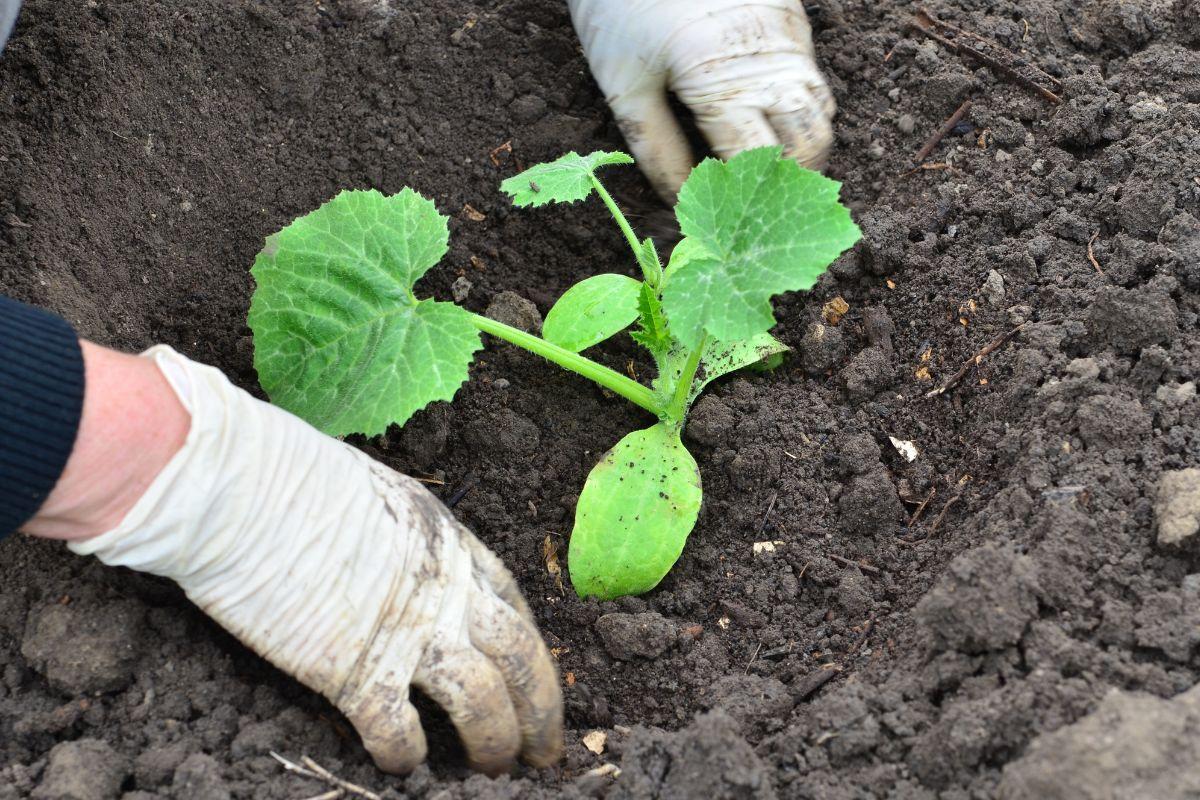
Hilling begins at planting time, though its importance intensifies as plants grow. When direct seeding cucumbers, create your mound during soil preparation, before seed placement. When transplanting greenhouse-started seedlings, hill the soil gently around transplants after they establish.
The most critical hilling window occurs at the seedling stage when plants develop their first two to three true leaves. At this point, hilling provides maximum root development benefit because young plants still have flexible stems capable of producing abundant adventitious roots.
Materials You'll Need
Prepare quality soil for hilling. Use your garden soil amended generously with compost or well-rotted organic matter. The soil should be loose and friable, easily crumbling in your hand. Compacted clay soil requires amendment before hilling works effectively.
Creating Your Mound: The Basic Procedure
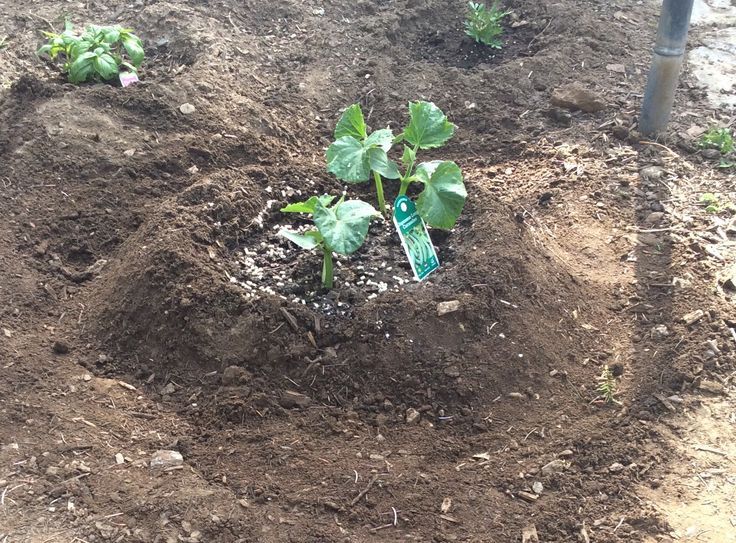
Create an initial mound approximately eight to ten inches high and twenty to thirty inches across at the base. The shape should be a low, broad hill rather than a sharp point. Rounded mounds encourage better water infiltration than peaked hills.
Space separate hills four to eight feet apart depending on your specific cucumber variety. Slicing cucumbers typically need the wider spacing. Pickling types can work closer together.
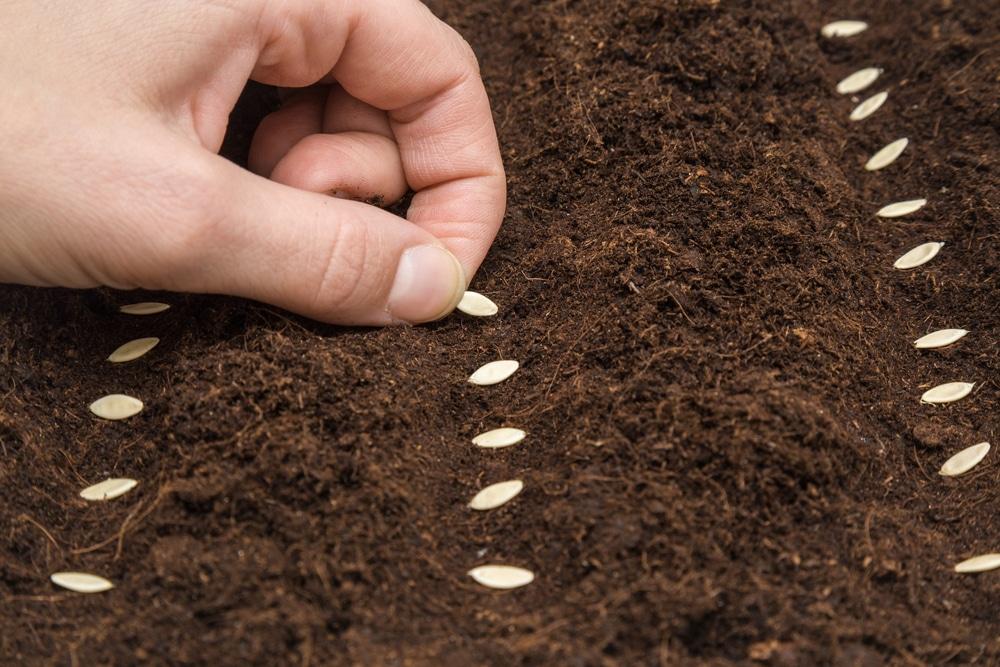
Plant four to six seeds per hill in a circle, spacing seeds five inches apart. Plant seeds approximately one inch deep into the mound. Cover gently and tamp lightly, but do not pack the soil so firmly that a crust forms. Crusts prevent tender seedlings from pushing through the soil surface.
Once seedlings emerge and develop their first two to three true leaves, thin to two to three large, healthy, well-spaced plants per hill. Removing excess seedlings gives remaining plants room for vigorous root and vine development.
Ongoing Hilling: Maintaining Your Mounds
Hilling is not a one-time spring task. As plants grow throughout the season, watch carefully for signs that roots are becoming exposed. You might see white rootlets pushing through the soil surface or notice sections of stem appearing above soil level.
When roots become visible, add additional soil, mounding it carefully around the exposed stems. This second-round hilling stimulates fresh root production from the newly buried stem portions. Many successful gardeners perform second hilling approximately two to three weeks after initial hilling, then continue monitoring for any exposed roots throughout the season.
Mulching After Hilling
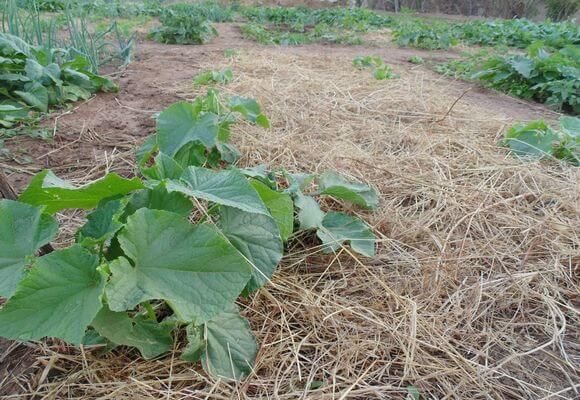
Once your hills are established, add a layer of organic mulch two to three inches thick on top of the mound. Use straw, shredded leaves, or wood chips as mulch material. Organic mulch conserves moisture, moderates soil temperature, suppresses weeds, and gradually breaks down to build soil organic matter.
Mulched hills require less frequent watering and maintain more consistent soil moisture compared to bare hills. This consistency prevents the stress-induced problems like misshapen fruit and blossom-end rot that occur when plants experience alternating wet-dry cycles.
Hilling Cucumbers in Different Growing Systems
Hilling adapts seamlessly across diverse growing systems, though techniques vary slightly by context.
In traditional ground gardens with unlimited space, hilling follows the classic approach described above. Create distinct mounds spaced appropriately for your variety, plant into the mounds, and maintain them throughout the season.
Raised bed gardeners often wonder whether hilling within raised beds makes sense. The answer is yes. Even within raised beds, create shallow mounds or gentle soil ridges along the planting line. These mounds enhance drainage and encourage secondary root development just as effectively as garden-ground hilling.
Container gardeners benefit significantly from hilling. Use container soil deep enough to accommodate multiple hilling rounds. When you notice roots becoming visible on the soil surface, add additional soil around the stem base. This continuous hilling in containers extends your productivity season substantially because plants keep developing fresh root systems throughout their growth cycle.
Gardeners using trellises can absolutely combine hilling with vertical growing. Create hilled mounds at the trellis base, train vines upward on the trellis, and occasionally add additional soil around the stem base during the season. The combination of hilling plus trellising provides both secondary root development and improved air circulation that dramatically reduces disease problems.
Greenhouse and high tunnel growers swear by hilling in enclosed structures. Create hilled rows with small furrows between the mounds. Water through the furrows instead of wetting foliage directly. This technique prevents fungal diseases common in humid greenhouse environments. The hilled structure also provides visual organization in intensive growing systems.
Timing Your Hilling: Critical Windows Throughout the Season
Your hilling schedule throughout the season shapes total productivity and plant longevity.
Begin your first hilling at planting time or immediately after transplanting seedlings. This initial mounding establishes your basic hill structure and begins encouraging secondary root development from the buried transplant soil ball.
The most critical hilling occurs approximately two to three weeks after initial hilling, when seedlings have developed three to four true leaves. At this stage, perform your second hilling round, adding soil around exposed stems. This timing captures the growth window when plants maximize their capacity for new root production.
After this intensive spring hilling, monitor plants weekly for any exposed roots. Whenever you notice white rootlets visible on the soil surface or stems pushing through soil, add soil immediately. Most mature plants require one to two additional hilling sessions during mid-summer.
As late summer approaches and plants might show fatigue, consider end-of-season hilling. Adding soil around aging, partially bare stems stimulates fresh root development and extends productive plant lifespan. This final hilling round often stretches the harvesting season by two to three weeks.
Combining Hilling with Trellising: Maximizing Both Benefits
The combination of hilling plus trellising provides advantages neither technique delivers alone. Hilling ensures multiple interconnected root systems supporting the plant. Trellising improves air circulation and keeps fruit clean and disease-free.
When you combine both techniques, deliberately leave some stems sprawled on the hilled soil surface before training the vine upward on the trellis. These sprawled stem portions contact the hilled soil, developing secondary root systems that provide redundancy if vine borers or disease damage the main stem. This strategic sprawling creates what experienced growers call the perfect setup for long-term vine productivity.
The secondary root network developed this way is substantially more robust than roots developed from hilling alone, because plants invest in both horizontal and vertical growth simultaneously. The result is plants that tolerate stress better, produce longer, and recover quickly if problems occur.
Common Hilling Mistakes to Avoid
Over-enthusiastic hilling creates new problems rather than solving them. If you mound soil too high (eighteen inches or more), water potentially runs off before infiltrating properly. Keep your hills moderate: eight to ten inches high and nicely rounded, not peaked.
Packing soil too firmly when building hills severely restricts root development because roots cannot penetrate compacted soil easily. Use loose, well-amended soil and pack gently with your hands or a light tap of a shovel. The mound should hold together but remain loose internally.
Waiting too long between hilling sessions allows roots to become excessively exposed before you respond. Establish a weekly monitoring routine and add soil as soon as you notice roots appearing. Early response maximizes each hilling session's benefit.
Bringing soil too close to the plant stem can promote stem rot if soil remains consistently wet around the stem base. Leave a small gap between the mound and the plant crown, allowing air circulation around the stem origin.
Using poorly-amended soil for hilling creates a different problem: hilled mounds made from unimproved clay soil provide minimal drainage and root development benefit. Always amend hilling soil generously with compost before use.
Special Considerations for Different Cucumber Types
Standard slicing cucumbers respond beautifully to traditional hilling and typically need the fuller implementation of the technique.
Pickling cucumbers develop smaller, bushier growth patterns and respond well to hilling though they benefit slightly less dramatically than slicing types because their more compact structure creates less demand for secondary root systems.
English and hothouse cucumber varieties grown in containers benefit enormously from continuous hilling throughout the season because container growing naturally exposes roots more quickly than ground growing. These types particularly appreciate multiple hilling rounds.
Bush cucumber varieties present an interesting case. Their compact growth habit makes traditional hilling less critical because they naturally remain relatively low-growing and stable. That said, even bush types develop better secondary root systems with hilling.
Lemon cucumbers, being compact specialty types, work beautifully in containers with careful hilling management. Their small stature makes hilling less essential but still beneficial.
Water Management After Hilling
After hilling, adjust your watering approach to work with your new mound structure. Hilled beds naturally retain moisture better than flat beds, so reduce watering frequency slightly while monitoring plants carefully for any drought stress.
The ideal watering method for hilled beds is drip irrigation or soaker hoses that water directly to soil without wetting foliage. If you must use overhead watering, do so early morning and ensure foliage dries quickly to minimize disease problems.
Some greenhouse growers create shallow furrows between hilled rows specifically designed as water channels. Water runs through these furrows, soaking into the hilled mounds without splashing directly on stems. This system prevents soil splash disease transmission while providing thorough moisture distribution.
Consistency matters tremendously with hilled plantings. The loose, well-amended soil in hills drains and dries faster than heavy garden soil, making consistent moisture harder to maintain. Mulching heavily helps solve this issue by moderating moisture fluctuations.
Hilling for Extended Fruiting Season
One of hilling's most underappreciated benefits is its ability to extend your productive season. Secondary root systems developed through strategic hilling allow plants to continue producing when primary roots age or disease affects them.
As your main season hilling builds robust secondary root networks, plants naturally stay productive longer. Even as individual stems age and decline, new secondary roots support continued flowering and fruit development from lateral branches.
Late-season hilling becomes a rejuvenation technique. In mid to late summer, examine aging vines and look for vigor loss. If roots are visible on the soil surface and plants show fatigue, add significant soil around the stem base. This final hilling stimulates new root development that refreshes the entire plant, often returning abundant production from what appeared to be a declining plant.
Advanced gardeners even employ a technique of layering aging stems: gently bending a mature stem to the ground and covering it with soil. After a week to ten days of root development, this layered stem often becomes an independent plant capable of continued productivity.
Troubleshooting Hilled Cucumber Problems
Despite proper hilling, problems sometimes arise. If plants seem to be declining despite healthy roots and adequate moisture, check fertilization. Vigorous vine growth in hilled beds consumes significant nutrition. Switch to biweekly fertilization with balanced or bloom-focused formulas.
If you notice yellowing leaves despite adequate care, nutrient deficiency is likely. Apply a foliar spray with balanced liquid fertilizer or work additional compost into the soil surface. Yellow leaves often indicate nitrogen scarcity in systems with abundant vines and fruit.
Persistent disease despite hilling and mulching suggests airflow issues. Ensure plants are spaced adequately, remove lower leaves if foliage becomes crowded, and consider trellising to improve air movement through the canopy.
Misshapen or small fruit usually indicates pollination problems or inconsistent moisture. Hilling solves moisture consistency issues but does not address pollinator scarcity. Ensure you have adequate bee presence and consider hand-pollinating if bee activity seems limited.
Conclusion: A Simple Technique With Substantial Rewards
Hilling cucumbers is fundamentally a simple technique that delivers substantial benefits for minimal additional effort. Creating mounds, monitoring for exposed roots, and adding soil as plants grow takes minutes per week compared to hours spent managing diseases, watering inconsistencies, and disappointing harvests from weak root systems.
The rewards accumulate throughout the season. Better drainage eliminates root rot. Secondary roots provide insurance against stress and damage. Improved air circulation reduces disease pressure dramatically. Extended fruiting seasons let you harvest longer. Overall plant vigor increases noticeably, giving gardeners the satisfaction of healthy, productive plants.
This season, implement hilling in your cucumber growing plan. Create your mounds at planting time, monitor for exposed roots weekly, and add soil as needed throughout the season. Within weeks, you will notice the difference in plant vigor, disease resistance, and productivity.
To track your hilling progress and monitor plant health across the season, tools like Plantlyze dot com provide convenient photo-based plant documentation, helping you recognize patterns in what works best for your specific growing conditions.
References
Purdue University Extension
https://www.purdue.edu/hla/sites/yardandgarden/wp-content/uploads/sites/2/2016/10/HO-8.pdfOklahoma State University Extension
https://extension.okstate.edu/fact-sheets/print-publications/hla/cucumber-production-hla-6023.pdfUW-Madison Extension (University of Wisconsin)
https://fyi.extension.wisc.edu/danecountyag/files/2023/03/2023-Cucumbers-Field-Handout.pdf