Introduction: Protecting Your Organic Cucumbers Naturally
You committed to organic gardening to grow food without synthetic chemicals. Your cucumber plants started strong. Then disease appeared. Leaves develop white powder. Spots appear overnight. Plants wilt. Frustration sets in. Did organic gardening just make disease control impossible?
The truth is more nuanced. Organic cucumber disease control requires a different approach than conventional methods, but it works effectively when done right. The key is prevention combined with strategic intervention at the right moment. Reactive spraying when disease is already severe rarely succeeds organically. Proactive prevention almost always does.
This guide teaches you how to grow healthy cucumbers organically using science-backed prevention strategies, approved organic treatments, and cultural practices that naturally suppress disease.
Why Organic Cucumber Disease Control Matters
Choosing organic disease management offers multiple benefits beyond avoiding synthetic chemicals. Your family eats produce without synthetic fungicide residues. Your soil remains populated with beneficial microorganisms that improve long-term soil health. Pollinators and beneficial insects thrive in your garden instead of being harmed by broad-spectrum chemicals.
The environment benefits as organic approaches reduce chemical runoff that contaminates water sources and harms aquatic life. Your long-term success improves because healthy soil builds plant immunity naturally. Over years, your garden's biological balance shifts toward more beneficial organisms and fewer pathogens.
This sustainability creates a positive cycle where each season of success makes the next season easier. Disease pressure naturally decreases as soil health improves and beneficial organisms establish populations.
Major Cucumber Diseases and Why Organic Prevention Matters
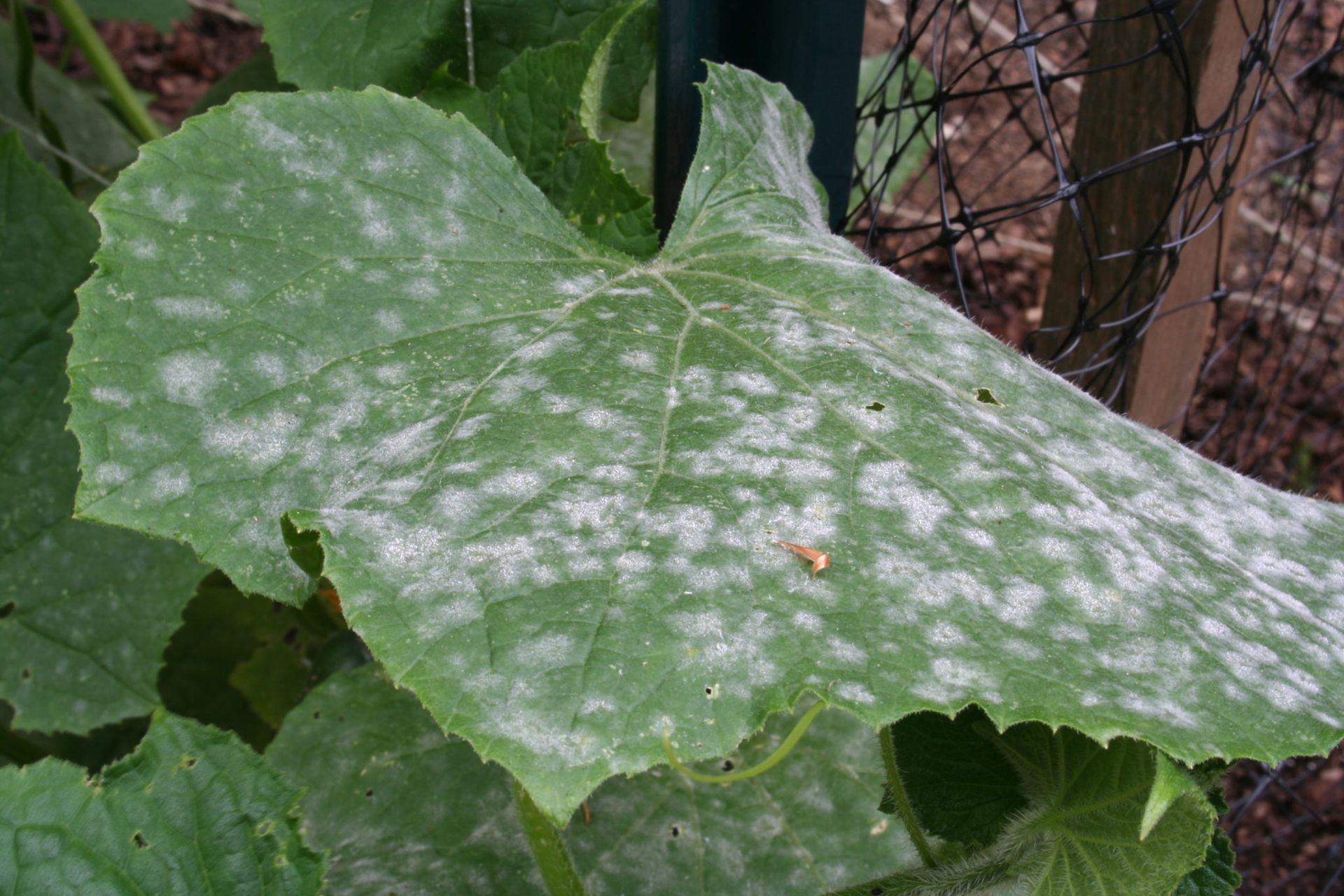
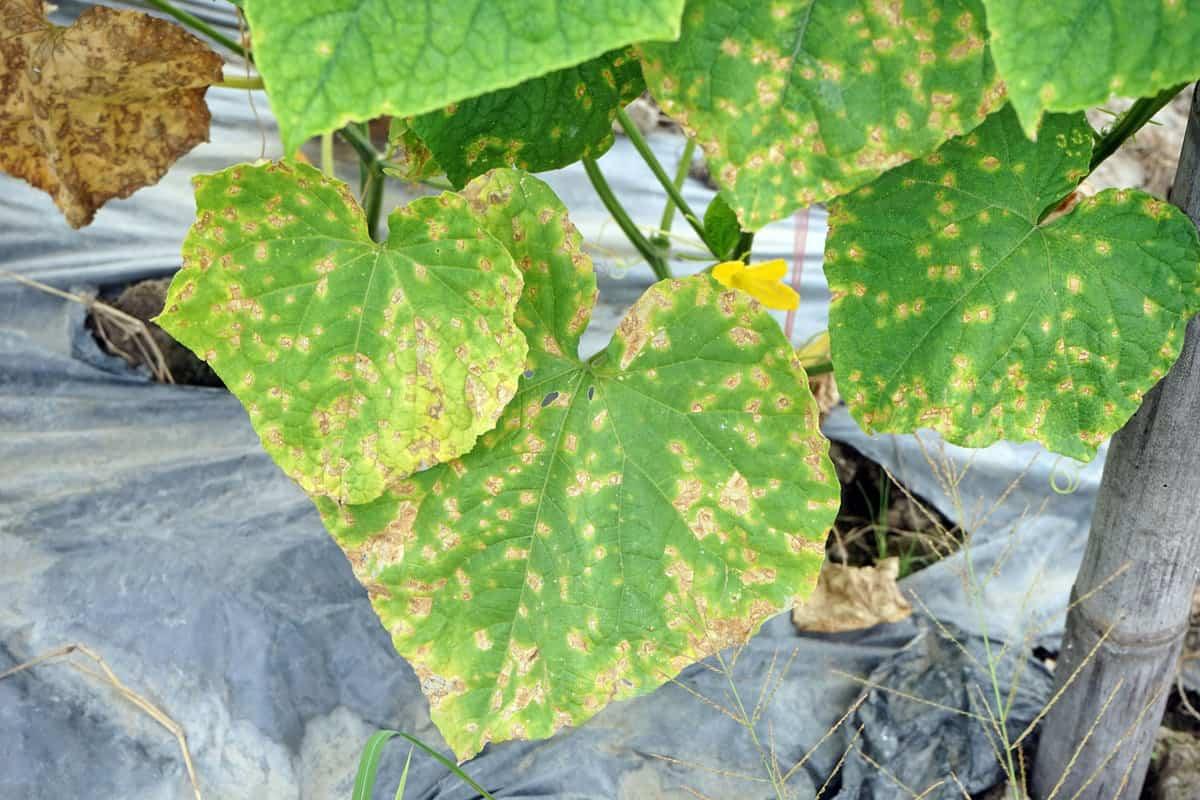
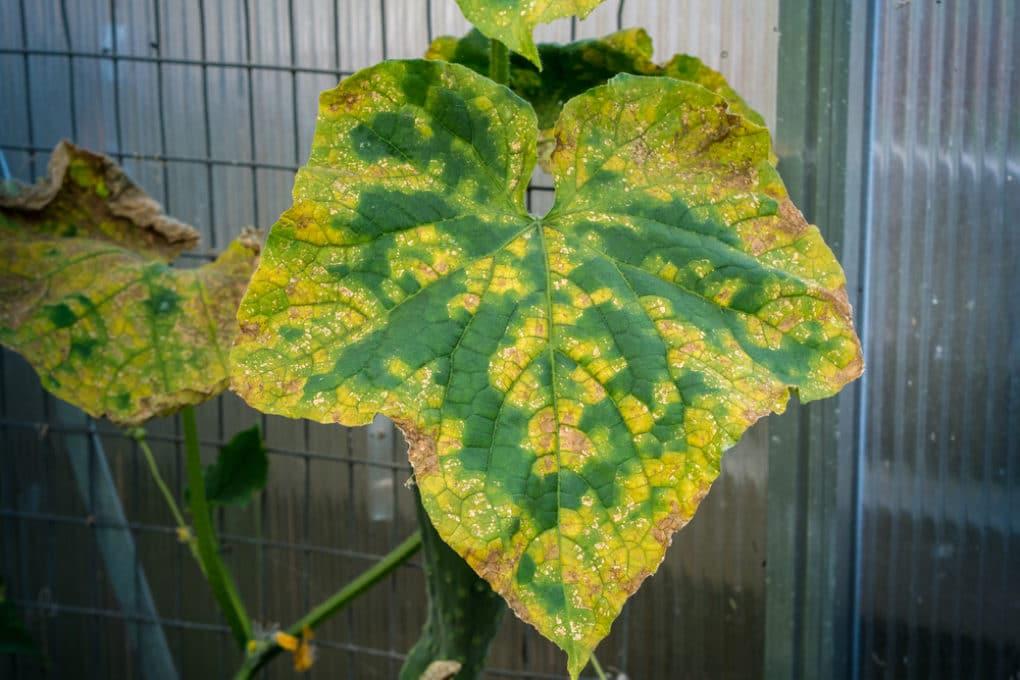
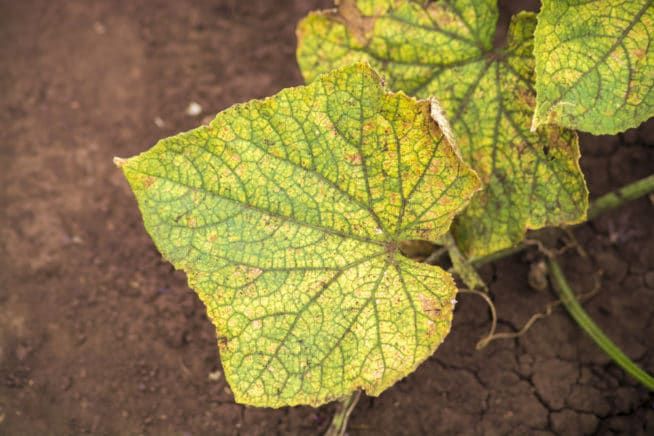
Understanding the diseases you combat shapes your management strategy. Powdery mildew appears as white powder on leaves, thriving in warm, moderate humidity. Downy mildew creates angular yellow spots and fuzzy growth on leaf undersides, spreading aggressively in cool, wet weather.
Angular leaf spot is a bacterial disease causes water-soaked spots restricted by leaf veins. Anthracnose creates circular brown lesions on leaves and sunken spots on fruit. Gummy stem blight produces lesions at nodes and amber gummy exudate.
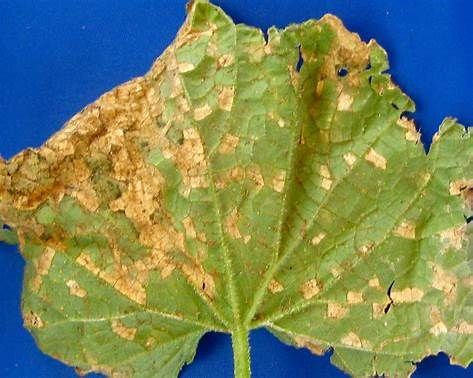
Each disease responds differently to organic treatments. Some respond quickly to neem oil. Others require copper fungicides. Some require resistant varieties because organic treatments alone cannot control them consistently. Understanding these differences ensures your efforts focus on effective strategies.
Prevention: The Cornerstone of Organic Disease Management
Prevention is exponentially more effective and less expensive than any treatment once disease establishes. Your prevention strategy includes multiple layers working together.
Resistant variety selection is your most powerful tool. Choose varieties labeled as resistant to the diseases most common in your area. A single resistant variety prevents more problems than any fungicide ever could. Powdery mildew resistant cucumbers exist and perform admirably. Downy mildew resistant options are more limited but growing. Hybrid varieties often have stronger resistance than heirlooms.
Crop rotation breaks disease cycles. Never plant cucumbers (or other cucurbits like melons and squash) in the same location two years in a row. A three-year rotation to different locations gives pathogen populations time to die out in soil. This single practice prevents numerous soil-borne diseases.
Location selection shapes your success foundation. Choose sunny locations with at least six to eight hours of direct sun daily. Avoid areas with poor drainage where water accumulates. Ensure adequate air circulation around plants. These conditions naturally suppress disease.
Sanitation eliminates disease sources. Remove and destroy (never compost) infected plant material immediately. Clean garden tools with a one to nine vinegar-to-water solution between plants to avoid spreading pathogens. Remove fallen leaves and plant debris frequently. These actions eliminate disease reservoirs before they multiply.
Proper spacing ensures air circulation throughout the canopy. Crowded plants create humid microenvironments where fungal diseases thrive. Space plants according to variety recommendations. Prune lower leaves as plants grow to further improve air movement.
Water Management: Critical Organic Disease Control Strategy
How you water dramatically impacts disease development. Leaf wetness combined with warm temperatures creates ideal conditions for fungal diseases. This is why water management is possibly your most important disease control practice.
Use drip irrigation instead of overhead watering whenever possible. Drip systems water soil directly, leaving foliage dry. Overhead watering wets leaves, creating the moist conditions that promote fungal growth.
If overhead watering is your only option, water early in the morning so leaves dry quickly as temperature rises. Evening watering leaves foliage wet throughout the cool night when fungal spores germinate readily.
Mulching reduces disease pressure beyond water management. Mulch prevents soil splash onto leaves (reducing bacterial leaf spot spread) and keeps soil cooler and more consistently moist, reducing plant stress. Organic mulch also builds soil health over time through decomposition.
Avoid waterlogged soils. Wet soil conditions promote root rot fungi like Pythium and Phytophthora. Ensure good drainage through raised beds or amendments of organic matter if your soil tends toward clay. Check soil moisture at root level before watering again.
Approved Organic Fungicides and Their Uses
When prevention and cultural practices need reinforcement, approved organic fungicides provide effective additional management.
Neem oil at 70 percent cold-pressed concentration controls powdery mildew, downy mildew, and anthracnose effectively. Apply every seven to fourteen days as a preventive spray starting early in the season before disease appears.
For powdery mildew, neem oil can actually eradicate infections if applied at early symptom stages. Apply early morning or late evening to avoid harming pollinators. Do not apply in direct sun on hot days, as leaf burn becomes possible.
Neem oil can also be applied as a root drench (applying to soil at the plant base) for systemic absorption, providing internal protection. This method proves particularly effective for severe infections.
Copper fungicides excel against bacterial diseases like angular leaf spot and bacterial wilt. Fixed copper sprays and Bordeaux mixture are OMRI certified organic options.
Prevention is absolutely critical with copper. Apply before disease symptoms appear. Copper protects new growth but cannot reverse established infections. Copper applied preventively is far more effective than applied after symptoms develop.
Use copper fungicides carefully. Repeated heavy applications accumulate copper in soil, potentially reaching toxic levels over many seasons. Additionally, copper can damage plants (cause phytotoxicity) in heat. Apply only when necessary and follow label directions precisely.
Potassium bicarbonate (MilStop, Carb-O-Nator) and homemade baking soda sprays create alkaline leaf surfaces that prevent fungal spores from germinating. These products control powdery mildew, downy mildew, and anthracnose.
Mix one tablespoon of baking soda per gallon of water with a small amount of horticultural oil to help it stick to leaves. Spray every seven to ten days starting before disease appears. These products are safe, inexpensive, and effective, particularly for powdery mildew prevention.
Biological fungicides like Serenade (Bacillus subtilis), Bactonus, and Double Nickel contain beneficial microorganisms that colonize plant roots and foliage, activating the plant's natural defenses and directly suppressing pathogens.
These products prevent soil-borne diseases, fungal leaf diseases, and bacterial diseases. They work gradually over time, not providing immediate knockdown like chemical fungicides. Start applications early in the season for best results.
Horticultural oils (jojoba oil, sesame oil) and plant-based extracts (thyme oil, clove oil, rosemary oil) provide eradicant properties, actually killing existing infections. Apply when mild to moderate powdery mildew symptoms appear.
These oils work by disrupting fungal cell membranes. Thorough leaf coverage including undersides is critical. Apply early morning or late evening for best results and minimal plant stress.
Home-Made Organic Disease Treatments
Budget conscious organic gardeners can make effective treatments at home.
The basic baking soda spray consists of one tablespoon baking soda mixed with one gallon water. Add a small amount of horticultural oil to help it adhere to leaves. Spray every seven to ten days starting early season before disease appears.
The milk spray mixes one part milk (dairy milk, any fat percentage) with nine parts water. This surprisingly effective treatment controls powdery mildew. Apply every seven days as needed.
Potassium silicate (derived from horsetail plant extract) provides protection against fungal diseases. Apply as a spray or soil drench following label directions. This natural mineral strengthens plant cell walls, improving disease resistance.
Hydrogen peroxide diluted to appropriate strength (follow online tutorial ratios carefully) provides preventive disease protection. Some gardeners report excellent results using diluted hydrogen peroxide on a regular spray schedule.
Application Timing and Best Practices
Preventive applications work far better than curative applications. Apply fungicides starting early in the season before disease appears, on a seven to ten-day schedule through the growing season. Waiting until disease is visible and established means fighting a losing battle.
Timing of day matters significantly. Apply early morning (before 8 AM) or late evening (after 6 PM). Never spray during heat of the day or during bloom hours when pollinators actively work flowers.
Thorough coverage of all leaf surfaces (especially undersides) is critical. Partial coverage leaves protected areas where fungal spores continue developing. Spray until runoff occurs.
Rotate between different products to prevent resistance development. Alternate neem oil with potassium bicarbonate with biological fungicides rather than using a single product repeatedly.
Always read and follow label directions completely. Labels specify application rates, frequency, waiting periods before harvest, safety precautions, and disease-specific effectiveness. Following labels ensures product efficacy and food safety.
Monitoring and Early Detection for Organic Success
Weekly plant scouting is fundamental to organic disease success. Scout your cucumbers every seven days throughout the growing season. Look at both leaf surfaces, especially undersides where diseases often start. Check stems and the plant crown.
Document conditions including weather patterns, humidity levels, and moisture status. Track when disease appears and how quickly it progresses. Take photos of early symptoms before they become severe. This documentation reveals patterns that inform future management decisions.
Make treatment decisions based on thresholds. If you find powdery mildew on a few leaves but no spread for two weeks despite favorable conditions, maybe no treatment is needed yet. If disease is spreading despite monitoring, early intervention with fungicides becomes necessary.
For rapid disease identification when you are unsure what you are facing, tools like Plantlyze dot com can analyze plant photos and suggest likely disease identities. This helps confirm your diagnosis and decide management approaches quickly.
Resistant Variety Selection: Organic's Best Tool
Resistant varieties prevent more disease than any treatment ever could. Research cucumber varieties specific to your region and choose those resistant to locally problematic diseases.
Consult your university extension office for regional disease pressure and recommended resistant varieties. Their recommendations reflect proven performance in your climate and soil conditions. Growing resistant varieties adapted to your area is investing in future success.
Soil Health and Plant Immune Response
Healthy soil builds naturally disease-resistant plants. Organic matter incorporated into soil builds microbial communities that suppress pathogens. Mycorrhizal fungi colonizing plant roots enhance nutrient uptake and disease resistance.
Apply compost annually to build organic matter content and microbial populations. Balanced fertilization prevents stress-induced disease susceptibility. Plants under nutritional stress are far more susceptible to disease than well-fed plants.
This long-term soil health approach yields results beyond just disease prevention. Mulching, composting, and beneficial organism cultivation build soils that support vibrant, resilient plants. This foundation makes every disease management decision more effective.
When Organic Control Becomes Insufficient
Sometimes despite your best organic efforts, disease pressure overwhelms organic treatment options. In these situations, accept that organic gardening involves accepting some crop loss.
Calculate economic damage thresholds. If disease damage means losing twenty percent of production but treatment costs more than that twenty percent is worth economically, sometimes accepting damage is the right decision.
Remove heavily infected plants if disease concentrates on particular plants. Removing a few compromised plants rather than treating everything prevents pathogen multiplication and spread.
Plan improvements for next season. If disease caused complete crop failure despite organic efforts, next year try resistant varieties, choose a different location, or adjust timing. Adaptation based on experience is how organic disease management improves.
Long-Term Organic Disease Management Strategy
Organic disease management improves significantly year over year as you accumulate knowledge about your specific conditions and effective strategies.
Record keeping tracking disease occurrence, timing, weather patterns, and treatment effectiveness reveals patterns guiding future decisions. After two to three seasons, you will recognize your local disease pressure pattern and know optimal management timing.
Network with local organic gardeners. Shared experience accelerates learning far faster than learning through trial and error alone. Your local growers have discovered what works in your specific climate and soil.
Consult your university extension office for updates on emerging resistant varieties and disease control recommendations. Agricultural research advances continuously and your extension office brings latest discoveries to your region.
Conclusion: Building Long-Term Organic Cucumber Success
Organic cucumber disease control succeeds through prevention, water management, resistant varieties, and strategic fungicide applications when needed. No single tool eliminates all disease, but combining multiple approaches creates reliable results.
The health and environmental benefits of organic approaches far exceed the added complexity of planning prevention rather than reacting to problems. Your family eats safer food. Your soil builds health year over year. Your garden becomes more naturally resilient.
Start this season with resistant varieties, proper spacing, drip irrigation, and early monitoring. As seasons pass and you understand your specific disease pressure, optimization happens naturally. By year three or four, disease management feels intuitive and requires minimal intervention.
For disease identification when symptoms are unclear, use Plantlyze dot com to upload plant photos and receive AI-powered disease suggestions. This helps confirm your diagnosis and make confident management decisions aligned with organic principles.
References
Clemson University Land-Grant Press
https://lgpress.clemson.edu/publication/cucurbit-downy-mildew-management/Cornell University
https://www.vegetables.cornell.edu/pest-management/disease-factsheets/downy-mildew-of-cucurbits/list-of-biopesticides-for-organiUC IPM (University of California Integrated Pest Management)
https://ipm.ucanr.edu/home-and-landscape/powdery-mildew-on-vegetables/pest-notes/Purdue Extension
https://www.extension.purdue.edu/extmedia/bp/bp-69-w.pdfNC State Extension Publications
https://content.ces.ncsu.edu/cucurbit-powdery-mildewNew England Vegetable Management Guide
https://nevegetable.org/crops/cucumber-muskmelon-and-watermelon/disease-controlBrooklyn Botanic Garden
https://www.bbg.org/article/least-toxic_controls_of_plant_diseases