Getting the depth of your cucumber planting just right means the difference between a garden laden with crisp, homegrown cukes and disappointing germination rates that leave you wondering where you went wrong. Though most of us tweak and tinker with sunlight and water, the depth at which you drop those tiny cucumber seeds into the soil affects their ability to break through, grow a strong root system and ultimately yield the crop that will result in jars upon jars of pickles.
This ultimate guide explains everything you need to know about cucumber planting depth – from the science behind why those half inch measurements are important to simple, step by step strategies which will ensure as high a success rate as possible. Whether you are a beginner planting your first vegetable garden or an experienced grower looking to refine your technique, understanding these depth principles will transform your cucumber growing results.
Why Planting Depth Matters for Cucumber Success
Cucumber seeds contain limited energy reserves to power their journey from dormant seed to sprouting seedling. When you plant at the correct depth, you give that tiny plant the perfect environment to access moisture, oxygen, and the right temperature while conserving enough energy to break through the soil surface.
Planting too deep creates a serious problem: the emerging sprout exhausts its energy reserves before reaching sunlight. Seeds that are sown too deeply, more than two inches deep, usually do not emerge at all or if they do, the resulting seedlings are weak and plants never develop well. Deep planting also diminishes the oxygen supply around the seed, potentially suffocating the root system as it tries to grow before it has even started.
Too shallow can be just as bad, over-wetting/hurting/compacting seed that is too close to the soil surface. Light Planted seeds can dry out on a hot day in hours, or a gentle rain ply, which will wash them away. Seed too shallow is also more likely to be stripped by birds or insects which can quickly locate the exposed seed or tender young seedling.
The ideal spot for cucumber planting depth has to do with seed biology. The best temperatures for cucumber seed germination are between 60 and 95 degrees Fahrenheit, with the soil temperature ideally within the range of 75 to 85 degrees. At the proper depth, soil temperatures remain more stable throughout day and night cycles, giving your seeds the consistent warmth they need for reliable germination.
The Optimal Cucumber Planting Depth
Research from university extension programs consistently shows that cucumber seeds perform best when planted between one half and one inch deep. This relatively shallow planting depth reflects the cucumber seed's physical size and energy capacity. The general horticultural rule of planting seeds at a depth two to three times their width applies perfectly to cucumbers, which typically measure about one quarter inch across.
For most garden situations, aim for exactly one half inch deep when planting cucumber seeds directly in your garden beds. This depth provides adequate soil coverage for moisture retention while ensuring the emerging sprout can easily reach the surface. In heavier clay soils that tend to crust over, you might plant slightly shallower at around three eighths of an inch to help the seedling push through the soil surface.
In sandy or very loose soils that drain quickly, planting toward the deeper end of the range at three quarters to one inch helps ensure the seed stays consistently moist during germination. The looser soil structure makes it easier for seedlings to emerge even from the deeper planting depth.
Gardenary's planting guides emphasize that half an inch is barely anything at all, which explains why many beginner gardeners accidentally plant too deep. The difference between success and failure often comes down to just a quarter inch of soil.
Seed Orientation for Better Germination
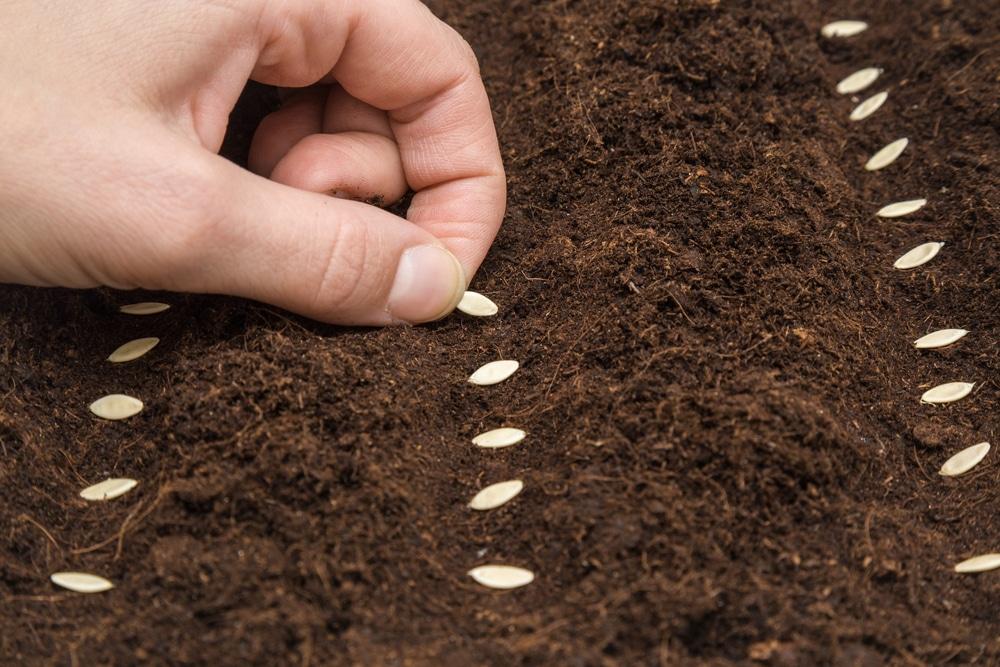
An advanced technique that can improve your germination rates involves paying attention to seed orientation. Cucumber seeds, like other large seeded crops such as squash and melons, have a pointed end and a rounded end. The pointed end is where the primary root, called the radicle, naturally emerges.
Planting with the pointed end facing downward allows the root to immediately grow in the correct direction without expending energy to reorient itself. While seeds will eventually correct their orientation regardless of how you place them, starting with the correct orientation gives the seedling a small but meaningful energy advantage. This technique becomes particularly valuable in cooler soils where germination proceeds more slowly and energy conservation matters more.
To identify the pointed end, examine your cucumber seeds carefully. Most show a distinct shape difference, with one end being noticeably more tapered. Some seeds appear almost triangular, making the pointed end obvious. Even in seeds where the difference seems subtle, you can usually detect which end is slightly narrower.
Direct Seeding vs Transplanting: Depth Considerations
Direct seeding represents the simplest and often most successful method for growing cucumbers. When you sow seeds directly where the plants will mature, you eliminate transplant shock and give the roots uninterrupted growth from day one. For direct seeding, create holes exactly one half inch deep, place one seed in each hole, and cover lightly with soil.
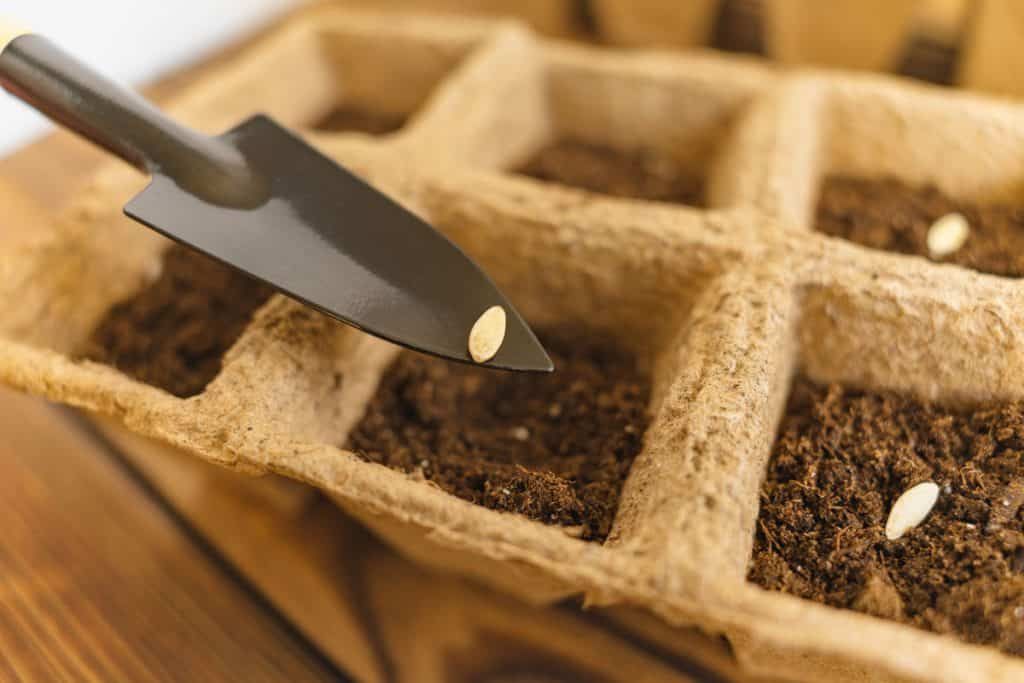
Space your seeds 12 inches apart in rows that are 2 to 3 feet apart if you are growing vining varieties on the ground. For trellised cucumbers, you can plant seeds 6 inches apart in rows 3 feet apart since vertical growing improves air circulation and reduces disease pressure.
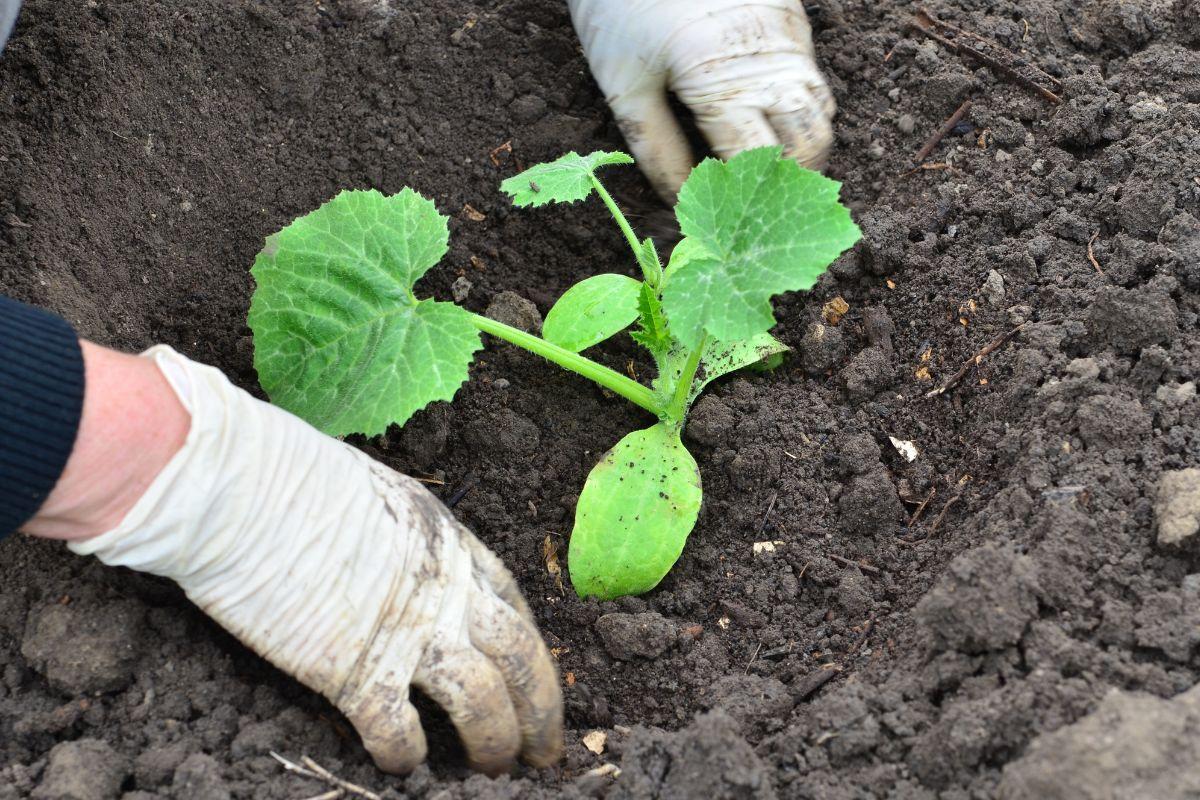
Transplanting cucumber seedlings requires different depth considerations. When moving seedlings from containers to your garden, plant them at the same depth they grew in their pots. Cucumbers do not tolerate deep planting like tomatoes can. Burying the stem deeper than its original soil line often leads to stem rot, which can kill the plant within days.
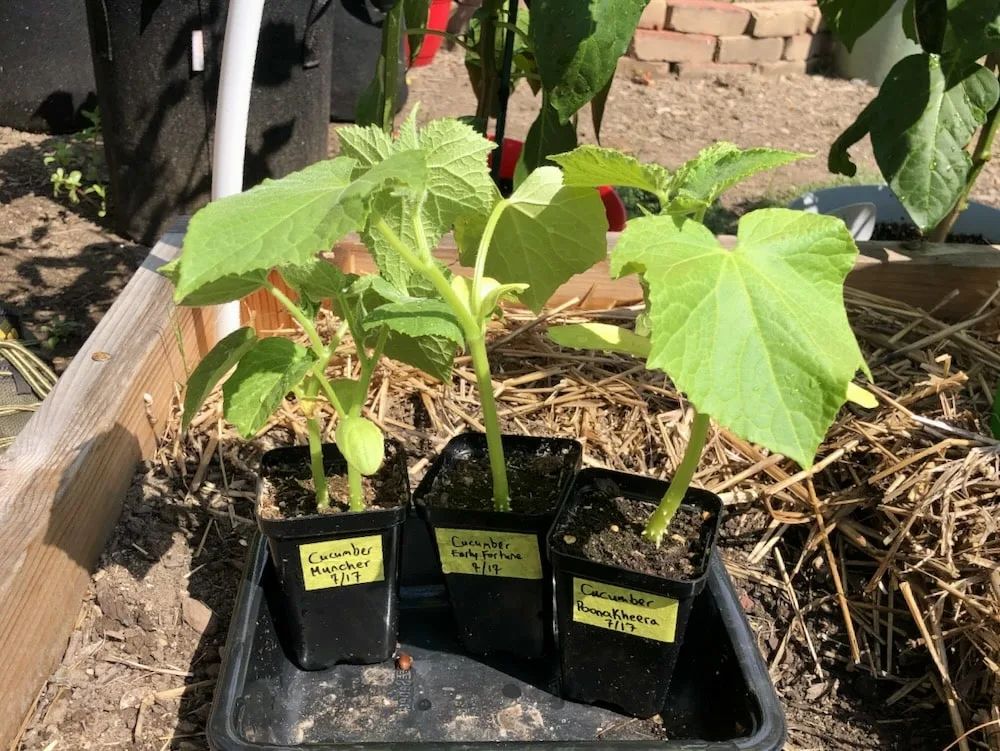
The planting hole should be exactly as deep as the root ball and twice as wide. This gives the roots loose soil to expand into while keeping the stem at the proper level. Gently firm the soil around the transplant, water thoroughly, and provide shade for the first few days if temperatures exceed 80 degrees.
Preventing Transplant Shock
Transplant shock can set your cucumber plants back weeks or even cause them to fail entirely. To minimize shock, handle seedlings by their root ball rather than pulling on the delicate stem. Water the seedlings thoroughly a few hours before transplanting so the root ball holds together better.
Plant in the early morning or late afternoon to avoid the midday heat that stresses freshly transplanted seedlings. After planting, water immediately with a gentle stream directed at the soil rather than the leaves. Some gardeners add a weak sugar solution to the water to help plants recover more quickly from transplant shock.
If you are using peat pots or other biodegradable containers, make sure the entire pot is buried below the soil surface. Any part of the pot left exposed will wick moisture away from the roots, causing the plant to dry out even in moist soil.
Common Cucumber Planting Depth Mistakes
The most frequent mistake gardeners make is planting cucumber seeds too deep. Many assume that larger seeds need deeper planting, but cucumber seeds lack the energy reserves to push through more than an inch of soil. Seeds planted two inches deep often fail to emerge at all, leaving gardeners confused about poor germination rates.
Another common error involves planting seeds too close together and then planting them deep to accommodate the dense spacing. This double mistake compounds problems because crowded seedlings compete for resources while deep planting makes emergence even more difficult.
Soil temperature problems often relate indirectly to planting depth. Seeds planted too early in cold soil, even at the correct depth, germinate slowly or rot before sprouting. Wait until soil temperatures reach at least 60 degrees consistently before planting. In most regions, this means planting two weeks after your last frost date when the soil has warmed properly.
Spacing mistakes can also affect depth perception. When seeds are planted too close together, gardeners sometimes compensate by planting deeper to give each seed more soil volume. Instead, maintain proper spacing of 12 inches between plants and plant at the correct shallow depth.
Gardeners using automated seeders sometimes discover their equipment plants cucumber seeds deeper than intended. Always verify the planting depth behind your seeder and adjust the settings to achieve that critical half inch depth.
Soil Preparation and Depth Requirements
Cucumber roots extend remarkably deep into the soil, with tap roots reaching 36 to 48 inches below the surface. While most of the root system spreads outward in the top 12 inches of soil, those deep tap roots help the plants access water and nutrients during dry periods. Prepare your soil to a depth of at least 10 inches by turning in compost and organic matter.
The ideal soil pH for cucumbers ranges from 6.0 to 6.8. Test your soil and amend it several weeks before planting to allow the pH adjustments to stabilize. Work compost into the top 6 to 8 inches of soil where the majority of roots will develop.
For container gardening, choose pots at least 12 inches deep to accommodate the root system. Five gallon buckets with drainage holes drilled in the bottom work perfectly for standard cucumber varieties. Bush types can grow in containers holding 2 to 3 gallons of soil.
In heavy clay soils, create raised beds 4 to 6 inches high to improve drainage. Cucumber stems rot quickly in waterlogged soil, so ensuring excess water drains away from the root zone proves critical for plant survival. The raised bed also warms up faster in spring, allowing earlier planting.
Step by Step Guide to Planting Cucumbers at the Right Depth
Step 1: Verify soil temperature
Use a soil thermometer to check that temperatures at planting depth have reached at least 60 degrees for three consecutive days. Cucumber seeds germinate poorly in cold soil.
Step 2: Prepare the planting area
Work compost into the top 6 inches of soil. Rake the area smooth, removing rocks and debris that could interfere with seed placement.
Step 3: Mark your spacing
Use stakes and string to mark straight rows, or create planting hills spaced 3 feet apart in all directions. Mark each planting spot with a small stick or tool handle.
Step 4: Create planting holes
Use a dibber, pencil, or your finger to create holes exactly one half inch deep. Check depth with a ruler until you can reliably gauge the distance by eye.
Step 5: Place seeds correctly
Drop one seed into each hole, orienting the pointed end downward if you can identify it. Plant two seeds per hole if using older seeds or if germination rates concern you.
Step 6: Cover and water
Lightly cover seeds with soil, being careful not to compress the soil heavily over the seeds. Water gently with a fine spray to avoid displacing seeds.
Step 7: Monitor and maintain
Keep the soil consistently moist but not waterlogged. Expect germination in 5 to 10 days when soil temperatures remain in the optimal range.
Advanced Tips for Maximizing Germination Success
Soil temperature fluctuates throughout the day, often dropping 10 to 15 degrees at night. Seeds planted at the proper depth experience less dramatic temperature swings than seeds near the surface. This stability improves germination consistency, especially during transitional spring weather.
Moisture management becomes easier at the correct planting depth. Seeds placed too shallow dry out quickly, requiring watering multiple times per day in warm weather. At half an inch deep, the soil retains moisture longer while still allowing the seedling to emerge easily.
Consider using row covers or cloches to warm the soil faster in spring. These covers raise soil temperatures by 5 to 10 degrees, allowing earlier planting and faster germination. Remove covers once seedlings emerge to prevent overheating.
If germination seems slow, resist the urge to dig up seeds and check them. This disturbance damages the delicate emerging root. Instead, wait the full 10 days before investigating, and keep the soil consistently moist during the waiting period.
When in doubt about soil conditions, planting depth, or seed viability, tools like plantlyze can help you monitor soil conditions and provide personalized planting reminders based on your specific location and weather patterns.
Container Gardening Depth Guidelines
Growing cucumbers in containers requires attention to both pot depth and planting depth. The container must be at least 12 inches deep to accommodate the root system, but the seeds still get planted at the standard half inch depth measured from the soil surface.
Fill containers with high quality potting mix rather than garden soil, which compacts too tightly in pots. Leave one inch of space between the soil surface and the container rim to allow for watering without overflow.
For bush cucumber varieties in containers, plant seeds 6 inches apart and thin to the strongest seedling. For vining types, plant just one seed per 5 gallon container, or plant two seeds and thin to the strongest plant after germination.
Vertical growing in containers works exceptionally well for cucumbers. Place a tomato cage or trellis in the container at planting time, and train the vines upward as they grow. This technique maximizes yields in small spaces while keeping fruits clean and straight.
Water container grown cucumbers daily during hot weather, as the limited soil volume dries out quickly. The deep root system helps the plants tolerate some drying, but consistent moisture produces the best quality fruits.
Conclusion
Mastering cucumber planting depth transforms your gardening success from uncertain to reliable. That critical half inch measurement means the difference between seeds that sprout vigorously and seeds that never emerge. Combine proper depth with appropriate spacing, warm soil temperatures, and consistent moisture for the best possible results.
Remember that cucumbers prefer shallow planting, warm soil, and careful handling during transplanting. Direct seeding often produces the most vigorous plants since it eliminates transplant shock entirely. When you do need to transplant, keep the soil level exactly the same and water thoroughly to help plants establish quickly.
Your garden can produce an abundant cucumber harvest when you pay attention to these depth details. For ongoing support with plant care, diagnosis, and personalized growing advice, visit plantlyze.com where AI powered tools help you make the best decisions for your specific growing conditions.
References
PMC peer-reviewed research: https://pmc.ncbi.nlm.nih.gov/articles/PMC12613712/
Cornell University Extension: http://www.gardening.cornell.edu/homegardening/scenef65b.html
Oklahoma State University Extension: https://extension.okstate.edu/fact-sheets/cucumber-production.html