Introduction
Growing cucumbers at home might sound daunting, but here’s the reality: Cucumbers are some of the most forgiving vegetables you can grow. They grow quickly, are relatively fuss-free and provide generous returns for regular care. Whether you’re a novice gardener or you’ve already have a lettuce garden patch and thinking about adding cucumber, this post takes you through the whole process of growing healthy cucumbers.
The secret to success is knowing what cucumbers really want. These heat-loving plants do best with well-prepared soil, consistent water, plenty of light and some protection against common pests and diseases. Without this knowledge, even experienced gardeners can watch their cucumber plants struggle with yellowing leaves, bitter fruit, or mysterious wilting.
By the end of this guide, you'll have a clear roadmap for planting, nurturing, and harvesting healthy cucumbers that taste delicious and produce prolifically throughout the growing season.
Getting Started: Creating the Perfect Environment for Cucumbers
Before you plant a single seed, understanding your cucumber's environmental needs sets the foundation for success.
Soil Requirements and Preparation
Cucumbers demand fertile, well-draining soil rich in organic matter. Your ideal soil pH falls between 6.0 and 6.8, though cucumbers tolerate slightly more alkaline soil up to 7.6. Don't rely on whatever soil came with your garden bed. Instead, work several inches of aged compost into the top portion of your existing soil. This amendment improves drainage, adds nutrients, and creates the root environment cucumbers need for vigorous growth.
Think of your soil as the foundation of a building. A weak foundation means structural problems later. The same applies to your garden. Investing time in soil preparation now prevents nutrient deficiencies, poor drainage, and weak plants later.
Temperature and Timing
Cucumbers are heat lovers. They grow fastest when average daily temperatures reach the mid-70s Fahrenheit, with optimal growth between 80 and 85 degrees. Plant cucumbers only after frost danger completely passes in spring. Cold soil and cool air temperatures stunt growth and can cause seed rot. Seeds won't germinate in soil colder than 65 degrees.
For most gardeners, this means planting in late spring or early summer. If you live in a warm climate, you might also enjoy a fall planting for a second harvest, sowing seeds in late summer when temperatures still feel hot but begin to moderate slightly.
Sunlight Needs
Cucumbers thrive in full sun. Position your plants where they receive minimum six hours of direct sunlight daily, though eight hours or more significantly improves yields and fruit quality. Less sunlight means slower growth, fewer flowers, and reduced fruit production.
Planting and Spacing Your Cucumber Plants
Once your growing season arrives and conditions warm sufficiently, it's time to get cucumbers in the ground.
Direct Sowing vs. Transplants
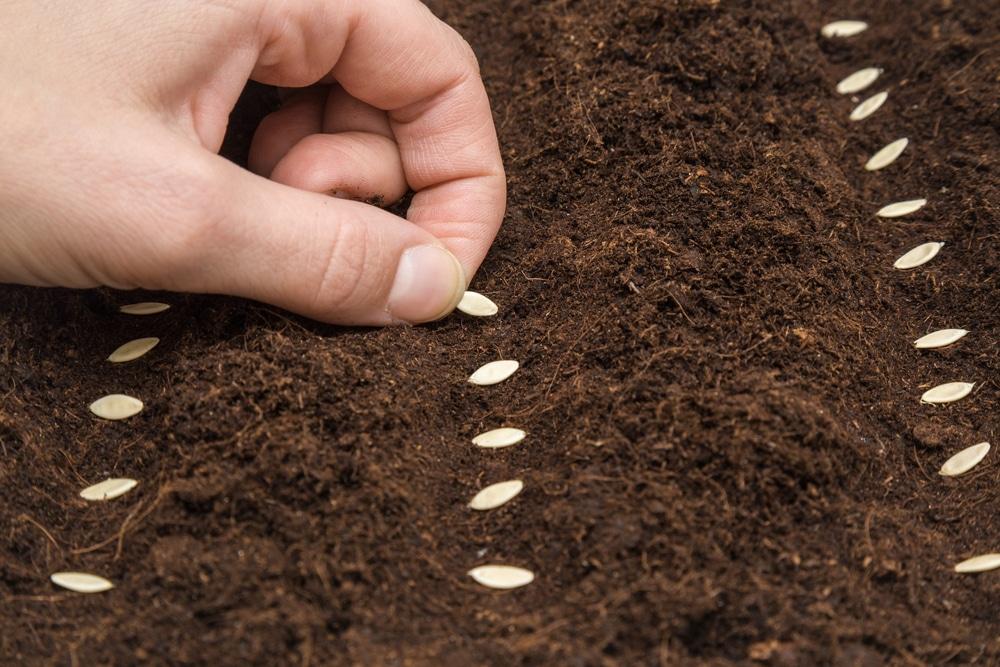
You have two approaches: sowing seeds directly into garden soil or starting transplants indoors and moving them outside after hardening off. Direct sowing works well for cucumbers since they germinate quickly and resent root disturbance. Simply push seeds one to two centimeters deep into prepared soil about one week before you expect frost-free weather.
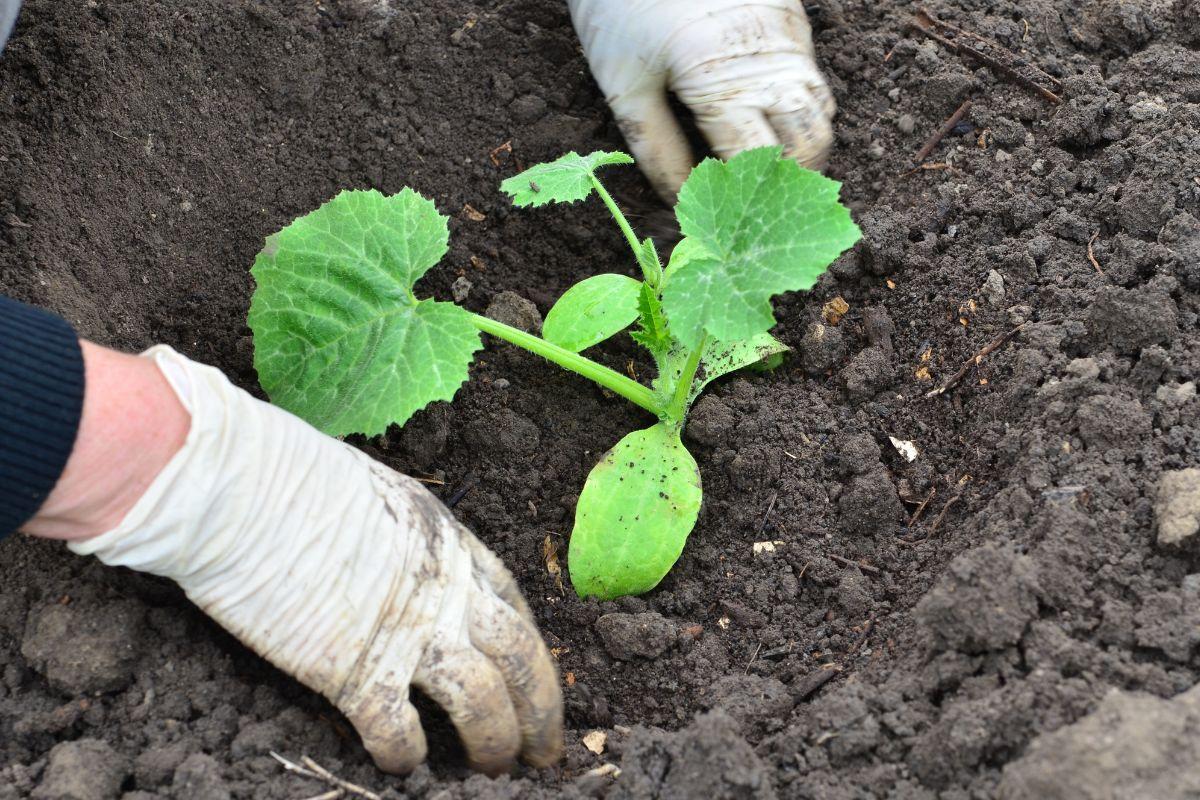
If you prefer starting indoors, sow seeds in biodegradable pots (which minimize root damage during transplanting) at 21 degrees Celsius or keep them on a warm, sunny windowsill. Remove covers once seedlings emerge, and maintain warmth and bright light. Harden off transplants gradually before moving them to the garden by exposing them to outdoor conditions for increasing periods over several days.
Spacing for Success
Distance will have direct effects on the flow of air and, in turn, disease control. Plant space 30 cm if you are planning to trellis vertically, which is the preference of many gardeners for ease of harvest and disease reduction. Allow 36 to 60 centimeters between ground-level plants, depending on your variety.
Good spacing helps to avoid fungal infections and pests that prosper in damp, crowded foliage. Healthy air circulation results in more healthy plants.
Watering: The Make or Break Factor for Cucumbers
Inconsistent watering causes more cucumber problems than almost any other factor.
Moisture Consistency
Cucumbers need approximately one inch of water weekly, delivered consistently. When temperatures soar or rain becomes scarce, water daily. Inconsistent moisture causes misshapen fruit, poor taste, and plant stress that invites pests and diseases.
The challenge lies in keeping soil consistently moist without waterlogging it. Strike a balance by watering deeply but allowing the soil to dry slightly between waterings. Soil should feel like a wrung out sponge, not bone dry or soggy.
Watering Techniques
Always water at the soil level, avoiding wet foliage. Overhead watering creates humid conditions that encourage powdery mildew and other fungal diseases. Use a soaker hose or drip irrigation, which delivers water directly to roots and keeps leaves dry.
Water in early morning before heat builds. Morning watering allows any accidental leaf wetness to dry quickly as the sun warms the garden. Pro gardeners often sink a small pot into the soil alongside each plant and water into it, ensuring water reaches deep roots rather than sitting around the plant stem, which can cause rot.
Feeding Your Cucumbers: A Simple Fertilizing Schedule
Cucumbers are hungry plants that deplete soil nutrients quickly as they produce heavily.
When and How to Fertilize
For cucumbers growing in rich, compost-amended ground beds, supplemental feeding may not be necessary if your soil was initially fertile. However, container grown cucumbers and plants in poor soil require regular nutrition.
Apply a balanced, water-soluble fertilizer every 10 to 14 days once plants begin growing actively. Once flowering begins and fruits develop, switch to a high-potash liquid fertilizer (similar to tomato feed) to encourage more blooms and fruits.
An alternative approach uses granular fertilizer sprinkled around the base at planting time, offering slow-release nutrition, combined with water-soluble feeding every 10 to 14 days for faster nutrient uptake. Some gardeners find success with mid-season applications of Epsom salt, which provides magnesium and helps greenish foliage if plants appear tired.
The key is consistency. A regular feeding schedule beats sporadic applications and keeps plants vigorous and productive.
Supporting and Trellising for Better Plants
Trellising cucumbers provides numerous benefits beyond space savings.
Benefits of Vertical Growing
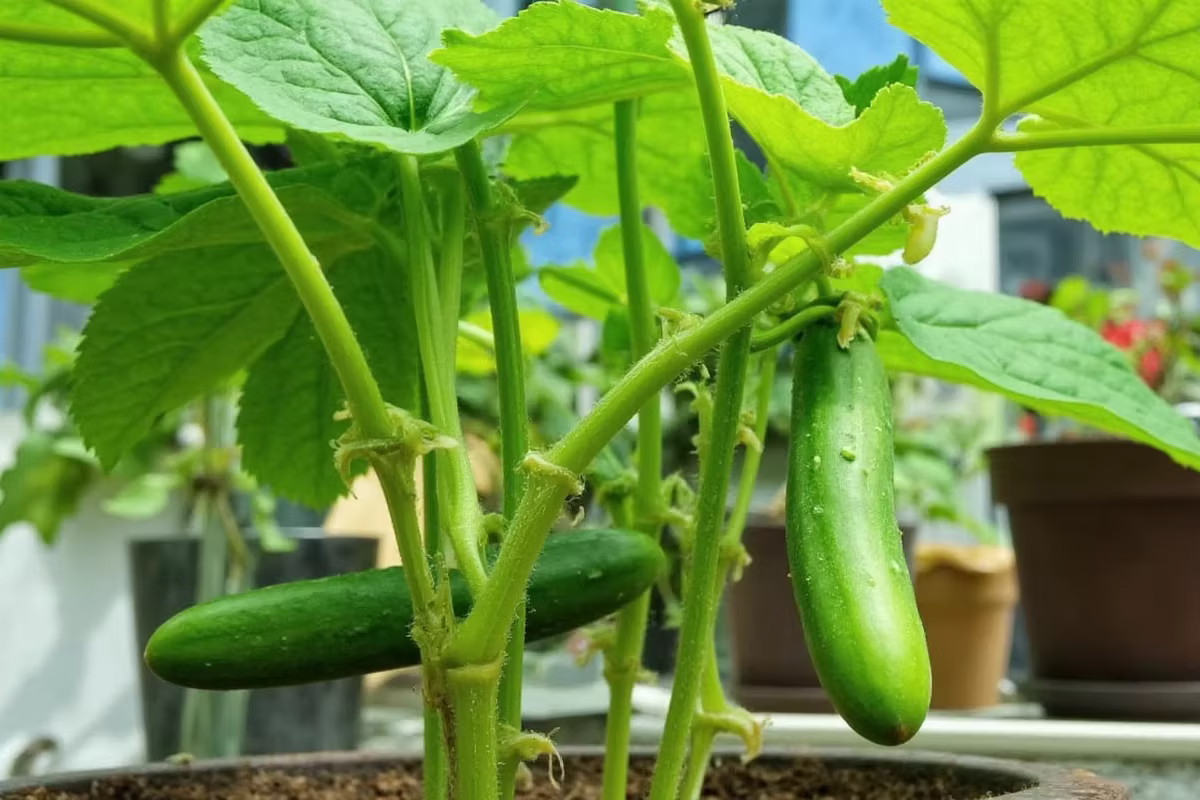
Growing cucumbers vertically, such as on stakes, in cages or on trellises, enhances air flow and significantly slashes pressure from fungal disease. Vertical growing also simplifies harvest and keeps fruit off the ground where slugs, beetles and diseases tend to accumulate. Air moves better around foliage, so plants stay cleaner and healthier.
Select robust supports capable of bearing the weight of mature vines heavy with fruit. Use sturdy stakes, cages or wall-mounted trellises. As cucumber vines grow, gently tuck tendrils around supports or use soft ties to keep growing stems in check.
Managing Common Cucumber Problems
Even with perfect care, problems sometimes arise. Recognizing early symptoms and taking quick action prevents small issues from becoming serious.
Fungal Diseases
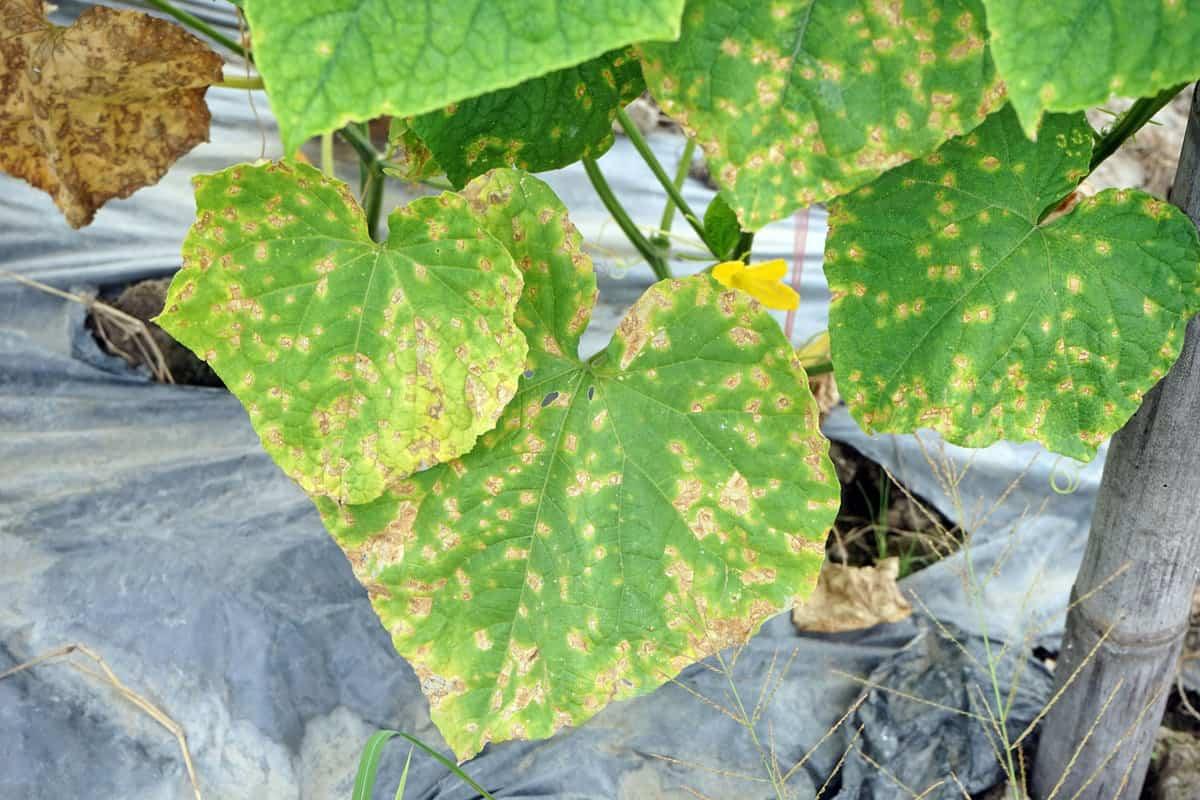
Powdery mildew White or grayish patches on leaves and stems Picture: Davey Tree. Downy mildew begins with yellow spots on the top side of leaves, which become covered in fuzzy white growth underneath. They both do well with moisture but also respond well to prevention early.
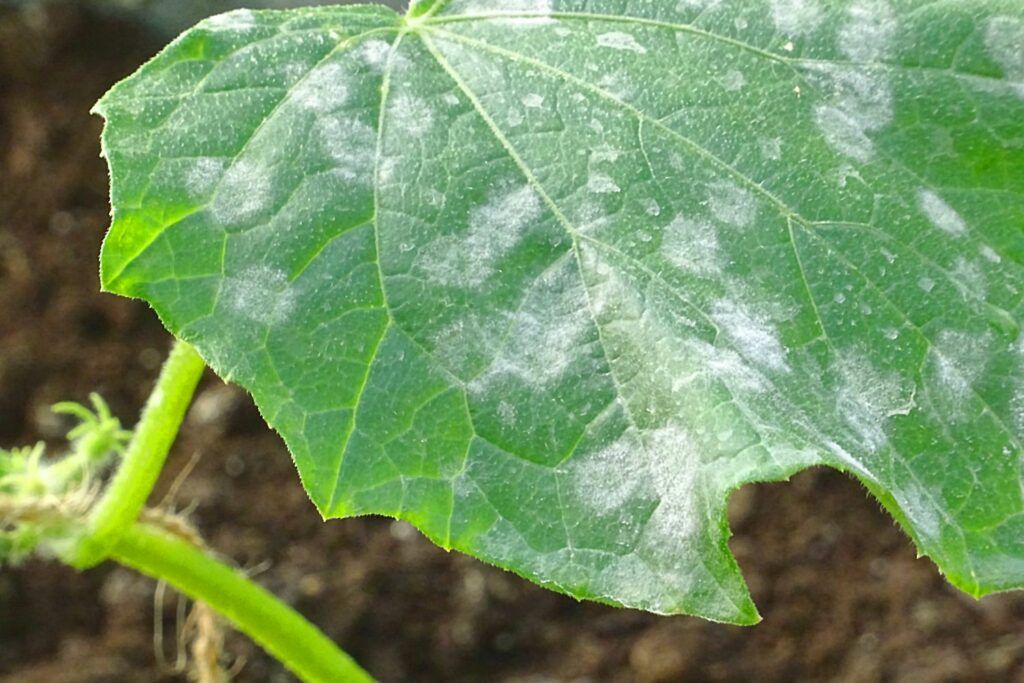
Provide good air circulation so you won’t have any fungal issues with proper spacing and trellising. Avoid overhead watering. Plant disease-resistant varieties when available. If you do see fungal outbreaks, treat with organic remedies as soon as possible (try the baking soda solution — one tablespoon in a gallon of water or neem oil). Fungicides that contain copper are also very efficient in the case of established infections.
Anthracnose appears as water-soaked yellow spots on leaves which develop into sunken, brown lesions. Remove infected leaves and fruits at once and spray with a copper fungicide.
Insect Pests

Cucumber beetles chew holes in leaves and transmit bacterial wilt. Spider mites cause yellowing foliage and fine webbing. Aphids cluster on new growth, and squash bugs damage plant stems.
Prevention works better than treatment. Start preventative sprays two weeks before pests typically arrive in your area. Use neem oil for insect control and baking soda spray for fungal prevention. Always test spray on a few leaves first to ensure plants tolerate the solution before treating entire plants.
Remove lower leaves from plants mid-season, which improves airflow and removes pest harboring spots. This single practice significantly reduces pest pressure while improving disease management.
Nutrient Problems and Poor Fruiting
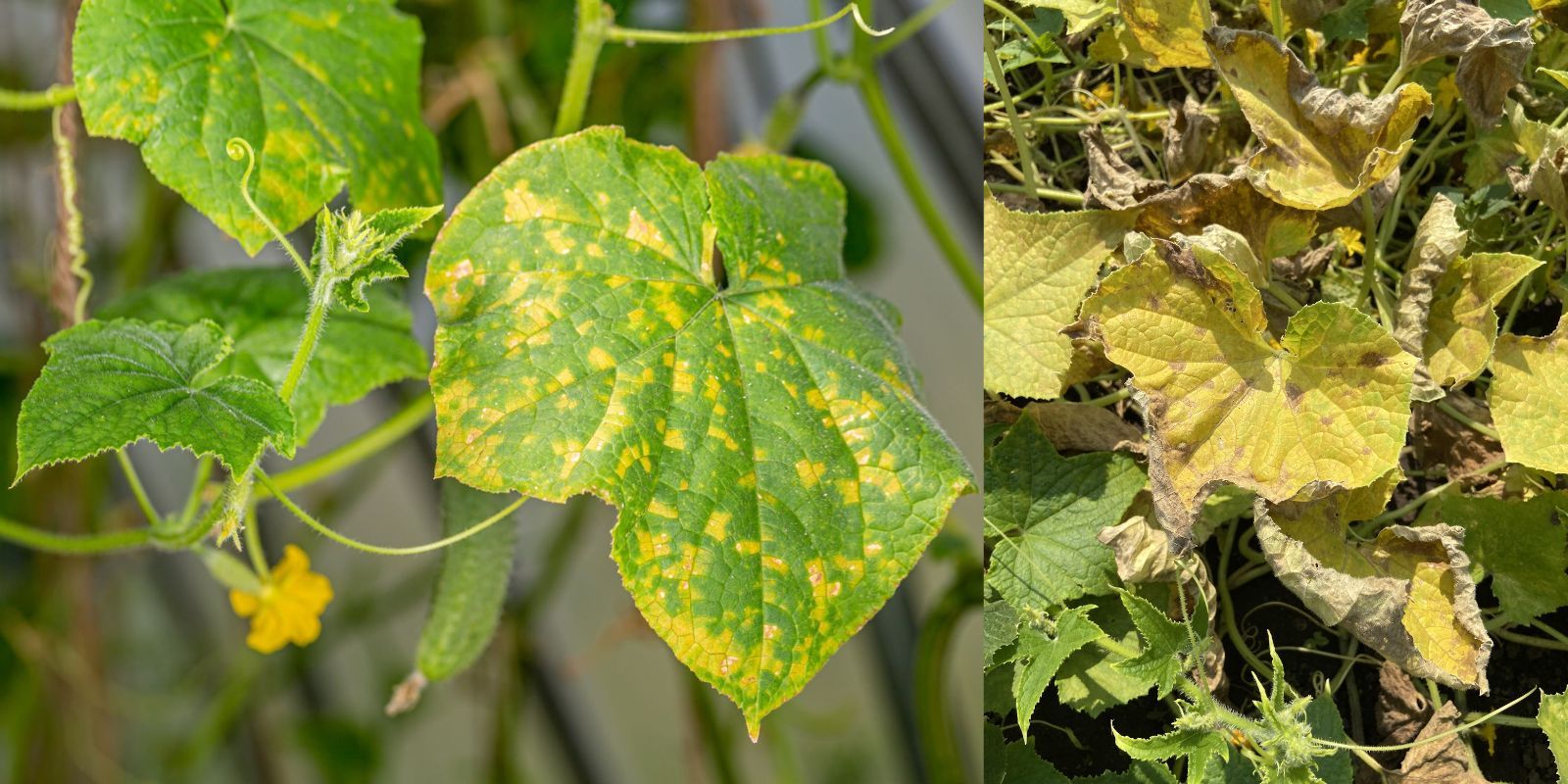
Yellow leaves often indicate nitrogen deficiency or nutrient stress. Heavy mulching combined with consistent fertilizing prevents this problem. If yellowing appears, apply a quick-acting liquid fertilizer.
Failure to fruit despite healthy vegetation usually indicates inconsistent watering, poor pollination, or excessive nitrogen. Reduce nitrogen feeding once flowering begins, water consistently, and ensure adequate sunlight for bee activity.
Harvesting Cucumbers at Peak Flavor
Timing makes all the difference between tender, delicious cucumbers and bitter, seedy ones.
When to Harvest
Harvest cucumbers when they reach eating size but before they turn yellow and overmature. Young, firm cucumbers taste best and encourage the plant to produce more blooms. Size depends on variety, but most cucumbers taste ideal when harvested daily or every other day during peak production.
Pick cucumbers in early morning while the plant remains cool and hydrated. This timing results in the crispest, most refreshing fruit. Cut fruit from the vine using pruners or a knife rather than pulling, which can damage the plant.
Extending Your Harvest
Regular harvesting keeps plants productive throughout the season. As you pick mature cucumbers, the plant continues setting new flowers and fruits. Neglect harvesting for even a week, and plant productivity drops sharply. Some gardeners plant succession crops every two to three weeks to ensure continuous harvests from mid-summer through fall.
Discovering More Advanced Solutions with Plantlyze
As your cucumber growing experience deepens, you might encounter challenges that need specialized diagnosis. Whether you're dealing with mysterious leaf discoloration, unexplained plant wilting, or difficulty identifying pests, getting accurate diagnosis matters enormously.
Plantlyze offers an intelligent, AI-powered plant care and diagnosis tool that helps you identify problems quickly and find targeted solutions. Simply photograph your plant symptoms, and Plantlyze's advanced technology analyzes the image to suggest probable causes and specific treatment recommendations. Visit plantlyze.com to explore how this tool can help you solve plant mysteries and improve your gardening success rate.
Final Thoughts on Growing Cucumbers
Cucumber cultivation rewards patience, consistency, and attention to the fundamentals. Provide warm soil, consistent moisture, abundant sunlight, and balanced nutrition, and your cucumber plants will produce generously. Problems that arise respond quickly to early action, whether dealing with pests or diseases.
Start with these principles, keep detailed notes about what works in your specific garden, and your cucumber growing skills will develop quickly. Each season brings experience and refinement that leads to better harvests and fewer frustrations.
References
1. Royal Horticultural Society (RHS)
https://www.rhs.org.uk/vegetables/cucumbers/grow-your-own
2. University of Florida IFAS Extension (Gardening Solutions)
https://gardeningsolutions.ifas.ufl.edu/plants/edibles/vegetables/cucumbers/
3. University of Maryland Extension
https://extension.umd.edu/resource/key-common-problems-cucumbers