Introduction
Timing determines everything when growing cucumbers. Plant too early, and your seeds rot in cold soil before germinating. Wait too long, and you sacrifice precious growing weeks that could yield abundant harvests. Understanding when to plant cucumbers in your specific location transforms you from a gardener who struggles with sporadic production into one who enjoys continuous cucumber yields throughout the season.
This guide walks you through the exact timing for planting cucumbers in spring, explains the critical role of soil temperature, and reveals how succession planting allows you to harvest cucumbers from June through October or even later, depending on where you live. Whether you're a first time gardener or an experienced one looking to optimize your timing, this complete timing guide gives you the knowledge needed for success.
Understanding Your Growing Zone and Frost Dates
Before you plant a single seed, understanding your growing zone and frost dates provides the foundation for perfect timing.
What Are Frost Dates?
Frost dates mark the average last spring frost and first fall frost in your location. These dates prove critical because cucumbers are tender warm season crops that cannot tolerate frost. A single frost kills cucumber plants instantly, making frost dates your most important reference point for spring planting.
The last spring frost date tells you the safest day to plant tender crops outdoors. The first fall frost date tells you when your growing season ends. Knowing both dates helps you plan your entire growing year effectively.
Finding Your Specific Frost Dates
Your local cooperative extension office or online tools like almanac.com provide exact frost dates for your zip code. Don't guess based on your state or region. Frost dates vary dramatically even within states. A town 30 kilometers away might have frost dates that differ by two weeks from yours.
Growing Zones Affect Planting Windows
Growing zones, designated by the USDA, group areas with similar climate conditions. This zoning system helps determine suitable planting times. In colder zones like zone 3, you might plant cucumbers outdoors as late as May 30. In warm zones like zone 10, you could plant as early as February 15. Zone 11 gardeners enjoy two distinct planting seasons: March-April and November-December.
Understanding your zone helps you anticipate realistic planting windows and plan accordingly. Use this knowledge to coordinate your timing with regional planting guides.
The Soil Temperature Factor: Why It Matters More Than Calendar Dates
Here is where many gardeners make a critical mistake: they rely on calendar dates instead of monitoring actual soil temperature.
Why Cucumbers Require Warm Soil
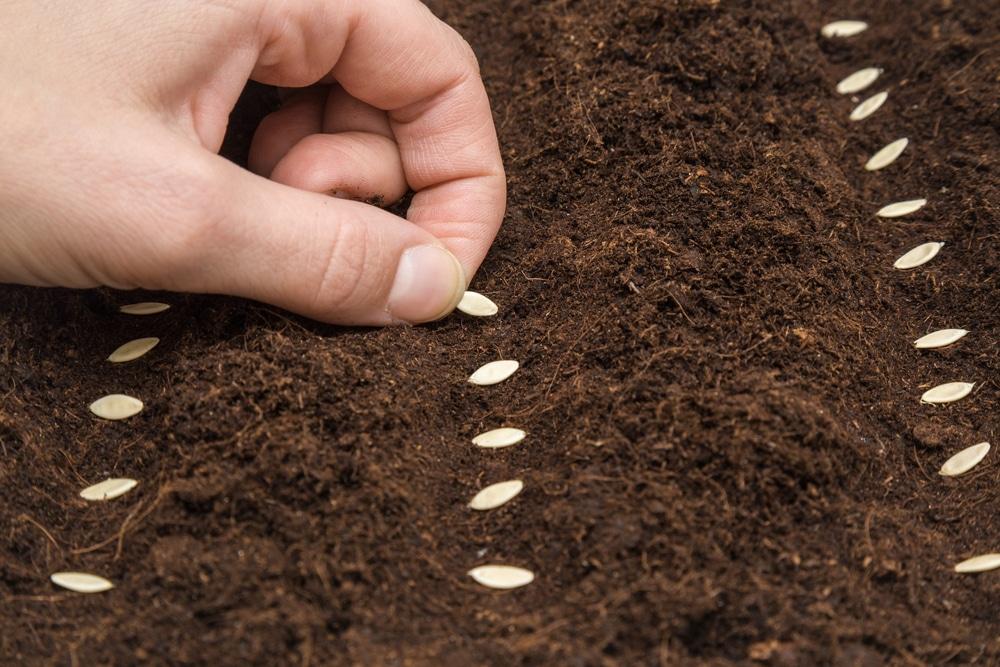
Cucumber seeds refuse to germinate in cold soil. Below 18 degrees Celsius (65 degrees Fahrenheit), seeds sit dormant, eventually rotting without sprouting. Between 18 and 21 degrees Celsius, germination happens very slowly. Optimal germination occurs when soil reaches 24 to 29 degrees Celsius (75 to 85 degrees Fahrenheit), where seeds germinate in just 7 to 14 days.
Planting seeds in soil that is merely 15 degrees Celsius (59 degrees Fahrenheit) wastes weeks as you wait for germination that may never come. This common mistake frustrates beginner gardeners who plant by calendar dates without checking actual soil conditions.
How to Check Your Soil Temperature
Purchase an inexpensive soil thermometer from any garden center. Check soil temperature in early morning at the depth where you plan to plant seeds, usually about one centimeter deep. Don't just check once. Monitor soil temperature daily for several days as it warms with advancing spring.
Soil warms gradually as air temperatures increase. A sudden warm week doesn't mean soil has warmed sufficiently for planting. Wait until your soil consistently reads above 21 degrees Celsius in the morning for several consecutive days. Only then is your soil ready for cucumber seeds.
This approach eliminates guesswork and prevents the common mistake of planting too early. Pro gardeners always use soil temperature, not calendar dates, as their primary planting guide.
Spring Planting: Your Main Growing Season
Spring planting provides your primary cucumber harvest in most regions.
Timing for Direct Seeding
For direct sowing seeds straight into garden soil, wait until at least one to two weeks after your last spring frost date. At this point, daytime air temperatures should consistently reach the upper 70s Fahrenheit (around 24 to 27 degrees Celsius) or higher, and nighttime lows should stay above 15 degrees Celsius (60 degrees Fahrenheit).
Most importantly, confirm your soil temperature has reached 21 degrees Celsius (70 degrees Fahrenheit) or higher. Check it several mornings in a row before planting. If frost is still threatening after your official last frost date, protect tender plants with floating row covers until danger passes.
Starting Seeds Indoors for Early Harvests
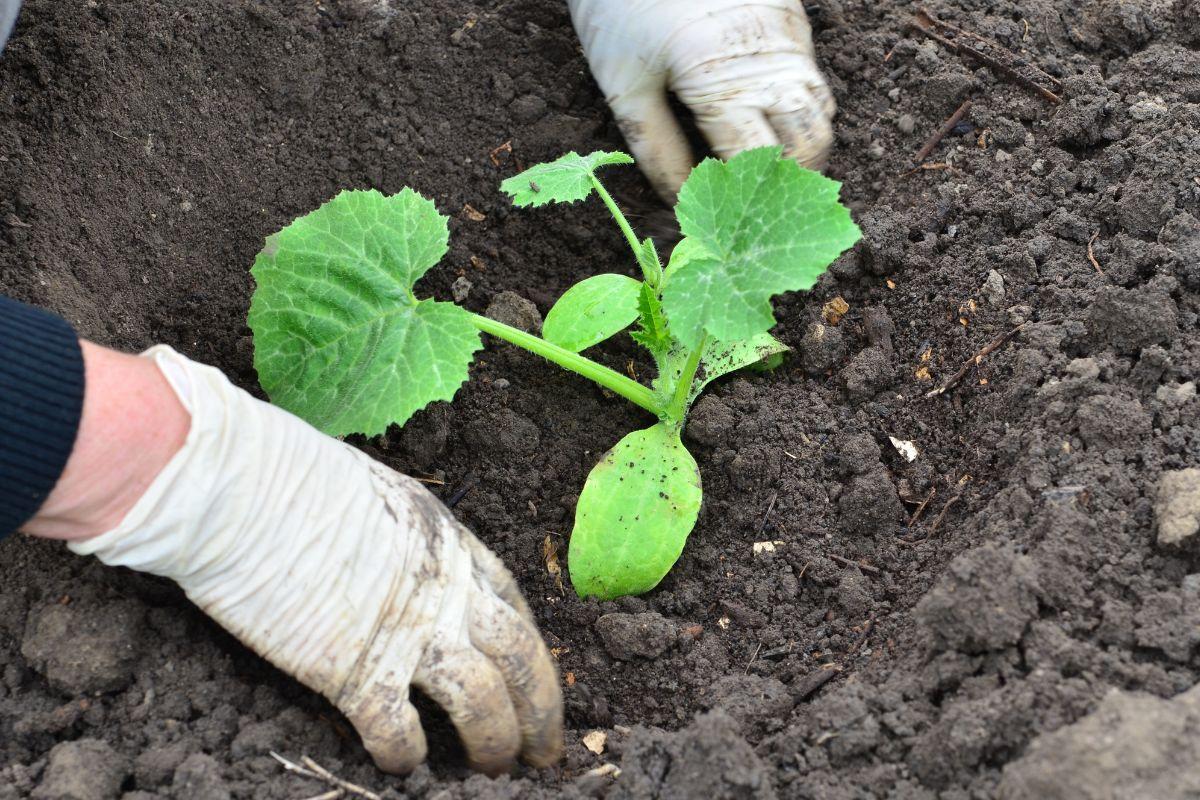
If you want earlier harvests, start cucumber seeds indoors two to three weeks before your projected outdoor planting date. Use small biodegradable pots since cucumbers resent root disturbance. Once seedlings develop two to four true leaves and the soil outdoors has warmed sufficiently, harden off your transplants and move them to the garden.
The key advantage of indoor starting is earlier plants that produce sooner. The disadvantage is managing transplants indoors and managing the transition outdoors. Many experienced gardeners skip indoor starting and simply plant seeds directly because cucumbers grow so fast that the head start barely matters.
Spring Planting Timeline by Zone
In zones 3 to 7, plant cucumbers outdoors on or after April 30. In zones 8 to 9, you can plant as early as March 1. In zone 10, February 15 becomes your starting point. Zone 11 gardeners plant in March to April. These dates assume your soil has warmed sufficiently and frost danger has passed.
Always adjust based on actual conditions, not the calendar. A cold spring might delay planting by two weeks even if the official date arrives. Conversely, an unusually warm spring might allow earlier planting.
Direct Sowing Versus Transplants: Which Approach Works Best?
Both methods work for cucumbers, but they have different advantages.
Direct Sowing Advantages
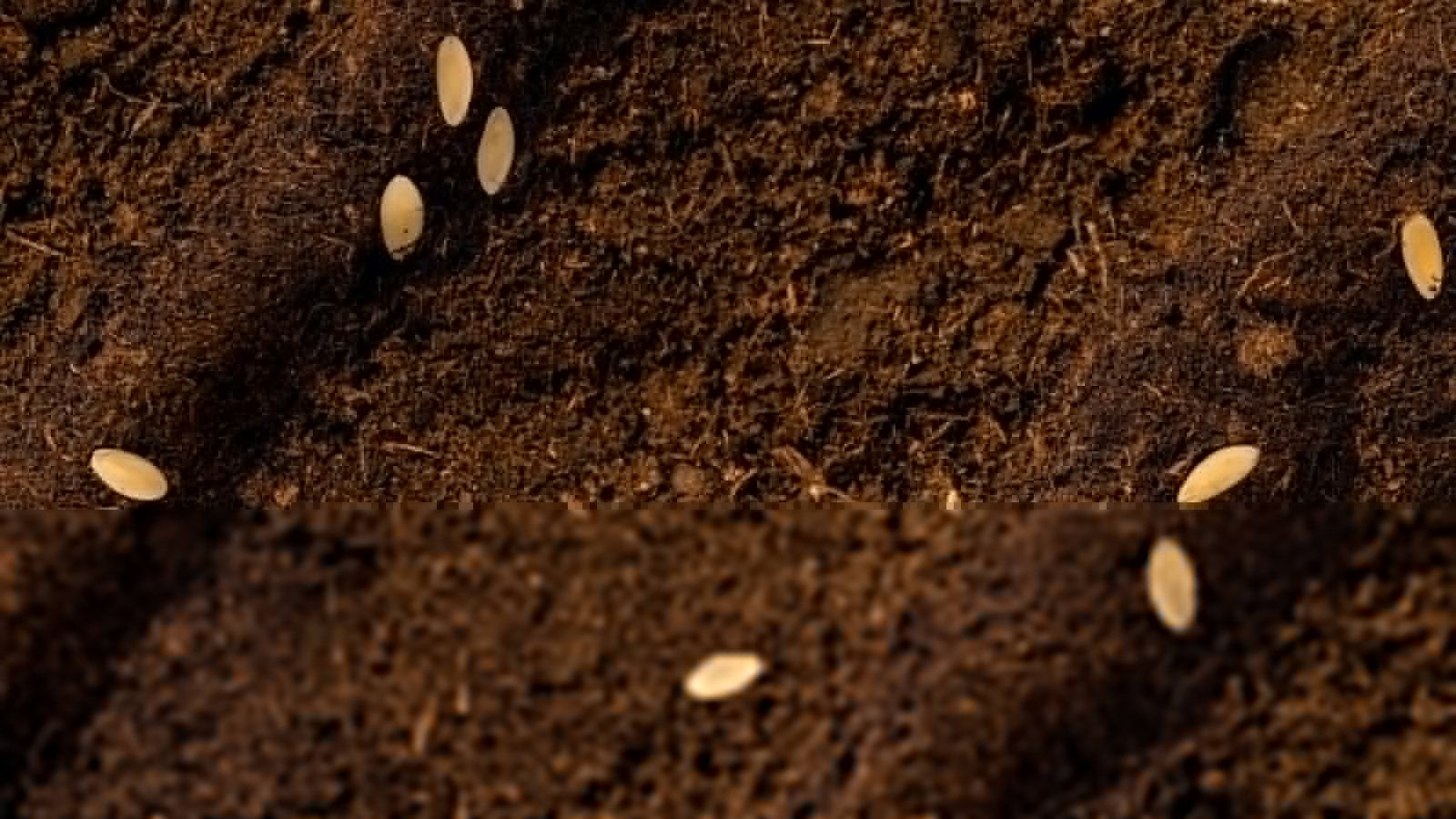
Planting seeds directly in the garden where cucumbers will grow produces healthier, less stressed plants. Cucumbers naturally develop strong, deep root systems when seeds germinate in place. No transplant shock means faster establishment and earlier fruiting.
Direct sowing also requires less equipment and fussing. Push seeds into warm soil, water, and let nature work. Beginner gardeners often find this approach less intimidating than managing seedlings indoors.
Transplant Advantages

Starting seeds indoors gives you earlier plants, which means earlier production. This approach works well if you want to maximize your spring harvest or if your growing season is short.
However, transplants require careful handling. Avoid letting seedlings grow too large in containers, or they will struggle when planted outdoors. Harden off seedlings gradually before moving them outside. If you handle transplants carelessly, the transplant shock sets them back more than you would gain from early starting.
The Practical Approach
Most successful gardeners use direct sowing as their default approach because it reliably produces strong plants. They save indoor starting for zones with very short growing seasons where every week matters.
Succession Planting: The Secret to Continuous Cucumbers
Want fresh cucumbers from June all the way through October? Succession planting makes this possible.
How Succession Planting Works
Rather than planting all your cucumber seeds on the same day, plant new seeds every two to three weeks throughout spring and summer. Each new planting becomes ready for harvest at slightly different times, creating a continuous supply rather than a harvest glut followed by bare plants.
Plant your first crop in late spring as soon as soil warms. Plant your second crop two to three weeks later. Continue this pattern through mid summer, and you will harvest cucumbers continuously for months.
Multiple Harvest Waves
This approach transforms cucumber gardening from a single harvest rush into steady, manageable production. While your first planting reaches peak productivity, your second planting is just beginning. As the first crop starts declining due to heat, pests, or disease, your newer plantings are hitting their stride.
This strategy also spreads pests and disease pressure across time rather than concentrating it all on one large planting. Younger, vigorous plants often resist disease better than aging, stressed plants.
Planning Your Fall Crop: A Second Season of Abundance
In many regions, fall planting produces excellent cucumber crops when timed correctly.
Why Fall Crops Often Excel
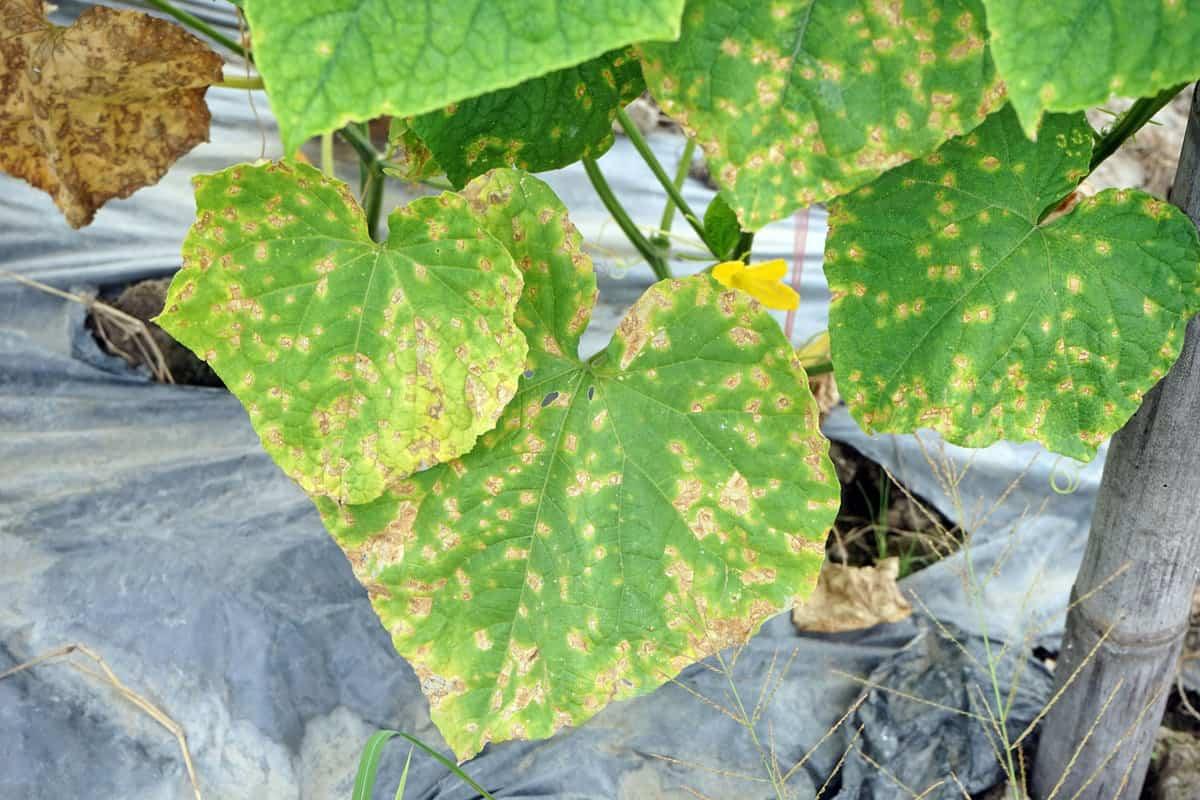
Fall cucumber crops frequently outperform spring plantings because cooler temperatures and lower humidity create poor conditions for fungal diseases. Powdery mildew, a common summer problem, rarely troubles fall plantings. Pest pressure also decreases as late summer approaches.
Fall plantings also enjoy consistent soil temperature and established soil structure from spring gardening, meaning faster germination and stronger growth.
When to Plant for Fall Harvest
To determine when to plant for fall harvest, count backward from your first fall frost date. Cucumbers typically reach harvest maturity in 50 to 70 days depending on variety. To ensure harvest before frost, plant by mid August in most regions. In warmer zones with later first frost dates, you might plant as late as early September.
If your first frost date is November 1, and your cucumber variety matures in 60 days, plant seeds by September 2 to ensure harvest before frost. This calculation ensures you have time to pick mature fruit before cold temperatures arrive.
Late Season Considerations
Plant fall crops at the same soil temperatures you use for spring planting. Even though air temperatures feel warm in August, confirm your soil has cooled sufficiently if you are transplanting seedlings started indoors. Overly warm soil causes poor seed germination, though this is less of a concern with fall plantings.
Some gardeners in very warm climates like zone 11 alternate between spring and fall plantings, taking breaks during the hottest summer months when cucumber production declines anyway.
Recognizing When Your Garden is Ready for Planting
Beyond frost dates and soil temperature, several environmental signals indicate your garden is truly ready for cucumbers.
Daytime and Nighttime Temperatures
Consistent daytime temperatures in the low 20s Celsius (70s Fahrenheit) and nighttime temperatures above 15 degrees Celsius (60 degrees Fahrenheit) indicate your garden environment supports warm season crops. When nighttime lows dip back to single digits Celsius (40s Fahrenheit), your soil is too cold for planting regardless of daytime warmth.
Perennial Plants Emerging
Use spring blooming perennials as guides. When forsythia blooms and apple trees leaf out, you are getting close. When soil temperature finally reaches ideal ranges, these plants have typically been growing for several weeks. This natural timing often correlates closely with cucumber planting season.
Recent Rainfall and Soil Moisture
Soil moisture matters for seed germination. After a period of steady spring rains, soil contains adequate moisture for seed sprouting. Immediately after rain is ideal planting timing. If your region is dry, water your planting area thoroughly before sowing.
Making Succession Planting Simple and Effective
To make succession planting manageable, create a simple planting schedule.
Create a Planting Calendar
Write your expected last frost date on a calendar. Mark planting dates every two weeks starting one week after that frost date. Stick this calendar on your refrigerator. When each marked date arrives, you have a visual reminder to plant another round.
Many gardeners find this approach less overwhelming than trying to remember planting schedules. It also prevents the common mistake of forgetting to plant successive crops because you got distracted by early season garden work.
Choose Complementary Varieties
Plant different cucumber varieties in successive plantings. This approach gives you variety throughout the season. Combine slicing cucumbers with pickling varieties. Include different days to maturity (some 50 day varieties and some 70 day ones). This combination strategy ensures continuous harvests of different types.
Keep Simple Records
Note your planting dates and when each crop reaches harvest maturity. Over time, you develop instinctive knowledge about what works in your specific garden. These records become invaluable guides for future seasons.
Monitoring Your Plantings with Plantlyze
As your cucumber plants grow and develop through their lifecycle, you might encounter unexpected challenges. Identifying problems early makes intervention more successful and prevents small issues from derailing your harvest.
Plantlyze offers an intelligent, AI powered plant monitoring and diagnosis tool that helps identify problems quickly. If you notice unusual leaf discoloration, mysterious wilting, unidentified pests, or any other symptoms, photograph the affected plant and use Plantlyze to get instant, accurate diagnosis and treatment recommendations. This advanced tool takes the guesswork out of plant problem solving.
Visit plantlyze.com today to explore how this AI powered tool can help you protect your cucumber investments and ensure continuous, abundant harvests throughout the season.
Final Thoughts on Cucumber Planting Timing
Perfect cucumber timing combines three elements: knowing your frost dates, understanding your soil temperature, and using succession planting to extend your harvest window. Once you master these fundamentals, you will never face a season without abundant cucumbers.
Start with spring planting to establish your first crop. Add succession plantings every two to three weeks. Consider fall planting in your zone. Track what works year after year. Before long, cucumber timing becomes second nature, and you will enjoy this rewarding crop from early summer through late autumn.
References
1. University of Minnesota Extension
https://extension.umn.edu/vegetables/growing-cucumbers
2. NC State Extension
https://extensiongardener.ces.ncsu.edu/2024/05/cucumbers-a-refreshing-treat-from-the-garden/
3. Illinois Extension
https://extension.illinois.edu/gardening/cucumber