Most potato failures start in the soil, not at harvest. Gardeners spend money on seeds, fertilizers, and pesticides, then plant potatoes in the wrong soil and wonder why yields disappoint. Here's the truth: perfect soil grows perfect potatoes.
You might have great weather and perfect fertilizer. Your seeds could be premium quality. But if the soil is wrong, nothing else matters. Dense clay compacts and rots tubers. Sandy soil drains nutrients away. Heavy soil promotes disease.
This guide teaches you exactly what potatoes need from soil. You'll learn the perfect texture, the ideal pH, and how to add organic matter for transformation. You'll discover why sandy loam is the gold standard. By the end, you'll build soil that grows perfect potatoes consistently.
Understand Soil Type: What Potatoes Actually Need
Let's start with texture. Soil texture determines everything about how your potatoes grow.
The Perfect Soil Texture: Sandy Loam
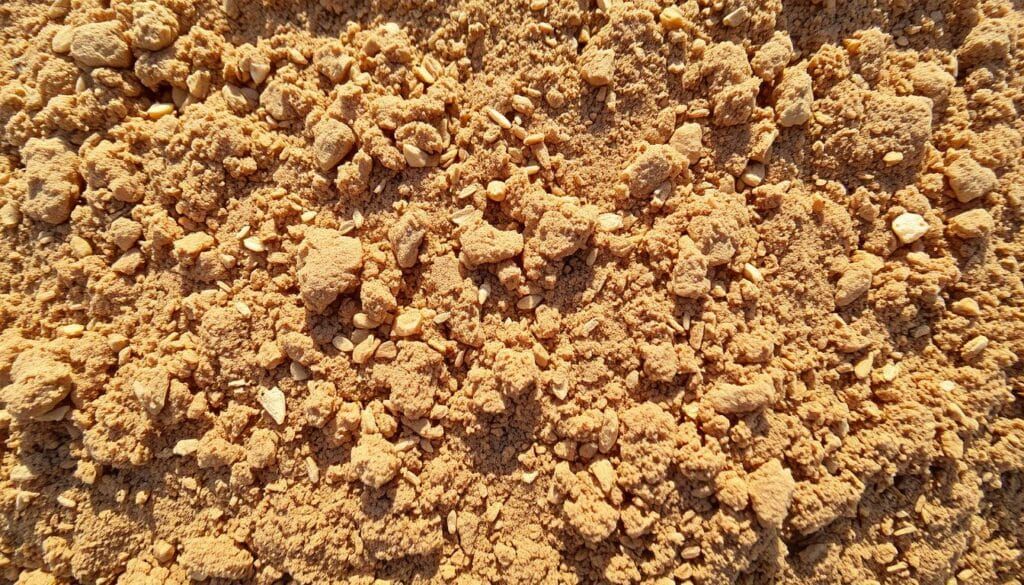
Sandy loam is the gold standard for potato growing. This texture combines 50 to 70 percent sand, 20 to 30 percent silt, and only 10 to 20 percent clay. The result is soil that drains effectively while still holding enough moisture to nourish growing roots.
Compare this to pure sand, which drains too quickly and starves plants of moisture. Or heavy clay, which holds water like concrete, creating waterlogged conditions that rot tubers. Sandy loam splits the difference perfectly.
Why Soil Structure Matters
Structure determines how soil behaves. Loose, crumbly soil allows potato tubers to expand without resistance. Dense, compacted soil forces tubers into misshapen forms or causes rot. The difference between mediocre harvests and abundant ones often comes down to structure alone.
Think of soil structure like a sponge. Good structure is like a loose sponge with spaces for water and air. Poor structure is like a concrete block. Which would you rather plant potatoes in?
Problem Soils: Sandy, Clay, and Heavy Soils
Not everyone has sandy loam naturally. But all soils can improve.
Sandy soils drain too quickly. Nutrients leach away. Plants struggle in droughts. Solution: Add organic matter for retention.
Clay soils compact easily. Roots can't penetrate. Waterlogging promotes rot. Solution: Add compost and consider raised beds.
Heavy soils combine the worst of clay with poor drainage. Solution: Raise the pH, add organic matter, and grow in raised beds.
The good news? Every problem soil can become productive.
Master Soil pH: The Acidic Advantage
pH is just a number. But for potatoes, this number determines disease prevention.
The Ideal pH Range
Potatoes thrive in acidic soils with pH between 5.3 and 6.0. This is unusual. Most vegetables prefer near-neutral pH around 7.0. Potatoes are different.
This acidic preference is no accident. It's a survival strategy built into potato genetics. Lower pH creates hostile conditions for potato scab pathogen. Higher pH allows the disease to flourish.
So potatoes evolved to prefer acidic soil where the disease struggles. Smart plants.
How pH Prevents Scab Disease
Potato scab is devastating. It makes tubers unsightly with corky lesions. While still edible, scab-covered potatoes are unmarketable.
The pathogen thrives in neutral to alkaline soil (pH above 6.5). It struggles in acidic soil (pH 5.3 to 6.0). So your best disease defense is maintaining slightly acidic soil. This prevents scab naturally without fungicides. It's that simple.
Testing and Adjusting Your Soil pH
A simple soil test reveals your current pH. Buy a test kit or send a sample to your extension office. Costs just a few dollars.
If your pH is too high, add agricultural sulfur. If too low, add agricultural lime. Plan amendments 1 to 2 months before planting to allow time for adjustment. Expect to lower pH by about 1 unit per 50-70 grams of sulfur per square meter (depending on soil type). Lime takes longer to work. Plan ahead.
Know Your Soil Type:
Not sure what soil type you have? Plantlyze helps you assess your soil composition and get personalized amendment recommendations. Get specific guidance for your sandy, clay, or loam soil. Visit Plantlyze.com to analyze your soil today.
Add Organic Matter: The Soil Transformation Tool
Why Compost Changes Everything
Compost does three things potatoes love. It improves drainage in clay soils. It increases water retention in sandy soils. It feeds beneficial soil microorganisms.
Organic matter acts like a sponge. In clay, it breaks up dense structure and creates pores for drainage. In sand, it holds water that would otherwise drain away. In both cases, it improves soil structure and microbial activity.
Quality soil isn't built overnight. It's built year after year through consistent organic matter additions.
Application Rates and Timing
Add 2 to 3 inches of well-composted material before planting. Fall application gives best results. Spring application works if material is aged and broken down.
Work the compost into the top 6 to 8 inches of soil. Don't bury it deep where potatoes won't benefit. Mix thoroughly so the entire planting area improves.
For raised beds, fill with 50 percent aged compost and 50 percent quality garden soil. This combination provides both immediate nutrition and long-term structure benefits.
The Dangers of Fresh Manure
Fresh manure activates potato scab pathogen. Wait until manure is aged or composted (6 or more months) before applying. Wasted manure creates disease, not growth.
Aged manure is a different story. Well-rotted manure (dark, broken down, smells like soil) is excellent for potatoes. But if it's fresh or partially decomposed, avoid it on potatoes.
Solve Your Soil Problems: Clay, Sand, and Compaction
Clay Soil Solutions

Clay soils need organic matter and structure improvement. Add 3 to 4 inches of compost. Grow potatoes in raised beds (simpler option). Use mycorrhizal fungi to break down clay structure.
The beauty of potatoes in clay is that they don't need to go deep. Tubers expand sideways just 2 to 3 inches below the surface. Hilling soil over developing tubers creates the growing space they need.
So even in clay, potatoes can succeed if you build soil structure and manage hilling carefully.
Sandy Soil Amendments
Sandy soils need water-holding help. Add aged compost to build structure. Include peat moss for retention. Mulch heavily to conserve moisture.
With sandy soil, you're fighting constant drainage. The solution is not to fight drainage, but to slow it down. Organic matter is your main weapon here.
Add 2 to 3 inches of compost annually. Over 3 to 5 years, your sandy soil will transform into productive soil. Patience pays off.
Preventing and Fixing Soil Compaction
Raised beds eliminate compaction. No-till approaches preserve structure. Avoid heavy foot traffic on wet soil. Use cover crops to break compacted layers.
Compaction happens when soil gets walked on, driven on, or tilled when wet. Prevention is easier than fixing. Build raised beds or grow in containers to avoid compaction entirely.
If you have compacted native soil, consider raised beds as the easiest solution. Try cover crops like clover or rye to gradually improve compaction from below.
Perfect Drainage: The Water Balance
Why Drainage Matters
Waterlogged soil causes root rot and tuber decay. Poor drainage creates disease-prone conditions. Excellent drainage is non-negotiable.
Potatoes can handle dry periods better than waterlogged conditions. When soil stays wet for days, roots suffocate. Tuber rot sets in. Disease pathogens thrive.
Good drainage isn't about dryness. It's about water flowing through soil, wetting roots, and draining away within hours of rainfall or watering.
Creating Good Drainage
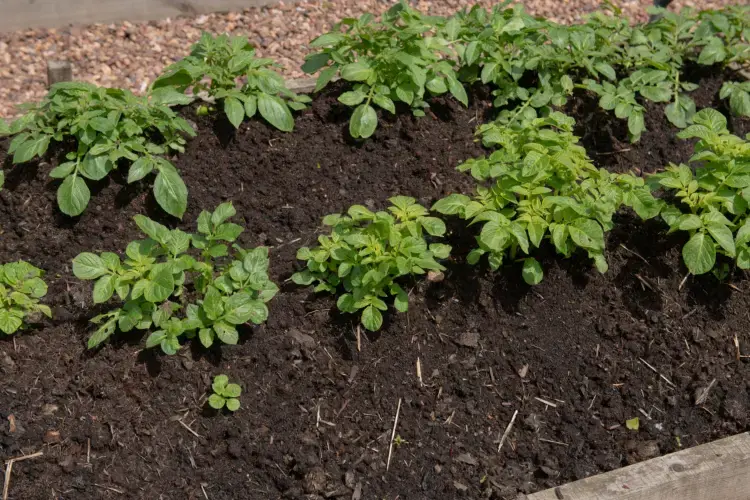
Hill or mound potatoes 4 to 6 inches above ground level. Use raised beds (10 to 12 inches minimum depth, 16 inches optimal). Incorporate organic matter to improve soil structure and drainage pathways.
Hilling accomplishes two things. It gives tubers extra room to expand upward as they grow. It improves drainage by creating raised topography that sheds excess water.
Raised beds are the ultimate drainage solution. They guarantee good drainage regardless of native soil. If you have heavy clay or consistently wet conditions, raised beds are worth the investment.
Water Needs and Overwatering
Potatoes need 1 to 2 inches of water weekly from rainfall or irrigation. Overwatering causes yellow leaves and root rot. Check soil 6 inches deep. Water only when needed.
The trick is consistency, not excess. Regular water is better than sporadic flooding. Mulch the soil surface to retain moisture and reduce watering frequency.
In dry climates, daily watering might be necessary. In wet climates, nature provides. Adjust based on rainfall and soil moisture.
Growing Success: Raised Beds and Containers
When Raised Beds Make Sense
Heavy clay soil? Raised beds are the answer. Poor in-ground drainage? Build raised beds. Limited space? Containers work perfectly. Easier harvesting and maintenance? Raised beds win.
Raised beds cost more upfront but save years of struggle. If you're fighting soil conditions, the investment pays for itself in better yields and easier harvesting.
Minimum depth is 10 to 12 inches. Optimal depth is 16 inches. Deeper beds hold more soil, provide better drainage, and reduce compaction issues.
The Best Raised Bed Soil Mix
Fill beds with 50 percent aged compost and 50 percent quality garden soil. Add bone meal for phosphorus. Ensure pH between 5.8 and 6.5.
This mixture provides both nutrition and structure. The compost feeds your plants. The garden soil provides mineral content and stability.
Don't use cheap potting soil mixes for potatoes. They're too light and drain too fast. Quality garden soil or topsoil mixed with compost is better.
Container Growing Success
Use 20-gallon containers minimum. Start with 12 inches of soil mix. Hill soil as plants grow. Water consistently as containers drain faster.
Containers are ideal for small spaces and rental properties. They offer complete control over soil conditions. The tradeoff is more frequent watering.
Grow bags are even more space-efficient than hard containers. They cost less, take up less storage, and provide excellent drainage.
Prepare Your Soil: The Pre-Season Timeline
Soil Testing First
Test your soil 2 to 3 months before planting. Know your pH, nutrient levels, and soil type. This one test prevents months of guessing.
Most soil testing costs $15 to $30. Your extension office can guide you through the process. The information you get is worth many times the investment.
Don't guess about soil amendments. Testing tells you exactly what your soil needs. Adjust based on actual data, not assumptions.
Preparation Timeline
Six months before: Apply lime if raising pH. Three months before: Add compost and organic matter. One month before: Till lightly if doing in-ground. One week before: Plant in mounds or raised beds.
This timeline allows amendments time to integrate into soil. Lime works slowly. Compost needs time to begin breaking down and creating structure.
If you're late starting, adjust as needed. Spring planting still works. But fall preparation gives best results for spring planting.
Annual Soil Building
Add compost every year, even after harvest. Rotate crops to break disease cycles. Use cover crops for winter soil building.
Soil is a living system. It improves or declines based on what you add to it. Consistent organic matter additions build incredible soil over time.
Fall is the best time to add compost. It breaks down over winter and ready by spring. Winter cover crops like rye or clover add nitrogen and structure.
Track Your Soil pH:
Get pH monitoring alerts from Plantlyze so you know exactly when your soil conditions are optimal for potatoes. Never wonder if your pH is right again. Learn more at Plantlyze.com.
Build Perfect Potato Soil
You now have everything needed to build perfect potato soil. The process isn't complicated. It requires understanding three principles. Know your starting soil type. Test and adjust pH to the 5.3 to 6.0 range. Add organic matter consistently.
These practices transform problem soil into productive soil. Your yields increase. Your tuber quality improves. Your success becomes predictable.
The most successful gardeners aren't the ones with naturally perfect soil. They're the ones who understand soil science and build their soil intentionally. That's now you. Your next harvest will come from soil you built to be perfect.
Ready to Build Perfect Potato Soil?
Ready to build perfect potato soil? Plantlyze helps you track soil conditions, monitor plant health, and prevent problems before they happen. Get personalized recommendations based on your specific growing conditions. Start your free trial at Plantlyze.com and transform your soil management from guesswork into science.
References
University of Maine -- https://extension.umaine.edu/publications/2077e/
University of California IPM -- https://ipm.ucanr.edu/home-and-landscape/cultural-tips-for-growing-potato/
Cornell University -- http://www.gardening.cornell.edu/homegardening/scenec6be.html
Oklahoma State University Extension -- https://extension.okstate.edu/fact-sheets/potato-production.html
Yara US Crop Nutrition -- https://www.yara.us/crop-nutrition/potato/agronomic-principles/