
Eggplant
Explore our eggplant articles with expert tips, guides, and insights.
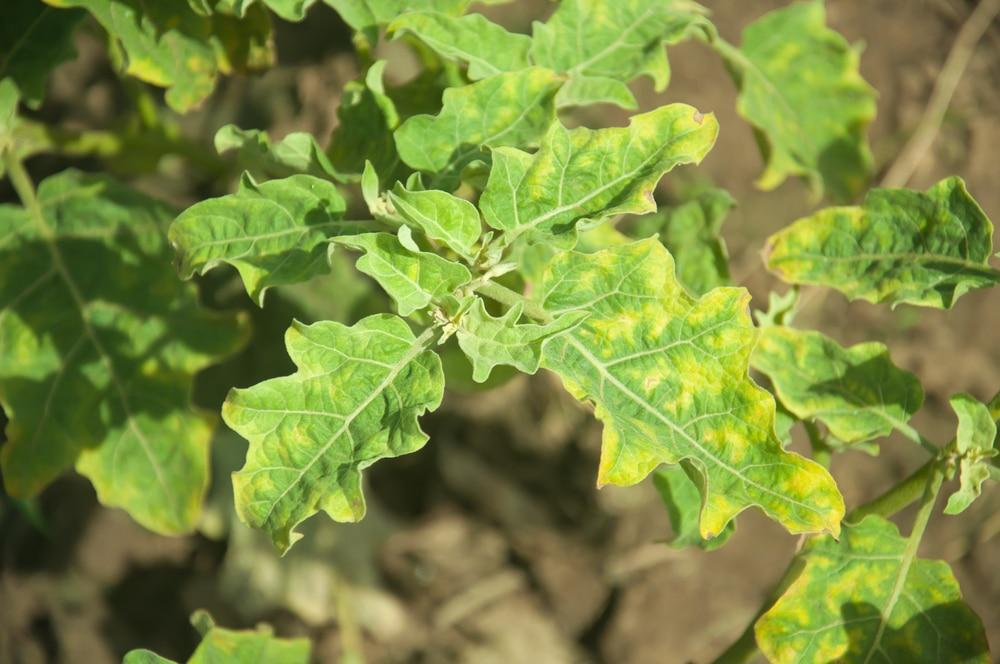
Eggplant Nutrient Deficiency: Identify and Fix Problems
Eggplant nutrient deficiency shows through yellowing leaves, stunted growth, and poor fruiting. Nitrogen, phosphorus, and potassium are most critical. Soil pH controls nutrient availability. Test your soil, add compost, and apply balanced fertilizer at planting to prevent problems before they start
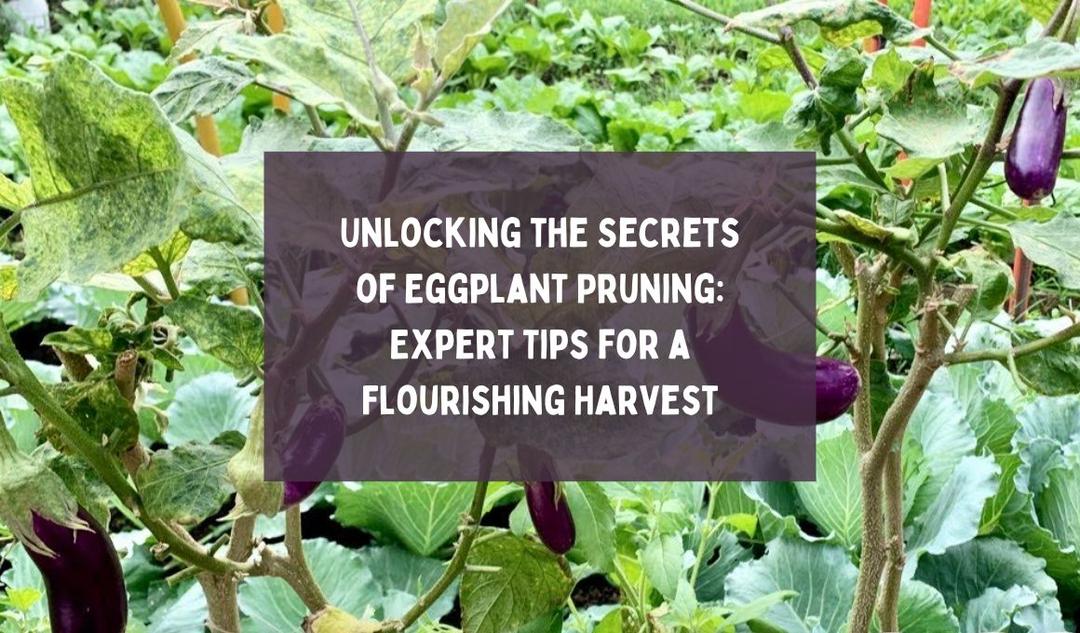
How to Prune Eggplant: The Complete Guide
Pruning eggplants increases yield 50 percent or more when done correctly. Focus on developing 3 to 4 strong leaders and removing everything else. Remove early flowers to force root development, eliminate lower leaves for disease prevention, and stake plants early for support.
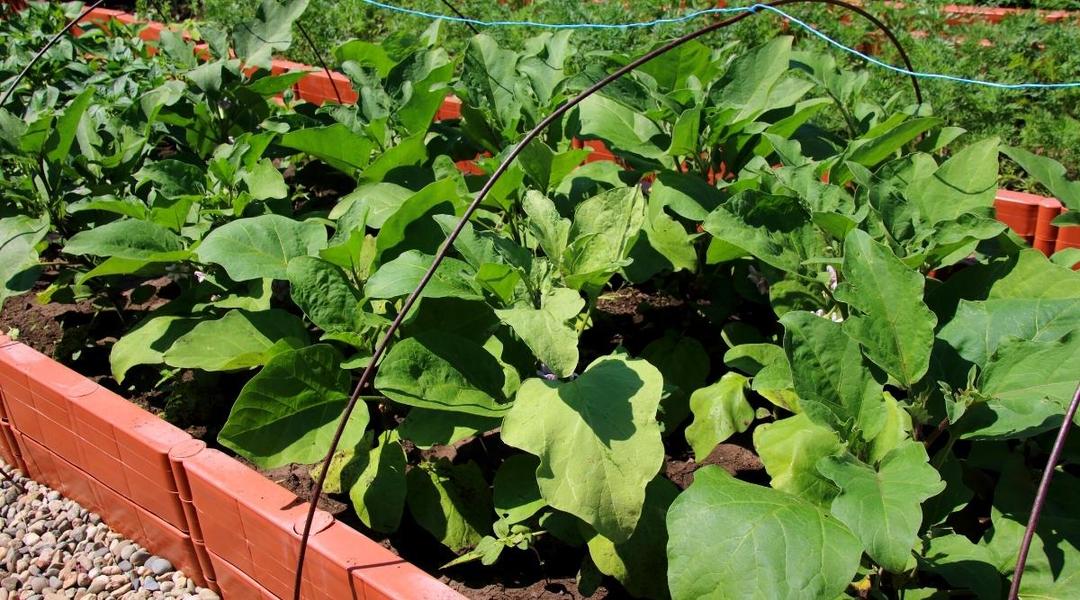
Eggplant Planting Depth: from Seed to Garden Success
Plant eggplant seeds 1/4 inch deep indoors. Transplants ready in 6-8 weeks at 5-8 inches tall. Plant deeper in garden (2-3 inches) to build stronger roots. Wait for 70°F soil temperature. Space 18-24 inches apart with 2-4 inches compost incorporated into soil.
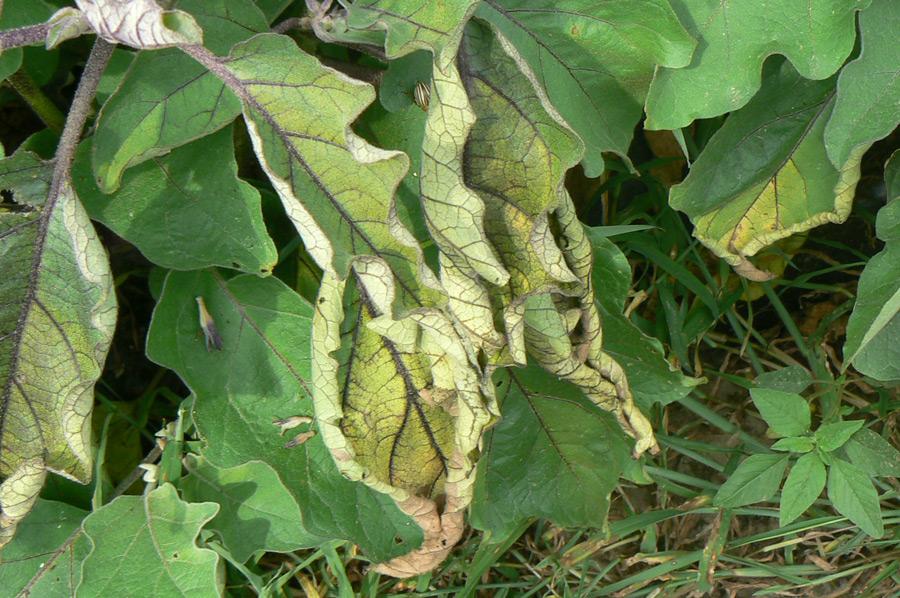
Eggplant Disease Identification: Complete Guide
You notice yellowing leaves on your eggplant. By tomorrow, they wilt. By next week, your plant collapses. Early disease identification changes everything. Catch Cercospora, Fusarium, Verticillium, powdery mildew, and viral diseases at first symptom. Learn prevention strategies, treatment options, and AI-powered diagnosis tools for complete disease management.
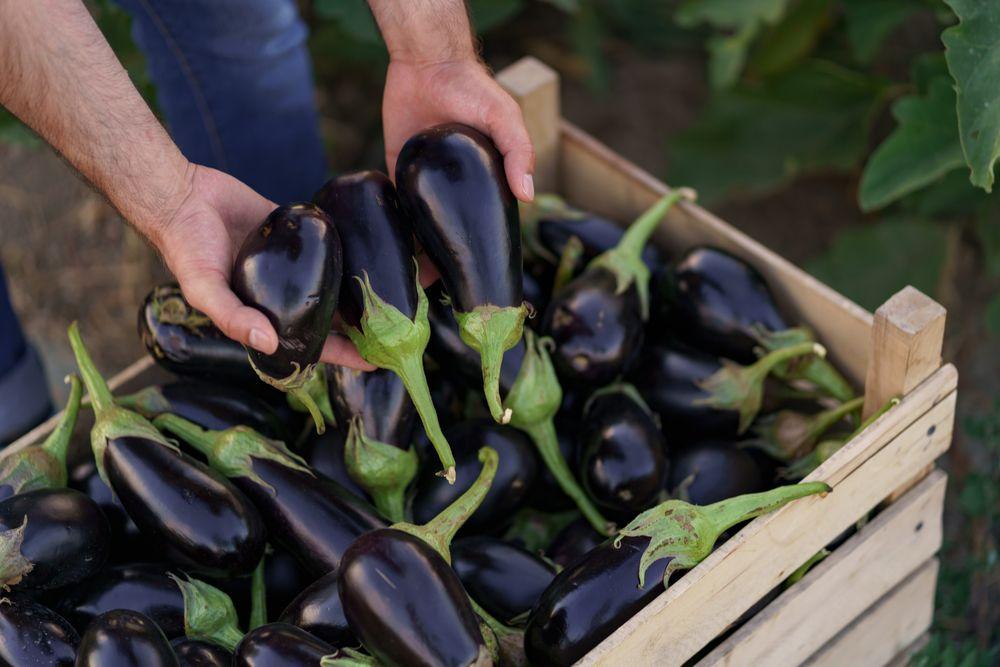
Eggplant Storage Secrets: Keep Your Eggplants Fresh
At plantlyze, our AI powered plant care diagnostics help thousands of home gardeners make smarter produce decisions. This eggplant storage guide reflects that same commitment to evidence based solutions rooted in commercial postharvest science that translates professional standards to home kitchen application.
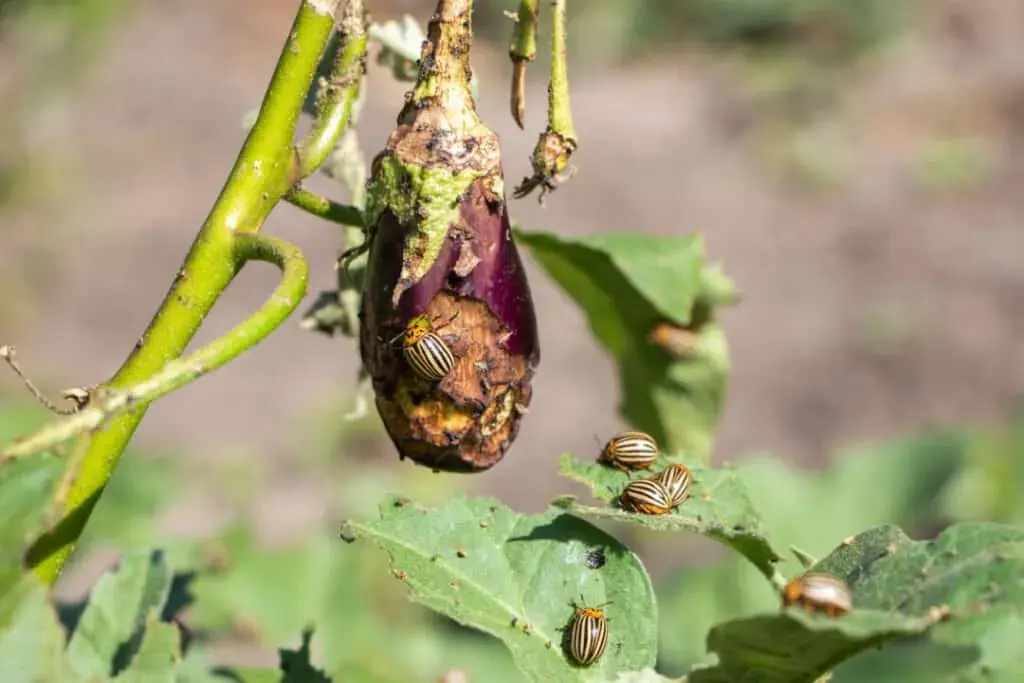
How to Control Eggplant Pests: A Complete Guide
Eggplant pests can turn a healthy crop into a frustrating disappointment fast. By combining prevention, regular scouting, and gentle organic treatments, you stop problems before they explode. Strong soil, good spacing, and targeted controls like neem, sticky traps, and beneficial insects keep your plants productive all season.
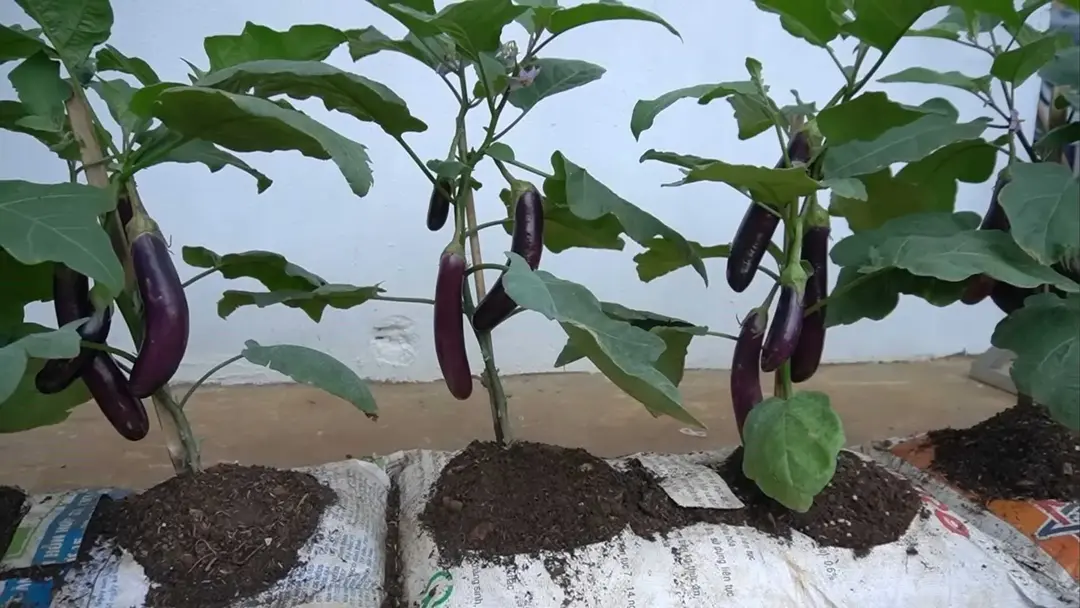
Best Soil for Eggplants: The Complete Growing Guide
Are your eggplants producing small, weak fruits? The secret lies in soil preparation. Discover the optimal pH range (6.0 to 6.8), ideal texture (sandy loam), organic matter requirements, and step-by-step preparation methods to create perfect growing conditions for abundant eggplant harvests.
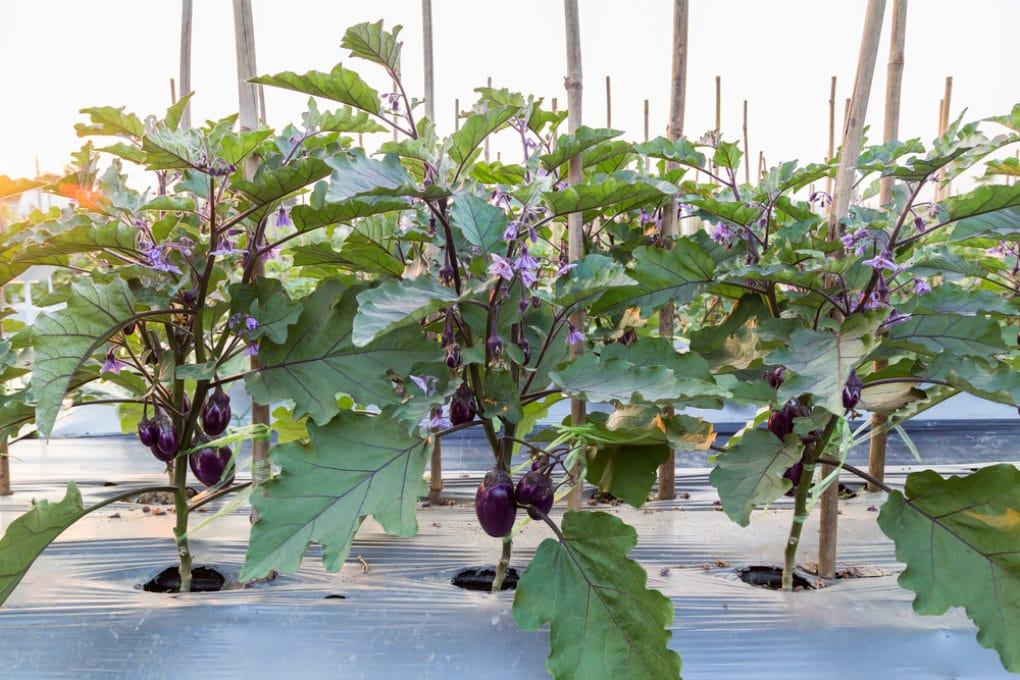
Complete Guide to Eggplant Disease Prevention
When you've nurtured your eggplants through the growing season, the last thing you want is wilted leaves. The encouraging truth: disease prevention is infinitely easier than treatment. Most serious eggplant diseases can be stopped before they take hold. This guide provides actionable prevention strategies backed by research for a healthy, abundant harvest.
Water-Disease Connection: Irrigation Practices for Eggplants
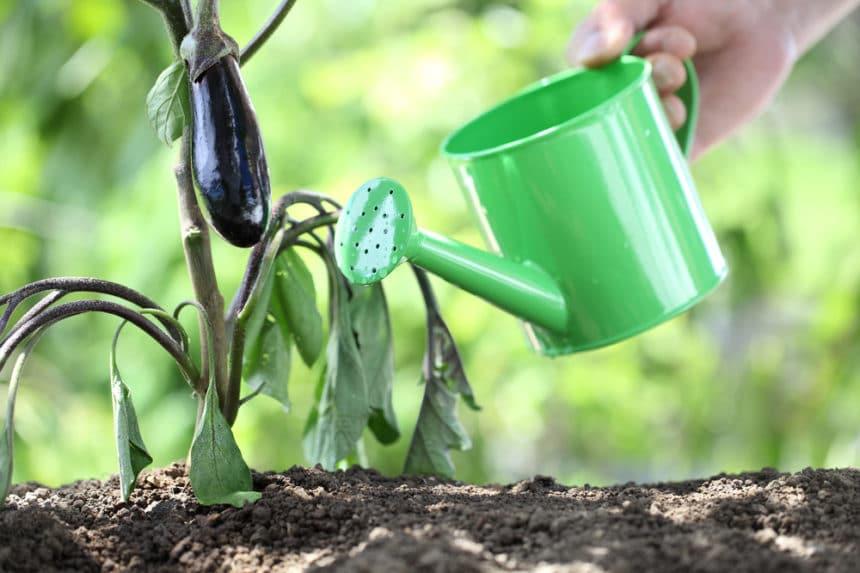
How you water your eggplants significantly impacts disease development. Overhead watering spreads fungal spores between plants and creates prolonged leaf wetness that fungal pathogens love. Drip irrigation keeps foliage completely dry, preventing disease transmission. Water early morning, never evening. Combined with mulching, smart irrigation practices create an environment where disease struggles to establish.