Most gardeners are totally unaware that they predispose their plants to infection by the manner in which they water them. Few realize or even suspect, because it has never been pointed out to them before, how much difference there is between overhead watering and careful strategic irrigation-in fact; all too often a good harvest can be ruined with losses just as devastating as if no crop at all had been reaped! However practical solutions may seem when fully understood together with an intelligent grasp of ‘the mechanics’ (how rapidly spreading diseases travel through water), this still leaves us controlling one among several vital factorsEggplant health.
Why Overhead Watering Spreads Disease
When water falls from above, it doesn't simply provide moisture to your plants. Instead, it becomes a disease transmission highway. Each droplet that splashes from leaf to leaf carries fungal spores that would otherwise remain isolated. Overhead watering creates an ideal scenario for fungal pathogens to spread rapidly through your eggplant patch.
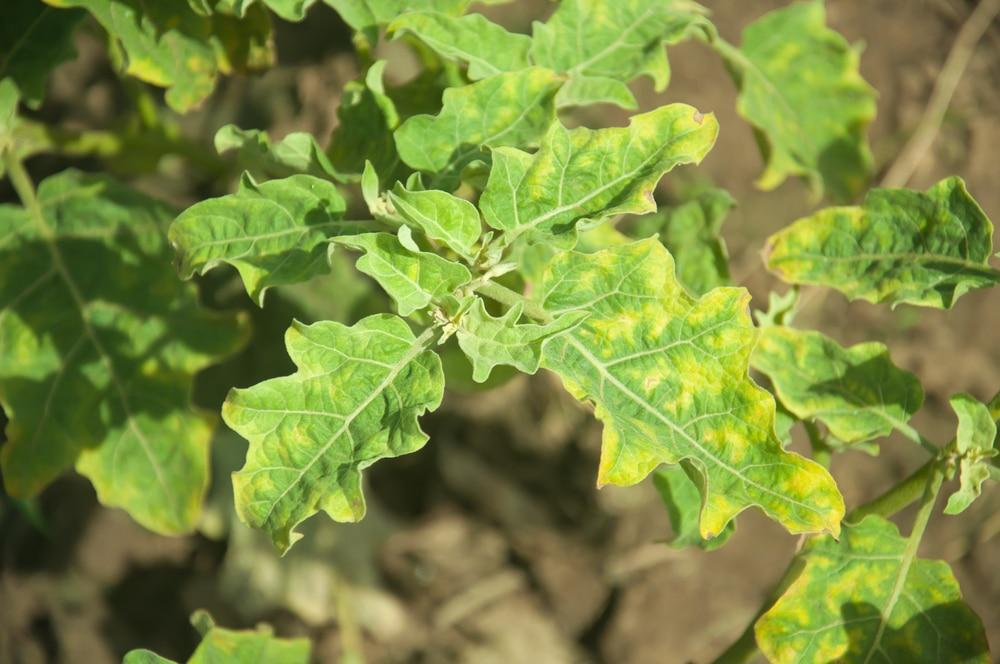
Think about what happens when you use a sprinkler or handheld hose over your plants. Water carries fungal spores from infected leaves to healthy ones below them. It also lifts pathogens in soil particles up to the lower leaves, exactly where you do not want diseases introduced. Prolonged leaf wetness mainly creates an invitation for overhead watering that turns on a switch for germination of fungal spores-Anthracnose, Gray mold, and Verticillium Wilt thrive under such exact conditions! Drip irrigation can have this kind of dramatic effect in reducing the incidence of transmission by completely blocking this pathway.
Drip Irrigation: Your Primary Solution
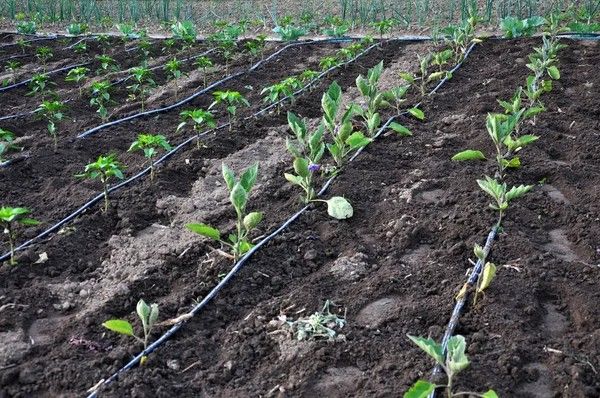
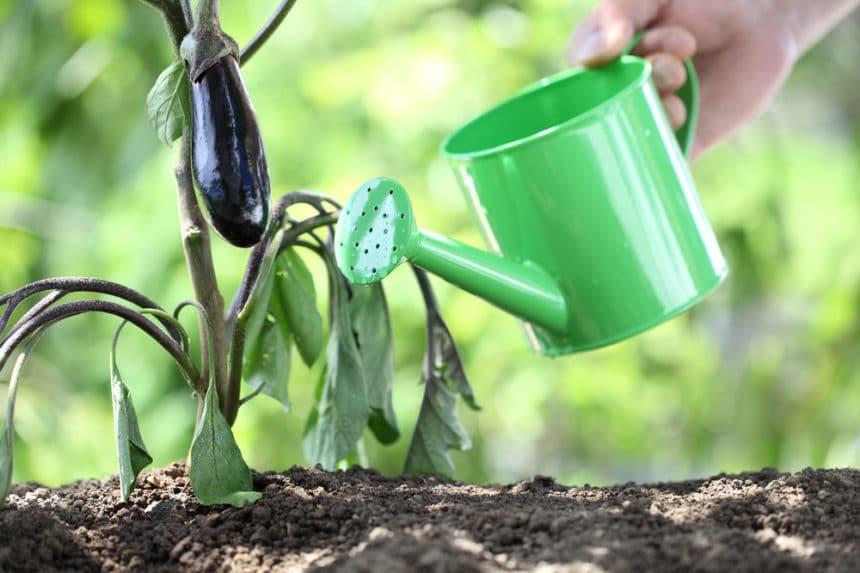
One of the best tools in preventing diseases that any gardener can use is drip irrigation. Water remains at the base of the plant within the soil; therefore, it never splashes to or wets the foliage at any time either during day or night. If leaves do not get wet, then basically a majority of fungal spores fail to germinate and hence there is minimal existing opportunity for disease to thrive.
Benefits of drip irrigation in preventing diseases also include and extend to its water efficiency. Much of the water is saved by delivering it directly beneath the plant, where it hardly evaporates or runs off. The system maintains consistent moisture within the soil eggplants without raising humidity to levels that would encourage fungi to grow. The stable moisture level also reduces plant stress, making your eggplants less vulnerable to infection when exposure does occur.
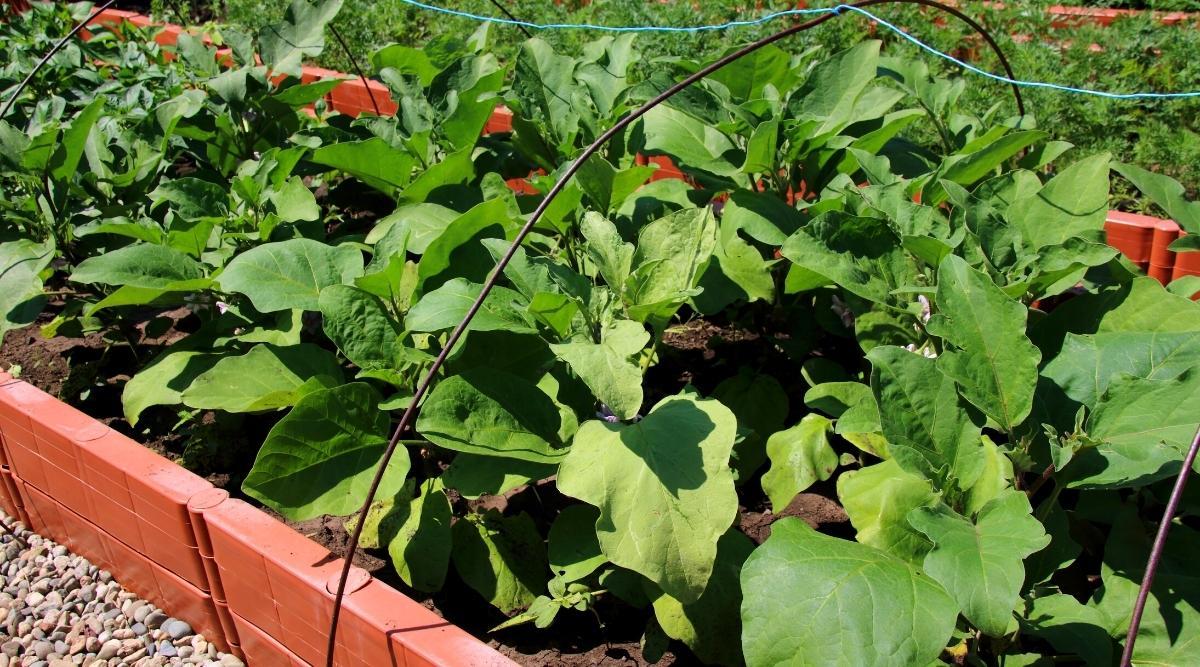
Installing permanent drip irrigation systems might feel like a large project initially, but even simple solutions work effectively. A soaker hose placed at the base of each plant accomplishes the same protective effect as expensive underground systems. These perforated hoses deliver slow, steady moisture directly to the soil surface. Water seeps gradually into the root zone while keeping foliage completely dry. If permanent installation isn't feasible, even temporary soaker hoses repositioned as plants grow provide excellent protection.
Drip lines and soaker hoses have another advantage: they make watering consistent and predictable. You can set a timer and know your plants receive exactly the same water amount each day, rather than the variable coverage that hand watering creates. This consistency helps you maintain optimal soil moisture without the peaks and valleys that stress plants and invite disease.
Timing Your Watering for Maximum Protection
Timing matters just as much as method. How long the foliage stays wet, and what environmental conditions prevail, are all keyed by time of day to either favor or discourage fungus.
Water early in the morning, between 6 and 8 AM. By watering within this period, any accidental splashing dries quickly under the morning sunlight. Sun UV radiation and warmth rapidly evaporate moisture from leaves hence preventing wetness that last long for spore germination. Morning watering also ensures your plants have adequate moisture for the hot afternoon ahead, supporting their natural disease resistance. If you're using overhead watering for any reason, morning application minimizes disease risk compared to any other time of day.
Never water in the evening under any circumstances. Evening and night watering creates prolonged wetness that persists through the cool night hours when fungal pathogens are most active. Humidity remains high for twelve to sixteen hours, giving spores the ideal conditions for germination and infection. The temperature drop that occurs after sunset further favors fungal activity. By morning, infection may already be underway before you even realize wetness persisted overnight.
Avoid midday watering when possible. The intense heat can stress plants and may cause leaf scorch if you're using overhead methods. Midday also means any wet foliage dries within a couple hours, which sounds protective but actually doesn't provide the consistent moisture that plant roots need.
Monitoring and Managing Humidity Levels
Beyond direct watering practices, the overall humidity environment affects disease pressure. In naturally humid climates or greenhouse settings, disease develops more readily even with careful watering management.
Keep a close watch on humidity levels during the season of growth. If your region happens to be humid most of the time, then make sure there is good air circulation around the plants. Remove some lower leaves to allow space for air movement and also reduce that dense canopy which traps moisture. Next season, try as much as possible not to plant them too close so that wind can flow between them. In greenhouse setups, install ventilation fans or simply open up vents during hot hours for humidity reduction.
Pay attention to morning dew patterns. If heavy dew covers your plants most mornings, consider additional air circulation measures. Some gardeners use oscillating fans near eggplant plants to keep foliage moving and prevent dew accumulation. Others prune plants slightly to reduce leaf density and improve air penetration.
Recognize that some humidity is necessary for plant growth. You're not trying to eliminate all moisture from the air, just prevent extended periods where foliage remains wet. The goal is keeping leaves dry while maintaining healthy plant transpiration.
Mulching: Your Backup Defense System
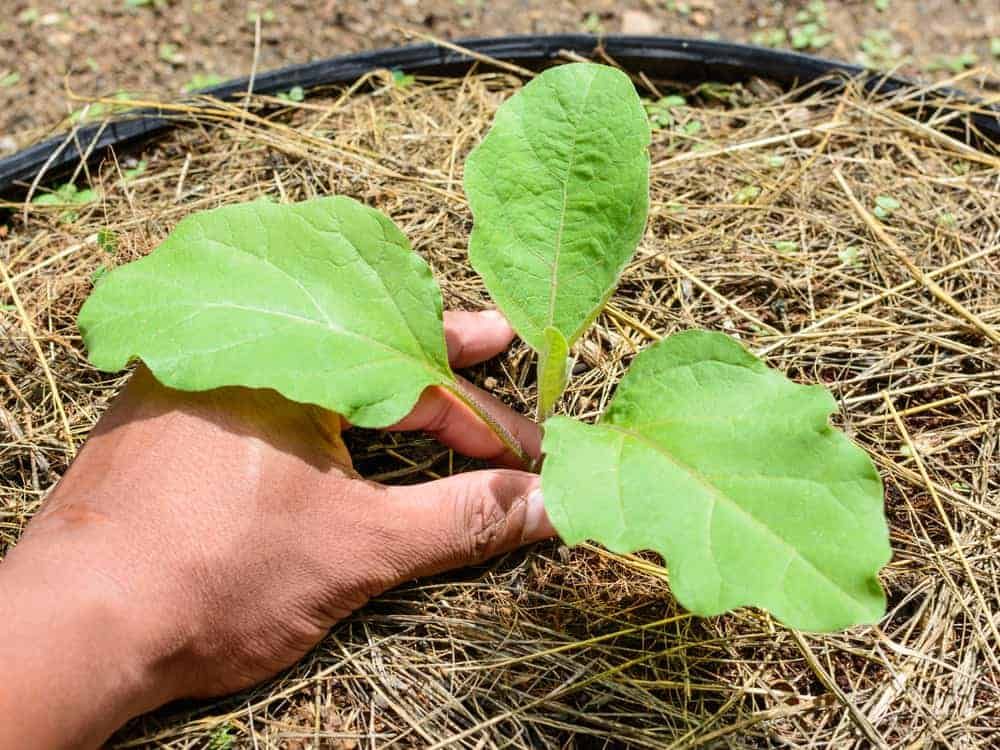
While drip irrigation keeps foliage dry, mulching prevents disease transmission from soil to plant. Black plastic mulch creates a physical barrier between the soil and lower leaves, which is exactly what you need for disease prevention.
Lay black plastic mulch around the base of each eggplant plant, creating a complete barrier. This single intervention blocks multiple disease transmission pathways simultaneously. Soil splash from rain or watering cannot reach leaves and fruit. Soil-borne pathogens like anthracnose spores, which normally move onto lower fruit through soil contact, cannot reach their target. The dark plastic also absorbs heat, warming the soil and promoting root growth and plant vigor.
Beyond disease prevention, mulch regulates soil moisture more consistently. Rather than fluctuating between wet and dry, mulched soil maintains steady moisture. This consistency reduces the plant stress that makes eggplants more vulnerable to infection. Consistent moisture also means better nutrient availability and more efficient nutrient uptake.
If black plastic doesn't fit your gardening philosophy, organic mulches like straw or wood chips provide some protection, though they're less effective than plastic for disease prevention. Organic mulches insulate the soil and help maintain moisture, but they don't create the complete barrier that plastic does. They also decompose over time, requiring replacement. If using organic mulch, keep it several inches away from the plant stem to prevent fungal growth on the stem tissue itself.
Never use mulch directly touching the plant stem. Leave a two to three inch gap around the base. This prevents fungal growth on the stem and allows air circulation. The goal is protecting soil splash onto leaves, not creating an enclosed, humid environment around the stem.
Practical Implementation Checklist
Converting to disease-preventing watering practices doesn't require expensive equipment or complicated scheduling. Start with these straightforward steps.
If you currently use overhead watering, switch to drip irrigation or soaker hoses immediately. Even a temporary soaker hose placed at the plant base provides significant protection. This single change reduces fungal disease pressure more dramatically than most other interventions.
Water only in early morning hours, ideally 6 to 8 AM. Set a timer if you're forgetful. Consistency matters more than perfection. If you must water at other times occasionally, morning is always preferable to evening.
Implement mulching around each plant, using black plastic for maximum effectiveness. Lay plastic before or shortly after planting, covering the soil completely.
Monitor your irrigation system weekly to ensure drip lines deliver water only to soil, not to foliage. If you notice spray hitting leaves, adjust the positioning.
Pay attention to humidity in your specific garden location. If you notice consistently wet foliage or heavy morning dew, consider pruning and spacing adjustments to improve air movement.
Walk your garden early each morning to observe plant health. You can spot early disease signs and adjust watering practices if problems develop. This simple observation habit catches problems before they become serious.
Watch How Others Manage Eggplant Watering
This video demonstrates pruning techniques and disease prevention strategies that complement proper watering management.
The Water-Disease Connection in Practice
Understanding the water-disease relationship transforms how you approach eggplant care. Every time you reach for a watering can or turn on a sprinkler, you're making a choice about disease pressure. Overhead watering invites fungal spores to spread. Drip irrigation and careful timing prevent that invitation from ever being extended.
The investment in proper irrigation pays dividends throughout the growing season. Your eggplants remain healthier, produce more fruit, and require fewer interventions. You spend less time treating disease and more time enjoying your harvest. By the time midsummer arrives and your neighbors are fighting gray mold and wilting leaves, your eggplants will be thriving under the protection of smart watering practices.
Start with drip irrigation or soaker hoses today. Shift your watering to early morning. Implement mulching if you haven't already. These three practices, all related to water management, create an environment where disease struggles to establish. Combined with the soil health practices and monitoring strategies covered elsewhere in this guide, proper watering puts you in complete control of your eggplant disease prevention program.
References
How to Prevent Eggplant from Pests and Diseases
https://gardenvive.com/prevent-eggplant-pests-and-diseases/Preventing Botrytis Without Fungicides
https://drygair.com/blog/preventing-botrytis-without-fungicides/Biopesticides for Managing Diseases of Eggplant Organically
https://www.vegetables.cornell.edu/pest-management/disease-factsheets/biopesticides/biopesticides-for-managing-diseases-of-eggplantGray Mold (Botrytis Blight) https://hgic.clemson.edu/factsheet/gray-mold-botrytis-blight-2/
Verticillium Wilt of Tomato and Eggplant
https://content.ces.ncsu.edu/verticillium-wilt-of-tomato-and-eggplant