Why Most Gardeners Get Eggplant Pruning Wrong (And What You Should Do Instead)
Many gardeners fear pruning eggplants because they worry about damaging plants or losing potential fruit. This hesitation costs them significantly in harvest size and quality. The truth is that pruning seems counterintuitive, but it actually increases yield by 50 percent or more when done correctly.
Research backed techniques prove that 3 to 4 pruned leaders outproduce unpruned plants dramatically. University studies show pruned plants produce bigger fruit, better quality, and higher nutrient content compared to unpruned controls. Pruning reduces disease, speeds production, and improves overall plant health simultaneously.
The proper technique is simple once you understand the why behind each cut. Let me show you the exact science behind why pruning works so well for eggplants, and then walk you through every step to implement it in your garden.
Five Reasons Pruning Doubles Your Eggplant Harvest
Pruning is not optional for maximum eggplant production. It is the single most effective management strategy you can implement to increase your harvest. When you understand the benefits, you will see pruning as an investment rather than a risk.
Dramatically increased yield is the first benefit. Plants pruned to 3 to 4 leaders produce 50 percent more fruit than unpruned plants on a per square foot basis. Unpruned plants waste energy on excessive leaves and side shoots instead of directing resources into fruit development. By limiting the number of fruiting points, you concentrate plant energy into the areas that matter most.
Larger fruit size is your second advantage. Pruned plants produce visibly bigger eggplants compared to unpruned controls. This happens because limiting fruiting points concentrates plant energy into fewer fruits. The same amount of plant resources now go into fewer eggplants, making each one significantly larger.
Better fruit quality represents your third benefit. Research shows pruned eggplants have higher nutrient content and better flavor than unpruned plants. Improved light penetration to fruits accelerates ripening and nutrient development. The eggplants you harvest will taste noticeably better and have superior shelf life.
Faster production timeline matters especially if you live in a short-season growing zone. Aggressive pruning in early season redirects energy into root and foliage development. Once flowering begins on your well-established framework, the plant produces abundant fruit more rapidly than plants that have been flowering from the start.
Reduced disease and pest pressure rounds out the benefits. Better air circulation dramatically reduces fungal diseases like powdery mildew, gray mold, and leaf spot. Powdery mildew, gray mold, and leaf spot diseases decline significantly when air flows through plant canopy. Improved visibility also makes pest detection easier and reduces pest colonization in dense foliage that normally provides hiding spots for insects.
The Eggplant Pruning Timeline: When to Cut and When to Hold Back
Timing pruning correctly is as important as the technique itself. Pruning at the wrong stage can stress plants and delay your harvest unnecessarily. Understanding the eggplant growth timeline helps you make pruning decisions with confidence.
Early Pruning at Transplant Stage
Begin when plants are 12 to 18 inches tall, usually 2 to 3 weeks after transplanting into garden or field. At this stage, remove any flower buds present at transplant time before planting them out. Early flowers force young plants to pour energy into reproduction when they should be building strong roots and foliage.
Removing these flowers redirects resources into plant establishment. The slight delay in production is worth the benefit. Skip early flower removal only if your growing season is very short and you need every possible day to produce fruit. In most climates, removing early flowers is worth the slight production delay because total final yield improves dramatically.
Leader Pruning During Vegetative Stage
Begin your leader pruning after plants establish and show true leaf growth, typically 3 to 4 weeks after transplanting. Continue this strategy through the flowering stage before heavy fruit set begins. Do your most aggressive pruning during this vegetative phase, then maintain with light pruning later in the season.
Late Season Considerations and Cautions
Avoid heavy pruning once plants reach peak production phase. Late season pruning removes foliage that produces sugars for ripening fruit. Excessive late pruning stresses plants and reduces yields just when you need maximum production.
Continue removing diseased leaves and lower leaves as needed, but do not remove major portions of healthy foliage. Light maintenance pruning is appropriate during peak production, but aggressive pruning should end by midsummer.
The 20 to 30 Percent Rule for Safe Pruning
Remove no more than 20 to 30 percent of total foliage during each pruning session. This guideline prevents shock while still providing significant benefits. Your initial leader pruning is aggressive by design and may remove more foliage, but you are establishing plant structure at this critical point when plants are young and resilient.
The Leader Strategy: Growing 3-4 Stems Instead of a Chaotic Bush
The single most important pruning decision you make is determining how many main fruiting stems (called leaders) your plant will develop. Research from multiple universities clearly shows that 3 to 4 leaders is the sweet spot. More leaders dilute resources among too many fruiting points. Fewer leaders underutilize plant potential.
Understanding Eggplant Plant Structure
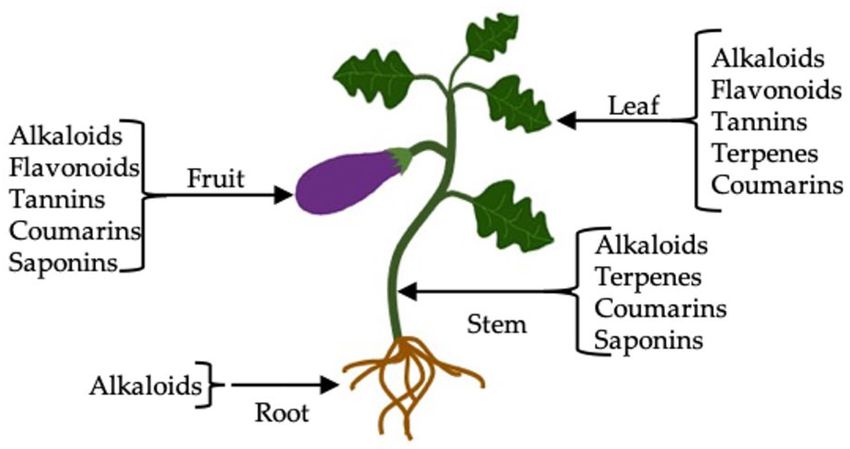
Eggplants naturally want to branch in a Y formation as the main stem splits into multiple branches. At the same time, small shoots called suckers form at leaf node elbows and grow outward with their own leaves. You can develop your leaders using natural Y branching, suckers, or a combination of both. The final count is what matters most.
How to Identify and Keep Leaders
Leaders are vigorous, outward pointing stems that will eventually hold your fruit clusters. As your plant develops, identify which 3 to 4 stems look strongest and most outward pointing. These become your keepers. Pinch or cut away all other suckers and side shoots that are not part of your chosen leaders.
Use sharp, clean pruning shears or simply pinch suckers off by hand by pushing them side to side until they snap cleanly. The technique matters less than the commitment to removing everything that is not a leader. Be ruthless about removing competing stems, or you will end up with too many fruiting points and smaller fruit.
Optimizing Leader Angle for Maximum Light
Direct your leaders outward at different angles from the main stem. Picture an upside down cone shape with the stem at the center and leaders pointing outward. This cone configuration maximizes light penetration to flowers and fruits. It also makes hand pollinating easier if you want to maximize fruit set on early flowers.
Better light equals faster ripening and higher quality fruit. The effort to direct leaders at optimal angles pays off throughout the season in bigger, better fruit.
Spacing Considerations for Leader Success
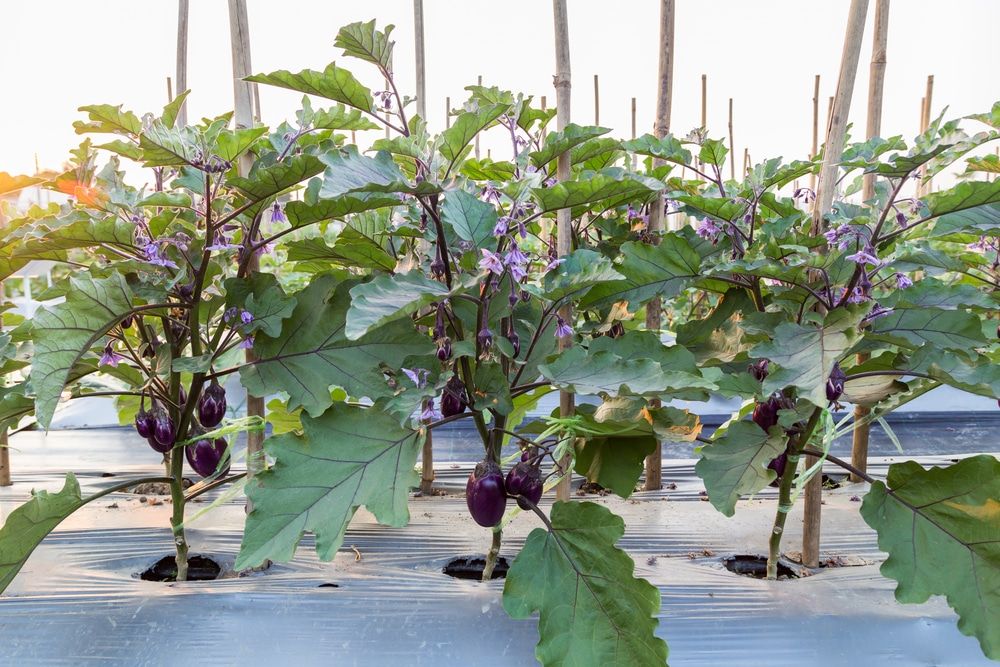
To get the most from aggressive leader pruning, you must space plants closely together, ideally 12 inches apart. More plants per square foot compensates for the reduced foliage per plant and maximizes total production per bed or row. Closer spacing means slightly higher disease pressure if you do not maintain good pruning practices. The benefits significantly outweigh this risk when you combine spacing with proper leaf removal and air circulation.
Removing Early Flowers for Explosive Growth
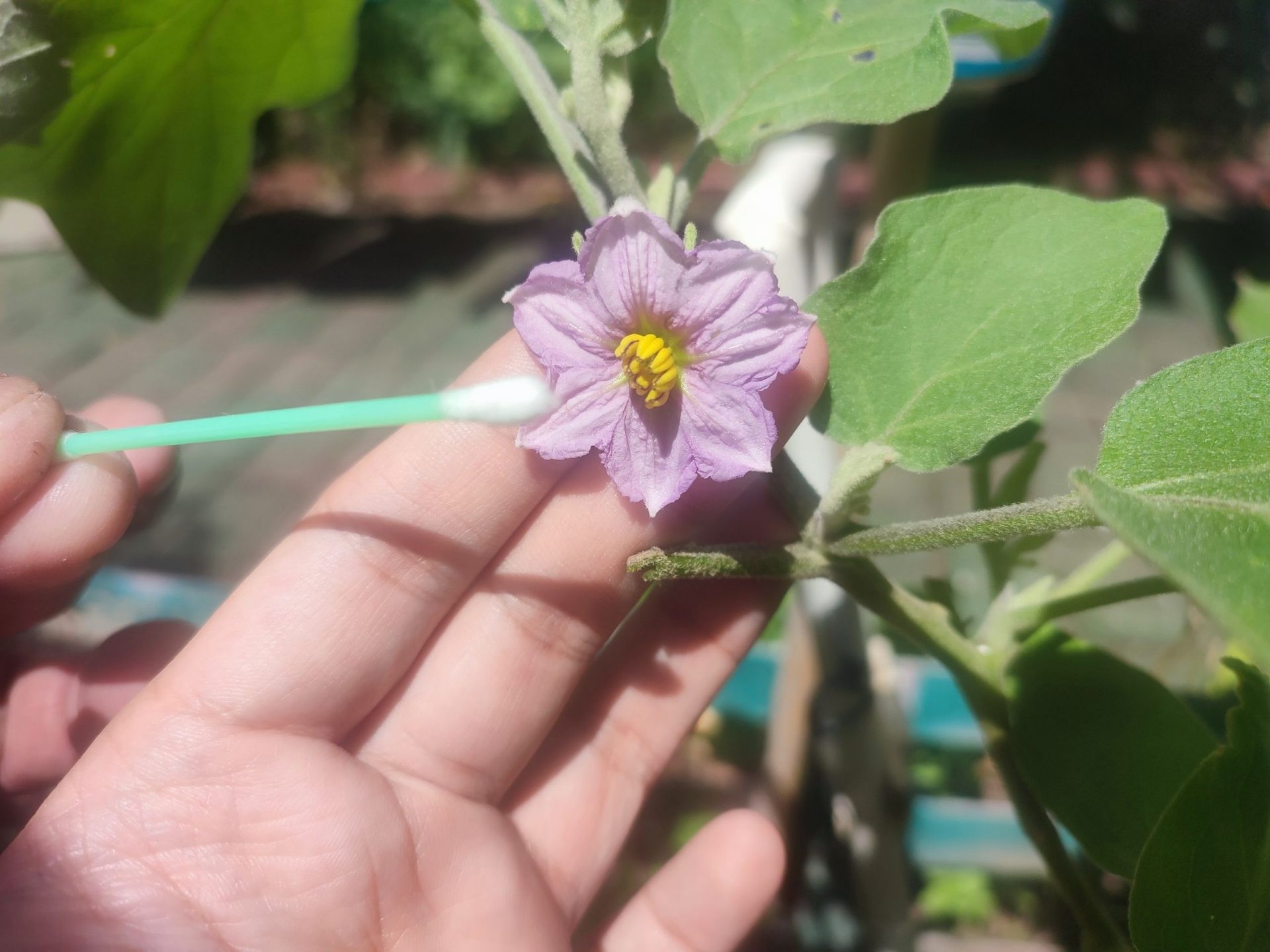
It seems backwards to remove flowers from plants you are growing specifically for fruit production. Yet this practice is one of the most effective yield boosters you can implement. Young plants have limited resources and if those resources go into developing the first fruits, the plant remains small and weak.
By removing early flowers, you tell the plant to keep building roots and foliage. The payoff comes later when your well-established plant explodes into production. A small plant flowering early produces less total fruit than a large plant that starts flowering later.
Which Flowers to Remove and When
Remove all flowers present at the time you transplant seedlings into the garden. Continue removing the first set of flowers even after plants are growing in the ground for 1 to 2 more weeks. Stop removing flowers once plants reach a reasonable size and show vigorous growth. Typical timeline is 3 to 4 weeks after transplanting.
Flowers appear as small buds at nodes along stems. These are distinct from new leaf growth. Learning to spot the difference quickly helps you make efficient pruning decisions.
Simple Flower Removal Technique
Pinch flower buds off with your fingers or remove them with small pruning shears. Apply removal in early morning or evening when plants are less stressed. Scout plants every 2 to 3 days during early season because new flower buds form continuously as the plant grows.
Knowing When to Stop Removing Flowers
Once plants reach 18 to 24 inches tall and show vigorous branching, stop removing flowers. At this point, the plant has enough resources that flowering enhances rather than delays overall production. When you allow flowering to begin, the plant produces abundant fruit on a strong, well-established framework that can support a heavy load.
Lower Leaf Removal: Your Disease Prevention Insurance Policy
Lower leaves seem harmless, but they are actually the primary entry point for many eggplant diseases. Removing lower leaves improves air circulation, eliminates disease vectors, and prevents soil splash contamination. This simple practice reduces fungal disease pressure substantially.
Which Lower Leaves to Remove
Remove any leaves that actually touch soil or contact mulch. These direct contact points allow soilborne disease transmission to occur. Disease spores jump from soil to leaves through splash, and leaves touching soil accelerate this process. Remove any leaves with visible damage from insects, scratches, or disease spots immediately. Damaged leaves are disease entry vectors that allow pathogens to establish infections.
As plants age, lower leaves naturally yellow and stop producing sugars for the plant. Remove these unproductive leaves immediately. If lower foliage interferes with your ability to manage weeds, remove those leaves to improve visibility and access. Aggressive weeding around eggplant stems causes mechanical damage to plants, so clearing lower foliage helps you manage weeds safely.
Safe Removal Technique That Prevents Problems
Remove only lower leaves below the first flower cluster, leaving the upper canopy intact. Remove a few leaves at each session rather than stripping the plant bare in one day. Use clean, sharp pruning shears to make clean cuts. Dirty or dull tools tear tissue and create disease entry points.
Between plants, wipe your shears with rubbing alcohol or dip them in a bleach solution to prevent disease spread. This disinfection step takes just a moment but prevents serious disease problems that can spread throughout your eggplant planting.
Disease Prevention Benefits of Lower Leaf Removal
Removing lower leaves allows air to move through the base of the plant, drying foliage rapidly after rain or watering. Lower humidity in the plant canopy makes it inhospitable for powdery mildew spores and other fungal pathogens. When leaves hang close to ground, rain and irrigation water splash soil directly onto foliage, transmitting soilborne pathogens. Removing these leaves eliminates this disease pathway.
University studies show that removing lower leaves reduces fungal disease by 30 to 50 percent when combined with proper spacing and drip irrigation. This single practice, done consistently, can mean the difference between healthy plants and disease infested plants.
Timing of Lower Leaf Removal Throughout the Season
Begin lower leaf removal at the leader pruning stage, about 3 to 4 weeks after transplanting. Continue removing lower leaves throughout the season as new ones emerge and old ones age. Do one final aggressive lower leaf removal about 2 to 3 weeks before final harvest to maximize late season ripening and fruit quality.
Keeping Your Pruned Eggplants Upright: Staking Done Right
Eggplants laden with fruit require structural support to prevent branches from breaking or bending to the ground. Heavy fruit loads snap unsupported branches and expose fruit to soil contact where disease occurs. Proper staking prevents these problems and keeps your harvest clean.
When to Stake Your Eggplant Plants
Install stakes or support systems when plants are still young, ideally at the same time you do initial pruning. Young flexible stems are easier to tie without damage. Waiting until plants are heavy makes tying difficult without breaking branches. Install stakes early to avoid this problem.
Choosing the Right Stakes and Tie Materials
Use wooden stakes 0.5 inches thick and 50 to 60 inches tall. Bamboo stakes work but are less durable than wooden stakes. Use soft materials like garden twine, cloth strips, or specialized plant ties. Never use wire or tight plastic ties that cut into stems as they grow.
Place stakes or support cages 2 to 3 inches away from main stem to avoid root damage when pushing stakes into soil. Hitting roots during stake installation stresses plants and invites disease.
Proper Tying Technique for Healthy Stems
Tie stems loosely to stakes using a figure eight pattern that allows some stem movement. This loose tying prevents the ties from cutting into stems. Retie periodically as plants grow to prevent ties from cutting into expanding stems. New growth expands stem diameter, so check ties monthly during the growing season.
Tie stems just below the pruned leaders, not at the very top of the plant. Supporting stems at the leader junctions distributes weight effectively.
Get Expert Guidance on Your Eggplant Pruning with Plantlyze AI
Knowing the right time to prune and how to identify leaders can be challenging, especially for new gardeners. Plantlyze uses artificial intelligence to help you make the right pruning decisions at the right time.
Upload a photo of your eggplant plant at any stage and the AI technology identifies your plant's health and growth stage. You receive specific pruning recommendations based on your plant's actual development. The platform sends alerts when plants reach pruning milestones so you never miss a critical pruning window.
Plantlyze helps eggplant growers in several important ways. Confirm you are identifying leaders correctly before you remove anything. Get timing recommendations specific to your growing zone and variety. Avoid pruning mistakes that cost yields. Monitor plant health improvements after pruning. Track which techniques work best for your specific varieties.
Visit Plantlyze.com today and upload a photo of your eggplant. Get instant expert guidance on whether your plant is ready for pruning and exactly what to remove. The AI analyzes your specific plant and provides customized recommendations based on what it sees in your photo.
Pruning Errors That Reduce Your Yield and What to Do Instead
Learning from the mistakes others make prevents you from repeating them in your own garden. These five common errors cost significant harvests.
Waiting too long to prune tops the list of mistakes. Unpruned plants grow tall and leggy with excessive foliage before you decide to prune. Begin pruning at 12 to 18 inches tall when plants are still manageable and respond well to pruning.
Pruning too aggressively late season causes serious problems. Removing large amounts of foliage after flowering begins stresses plants and reduces fruit ripening. Do your heavy pruning only during early vegetative stage. Maintain with light pruning only after flowering begins.
Keeping too many leaders dilutes plant resources. Attempting to keep 6 to 8 or more stems per plant reduces individual fruit size and overall yield. Commit to 3 to 4 leaders per plant and remove everything else. This takes discipline but pays off dramatically in bigger fruit and better harvests.
Removing all lower leaves at once causes shock and stress. Stripping the plant bare of lower foliage stresses the plant and reduces growth. Remove 20 to 30 percent of foliage per session and spread removals over time. Patient, gradual removal works better than aggressive single session pruning.
Using dirty or dull pruning tools causes persistent problems. Torn tissue created by dull shears or spreading disease with dirty tools causes problems later. Keep shears sharp and clean them between plants with rubbing alcohol or bleach solution. This tool maintenance step prevents many disease problems.
Unlock Your Eggplant Potential This Season with Proper Pruning
Pruning increases yield 50 percent or more when done correctly. Your focus should be on developing 3 to 4 strong leaders and removing everything else. Remove early flowers to force root and foliage development before fruiting begins.
Remove lower leaves throughout the season for disease prevention and better air circulation. Stake plants early to support heavy fruit loads. Timing and gradual removal prevent plant stress while maximizing benefits.
Here are the action steps to implement this season. Start pruning when plants reach 12 to 18 inches tall. Remove flower buds at transplant time before plants go in the ground. Identify your 3 to 4 strongest leaders and commit to them, removing all competition.
Gradually remove lower leaves for disease prevention throughout the season. Install stakes before fruit becomes heavy and breaks branches. Scout weekly and maintain your pruning strategy consistently.
Pruning is not something to fear. It is the single most effective technique for boosting eggplant production. Once you prune your first plants and see the dramatic difference in size and quantity of fruit, you will become a believer in this powerful technique.
Download your eggplant pruning calendar at Plantlyze.com and get personalized recommendations based on your location and variety. Use Plantlyze's AI plant diagnosis tool throughout the season to confirm your plants are on track for maximum harvest. Start with Plantlyze today and never guess about eggplant pruning again.
References
Clemson University HGIC: https://hgic.clemson.edu/
Cornell University IPM: https://cropandpestguides.cce.cornell.edu/
UC Statewide IPM: https://ipm.ucanr.edu/
University of Florida EDIS: https://edis.ifas.ufl.edu/