Getting Eggplant Planting Depth Right: The Foundation for Success
Many gardeners struggle with eggplant because they get the planting depth wrong, resulting in weak plants that produce poorly. The good news is that correct planting depth is simple once you understand the principles. Planting depth affects root development, stability, and productivity from the very beginning.
Different depths apply to seeds versus transplants, and eggplants can be planted deeper than many other vegetables. Soil temperature at planting is as critical as depth itself. Proper depth planning prevents stunting, root problems, and harvest loss. Plantlyze's plant care guides help you time every stage of eggplant growth perfectly for your location.
Let me walk you through exact planting depths for every stage of eggplant growth, from seeds started indoors to mature plants producing fruit in your garden.
Seed Starting Depth: The First Critical Decision
Most gardeners start eggplants indoors because outdoor conditions are usually too cold for germination. Getting seed depth right from the start sets the stage for strong seedlings that establish quickly when transplanted.
The Correct Seed Planting Depth
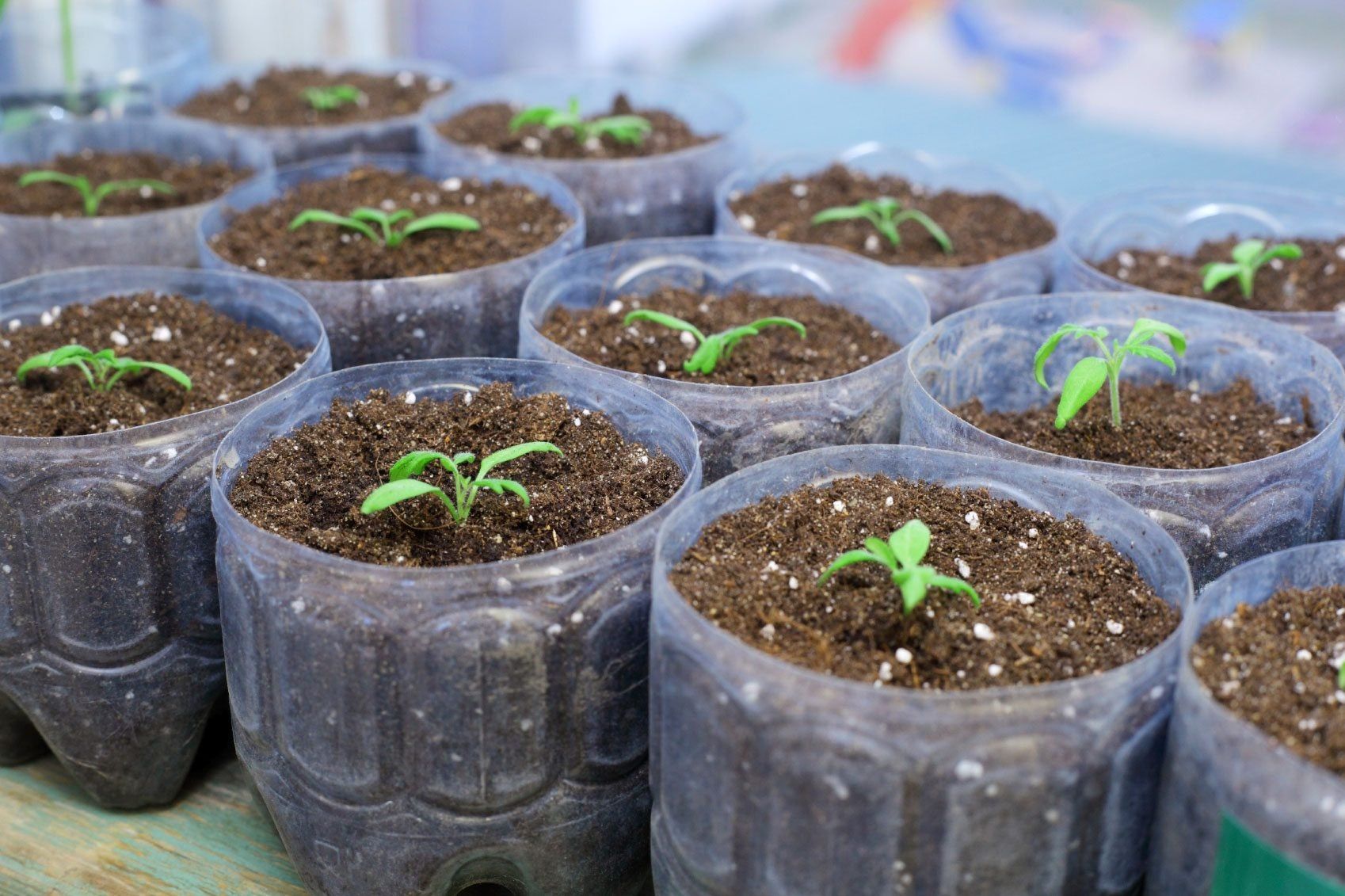
Plant eggplant seeds 1/4 inch deep in moist seed starting mix. This single measurement is your target for successful germination. Some gardeners plant seeds up to 1/2 inch deep, but 1/4 inch is the most reliable standard that produces consistent results.
Eggplant seeds are tiny and need consistent moisture. At 1/4 inch depth, seeds receive enough moisture from the surrounding soil without being buried so deep they cannot break through the surface. Planting too shallow risks seeds drying out. Planting too deep prevents seedlings from emerging successfully.
Fill your seed tray or cells with moist seed starting mix. Create a small indentation 1/4 inch deep, place one or two seeds in each cell, and cover gently with seed starting mix. The soil should be dark and moist, not waterlogged or soggy.
Creating the Right Environment After Planting
Keep seed starting mix consistently moist but not soggy during germination. Use a humidity dome to lock in moisture after planting. Check seeds daily for signs of germination so you can move them to light as soon as they sprout.
Eggplant seeds need warmth to germinate successfully. Use a heat mat set to 75 to 85 degrees Fahrenheit. At this temperature, seeds germinate in 7 to 14 days, typically sprouting within 10 to 14 days with consistent warmth.
Start seeds in darkness initially. Once seeds sprout and you see the first green shoots, immediately move them under grow lights or in a sunny window. Seedlings need 14 to 16 hours of light daily to develop strong stems and leaves without becoming leggy.
Transition from Seedling to Larger Pot
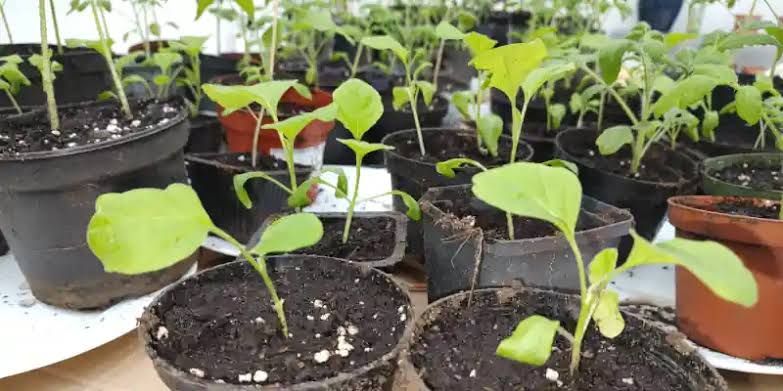
After your seedlings develop their first set of true leaves (the second set of leaves that appear), they need more space to continue growing. This usually occurs 3 to 4 weeks after germination. Transplant seedlings to individual pots at this stage to prevent root crowding.
Plant seedlings at the same depth as they were in the seed tray initially. Do not plant them deeper at this stage. The goal is simply to give them more room to develop without shocking them. Use quality potting mix in the larger containers and maintain consistent moisture.
Building Strong Seedlings for Garden Transplanting
The quality of your transplants determines how quickly they establish and produce fruit. Strong seedlings come from proper depth, right timing, and good care throughout the growing period.
Seedling Care for Strength
Seedlings are ready for garden transplanting 6 to 8 weeks after germination. At this stage, they should be 5 to 8 inches tall with a stem at least as thick as a pencil. Dark green leaves closely spaced up the stem indicate vigorous growth and readiness.
Strong transplants have at least 2 sets of true leaves and are stocky with good color throughout. Avoid plants with blossoms or fruits already forming, as these establish slowly and yield poorly in their first season. Choose the strongest seedlings for transplanting and compost or discard the weak ones.
When seedlings are 2 weeks old, introduce a gentle liquid fertilizer like seaweed extract. This boost helps seedlings develop robust growth. Use dilute fertilizer (follow label directions) and apply via bottom watering to prevent damping off disease that can kill young seedlings.
Hardening Off: The Critical Transition
Hardening off is the process of gradually introducing indoor seedlings to outdoor conditions. This toughens plants and prevents transplant shock that stunts or kills plants when moved suddenly outdoors. It is a critical step that most gardeners either skip or rush, causing problems.
Start by placing seedlings outside for just 30 minutes in a protected, shaded location. Each day, gradually increase outdoor time and move plants towards sunlight. After 1 to 2 weeks of gradual exposure, plants are ready for full day outdoors. This slow acclimation is worth the effort and time investment.
Seedlings grown indoors are tender and sensitive to wind, direct sun, and temperature fluctuations. Hardening off prepares them for the harsher outdoor environment. Plants that skip hardening off often wilt, stop growing, or die when transplanted. Plan for 1 to 2 weeks of hardening off before moving plants permanently outdoors.
Planting Depth at Transplant Time: Why Deeper Can Mean Stronger
Most gardeners plant transplants at the exact same depth they grew in containers. For eggplants, this is a missed opportunity to create stronger, more productive plants.
Same Depth vs. Deeper Planting
Most vegetables should be planted at the same soil line they occupied in their containers. Planting too deep or too shallow causes problems. Nightshade crops including eggplant, tomatoes, and peppers are different from most other vegetables. These vegetables can be planted deeper than their container depth.
Buried portions of the stem will grow adventitious roots, creating a more extensive root system when you plant deeper. This creates a stronger, more extensive root system that anchors the plant better and accesses more soil area for water and nutrients. Plants with stronger root systems produce larger yields and are more drought tolerant.
How Deep Should You Actually Plant
Plant your eggplant transplant so that the soil line is 2 to 4 inches higher on the stem than it was in the container. Before planting, remove the lowest leaves from the stem so buried portions will not rot. This prevents stem rot and disease while allowing the stem to generate roots at those buried nodes.
Strip off any leaves that would be buried below the soil surface. The result is a plant with a stronger root system and natural stability that does not require as much staking support. Practically speaking, planting 2 to 3 inches deeper is the safest approach for most growers. This gives you the benefits of additional rooting while minimizing any potential issues from burying too much stem.
Soil Temperature: The Other Critical Factor
Do not plant eggplant transplants until soil temperature reaches at least 60 degrees Fahrenheit. Ideally, wait until soil is 70 degrees or warmer. Eggplant is more sensitive to cold soil than tomatoes or peppers, making temperature critical for success.
Cold soil temperatures shock eggplant roots and can kill tender root tips permanently. Plants in cold soil grow slowly or stop growing entirely for weeks. Waiting for warm soil ensures rapid establishment and strong growth. Your patience here pays dividends in faster plant development and better final yields.
Use a simple soil thermometer to check soil temperature in the morning. Do not guess based on air temperature, as soil can be much cooler than the air above it. Wait for consistent soil temperature of 60 to 70 degrees Fahrenheit before transplanting. If you plant too early, you will see stunted, struggling plants that never catch up.
Proper Spacing: Room to Grow and Support to Thrive
Eggplant spacing is directly related to planting depth. Deeper rooted plants with better stability can handle tighter spacing because they are more stable.
Spacing in the Garden
Space transplants 18 to 24 inches apart in the row. Some growers space up to 36 inches apart for very large varieties, but 24 inches is typical for standard varieties. Space rows 24 to 36 inches apart to allow equipment passage and improve harvesting access.
Eggplants grow 2 to 4 feet tall and develop into bushy plants that need space. Adequate spacing allows air circulation, reduces disease, and gives each plant access to light. Crowded plants produce less fruit and are more prone to fungal disease and pest problems.
Root Depth and Spacing Connection
Eggplants are medium-rooted vegetables with roots typically reaching 12 to 18 inches deep. Roots spread horizontally as much as they go deep, so horizontal spacing is as important as vertical depth. Understanding root depth helps you space plants effectively.
With 12 to 18-inch rooting depth, you can use raised beds at least 12 to 18 inches deep. Adequate spacing ensures each plant's root zone does not overlap too much with neighbors, reducing competition. Because eggplants are not deep rooters, avoid cultivating too closely to plants. Shallow cultivation can damage roots, causing stunting and disease entry.
Spacing Adjustments for Different Conditions
In containers, you need 12 to 14 inches of space per plant minimum. A 5-gallon container suits one eggplant nicely. Three plants fit in a 20-inch container with careful spacing. Most home gardeners space at 24 inches in-row with 30-36 inch row spacing.
Commercial growers use 1,600 to 2,500 plants per acre, translating to the closer spacing (18 to 20 inches) in rows 2.5 to 3 feet apart. This provides excellent air circulation and makes harvesting and maintenance easier. Adjust spacing based on your specific variety and growing conditions.
Build Soil Right: The Foundation for Deep Roots
Soil preparation before planting determines how deep roots can grow and how well they establish. Good soil preparation is one of the highest return activities you can do before planting.
Tilling and Soil Loosening
Till soil to a depth of 6 to 10 inches before planting. Deeper is better if your soil is compacted. In areas with hard pan or compacted subsoil, till 18 to 24 inches deep to break through the compacted layer. Deep tilling breaks up compacted soil and allows roots to penetrate deeper.
Plants in tilled soil establish faster and develop stronger root systems than plants in unbroken compacted soil. Use a rototiller for large areas, or work with a garden fork or spade for smaller beds. Break up large clods and remove rocks, roots, and debris before planting. This prep work prevents root damage and stunting later.
Adding Organic Matter for Root Development
Add 2 to 4 inches of well-rotted compost or aged manure to your planting area. Work it into the top 6 to 10 inches of soil. Never use fresh manure because it can burn plants and introduce pathogens. Only use well-aged manure that has decomposed for at least 6 months.
Spread compost evenly over the prepared bed, then till it into the loosened soil. Mix thoroughly so compost is distributed throughout the planting area, not just at the surface. Compost improves soil structure, increases water holding capacity, and provides slow-release nutrients. It also encourages beneficial soil organisms that help plants establish and grow.
Pre-Planting Hole Preparation
Dig planting holes slightly larger than your transplant root ball. The hole should accommodate the root ball with 2 inches of loose soil around it. Mix a 2-inch layer of compost into the bottom of each hole to enrich the immediate root zone.
This enriches the immediate root zone and provides an initial nutrient boost. Water the hole before planting to settle the soil and provide initial moisture for establishment. If using fertilizer, do not place highly concentrated fertilizer in direct contact with roots. Use dilute starter solutions instead, or apply fertilizer after planting as a side dressing.
Speeding Growth: Using Mulch and Temperature Strategically
Soil temperature management is crucial for eggplant success. Black plastic mulch solves this problem elegantly while providing multiple benefits.
Benefits of Black Plastic Mulch
Black plastic warms soil 5 to 10 degrees Fahrenheit warmer than bare soil. This extended warmth accelerates root growth and plant establishment significantly. Black plastic suppresses weeds, reduces fruit rot from soil contact, prevents splash-borne diseases, and conserves soil moisture.
Black plastic is the most effective mulch for eggplant production. Install black plastic before planting if possible. Once the plastic is in place and secured at the edges, cut X-shaped holes through the plastic for each transplant. This method concentrates warmth around each plant.
Cut holes slightly larger than your transplant to allow air circulation around stems. Remove the lowest leaves before planting through the plastic to prevent stem rot. The result is a plant with better warming, weed suppression, and disease prevention all in one step.
When to Apply Black Plastic
Apply black plastic only after soil has warmed to 60 to 70 degrees Fahrenheit in spring. Applying it too early keeps soil cold and delays growth. Wait until consistent warm weather before laying plastic. Leave plastic in place throughout the season and remove it only after harvest is complete in fall.
Organic Mulch as Alternative
Straw, wood chips, and shredded leaves provide natural mulch alternatives to plastic. Apply a 2 to 3-inch layer around plants. Do not apply organic mulch until mid-summer after soil has warmed. Early season organic mulch keeps soil too cool and slows growth significantly.
Organic mulch decomposes slowly, adding organic matter to soil over time. It conserves moisture and suppresses weeds. It reduces fruit rot from soil contact. The drawback is that organic mulch does not provide the soil warming benefits of plastic and must be reapplied annually as it decomposes.
Preventing Toppling: Installing Support at the Right Time
Eggplants grow tall and produce heavy fruit that can topple plants without support. Support prevents branches from breaking and fruit from touching soil where disease occurs.
Installing Stakes at Planting Time
Install stakes or cages at the time of transplanting, before the plant roots establish. Installing stakes after roots establish disturbs roots and stresses plants unnecessarily. Use 50 to 60-inch tall wooden stakes (0.5 inches thick) or bamboo stakes. Tomato cages also work well for shorter varieties.
Push the stake into the soil 8 to 12 inches away from the plant to avoid roots. Angle slightly toward the plant for stability. This positioning prevents roots from being damaged during stake installation.
Tying and Support as Plants Grow
Use soft ties, cloth strips, or garden twine to loosely tie stems to stakes. Tie stems just below where the plant branches into 3 to 4 leaders. Ties must be loose enough to allow for stem growth. Tight ties cut into expanding stems and damage plants. Use figure-eight patterns that do not compress the stem directly.
Check ties monthly during the growing season. Retie as needed as plants grow. Adjust ties for new branch growth as the plant develops. This ongoing maintenance prevents ties from girdling stems.
Benefits of Early Staking
Early staking provides immediate support and stability. Plants grow upright instead of sprawling on the ground. Early installation prevents root disturbance later in the season. Trying to add stakes to established plants damages roots and stresses plants. Well-supported plants produce cleaner fruit that does not touch soil or develop rot. Fruits hang freely and mature more evenly on supported plants.
Get Personalized Planting Advice with Plantlyze AI
Getting the planting depth, spacing, and timing exactly right for your specific location and conditions is challenging. Plantlyze provides personalized guidance based on your actual plants and local conditions.
Upload photos of your eggplant seedlings at different stages and the AI technology identifies growth stage and plant health. You receive personalized guidance on when to transplant based on your plants' actual development. Get specific timing recommendations based on your local last frost date. Track your plants from seed through harvest.
Plantlyze confirms your plants are at optimal transplant stage before moving them outdoors. This prevents premature transplanting that causes stunting and poor establishment. The platform provides your zone-specific last frost dates and optimal soil temperatures. It shows you exactly when to apply mulch and install stakes based on your local conditions.
Visit Plantlyze.com today and upload photos of your eggplant seedlings. Get instant personalized guidance on planting depth, spacing, and timing for your location. Let Plantlyze help you succeed with eggplant this season.
Planting Mistakes That Limit Your Eggplant Success
Learning from mistakes others make prevents you from repeating them. Understanding common errors helps you avoid costly problems.
Planting too shallow creates weak root systems and unstable plants. Plant at container level or slightly deeper (2 to 3 inches deeper is ideal). Planting too deep too fast can bury critical leaf nodes and cause rot. Start with 2 to 3 inches deeper and monitor plant response before going deeper next season.
Planting in cold soil shocks roots and limits establishment and growth. Wait for soil temperature of 60 to 70 degrees Fahrenheit before transplanting. Skipping hardening off causes tender indoor seedlings to wilt or die when exposed directly to outdoor conditions. Spend 1 to 2 weeks gradually acclimating seedlings to outdoor conditions.
Poor spacing decisions crowd plants and reduce air circulation, increasing disease and limiting fruit production. Space at 18 to 24 inches in rows 24 to 36 inches apart. Not installing stakes early disturbs roots and damages plants. Install stakes or cages at transplant time, before roots establish.
Ignoring soil preparation limits root depth and plant growth. Till soil 6 to 10 inches deep and add 2 to 4 inches of compost before planting. Avoiding these mistakes sets you up for success from the beginning.
Get Eggplant Planting Right and Watch Them Thrive
Plant seeds 1/4 inch deep indoors for best germination. Start seeds 7 to 10 weeks before transplanting outdoors. Transplants are ready 6 to 8 weeks after germination at 5 to 8 inches tall. Plant transplants at container level or 2 to 3 inches deeper. Remove lower leaves before deeper planting.
Wait for 60 to 70 degrees Fahrenheit soil temperature before transplanting. Space plants 18 to 24 inches apart with 24 to 36-inch row spacing. Till soil 6 to 10 inches deep and add 2 to 4 inches of compost. Use black plastic mulch to warm soil and suppress weeds. Install stakes at transplant time before roots establish.
This season, start seeds indoors 7 to 10 weeks before your last frost date. Plant seeds exactly 1/4 inch deep in warm soil with consistent moisture. Harden off seedlings 1 to 2 weeks before transplanting outdoors. Wait for soil temperature of 60 to 70 degrees Fahrenheit.
Prepare soil by tilling and adding compost before planting. Plant transplants 2 to 3 inches deeper than container depth. Remove lower leaves before planting to prevent rot. Space at 18 to 24 inches in rows 24 to 36 inches apart. Install stakes at planting time. Apply black plastic mulch to warm soil.
Eggplant success starts with proper planting depth and timing. Plants started at the correct depth develop stronger root systems, establish faster, and produce more fruit. Take time to get these fundamentals right, and your eggplants will thrive all season.
Download the Plantlyze app at Plantlyze.com and photograph your seedlings at each growth stage. Get personalized planting depth and timing recommendations based on your local conditions and plants. Plantlyze's AI technology takes the guesswork out of deciding when transplants are ready and when soil is warm enough. Perfect your eggplant planting technique this season with expert guidance from Plantlyze.
References
USDA Plant Guide: https://plants.usda.gov/DocumentLibrary/plantguide/pdf/pg_some.pdf
Utah State University Extension: https://extension.usu.edu/yardandgarden/research/eggplant-in-the-garden
Minnesota Extension: https://extension.umn.edu/vegetables/growing-eggplant