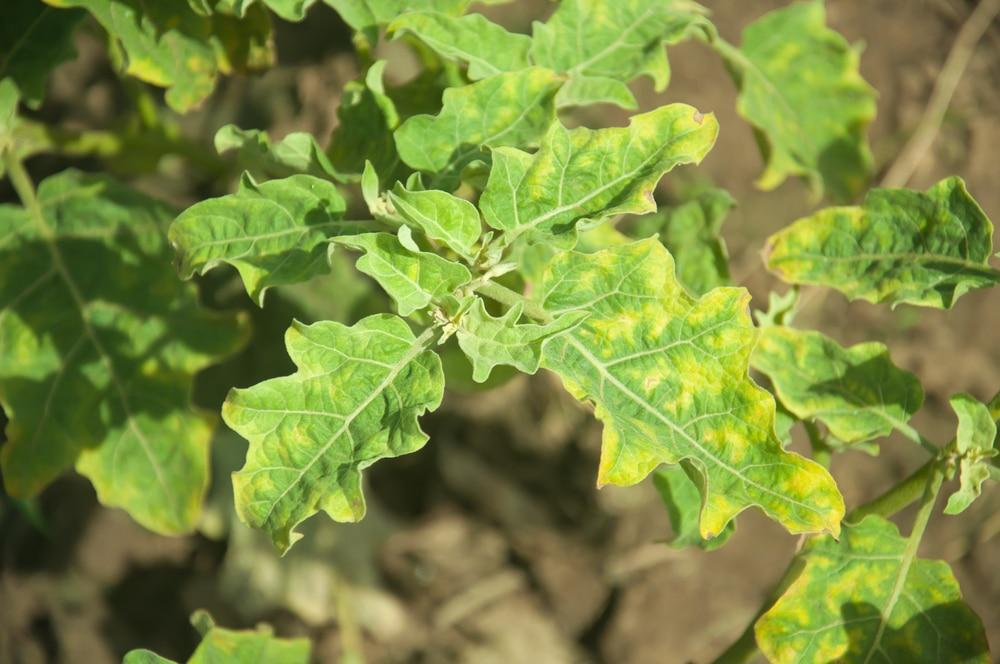
Today you notice some yellow leaves on your eggplant. Tomorrow they are wilting. By next week the whole plant collapses. This has been the situation in most gardens and is totally preventable, if only farmers could identify the diseases attacking their eggplants at first symptoms- that slight yellowing of a leaf! Early detection shall mean one garden thriving while another experiences total crop failure.
Millions of gardeners lose their eggplant harvests to preventable diseases every year, yet these losses are completely avoidable with proper knowledge and monitoring. This comprehensive guide teaches you exactly what to look for, how to prevent diseases before they start, and what to do the moment you spot trouble.
Why Early Disease Detection Matters
Early detection reduces disease severity by an astounding eighty percent compared to treating established infections. This is not just a minor improvement. This is the difference between saving your plants and losing them entirely. Research shows that plants treated at first symptom have success rates of eighty percent, while plants treated after obvious damage show success rates of only twenty-seven percent.
The economic impact is equally dramatic. Early intervention costs minimal time and money. Late intervention requires expensive treatments, lost fruit production, and sometimes complete plant removal. Disease spreads exponentially when left unchecked. A single infected leaf becomes ten infected leaves in days, then fifty, then the entire plant is compromised. Once major symptoms appear, the damage is already extensive. Prevention and early detection save money, time, and your harvest.
Some diseases, particularly viral infections, cannot be treated once established. These diseases require immediate plant removal to prevent spread to neighboring plants. Early detection and removal at the first symptom prevents this total loss scenario. Your daily garden observation habit is literally the difference between abundant harvests and crop failure.
Understanding Fungal Diseases
Fungal diseases are the most common eggplant problems you will encounter. They spread through soil, water splash, air currents, and contaminated tools. They thrive in humid conditions with poor air circulation. Most fungal diseases can be managed if caught early, but become severe if left untreated.
Cercospora Leaf Spot
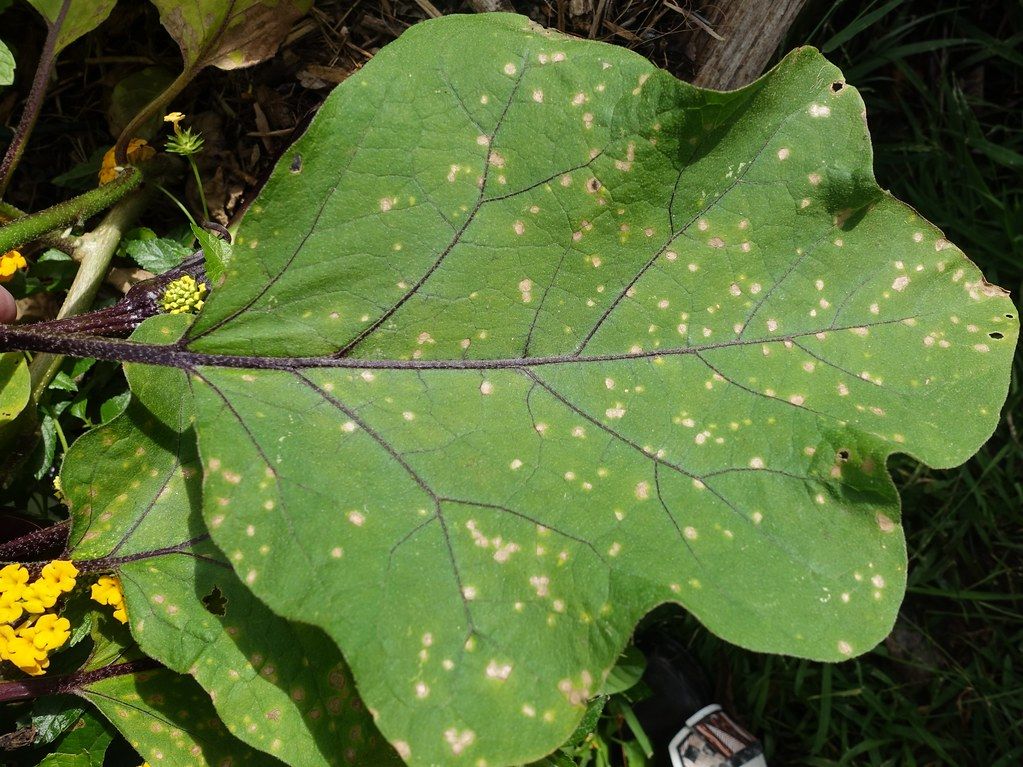
This fungal disease starts with small circular yellow lesions on the oldest leaves. These spots develop a characteristic gray fuzzy center with a dark brown ring, hence what gardeners describe as ‘frog eyes’. The spots may show concentric rings as they age, making them easy to identify once you know what to look for. As the disease advances, the spots enlarge and coalesce to destroy entire leaves.
Severe infections cause complete defoliation and significant yield loss, though eggplants themselves remain unaffected.
Fusarium Wilt
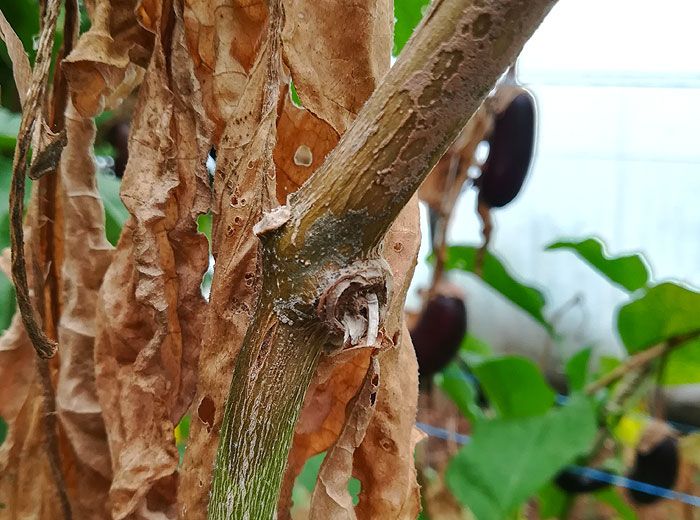
Fusarium is the nightmare disease that starts subtly and explodes suddenly. Initial symptoms are drooping leaf petioles despite adequate water availability. Often a single branch wilts first while the rest of the plant appears healthy. This uneven wilting pattern is a key diagnostic feature. Lower leaves wilt first, and the wilting progresses upward through the plant. If you cut the stem, you will see dark streaks in the internal tissue, confirming Fusarium infection.
Plant collapse happens rapidly once wilting begins. The plant may appear to recover temporarily after watering, but the wilting returns the next day, progressively worse. By the time obvious symptoms appear, the plant is heavily infected and rarely recovers. Fusarium is soil borne, meaning infected soil can transmit the disease for years.
Verticillium Wilt
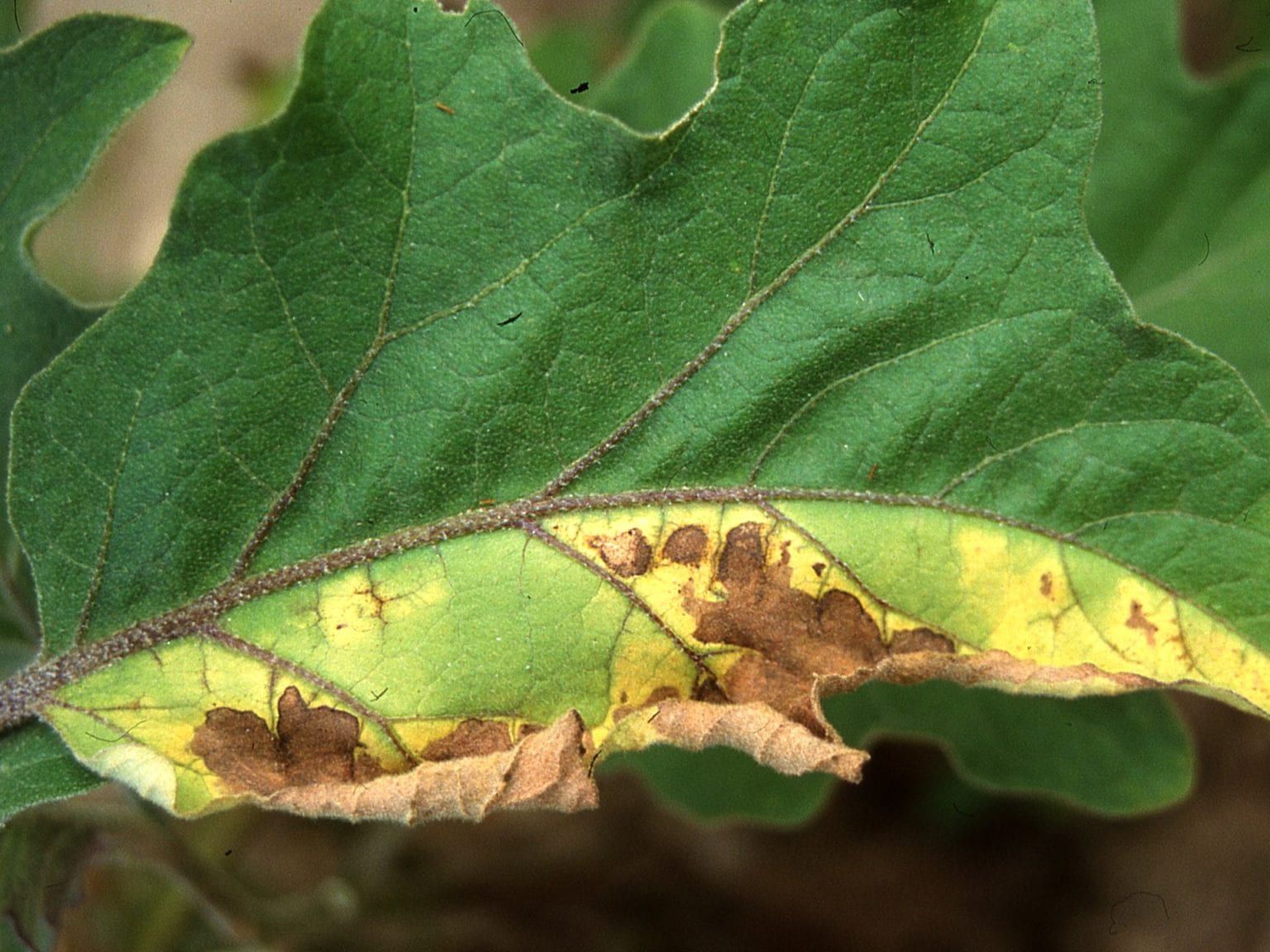
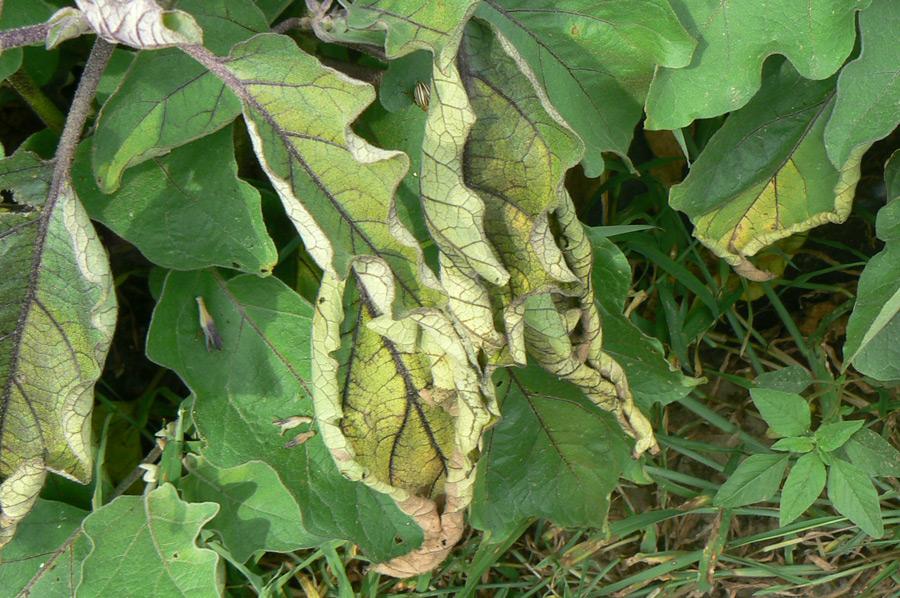
Verticillium wilt is equally problematic but presents differently than Fusarium. You will notice yellowing foliage and wilting of upper leaves despite consistent moisture. The leaves turn dull green to brown but often remain attached to the plant, unlike Fusarium where leaves drop. If you cut the stem, you will see reddish brown vascular streaks running through the internal tissue.
This disease is particularly insidious because it persists in soil for years. Infected soil remains a threat long after diseased plants are removed. Fortunately, recent advances in AI detection using multispectral imaging can identify Verticillium infections before visible symptoms appear, allowing early intervention.
Powdery Mildew
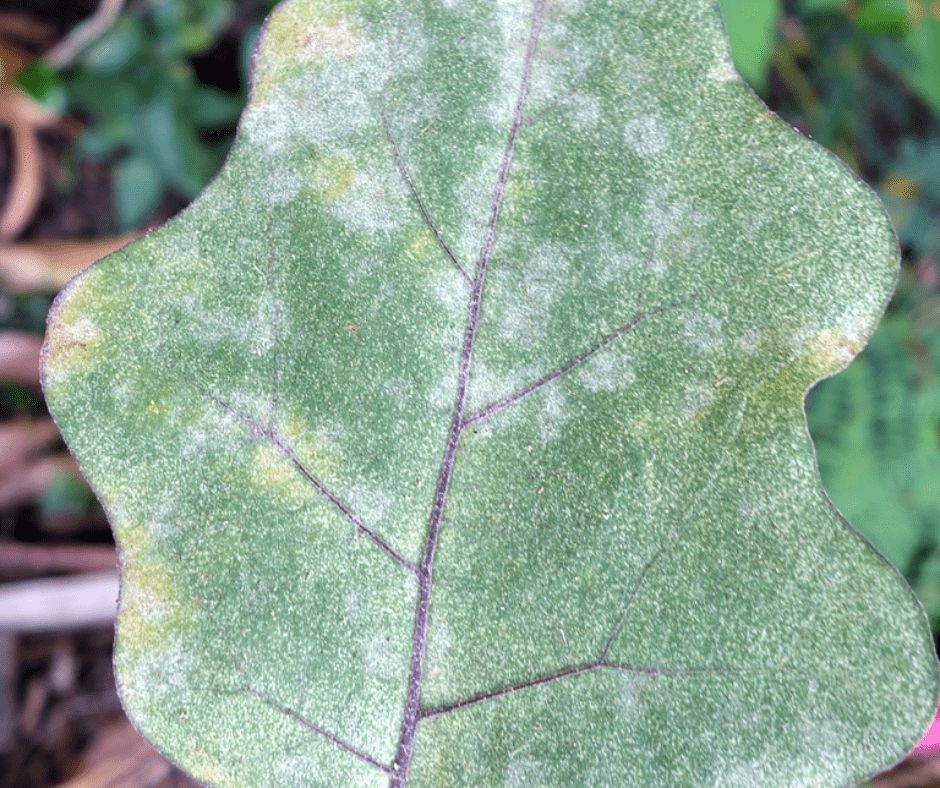
Powdery mildew is the most visually distinctive disease, making it easy to identify. White spots appear on leaf upper surfaces, gradually enlarging and merging until entire leaves are covered with white powder. This coating affects stems and fruits as well, not just leaves. The disease thrives in specific humidity and temperature conditions, preferring warm days and cool nights with high humidity.
Powdery mildew is simpler to treat than other fungal diseases once you catch it early. Eighty-seven percent reduction in disease severity is possible with proper fungicide application, even with just biological controls like Trichoderma harzianum.
Phytophthora Blight
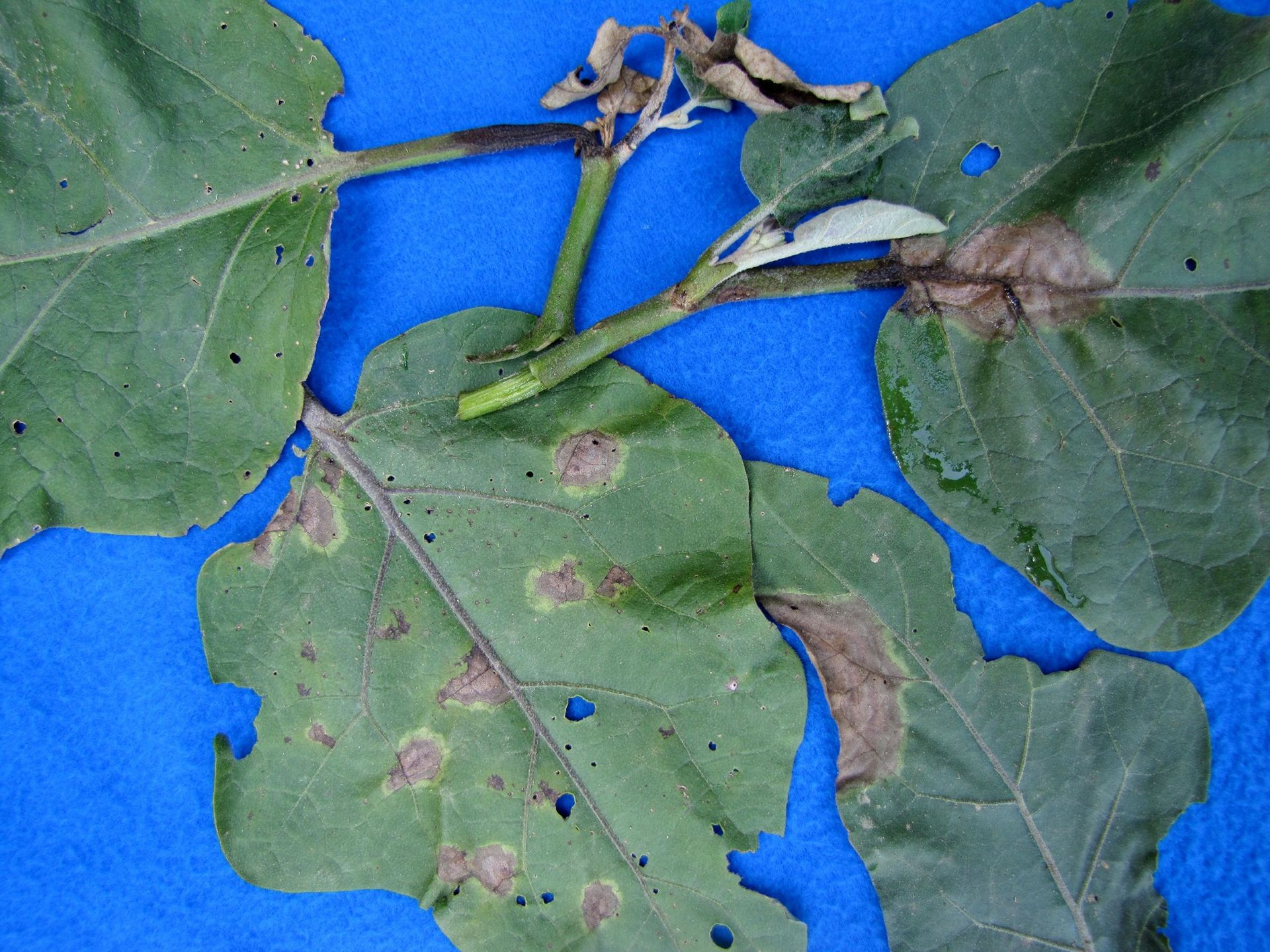
Phytophthora creates white halos around lesions with brown necrotic centers. The lesions initially appear as small blisters or raised spots, then develop into the characteristic halo pattern. Water soaked appearance is a diagnostic feature that distinguishes Phytophthora from other fungal diseases. In severe cases, crown rot develops at the soil line, causing total plant collapse.
Root Rot
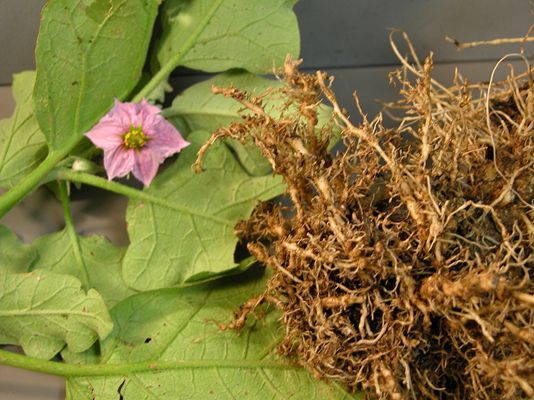
Root rot presents as rapid wilting and plant death despite adequate or even excessive water. The roots and hypocotyls show watersoaked dark brown discoloration when examined. This disease can develop at any growth stage, from seedling to mature plant. Root rot is a death sentence for affected plants because there is no recovery once roots are extensively damaged.
Alternaria and Early Blight
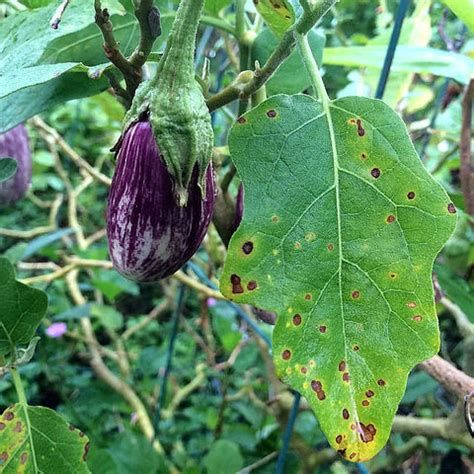
Alternaria starts with brown spots on lower leaves, creating a concentric ring pattern that resembles a target with multiple circles. A yellow ring often appears around the lesions. As the disease progresses, spots merge together, destroying entire leaves. Lower leaves are affected first, and the disease works its way upward through the plant canopy.
Bacterial and Viral Diseases
Bacterial and viral diseases differ fundamentally from fungal diseases in their behavior and treatability. Understanding these differences changes how you manage them.
Bacterial Spot
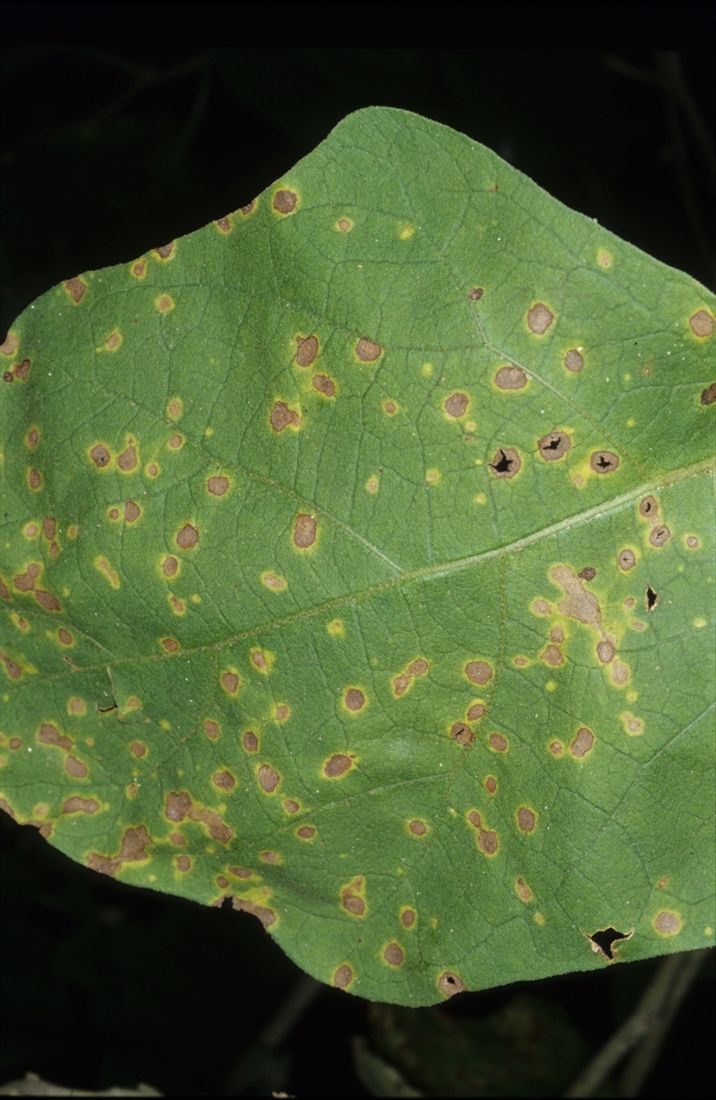
Bacterial spots appear as small circular to oblong lesions with distinctive yellow halos. Upper leaf surfaces show slightly sunken spots while lower leaf surfaces appear slightly raised. As the disease progresses, spots merge together, creating a crusty appearance covering large areas of the leaf. Bacterial diseases spread through water splash, contaminated equipment, and insect feeding.
Bacterial spot can be managed with copper fungicides in early stages, but once established causes significant defoliation and yield loss.
Viral Mosaic Disease
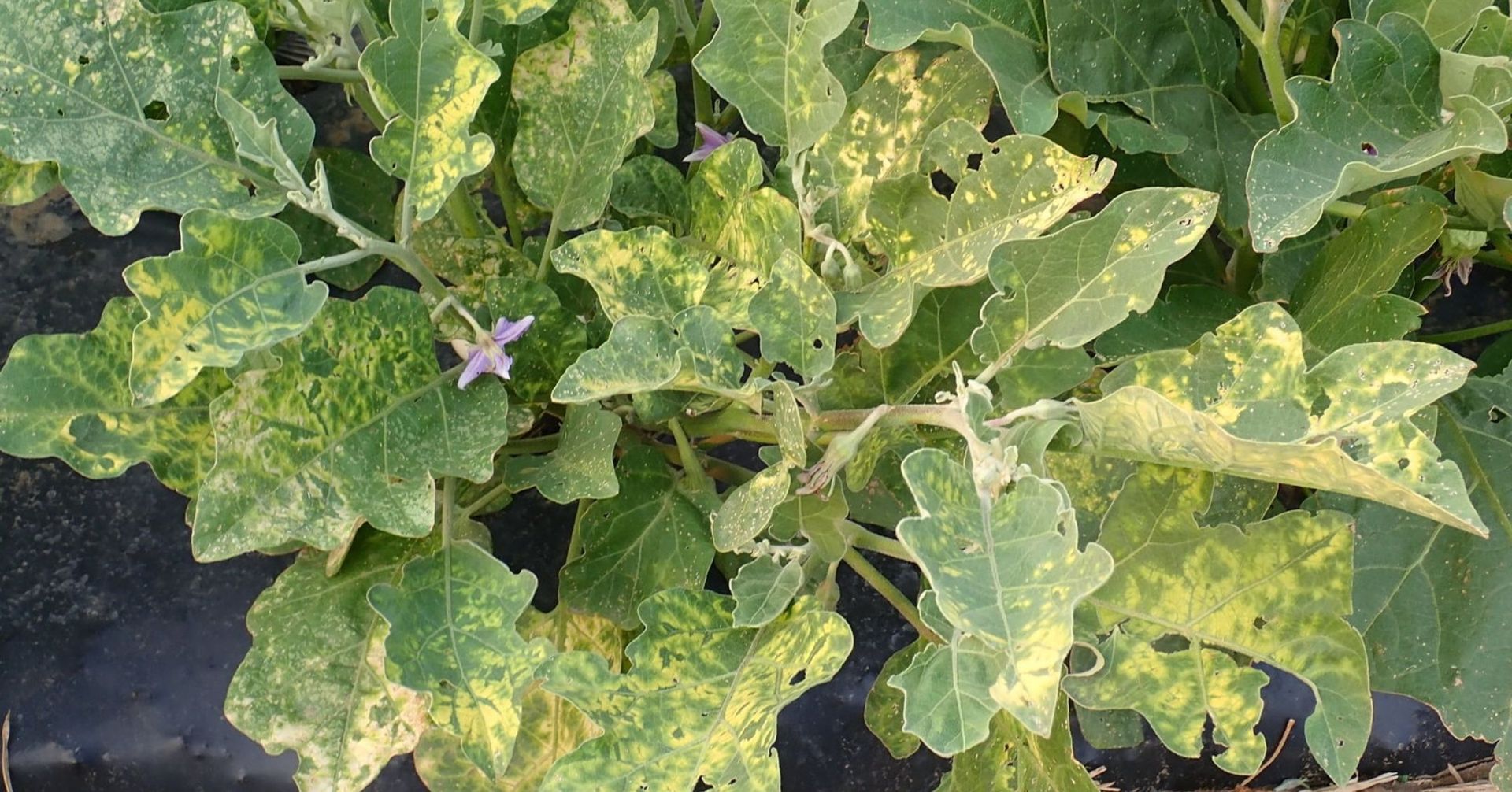
Viral diseases are fundamentally different because they cannot be cured once established. Mosaic viruses create mottled green, yellow, or white patches across leaves. Affected leaves curl and distort, losing normal shape entirely. Multiple virus types affect eggplants, including Tobacco Mosaic Virus, Cucumber Mosaic Virus, Tomato Spotted Wilt Virus, and Tomato Brown Rugose Fruit Virus.
Here is the critical difference: fungal diseases can be managed and treated. Bacterial diseases can be suppressed with chemicals in early stages. Viral diseases have no cure. When a plant is infected with a virus, the only option is immediate removal and destruction of the plant. This is why prevention through certified disease-free seeds and careful monitoring is absolutely essential for viral diseases.
Visual Disease Identification Guide
Learning to identify diseases visually is your first defense. Catch them before they become severe, and you have options. Miss them, and options disappear.
Cercospora Leaf Spot: Frog eye pattern with gray fuzzy center and dark brown ring. Occurs on oldest leaves first. Yellow surrounding the entire lesion.
Fusarium Wilt: Single branch wilting while rest of plant appears healthy. Lower leaves wilt first. Dark streaks visible inside cut stem. Plant collapses within days of obvious symptoms.
Verticillium Wilt: Upper leaves yellow and wilt. Lower leaves remain more normal colored. Reddish brown streaks in cut stem. Progressive wilting despite adequate water.
Powdery Mildew: Obvious white powder coating leaf surfaces. Looks like someone dusted the leaves with flour. Affects stems and fruits as well as leaves.
Phytophthora Blight: White halo around lesions with brown center. Water soaked appearance. Blisters or raised spots initially. Crown rot at soil line in severe cases.
Bacterial Spot: Small circular lesions with yellow halos. Upper leaf surface sunken, lower surface raised. Can merge creating crusty appearance.
Mosaic Virus: Mottled green, yellow, and white patches. Leaves curled and distorted. No single pattern like fungal diseases (highly variable).
Root Rot: Plant wilting despite wet soil. Roots show dark brown watersoaked appearance when examined. Occurs suddenly.
Alternaria/Early Blight: Brown spots with concentric ring pattern like a target. Yellow ring around lesions. Affects lower leaves first. Spots merge destroying leaves.
Early Warning Signs to Watch for Daily
Many disease symptoms are invisible until damage is extensive. Some subtle changes signal infection days or weeks before obvious symptoms appear. Your daily garden walk looking for these early warnings catches problems at the treatable stage.
Any yellowing of normally green leaves warrants investigation. Check both upper and lower leaf surfaces. Even tiny leaf spots, barely visible, signal infection starting. Wilting that does not correspond with soil moisture is a red flag. Water deeply, wait an hour, and observe. If the plant remains wilted despite wet soil, disease is present.
Stunted growth compared to nearby plants suggests either nutrient deficiency or root disease. Compare your eggplants to others in the garden. Significant size differences at the same growth stage indicate a problem. Leaf edges curling or distorting without other obvious symptoms signal viral infection or severe nutrient imbalance. White powder or coating on any plant part, even light amounts, indicates powdery mildew beginning.
Black or brown discoloration on stems suggests fungal or bacterial infection. Unusual odor from soil around the plant base indicates root rot or severe fungal decay. Fruit with any spots or discoloration suggests disease is progressing aggressively. These early signs are your opportunity. Catch them, and you can manage the disease. Miss them, and you lose the plant.
Pro Tip: Photograph your plant from multiple angles weekly. Compare photos over time to reveal subtle changes invisible to memory alone. This weekly photo documentation catches disease progression you might otherwise miss with casual observation alone.
Prevention Strategies That Actually Work
Prevention is eighty percent more effective than treatment. This simple fact should guide your entire eggplant growing strategy. Build prevention into every decision you make.
Crop Rotation is Absolutely Essential
Never grow eggplants (or related plants like peppers and tomatoes) in the same location more than once every two to four years. Soil borne diseases accumulate with repeated planting. Fusarium, Verticillium, and root rot pathogens persist in soil and multiply with each susceptible crop you plant. Rotating to completely unrelated crops breaks disease cycles. Grow eggplants where beans or cucumbers or lettuce grew the previous year.
Optimize Air Circulation
Space plants eighteen to twenty-four inches apart, never closer. Crowded plants create humid microclimates fungal diseases love. Prune lower foliage once plants are established, removing all leaves within six inches of soil. This improves air flow and prevents soil splashing during watering. Remove weeds around plants that shade the base and trap moisture. Position beds where morning sun and air movement reaches all plants.
Use Drip Irrigation Never Overhead
Overhead watering splashes soil and fungal spores onto foliage, creating ideal conditions for disease. Water splashing between plants spreads infection across your entire crop. Drip irrigation delivers water directly to soil, avoiding wet foliage. Water early morning or evening, never during heat of the day. Maintain consistent soil moisture without creating waterlogged conditions.
Apply Mulch After Soil Warms
Use four to six inches of organic mulch once soil reaches seventy-five to eighty degrees Fahrenheit. Mulch regulates soil temperature, prevents soil splashing, suppresses weeds, and improves soil biology as it decomposes. These multiple benefits make mulching one of your highest impact prevention strategies.
Select Disease Resistant Varieties
Choose varieties specifically bred for disease resistance when available. Florida Market and Florida Beauty offer resistance to certain diseases. Check plant labels for resistance ratings. Ask your nursery about local disease pressure and recommended varieties for your specific location. Resistant varieties do not prevent all diseases, but they reduce severity dramatically.
Use Certified Disease-Free Seeds and Plants
Always buy seeds from reputable suppliers and plants from certified disease-free sources. Contaminated seeds carry viruses internally. Infected transplants arrive at your garden already sick. Certified disease-free plants cost slightly more but prevent years of problems.
Implement Strict Sanitation
Sterilize all tools between plants using seventy percent ethanol or ten percent bleach solution. Do not touch healthy plants immediately after handling diseased ones. Wash your hands thoroughly. Remove all infected plant material immediately. Never compost diseased plants. Burn or discard them in sealed bags. Every disease spread between plants is preventable through sanitation.
Organic and Biological Treatment Options
When disease appears despite prevention efforts, organic and biological solutions provide effective management without heavy chemical use.
Biological Control: Trichoderma harzianum
Trichoderma harzianum is a beneficial fungus that colonizes plant roots and suppresses fungal pathogens. Research shows eighty-seven percent reduction in powdery mildew with Trichoderma application, and yields are twenty-three percent higher than with chemical fungicides alone. Apply as a spray or soil drench every seven to fourteen days beginning early in the season. Works best as a preventive rather than a cure for established infections.
Biological Control: Penicillium bilaiae
Penicillium bilaiae is an endophytic fungus that lives inside plant roots, outcompeting pathogenic fungi. It improves nutrient availability and strengthens overall plant vigor, making plants more resistant to infection. Application as a soil drench at transplanting time provides season-long protection.
Biological Control: Bacillus Species
Double Nickel, a Bacillus amyloliquefaciens product, effectively suppresses powdery mildew and other fungal diseases. Bacillus subtilis products also provide disease control through multiple mechanisms. Apply as directed on product labels.
Organic Fungicide: Neem Oil
Neem oil at zero point five percent concentration effectively controls powdery mildew and fungal leaf spots. Apply neem to both upper and lower leaf surfaces. Evening application works best to avoid sun damage. Repeat applications every seven to ten days maintain control. Do not apply neem within two weeks of other oil products.
Organic Fungicide: Copper
Liquid copper fungicides work well on bacterial spot and fungal leaf spots when applied early. Every seven to fourteen days during disease season maintains control. Never apply above eighty degrees Fahrenheit as copper can damage foliage. Follow label rates carefully to avoid phytotoxicity.
Organic Fungicide: Sulfur
Sulfur effectively controls powdery mildew. Do not use within two weeks of oil sprays. Works best at temperatures between fifty and eighty-five degrees Fahrenheit. Avoid application during extreme heat as sulfur can cause damage.
Integrated Approach Most Effective
Rotating multiple products every seven to ten days prevents pathogen resistance development better than using a single product repeatedly. Combining biological controls with organic fungicides creates better results than either approach alone. Add cultural practices like improved air circulation and mulching, and you create an integrated system where multiple strategies compound each other's effectiveness.
Using AI Technology for Disease Diagnosis
Traditional disease identification is challenging and time consuming. Visual similarity between diseases confuses gardeners and even experienced horticulturists. Modern AI technology eliminates this guesswork.
Recent research achieved eighty-six point seventy-three percent accuracy in identifying Verticillium wilt using multispectral imaging and deep learning analysis. This precision exceeds human visual identification. Even more impressive, AI detects diseases before visible symptoms appear, allowing true early intervention.
Plantlyze AI powered plant care diagnosis tool removes guesswork from disease management. Upload a plant photo from any angle. The AI analyzes the image using sophisticated deep learning trained on thousands of disease images. Within seconds, you receive disease identification with confidence rating. The system recommends appropriate treatment options based on the specific diagnosis.
Early detection with AI shows remarkable results. Research comparing early detection versus late detection reveals early intervention achieves eighty percent reduction in severity, while late intervention achieves only twenty-seven percent reduction. This enormous difference justifies using AI tools for disease identification.
Plantlyze works by analyzing photos without damaging the plant (non-destructive testing). You can photograph your plant weekly and track health trends over time. AI catches diseases invisible to human observation. The system learns your specific plants, improving recommendations as you use it.
When uncertain about disease identification, visit plantlyze.com and upload a photo of your eggplant. Get AI powered disease identification in seconds. Receive personalized treatment recommendations immediately. This removes the delay between noticing symptoms and taking action, which is exactly when diseases spread fastest.
Common Disease Management Mistakes to Avoid
Experienced gardeners and beginners alike make preventable errors that allow disease to devastate crops. Learning from others' mistakes prevents repeating them.
Mistake One: Waiting for Visible Symptoms
By the time obvious symptoms appear, disease is well established. Infection has spread to multiple leaves or throughout the plant. Spread to other plants may have already occurred. Treatment success drops dramatically once symptoms are obvious. Prevention and early action at first subtle sign prevents this scenario entirely.
Mistake Two: Using Overhead Watering
Overhead watering is the single biggest disease-promoting mistake. Splashing soil and fungal spores onto foliage creates exactly the wet leaf conditions fungal disease spores need to germinate. Overhead watering spreads disease between plants as water runs from infected foliage to healthy plants. Drip irrigation eliminates this problem completely.
Mistake Three: Poor Air Circulation
Crowded plantings create humid microclimates where fungal diseases explode. Eighty percent of fungal disease problems trace back to poor air circulation. Generous spacing and lower leaf removal prevent moisture accumulation that diseases depend on.
Mistake Four: Skipping Sanitation
Leaving diseased plant material in the garden allows pathogens to overwinter and reinfect next season. Using contaminated tools on healthy plants spreads disease through your entire garden. These preventable spread routes are easily stopped with basic sanitation.
Mistake Five: Not Rotating Crops
Soil borne pathogens accumulate silently over multiple seasons. Gardeners skip rotation because they see no obvious problem. By the time disease pressure exceeds plant tolerance, the soil is heavily infested and recovery takes years. Rotation every two to four years prevents this accumulation.
Mistake Six: Treating Too Late
Fungicides work as preventives, not cures. Applying fungicide to plants with obvious disease provides minimal benefit. Early application before visible symptoms appear prevents disease development. Once symptoms are obvious, the fungicide is fighting a losing battle.
Mistake Seven: Using the Wrong Product
Bacterial diseases do not respond to fungicides. Viral diseases cannot be treated chemically. Applying the wrong product wastes money and time while the disease progresses untreated. Always confirm disease type before choosing treatment.
Mistake Eight: Inconsistent Application
Single fungicide application is ineffective. Multiple applications on schedule for at least two to three weeks are required. Skipping applications allows disease to progress between treatments. Consistency matters as much as product choice.
Integrated Disease Management Plan for the Entire Season
Successful disease management requires planning from before planting through after harvest. Single point interventions fail. Integrated approaches combining multiple strategies succeed.
Pre-Season Planning
Order certified disease-free seeds and plan variety selection based on disease resistance for your location. Identify disease resistant varieties suited to local conditions. Plan crop rotation locations, rotating away from previous Solanaceae plantings. Prepare compost for mulching application. Clean and sterilize all tools thoroughly with bleach solution.
Pre-Plant Preparation
Conduct soil test to identify any fertility imbalances. Remove all previous year crop debris completely from the planting area. Incorporate compost and organic matter. Consider soil solarization (clear plastic covering soil for six weeks) if previous disease problems were severe. Install drip irrigation system before planting. Apply beneficial fungal and bacterial inoculants to soil to establish disease suppressing communities.
Early Season (Transplant to Flowering)
Scout plants minimum two to three times weekly, checking all leaf surfaces and stems. Begin preventive biological fungicide applications using Trichoderma harzianum or similar products. Maintain excellent air circulation through proper spacing and lower leaf removal. Apply four to six inch mulch layer once soil reaches seventy-five to eighty degrees. Monitor weather for conditions favoring disease (high humidity, leaf wetness, temperature fluctuations).
Peak Season (Flowering to Fruit Development)
Continue scouting every two to three days. Begin preventive fungicide spray schedule using rotated products every seven to ten days. Apply Trichoderma harzianum every seven to fourteen days. Maintain drip irrigation consistency without waterlogging. Remove any infected leaves immediately. Maintain strict sanitation protocols. Document any disease symptoms photographically.
Late Season (Heavy Fruit Set)
Reduce nitrogen fertilizer to avoid excessive leafy growth that diseases thrive in. Maintain fungicide rotation to prevent pathogen resistance. Increase scouting frequency as disease pressure typically peaks late season. Prepare harvesting strategy to remove fruit before disease can affect quality.
Post-Harvest
Remove entire plant material (do not compost if disease was present). Sanitize all tools thoroughly. Note which diseases appeared and where, informing next season planning. Plan crop rotation away from that location for two to four years minimum.
Emergency Response Protocol
If disease is detected at any point, photograph the affected plant from multiple angles. Use Plantlyze AI diagnosis if uncertain about disease identification. Remove and discard all infected plant parts immediately (never compost). Apply appropriate treatment based on confirmed disease diagnosis. Increase scouting frequency on all nearby plants. Notify family members to manage infected material carefully and not touch other plants afterward.
References
NCBI and PMC (2024) - Early detection of verticillium wilt in eggplant leaves by multispectral imaging
https://pmc.ncbi.nlm.nih.gov/articles/PMC11566044/PNW Handbooks (2025) - Eggplant Cercospora Leaf Spot
https://pnwhandbooks.org/plantdisease/host-disease/eggplant-solanum-melongena-cercospora-leaf-spotUC IPM (University of California) - Root Rots in Eggplant
https://ipm.ucanr.edu/agriculture/eggplant/root-rots/UC Statewide IPM Program (2014) - Eggplant Pest Management Guidelines
https://ipm.ucanr.edu/agriculture/eggplant/Santa Maria Seeds - Pepper and Eggplant Disease Guide
https://santamariaseeds.com/wp-content/uploads/2016/10/Pepper_Eggplant_Disease_Guide.pdfRutgers Plant Pest Advisory (2023) - Controlling Phytophthora blight in eggplant
https://plant-pest-advisory.rutgers.edu/controlling-phytophthora-blight-in-eggplant/University of Florida Emerging Pathogens Institute (2019) - Eggplant's newest pathogenic fungus
https://epi.ufl.edu/2019/11/22/eggplants-newest-pathogenic-fungus/New England Vegetable Management Guide (2025) - Disease Control
https://nevegetable.org/crops/eggplant/disease-controlFAO (Food and Agriculture Organization) - Eggplant Integrated Pest Management: An Ecological Guide
https://openknowledge.fao.org/server/api/core/bitstreams/fe47c702-b9bf-4f5a-97bc-4d8d8dc1a541/content