Are your eggplants producing small, weak fruits despite your best efforts? The secret to abundant eggplant harvests lies beneath the surface, quite literally. Proper soil preparation is the foundation for healthy, productive plants that reward you with abundant purple fruit all season long. With expert guidance and the right soil foundation, you will ensure your eggplants thrive from seed to harvest. In this comprehensive guide, you will discover exactly what soil conditions eggplants need to flourish, and you will learn the practical steps to create those ideal conditions in your garden.
Why Soil Matters for Eggplants
Eggplants are heavy feeders that demand nutrient rich soil to produce well. They are not casual plants that tolerate poor conditions. These plants have deep root systems that extend 36 to 48 inches into the soil, with most of the active roots concentrated in the top 18 inches. This root architecture means your soil quality directly impacts whether plants thrive or merely survive.
Soil temperature directly influences eggplant success. These heat loving plants require warm conditions to germinate, grow vigorously, and set fruit. When soil temperatures dip below your plant's preference, growth slows dramatically, and flowering becomes unreliable. The connection between soil health and disease resistance is equally important. Well structured soil with excellent drainage prevents root rot diseases that can devastate your entire crop. Think of soil as not just a growing medium, but as a living system that either supports or hinders every aspect of your eggplant's development.
Understanding Soil pH for eggplants
Soil pH acts as the gatekeeper for nutrient availability. No matter how many nutrients you add to your soil, plants cannot access them if the pH is wrong. For eggplants, the optimal pH range is 6.0 to 6.8, though plants can tolerate a wider range of 5.5 to 7.5. This slightly acidic to neutral range allows your plants to absorb essential nutrients efficiently.
Testing your soil pH should happen 4 to 6 weeks before planting. A simple test reveals your soil's baseline conditions and identifies what adjustments you need to make. You have several testing options available. Analog probes are affordable and user friendly, requiring no batteries. Testing strips are economical and provide quick results when dipped in a soil water solution. Digital meters offer the most precision if you want exact readings. You can even conduct a basic home test using baking soda and vinegar to determine if your soil is acidic or alkaline.
If your soil is too acidic (below 6.0), add agricultural lime several weeks before planting. Lime raises pH gradually as it reacts with the soil. If your soil is too alkaline (above 7.0), add sulfur to lower the pH. These amendments take time to work, which is why advance testing matters so much. Attempting pH adjustments close to planting date limits their effectiveness.
Soil Composition and Texture for Eggplants
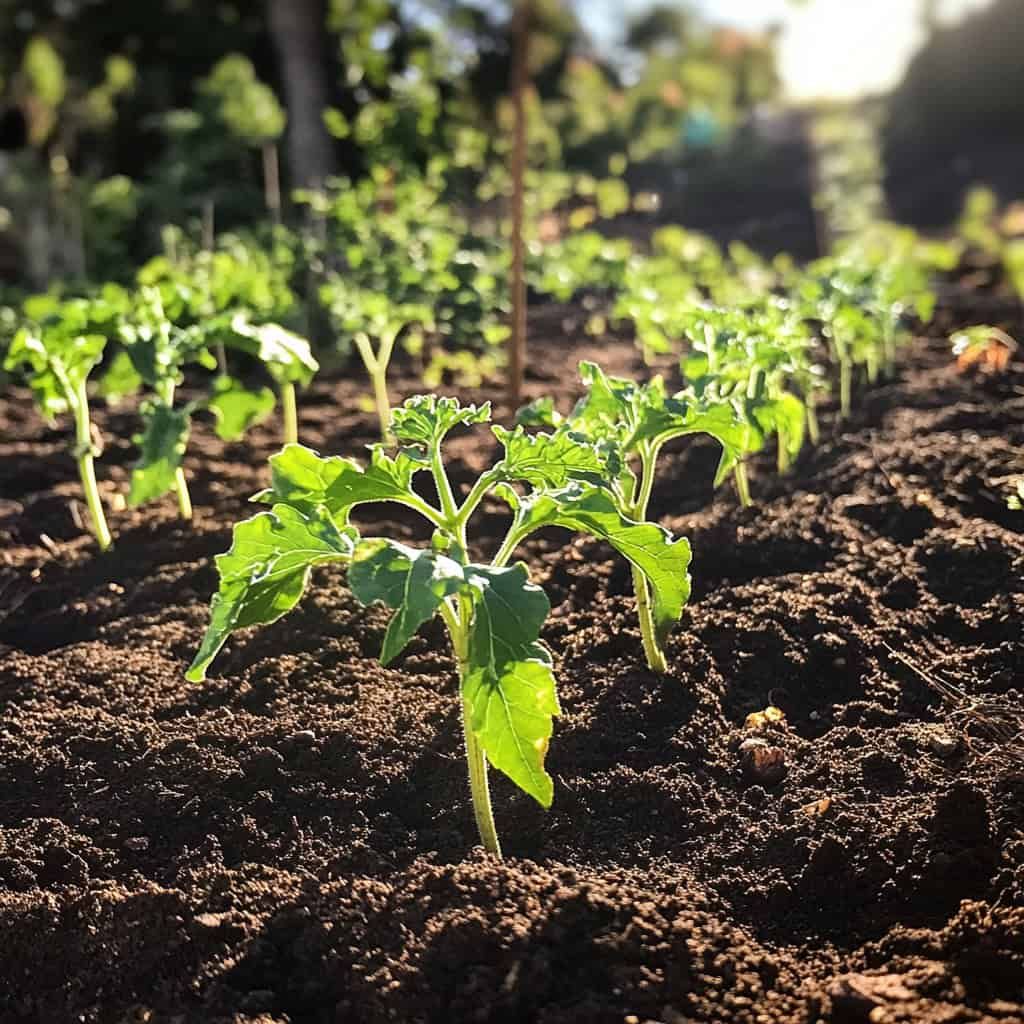
The ideal texture for eggplant growing is sandy loam to silt loam. This means a soil that feels crumbly in your hands, forms a loose ball when squeezed but crumbles easily when poked. This texture provides the perfect balance between water retention and drainage that eggplants require.
Why does texture matter so much? Heavy clay soils hold water too well, creating waterlogged conditions that cause root rot and fungal diseases. Eggplant roots cannot tolerate sitting in wet soil. Conversely, pure sandy soils drain too quickly, leaching away nutrients and moisture before plants can absorb them. Sandy soils also increase nematode problems that damage eggplant roots. The balanced structure of loamy soil avoids both extremes.
If your soil is predominantly clay, do not despair. You can improve it substantially by adding organic matter. If your soil is mostly sand, the same organic matter additions help tremendously. Organic matter acts like a sponge for sandy soils, improving water holding capacity, and it improves clay soils by increasing drainage and soil structure.
Organic Matter and Soil Amendments
Organic matter is the magic ingredient that transforms problematic soils into ideal growing conditions. Apply 1 to 2 inches of finished compost per 100 square feet and work it into the top 6 inches of soil 2 to 4 weeks before planting. This timing allows the amendments to integrate with your native soil and supports microbial activity.
Well rotted manure is an excellent alternative if quality compost is not available. Never use fresh manure directly before planting, as the high nitrogen content can burn plants and create excessive foliage at the expense of fruit. Allow manure to compost for several months or purchase composted manure products that are fully aged.
Research from 2025 shows that compost amended soils significantly improved eggplant productivity compared to unamended soils. Organic matter improves both water retention in sandy soils and drainage in clay soils simultaneously. It feeds the soil food web, creating beneficial microorganisms that suppress diseases and improve nutrient cycling. Organic fertilizers derived from digestate and compost are proving to be effective alternatives to mineral fertilizers, offering both nutrient value and soil improvement benefits.
Nutrient Requirements and Fertilization
Eggplants require balanced nutrition at each growth stage. Before planting, your soil should receive nitrogen (N), phosphorus (P), and potassium (K) according to soil test results. The general recommendation is 60 to 80 pounds of nitrogen per acre, 40 to 60 pounds of phosphorus (P2O5) per acre, and 60 to 80 pounds of potassium (K2O) per acre.
Apply half of the total fertilizer before planting, mixing it thoroughly into the soil. This ensures a strong nutrient foundation as plants establish. After the first fruits appear, apply the remaining fertilizer as a side dressing. When eggplants transition to flowering, shift to a fertilizer higher in phosphorus and potassium, as these nutrients support flower development and fruit quality. A fertilizer formulation similar to those designed for tomatoes works well, as both crops have similar nutrient needs during fruiting.
Avoid the common mistake of over-fertilizing, particularly with nitrogen. Excessive nitrogen creates bushy plants with abundant foliage but delayed flowering and reduced fruit production. Light but frequent applications of nitrogen every 3 to 4 weeks maintain healthy growth without causing excess vegetative growth. Watch your plants. If they appear dark green and leafy but produce few flowers, you have applied too much nitrogen.
Mulching and Soil Temperature Control
Black plastic mulch is the most effective mulching option for eggplant production. It warms the soil in spring, speeding growth and fruit development. Wait until your soil reaches 75 to 80 degrees Fahrenheit before applying any mulch, as early mulching keeps the soil too cool for optimal growth.
If you prefer organic mulches like straw or shredded leaves, apply a 2 to 4 inch layer after the soil has warmed sufficiently. Organic mulches regulate soil temperature, conserve moisture, reduce weeds, and improve long term soil fertility as they decompose. Research demonstrates that compost mulch not only improved soil fertility but also increased eggplant yield substantially.
Mulching serves multiple purposes beyond temperature control. It prevents soil splashing during irrigation, which reduces disease transmission. It conserves soil moisture, reducing your watering frequency. It suppresses weeds that compete with your eggplants for nutrients and water. The combination of mulch benefits makes it one of the highest-impact practices you can implement.
Moisture and Irrigation Management
Consistent soil moisture without waterlogging is the goal. Eggplants need 1 to 2 inches of water per week, delivered through deep, infrequent watering rather than shallow frequent sprinkling. Deep watering encourages deep root development, making plants more drought tolerant. Shallow watering creates weak surface root systems vulnerable to stress.
Drip irrigation is superior to overhead watering for eggplants. Drip systems deliver water directly to the root zone, avoiding wet foliage that promotes fungal diseases. They deliver water slowly, allowing soil to absorb moisture thoroughly. Overhead watering splashes soil onto leaves, transmitting fungal spores and creating ideal conditions for disease.
The most important period for consistent moisture is during flowering and fruit set. Water stress during this critical stage causes flower drop and reduces fruit production dramatically. Check soil moisture by inserting your finger into the soil. If it feels dry at 2 to 3 inches depth, water thoroughly. During hot periods, this might mean daily watering. In cooler, rainy periods, you may water only once weekly.
Soil-Borne Disease Prevention Through Soil Management
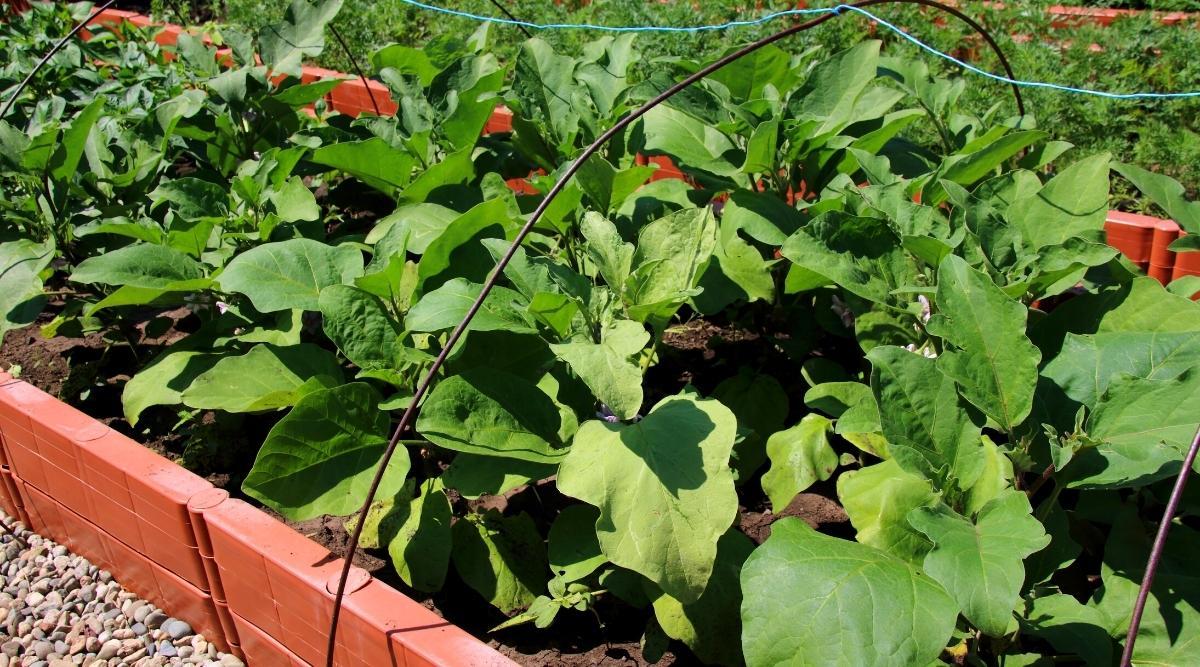
Root rot is the silent killer of eggplants, and it starts in the soil. Poor drainage is the primary culprit. Eggplants cannot survive in waterlogged conditions, and pathogens thrive in wet soil. Excellent drainage is not negotiable if you want healthy plants. Raised beds naturally improve drainage and warm the soil faster in spring.
Crop rotation is your most powerful disease prevention tool. Never grow eggplants (or related plants like peppers and tomatoes) in the same location more than once every 2 to 4 years. Solanaceae family diseases persist in soil and build with repeated planting of susceptible hosts. By rotating crops, you break disease cycles and reduce pathogen populations naturally.
Mulching prevents soil splashing during watering, which stops fungal spores from spreading. Maintaining soil pH in the recommended range of 5.5 to 7.0 helps suppress certain soil borne pathogens. If you have had significant disease problems in the past, consider solarization, which involves covering moist soil with clear plastic for 4 to 6 weeks in intense summer heat. This passive pasteurization kills many pathogens and weed seeds.
Step-by-Step Soil Preparation Process
Follow this timeline to prepare perfect soil for your eggplants:
Four to six weeks before planting, conduct a soil test. Contact your local university extension office or use a home testing kit to determine your soil pH, nutrient levels, and texture. This test is the foundation for all amendments that follow.
Two to four weeks before planting, incorporate amendments based on your test results. Spread 1 to 2 inches of compost or aged manure over your planting area. Apply any lime or sulfur needed to adjust pH. Till these materials thoroughly into the top 6 to 10 inches of soil, breaking up compacted areas and creating a loose, crumbly texture. The mixing time allows amendments to integrate before planting.
One to two weeks before transplanting, apply your pre-plant fertilizer according to soil test recommendations. Broadcast it evenly over the prepared bed and water thoroughly to activate it. Rake the soil smooth and level to create even planting conditions.
One week before transplanting, irrigate the area deeply to germinate any dormant weed seeds. After several days, pull emerging weeds. This reduces weeds that will compete with your eggplants later.
On transplanting day, dig holes slightly deeper than your transplant root balls. Eggplants benefit from being planted slightly deeper than they grew in their pots, allowing them to develop a stronger root system. Pour a quarter cup of starter solution (high in phosphorus) around each transplant to reduce transplant shock. Space transplants 18 to 24 inches apart in rows 30 to 36 inches apart.
After transplants are established and soil has warmed to 75 to 80 degrees Fahrenheit, apply your chosen mulch in a 2 to 4 inch layer, keeping it several inches away from plant stems to prevent rot.
Common Soil Mistakes to Avoid
Many gardeners make preventable soil mistakes that undermine their eggplant success. Skipping the soil test is the most critical error. Without knowing your soil's pH and nutrient status, you cannot make informed decisions. You might add expensive amendments you do not need, or fail to address real deficiencies. A simple soil test costs little and provides invaluable information.
Adding amendments too close to planting defeats their purpose. Lime and sulfur need time to react with soil and adjust pH gradually. Compost needs time to integrate and support microbial communities. Rushing these processes means your plants will not benefit from your efforts. Plan amendments 4 to 6 weeks ahead whenever possible.
Over-fertilizing with nitrogen creates lush foliage at the expense of flowers and fruit. Over-fed plants channel resources into vegetative growth rather than reproduction. Stick to soil test recommendations and monitor your plants. If they look dark green and vigorous but produce few flowers, reduce nitrogen applications.
Neglecting drainage is a recipe for disaster. Waterlogged soil inevitably leads to root rot. If your soil drainage is poor, create raised beds or add drainage tiles before planting. Solving drainage problems now prevents heartbreak later.
Using overhead watering instead of drip irrigation promotes disease. Wet foliage creates ideal conditions for fungal diseases. Dry foliage prevents disease spores from landing and germinating. Drip irrigation is a small investment that prevents significant disease pressure.
Skipping crop rotation allows soil-borne diseases to accumulate. Growing eggplants in the same spot year after year builds disease pressure that eventually overwhelms even the healthiest plants. Rotating with unrelated crops for 2 to 4 years breaks these disease cycles.
Plantlyze: Taking the Guesswork Out of Eggplant Care
After you have prepared perfect soil and planted your eggplants, ongoing plant monitoring becomes crucial. Regular observation catches problems early when they are easiest to fix. Using Plantlyze AI Plant Care Diagnosis tool helps you monitor your plants' health throughout the season, identifying nutrient deficiencies, disease symptoms, and stress signs before they become severe.
Plantlyze analyzes your plants' visual characteristics and provides personalized care recommendations based on real-time observations. When you notice yellowing leaves, stunted growth, or disease symptoms, Plantlyze helps you diagnose the exact cause and prescribe solutions. This transforms plant care from guesswork to informed action.
Combine Plantlyze monitoring with the soil foundation you have created, and you have a complete system for eggplant success. The investment in soil preparation combined with careful monitoring throughout the season yields abundant, healthy fruit and the satisfaction of understanding exactly why your plants succeed.
Visit plantlyze.com to access the AI-powered plant care tool and get personalized care recommendations for your eggplant garden. Take the guesswork out of plant care and achieve the thriving garden you deserve.
References for Best Soil for Eggplant
Soil quality and eggplant productivity in response to different mulching materials
https://www.frontiersin.org/journals/agronomy/articles/10.3389/fagro.2025.1603762/fullOrganic Fertilization and Biostimulant Application to Improve Yield and Quality of Eggplant
https://pmc.ncbi.nlm.nih.gov/articles/PMC11945041/Eggplant Production
https://plants.usda.gov/DocumentLibrary/plantguide/pdf/pg_some.pdfCultural Tips for Growing Eggplant
https://ipm.ucanr.edu/home-and-landscape/cultural-tips-for-growing-eggplant/How to Grow Eggplant in Your Garden
https://extension.usu.edu/yardandgarden/research/eggplant-in-the-gardenGrowing eggplant in home gardens
https://extension.umn.edu/vegetables/growing-eggplantEggplant Easy Gardening
https://aggie-horticulture.tamu.edu/wp-content/uploads/sites/10/2013/09/EHT-036.pdf