You have spent weeks nurturing your eggplants through the growing season. You watched the flowers bloom and then fruit formed, wilting leaves are among the last things you wish to see. Unfortunately, that is a scene played out in gardens everywhere. The challenge is real but here’s the encouraging truth: disease prevention is infinitely easier than treatment. In fact, most serious eggplant diseases can be stopped before they ever take hold. This guide walks you through actionable prevention strategies backed by research, so you can enjoy a healthy, abundant eggplant harvest without the devastating losses that many gardeners experience.
Why Eggplants Are Vulnerable: The Three Main Disease Threats
Before you can defend against disease, you need to understand what you're up against. Three main threats damage eggplant crops worldwide, and each one behaves differently. Understanding these enemies gives you the power to prevent them.
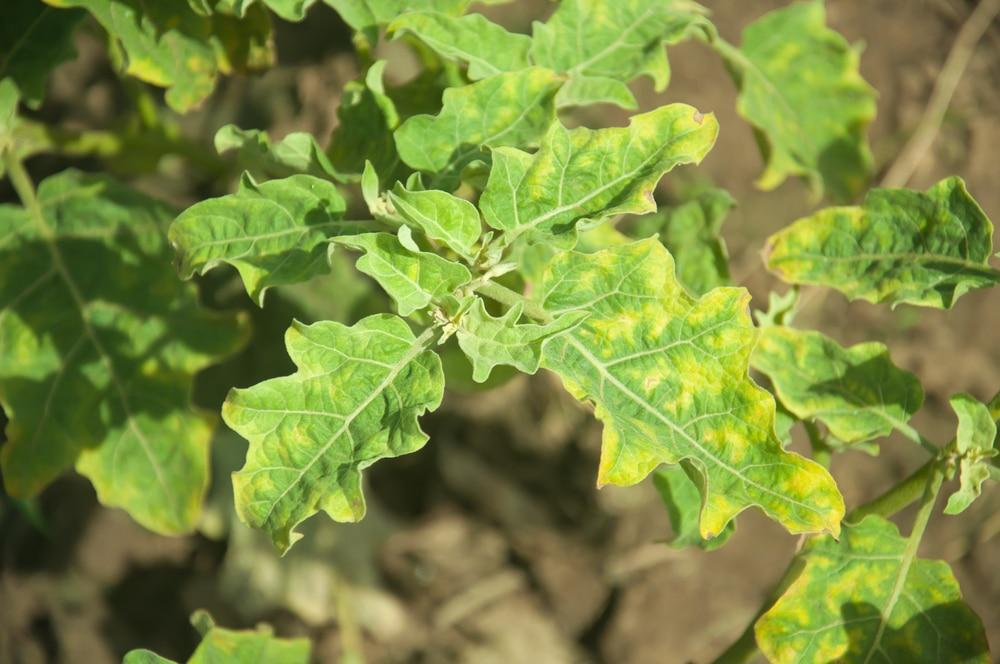
Verticillium Wilt is perhaps the most feared eggplant disease because once it establishes in your soil, it's nearly impossible to eliminate. This soil-borne pathogen enters the plant through the roots and disrupts the vascular system, essentially blocking water and nutrient transport. The distinctive symptom is asymmetrical leaf wilting, where one side of the plant looks wilted while the other appears normal. You might notice lopsided leaf appearance or a brown discoloration in the vascular tissue when you cut the stem. What makes verticillium wilt particularly dangerous is that it affects an enormous range of plants including tomatoes, peppers, and potatoes, meaning your entire garden becomes a potential reservoir.
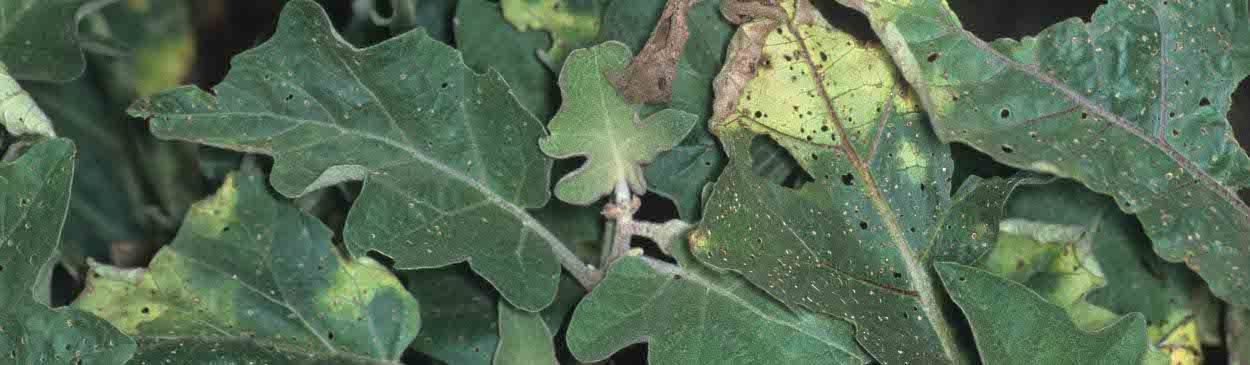
Gray Mold (Botrytis) thrives under specific conditions: high humidity combined with cool temperatures create the perfect storm for this fungal disease. You'll recognize it by light tan or gray spots that appear on flowers and fruit, often accompanied by a fuzzy gray mold covering. The timing of prevention matters enormously with gray mold because once conditions favor it, the disease spreads rapidly across your plants.
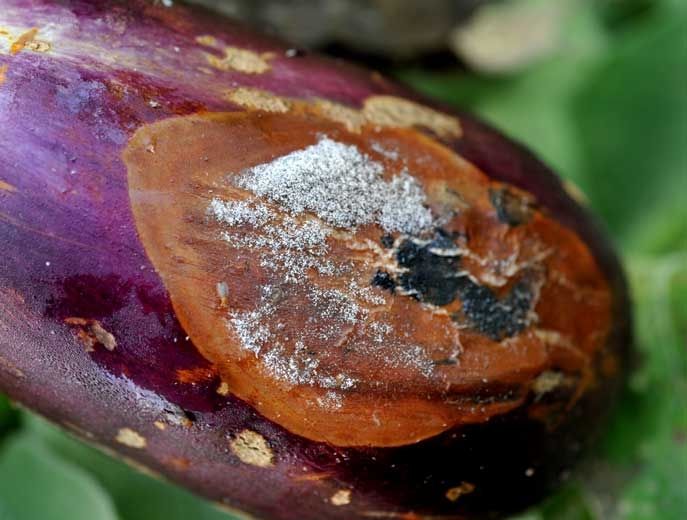
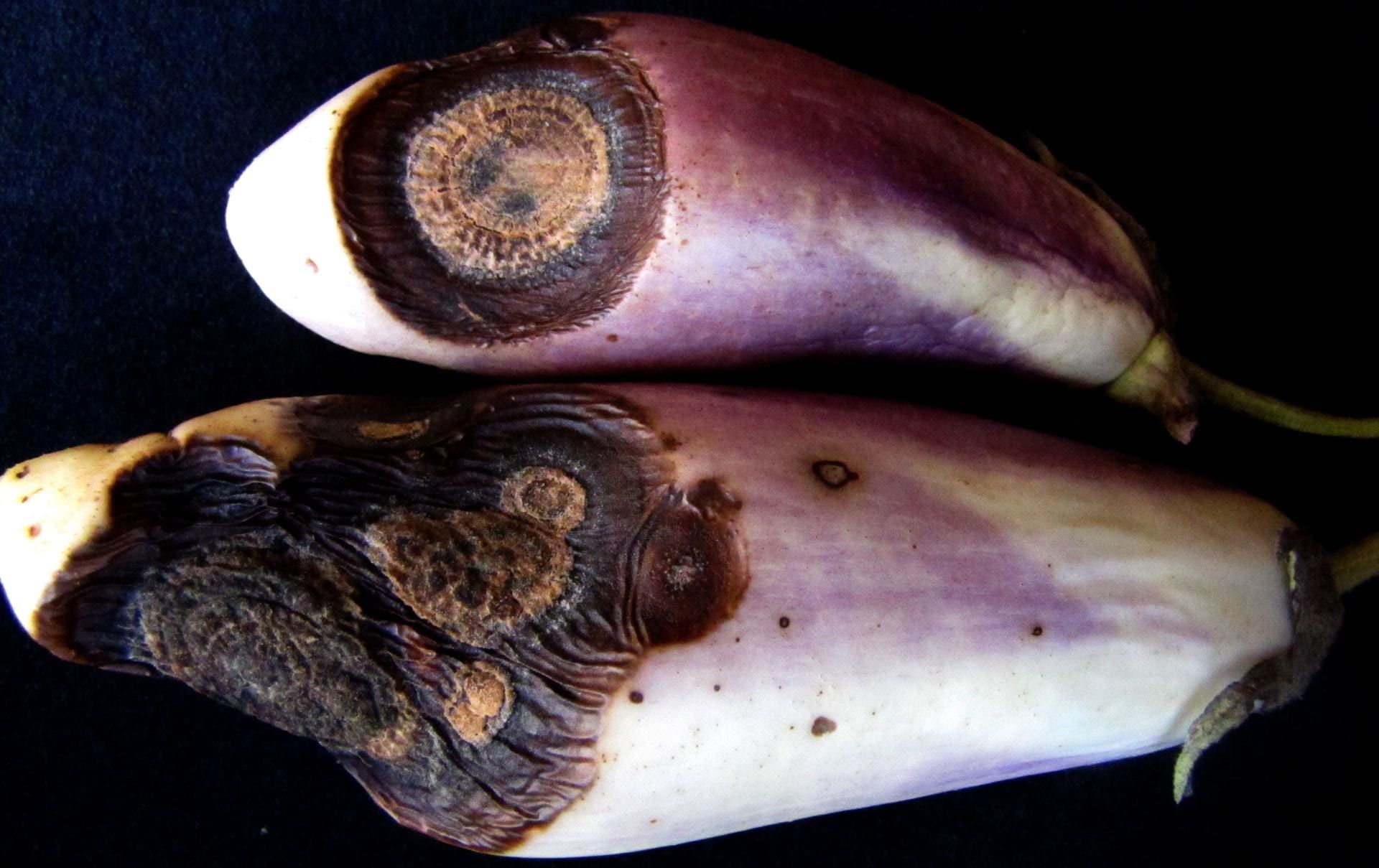
Anthracnose represents another significant threat, particularly because it often originates from soil contact with lower leaves and fruit. This disease creates circular, depressed spots on eggplant fruit with orange spore masses visible during wet conditions. It spreads quickly in warm, wet weather, which is why early detection and action are critical.
Soil Health Is Your First Line of Defense
The most powerful defense against eggplant diseases happens before you ever plant a single seedling. Healthy soil is the foundation of disease resistance, and this starts with one essential practice: crop rotation.
Crop rotation works by starving pathogens of their host plants. When you rotate your crops on a three to five year cycle, soil-borne pathogens like verticillium wilt gradually decline because they have nothing to feed on. For eggplants, this means waiting at least three to five years before planting eggplants, tomatoes, peppers, or potatoes in the same location. Good companion crops during these rotation years include beans, melons, carrots, cucumbers, and onions. Many gardeners make the mistake of rotating too quickly, thinking one year away is sufficient, but verticillium in particular requires the longer rotation window to die out naturally.
Beyond rotation, amending your soil with beneficial microorganisms creates a biological shield against disease. Products containing Trichoderma harzianum and Bacillus subtilis introduce beneficial fungi and bacteria that actively suppress disease-causing pathogens. Research from the University of Florida demonstrates that Trichoderma-based treatments reduce powdery mildew severity by 87 percent compared to untreated plants. These biological amendments work by colonizing the root zone and competing with harmful pathogens for resources and space. When you incorporate these into your soil before planting, you're essentially inoculating your garden with a disease-fighting army.
Your prevention strategy extends to your seedlings. Start with disease-free seeds sourced from reputable suppliers. When starting seeds indoors, apply a mild manganese solution as a soaking treatment to protect emerging roots from pathogenic attack. When transplanting seedlings into the garden, consider using a root protection dip containing beneficial microbes. These early-stage interventions establish a protected foundation that carries through the entire growing season.
The Water Disease Connection: Smart Irrigation Practices
How you water your eggplants significantly impacts disease development. This is where many gardeners unknowingly set themselves up for problems.
Avoid overhead watering at all costs. When water falls from above, it washes fungal spores from leaf to leaf and creates the prolonged leaf wetness that fungal pathogens love. Splash-borne pathogens from soil can also reach lower leaves, introducing diseases directly where you don't want them. The simple act of switching watering methods can reduce fungal disease incidence by preventing this transmission pathway.
Drip irrigation is your solution. This method delivers water directly to the soil, keeping foliage completely dry. The benefits extend beyond disease prevention to water efficiency and targeted nutrient delivery. Your eggplants get the consistent moisture they need without the humidity spike that encourages fungal growth. If installing permanent drip irrigation feels like a large project, even a simple soaker hose placed at the base of each plant accomplishes the same protective effect.
Timing your watering makes a measurable difference. Water early in the morning so any accidental splashing can dry quickly in sunlight. Never water in the evening, as this creates prolonged wetness throughout the night, the ideal conditions for fungal spore germination. Monitor humidity levels closely in humid climates or greenhouse environments, as high humidity can trigger disease even without overhead watering.
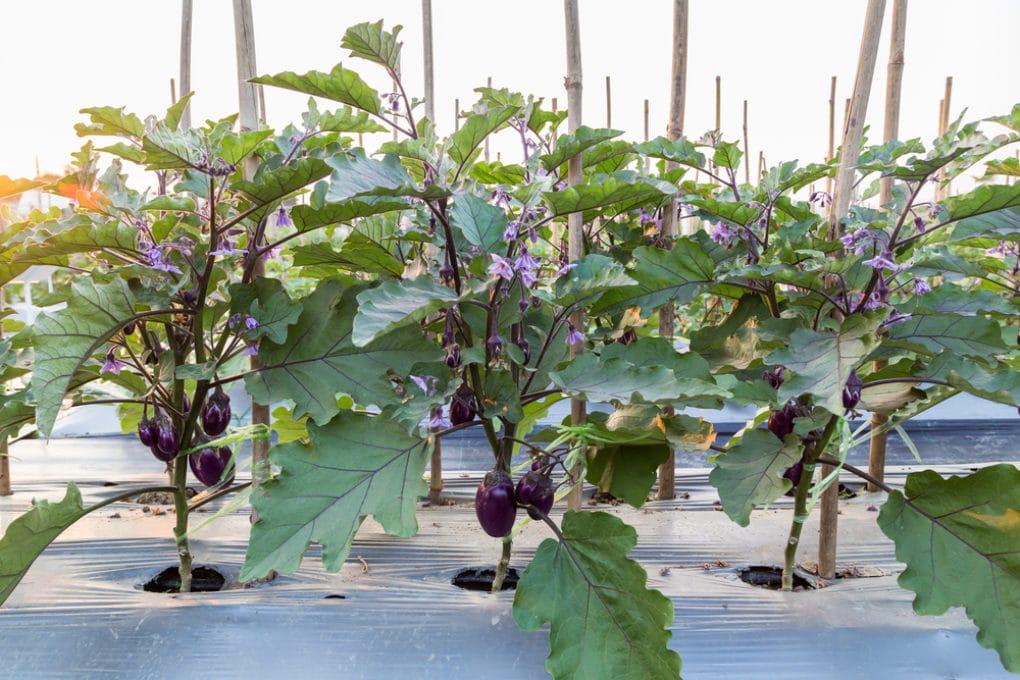
Mulching is your backup defense. Black plastic mulch creates a physical barrier between the soil and fruit, preventing soil splash from reaching leaves and fruit. This single intervention blocks multiple disease transmission pathways simultaneously. Beyond disease prevention, mulch regulates soil moisture more consistently, reducing the stress that makes plants more vulnerable to infection.
Catch Disease Early: Recognition and Monitoring Strategies
Even the best prevention sometimes isn't perfect. This is why early detection matters enormously. When you catch disease at the earliest stages, you have many more treatment options and significantly better outcomes.
Establish a weekly scouting protocol. Every seven days, spend fifteen minutes examining your eggplant plants systematically. Start with the lower leaves, which face the highest disease risk due to soil proximity and humidity. Check for the specific asymmetrical wilting that signals verticillium wilt. Look at flowers and developing fruit for any tan or gray spots. Document what you observe, including weather conditions over the previous week, recent rain, and humidity levels. This record helps you identify patterns and predict high-risk periods.
When you spot symptoms, accurate identification becomes crucial. Verticillium wilt shows distinctive asymmetrical damage, often with yellowing on one side of the leaf while the other side appears normal. Gray mold appears as light tan spots on flowers and fruit with visible gray mold growth. Anthracnose creates small, circular spots on fruit with orange or salmon-colored spore masses visible during wet conditions.
Modern technology offers assistance here. AI-powered plant diagnosis tools can help you confirm what you're observing in your garden. When you upload a photograph to Plantlyze, the system analyzes the symptom pattern and provides rapid disease identification. This confirmation step is invaluable, especially when you're unfamiliar with a specific disease's appearance. With accurate diagnosis in hand, you can implement the most effective treatment immediately rather than guessing.
Prevention Worked? Great. If Disease Appears: Proven Treatment Methods
When you catch disease early through your monitoring, you have access to increasingly effective treatment options. The key is understanding which solutions work best for different situations and moving quickly.
Biological control agents represent your first and most sustainable option. Trichoderma harzianum and similar products containing beneficial microorganisms actively suppress multiple eggplant pathogens. These organisms colonize the plant surface and compete directly with disease-causing fungi. Research demonstrates that these biological treatments provide disease reduction comparable to chemical fungicides while building soil health over time. Apply biological controls every seven to ten days during the growing season, starting even before disease appears as a preventive measure. Products like Serenade ASO, containing Bacillus subtilis, are labeled for multiple eggplant diseases and provide both preventive and curative activity.
Organic and natural fungicides offer powerful secondary options. Neem oil works as both a fungicide and insecticide, providing dual plant protection. Mix one to five milliliters of neem oil with one to two milliliters of liquid soap in one liter of water. Apply this mixture to both leaf surfaces, focusing on lower leaves and fruit. Neem works best as a preventive, applied before disease appears, though it offers some activity against established infections. Potassium bicarbonate combines synergistically with Trichoderma treatments, offering broader coverage when used together.
Copper fungicides serve as your third tier when organic options prove insufficient. Options include copper sulfate, liquid copper formulations, and traditional Bordeaux mixture. Begin applications three to four weeks after germination, then continue on seven to fourteen day intervals depending on weather conditions. Copper remains effective for many decades because pathogens develop resistance slowly compared to other fungicide classes.
Cultural practices provide immediate action you can take right now. Remove infected leaves immediately and discard them in the trash (not compost). This removes the source of spores that spread disease to healthy tissue. Pick up and discard fallen plant material on the same day it drops. Increase air circulation by carefully pruning lower leaves to create space for air movement. Between plants and between rows, sterilize your tools using a simple solution of one part bleach to nine parts water. Never handle wet plants, as this transfers pathogens from leaf to leaf.
Year-Round Disease Management: What to Do When
Disease prevention isn't a one-time action but a strategic calendar that changes with the seasons.
In spring, begin preparation for the growing season. Test your soil and amend with beneficial microbes before planting. Select disease-resistant eggplant varieties when available. Start seedlings indoors with disease-free seeds and apply the protective root dips mentioned earlier.
During the growing season, implement your weekly monitoring protocol consistently. Apply preventive biological control treatments even before disease appears. Watch for high-risk periods when recent rainfall or humidity spikes create favorable conditions. This is when you apply treatments most frequently.
After harvest and into fall, complete removal of all plant material becomes critical. Pull eggplant plants from the ground and discard them completely. Do not leave debris, stakes, or mulch behind. Sterilize all tools before storing. Only use diseased plant material in hot compost systems where temperatures exceed 140 degrees Fahrenheit consistently, not in regular compost bins.
In winter, prepare soil for the next season by incorporating organic matter and beneficial amendments. Clean and sterilize any equipment that contacted diseased plants.
Making Disease Management Easier with Modern Tools
You've nurtured seven eggplants all season and monitoring them weekly for asymmetrical wilting and leaf spots takes time and trained eyes. Even experienced gardeners sometimes wonder if what they're seeing is truly disease or just normal plant stress. This is where modern technology provides real value.
AI-powered plant care diagnosis tools like Plantlyze help you identify disease symptoms with smartphone photos, confirming exactly what you're observing in the garden. The process is simple: take a clear photo of the affected leaf or fruit, upload it to Plantlyze.com, and receive instant feedback on disease identification. This confirmation step means you start treatment immediately with confidence rather than delaying while you research or second-guess your diagnosis. Early detection combined with rapid identification dramatically improves treatment success rates. Try identifying your plant's symptoms with Plantlyze today to see how this tool works for your garden.
Start Protecting Your Eggplants Today
Begin with crop rotation this growing season if you haven't already. Implement drip irrigation or soaker hoses if you're currently using overhead watering. Incorporate beneficial soil microbes before planting, establishing your biological defense system. Commit to weekly plant monitoring, spending just fifteen minutes each week examining your eggplants carefully. For early disease detection and rapid identification, use plant diagnosis tools like Plantlyze when you spot anything unusual. Small preventive actions now save you from devastating losses later. Share your eggplant disease prevention wins in the comments below. What strategy works best in your garden?
References
Early detection of verticillium wilt in eggplant leaves by fusing five deep convolutional neural networks
https://pmc.ncbi.nlm.nih.gov/articles/PMC11566044/Verticillium Wilt of Tomato and Eggplant
https://content.ces.ncsu.edu/verticillium-wilt-of-tomato-and-eggplantBiopesticides for Managing Diseases of Eggplant Organically
https://www.vegetables.cornell.edu/pest-management/disease-factsheets/biopesticides/biopesticides-for-managing-diseases-of-eggplantRecent Trends in Control Methods for Bacterial Wilt Diseases
https://pmc.ncbi.nlm.nih.gov/articles/PMC4356456/2021 Florida Plant Disease Management Guide: Eggplant
https://edis.ifas.ufl.edu/publication/PG047