You lugged home those shiny, perfect eggplants from the market with big plans for them. Three days later they’re wrinkled and bitter and only good for the compost. What happened? Here’s a hint: Eggplant is the Goldilocks of produce — not too hot, not too cold. It’s actually destroying itself inside long before any visible rot appears because your fridge is just a little bit too cold for its liking while it never complains as loudly as some other vegetables about being stored at an improper temperature.
The waste of produce always hurts more when it is premium organic eggplants that were purchased or if they were homegrown.
At plantlyze, our AI powered plant care diagnostics help thousands of home gardeners and food enthusiasts make smarter decisions about produce handling. This eggplant storage guide reflects that same commitment to evidence based solutions rooted in commercial postharvest science.
The Science Behind Eggplant Storage Challenges
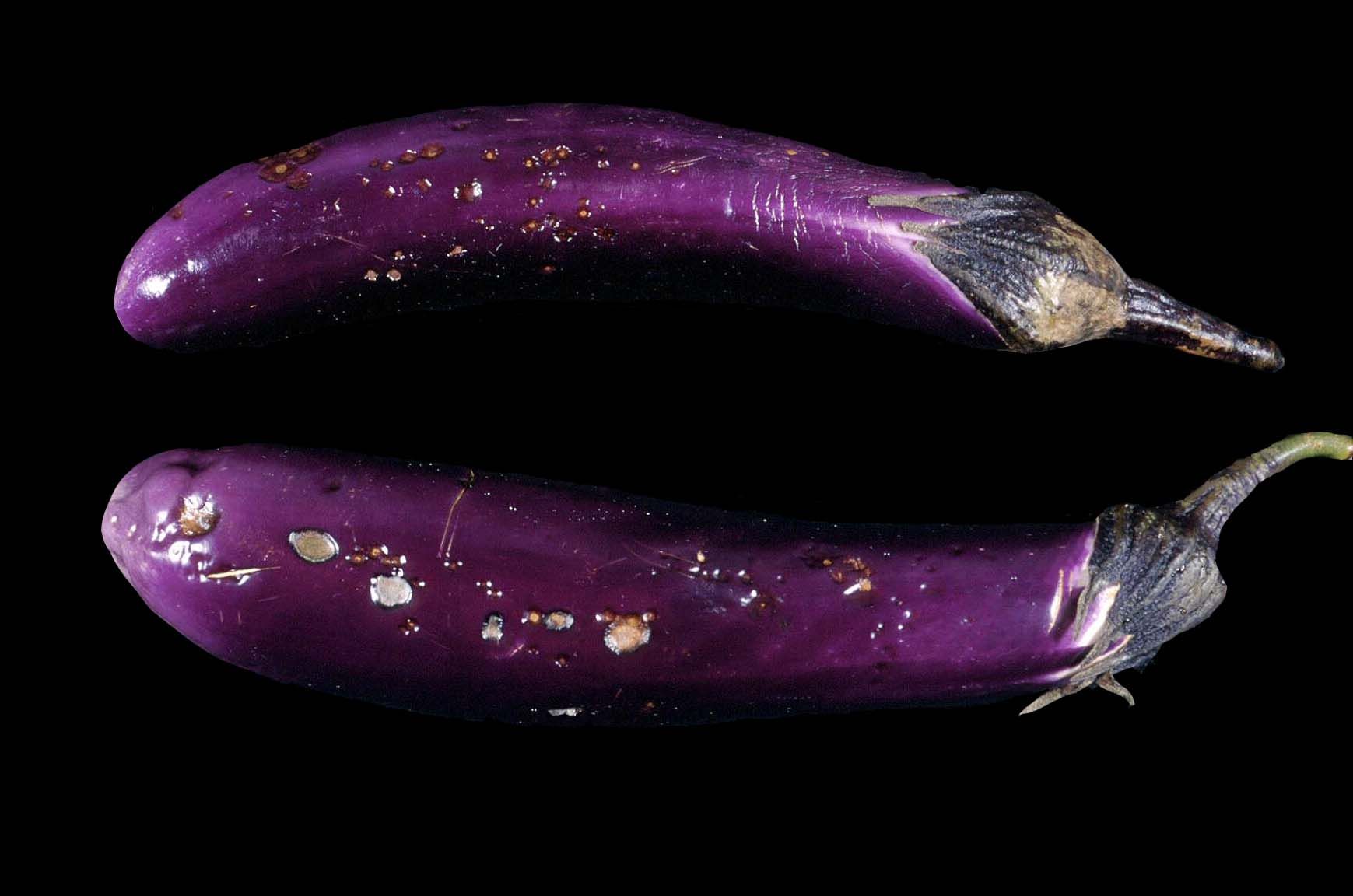
Eggplant belongs to the nightshade family and botanically classifies as a fruit, specifically a berry with tropical origins. This heritage explains its unusual sensitivity to cold. When temperatures drop below 50°F, eggplant cells sustain chilling injury, a form of physiological damage distinct from freezing. The membranes destabilize, enzymes malfunction, and the fruit's internal chemistry shifts irreversibly. What makes this particularly frustrating is that symptoms remain invisible for days. You might store your eggplant at a seemingly safe 45°F for six days, then move it to room temperature and watch chilling injury manifest within 24 hours as surface pitting, bronzing, darkened seeds, and brown calyx tissue.
The commercial postharvest industry understands these limitations well. Research from the WFLO Commodity Storage Manual shows that even under optimal conditions, eggplant storage life maxes out at 10 to 14 days, and that's in sophisticated climate controlled facilities. For home storage, the window shrinks dramatically. The University of California Postharvest Research Center has documented that eggplants lose quality rapidly at room temperature, experiencing unacceptable water loss and firmness reduction within just three to four days. This creates a narrow storage zone that most home kitchens simply cannot provide.
Humidity adds another layer of complexity. Eggplants want ninety to ninety-five percent relative humidity so they do not dry out, but any surface moisture is going to start them rotting. That is the fine line balance that more often than not makes your crisper drawer with its supposed humidity controls totally unsuitable. The condensation becomes trapped in there because the temperature is too cold.
To make matters worse, eggplant has a moderate sensitivity to ethylene.
Storing it near apples, bananas, tomatoes, or melons accelerates deterioration. The ethylene gas these fruits emit triggers biochemical changes that shorten eggplant's already limited shelf life. Most home cooks unknowingly create this problem by tossing all produce into the same refrigerator drawer.
Optimal Storage Conditions: The Goldilocks Zone
The sweet spot for eggplant storage falls between 50°F and 54°F, with relative humidity maintained at 90 to 95 percent. At this temperature range, metabolic processes slow enough to extend freshness while avoiding chilling injury. Compare this to your refrigerator's typical 35 to 38°F, which lies 12 to 19 degrees below the safety threshold, or your kitchen's ambient 68 to 72°F, which runs 14 to 22 degrees too warm.
This narrow temperature tolerance explains why commercial operations invest in specialized storage rooms. For home use, the challenge becomes finding the coolest spot in your house that is not the refrigerator. A basement, a wine cooler set on its warmest setting, or an insulated garage during mild weather might all APPROXIMATE ideal conditions. What is more important quite simply is a constant temperature; temperatures FEVER runnings mad up and down destroy the fruit quicker.
Humidity has to be controlled actively to remain at the proper level. A perforated plastic bag shares with slight air exchange what can be described as a microclimate for eggplant, basically retaining most of the moisture inside. Perforations do not allow an accumulation of carbon dioxide or any condensation that accelerates decay. In case there are no bags already perforated, make several tiny holes in a normal produce bag using a toothpick. Place slightly damp paper towels inside to increase humidity without wetting the surface of the eggplant.
The maximum storage life under such ideal optimum conditions is ten days for most varieties, according to the majority of sources, although a few quote up to two weeks in the case of perfect specimens. However, the quality remains at its peak within five to seven days; therefore, even under such ideal conditions, prompt use is recommended.
Short Term Storage Solutions That Actually Work
If you are going to use them within three to five days, then the countertop method will do just fine as long as your kitchen is not warmer than 70°F. Choose a cool and ventilated area out of sunlight and away from any source of heat. The top of a kitchen island away from the stove or a side table next to a window but not in direct sun provides good conditions. Place them in a bowl or basket which allows air circulation on all sides.[1] Check daily by gently squeezing; it should be firm with slight give, never soft or spongy.[2] The skin should stay glossy.
Any dullness signals water loss and imminent quality decline.
The cool room method extends storage to five to seven days for those with access to a basement, garage, or wine cooler. Wrap each eggplant individually in a paper bag, which absorbs excess moisture while allowing breathability. Place the wrapped eggplants in an unsealed plastic bag with several paper towels. Store this package in your coolest room, checking every other day. The paper bag technique proves especially effective during humid weather when condensation risks run high.
If you lack a naturally cool space, the refrigerator workaround becomes necessary, but requires careful execution. Use only the warmest part of your refrigerator, typically the crisper drawer with the vent partially open. Wrap the eggplant in cling film, pressing it directly against the skin to minimize cold air contact. This barrier reduces chilling injury severity. Limit refrigerator storage to three days maximum, and always remove the eggplant 30 minutes before cooking. This tempering step allows cell membranes to stabilize, improving both flavor and texture. The University of Maine Extension notes that refrigerated eggplants develop off flavors and tough textures that only partially reverse with tempering.
Long Term Preservation: Beyond Two Weeks
When your eggplant harvest exceeds immediate consumption capacity, freezing provides the only reliable long term preservation method. Food scientists rate canning and dehydrating as unsuitable for eggplant, with quality rated poor to fair at best. Freezing maintains acceptable quality for up to eight months when done correctly.
Start by selecting firm, dark purple eggplants without blemishes or soft spots. Medium sized fruits between four and six inches diameter freeze best. Wash and peel if desired, though leaving the skin intact preserves texture. Cut into half inch slices, cubes, or the shape your intended recipes require.
Blanching proves essential for quality preservation. The USDA National Center for Home Food Preservation recommends blanching eggplant for four minutes in boiling water containing half cup lemon juice per gallon. The acid prevents enzymatic browning while the heat deactivates texture degrading enzymes. Immerse immediately in ice water for the same duration to stop cooking. Drain thoroughly and pat dry with clean towels.
Two packing methods serve different purposes. The dry pack method places blanched, cooled eggplant directly into freezer bags, removing as much air as possible. This works well for general cooking applications. The tray pack method spreads pieces on a parchment lined baking sheet, freezes them individually, then transfers to bags. Tray packed pieces remain separate, allowing you to remove only what you need.
For enhanced convenience, consider pre cooking before freezing. Grill or roast slices brushed with olive oil, then freeze in single portions perfect for eggplant parmesan. Prepare baba ganoush base without final seasonings, freeze in ice cube trays, then transfer to freezer bags for portion controlled Mediterranean cooking. These ready to use preparations transform weeknight dinners from frantic to effortless.
Common Storage Mistakes That Ruin Eggplants
The default refrigerator is the most common mistake in storing eggplants. People have become so used to putting everything into the crisper drawer, associating cold with preserved, that few ever stop to think that perhaps in this case it might be different. For eggplants, cold storage means a daily accumulation of chilling injury. The damage becomes irreversible after three or four days but remains invisible as long as the fruit is kept at a cold temperature-it manifests itself fully only when returned to room temperature. By then, you've committed to cooking a compromised ingredient.
Sealed plastic bags create the second most common problem. While they seem to protect against moisture loss, they trap respiration gases and condensation. Eggplants continue breathing after harvest, releasing carbon dioxide and water vapor. Sealed environments concentrate these, creating perfect conditions for botrytis rot and other decay organisms. The result: slimy, foul smelling eggplant within days rather than weeks.
Ethylene exposure sabotages storage silently. That beautiful fruit bowl display featuring bananas, tomatoes, and eggplant together accelerates deterioration dramatically. Ethylene, the natural ripening gas many fruits emit, triggers biochemical changes in eggplant that shorten shelf life by 30 to 50 percent. Store eggplant in a separate location from ethylene producing fruits, ideally in a different room.
Washing before storage introduces unnecessary moisture and reduces shelf life. The water clings to the eggplant's surface, creating microenvironments where microbes thrive. Clean immediately before cooking instead. If your eggplant appears genuinely dirty, wipe gently with a dry cloth or slightly damp paper towel, then allow to air dry completely before storing.
Ignoring variety differences leads to disappointment. Asian eggplants, with their thinner skins and higher water content, lose quality three times faster than Italian varieties. Treat them accordingly, using Asian types within two to three days even with optimal storage, while Italian eggplants might stretch to seven days under the same conditions.
How to Tell When Your Eggplant Has Gone Bad
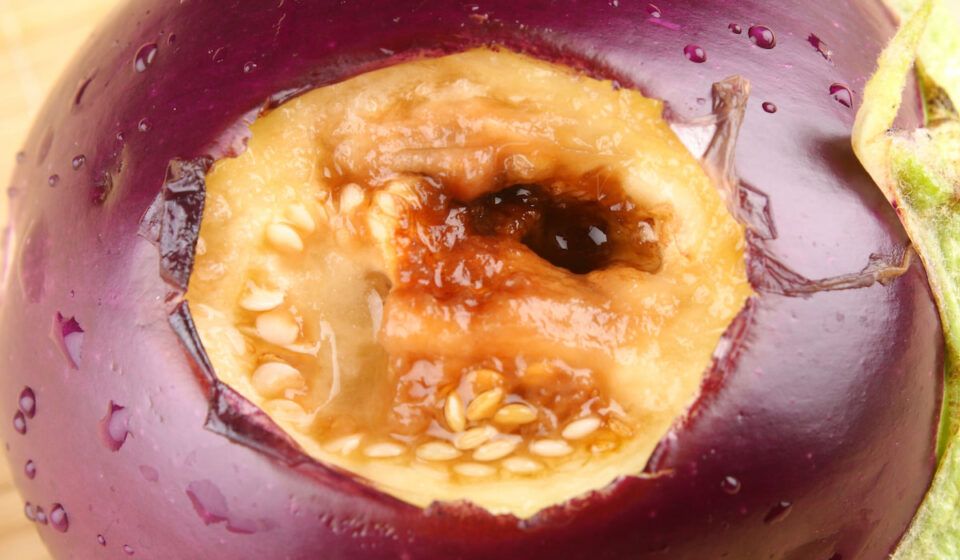
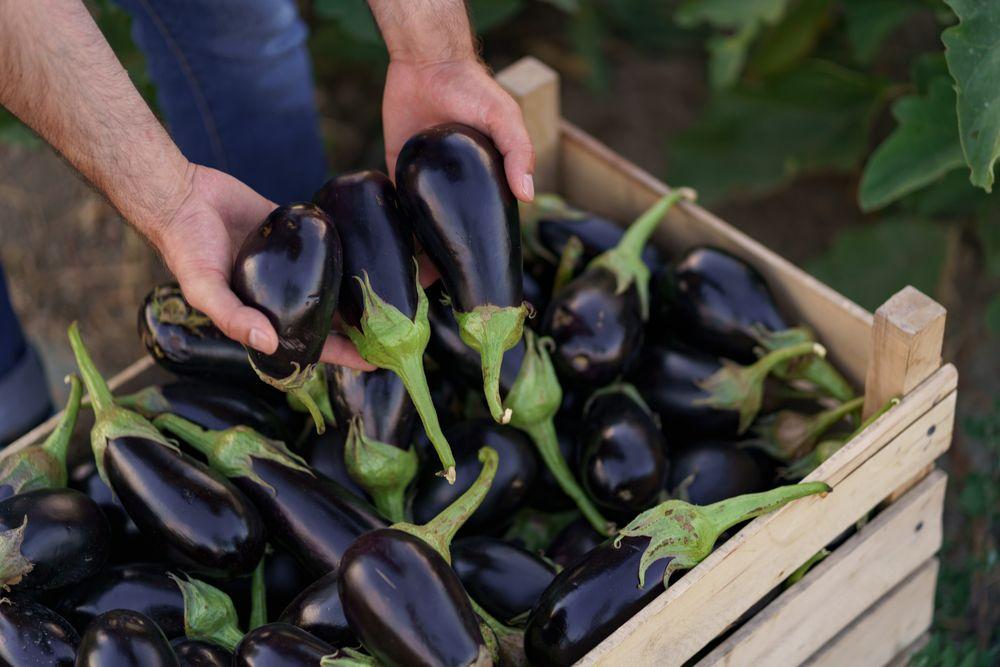
Visual indicators provide the first warning signs. Fresh eggplant displays glossy, taut skin that reflects light. As quality declines, the skin turns dull and matte, signaling water loss. Wrinkling follows, starting at the stem end and spreading. Soft brown spots indicate advancing decay, while a brassy or bronze coloration reveals chilling injury. Check the calyx, the green cap where the stem attaches. Browning here confirms deterioration even if the main body appears acceptable.
Texture assessment offers reliable quality feedback. Gently squeeze the eggplant; it should feel firm with slight springiness, never spongy or mushy. Press your thumb lightly into the flesh. It should resist indentation and bounce back quickly. If your thumb leaves a persistent dent, the eggplant has passed prime. The flesh should feel dense, not hollow or airy.
Smell provides the final verdict. Fresh eggplant has a neutral, slightly earthy aroma. As spoilage advances, the stem end develops off odors reminiscent of fermentation or decay. Any sour, musty, or unpleasant smells indicate the eggplant belongs in compost, not cuisine.
The squeeze test serves as your daily quality check during storage. Proper firmness feels similar to a just ripe avocado: yielding slightly to gentle pressure but maintaining structural integrity. Mushiness signals cellular breakdown and impending rot. When uncertainty arises, discard the eggplant. Food safety experts emphasize that produce related illness costs far more than replacing a single fruit.
Special Cases and Pro Tips
Cut eggplant requires immediate treatment to prevent enzymatic browning. The exposed flesh oxidizes within minutes, turning an unappetizing gray brown. Prevent this by coating cut surfaces with lemon juice, which acidifies the tissue and blocks browning enzymes. Store treated pieces in an airtight container in the refrigerator for no more than 24 hours. The acid treatment provides temporary protection, but cut quality deteriorates rapidly regardless.
Asian and Japanese eggplant varieties demand extra attention. Their thin skins and higher respiration rates cause them to lose water three times faster than standard Italian types. Use perforated packaging even more diligently, and reduce expected storage life by half. These delicate varieties reward prompt consumption with superior flavor and texture that diminish quickly.
Seasonal differences affect storage potential. Summer harvested eggplants, picked during heat stress, exhibit greater chilling sensitivity than fall harvested fruits that mature under cooler conditions. This knowledge helps when shopping farmer's markets in August versus October. Spring for summer eggplants when you plan immediate use, and stock up on fall eggplants for slightly longer storage.
For serious preservers, low temperature conditioning offers an advanced technique. Research from NIH demonstrates that holding eggplants at 50°F for three days before moving to colder temperatures reduces chilling injury severity. This commercial technique adapts to home use by storing eggplants in a wine cooler or the coolest room in your house before refrigeration becomes necessary. Plantlyze diagnostics can assess your specific eggplant variety's chilling sensitivity and recommend personalized conditioning protocols.
Conclusion and Action Steps
Eggplant storage success boils down to three critical factors: temperature control between 50°F and 54°F, humidity management at 90 to 95 percent, and protection from ethylene exposure. Never refrigerate eggplants for more than three to four days, and freeze any surplus you cannot use within a week. Watch for chilling injury signs including bronzing, pitting, and calyx browning, which signal irreversible quality loss.
The frustration of wasted eggplants ends when you apply these science backed principles. Your farmer's market treasures deserve better than the compost bin, and your culinary creations benefit from peak quality produce. These storage methods, derived from commercial postharvest research, translate professional standards to home kitchen application.
Ready to eliminate the guesswork from produce storage and plant care? Plantlyze combines AI powered diagnostics with expert horticultural knowledge to deliver personalized guidance for your specific eggplant varieties and growing conditions. Our machine learning algorithms analyze chilling injury patterns, optimize storage protocols, and predict peak quality windows. Visit plantlyze.com to transform your harvest timing, postharvest handling, and overall plant care intelligence.
What is your biggest eggplant storage challenge? Share your experiences in the comments below and join our community of plant care enthusiasts mastering the art of produce preservation.
References
WFLO Commodity Storage Manual. "Eggplant Storage Guidelines." 2018. https://www.gcca.org/legacy-system/WFLO-Commodity-Storage-Manual-2018Eggplant%5B1%5D.pdf
University of California Postharvest Research and Extension Center. "Eggplant Produce Facts." 1999. https://postharvest.ucdavis.edu/produce-facts-sheets/eggplant
NIH/PMC Research. "Effect of Low Temperature Conditioning on Eggplant." 2019. https://pmc.ncbi.nlm.nih.gov/articles/PMC6801299/
Postharvest Management of Vegetables. "Eggplant Storage Life Research." https://www.postharvest.net.au/imagesDB/wysiwyg/12-Eggplant.pdf