
Carrot
Explore our carrot articles with expert tips, guides, and insights.
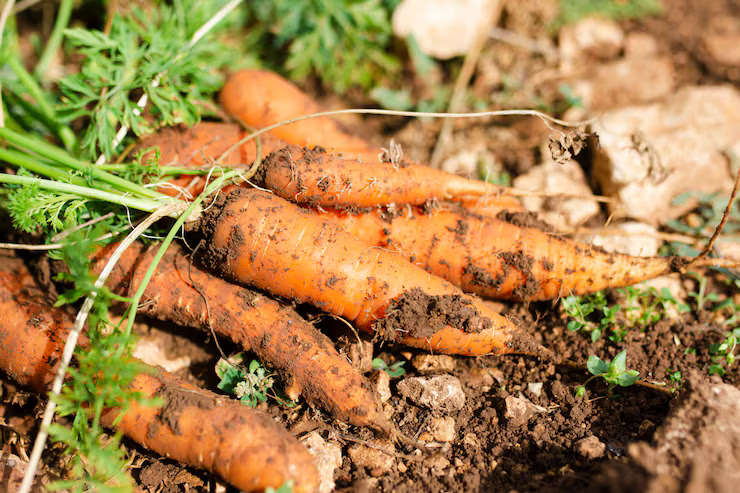
Carrot Disease Identification Guide How to Spot and Stop
Carrot diseases fall into fungal, bacterial, viral, and soil borne categories. Cercospora leaf blight, aster yellows, and root rot are most common. Early identification prevents spread and crop loss. Prevention through good drainage, spacing, crop rotation, and sanitation stops disease before it starts. Use plantlyze at plantlyze dot com to diagnose symptoms quickly.
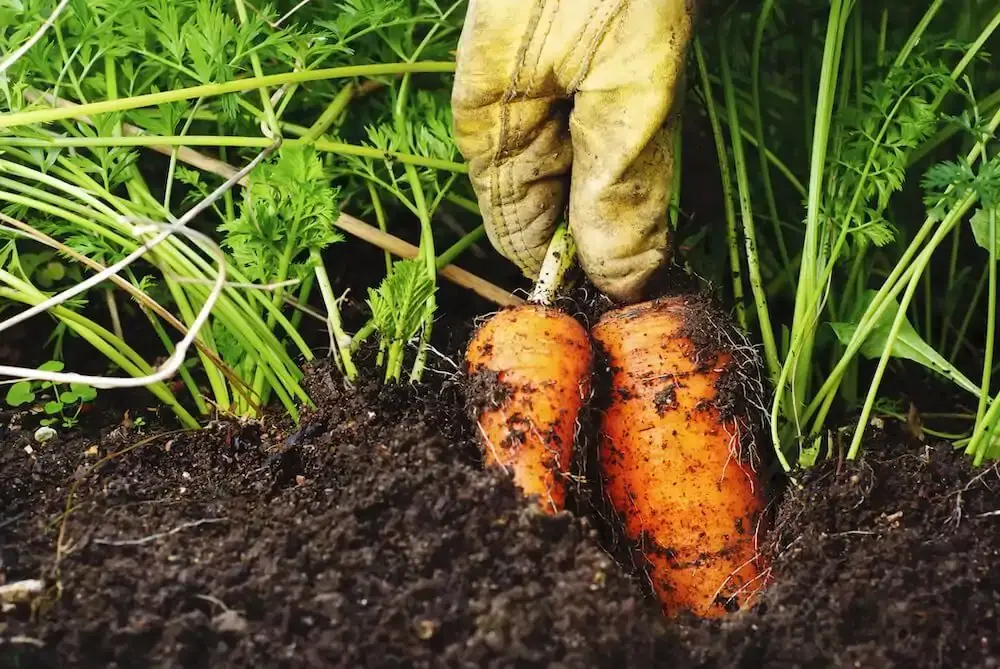
The Best Soil for Carrots Loose Rich and Perfectly Draining
Perfect carrot soil is loose, crumbly, and rock free with good drainage and rich organic matter. Soil pH should be 6.0 to 6.8 for optimal nutrient availability. Adding two to three inches of compost transforms clay and sandy soils alike. Build your soil year after year with plantlyze at plantlyze dot com to track improvements.
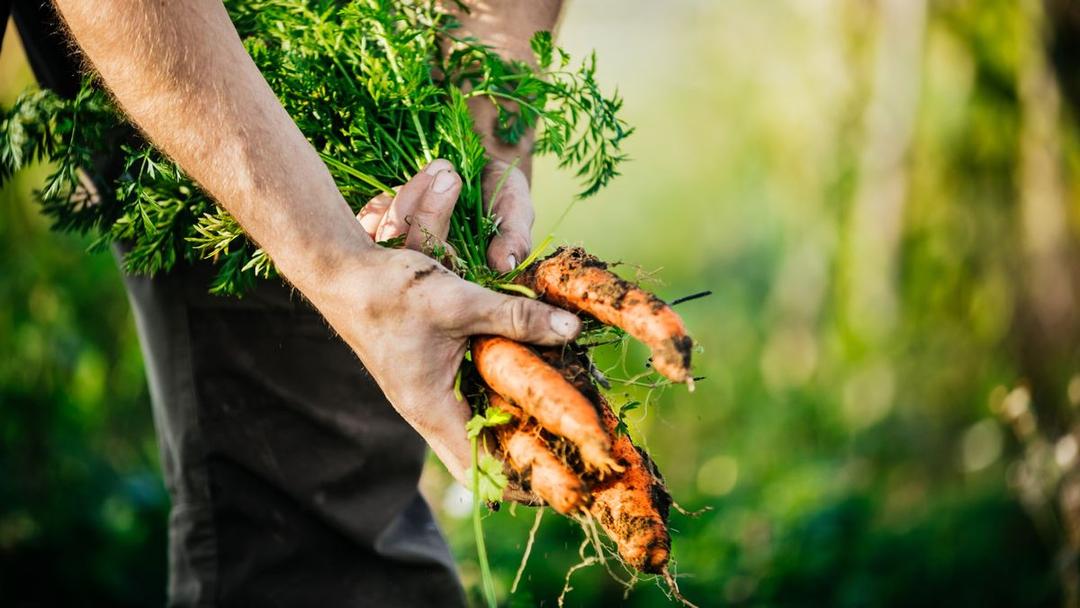
The Complete Guide to Fertilizing Carrots for Sweeter Roots
Carrots are hungry plants that need consistent feeding to thrive. Nitrogen fuels early leaf growth, phosphorus builds strong roots, and potassium increases sweetness and flavor. By timing your fertilizer applications across the growing season and watching for deficiency signs, you unlock the secret to sweeter, bigger carrots. Track your feeding schedule with plantlyze at plantlyze dot com.
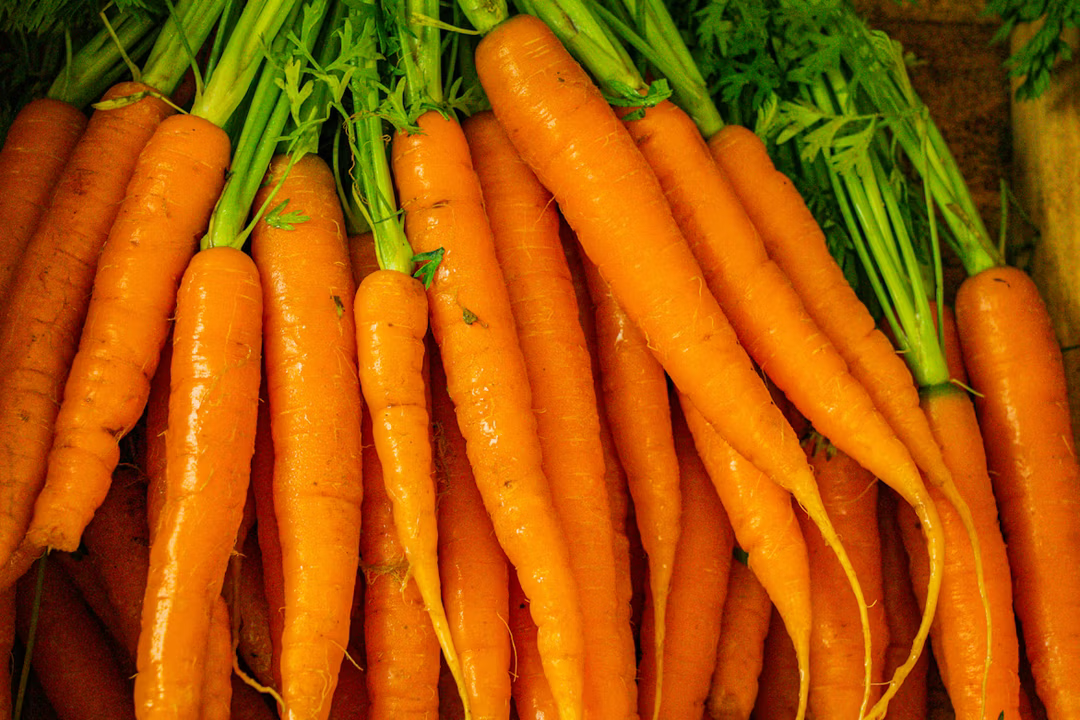
The Complete Guide to Carrot Plant Care
Growing carrots at home seems simple, but many gardeners end up with forked, woody, or stunted roots. The secret lies in understanding soil preparation, consistent moisture, and proper spacing. This guide walks you through every stage of carrot cultivation, from selecting your planting site to harvesting your first batch of vibrant, homegrown carrots.
When to Plant Carrots: Complete Planting Guide by Zone
Timing is everything in carrot cultivation, yet many gardeners overlook this critical factor. Planting carrots at the right time separates thriving harvests from frustrating failures. Carrots are cool-season crops thriving in temperatures between 55 and 75 degrees Fahrenheit. Plant too early and cold soil prevents germination. Plant too late and summer heat stops seeds from sprouting.
Carrot Disease Prevention: A Complete Practical Guide
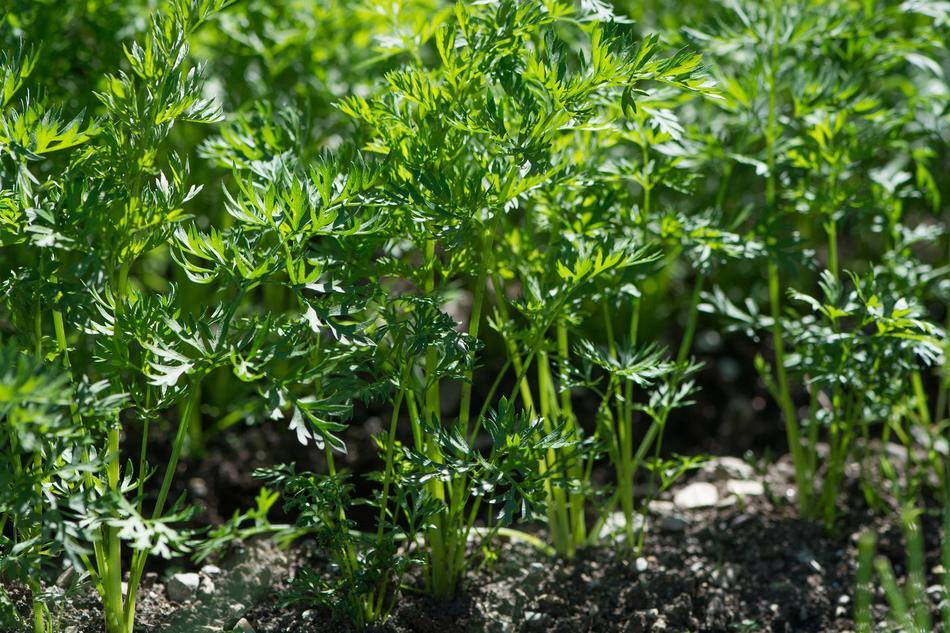
Most carrot diseases are preventable with simple habits. Prevention is cheaper and easier than treating an outbreak, yet many gardeners treat disease as bad luck rather than the result of specific conditions they can control. The good news is that carrots are relatively disease-free when grown with attention to moisture, soil health, and rotation.
How to Harvest Carrots at the Perfect Time
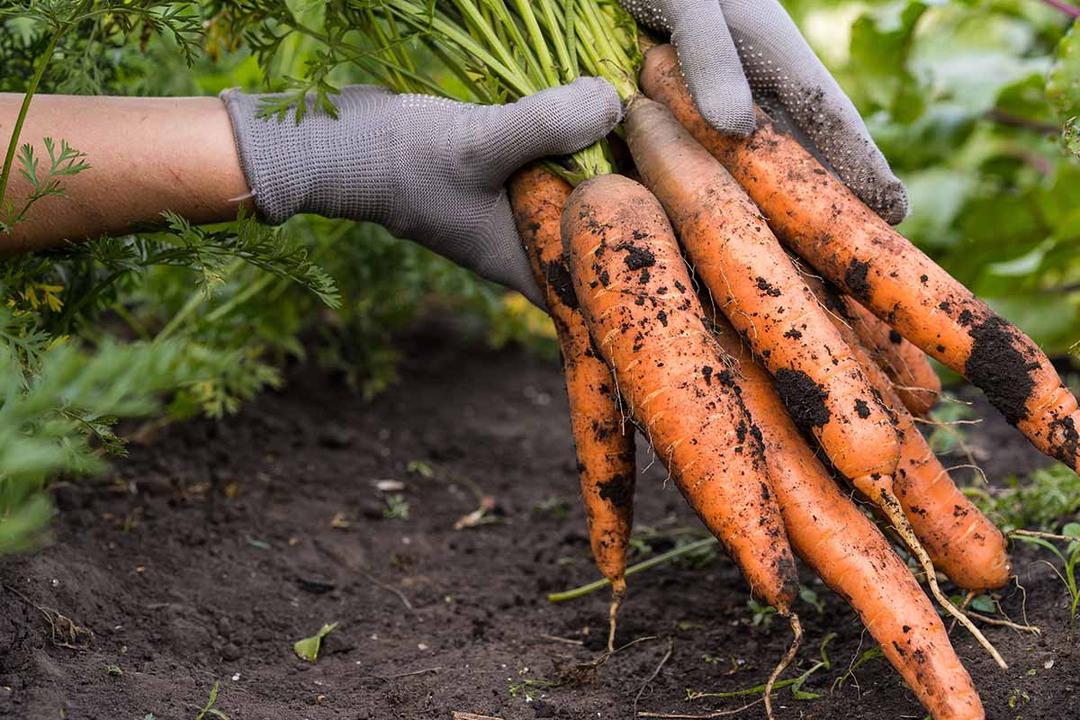
Harvesting carrots is more than a quick pull from the soil. Timing and technique decide sweetness, crunch, and storage life. By watching carrot shoulders, foliage, weather, and flavor, you can pick at the perfect moment. For extra guidance and personalized harvest reminders, track your carrot bed with plantlyze at plantlyze dot com.
Carrot watering guide for sweet crunchy roots
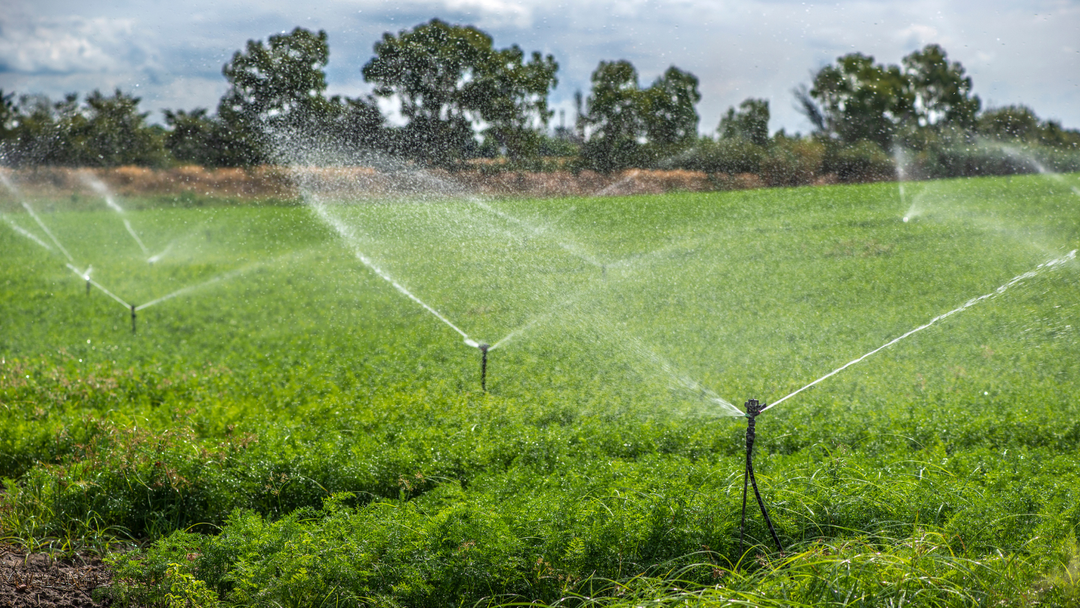
Carrots love steady moisture not wild swings between dry soil and sudden soaking. Keep the soil feeling like a wrung out sponge moist but never muddy. Use the finger test before watering and adjust for your weather so each deep drink reaches the growing roots without stressing or cracking them.
How to Grow Carrots: Complete Guide from Seed to Harvest
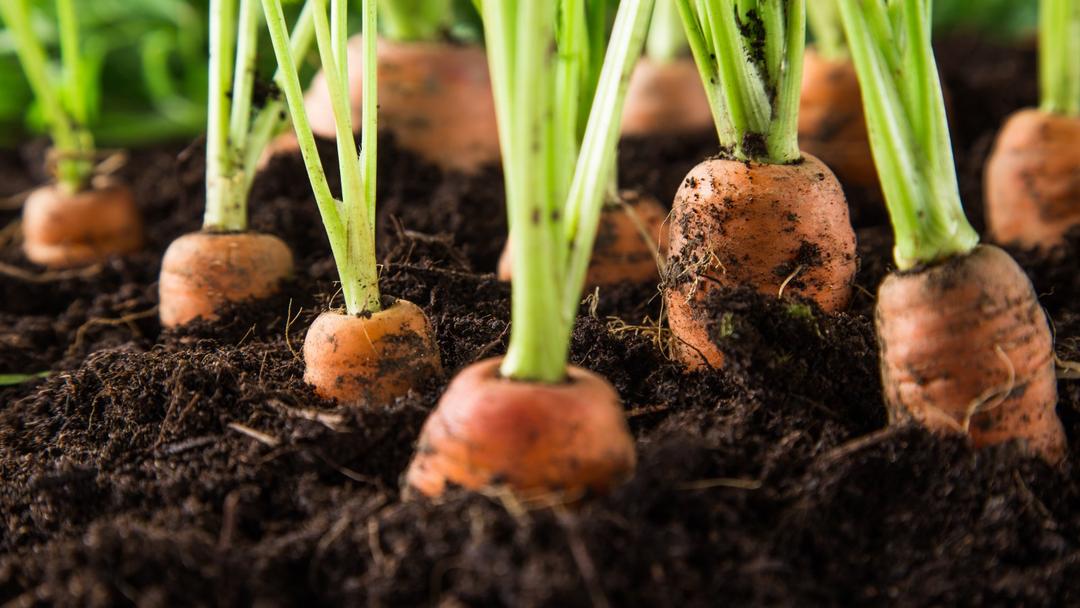
Carrots seem simple. Everyone grows them, right? But dig a little deeper, and you'll discover that most home gardeners struggle with the same few problems: stunted roots, forked carrots, slow germination, and disappointing flavor. The difference between sad, twisted carrots and beautiful, sweet, crunchy roots comes down to understanding five fundamental requirements.