Introduction
Timing is everything in carrot cultivation, yet many gardeners overlook this critical factor. Planting carrots at the right time separates thriving harvests from frustrating failures. The challenge is that "right time" varies dramatically depending on your location, local frost dates, and whether you are planting for summer or winter harvest.
Carrots are cool-season crops thriving in temperatures between 55 and 75 degrees Fahrenheit. Plant too early and cold soil prevents germination. Plant too late and summer heat stops seeds from sprouting. Throughout your growing season, you can track your carrot health using Plantlyze for early detection of any issues. This guide provides exact planting dates for every USDA hardiness zone, soil temperature guidelines, and succession planting strategies to ensure continuous carrot harvests.
Understanding Carrot Planting Requirements
Timing matters because carrots have specific temperature needs unlike warm-season vegetables like tomatoes. Understanding these requirements prevents wasted seeds and months of disappointment.
What Makes Timing So Critical
Carrots are deceptively sensitive to soil temperature despite their reputation as hardy vegetables. Soil temperature is the primary factor determining germination success. Plantlyze Temperatures above 80 degrees Fahrenheit prevent seeds from germinating at all. Seeds planted in cold soil (below 45 degrees Fahrenheit) germinate slowly, often taking 20-21 days while competing with soil fungi and hungry wildlife.
The sweet spot for carrot seed germination is 65 to 75 degrees Fahrenheit. At this temperature, seeds germinate reliably in 7-10 days. Understanding this range transforms your gardening strategy from guessing to precision planning.
Cool-Season vs. Warm-Season Timing
Unlike tomatoes, peppers, or squash that need warm soil in late spring, carrots thrive in cooler conditions. This is why spring planting occurs in early March in southern zones but not until mid-April in northern zones. Plantlyze The same cool-season advantage that makes carrots frost-tolerant makes them unsuitable for summer planting in most regions.
Fall planting actually produces sweeter, higher-quality carrots than spring planting. Frost exposure increases sugar content in roots as a natural protection mechanism. Carrots harvested after experiencing frost taste noticeably sweeter than spring-harvested carrots. In warm zones, year-round growing is possible by focusing on cool-season plantings while avoiding hot summer months entirely.
Soil Temperature vs. Air Temperature
This distinction causes the most confusion for gardeners. Air temperature and soil temperature often differ dramatically in spring. Outdoor air may feel warm at 60 degrees Fahrenheit while soil is still a chilly 40 degrees Fahrenheit. Soil temperature lags behind air temperature by 2-4 weeks in spring because soil heats slowly compared to air.
Never rely on air temperature for planting decisions. Use an inexpensive soil thermometer inserted 1-2 inches deep where seeds will be sown. Check temperature on several consecutive mornings for accurate pattern. This single investment prevents more failed plantings than any other gardening tool.
Spring Planting Timeline
Spring carrot plantings produce early summer harvests when fresh vegetables are most valued. Spring planting success depends on understanding your last frost date and soil temperature patterns.
When to Plant Carrots in Spring
Plantlyze Spring carrot planting occurs 2-3 weeks before your last frost date OR when soil reaches 45 degrees Fahrenheit, whichever is later. Earlier planting produces earlier harvests but risks crop loss if late frosts occur after germination.
Soil temperature of 55-75 degrees Fahrenheit is ideal for spring germination. Germination takes 7 days at 75 degrees Fahrenheit, 10-14 days at 65 degrees Fahrenheit, and up to 21 days at 55 degrees Fahrenheit. Patience is required because carrot seeds are notoriously slow starters. Many gardeners assume seeds have failed when they are simply taking time to germinate.
Zone-by-Zone Spring Planting Dates
Zones 3 and 4 (Shortest growing season): Plant April 1-15. These northern zones have extremely short growing seasons and late last frost dates. Succession planting continues every 2-3 weeks through May 15 maximum. Early and mid-season varieties only succeed in these zones.
Zones 5 and 6 (Cool climate): Plant March 1-15. Earlier spring planting is possible in these temperate zones. Succession plantings continue every 2-3 weeks through late May. Both early and mid-season varieties perform well.
Zones 7 and 8 (Mild winter zones): Plant February 15-March 15 (Zone 7) or February 1-15 (Zone 8). Earlier spring planting is possible due to milder winters. Succession plantings extend further into summer. Mix early, mid, and late-season varieties for varied harvest.
Zones 9, 10, and 11 (Warm zones): Plant January 15 onwards. Winter is actually the prime growing season in warm zones. Spring plantings are less productive as temperatures rise. Focus on fall and winter plantings where possible.
How to Find Your Last Frost Date
Your last frost date is the average date when your area experiences the final frost of spring. After this date, tender plants can remain outdoors without frost protection. However, carrots are different. Carrots tolerate frost, so you can often plant before the last frost date.
Search online for "last frost date [your city] [your state]" to find your specific date. Alternatively, visit your county's cooperative extension office website or the Farmers' Almanac for interactive maps. Once you know your last frost date, mark it on your calendar and use it annually as your spring planting reference point.
Fall Planting Timeline
Fall planting produces sweeter carrots, longer harvest windows, and overall more successful crops than spring planting in most regions. Fall planting timeline is slightly different from spring, requiring calculation from first frost date instead.
When to Plant Carrots for Fall Harvest
Plant carrot seeds 8-10 weeks before your first frost date. This provides sufficient time for roots to develop fully before freezing temperatures arrive. An alternative calculation: plant 100-120 days before first frost. Both methods work because most carrot varieties mature in 60-80 days, requiring time to reach harvestable size before frost.
Fall-planted carrots can survive freezing temperatures down to 15-20 degrees Fahrenheit. Many regions can harvest carrots through December, January, and into February with proper mulching. This extended harvest window makes fall planting more forgiving than spring planting.
Zone-by-Zone Fall Planting Dates
Zones 3-4 (Northern zones): Plant July 1. Your frost window is tight, so avoid late plantings. Even July 1 planting is borderline in Zone 3. Focus on early-maturing varieties only.
Zones 5-7 (Temperate zones): Plant August 1. This timing provides optimal growing window before fall frosts. Succession plantings every 2-3 weeks through mid-August work well.
Zones 8-9 (Mild zones): Plant September 1. Extended fall and winter growing season makes fall planting ideal. Plantlyze Succession plantings continue through late September.
Zones 10-11 (Warm zones): Plant September 1 through October. Multiple fall planting windows are possible. Some gardeners even plant again in November for winter into spring harvest.
How to Find Your First Frost Date
Your first frost date is the average date when your area experiences the first frost of fall. This usually occurs 4-6 months after your last spring frost date. Calculate backward from first frost to determine fall planting date.
Search for "first frost date [your city] [your state]" online or contact your county extension office. Mark this date on your calendar alongside last frost date for easy reference during fall garden planning.
Soil Temperature Essentials
Soil temperature is the most important factor determining carrot seed germination success. Investing in accurate temperature measurement prevents most planting failures.
The Most Important Factor: Soil Temperature
Optimal carrot seed germination occurs at 65-75 degrees Fahrenheit. Seeds germinate at temperatures as low as 40-45 degrees Fahrenheit but very slowly, taking 18-21 days. Seeds do not germinate at all when soil exceeds 80 degrees Fahrenheit regardless of moisture or other factors.
This temperature range is narrower than most gardeners realize. A difference of 10-15 degrees dramatically impacts germination speed and success rate. Temperature consistency also matters. Fluctuating temperatures reduce germination rates more than steady cool temperatures.
Using a Soil Thermometer
Insert your soil thermometer 1-2 inches deep where carrot seeds will be planted. Do not place the thermometer in random garden spots. Place it in the actual planting area where soil conditions match where seeds will go. Wait 30-60 seconds for the temperature to stabilize and hold steady.
Check soil temperature on several consecutive days to understand temperature patterns. Morning temperature is typically lower and more accurate than afternoon temperature. Shade the thermometer if it is in direct sun, as direct sun heating changes readings. Store your soil thermometer indoors away from moisture to preserve accuracy.
What to Do if Soil is Too Cold
If soil temperature is below 45 degrees Fahrenheit, wait. Planting cold seeds into cold soil wastes seed and invites fungal problems. Instead, wait for natural warming or take steps to warm soil faster.
Black landscape fabric placed over soil for 1-2 weeks absorbs sun heat and warms soil underneath. Raised beds warm faster than in-ground beds because more sun exposure warms all sides. Alternatively, wait another 1-2 weeks for natural seasonal warming. Patience here prevents replanting and failed crops later.
What to Do if Soil is Too Hot
Never plant carrot seeds in soil exceeding 80 degrees Fahrenheit. Plantlyze Seeds will not germinate and will likely rot in the ground instead. For late spring plantings when soil becomes too hot, skip directly to late summer fall plantings.
Provide afternoon shade with row cover cloth to cool soil slightly if you are desperate to plant. However, this is a bandage solution, not a reliable strategy. Focus on planting earlier in spring or later in summer for fall harvest when soil temperatures are naturally in the optimal range.
Spring vs. Fall Planting Comparison
Both spring and fall planting work, but each has advantages and challenges worth understanding.
Spring Planting Advantages and Challenges
Spring planting produces earlier summer harvests when fresh local vegetables are scarce. Spring-planted carrots are ready for harvest in June or July depending on region and variety. Soil naturally warms in spring, so you do not need to artificially warm beds.
Spring planting challenges include slow germination in cool soil (14-21 days) and the risk of late frosts damaging germinated seeds. Spring soil is often too wet, potentially rotting seeds before they germinate. Spring-planted carrots may also bolster and become woody if summer heat arrives while they are still growing. Spring carrots typically taste less sweet than fall carrots because they do not experience frost.
Fall Planting Advantages and Challenges
Fall planting produces sweeter carrots due to frost exposure increasing root sugar content. Fall planting is often more reliable because soil is already warm from summer heat. Seeds germinate quickly in warm early fall soil (7-10 days). Extended harvest window into fall and winter means carrots are available long after spring plantings are gone.
Fall planting challenges include needing to calculate from first frost date rather than last frost date. Overwintering carrots in cold regions requires heavy mulch protection (6+ inches in Zone 5 and colder). Harvest timing is shorter than spring plantings if first frost arrives early. Late fall plantings may produce only small baby carrots instead of full-size roots due to cold slowing growth.
Succession Planting for Continuous Harvest
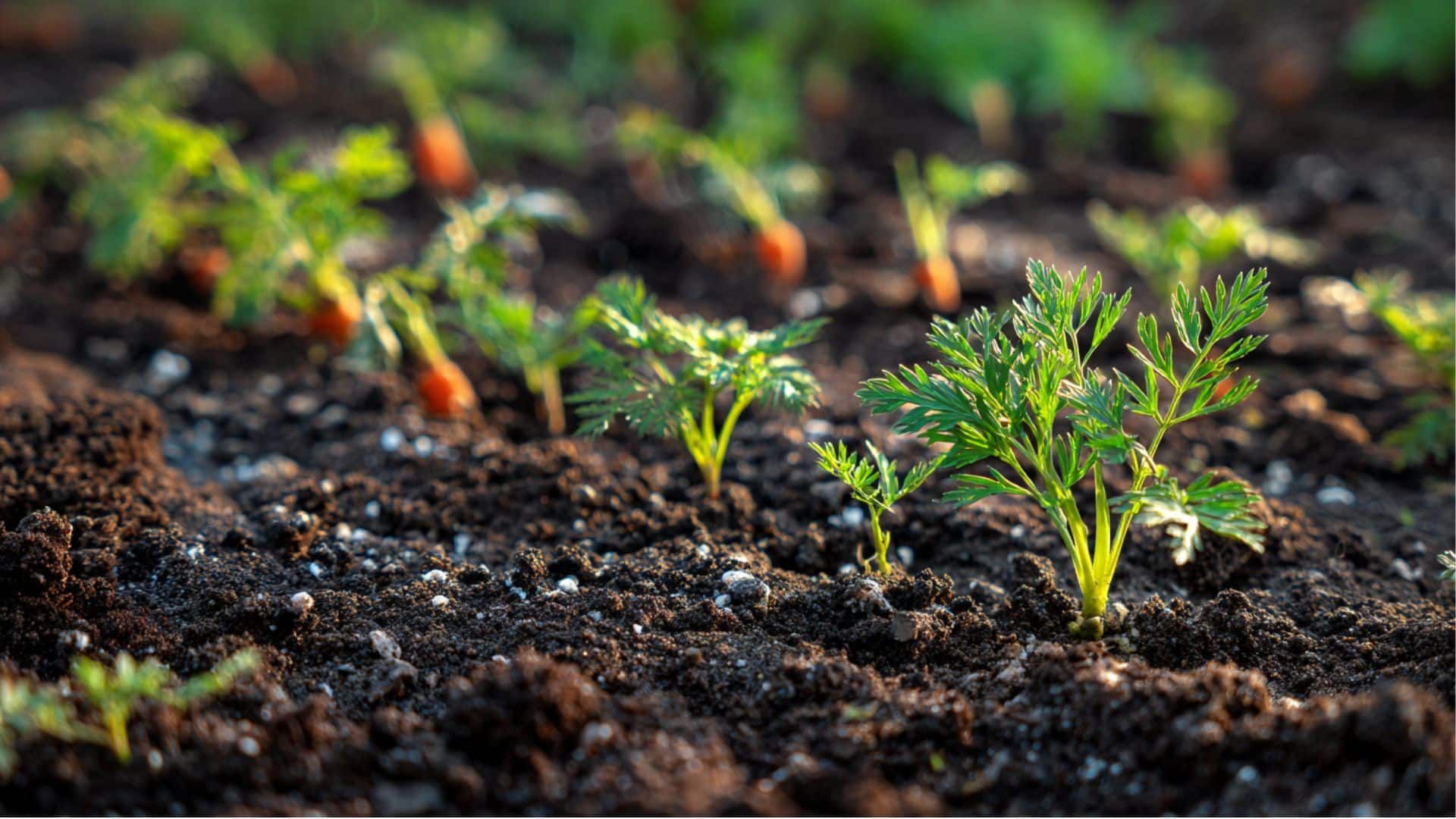
Succession planting transforms your carrot supply from feast-and-famine to steady supply. Rather than harvesting everything at once, succession planting creates staggered maturity dates.
What is Succession Planting
Succession planting means sowing new carrot seeds every 2-3 weeks rather than planting everything at once. Each planting batch matures on a different schedule, creating continuous fresh carrots over months. Home gardeners typically harvest a small amount every 1-2 weeks rather than tons of carrots suddenly ready at once.
Succession planting requires identifying your planting window (when soil temperature is suitable) then dividing that window into 2-3 week intervals. For spring, you might plant batches on March 1, March 15, April 1, and April 15. Each batch matures 60-80 days after planting, spreading harvest across entire early summer.
Spring Succession Planting Schedule
Plant your first batch 2-3 weeks before your last frost date. Plant a second batch 2-3 weeks after the first batch. Plant a third batch 2-3 weeks after the second batch. Continue plantings every 2-3 weeks until approximately mid-May (varies by zone).
Later spring plantings reach maturity before midsummer heat arrives. This prevents bolting and root quality decline from heat stress. The final spring plantings should mature before summer temperatures climb into the 80+ degree range where carrots stop growing and become woody.
Fall Succession Planting Schedule
Begin fall plantings around July 1 in cooler zones or August 1 in temperate zones. Continue planting every 2-3 weeks through late August or early September. Your final fall planting should occur approximately 10-12 weeks before your first frost date.
Earlier fall plantings provide longer growth periods and larger mature carrots. Later fall plantings may produce only small baby carrots if first frost arrives soon. These smaller carrots are still delicious but do not store as well as full-size roots.
Variety Selection for Succession Planting
Use different varieties with different days to maturity for automatic harvest staggering. Early-maturing varieties (50-60 days) include Mokum, Yaya, and Adelaide. Mid-range varieties (65-75 days) include Nantes and Red Core Chantenay. Late-maturing varieties (80-90 days) include Imperator types.
Plant one early, one mid, and one late variety on the same date. They will mature on different schedules even from the same planting date. Alternatively, plant the same variety on different dates for similar maturity progression. Mix and match to match your preferences and harvest needs.
Regional Planting Guide: Zones 3-5
Cold climate zones have tight windows for successful carrot cultivation. Every planting day counts in these regions.
Zone 3 Specifics
First spring planting: April 1-15. Succession plantings: every 2 weeks through May 15 maximum. Fall planting: July 1 only. Your growing season is so short that late plantings do not mature before fall frost. Zone 3 gardeners should focus on early and mid-season varieties exclusively. Plant all crops by mid-May to ensure maturity.
Overwintering carrots in Zone 3 is risky and rarely successful. Use row covers or cold frames to extend the season if you want to push the boundaries. Most Zone 3 gardeners focus on spring plantings for summer eating and accept that carrots are not available in winter.
Zone 4 Specifics
First spring planting: April 1-15. Succession plantings: every 2 weeks through May 15. Fall planting: July 1. Zone 4 has slightly more flexibility than Zone 3, but the window remains tight. Plant early and mid-season varieties for best results. Succession planting provides continuous harvest from June through September but not beyond.
Overwintering in Zone 4 requires significant mulch (6+ inches) and is risky even with protection. Most gardeners do not attempt overwintering in Zone 4, instead harvesting all carrots before late October.
Zone 5 Specifics
First spring planting: March 1-15. Succession plantings: every 2-3 weeks through May 15. Fall planting: August 1. Zone 5 offers more flexibility than zones 3-4. Planting can begin earlier in spring when soil cooperates. Fall plantings provide extended harvest.
Overwintering is often successful in Zone 5 with adequate mulch (3-4 inches in mild winters, 6 inches in harsh winters). Apply mulch after ground freezes to prevent winter mousing. Harvest carrots as soil thaws in spring or leave them in ground for continuous spring harvest.
Regional Planting Guide: Zones 6-8
Temperate climate zones offer excellent carrot growing conditions. Both spring and fall crops thrive in these regions.
Zone 6 Specifics
First spring planting: March 1-15. Succession plantings: every 2-3 weeks through early June. Fall planting: August 1. Zone 6 provides extended planting windows for both spring and fall crops. Multiple succession plantings create continuous harvest from June through November.
Overwintering is successful in Zone 6. Apply 3-4 inches of mulch over carrot tops after ground freezes. Harvest carrots as needed throughout winter or as soil thaws in spring. Zone 6 gardeners often prefer fall planting to spring planting because winter harvest ensures sweet, high-quality roots.
Zone 7 Specifics
First spring planting: March 1-15. Succession plantings: every 2-3 weeks through early June. Fall planting: August 1. Zone 7 has excellent carrot-growing conditions. Spring plantings begin as early as March and produce excellent yields. Fall plantings are equally successful.
Winter harvesting is common in Zone 7. Carrots can remain in the ground through December and into January with minimal mulching. Many Zone 7 gardeners harvest small amounts continuously throughout winter rather than digging all carrots at once. This extended harvest window is one of the greatest advantages of zone 7 gardening.
Zone 8 Specifics
First spring planting: February 1-15. Succession plantings: every 2-3 weeks through April. Fall planting: September 1. Zone 8 offers the earliest spring planting window in the temperate region. Carrots can be in the ground and growing by February. Fall plantings extend harvest through December and even January.
Winter growing is a significant advantage in Zone 8. Plan fall plantings carefully to fill your winter eating needs. Many Zone 8 gardeners plant larger fall crops than spring crops because winter harvest is so productive.
Regional Planting Guide: Zones 9-11
Warm climate zones face opposite challenges from cold zones. Heat, not cold, is the limiting factor for carrot cultivation.
Zone 9 Specifics
Spring planting: January 1-15. Fall planting: September 1. Zone 9 winter is mild enough for carrot growing. January through April is prime carrot-growing season. Summer is too hot, so most gardeners avoid spring plantings after May. Fall plantings begin in September and grow through winter.
Peak growing season in Zone 9 is October through April. Carrots survive freezes down to 15-20 degrees Fahrenheit, so occasional cold snaps do not damage established carrots. Plan multiple fall plantings from September through October to fill your autumn and winter needs.
Zone 10 Specifics
Planting windows: December 15 through February and September 1 through October. Zone 10 has extended mild winters perfect for carrot cultivation. Summer is completely avoided. Multiple plantings from December through February create spring harvest. Multiple plantings from September through October create fall and winter harvest.
Year-round carrots are possible in Zone 10 by staggering plantings across winter months. Heat is the primary limitation, so focus all planting efforts in cool months from September through April.
Zone 11 Specifics
Frost-free or nearly frost-free growing makes Zone 11 unique. Planting windows: February-March and October-November. These mild-winter zones can technically grow carrots year-round, but heat remains problematic. Focus on cool-season planting windows for best results.
Plantlyze Succession planting is your best strategy in Zone 11. Multiple smaller plantings spread across the cool season provide better results than single large plantings. Adapt planting dates to your specific local microclimates and heat patterns.
Special Planting Scenarios
Some gardening situations require modified planting timing.
Overwintering Carrots for Spring Harvest
Plant 4-6 weeks before your first fall frost. Carrots mature fully before winter arrives. Allow established carrots to experience frost, which converts starches to sugars. Apply 3-4 inches of mulch in mild climates or 6+ inches of mulch in cold climates after ground freezes.
Harvest carrots as needed throughout winter or wait until spring when soil thaws. Spring-dug overwintered carrots are exceptionally sweet and remain in storage condition rather than frozen condition. This strategy extends carrot availability from fall through spring in most regions.
Container Growing Timing
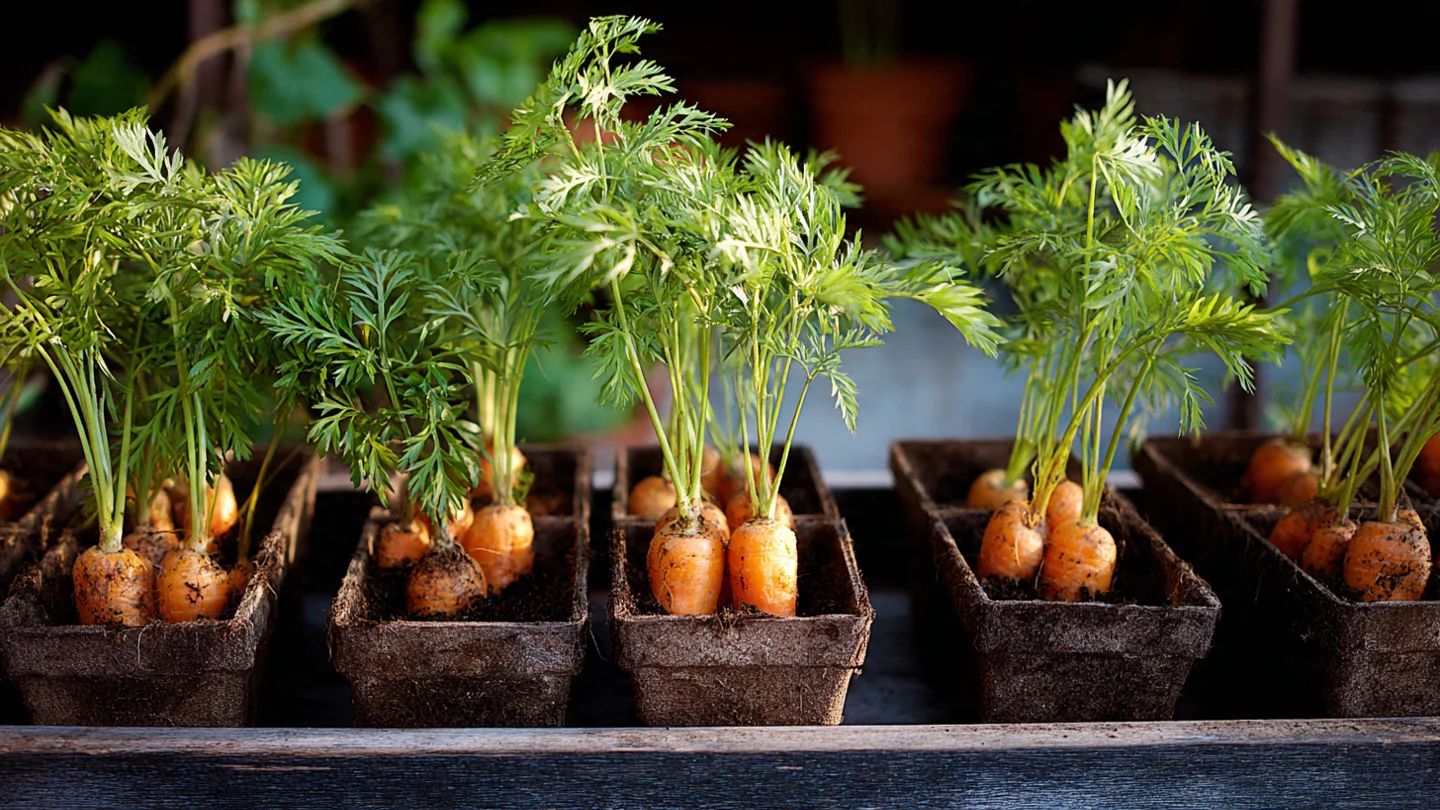
Same soil temperature requirements apply to containers. Containers warm faster in spring than in-ground beds because more sun exposure surrounds the growing medium. You can start container plantings 1-2 weeks earlier than in-ground plantings.
Containers cool faster in fall, potentially ending your fall harvest earlier than in-ground plantings. Choose your container strategy based on whether you prefer earlier spring harvests or extended fall harvests.
Greenhouse or Indoor Seed Starting
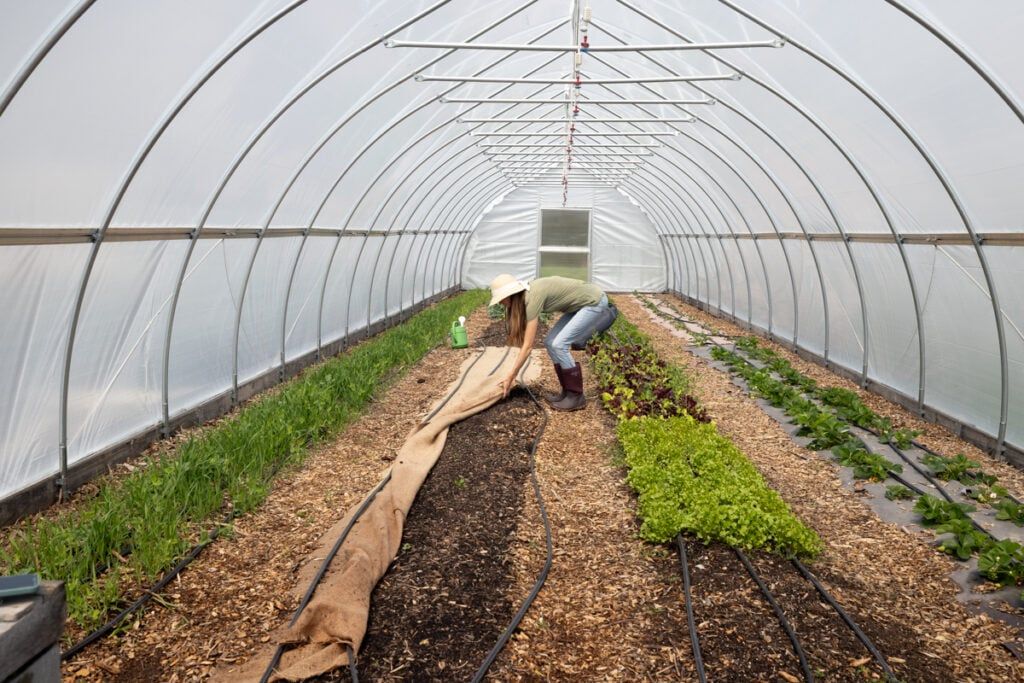
Carrots have long taproots and do not transplant well. Starting carrots indoors is rarely recommended because transplanting disrupts the taproot. Direct sowing in the garden produces superior results. However, if you must start carrots indoors, use deep cells at least 4 inches deep to accommodate the taproot.
Start indoor-sown carrots 4-6 weeks before transplanting outdoors. Handle transplants very carefully to minimize root disturbance. Germination rates drop significantly when carrots are transplanted compared to direct-sown seeds.
Troubleshooting Planting Timing Issues
Common planting problems usually stem from incorrect timing or soil conditions.
Poor Germination: Common Causes
Soil too cold (below 45 degrees Fahrenheit) is the most common cause of poor germination. Wait for warmer soil rather than planting in cold ground. Soil too hot (above 80 degrees Fahrenheit) prevents germination. Plant in fall instead or wait for cooler weather.
Soil too wet from recent rain prevents germination. Wait 3-5 days for soil to dry before planting. Planting in waterlogged soil causes seeds to rot before germinating.
Seeds Germinating Then Dying
Late cold snap after germination kills tender seedlings. Use row covers for frost protection. Soil temperature fluctuations cause seedlings to fail. Wait for stable temperatures before planting. Inconsistent moisture encourages fungal issues. Water consistently but do not overwater.
Planted at Right Time But Crops Failed
Verify soil temperature was actually correct using a soil thermometer. Check that last-frost-date or first-frost-date information is accurate for your location. Consider local microclimates like cooler valleys or warmer hillsides. Ensure soil was properly prepared before planting. Monitor weather for unexpected frost or heat events that disrupt the season.
Using Frost Date Calculators and Tools
Several free online tools simplify planting date calculations.
Finding Your Accurate Frost Dates
Search online: "Frost dates [your city] [your state]" to find accurate local frost dates. Farmers' Almanac website offers interactive frost date maps. Your local county extension office has zone-specific frost date information. USDA Plant Hardiness Zone website provides updated zone maps. Neighbor gardeners can share local frost date knowledge based on their experience.
Online Planting Calculators
Margaret Roach's Planting Calculator (online) calculates specific planting dates based on your frost dates. Johnny's Seeds Planting Calculator provides zone-specific recommendations. Grow Organic Seed Planting Calculator helps identify planting windows.
Most calculators require knowing your frost dates. Input your dates to calculate specific planting dates. Print the calendar for reference throughout your growing season. Bookmark online calculators for quick reference when succession planting.
Frequently Asked Questions
What if I plant carrots after the optimal planting date?
Carrots can still grow but mature slower or during less ideal conditions. For late spring plantings, choose fast-maturing varieties. For late fall plantings, expect small baby carrots rather than full-size roots.
Can I plant carrot seeds directly in soil or must I start indoors?
Carrots must be direct sown outdoors. Starting indoors is not recommended due to their long taproots. Direct seeding produces superior plants.
How do I know if my soil is ready if I do not have a soil thermometer?
Wait until soil is workable (not soggy), typically 2-3 weeks before your known last frost date. Invest in an inexpensive soil thermometer for greater accuracy.
Can I plant carrots in summer if my spring crop failed?
In most zones, summer is too hot. Wait for fall conditions when soil begins cooling. Late July and August planting often works better than summer attempts.
Why do fall-planted carrots taste sweeter than spring-planted carrots?
Frost exposure increases root sugar content as natural protection against freezing. Spring carrots mature before frost exposure occurs.
Conclusion
Timing transforms carrot cultivation from frustrating to successful. Most planting mistakes come from planting too late, not early. Use frost dates and soil thermometers as your primary guides. Succession planting provides continuous carrots rather than single bulk harvests.
Fall crops often outperform spring crops in terms of quality and sweetness. Start with accurate frost dates for your zone, use a soil thermometer to confirm temperature, and plant your first batch of carrots this week. Track your planting and growth using Plantlyze.com to monitor plant health and catch any issues early. Success comes from consistent observation and adjustments based on what your garden shows you.
References
UC Agricultural Extension
https://www.ucanr.edu/Joe Gardener (University Extension Educator)
https://joegardener.com/how-do-i-grow-carrots/Farmers' Almanac (Established 1818)
https://www.farmersalmanac.com/calendar/gardening