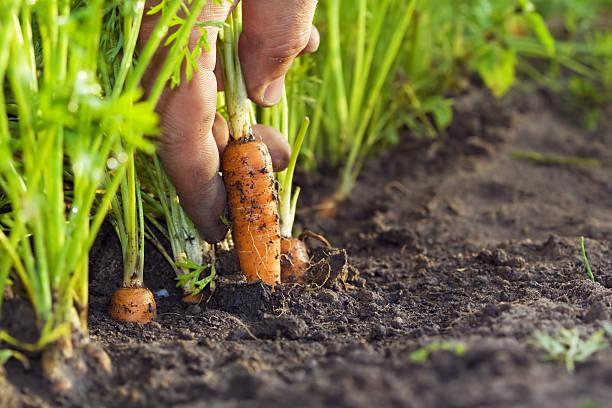
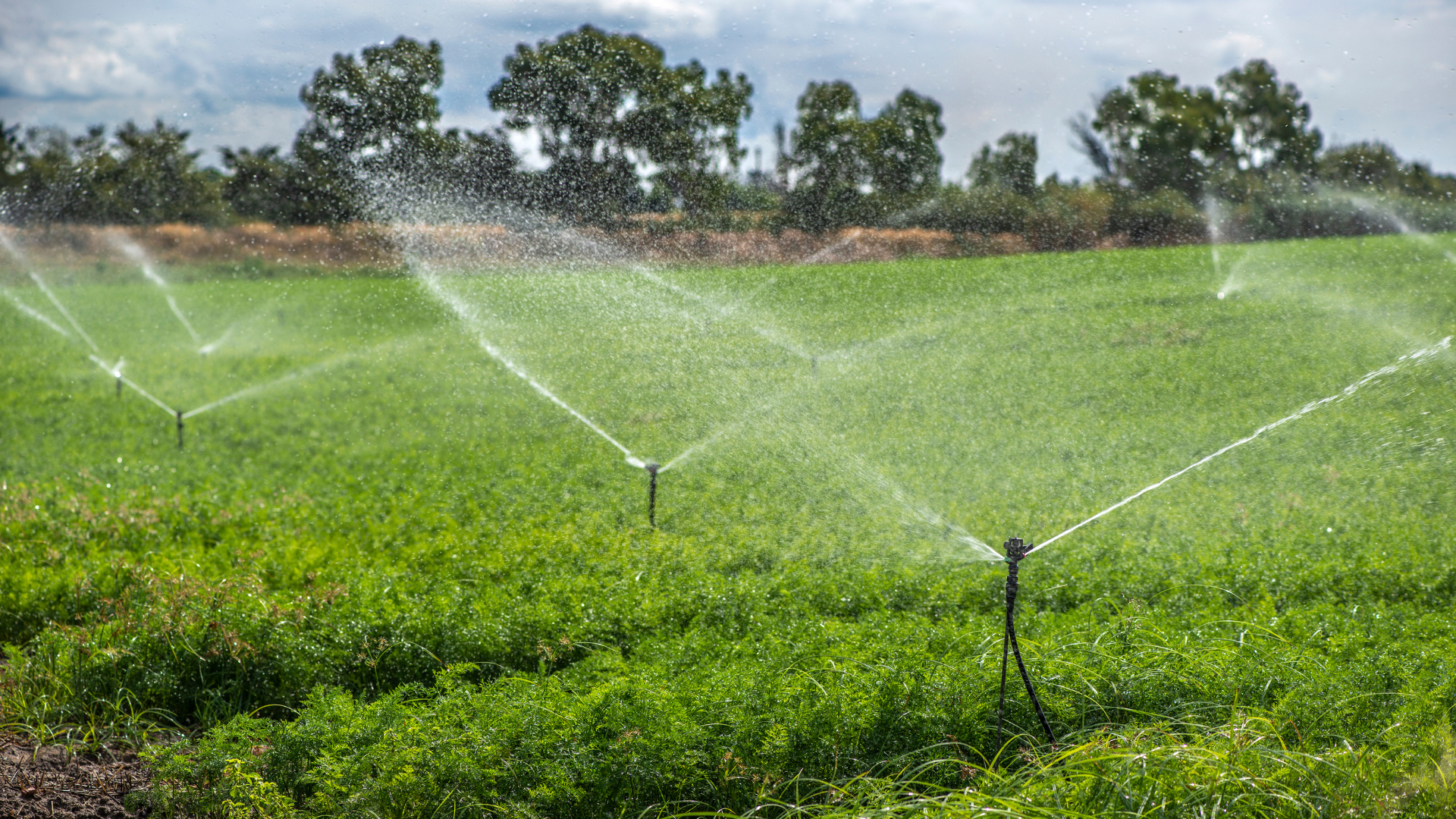
Growing carrots looks simple on paper but in real life it is easy to end up with tiny roots split roots or lots of leaves and very little to harvest. In most home gardens the main cause is not pests or poor seed quality but irregular watering.
This carrot watering guide will walk you through exactly how much water carrots need at each stage how often to water in different climates and soils and how to spot problems before they ruin your crop. The aim is to keep things practical and friendly so you feel confident every time you pick up your watering can.
If you like gentle support along the way you can also log your carrot bed in Plantlyze the AI powered plant care and diagnosis tool. Plantlyze can send you smart reminders and help you understand what your plants are telling you if something looks wrong.
Understanding carrot water needs
Carrots are root crops which means the part you eat grows under the soil. For roots to grow straight sweet and crunchy they need steady moisture. Big swings between very dry soil and sudden heavy watering are one of the main reasons carrots crack split or become woody.
Think of carrot soil as a sponge that should stay moist but not dripping. When you press your fingers into the soil it should feel damp and cool but not muddy. If soil turns to dust in your hand it is too dry. If it sticks in heavy clumps and leaves water on your fingers it is too wet.
Most home vegetable beds aim for around two and a half to three and a half centimeters of water per week from rain plus irrigation. This is only a starting point. Sandy soils dry faster and need more frequent watering while clay soils hold water longer and need less frequent watering but better drainage.
Because every garden is different it helps to combine simple rules with ongoing observation. If you like keeping records you can save your soil type location and planting date in Plantlyze so the tool can help you adjust watering suggestions to your climate and season.
Watering carrots by growth stage
Carrots do not need the same watering routine from seed to harvest. Matching your watering to the growth stage is one of the easiest ways to avoid problems.
Stage one carrot seeds and germination
Carrot seeds are tiny and slow to sprout. They can take up to three weeks to germinate especially in cool soil. During this time the top layer of soil must stay consistently moist. If it dries out the seeds may never sprout or they may germinate unevenly.
Use a fine watering can or a gentle spray to moisten the top few centimeters of soil once or twice a day in warm weather and at least every second day in cooler weather. The goal is to keep the surface from forming a dry crust without flooding the bed or washing seeds away.
If you live in a hot or windy area consider covering the seed row with a light layer of compost or a thin mulch after sowing. This helps the soil stay evenly moist. Check under the cover regularly and remove any thick crust that might stop seedlings from pushing through.
Stage two seedlings and true leaves
Once the first fine leaves appear you can reduce the frequency of watering slightly but you still want the soil to stay evenly moist. At this stage roots begin to grow downward and need moisture deeper in the soil.
A good habit is to use the finger test. Push your finger into the soil up to the second knuckle. If the top three to four centimeters feel dry it is time to water. If the soil still feels cool and damp wait another day and check again.
Aim for a deep gentle watering that moistens the soil down to at least ten centimeters. Deep watering encourages roots to grow downward which leads to stronger plants and straighter carrots. Frequent shallow watering keeps roots near the surface and can make plants more sensitive to hot dry spells.
Stage three growing roots and bulking up
When the green tops are strong and the shoulders of the carrots begin to form under the surface the plants are in their main growth stage. This is the time when irregular watering causes the most damage.
Your goal now is steady moisture all the way through the root zone. In many gardens this means a deep watering every three to four days in warm dry weather and once a week in cooler or more humid weather. Always adjust using the soil test rather than a fixed calendar.
Raised beds and containers tend to dry faster than open ground especially in sunny positions. If your carrots grow in pots or boxes feel the soil more often. You may find you need to water every one to two days in hot weather to keep the top several centimeters from drying out completely.
Recording these patterns in Plantlyze can help you see how often your particular bed dries out during different parts of the season. That makes it easier to fine tune your schedule next time you sow carrots.
Stage four mature carrots close to harvest
As carrots approach harvest size you can slightly reduce the frequency of watering. The aim is to keep the soil just moist enough that the roots do not dry out or become woody while also avoiding sudden heavy soakings that can cause cracking.
Do not let the soil become bone dry or leave plants wilted for long periods. Instead give a moderate deep watering when the soil feels dry a few centimeters down. This helps maintain flavor and texture without encouraging rapid swelling that breaks the skin.
How often to water carrots in different conditions
The right schedule depends on climate and soil type more than on any single rule. Use the guidelines below as starting points then adapt to what you see in your own bed.
In hot dry climates soil loses moisture quickly through heat and wind. Carrot beds in full sun may need deep watering every one to two days during heat waves especially in sandy or raised beds. A light layer of organic mulch such as straw or shredded leaves can make a big difference by shading the soil and slowing evaporation.
In cool or rainy climates the main risk is waterlogged soil and root rots. If your garden receives regular rain you may only need to water once a week or even less. Focus instead on drainage by using raised beds and avoiding compacted heavy soil. If puddles remain on the bed after rain your carrots are at risk of rot and you should improve drainage rather than adding more water.
Soil type also plays a major role. Sandy soil lets water drain away quickly so it needs more frequent but moderate watering. Clay soil holds water much longer so it needs less frequent watering but it is important not to flood it as excess water can suffocate roots. Loamy soil sits in between and is usually the easiest for carrots as it drains well but still holds plenty of moisture.
A simple practical rule is this. If the top two to three centimeters of soil are dry and the layer below feels only slightly damp give a deep watering. If the top layer is dry but the soil below is still clearly moist you can usually wait another day. Over time this habit teaches you to read your soil and climate together which is far more reliable than following a fixed calendar.
You can also note your observations in Plantlyze together with weather changes. Over a season this builds a clear pattern of what your carrots like in your specific garden.
Signs of overwatering and underwatering
Learning to read the plants themselves is just as important as learning to read the soil. Carrots show clear signs when they receive too much or too little water.
Signs of overwatering carrots
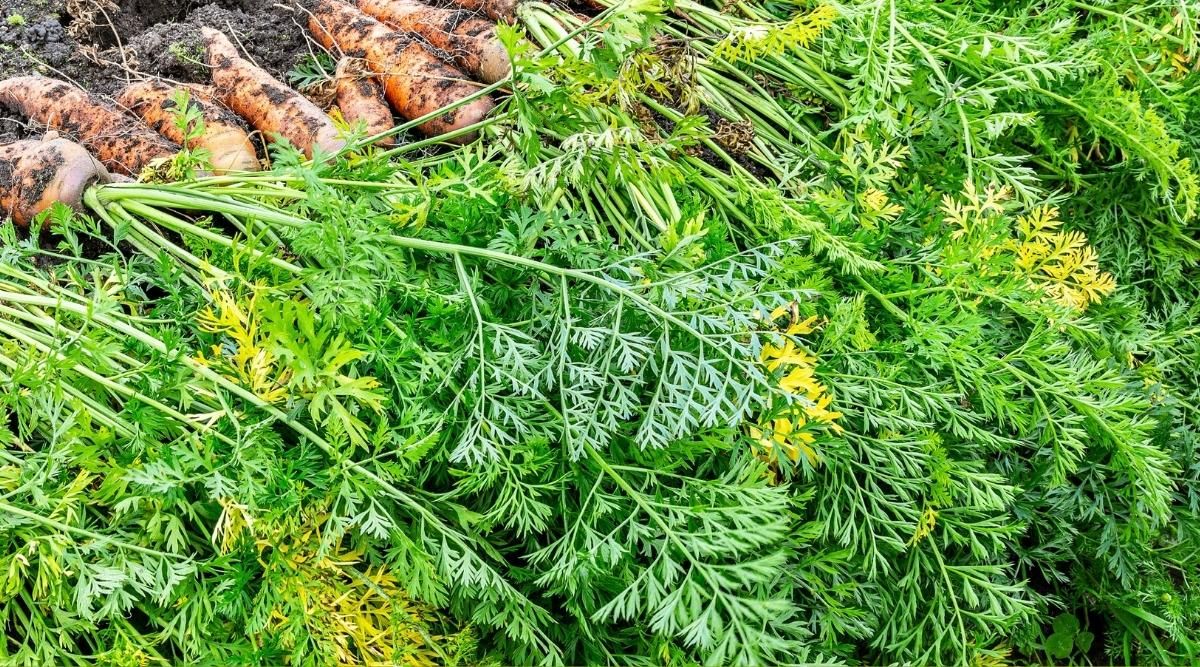
Overwatered carrots often have pale or yellowing leaves starting from the lower foliage. The soil may look constantly wet or muddy and there may be a sour smell. Roots can become soft or start to rot especially if the bed has poor drainage. Fungal diseases such as leaf spots or molds become more common in these conditions.
If you notice these signs let the soil dry slightly before the next watering and improve drainage where possible. In containers make sure there are enough drainage holes and that water is not pooling in a saucer. In the ground consider adding organic matter and avoiding walking on the bed which compacts soil.
Signs of underwatering carrots

Underwatered carrots often have limp or drooping leaves during the day. If they perk up again in the evening the plant is under some stress but still coping. If the leaves stay limp or begin to turn brown at the tips the plant has been too dry for too long.
Roots from underwatered plants are often small hard and woody with a strong or bitter flavor. The soil will usually feel dry well below the surface and may pull away from the edges of containers or raised beds.
When you see these signs water deeply and slowly so that the root zone is rehydrated. Quick light splashes usually only wet the top layer and do not solve the problem.
If you are unsure whether your plants are suffering more from too much or too little water take a clear photo of the foliage and soil surface and upload it to Plantlyze. The tool can help you interpret what you see and suggest the most likely cause together with simple next steps.
Practical watering techniques and tools
Good watering is about method as much as amount. A few simple techniques can transform your carrot bed.
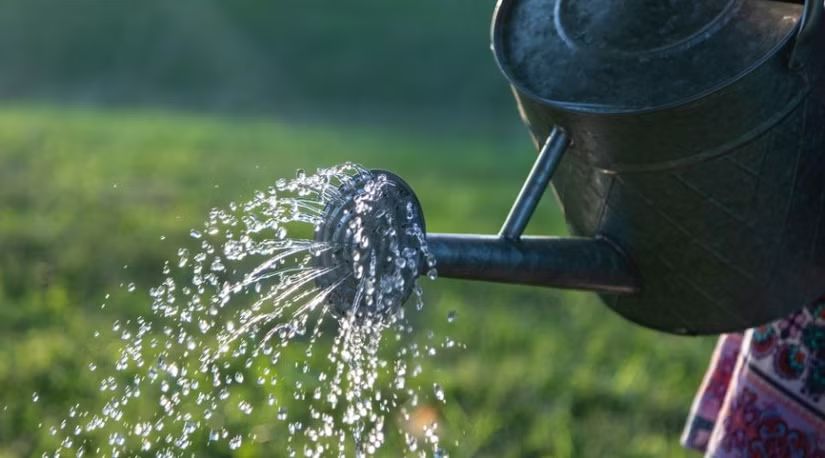
Use a watering can with a fine rose or a gentle spray setting on a hose. Strong streams of water can wash away seeds damage seedlings and create uneven soil levels. Gentle slow watering lets water soak down instead of running off the surface.
Many gardeners find that soaker hoses or drip irrigation lines give the best results for carrots. These deliver water right to the soil surface at a slow steady rate which keeps moisture even in the root zone and reduces evaporation. Lay the lines along the rows and cover them lightly with mulch for best effect.
Whenever possible water early in the morning. This gives plants time to absorb moisture before the heat of the day and leaves foliage dry by evening which lowers the risk of fungal disease. Evening watering is better than not watering at all in hot conditions but take care not to leave leaves constantly wet overnight.
Before you put away your watering tools do one last check with your fingers to confirm that moisture has reached the depth of the roots. Over time this habit becomes second nature.
Common carrot watering mistakes and how to fix them
Several common patterns cause most watering related carrot problems. Once you recognize them they are easy to correct.
Heavy infrequent soaking that alternates with very dry soil
This pattern often leads to cracked and split roots. Fix it by watering more often but with slightly smaller amounts so the soil stays uniformly moist.Very light daily sprinkling
This keeps only the top layer wet and encourages shallow roots. Switch to fewer but deeper waterings so moisture reaches at least ten to fifteen centimeters deep.Ignoring local weather
Watering on the same schedule regardless of rain or heat wastes water and stresses plants. Pay attention to the forecast and reduce watering after heavy rain. During hot dry spells increase deep watering and check soil more often.Poor drainage
Even perfect watering cannot rescue carrots planted in waterlogged soil. If water regularly sits on the bed after rain it is time to improve drainage with raised beds organic matter and less compaction.
If you tend to forget watering days during busy weeks you can set up gentle reminders in Plantlyze based on your usual pattern. When a heat wave is coming you can adjust the schedule in the app and get a notification at the right moment to protect your carrots.
Simple seasonal routine example
For a temperate climate a simple seasonal routine might look like this once seeds have germinated and seedlings are established.
Early spring when temperatures are mild
Deep watering once or twice a week depending on rainfall.Late spring as days warm up
Deep watering every three to four days plus extra checks during windy periods.Peak summer
Deep watering every one to two days in raised beds or containers and every two to three days in open ground if rain is scarce. Use mulch to keep the soil cooler and reduce evaporation.Late season near harvest
Slightly reduce frequency while keeping the soil from becoming completely dry.
Remember this is only a sample. Your own garden may need more or less water. Use the soil test and plant signs as your main guides and treat any calendar as a flexible starting point.
Conclusion and gentle Plantlyze call to action
Healthy carrots come from steady habits rather than complicated tricks. Keep the soil in the root zone evenly moist avoid big swings between very dry and very wet and match your watering to both the growth stage and the weather. Learn to read the feel of your soil and the look of the leaves and you will quickly notice when something is off.
If your first carrot bed did not turn out the way you hoped you are not alone. With a simple routine and a bit of observation your next sowing can be far more successful.
For extra support you can add your carrot patch or container garden to Plantlyze. The tool can remind you when to water during hot spells store your own notes about soil and climate and help you diagnose stress with quick photo checks. Visit plantlyze.com to explore how it can fit into your gardening routine and keep your carrots and other crops thriving.
Steps to improve readability of this guide
You can further polish this article for your readers by following these steps during editing.
Keep paragraphs short
Aim for three or four sentences per paragraph so the text is easy to read on mobile screens.Use clear subheadings
Make sure every major idea has its own heading so readers can jump straight to the part they need such as watering in containers or signs of overwatering.Highlight key actions
When you describe a practical step such as using the finger test or watering in the morning place it in its own short sentence so it stands out.Simplify long sentences
Break any very long sentence into two shorter ones. Replace complex terms with simple words or add a short explanation in brackets the first time you use them.Check for smooth Plantlyze mentions
Make sure each mention of Plantlyze feels like a friendly suggestion not a hard sell. The focus should stay on helping the reader grow better carrots with the app as an optional helper.
References
University of Illinois Extension Watch Your Garden Grow Carrots
https://web.extension.illinois.edu/veggies/carrots.cfmUniversity of Arizona Cooperative Extension – Water Use in Vegetables Carrots
https://extension.arizona.edu/sites/extension.arizona.edu/files/pubs/az1134-2014.pdfNova Scotia Agricultural College Potato and Carrot Research Program – Water Requirement and Irrigation Management for Optimizing Carrot Yield and Quality
https://www.irrometer.com/pdf/ext/Carrot_Irrigation_NSAC_2.pdfUniversity of Wisconsin Extension – Growing Carrots in Home Gardens
https://milwaukee.extension.wisc.edu/files/2016/11/CarrotsWSU.pdfTexas A and M Aggie Horticulture – Carrot Commercial and Specialty Crop Guide
https://aggie-horticulture.tamu.edu/vegetable/wp-content/uploads/sites/10/2011/10/carrot1.pdf