There is a moment that every gardener experiences. You pull up a carrot after months of careful watering and weeding, only to find a thin, woody root that tastes bitter and breaks in your hand. You wonder what went wrong. The truth is simple. Your carrot was hungry.
Carrots are not casual eaters. They are medium to heavy feeders that draw significant nutrients from the soil to build sweet, crunchy roots. Without consistent, thoughtful feeding, even the best soil will eventually leave carrots undersized, pale, and disappointing. Yet fertilizing carrots is not complicated. It just requires understanding what carrots need, when they need it, and how to deliver nutrients without causing damage.
This guide walks through the complete feeding cycle from soil preparation through harvest. You will learn what nitrogen, phosphorus, and potassium do for carrots, when to apply each, how to spot deficiency signs, and how plantlyze dot com can help you track your feeding schedule so you never wonder if it is the right time to fertilize. Even if you have never fertilized a vegetable bed before, by the end you will feel confident feeding carrots exactly what they want.
Understanding Carrot Nutrient Needs
Carrots live underground, bulging and sweetening in darkness. For this to happen, they need a steady supply of nutrients that most home garden soil cannot provide on its own. Poor soil leads to stunted roots, weak pale foliage, and roots that taste woody or bitter instead of sweet. This is why fertilizer is not optional. It is the difference between a disappointing crop and a rewarding one.
Carrot roots need more than just the big three nutrients. They also rely on micronutrients like boron and potassium to develop proper texture, sweetness, and resistance to disease. If your soil is depleted or if carrots grew in the same bed last year, the nutrient bank is likely empty. This is where a soil test becomes invaluable.
A soil test tells you exactly what your bed has and what it lacks. Most universities and agricultural extension services offer affordable soil testing that takes six to eight weeks to return results. This timing actually works well for planning. Test in the autumn and you have time to add compost or amendments before spring planting. Test in early spring and you can adjust before seeding. A soil test also reveals your soil pH. Carrots prefer slightly acidic to neutral soil, around 6.0 to 6.8 pH, where nutrients are most available to roots.
Without a soil test, you are essentially fertilizing in the dark, hoping that what you apply is what the soil actually needs. With one, you become precise and purposeful.
The Three Main Nutrients for Carrots NPK
Nitrogen phosphorus and potassium are the three macronutrients that plants use in large quantities. For carrots, each plays a distinct and critical role.
Nitrogen fuels early growth
Nitrogen is the growth nutrient. It fuels leafy green expansion and is most important early in the carrot growing season. A seedling needs nitrogen to build stems and leaves so it can capture light and energy. During the first four to six weeks, a generous nitrogen feeding helps the carrot tops flourish.
But there is a catch. Too much nitrogen late in the season actually delays root bulking and reduces sweetness. The plant keeps pushing new leaves instead of concentrating energy into the root. This is why timing nitrogen is as important as applying it.
A sign of nitrogen deficiency is pale or yellowish foliage, especially on the lower older leaves. The newest growth at the tips may still look green, but the older leaves fade to a sickly yellow. If you see this during the first half of the season, a light nitrogen feeding like fish emulsion or a dilute balanced fertilizer will help, with improvement visible within one to two weeks.
Phosphorus supports root development
Phosphorus works quietly but powerfully. It supports root development, flower formation if the plant ever bolts, and overall plant vigor. Phosphorus is also crucial for energy transfer and root cell structure. Without enough phosphorus, carrots struggle to bulk properly.
Phosphorus deficiency is less common than nitrogen issues in home gardens, but when it happens, you see purple tinged foliage and stunted growth. Roots stay thin and fail to develop. If you suspect phosphorus deficiency, apply bone meal or a phosphorus rich fertilizer worked gently into the soil around plants. Keep in mind that phosphorus moves slowly through soil, so this is more of a prevention tool than a quick fix. It is why a pre plant soil application of bone meal or rock phosphate is so valuable. It is already in place when roots need it.
Potassium strengthens cells and improves flavor
Potassium strengthens cell walls, improves flavor, and helps the plant resist stress. It also plays a direct role in carrot quality. Potassium helps roots develop proper texture and increases sugar content, making carrots sweeter. This is why a potassium rich feeding during the root bulking stage can have a dramatic effect on final flavor.
A sign of potassium deficiency is yellowing leaf edges while the center of the leaf stays green. You may also see stunted roots or weak foliage. Often potassium deficiency shows up during drought or stress because the plant cannot absorb what is available. Recommend an immediate light watering followed by a potassium rich fertilizer such as wood ash or potassium sulfate, diluted to avoid burn. Combining water and potassium helps the plant recover.
The ratio matters
A typical NPK ratio for carrots might be 5 to 10 to 10 or similar balanced to potassium leaning formulas. Ratios matter because feeding too much of one nutrient can actually block uptake of others. For example, too much potassium can lock up magnesium. This is why a balanced approach through the season works better than one massive feeding of a single nutrient.
A soil test gives you the clearest picture of which nutrients your specific bed needs most, so you can tailor your approach rather than guessing.
When to Fertilize Carrots Through the Growing Season
Timing is everything. Carrots respond dramatically to consistent feeding at the right moments and perform poorly when feeding is random or off schedule.
Before planting prepare the foundation
Six to eight weeks before you plant carrot seeds, take a soil sample and send it to your local extension service. This timing allows amendments six to eight weeks to work into the soil, adjusting pH and nutrient levels before roots go in the ground.
Work compost or aged manure into the top few inches of soil. A generous layer of compost creates a slow release nutrient bank that feeds carrots throughout the season. If your compost is truly rich and well finished, this step alone is often enough for carrots to thrive without any additional fertilizer later. However, most home gardeners benefit from additional feeding during the season, especially if they are growing carrots for maximum size or sweetness.
At seeding time protect the seeds
Carrot seeds are tiny and sensitive to salt burn from fresh fertilizer, so avoid placing fertilizer right on seeds. Instead, create a nutrient rich zone just below the seed line where roots will reach after a few weeks. This can be done by mixing balanced organic fertilizer into the top three to four inches of soil before you make the seed furrow.
The goal is to have gentle nutrition waiting when roots develop, not a shock of salts that damages germination.
During early growth four to six weeks after sprouting
Once seedlings emerge and are clearly growing, it is time for the first real feeding. This feeding should focus on nitrogen to encourage leafy growth. Describe applying a light feeding of nitrogen rich fertilizer or fish emulsion diluted according to label directions.
Compost tea or a balanced fertilizer spray works well at this stage too. The goal is mild, consistent nutrition, not a heavy dose. Think of it as encouraging the plant to build a strong framework of leaves and stems.
During root bulking eight to twelve weeks after seeding
This is the critical feeding window when roots swell and accumulate sugars. Everything the plant has learned to do with sunlight and water now converts into root growth and sweetness. This is where you shift your approach.
Use a fertilizer higher in phosphorus and potassium than nitrogen, such as a 5 to 10 to 10 ratio. This feeding can be the most generous of the season because roots are now deeper and less sensitive to salt burn. In fact, this is typically where a second or even third light feeding happens, depending on soil richness and carrot variety.
Some gardeners split this window into two applications, one around week eight and another around week ten or eleven. This staggered approach ensures steady nutrition without overwhelming the plant.
Late season six weeks before expected harvest
Very late feeding can actually delay harvest and reduce sweetness. As you approach the final stretch, hold off on new fertilizer once carrots are at about three quarters their expected final size. Allowing nitrogen levels to drop slightly before harvest actually improves flavor by concentrating sugars in the roots rather than pushing new growth.
This is counterintuitive to new gardeners who think more feeding is always better. It is not. Timing restraint is a skill.
How to Apply Fertilizer Correctly
Knowing what to apply is half the battle. The other half is delivering it safe so nutrients reach roots without burning foliage or wasting money.
Granular or pellet fertilizer
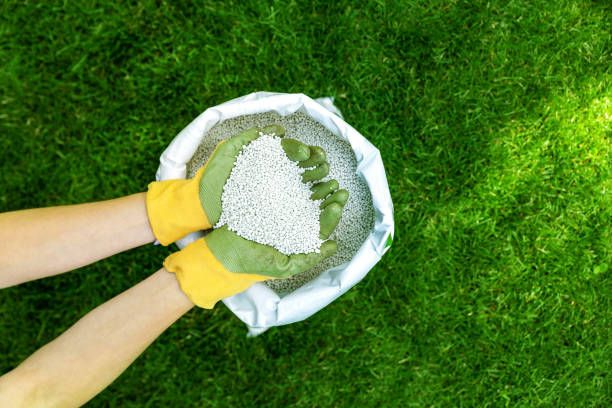
Dry fertilizer works well for carrots if applied thoughtfully. Work granular or pellet fertilizer into the top inch of soil or side dress it along the row. Side dressing means sprinkling fertilizer to the side of the plants, not directly touching them. Keep the fertilizer at least a few inches away from stems and crowns to avoid burning tender foliage.
After application, water well. Watering helps move nutrients into reach of roots and prevents salt burn. This is not optional. Dry fertilizer that sits on dry soil can damage plants. Wet soil carries dissolved nutrients where they need to go.
Liquid fertilizer and fish emulsion
Liquid fertilizers act quickly and are useful when you need fast nutrient delivery. Fish emulsion is a classic choice for vegetables and carrots respond beautifully to it. It smells strong enough to clear a room, but that smell is no accident. The odor comes from sulfur compounds and protein breakdown that make nutrients immediately available to roots.
Dilute fish emulsion according to package directions and water in thoroughly. Liquid feeding is gentler than dry applications and less likely to burn tender seedlings. It also allows you to stop mid season if you see signs of over feeding. You simply skip the next application.
Compost tea and natural ferments
If you have finished compost on hand, you can make a simple compost tea by steeping finished compost in water for a few days, then straining. This delivers a mild, balanced nutrient boost without risk of burn. Compost tea is especially useful for side dressing established plants without harsh effects.
Some gardeners go further and brew fermented plant juices from nettles, comfrey, or other nutrient rich plants. These require more work but offer concentrated natural nutrition.
Foliar spray
Very dilute fertilizer solutions can be sprayed directly on leaves where some nutrients are absorbed. This is useful for quick boosts of micronutrients like boron during critical growth windows. Foliar sprays should be applied in cool early morning or late evening to avoid leaf burn.
Use extreme caution with foliar applications. Boron toxicity is possible if you over spray, and some fertilizers can damage leaves in hot sun.
Timing and frequency
Most home carrot beds benefit from two to three feeding sessions through the season rather than one heavy application. Spacing feedings three to four weeks apart keeps nutrition consistent. Carrots prefer steady nutrition to feast famine cycles. Light regular applications build strong roots without the risk of nutrient lockup or burn.
Organic Versus Synthetic Fertilizer for Carrots
Both paths work for carrots. The choice comes down to your values, budget, and patience.
Organic fertilizers build soil
Organic fertilizers include compost, aged manure, fish emulsion, bone meal, and kelp powder. These release nutrients slowly and build soil health over time. They are less likely to burn roots and require more planning since they work gradually.
Organic methods often cost more upfront and require thinking ahead. You cannot just grab a bag and feed today. You must plan weeks or months in advance. But soil improves year after year. After a few seasons of compost additions, your beds become living, nutrient rich ecosystems that feed plants almost automatically.
Common organic fertilizer NPK examples include fish emulsion at roughly 5 to 1 to 1, bone meal at 3 to 15 to 0, and kelp powder at 1 to 0 to 12. Each brings a different balance, so combining them through the season gives you flexibility to match carrot needs at each stage.
Synthetic fertilizers work fast and precise
Synthetic fertilizers deliver nutrients quickly and are precise in their ratios. They are cost effective and easy to measure and apply. A box of 10 to 10 to 10 fertilizer tells you exactly what you are getting. There is no guesswork.
The trade off is that synthetic fertilizers do not build soil organic matter, so soil needs supplementing with compost. They also require more care in application because overdosing is easier, leading to salt burn and nutrient imbalance. But they work fine for carrots if you read labels and apply thoughtfully.
Hybrid approach combines both
Many experienced gardeners build soil with compost or aged manure before planting as a foundation, then add light synthetic or liquid organic feedings during the season to fine tune nutrition. This method combines the benefits of both approaches, offering flexibility and soil improvement without the extra cost of going fully organic.
Signs of Nutrient Deficiency and How to Fix Them
Sometimes despite your best efforts, a deficiency appears. Reading your plants and responding quickly prevents it from becoming a disaster.
Nitrogen deficiency shows pale or yellow foliage
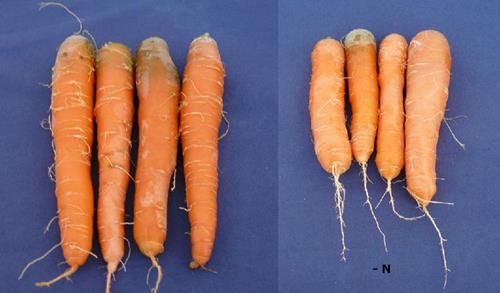
New growth at the tips stays green, but older lower leaves fade to sickly yellow. The plant looks weak and tired. This is nitrogen deficiency, and it happens most often in early season when young plants need fuel to grow.
Recommend an immediate light nitrogen feeding such as fish emulsion or a dilute balanced fertilizer. Improvement should appear within one to two weeks. The pale leaves will not turn green, but new growth will come in healthy and dark.
Phosphorus deficiency causes purple tinged foliage and stunted roots
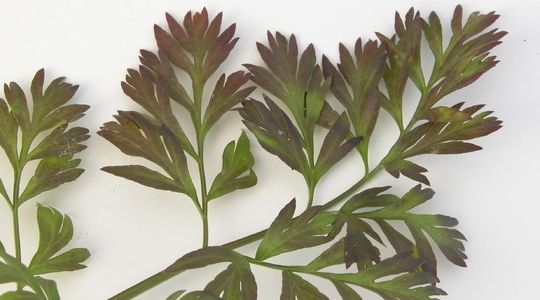
Purple tinged or reddish foliage is a classic sign of phosphorus deficiency. Growth slows dramatically and roots lag behind in development. This is less common than nitrogen issues, but when it happens, it is serious because roots need phosphorus to bulk.
Recommend an application of bone meal or phosphorus rich fertilizer worked gently into soil around plants. Since phosphorus moves slowly, this is more of a prevention tool than a quick fix. Still, consistent phosphorus feeding through the season prevents this problem entirely.
Potassium deficiency shows yellowing leaf edges
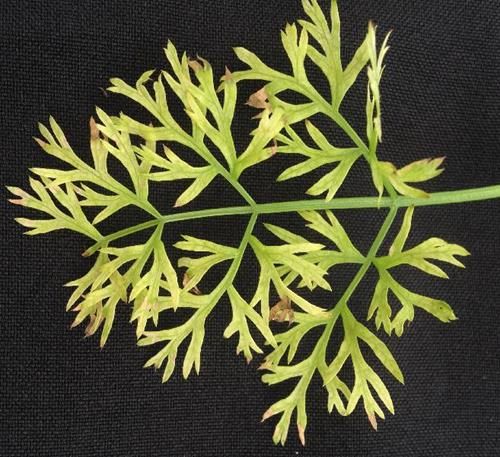
The edges of leaves turn yellow while the center stays green. You may also see weak foliage or stunted roots. Potassium deficiency often appears during drought or stress because the plant cannot absorb what is available.
Recommend an immediate light watering followed by a potassium rich fertilizer such as wood ash or potassium sulfate, diluted to avoid burn. Combining water and potassium helps the plant recover. Within a week or two, new growth should look healthier.
Boron deficiency creates misshapen roots with hollow centers
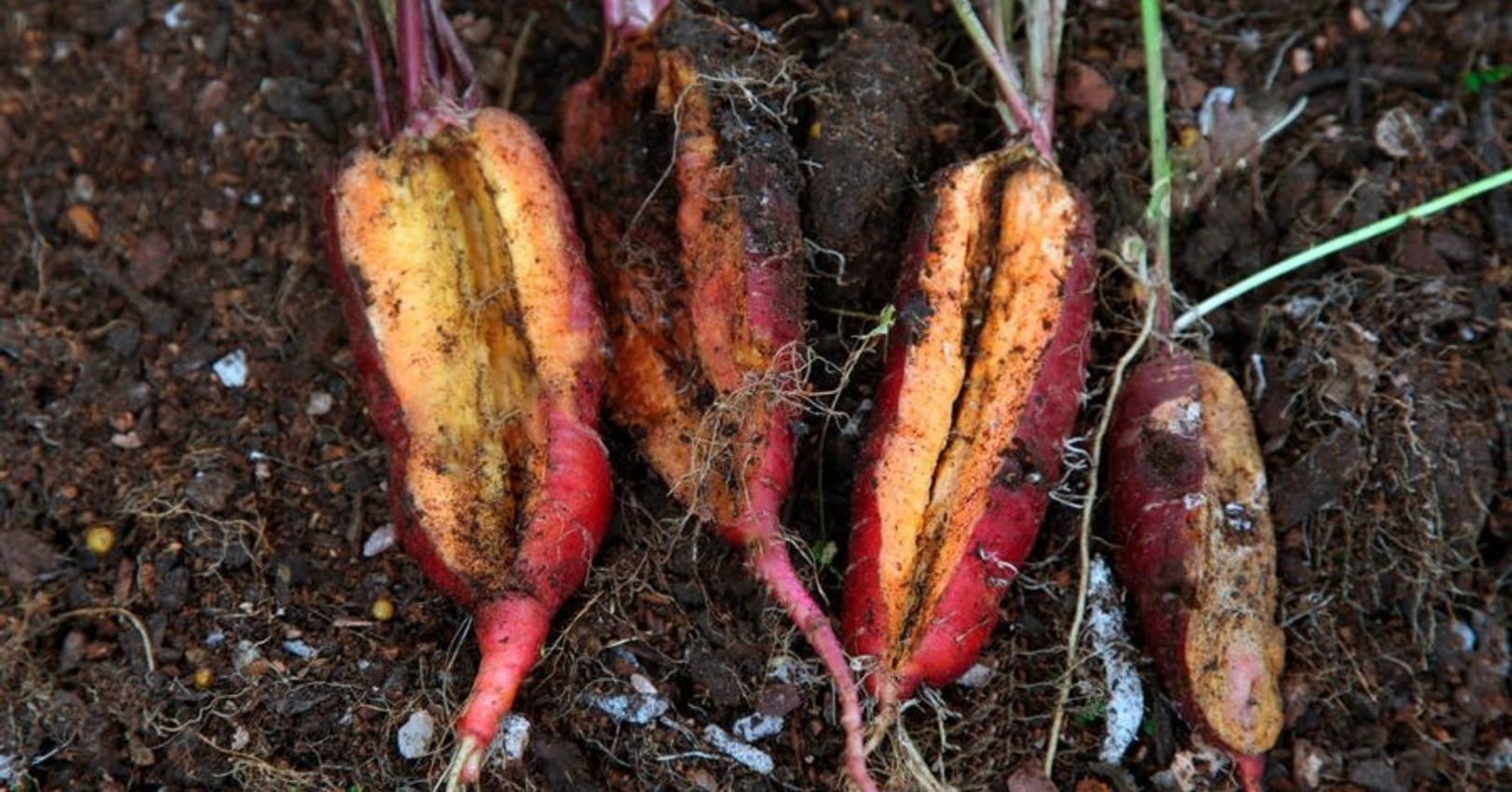
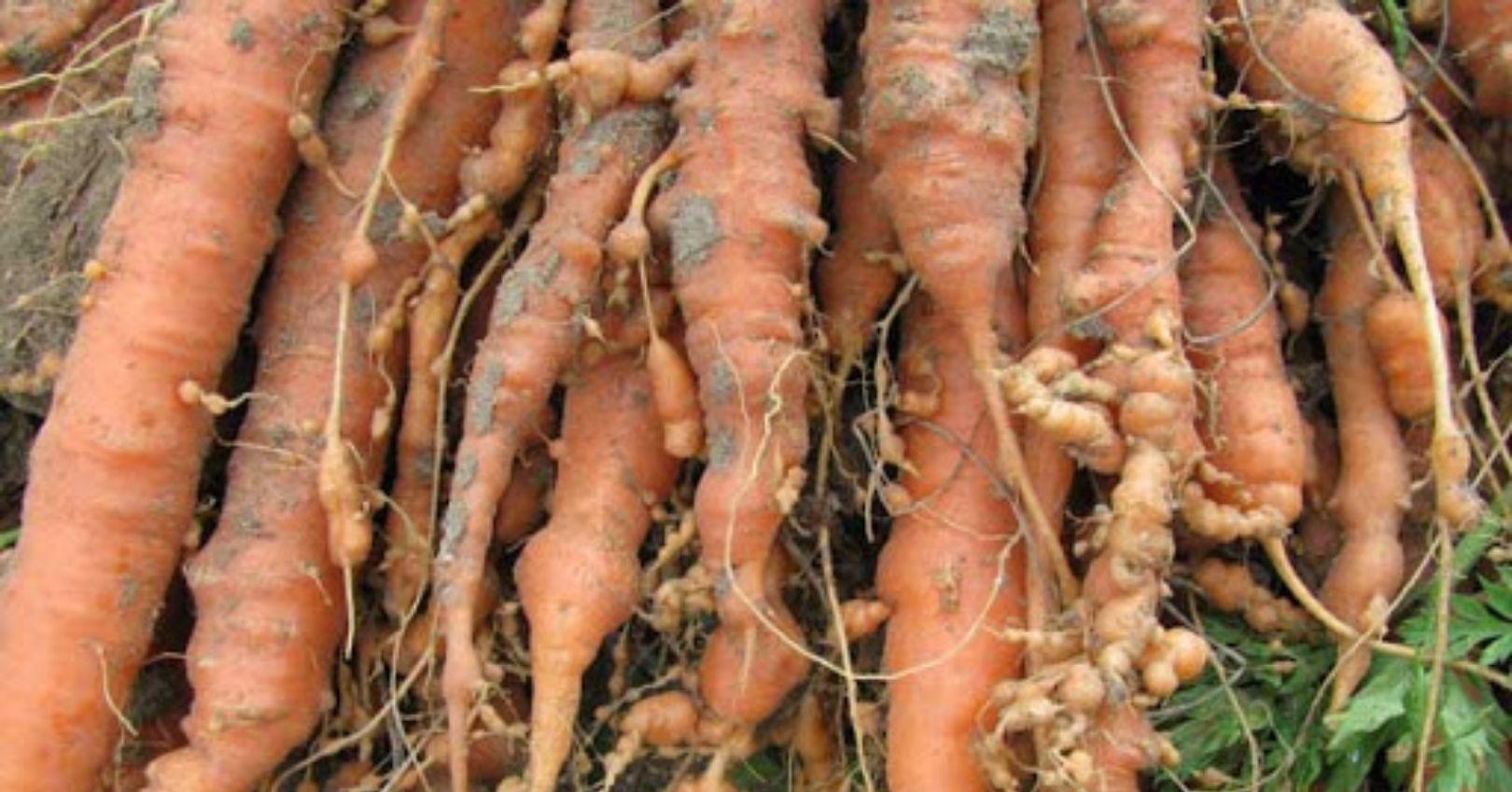
This is rarer but can happen in very sandy or heavily limed soils. Roots come out twisted, misshapen, or with hollow centers and rough texture. The plant looks otherwise healthy, making boron deficiency confusing at first.
Describe the damage and recommend a boron fertilizer product following label directions carefully as boron toxicity is possible. A soil test catches this early before roots are damaged, which is why testing is so valuable.
When to call it a loss and replant
If damage is severe and harvest is still weeks away, sometimes it is better to replant than to chase a deficiency. The learning from the experience prevents the problem next season.
How plantlyze Can Help You Fertilize Carrots Right
Deciding exactly when to feed and what deficiency symptoms mean can still feel uncertain, even with a guide. That is where plantlyze becomes a valuable partner.
Plantlyze is an AI powered plant care and diagnosis tool designed to help home gardeners and small growers match fertilizer to actual plant needs. You enter information such as your carrot variety, sowing date, and location, then upload simple photos of your carrot bed as it develops.
With this data, plantlyze can estimate how many days remain until typical maturity for your specific variety and climate, based on extension style guidance. It can compare photos of your foliage to its knowledge of carrot growth stages and help you judge when the bed has shifted from leafy growth into serious root bulking. The tool can also flag signs of stress in your photos, such as yellowing or pest damage, that might suggest an earlier harvest or a fertilizer adjustment.
When you are ready to try it, visit plantlyze dot com, create a free profile for your garden, and let the assistant help track your carrot sowings and feeding schedule. Over time, you can record what fertilizer you applied, when you applied it, and how plants responded. This personal history helps the AI refine recommendations year after year.
Common Fertilizer Mistakes to Avoid
Learning from others' mistakes saves time and money. Here are the most common errors and how to sidestep them.
Fertilizing carrot seeds directly causes salt burn and poor germination. The tiny seeds are too sensitive for a heavy nutrient load. Prepare soil well before seeding instead, and let seeds germinate in clean, gentle soil.
Applying all fertilizer at once leads to nutrient imbalance and waste. Carrots cannot use all their food at once. Split applications across the season keep nutrition steady and available.
Using high nitrogen fertilizer late in the season delays harvest and reduces sweetness. After week eight or nine, shift to balanced or potassium rich formulas. Restraint is a skill.
Ignoring soil test results and guessing at what carrots need is expensive. Invest in a simple soil test every few years. It costs a few dollars and saves you from fertilizer mistakes worth dollars.
Piling fertilizer directly against plants or crowns causes burn and damage. Side dress at least a few inches away from foliage. Roots will find the nutrients.
Mixing multiple fertilizers without understanding ratios leads to nutrient lockup. Keep fertilizer simple or consult extension guides on safe combinations. More is not always better.
Conclusion
Fertilizing carrots well is one of the quietest victories in the garden. You do not see it happening. You just notice one day that your carrot foliage is deep green and vigorous. Then, weeks later, you pull a root that is thick, orange, and sweet enough to eat raw.
Remember the essentials. Test your soil if you can. Feed early for nitrogen, mid season for phosphorus and potassium, and hold back late in the season. Keep feedings light and consistent. Watch for deficiency signs and respond quickly. Choose organic, synthetic, or a mix that fits your garden and values.
Carrots reward thoughtful feeding with roots that are not just bigger but genuinely sweeter and more satisfying. If you track your planting dates, feeding schedule, and plant photos in plantlyze dot com, you will build a personal record of what works best in your specific garden. Over time, feeding carrots stops feeling like a mystery and becomes a skill you trust.
References
University of Georgia Commercial Production and Management of Carrots
https://fieldreport.caes.uga.edu/publications/B1175/commercial-production-and-management-of-carrots/Utah State University Extension How to Grow Carrots in Your Garden
https://extension.usu.edu/yardandgarden/research/carrots-in-the-gardenUC ANR Carrot Production in California
https://anrcatalog.ucanr.edu/pdf/7226.pdfNorth Carolina State University Guilford County Cooperative Extension Carrots Growing Guide
https://guilford.ces.ncsu.edu/wp-content/uploads/2022/03/Carrots-grow-it.pdfUniversity of Alaska Cooperative Extension Service Growing Carrots in Alaska
https://www.uaf.edu/ces/publications/database/gardening/growing-carrots-alaska.php