Introduction
Growing carrots at home seems simple, but many gardeners end up with forked, woody, or stunted roots. The secret lies not in complexity, but in understanding a few critical factors: soil preparation, consistent moisture, and proper spacing. This guide walks you through every stage of carrot cultivation, from selecting your planting site to harvesting your first batch of vibrant, homegrown carrots.
Throughout this process, you can also monitor your plants' health and catch potential issues early using tools like Plantlyze, which provides AI-powered plant diagnosis and disease identification. Early detection often makes the difference between a thriving garden and crop failure.
Understanding Carrot Growing Conditions
Carrots are deceptively simple to understand once you know what they need. The key is recognizing that carrots are root crops, meaning their success depends entirely on soil conditions and moisture management rather than above-ground foliage.
Why Soil Matters Most
Soil quality is the single most important factor determining carrot success. Carrots require loose, well-drained soil rich in organic matter. Rocky or clay soil causes roots to fork or become stunted because growing carrots cannot push through resistance. Heavy soil needs amendment with compost and should be double dug to improve drainage and aeration.
Carrots prefer a slightly acidic to neutral pH, about 6.0–6.5, but will tolerate soils a little outside this range. Extremely acidic or alkaline soils lock up nutrients and slow growth.[1] Testing your soil takes less time than waiting months for disappointment to set in when carrots don’t grow right because the soil was out of their preferred pH range.[2] If it’s too low or high, add lime to raise it or sulfur to lower it (these work slowly; adjust several weeks before planting if possible).
Sunlight and Temperature Requirements
Carrots require 4 to 6 hours as a minimum of direct sunlight, daily. The greener the tops get, the more sugars accumulated in the roots all because of sunlight or strong light, then full sun location results better and sweeter for carrots than a partial shade location.
Temperature affects germination and growth. The minimum soil temperature for seed germination is 45°F, while an optimum range of 55 to 65°F can be considered for good and rapid germination. Plantlyze High temperatures reduce the rate of germination; in general, a greater proportion of seeds fail to emerge when covered deeply within hot soils at about 80°F or more.[2] This makes spring and fall preferred planting seasons in most areas-in summer’s high heat many gardeners completely skip trying to grow carrots.
Site Selection Checklist
Select your site before you prepare the soil. Your carrot patch should be near a water source for easy irrigation during dry periods. Do not choose areas that get shaded by trees or buildings in the afternoon; this will reduce sunlight, hence energy to the plant. Keep the bed away from lawn sprinkler zones, which most probably overwater and create waterlogged conditions that damage roots. Check that drainage is adequate by observing whether water pools in the area after heavy rain.
Preparing Your Growing Space
Once you've selected your location, soil preparation becomes your primary focus. This is not a step to rush. Carrots will struggle or fail in unprepared soil regardless of your attention to other care requirements.
Soil Preparation Steps
Start by testing your soil pH using a home test kit or professional lab analysis. This reveals whether you need to adjust acidity before planting. Remove all rocks, pebbles, and debris from the top 12 inches of soil. Even small stones cause carrots to split or twist around obstacles.
Work 2 to 3 inches of well-rotted compost or aged manure into the top 8 to 12 inches of soil. This improves both drainage and organic matter content. Apply a slow-release organic fertilizer as recommended by the manufacturer, normally at this stage of preparation. Instruct the double digging for heavy clay soils remove an upper 8 to 12 inches layer break up another layer beneath it then replace the top mixed with compost. This labor-intensive approach produces excellent results for years to come.
Screen or sift your finished soil to remove any remaining rocks or debris. This extra step prevents forked roots and ensures straight carrot development. Plantlyze The investment in thorough soil preparation now prevents constant frustration during the growing season.
Building Raised Beds
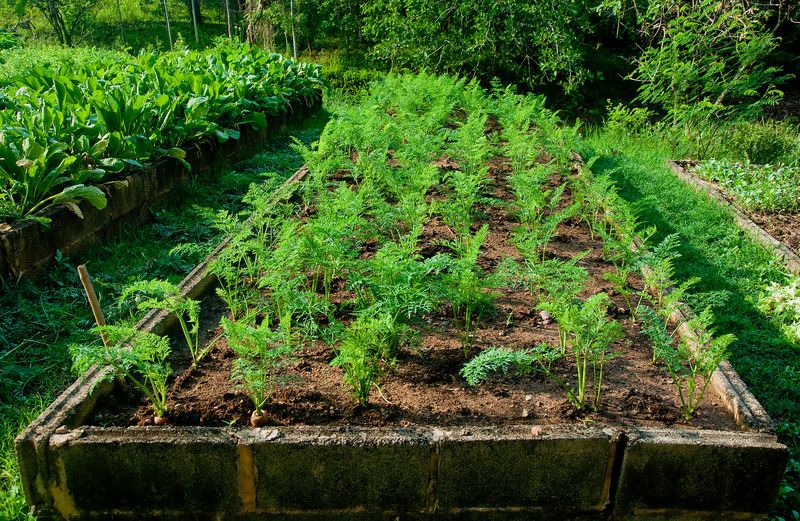
If your native soil is poor or shallow, raised beds offer an ideal solution. Build beds at least 12 inches deep, though 18 inches is better for long carrot varieties. Use untreated wood, galvanized metal, or composite materials that will withstand moisture. Fill beds with a mixture of equal parts quality compost, peat moss, and perlite for ideal carrot-growing medium.
Raised beds provide several advantages: superior drainage, easier pest management, reduced weeding, and the ability to garden in shallow or contaminated soil. Container growing works similarly for gardeners with minimal space. Choose containers at least 12 inches deep and wide enough for proper spacing.
Planting and Germination
Planting carrot seeds is straightforward in concept but requires attention to detail. This is where many gardeners encounter their first challenges.
Timing Your Planting
Soil temperature is the primary planting indicator, not calendar date. Plant when soil reaches minimum 45 degrees Fahrenheit, with 55 to 65 degrees Fahrenheit being optimal. In spring, test soil temperature regularly as warming trends arrive. In fall, calculate backward from your first expected frost date, ensuring carrots have 60 to 80 days to maturity before freezing temperatures arrive.
Succession planting extends your harvest over months. Rather than planting all seeds at once, plant new batches every two to three weeks throughout spring and summer. This provides continuous carrot availability from midsummer through fall. Plantlyze Stop planting 10 to 12 weeks before your first expected frost to allow sufficient time for root maturation.
Sowing Seeds Successfully
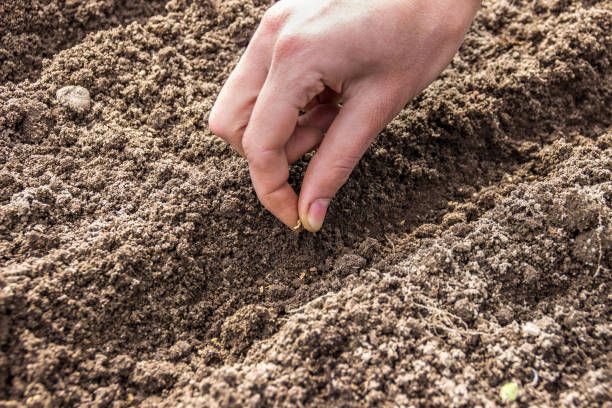
Plant carrot seeds 1/4 inch deep (approximately 5 millimeters). Spacing seeds 1 inch apart initially makes thinning easier later. Plant seeds in rows spaced 8 to 12 inches apart if you are planting multiple rows. Use a seed tape or make a small furrow with your fingertip to maintain consistent depth.
Water the seeded area gently but thoroughly until soil is moist 2 to 3 inches deep. Maintain consistent moisture until seedlings emerge, which may require watering twice or three times daily during hot weather. Burlap or straw can be used to keep the area moist and also prevent crusting of the soil on top. Remove this cover as soon as seedlings start coming out.
Carrot seeds take a long time to germinate. Normally, between 7 and 21 days depending upon temperature, moisture content in the soil ,and viability of seed it takes for complete germination(<5%). Do not lose patience and re-sow thinking that probably the first sowing has failed. Patience is required here.
Understanding Germination Challenges
Germination fails for three primary reasons: inadequate moisture, cold soil temperature, or soil crusting. Germinating seeds need consistently moist (not waterlogged) soil. If the soil surface dries out for even one day during germination, many seeds will fail. Daily watering or drip irrigation systems help maintain the required moisture balance.
Germination accelerates at warmer soil temperatures. Seeds will eventually germinate at 45 degrees Fahrenheit but may take three weeks. At 55 to 65 degrees Fahrenheit, germination occurs reliably in 7 to 10 days. Soil temperature is so critical that many gardeners use a soil thermometer to track exact conditions.
Surface crusting occurs when the soil forms a hard crust that seedlings cannot push through. Prevent this by keeping soil moist until seedlings emerge, then maintaining gentle moisture. If crusting occurs despite your efforts, carefully rake the surface to break the crust without disturbing seeds.
Thinning and Spacing
Once seedlings emerge with their first true leaves, thinning becomes your next critical task. This step separates successful gardeners from frustrated ones.
Why Thinning is Non-Negotiable
Overcrowded carrot seedlings produce stunted, misshapen roots because each plant competes for space, water, and nutrients. One plant per 2 to 3 inches of row space ensures proper root development. Thinning seems wasteful when you discard perfectly healthy seedlings, but it is absolutely essential for edible roots.
Thin seedlings when they are 2 to 3 inches tall with their first true leaves visible. At this stage, seedlings are large enough to handle but small enough that disruption to remaining plants is minimal. Gently grasp Pull unwanted seedlings at soil level and slowly so as not to disturb neighbors. Watering after thinning will resettle the soil around remaining plants.
Some gardeners practice multiple thinnings, first to 1 inch spacing, then gradually to final spacing as plants grow. This less aggressive approach in reducing root disturbance demands more labor.
Row and Plant Spacing Guidelines
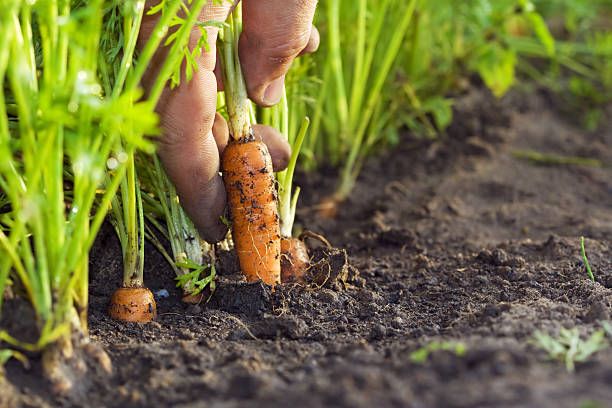
Final spacing depends on the variety of carrots and the size to which the roots are allowed to attain. In standard full-length varieties, such as Nantes or Chantenay, plants may be spaced within rows from 3 to 4 inches apart, with rows from 12 to 18 inches apart for walking and working between plants. This distance will provide good air circulation and enable the expansion of roots.
Small and short Paris Market or Thumbelina can be planted within a 2 to 3-inch space in the row with about 10-12 inches between rows because of their compact growth. Adjust spacing according to the expected maturity size of the variety. Well-spaced carrots develop straight, well-shaped roots of uniform size.
Watering and Moisture Management
Consistent moisture is as critical as soil preparation. Carrots grown with fluctuating water availability develop poor quality roots and are susceptible to disease.
Watering Schedule and Depth
Early in the growing season when carrot greens are establishing, provide 1 inch of water weekly. This can come from rainfall or irrigation. As carrots reach mid-growth and roots develop, increase to 2 inches of water weekly. This deeper watering encourages roots to extend deeper into the soil rather than staying shallow.
Water must reach the full depth of developing roots. Shallow watering encourages hairy roots that branch frequently. Deep watering produces the straight, well-formed roots desired for harvesting. Measure watering depth by inserting a screwdriver into soil after irrigation and stopping at where resistance indicates the moist zone ends.
Drip irrigation is the preferred method for carrots because water reaches roots directly without wasting moisture on foliage. If drip irrigation is unavailable, soaker hoses work well. Avoid overhead watering, which promotes fungal diseases and encourages shallow root systems as roots chase moisture to the surface.
Recognizing Water Problems
Underwatering produces tough, woody roots with slow growth. Carrots stressed by insufficient moisture also attract spider mites and other pests that thrive in dry conditions. If you notice leaves wilting despite visible soil moisture, increase watering frequency immediately.
Overwatering causes hairy roots with excessive side rootlets and can cause roots to split. Root cracking indicates fluctuating moisture where periods of dryness alternate with wet periods. Maintain consistent moisture rather than swinging between extremes.
Mulching around plants conserves soil moisture and helps regulate soil temperature, preventing rapid moisture loss during hot weather. Apply 1 to 2 inches of straw or shredded leaves around plants, keeping mulch 1 inch away from the plant crown to prevent rot. Mulch also suppresses weeds that compete for water and nutrients.
Fertilization and Nutrition
A common mistake is over-fertilizing carrots, which produces excessive greens at the expense of roots. Carrots need moderate nutrition rather than heavy feeding.
Nitrogen Management
Excessive nitrogen causes lush foliage growth but weak, poorly developed roots. If your soil was properly amended with compost during preparation, additional nitrogen may be unnecessary. If side-dressing is needed, apply nitrogen when carrot greens are 4 to 6 inches tall using a balanced organic fertilizer (10-10-10 or similar). This supports root development without promoting excessive leaf growth.
Repeated nitrogen applications throughout the season will push foliage at the expense of root quality. Plantlyze Most carrots succeed with a single fertilizer application or none if compost was thoroughly incorporated during soil preparation.
Phosphorus and Micronutrient Concerns
Phosphorus supports root development and overall plant health. However, excess phosphorus can cause roots to split or develop side shoots that create knobby, misshapen carrots. Do not use fertilizers containing high levels of phosphorus unless a soil test specifically indicates that the land is deficient in phosphorus.
Sometimes calcium and boron deficiencies appear in carrots which result in forking or cavity roots. Rare problems, generally prevented by good compost incorporation at the time of soil preparation. In case the problem occurs, a soil test will indicate the specific deficiency for targeted correction.
Common Pests Affecting Carrots
Several pests target carrots specifically, making pest management knowledge essential. Early detection prevents crop devastation.
Carrot Root Fly
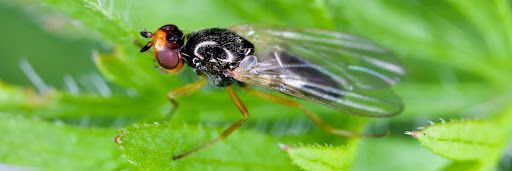
The carrot root fly represents the most destructive carrot pest in many regions. Adult flies lay eggs near carrot plants in spring and summer. Hatching larvae tunnel into roots, creating chambers and making carrots inedible. Once larvae are present inside roots, chemical or biological treatment is futile.
Prevention is the only effective strategy. Crop rotation prevents soil-dwelling larvae from finding carrot plants. Rotate carrots to a different location every three years so pest populations starve from lack of hosts. Companion planting with onions, leeks, or garlic disrupts carrot root fly orientation, reducing egg-laying success. Row covers placed over seedlings and kept in place throughout early growth prevent adult flies from accessing plants.
Aphids and Root-Knot Nematodes
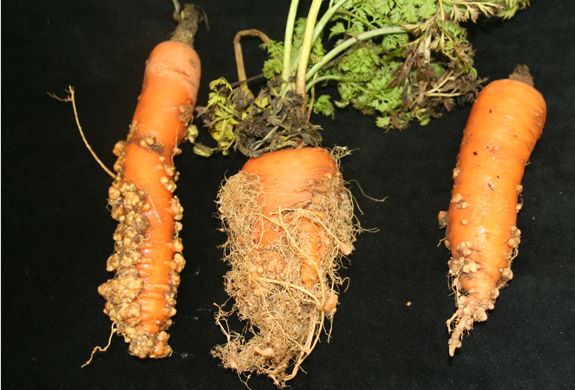
Aphids feed on carrot foliage, causing yellowing and wilting of leaves. Moderate aphid populations cause minimal damage, but heavy infestations stress plants and reduce root development. Spray affected plants with water to dislodge aphids or release natural enemies like ladybugs and lacewings. Neem oil spray works for heavy infestations but should be used cautiously since it can harm beneficial insects.
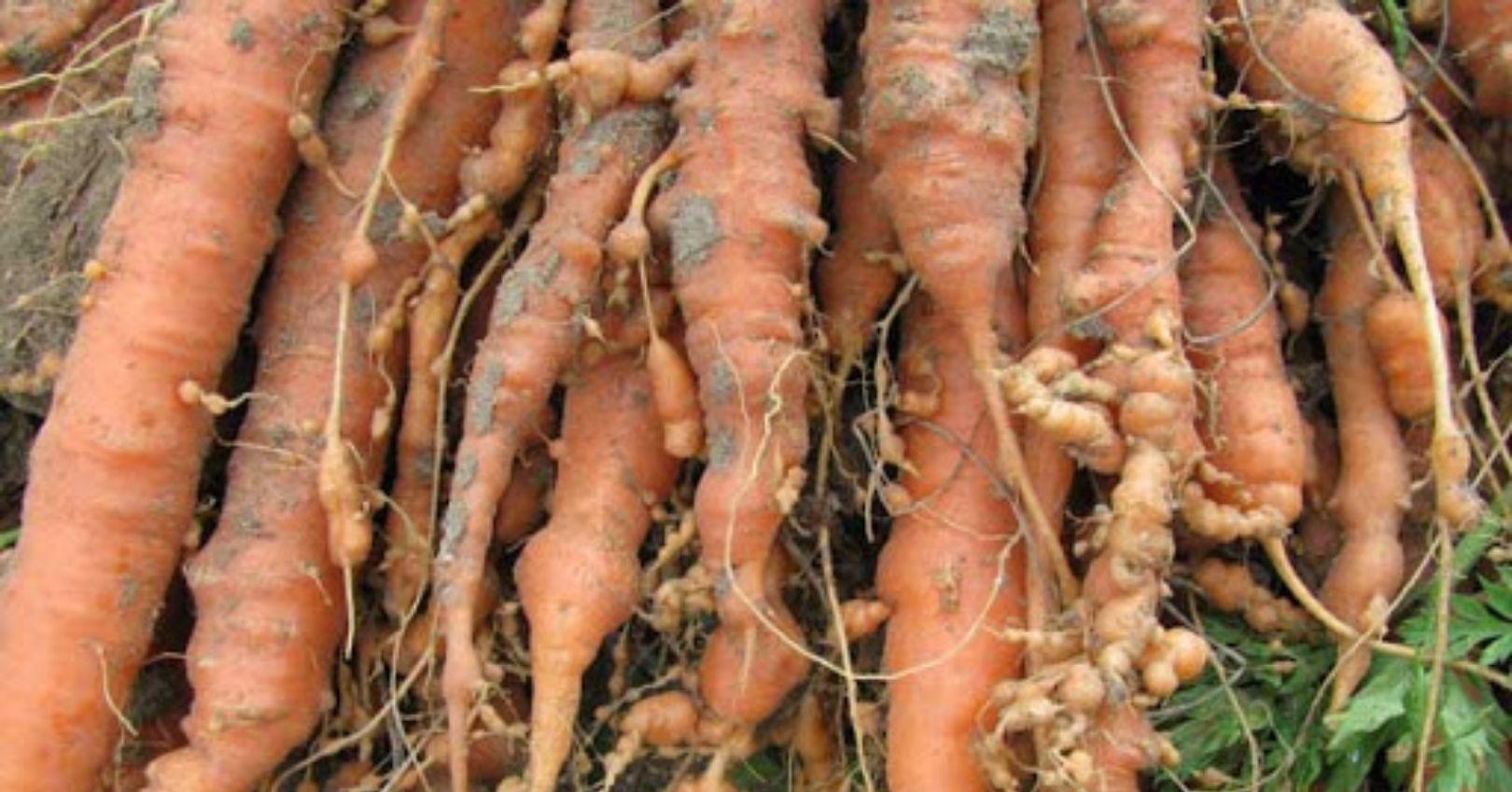
Root-knot nematodes cause galling on carrot roots and result in stunted, misshapen carrots with hairy root systems. Symptoms include wilting and yellowing despite adequate soil moisture. Nematodes thrive in warm soil and persist for years. Plantlyze Crop rotation, soil solarization, and resistant variety selection provide the best control options for nematode infestations.
Wireworms and Other Root Feeders
Wireworms are the larvae of click beetles and feed on carrot roots creating tunneling damage and punctures. Adult wireworms are difficult to see since they feed below ground, but their damage is obvious during harvest. Garlic spray made from blended garlic and water deters some wireworms, though effectiveness varies. Wooden boards placed on soil surface and checked daily collect wireworms that can then be removed and destroyed.
Disease Management and Prevention
Fungal diseases pose ongoing threats to carrot crops, particularly in wet seasons or with inadequate air circulation.
Alternaria Leaf Blight
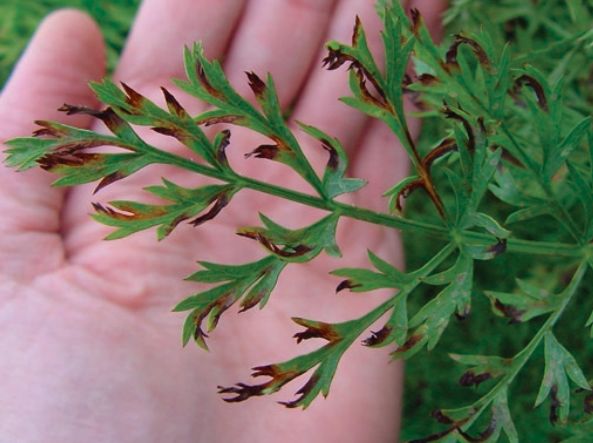
Alternaria leaf blight appears as water-soaked lesions on carrot foliage, often with concentric rings visible on infected leaves. The disease thrives in warm, moist conditions. Prevent the disease by spacing plants for adequate air circulation, watering at soil level rather than overhead, and removing infected leaves promptly. If the disease appears during wet weather, fungicide applications containing copper or sulfur provide control.
Black Rot and Cavity Spot
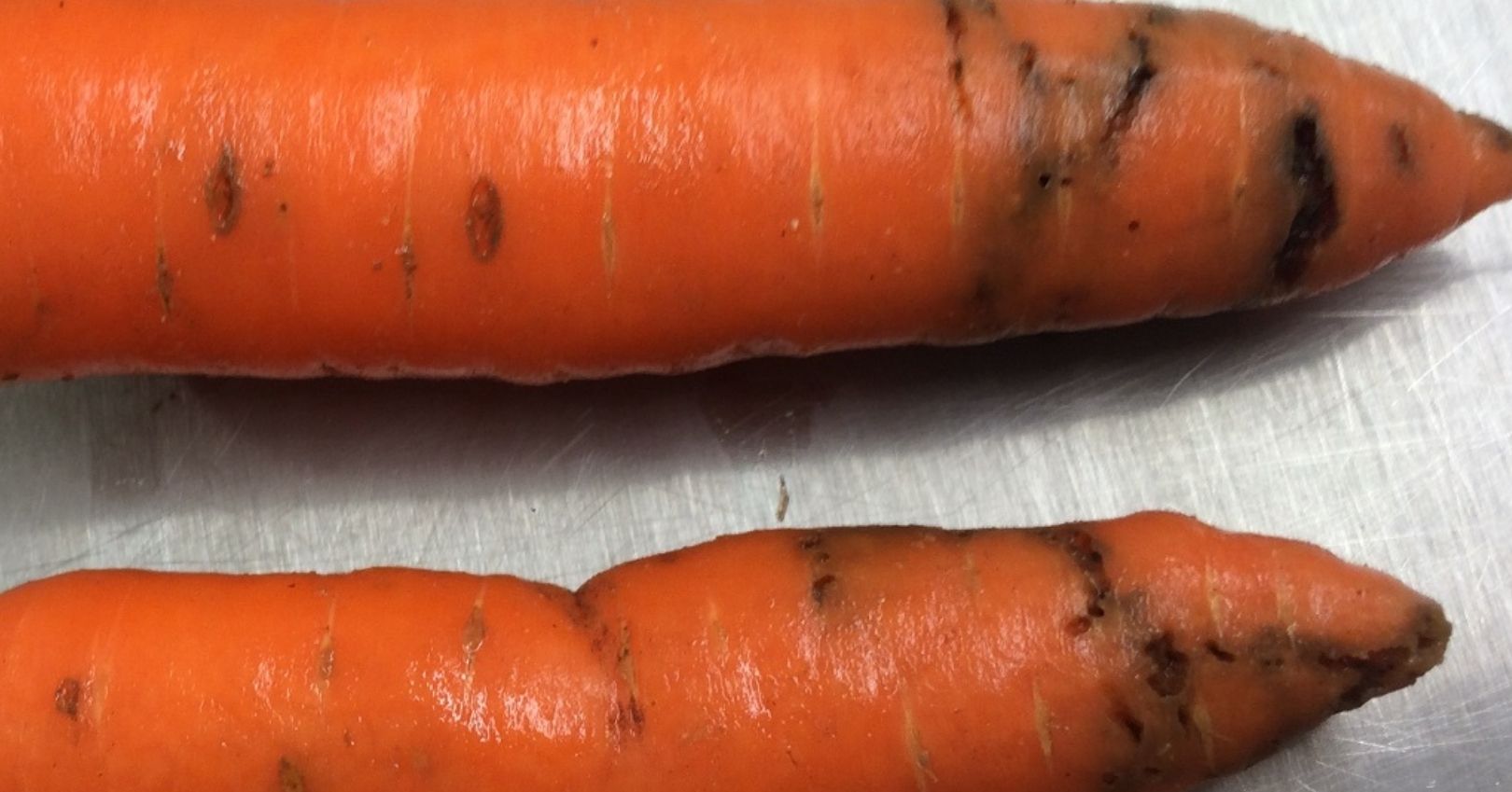
Blackrot causes dark, sunken lesions on stored carrots and is particularly problematic post-harvest. Cavity spot creates small cavities on root surfaces during growth. Both diseases persist in soil for 8 years or more, making crop rotation essential. Hot-water seed treatment (122 degrees Fahrenheit for 20 minutes) kills fungal spores on seeds and prevents disease establishment. Store harvested carrots in cool, dry conditions to prevent black rot development.
Downy Mildew and White Mold
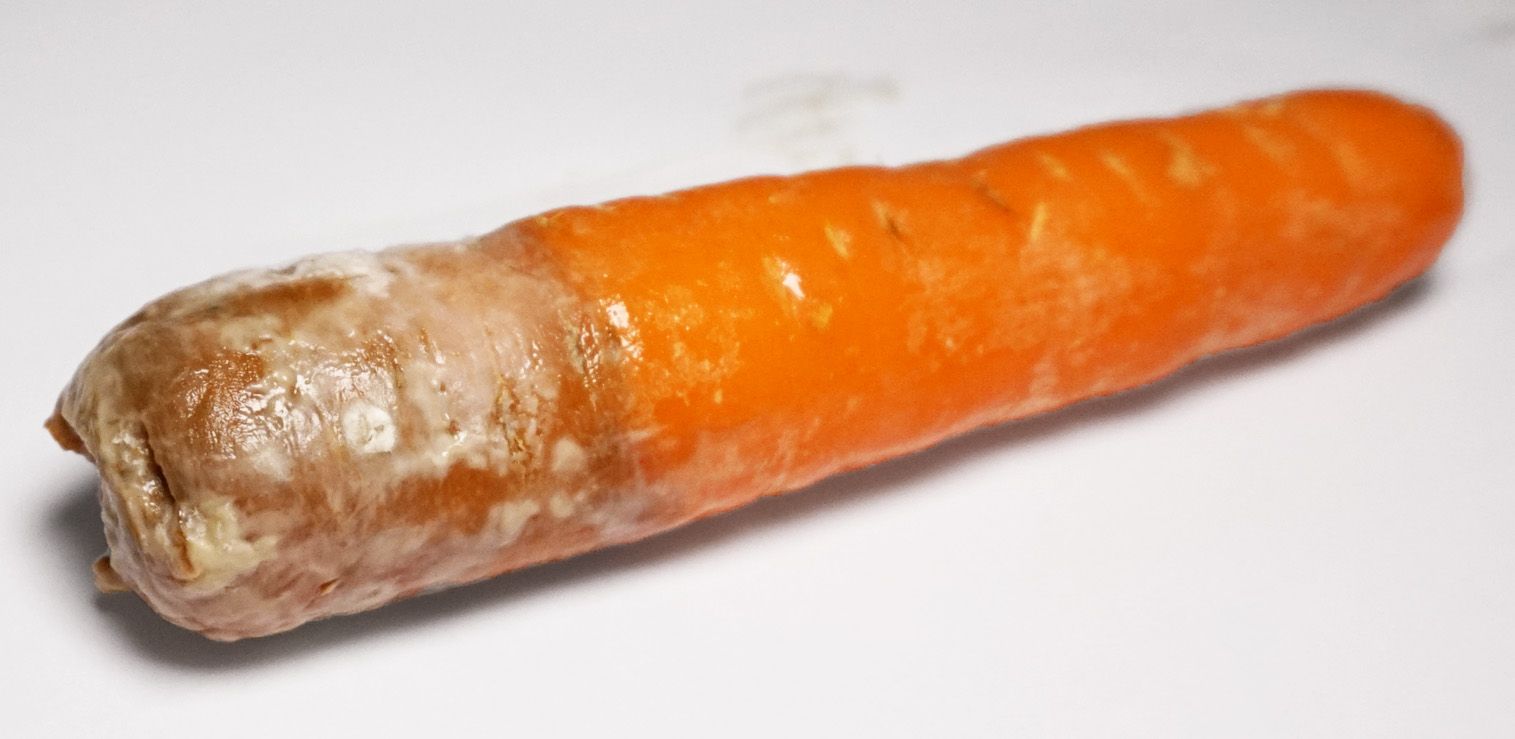
Downy mildew appears as powdery growth on leaf undersides and reduces production significantly. White mold affects storage roots under humid conditions. Both diseases are prevented through adequate spacing for air circulation and avoiding overhead watering. Sulfur applications provide early-stage infection control but are ineffective once disease is established.
Harvesting and Storage
Knowing when to harvest ensures maximum carrot quality and sweetness.
Knowing When to Harvest
Carrots are ready to harvest when roots reach desired size, typically 60 to 80 days after planting depending on variety. Check root size by gently scraping away soil from the top of a root. Most carrots are sweet and tender between 0.5 and 1.5 inches in diameter. Allowing carrots to mature fully develops maximum sugar content.
Harvest before your first frost date in fall to prevent root damage. Spring carrots can stay in the ground slightly longer than fall carrots, which need harvesting before freezing temperatures. If you want to assess plant health before harvesting, Plantlyze.com offers AI-powered diagnosis tools to identify any last-minute issues affecting root quality.
Harvest Techniques
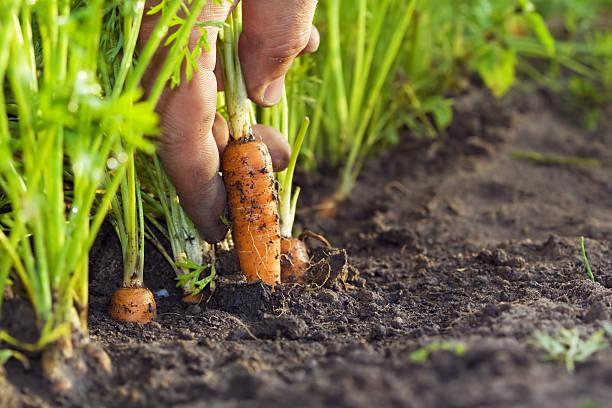
Loosen soil around carrots using a garden fork or shovel before pulling. Tight soil grips roots and pulling abruptly causes roots to break, leaving lower portions in the ground. Once soil is loosened, grasp carrots at the base of the greens and pull steadily. Handle freshly harvested carrots gently to prevent bruising.
Remove carrot greens immediately after harvest, as they continue drawing moisture from roots. Store carrots in a cool basement or refrigerator where they remain fresh for months. Place them in sealed containers or bags with slightly damp sand or sawdust to prevent dehydration during storage.
Troubleshooting Common Issues
Most carrot problems fall into predictable categories with straightforward solutions.
Forked or misshapen roots indicate rocky soil, overcrowding, or inconsistent watering during root development. Solution: improve soil preparation for future crops, thin seedlings to proper spacing, and maintain consistent moisture. Hairy or bushy roots suggest overwatering or excess nitrogen. Solution: reduce watering frequency and avoid repeat nitrogen applications. Slow germination means soil temperature is too cold or moisture is inconsistent. Solution: wait for warmer soil and water twice daily if needed to maintain moisture.
Pest damage visible as holes or tunnels in roots usually means carrot root flies. Solution: Plantlyze Use row covers next season and practice crop rotation to break pest cycles. Leaf disease appearing as lesions or discoloration indicates fungal infection. Solution: improve air circulation between plants, avoid overhead watering, and consider fungicide spray if disease worsens.
When to Use Plant Diagnostic Tools
Accurate plant diagnosis is critical when you encounter unusual symptoms. While this guide covers common carrot issues, atypical problems sometimes need expert analysis. Plantlyze.com's AI-powered diagnosis tool analyzes photos and identifies disease, pest, or nutrient issues, then recommends treatments suited to your specific situation.
If you notice unusual leaf changes, sudden wilting, or suspect pest damage on your carrot foliage, upload a clear photo to Plantlyze.com. The AI-powered platform provides disease identification and targeted treatment recommendations within seconds. This eliminates the guesswork and helps you act quickly before minor issues become crop-threatening problems. The combination of traditional gardening knowledge combined with modern diagnostic technology gives you the best chance of success.
Carrot Varieties for Different Growing Conditions
Selecting the right variety for your growing conditions dramatically improves success rates.
Full-Length Varieties
Standard full-length varieties like Nantes, Chantenay, and Imperator grow 6 to 8 inches long and require deep, loose soil. These varieties produce premium carrots for storage and market sales. They need consistent moisture and do not tolerate shallow or rocky soil. If you have prepared excellent soil and can maintain consistent watering, these varieties reward your effort with beautiful harvests.
Short Varieties
Short varieties like Paris Market, Thumbelina, and Danvers grow 3 to 4 inches long and thrive in shallow or heavy soil. Container growing suits these compact varieties perfectly. Short varieties mature quickly, often ready to harvest in 50 to 60 days. If your soil is poor or space is limited, short varieties solve the problem while producing quality roots.
Climate-Adapted Varieties
Carrots perform in cool seasons but struggle in intense heat. Cool-season varieties prefer spring and fall planting. Heat-tolerant varieties tolerate summer temperatures better, though all carrots slow growth during extreme heat. Choose cool-season varieties for spring and fall crops, and consider heat-tolerant varieties for summer succession plantings in warm climates.
Frequently Asked Questions
Can I grow carrots in containers?
Yes, containers work well for carrots, particularly short varieties. Use containers at least 12 inches deep with drainage holes. Fill with quality potting mix amended with extra compost. Short varieties like Paris Market thrive in containers while full-length varieties require deeper containers.
How often should I water carrots?
Early growth phase requires 1 inch of water weekly. Mid to late growth phases need 2 inches of water weekly. Water more frequently during hot weather and less frequently during cool, rainy periods. Consistent moisture is more important than specific frequency.
Why do carrot seeds take so long to germinate?
Normal germination requires 7 to 21 days depending on soil temperature and moisture. Warmer soil (55 to 65 degrees Fahrenheit) speeds germination while cold soil slows it. Maintaining consistent moisture prevents germination failure. Germination is slow by nature, so patience is required.
Can I save carrot seeds from my garden?
Saving carrot seeds requires a two year cycle since carrots are biennials. Plant carrots and allow the best plants to overwinter. In spring, these plants flower and produce seeds. The process is possible for experienced gardeners but requires dedicated space and planning.
What are the best companion plants for carrots?
Onions, leeks, and garlic plant near carrots deter the carrot root fly. Carrots also grow well with lettuce, peas, and tomatoes. These companions provide diversity that encourages beneficial insects and pest predators while minimizing direct competition for nutrients.
Conclusion
Growing carrots successfully combines understanding soil requirements, maintaining consistent moisture, managing pests and diseases proactively, and harvesting at the right time. Start with these proven methods and build confidence in your carrot growing abilities. Monitor your plants regularly throughout the season and use Plantlyze.com to get instant diagnosis if unusual symptoms appear. The combination of good gardening fundamentals plus early detection through plant monitoring gives you the best chance of harvesting delicious, healthy homegrown carrots all season long.
References
UC IPM (University of California Integrated Pest Management)
https://ipm.ucanr.edu/home-and-landscape/cultural-tips-for-growing-carrot/USU Extension (Utah State University)
https://extension.usu.edu/yardandgarden/research/carrots-in-the-gardenUC Davis IPM Agriculture
https://ipm.ucanr.edu/agriculture/carrot/