
Potato
Explore our potato articles with expert tips, guides, and insights.
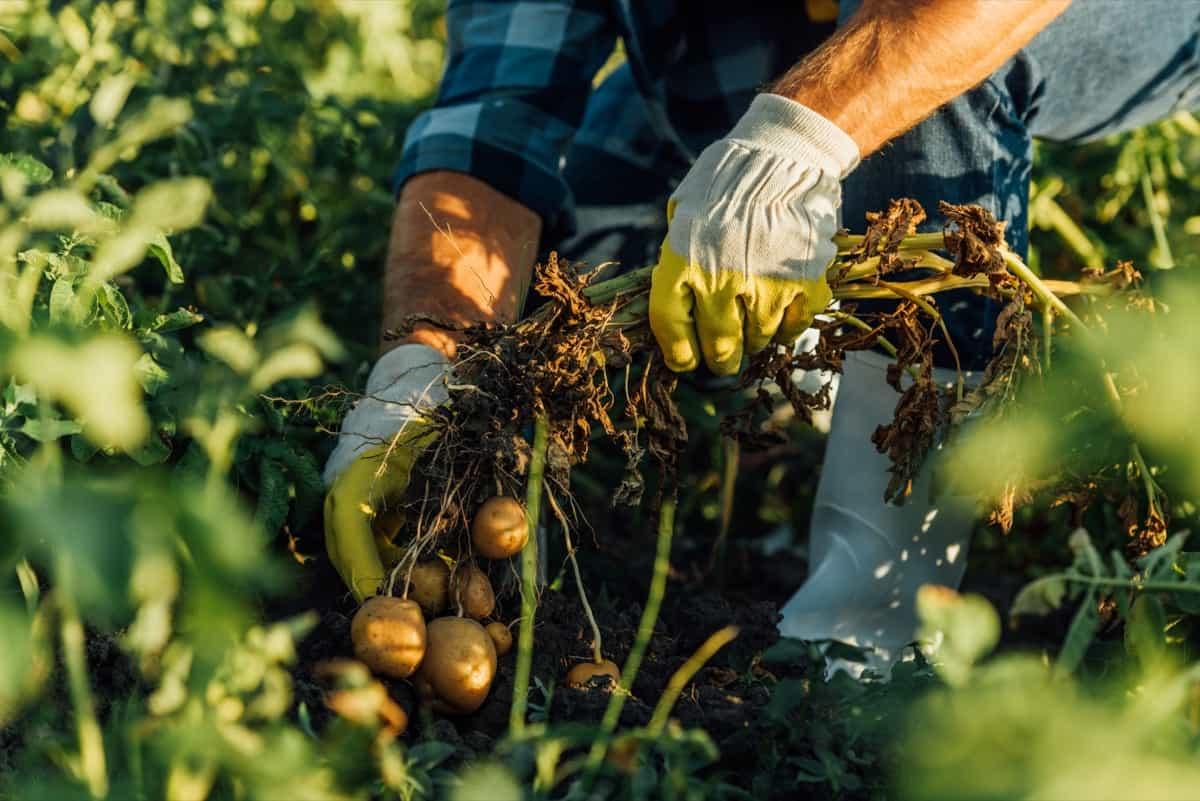
Organic Potato Disease Control: Sustainable Management Guide
Organic potato disease control relies on prevention, not chemicals. Build disease-suppressive soil, rotate crops strategically, select resistant varieties, and scout weekly for early detection. Combine cultural practices with organic certified fungicides like copper and biopesticides. This integrated approach prevents disease before it starts, protecting your organic premium market positioning and crop yield.
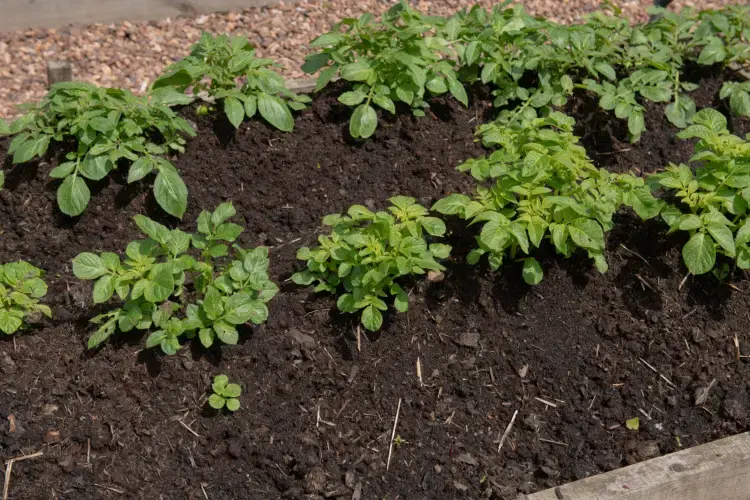
How to Hill Potatoes: Complete Guide to Bigger Harvests
Hilling potatoes is essential for bigger harvests and quality tubers. This simple technique prevents green potatoes, increases production space for indeterminate varieties, and protects plants from frost. Whether using soil or straw mulch, proper hilling timing at 8-10 inches tall transforms your potato crop into an impressive abundance of quality tubers.
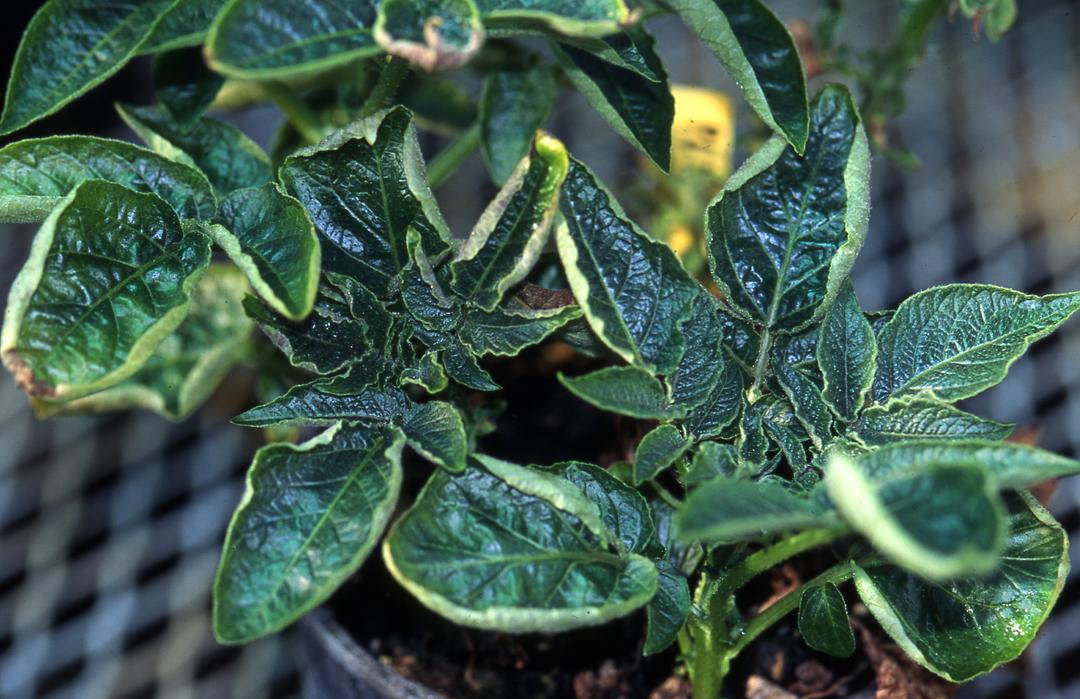
Potato Leafroll Virus: Complete Guide to PLRV
Potato leafroll virus (PLRV) devastates crops through aphid transmission and seed-borne infections. Infected tubers develop net necrosis, making them unmarketable. Prevention through certified seed, field isolation, and early detection is your strongest defense. Combined with strategic aphid control and resistant varieties, integrated management effectively minimizes PLRV impact season after season.
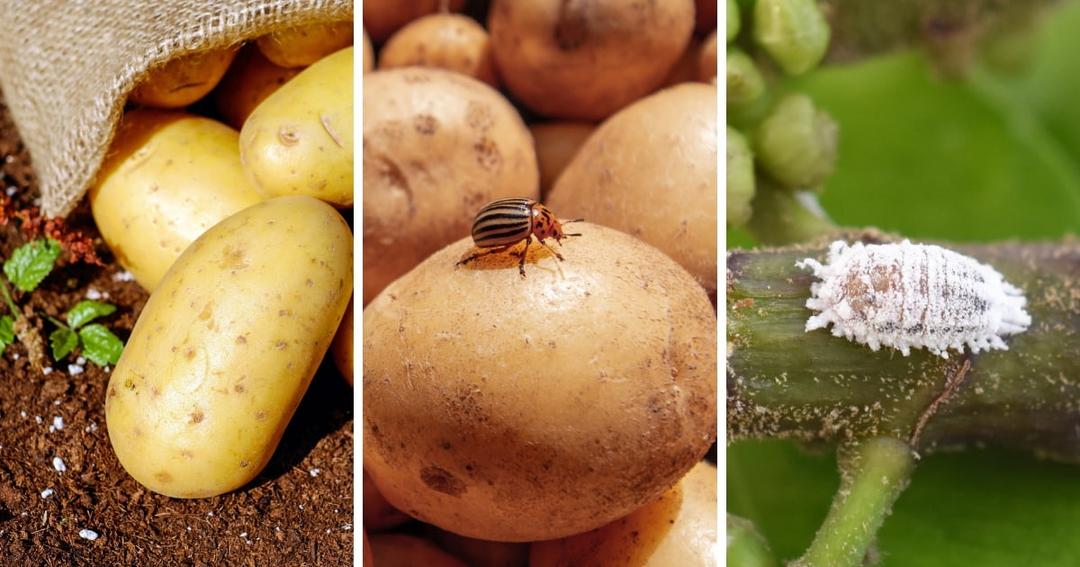
Potato Pest Control: Your Complete Guide to Managing Pests
Potato pests can devastate your entire crop if left uncontrolled. Early detection through weekly scouting is critical for success. Learn to identify Colorado potato beetles, aphids, and spider mites, then implement integrated pest management strategies combining cultural controls, mechanical methods, and organic treatments to protect your harvest effectively.
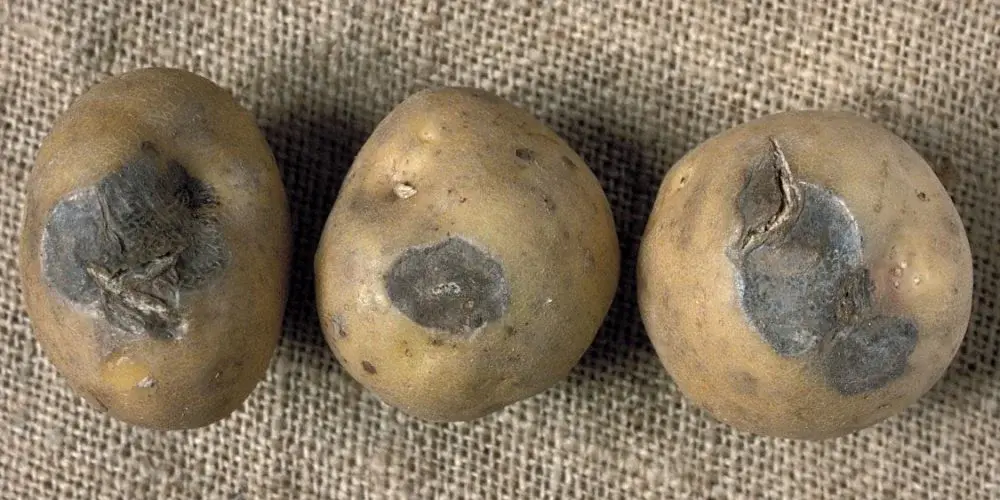
Potato Gangrene: Prevention, Identification and Control
Potato gangrene is a slow moving storage disease that turns seemingly healthy tubers into rotting losses weeks after harvest. It enters mainly through wounds, thrives in cool stores, and often hides as latent infection. Careful harvest, proper curing, clean storage, and timely fungicide treatments are essential to prevent serious damage.
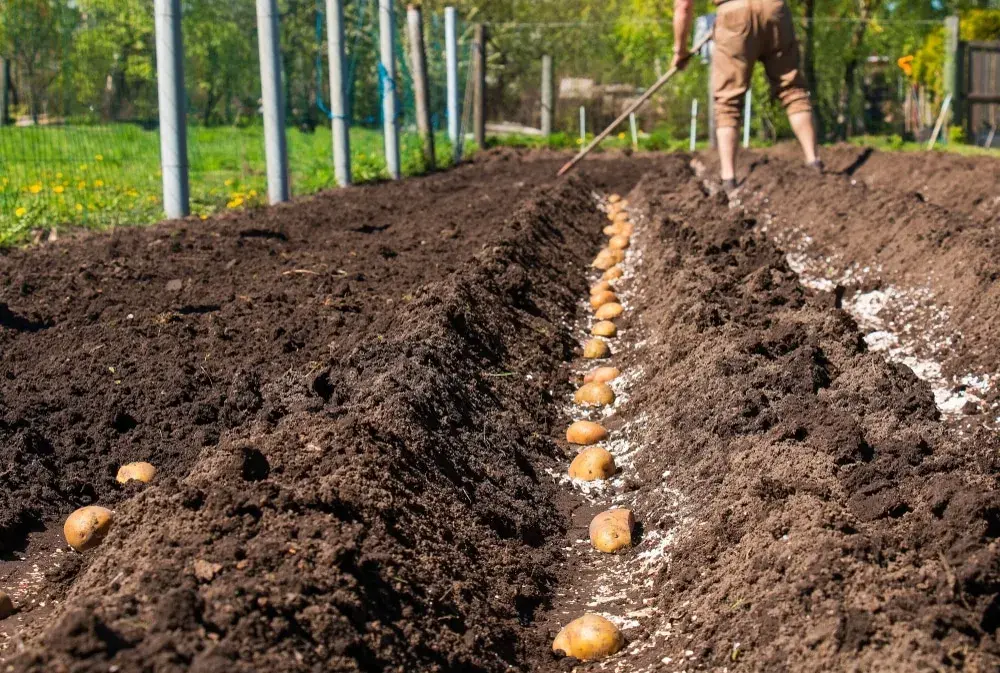
Potato Planting Depth: Guide to Optimal Spacing and Success
Potato planting depth dramatically affects emergence, yields, and quality. Plant seed pieces 4 to 6 inches deep using proper spacing of 10 to 12 inches between pieces. Determinate varieties prefer shallower planting while indeterminate varieties benefit from hilling. Adjust depth based on soil type and climate for optimal results and consistent harvests.
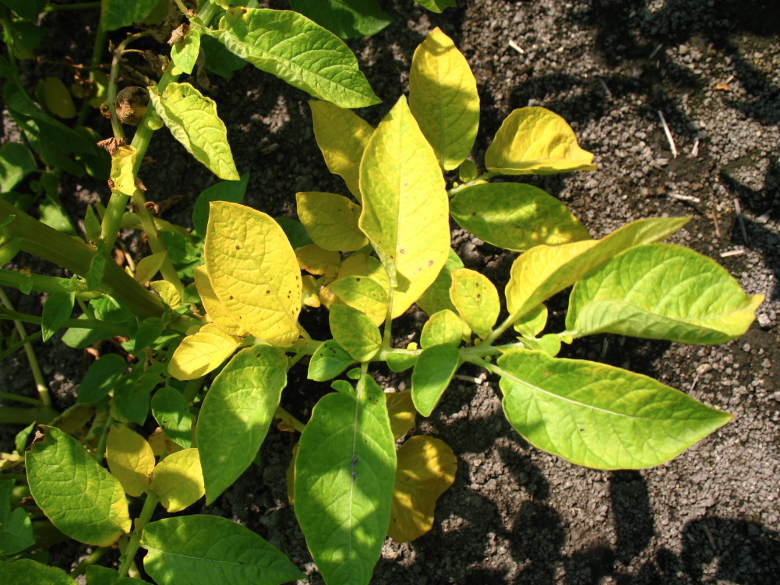
Potato Nutrient Deficiency: Identify, Diagnose and treat
Potato nutrient deficiencies limit yields and quality. Nitrogen deficiency causes yellowing on older leaves, phosphorus stunts roots, and potassium reduces disease resistance. Micronutrients like iron, boron, and zinc affect new growth. Soil testing before planting and tissue testing during season identify problems early. Foliar applications and split fertilizer applications quickly correct deficiencies.
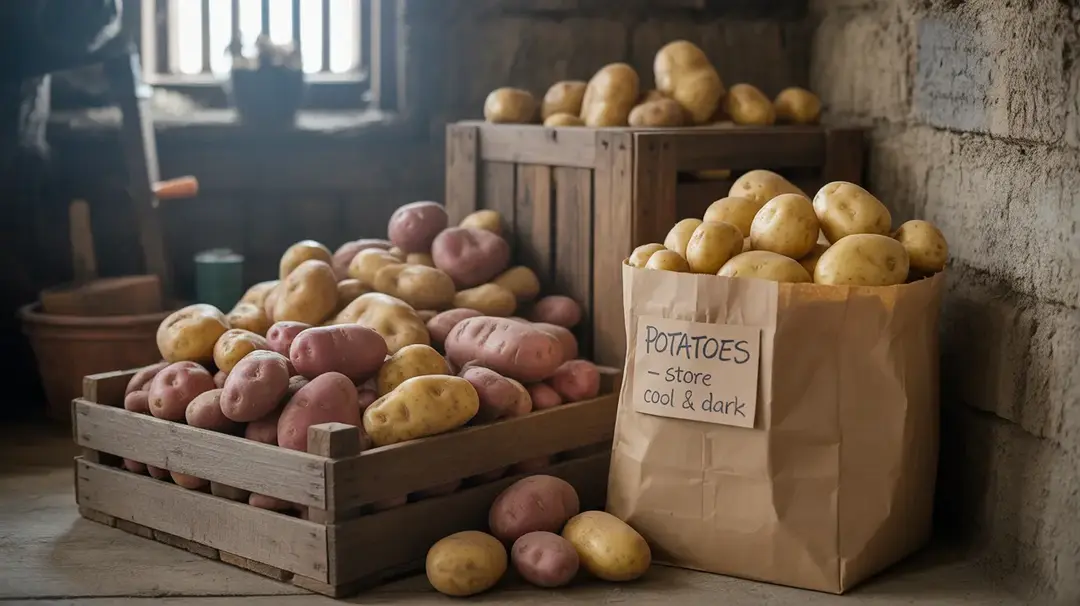
How to Store Potatoes: Keeping Them Fresh for Months
Properly stored potatoes last three to four months instead of weeks. Understanding temperature, light, and air circulation transforms storage from frustrating to impressive. This guide walks you through practical, science-backed methods to extend shelf life, maintain quality, and reduce food waste using strategies that work in real homes.
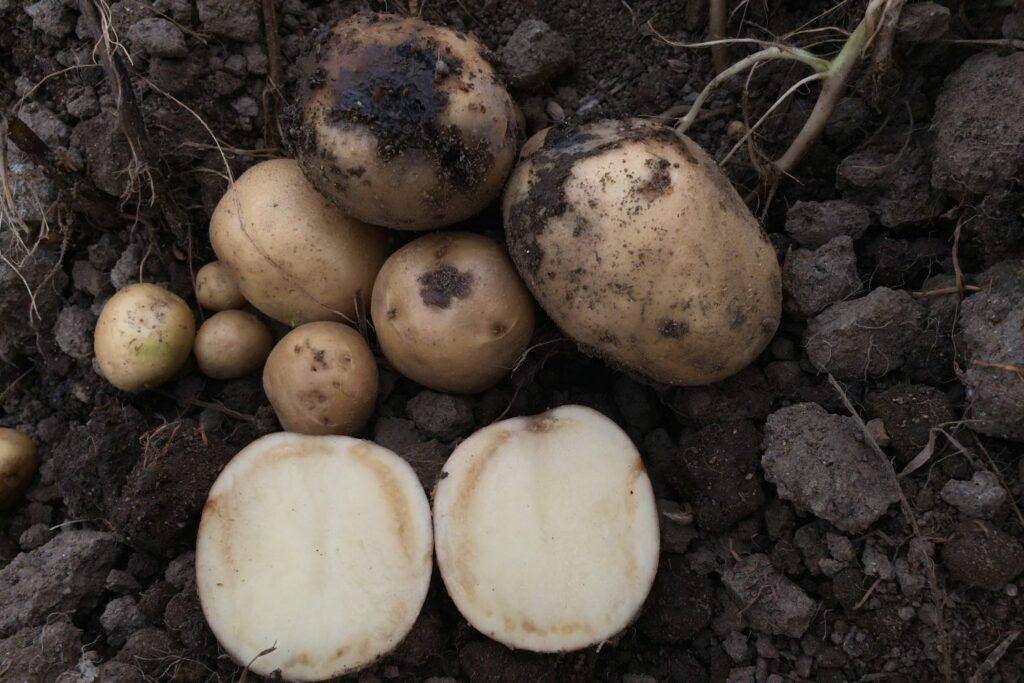
Potato Disease Identification: Detection and Prevention
Disease identification is the most overlooked potato problem. Gardeners often wait until plants collapse to recognize issues. By then, disease has spread throughout the crop. Early detection prevents disaster. Late blight collapses plants overnight. Early blight slowly defoliates. Verticillium wilt blocks water movement. Learning to spot these diseases early saves entire harvests.