You walk through your pepper garden on a warm afternoon and notice something deeply troubling. The leaves on several plants look strange—mottled with light and dark patches, curled unnaturally, and significantly smaller than normal. Some leaves are so distorted they look almost unrecognizable. The stems appear stunted, and despite the warm weather, the plants look weak and struggling. Worst of all, the peppers that are developing are misshapen and unmarketable. Something has attacked your pepper crop, and it's different from the bacterial and fungal diseases we've covered in previous guides.
What you're looking at is likely pepper mosaic virus, one of the most devastating viral diseases affecting pepper growers worldwide. Unlike the bacterial and fungal diseases discussed earlier, viral diseases present a unique challenge: they cannot be cured once a plant is infected. Prevention is absolutely everything.
This comprehensive guide walks you through understanding pepper mosaic virus, recognizing symptoms, understanding how it spreads, implementing prevention strategies, and managing infected plants using both cultural practices and emerging treatment options.
What is Pepper Mosaic Virus: Understanding Plant Viruses
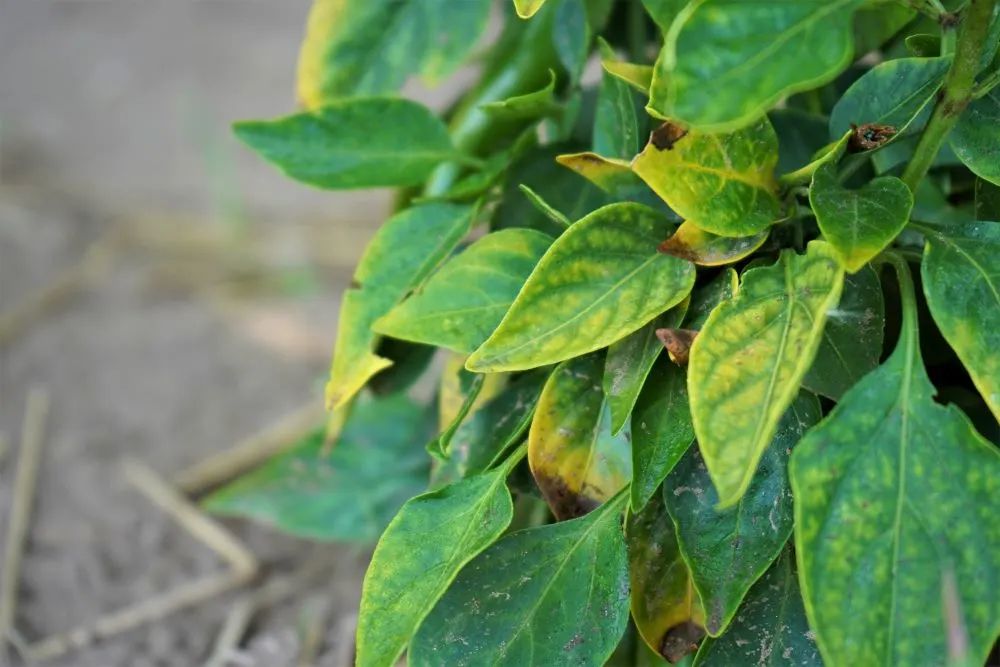
Pepper mosaic virus belongs to a category of infectious agents fundamentally different from bacteria or fungi. Viruses are microscopic particles made of genetic material (RNA or DNA) wrapped in a protein coat. They cannot survive or reproduce on their own. Instead, viruses exist by hijacking plant cells, forcing infected cells to manufacture countless copies of new virus particles.
Why viruses are different from other pathogens: When a fungicide or bactericide enters a plant, it can attack and kill fungal or bacterial cells because these organisms have distinct cellular structures. Viruses have no cells. They're not alive in the traditional sense. This is why chemical sprays that work against bacterial and fungal diseases are completely ineffective against viruses.
Main pepper viruses: Several distinct viruses attack peppers including Tobacco Mosaic Virus (TMV), Pepper Mild Mottle Virus (PMMoV), Pepper Veinal Mottle Virus (PVMV), Pepper Golden Mosaic Virus (PepGMV), Cucumber Mosaic Virus (CMV), and Chili Leaf Curl Virus (ChiLCV). Each virus transmits differently and causes somewhat different symptoms, though all result in severely damaged plants.
What makes viral disease serious: Infected plant cells are essentially factories producing virus particles. As infection progresses, more and more cells become hijacked and cease their normal functions. Leaf cells stop photosynthesizing properly. Fruit development becomes deformed and stunted. Entire plants can collapse within weeks under favorable conditions. Yield losses from viral disease can reach 50 to 100 percent.
Identifying Pepper Mosaic Virus: Symptoms and Signs
Viral infections produce distinctive visible symptoms that become recognizable with experience. Early detection of these symptoms is critical because early intervention offers the only chance to limit spread.
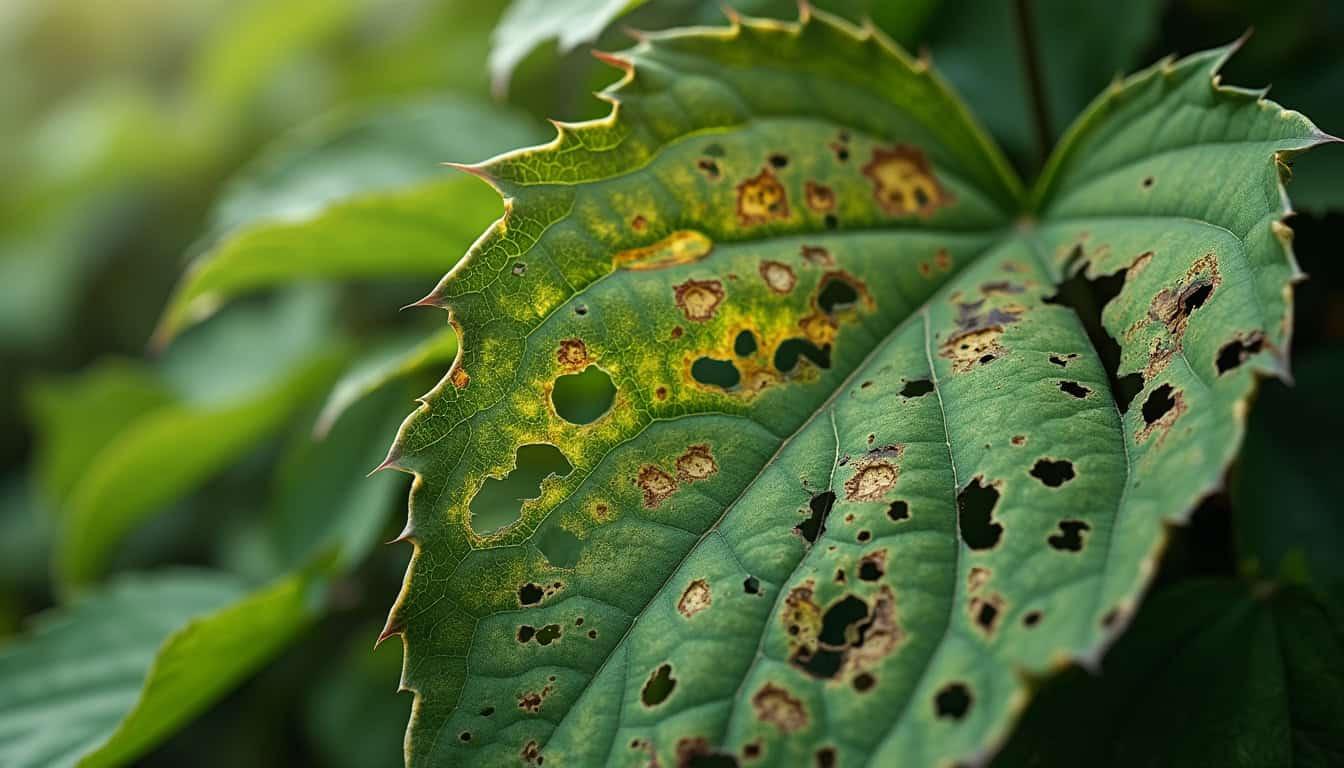
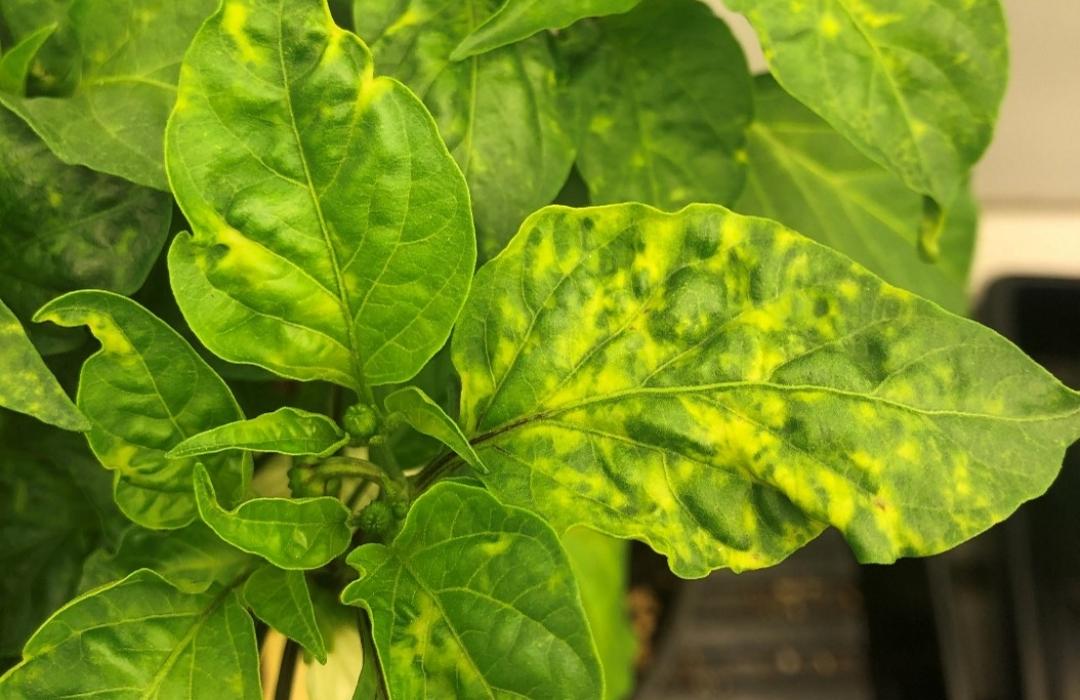
Leaf symptoms are the first and most visible signs of viral infection. Mosaic or mottling appears as irregular patches of light and dark green on leaves, creating a tile-like or patchwork appearance. This mosaic pattern is the hallmark of viral disease. Infected leaves also become distorted and deformed, often curling upward or downward unnaturally. Leaves become smaller than normal and may develop strange wrinkled or puckered textures.
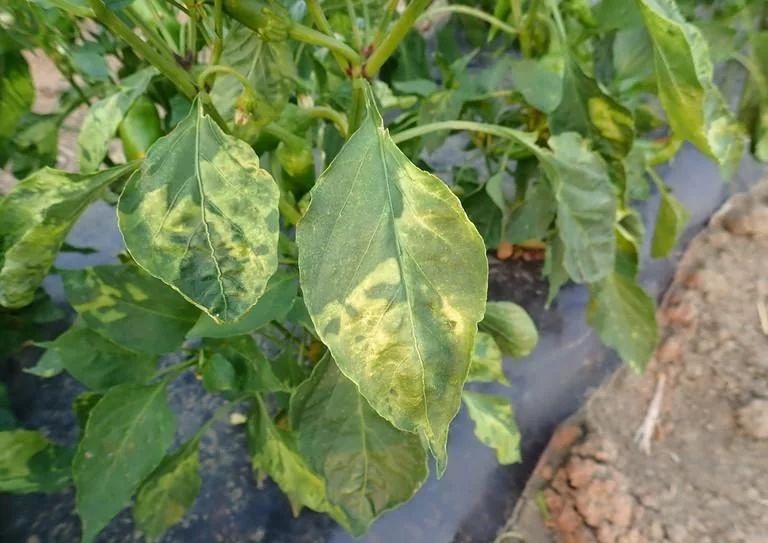
Vein symptoms develop where viruses specifically damage vein tissues. Vein clearing occurs when veins lose their green pigment and become transparent. Vein banding appears as dark green or purple lines running through leaf tissue. In some cases, yellowing develops between veins while vein tissue remains green, creating distinctive patterns on leaf surfaces.
Growth impact is dramatic. Plants become severely stunted compared to healthy neighbors, remaining small and weak throughout the season. Normal growth patterns are disrupted. Flower production becomes abnormal with flower buds dropping before developing or flowers aborting without fruit formation.
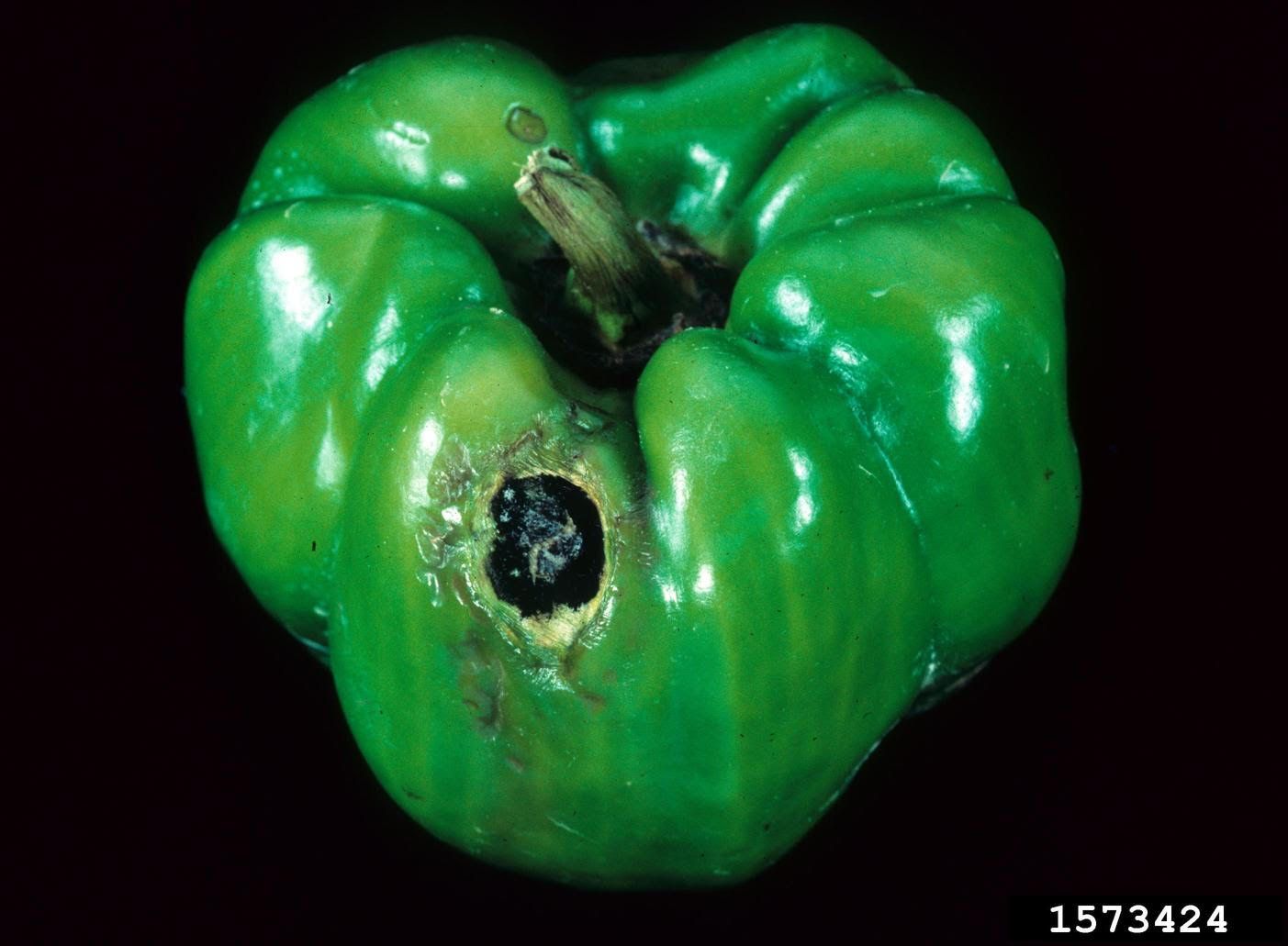
Fruit damage makes infected plants economically worthless. Peppers develop deformed, misshapen fruit that cannot be sold. Fruit may display mosaic patterns or rings (circular markings) on the surface. In severe cases, peppers are so distorted and discolored that they're unmarketable even if they reach full size. If infection occurs early in the season, fruit development may be so stunted that no marketable peppers develop at all.
Field pattern: Unlike fungal or bacterial diseases that appear randomly, viral disease typically appears first along field edges where insect vectors concentrate. From there, infection spreads inward as vectors move between plants.
Timing of symptoms: Initial symptoms may appear within 2 to 3 weeks of infection. Symptoms worsen as the viral load (amount of virus in the plant) increases. Late season infections show milder symptoms since plants have less remaining season to suffer damage. Early season infections are most damaging because plants suffer throughout the entire remaining growing season.
How Pepper Mosaic Virus Spreads: Transmission Routes
Understanding transmission routes is essential because each route requires different prevention strategies.
Mechanical Transmission is common with certain viruses like Tobacco Mosaic Virus and Pepper Mild Mottle Virus. Simply touching an infected plant and then touching a healthy plant spreads the virus. Contaminated tools (pruning shears, stakes, tomato ties) smeared with sap from infected plants transmit virus to healthy plants they touch. Breaking or pruning leaves creates entry wounds through which virus penetrates healthy plant tissue. Splashing irrigation water doesn't transmit mechanical viruses as effectively as direct contact, but high-pressure water systems can spread them via aerosol.
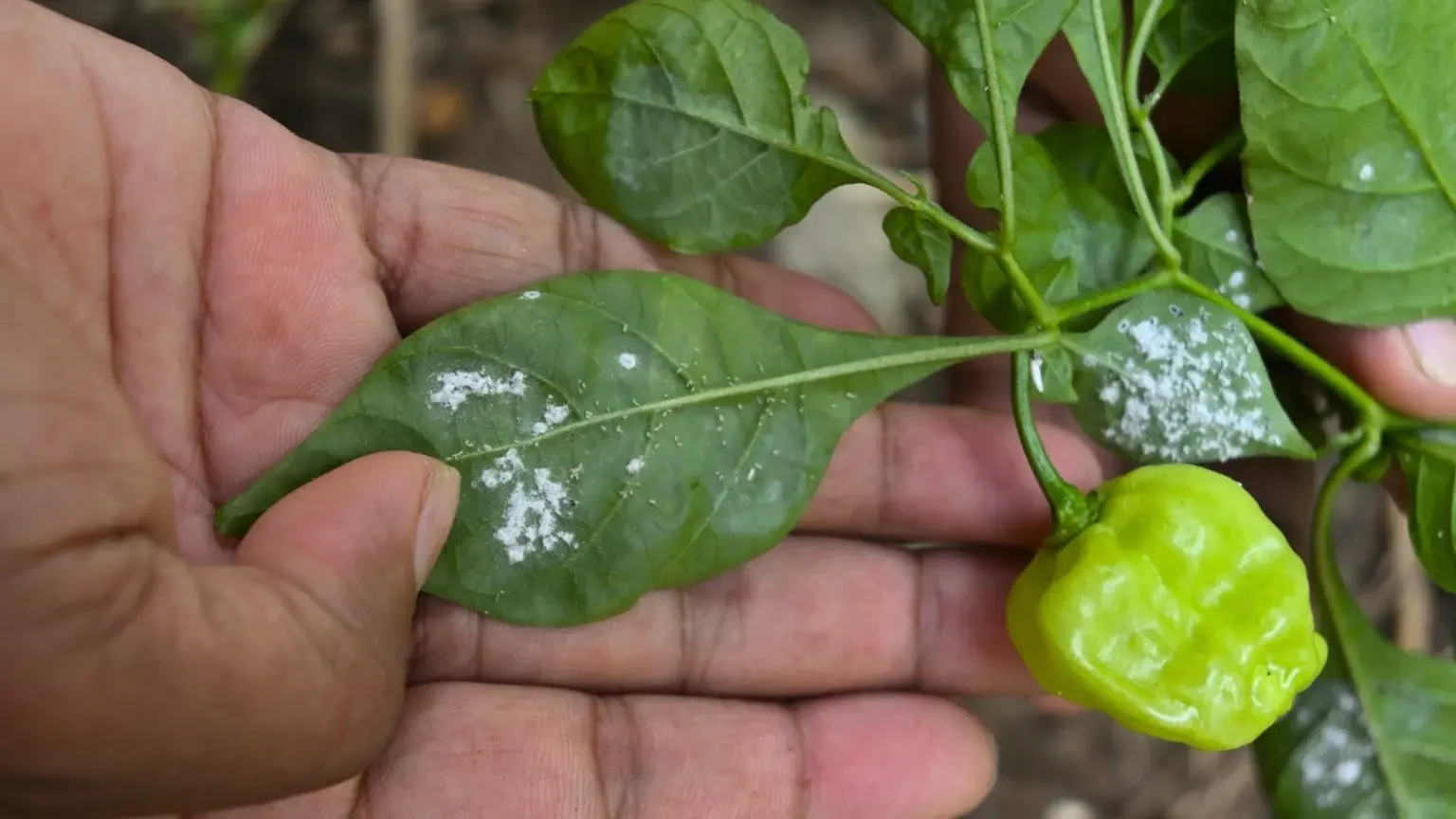
Insect Vector Transmission involves insects that feed on infected plants and then feed on healthy plants, carrying virus particles on their mouthparts. Whiteflies (Bemisia tabaci) transmit geminiviruses like Pepper Golden Mosaic Virus and Chili Leaf Curl Virus. These tiny insects (1.5 mm long) congregate on the undersides of leaves, reproducing year-round in warm climates. Aphids transmit potyviruses like Cucumber Mosaic Virus and Pepper Veinal Mottle Virus. Multiple aphid species carry these viruses. The spread of disease depends on vector population size and movement, which varies by season, wind conditions, and climate.
Important: Insect vectors don't get infected themselves. They act like living hypodermic needles, carrying virus particles on their mouthparts from plant to plant. Controlling vectors is more difficult for non-persistent viruses (that transmit during brief feeding probes) compared to persistent viruses (that require longer feeding periods).
Seed-Borne Transmission occurs when some viruses contaminate seeds produced by infected plants. Pepper Mild Mottle Virus can be transmitted through contaminated seeds, so disease-free certified seeds are absolutely critical. Infected seeds grow into infected seedlings, introducing disease directly into fields from the transplanting stage onward.
Soil and Water Transmission is possible when virus particles remain viable in soil or water. Contaminated irrigation water is a significant source of inoculum. Equipment moved from infected fields to clean fields carries contaminated soil harboring virus particles.
Environmental Conditions Favoring Viral Disease
Warm temperatures dramatically favor virus multiplication and spread. Temperatures between 75 and 85 degrees Fahrenheit are optimal for most pepper viruses. Virus replication increases exponentially in warm conditions. Insect vectors (whiteflies and aphids) are also most active and abundant during warm months, increasing transmission rates.
Vector activity depends on seasonal conditions. Whiteflies persist year-round in tropical and subtropical regions but are more problematic during warm seasons in temperate climates. Aphids typically peak in spring and fall (November through April in India) when temperatures are warm but not extreme. Cloudy and moist weather favors rapid multiplication of aphid populations.
Plant stress increases susceptibility and symptom severity. Drought stressed plants, nitrogen-deficient plants, or plants recovering from other damage show more severe viral symptoms than healthy, well-nourished plants. Excessive nitrogen fertilizer actually increases susceptibility to viral infection, so balanced fertilization is important.
High humidity favors insect activity and virus transmission. Overhead irrigation creating continuously wet conditions increases vector populations and improves conditions for viral spread. Poor air circulation traps humid air around plants, attracting vectors.
Prevention Strategies: The Only Truly Effective Approach
Prevention is absolutely the only effective strategy since no cure exists for viral infection. Implement these strategies before disease appears.
Use Certified Disease-Free Seed and Transplants
This is the single most critical prevention step. Seeds from infected plants can carry virus directly into the field. Purchase only certified disease-free seeds from reputable companies that screen for viruses. When buying transplants, source only from nurseries that grow seedlings in protected environments (covered with 60 to 80 mesh nylon netting) that exclude insect vectors.
Grow Virus-Resistant Pepper Varieties
Pepper varieties with genetic resistance to specific viruses are the most effective long-term management strategy. Resistant varieties don't prevent infection entirely but dramatically reduce symptom severity, virus spread, and yield loss. Research shows resistant varieties combined with cultural practices and vector control provide the best results. Varieties like Armour F1 show resistance to whitefly-transmitted viruses. Check with your extension office about resistance ratings available for your region.
Control Insect Vectors Aggressively
Since whiteflies and aphids transmit most pepper viruses, vector control is essential. Use yellow and blue sticky traps (30 to 50 per acre) to monitor and control insect populations. These traps attract and trap insects, reducing populations mechanically. Apply systemic insecticides following label directions, alternating different chemical classes to prevent resistance development. Neem oil and botanical insecticides provide organic alternatives. Reflective white or silver plastic mulch confuses whiteflies and reduces their landing rates on plants.
For maximum protection, grow seedlings under 60 to 80 mesh nylon net covering that excludes vectors during the critical nursery stage before transplanting. This ensures transplants entering fields are vector-free.
Maintain Meticulous Field Sanitation
Remove and destroy any plants showing viral symptoms immediately. Do not compost infected plants. Burn them or deeply bury them far from the field to prevent virus particles from contaminating new plantings. Remove all solanaceous weeds (tomatoes, eggplants, peppers, nightshade) that host the same viruses affecting your peppers. These weeds serve as virus reservoirs spreading infection to your crop all season long.
Implement Crop Rotation
Use a minimum 2 to 3 year rotation with non-solanaceous crops (corn, beans, lettuce, cabbage, cereals). This breaks virus life cycles and reduces virus populations in soil. Never rotate peppers with tomatoes, eggplants, or potatoes since all host the same viruses.
Practice Strict Mechanical Transmission Prevention
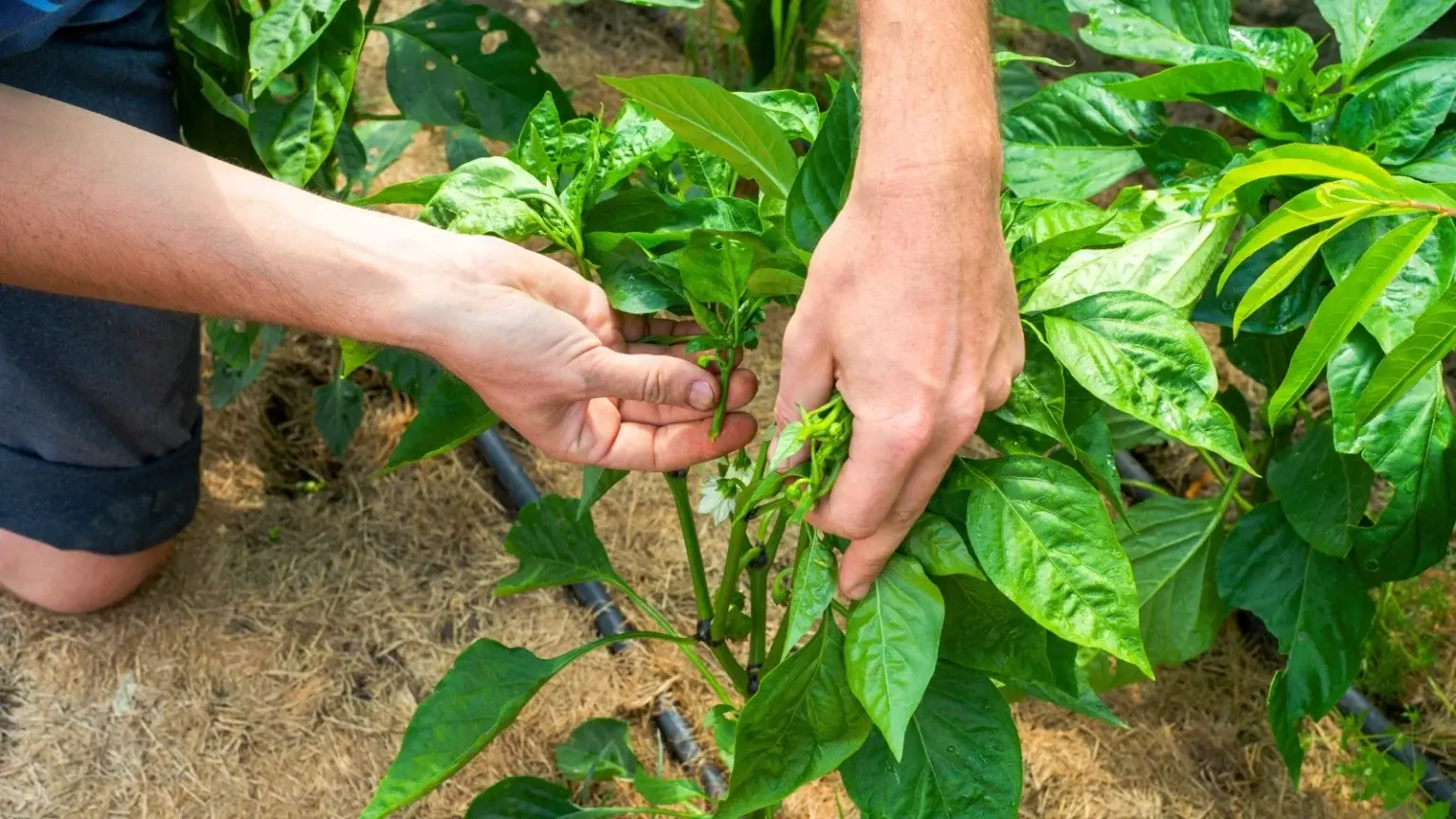
Avoid unnecessary plant contact. If you must handle plants, wash hands thoroughly with soap and water between plants. This removes virus particles from hands. Disinfect tools by wiping with alcohol or dipping in 10 percent bleach solution between plants. Avoid field operations when plants are wet since wet conditions increase virus transmission via mechanical contact. When pruning or tying plants, wear clean gloves that you change between plants.
Use Physical Barriers
Install 2 to 3 rows of barrier crops (maize, sorghum, or pearl millet) around pepper field perimeters to slow insect vector movement into fields. These tall crops intercept and slow wind-driven insect movement. Reflective mulches (white or silver plastic) confuse whiteflies and reduce their movement to pepper plants.
Strengthen Plant Health Through Balanced Nutrition
Apply balanced fertilizer with appropriate nitrogen levels. Avoid excessive nitrogen which increases susceptibility. Apply micronutrient sprays starting from 45 days after planting continuing throughout the season to strengthen plant immunity. Healthy, well-nourished plants show milder symptoms and recover better from viral infection than stressed plants.
Management of Infected Plants and Fields
The difficult reality: once plants are infected, there is no cure. All management focuses on containment and protecting future crops.
Accept the Reality of No Chemical Cure
This is fundamental: no chemical spray kills virus already inside plant cells. All viral disease management focuses on containment, prevention of spread to healthy plants, and protecting subsequent seasons.
Immediately Rogue Out Infected Plants
Upon detecting viral symptoms, remove infected plants completely. Dig out plants including roots or cut at soil line carefully avoiding splash of infected sap onto healthy plants. Place infected material in bags and dispose far from the field. Wash hands and disinfect tools thoroughly after handling infected plants.
Intensify Vector Control
If vectors are present, implement aggressive insect management immediately. Spray insecticides on regular schedule. Use neem oil or botanical alternatives. Deploy sticky traps for monitoring and mechanical control. Reflecting mulches reduce vector effectiveness. The goal is minimizing vector populations so disease spread slows.
Emerging Technology: Silver Nanoparticles
Recent research shows silver nanoparticles (AgNPs) applied post-infection can reduce viral infection rates and symptom severity by 50 to 90 percent in some cases, particularly for Pepper Mild Mottle Virus. When applied 24 hours after infection at concentrations of 300 to 400 micrograms per liter, AgNPs significantly reduced virus concentration, infection rate, and disease severity while improving photosynthetic pigments and plant defense compounds. This technology is not yet commercially available for home gardeners but represents promising future management options.
Maximize Remaining Harvest
For plants not yet showing symptoms, harvest fruit frequently and early to salvage maximum crop before symptoms appear. Asymptomatic infected fruit (appears healthy but contains virus) will show rot symptoms or virus spread post-harvest, so do not store infected field fruit with fruit from clean fields.
Reflective Mulching
Apply reflective white or silver plastic mulch to reduce whitefly vector movement and effectiveness. This slows disease spread rate if vectors are present.
Early Detection and AI-Powered Diagnosis
Early detection is your secret weapon. Catching viral disease when symptoms are just beginning—before widespread plant infection—allows immediate containment measures preventing field-wide spread.
Yet identifying viral disease early is challenging. Early symptoms resemble nutrient deficiency or environmental stress. Growers often mistake mosaic for magnesium deficiency or think yellowing is a watering problem. This diagnostic confusion wastes critical time that should be spent implementing containment measures.
This is where technology helps. Using tools like Plantlyze's AI-powered plant diagnosis (visit plantlyze.com), you can photograph suspicious leaves or distorted foliage and receive instant diagnosis. The AI analyzes visual symptoms and confirms viral infection, eliminating guesswork and lab delays. Get specific management recommendations immediately based on your disease confirmation. Early action backed by accurate diagnosis is your best insurance against total crop loss.
Conclusion and Action Steps
Pepper mosaic virus is serious and extremely difficult to manage once established. The difference is prevention. Starting before disease arrives is incomparably more effective than attempting to manage infection after it occurs.
Prevention is vastly easier than management. Take these action steps immediately:
Source virus-resistant pepper varieties. Check with your extension office about which virus-resistant varieties work best for your region and market.
Purchase certified disease-free seeds and transplants only. Never save seed from your own plants or accept transplants from unknown sources.
Plan your vector control strategy. Research and arrange sticky traps, insecticide schedules, and reflective mulch for next season.
Scout weekly during warm months. Look for early symptom development. Remove any suspicious plants immediately.
Control solanaceous weeds completely. Remove all pepper, tomato, and eggplant weeds that serve as virus reservoirs.
Implement crop rotation. Rotate peppers with non-solanaceous crops for at least 2 to 3 years.
Establish field sanitation protocols. Plan tool disinfection and hand-washing procedures before symptoms appear.
The best viral disease strategy combines resistant varieties, aggressive vector control, strict sanitation, and proper crop rotation. No single method works alone, but together they create an environment where viral disease cannot establish or spread.
Your pepper crop is worth protecting. Implement prevention starting today.
References
Frontiers in Plant Science: Defense Response to Viral Single and Mixed Infections by Pepper
https://www.sciencedirect.com/science/article/abs/pii/S0885576525002863Big Haat Kisan Vedika: Chilli Viral Diseases Prevention and Control Measures
https://www.bighaat.com/kisan-vedika/blogs/chilli-viral-diseases-prevention-and-control-measures-for-a-healthy-cropScienceDirect: Distribution and Identification of Main Viruses Infecting Pepper
https://www.cellmolbiol.org/index.php/CMB/article/download/4797/2525/10946Missouri Botanical Garden: Tobacco Mosaic Virus of Tomato and Pepper
https://www.missouribotanicalgarden.org/gardens-gardening/your-garden/help-for-the-home-gardener/advice-tips-resources/insects-pests-and-diseases/viral-diseases-of-tomato-and-pepper/tobacco-mosaic-virus-of-tomato-and-pepperNAPPO: Pepper Mild Mosaic Virus (PMMoV) Description of Methods
https://nappo.org/download_file/view/1112/629