Now I'll create the complete SEO-optimized article on organic pepper disease control:
Chemical fungicides work quickly but come with environmental costs and increasing resistance problems. Growing peppers organically means managing disease through prevention, early detection, and carefully selected natural products. This comprehensive guide teaches you to prevent pepper diseases through cultural practices, identify problems early, and apply organic fungicides that actually work. When you combine these strategies into an integrated program, you can grow healthy peppers without synthetic chemicals.
Understanding Organic Disease Management: Prevention First
Organic pepper disease management relies on a fundamentally different philosophy than chemical agriculture. Rather than spraying fungicides as insurance, organic growers prevent disease from developing by creating hostile conditions for pathogens. This approach requires understanding how diseases spread and what conditions favor each specific pathogen.
The most important organic disease management tool is not a product you can purchase. It is crop rotation, a free practice requiring only planning and discipline. Diseases like Phytophthora blight and anthracnose persist in soil and plant debris for years, waiting for susceptible hosts to plant. By rotating away from peppers and related crops (tomato, eggplant, potato) for three to four years, you break the disease cycle and dramatically reduce pathogen populations before planting peppers again.
Sanitation is your second most important tool. Fungi and bacteria survive on tools, trays, greenhouse benches, and hands. Cleaning equipment between plants prevents disease spread within your current crop. Removing infected plants immediately stops the pathogen from reproducing and spreading to healthy plants. Never compost infected plant material because this releases spores into your garden. Many growers learn this lesson the hard way after spreading disease through their compost pile.
Water management affects disease pressure more than most growers realize. Soil-borne pathogens like Pythium and Phytophthora thrive in saturated soil. Peppers planted into cool, moist soil often fail because these pathogens kill roots before plants establish. Drip irrigation that delivers water directly to soil while keeping foliage dry prevents both fungal diseases spread by leaf wetness and the conditions favoring root pathogens. Overhead watering that wets foliage promotes bacterial leaf spot and powdery mildew by creating the leaf-wetness periods these pathogens need for infection.
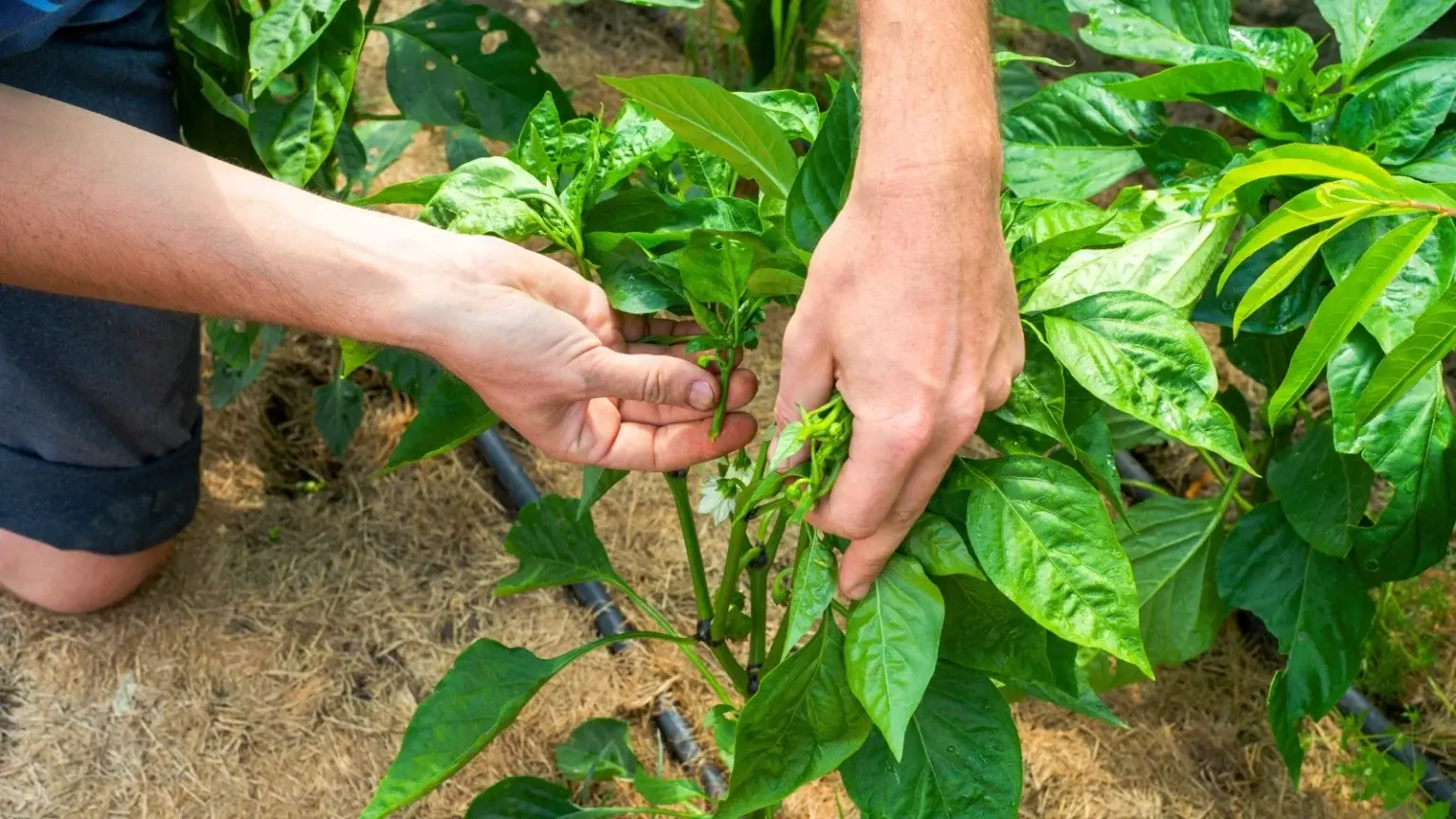
Botanical spacing, airflow and air circulation count more than perhaps many organic growers have realized. Thick foliage traps the moisture and makes a microclimate where humidity remains high and air circulation is low. These same conditions are conducive to fungal disease. Good spacing between plants, and select pruning of the lower leaves, can do wonders for air circulation also … all without any product.
Organic Fungicide Options: What Actually Works
When prevention fails and disease appears, several organic fungicide options provide meaningful disease suppression. However, organic fungicides generally work better as preventives applied before disease develops than as curatives for established infections.
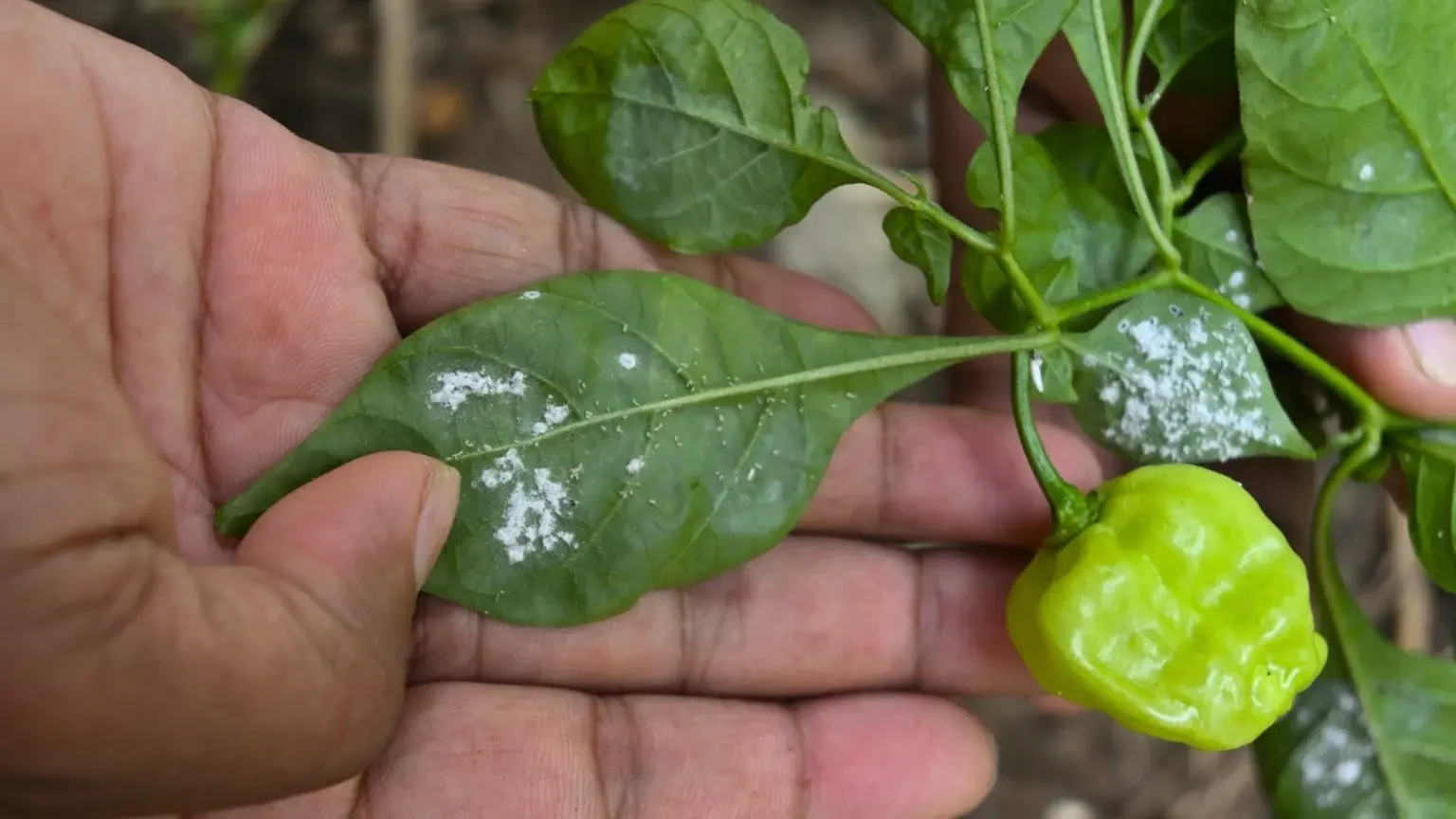
Sulfur dust and wettable sulfur prevent fungal spore germination and work particularly well against powdery mildew, rusts, and leaf blights. Sulfur must be applied before disease develops for maximum effectiveness. Once powdery mildew shows visible symptoms, sulfur becomes less effective and you should switch to neem oil for eradication. Sulfur can irritate skin and lungs, so wear protective equipment when applying. Never apply sulfur within one month of oil sprays because the combination damages leaves. Wettable sulfur works best when applied on a weekly schedule, ensuring thorough coverage of all leaf surfaces.
Copper fungicides, including copper sulfate and Bordeaux mixture (copper sulfate combined with lime), have been used for over a century. Bordeaux mixture includes lime as a safener that neutralizes copper toxicity to plants. These copper products work against bacterial leaf spot, anthracnose, and certain fungal diseases. Organic growers use weekly copper fungicide applications to suppress anthracnose, though complete elimination remains difficult once the disease becomes established. Copper is toxic to beneficial insects, so use copper products only when disease pressure justifies the environmental cost.
Neem oil contains natural sulfur compounds and other pesticides that suppress fungal diseases and control insects simultaneously. A simple neem oil spray consists of 2.5 tablespoons neem oil per gallon of water, mixed thoroughly before application. Neem oil works against powdery mildew, Botrytis gray mold, downy mildew, and anthracnose. It functions both as a preventive when applied before infection and as an eradicant to reduce existing infections. Apply neem oil every seven to fourteen days as part of a rotation strategy. Never combine neem oil with sulfur products.
Biological fungicides use beneficial microorganisms to suppress pathogenic fungi. Trichoderma harzianum, sold as RootShield and Bio-Tam, colonizes plant roots and produces enzymes that destroy fungal pathogens. These beneficial fungi control root rot diseases including Pythium, Phytophthora, Rhizoctonia, and Fusarium. Apply Trichoderma products as seed treatments, transplant drenches, or soil amendments. They work particularly well when you incorporate ten percent compost with the biological product because the compost contains additional beneficial microorganisms.
Bacillus subtilis, an OMRI-approved bacterial fungicide sold as Serenade, activates plants' natural defense mechanisms through salicylic acid, jasmonic acid, and ethylene signaling pathways. Research shows this product reduces Phytophthora blight disease progress by up to 52 percent in greenhouse trials. Unlike synthetic fungicides that lose effectiveness against resistant strains, Bacillus subtilis remains effective against mefenoxam-resistant Phytophthora capsici because its mode of action differs completely. A single soil drench at transplanting provides season-long protection against root diseases, with no benefit from repeated weekly applications.
Plant-based oil fungicides offer additional organic options. Garlic oil suppresses general bacterial and fungal diseases. Thyme oil products control anthracnose and other fungal diseases. Clove oil combinations work against anthracnose and bacterial leaf spot. Potassium bicarbonate controls anthracnose and gray mold. These plant-derived products are OMRI-approved and exempt from EPA registration, indicating their low toxicity and environmental safety.
Organic Spray Rotation: Building Sustainable Disease Control
Applying the same fungicide repeatedly encourages pathogen populations to develop tolerance and reduces efficacy over time. Organic growers who spray only neem oil eventually see neem oil stop working as fungal populations adapt. The solution is rotation between different fungicide products and modes of action.
A simple rotation strategy for powdery mildew combines three products applied weekly in rotation. Week one, apply sulfur dust. Week two, apply neem oil spray. Week three, apply a vinegar and baking soda mixture (one tablespoon baking soda plus one tablespoon horticultural oil per gallon of water). Then repeat the cycle. This approach prevents resistance development while preserving beneficial insect populations because no single product dominates the treatment program.
For mixed disease situations, rotate between neem oil and copper fungicides, alternating weekly. The combination of prevention through cultural practices plus alternating organic fungicides creates powerful disease suppression while maintaining long-term effectiveness. Avoid using the same product for more than one or two consecutive applications.
Crop Rotation: The Foundation of Organic Disease Management
Crop rotation breaks disease cycles by removing the host plant that pathogens need to survive. Peppers should rotate with crops outside the Solanaceous family (tomato, eggplant, potato family) for at least three to four years. Good rotation crops include lettuce, cabbage, onions, wheat, barley, and oats.
Rotation periods vary by disease. Bacterial leaf spot, due to Xanthomonas, need only two years of no hosts since the bacterium cannot persist in soil very long. Phytophthora blight (Phytophthora capsici) is a longer recovery period (3 to 4 years) as oospores last longer. Five to seven years off susceptible hosts may be necessary with Fusarium wilt, chlamydospores being viable so long.Knowing which diseases affect your farm determines your rotation schedule.
Volunteer plants from seed left in fields can break your rotation. A single volunteer pepper plant provides food for pathogens waiting in soil. Remove and destroy all pepper, tomato, eggplant, and potato volunteers before establishing new crops. This discipline ensures your rotation actually breaks disease cycles rather than providing false security while pathogens survive on volunteers.
Sanitation: Stopping Disease Spread
Disease spreads through contaminated tools, hands, trays, and equipment. Organic growers must implement rigorous sanitation because biological controls cannot compensate for spreading pathogens mechanically. The cost of sanitation is minimal compared to crop losses from disease spread.
Clean all tools and equipment between plants using a bleach solution (one part bleach to nine parts water) or by dipping in alcohol. Never touch healthy plants after handling diseased ones without washing hands and changing gloves. Work in diseased areas last in the day so spores do not transfer to healthy plants as you move through the greenhouse or garden. Disinfect greenhouse benches, trays, and propagation equipment with steam or 10 percent bleach solutions after each crop. This extra effort prevents pathogen populations from building year after year in contaminated equipment.
When disease appears during the growing season, remove affected leaves or entire plants immediately. Strip-pick diseased fruit to remove spore-producing surfaces before the fungus spreads further. These actions reduce the amount of spore-producing material available to infect adjacent plants. Combined with sanitation, early removal dramatically slows disease progression.
Disease-Specific Organic Management Strategies
Different diseases respond best to different organic approaches. Understanding disease-specific requirements improves your success rate with organic methods.
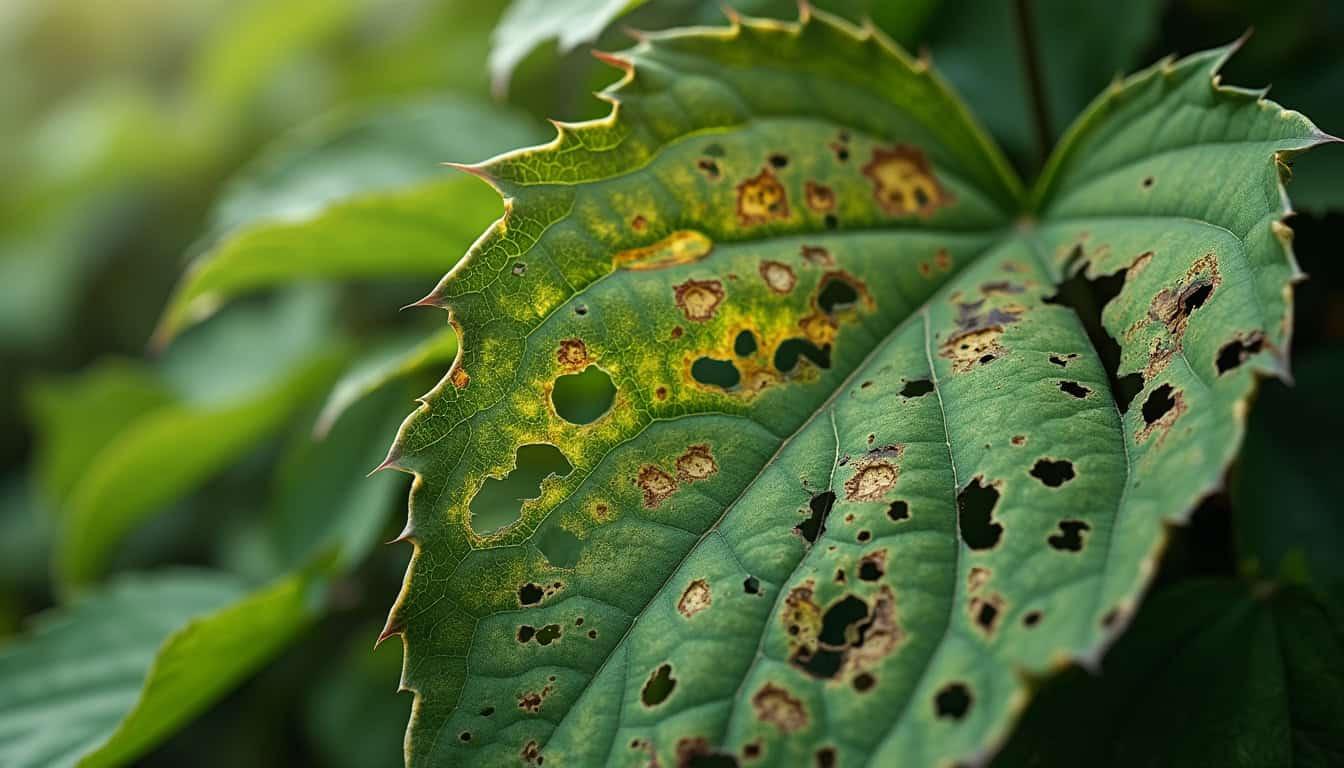
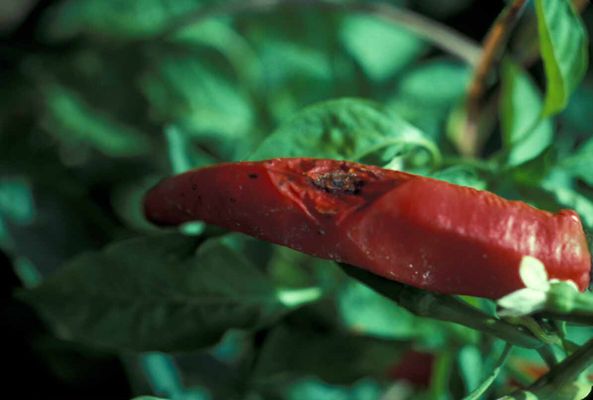
Anthracnose proves particularly challenging for organic growers because organic fungicide options are limited. Weekly copper fungicide applications suppress anthracnose but rarely eliminate it entirely. Other organic products show little efficacy against this stubborn fungus. Therefore, focus organic management primarily on prevention through three-year crop rotation, excellent sanitation, removal of infected fruit, and selection of resistant varieties. Some pepper varieties show natural resistance or tolerance to anthracnose, making them excellent choices for organic production in areas where the disease is problematic.
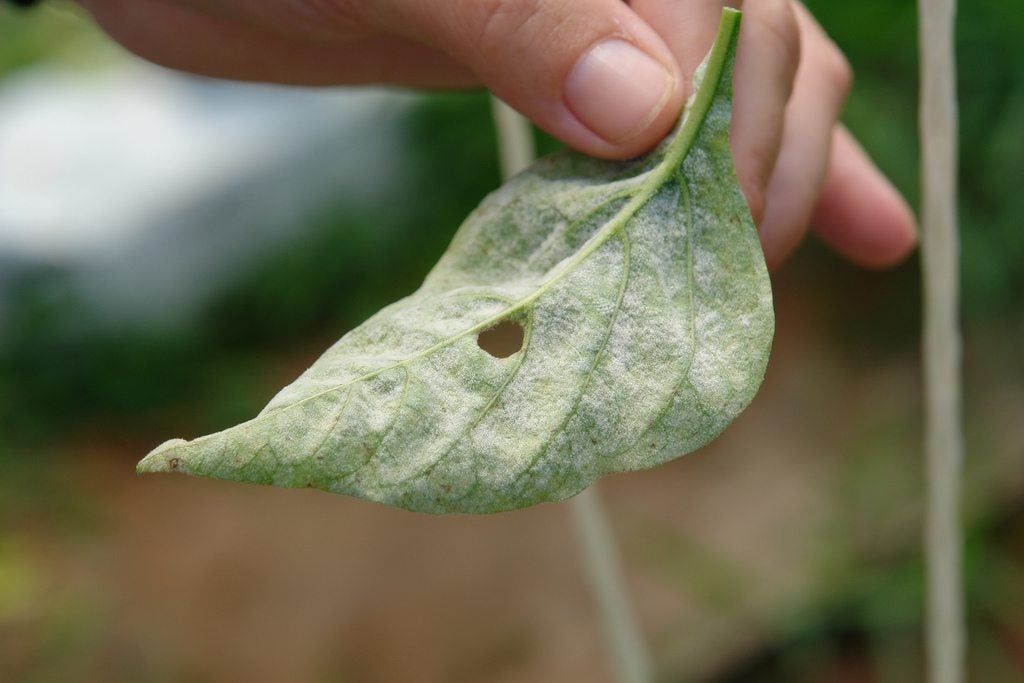
Powdery mildew responds better to organic management than anthracnose. Sulfur applied weekly prevents mildew from establishing. If mildew appears despite sulfur, apply neem oil to control existing infections. Alternate between these products weekly and combine with excellent air circulation. The combination of prevention and organic fungicides usually controls powdery mildew effectively in organic systems.
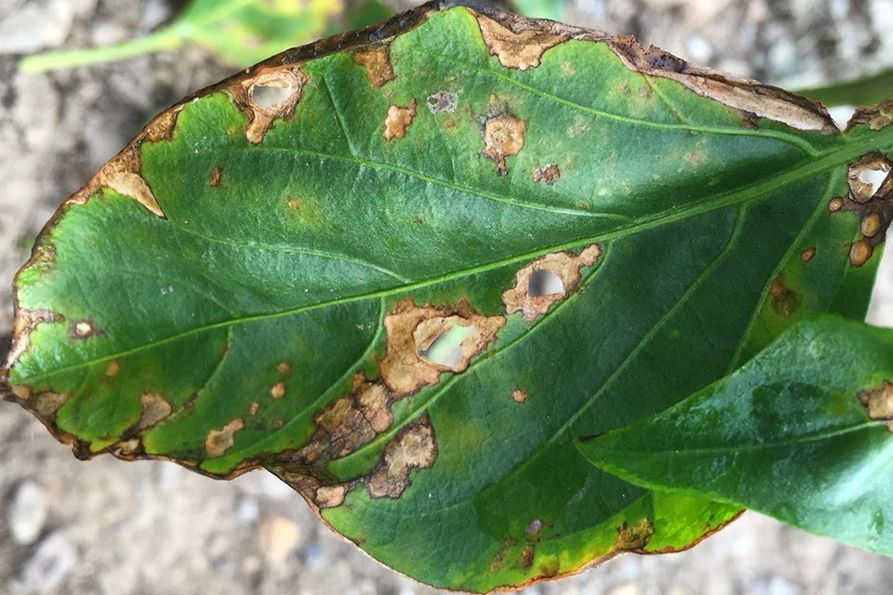
Bacterial leaf spot requires copper bactericide applications (typically two to three per season minimum). Streptomycin is another option. Avoid overhead irrigation that creates leaf wetness. Ensure excellent air circulation. Remove and destroy infected plants to eliminate sources of bacteria. Despite organic fungicide applications, bacterial diseases remain difficult to manage. Prevention through sanitation and resistant varieties is more effective than treatment.
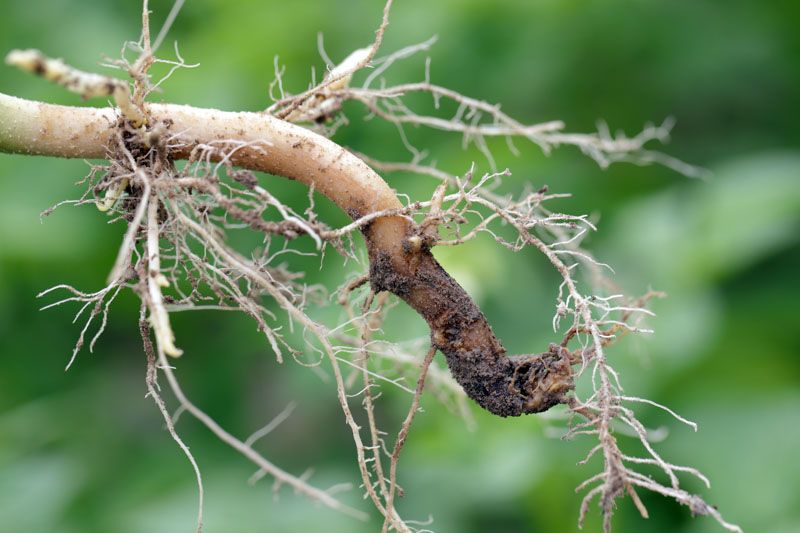
Root rots (Pythium and Phytophthora) of all plant types are among the most responsive to biologicals. Soil drenches at transplanting with Bacillus subtilis protects all season. Seed starting mix and Trichoderma inoculants do not support the damping-off in seedlings. Biological control efficacy increases with a 10% compost addition. Good drainage and no overwatering make conditions unfavorable for the water-loving pathogens, so their attack on the roots can’t be very damaging.
When Resistant Varieties Exist, Use Them
Pepper breeders have developed varieties with resistance to some pepper diseases. Phytophthora blight-resistant jalapeno varieties include Legendario and Tzotzil. Root-knot nematode-resistant varieties include Charleston Belle and Carolina Wonder. Using disease-resistant varieties eliminates the need for fungicides against those specific diseases while reducing overall disease pressure in your farm or garden.
Start with certified disease-free seed from reputable suppliers to avoid introducing seed-borne pathogens. This simple step prevents many diseases from establishing in your crop from the beginning.
Building Your Organic Disease Prevention Plan
Successful organic pepper disease management combines multiple strategies into an integrated program. Start with soil health through crop rotation using three to four year cycles. Choose resistant varieties appropriate for your region. Implement rigorous sanitation practices, treating all equipment and tools between plants. Provide excellent drainage through raised beds or improved field drainage. Use drip irrigation rather than overhead watering. Space plants properly and prune for air circulation. Scout regularly for early disease detection. When disease appears despite these precautions, apply organic fungicides using weekly rotations to prevent resistance. Combine cultural practices with biological controls for soil-borne diseases.
This comprehensive approach means you prevent most disease problems before they develop. The few problems that break through your prevention system respond better to treatment when caught early through regular scouting.
If you notice unusual plant symptoms but cannot identify the disease causing them, photograph your pepper plant and use Plantlyze at www.plantlyze.com. This AI powered plant diagnosis tool analyzes leaf appearance, damage patterns, and visible disease signs to identify the exact pathogen. Accurate identification guides you to appropriate organic management strategies. Use Plantlyze whenever you encounter unfamiliar disease symptoms so you can implement precise treatment rather than guessing.
Bringing It All Together: Sustainable Pepper Production
Organic pepper disease control requires more planning and discipline than conventional chemical approaches, but it produces healthier soil, protects beneficial insects, and builds sustainable farming systems that improve over time. The investment in prevention through crop rotation, sanitation, and resistant varieties pays dividends year after year. When organic fungicides and biological controls become necessary, they work more effectively within a comprehensive prevention program than as standalone treatments.
References
Cornell University: Biopesticides for Managing Diseases of Pepper Organically
https://www.vegetables.cornell.edu/pest-management/disease-factsheets/biopesticides/UC IPM UCANR: Powdery Mildew on Vegetables Pest Notes
https://ipm.ucanr.edu/home-and-landscape/powdery-mildew-on-vegetables/pest-notes/SARE: Managing Plant Diseases With Crop Rotation
https://www.sare.org/publications/crop-rotation-on-organic-farms/University of Connecticut IPM: Minor Diseases of Pepper
https://ipm.cahnr.uconn.edu/minor-diseases-of-pepper/Purdue Extension: Using Organic Fungicides
https://www.extension.purdue.edu/extmedia/bp/bp-69-w.pdf