Many pepper growers avoid pruning because they fear damaging their plants or reducing fruit production. This misconception costs them millions of dollars in lost yields annually. Strategic pruning actually increases pepper production, improves plant health, and makes harvesting easier. This comprehensive guide teaches you exactly when and how to prune pepper plants to maximize your harvest while preventing disease and creating stronger, more productive plants.
Understanding Why Peppers Respond to Pruning
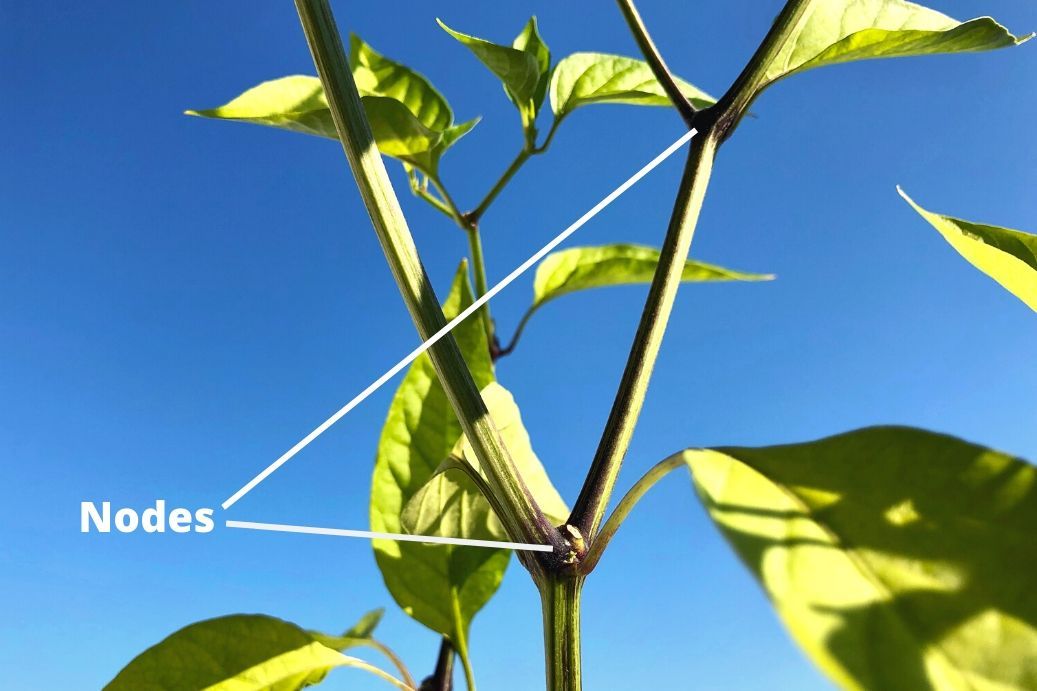
Peppers naturally grow with a single central stem that eventually branches into a Y-shape. This natural branching pattern means most of the fruit-bearing branches grow high on the plant. While this works, it is not optimal for maximum productivity. When you prune the central growing point early in the plant's development, you force it to branch much lower, creating multiple fruiting branches from the base upward.
This difference in structure dramatically impacts yield. A pruned pepper plant can produce 50 percent more fruit than an unpruned plant of the same age growing under identical conditions. Small-fruited varieties like jalapenos, Thai peppers, and habaneros respond most dramatically to pruning, while large-fruited varieties like bell peppers show more modest improvements. The key is understanding that pruning is not damage, it is redirection of the plant's growth energy toward structures that produce more fruit.
Beyond yield, pruning provides multiple secondary benefits. Pruned plants develop stronger, thicker main stems with lower centers of gravity, making them less likely to topple over under the weight of heavy fruit. Improved air circulation from pruning reduces fungal disease incidence by 30-40 percent. Removing lower leaves prevents soil-borne pathogens from splashing onto foliage. These health benefits combine with yield improvements to make pruning an essential practice for serious pepper growers.
Early Season Pruning: Setting Up Your Plants for Success
Early season pruning happens when your pepper plants are young, typically 6-8 inches tall with several sets of true leaves. This is your opportunity to fundamentally shape how your plants grow and how much fruit they will ultimately produce. Many commercial pepper growers and home gardeners perform this critical step, while others miss it entirely, leaving productivity potential on the table.
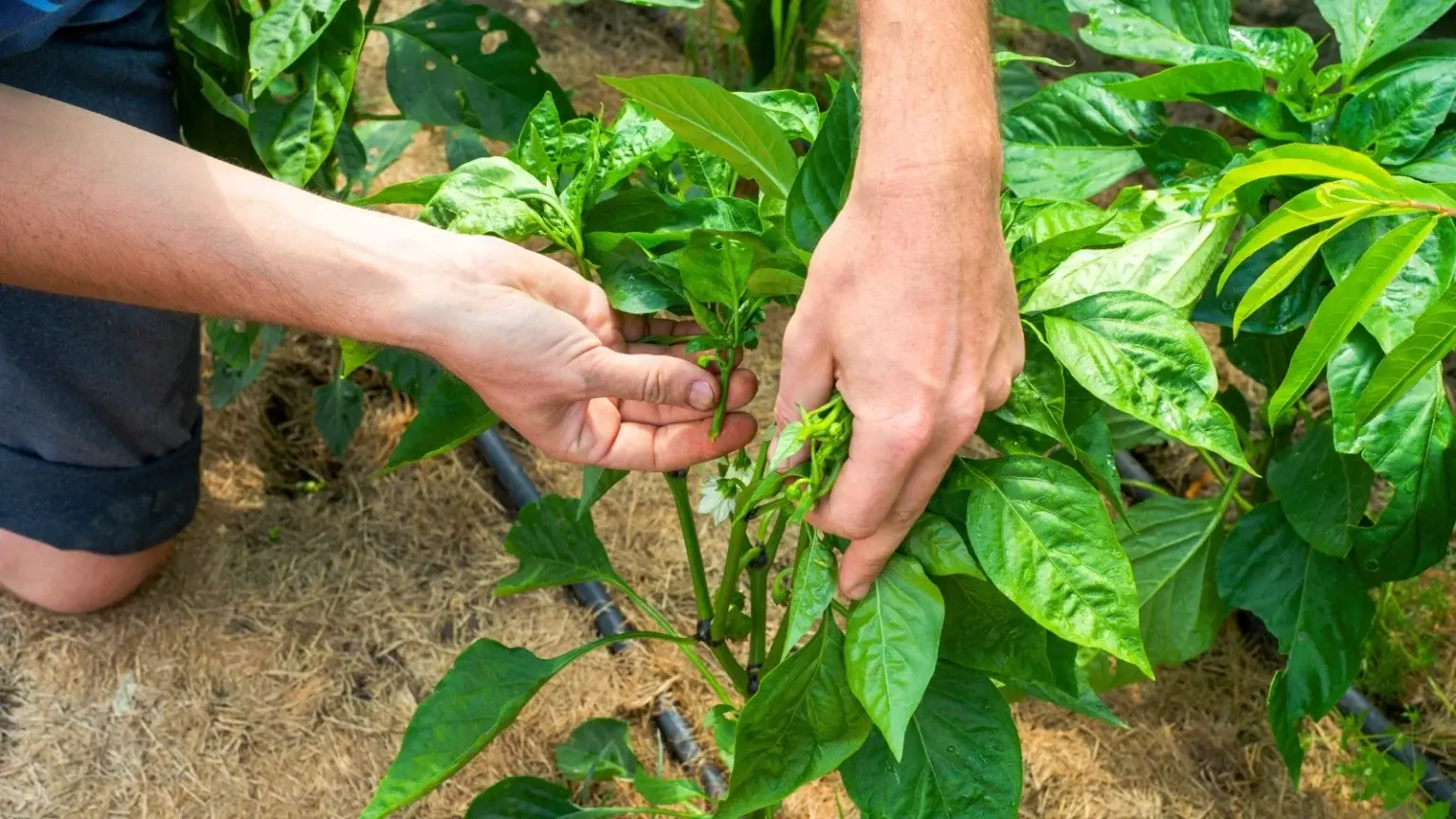
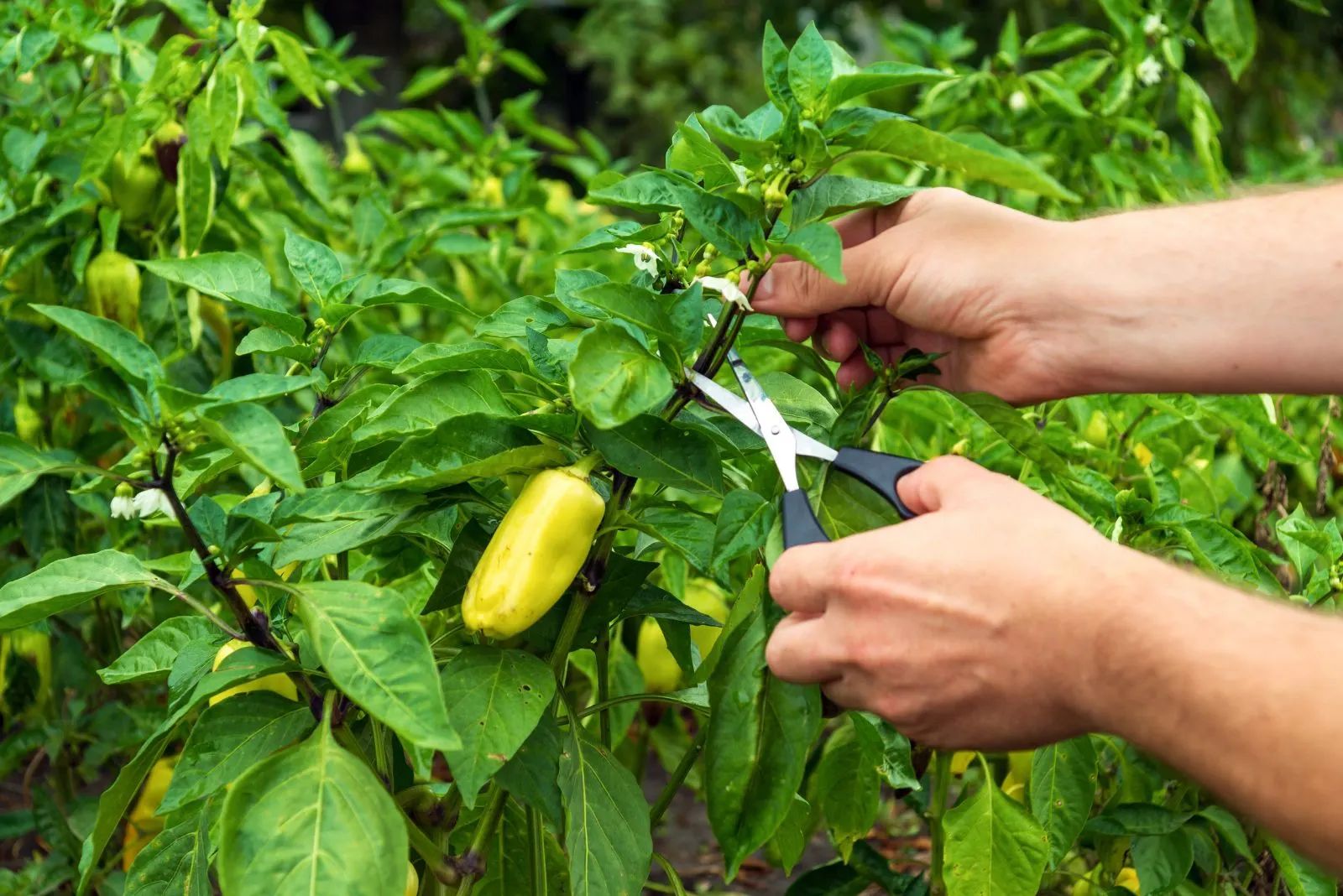
The most important early season pruning is topping, which means removing the central growing point. Identify the top inch of the central stem and use sharp pruning shears to cut just above the third or fourth leaf node counting up from the bottom. This single cut triggers a cascade of branching. Within one to two weeks, your plant will produce two or more new shoots from the nodes below your cut. These multiple new stems mean multiple opportunities for flower production later in the season.
Topping is particularly effective for small-fruited pepper varieties. Jalapenos, Thai peppers, habaneros, and shishito peppers naturally branch heavily once topped. The result is a bushy plant with dozens of fruiting branches rather than a tall, thin plant with fruit only on upper branches. For large-fruited varieties like bell peppers, topping is less critical because these plants naturally grow into a wide, productive Y-shape without intervention. However, topping still helps create a more compact plant with better structure.
Remove your pepper plant's first flowers regardless of variety. When your young transplants produce their first flowers, pinch or cut them off. This seems counterintuitive if your goal is lots of peppers, but preventing early flowering forces the plant to invest energy in root development and vegetative growth instead. Plants that flower early produce smaller root systems, limiting their ability to support abundant fruit production later. Removing the first flowers for two to three weeks after transplanting results in stronger, larger plants that ultimately produce more total fruit.
Bottom pruning means removing the lower leaves from your pepper plants once they are established in the garden. Cut off leaves and stems in the bottom six to eight inches of the plant, leaving clean stem above the ground. This practice provides three critical benefits. First, it prevents soil-borne pathogens from splashing onto foliage during rain or overhead watering. Second, it improves air circulation around the base of the plant, reducing humidity and fungal disease risk. Third, it makes the plant easier to manage and harvest by eliminating low-growing obstacles.
During early season, also consider removing extra side shoots to keep your plants from becoming too bushy. Select the strongest two to three main stems and remove competing side shoots. This opens up the plant's interior, allowing light and air to reach all parts of the canopy. The result is more even fruit ripening and less disease pressure. This early structural pruning sets your plants up for healthy, productive growth throughout the season.
Mid-Season Pruning: Maintenance and Optimization
Throughout the growing season, perform maintenance pruning to keep your plants healthy and productive. This is not dramatic like early season topping. Instead, you are selectively removing leaves and branches that cause problems or interfere with productivity.
Remove dead, dying, or diseased leaves immediately whenever you notice them. Do not wait for a scheduled pruning session. Disease spread exponentially from a single infected leaf to surrounding tissues. By removing affected leaves promptly, you slow disease progression and sometimes stop it entirely. Use clean, sharp shears and sterilize between plants using a 10 percent bleach solution or rubbing alcohol to prevent spreading disease between plants.
Continue bottom pruning throughout the season as needed, removing any leaves or branches that grow too close to the soil. Soil contact creates perfect conditions for fungal diseases and pest problems. By maintaining a six to eight inch clearance between the plant's lowest foliage and the soil, you dramatically reduce disease and pest pressure.
Remove crossing branches that grow back toward the center of the plant. These inward-growing branches shade fruit and other branches, reducing productivity. They also create dense tangles where disease thrives and insects hide. A simple rule is to remove any branch that crosses another branch or grows toward the center rather than away from it.
Avoid heavy pruning during the hottest part of the season when temperatures exceed 90 degrees Fahrenheit. Heat stress and pruning stress combine to damage plants. If you must prune during hot weather, do it very early in the morning or in the evening to minimize stress. In general, limit any single pruning session to removing no more than 20 to 30 percent of the plant's foliage to avoid overwhelming the plant's recovery ability.
Late Season Pruning: Racing Against Frost
As fall approaches and temperatures begin to drop, late season pruning becomes critical in climates with early frosts. Three to four weeks before your area's expected first frost date, perform aggressive pruning to redirect all the plant's remaining energy into ripening existing fruit before cold arrives.
Remove all non-fruiting branches at this stage. Any branch that does not have peppers on it is consuming energy that could ripen peppers on fruiting branches. Cut these branches away completely. Similarly, remove all flowers and tiny immature peppers that definitely will not reach full size before frost. The plant has finished its growing season. Your only objective now is maximum ripening of existing fruit.
Prune back all stems and branches by six inches, making cuts just above the uppermost fruit on each branch. This dramatic reduction forces the plant to stop allocating energy to vegetative growth and shift entirely to fruit ripening. Peppers exposed to maximum sunlight ripen faster and develop more vibrant mature color. Removing shading leaves directly above developing peppers accelerates ripening by weeks, allowing you to harvest mature, beautifully colored peppers instead of green fruit before frost arrives.
The combination of removing non-fruiting vegetation and increasing light exposure to fruit is remarkably effective. Many pepper growers in northern climates report harvesting fully mature, red, yellow, or orange peppers in late October that never would have ripened without late season pruning. The practice can extend your harvest season by weeks in early frost areas.
Variety-Specific Pruning Responses
Small-fruited pepper varieties respond dramatically to pruning. Jalapenos, Thai peppers, habaneros, and shishito peppers naturally have a strong branching habit. Pruning this early encourages that branching even further, resulting in compact, bushy plants that produce hundreds of small peppers. If you grow these varieties, aggressive early season topping is definitely worthwhile.
Large-fruited pepper varieties like bell peppers, poblanos, and cubanelles respond less dramatically to pruning. These varieties naturally grow wide and productive without topping. While topping still helps create stronger plants with better fruit distribution, the yield increase is often less than 20 percent rather than 50 percent. For these varieties, focus pruning efforts on maintenance pruning (removing lower leaves, dead material, diseased foliage) rather than aggressive early season topping.
Regardless of variety, removing the first blooms and performing bottom pruning benefits all pepper types by improving plant health and disease resistance.
Pruning Technique: The Details Matter
Use sharp, clean pruning shears for all cuts. Dull shears crush stems, creating damage that invites disease. Clean shears prevent disease transmission between plants. Before each pruning session, sterilize your shears by wiping them with a cloth soaked in rubbing alcohol or dipping them in a 10 percent bleach solution. This simple step stops disease spread dead in its tracks.
Always cut just above a leaf node, the joint where a leaf emerges from the stem. Cutting above nodes, approximately one quarter inch above the node, is where new growth emerges. Never cut in the middle of an internode (the stem between nodes) because this creates a bare stub that dies back and invites disease. The precise location of your cuts determines whether new growth emerges from the correct location.
Never pinch or break pepper stems with your fingers. While this seems faster than using shears, finger pinching leaves ragged torn tissues that heal slowly and attract disease. Shears cut cleanly, allowing the plant to seal the wound quickly. Always use proper tools.
Expect stress response from pruning. The plant interprets pruning as damage and accelerates growth to compensate. Within one to two weeks, new growth emerges vigorously, often growing two to three times faster than normal. This stress response is actually beneficial because it creates a stronger plant adapted to your growing conditions.
Reading Your Plants: When Pruning Helps Most
Plants that are too tall and spindly benefit from early topping that encourages bushier growth. If your pepper seedlings reach 12 inches tall while still in their propagation trays, topping them will dramatically improve their structure before planting in the garden.
Plants growing in low light conditions naturally stretch and become leggy. Topping encourages branching lower on the plant, creating a more compact form that better utilizes available light. If you grow peppers indoors under grow lights, topping is particularly beneficial for creating sturdy plants.
Plants planted too densely benefit from selective pruning to reduce foliage overlap and improve air circulation. Dense pepper plantings can create humidity pockets where disease thrives. Prudent pruning opens the canopy enough to allow air movement between plants.
If you notice unusual leaf patterns or cannot identify why your pepper plants are not producing as expected, photograph them and use Plantlyze at www.plantlyze.com. This AI powered plant diagnosis tool analyzes your pepper plant's structure, leaf appearance, and growth patterns to identify whether pruning would help or whether other issues need addressing. Accurate diagnosis guides whether pruning is the right solution for your specific plant condition.
Bringing It All Together: Your Pruning Plan
Create a simple pepper pruning schedule for your climate and pepper varieties. For small-fruited varieties in most climates, perform one initial topping when plants are 6-8 inches tall, remove early flowers for two to three weeks, and perform bottom pruning at transplant time. Throughout the growing season, do maintenance pruning as needed, removing dead leaves and lower growth. Three to four weeks before your first expected frost, perform aggressive late season pruning to maximize fruit ripening.
For large-fruited varieties, focus on removing flowers early on and bottom pruning, with maintenance pruning throughout the season and late season pruning before frost. The key is starting early, being consistent, and understanding that pruning is investment in future productivity, not damage to your plants.
Whether you grow just a few pepper plants in containers or manage acres of commercial peppers, strategic pruning increases productivity, improves plant health, reduces disease pressure, and makes harvesting easier. Take the time to learn proper pruning technique, and your pepper yields will reward your effort dramatically.
References
Colonial Soil and Water Conservation District: Pruning to Maximize Your Pepper Yield
https://www.colonialswcd.org/post/pepper-pruningUniversity of Florida IFAS Extension: Pepper Production and Management
https://edis.ifas.ufl.edu/publication/HS965NC State Extension: Vegetable Gardening Pepper Production Guide
https://content.ces.ncsu.edu/vegetable-gardening-pepper-production-guide