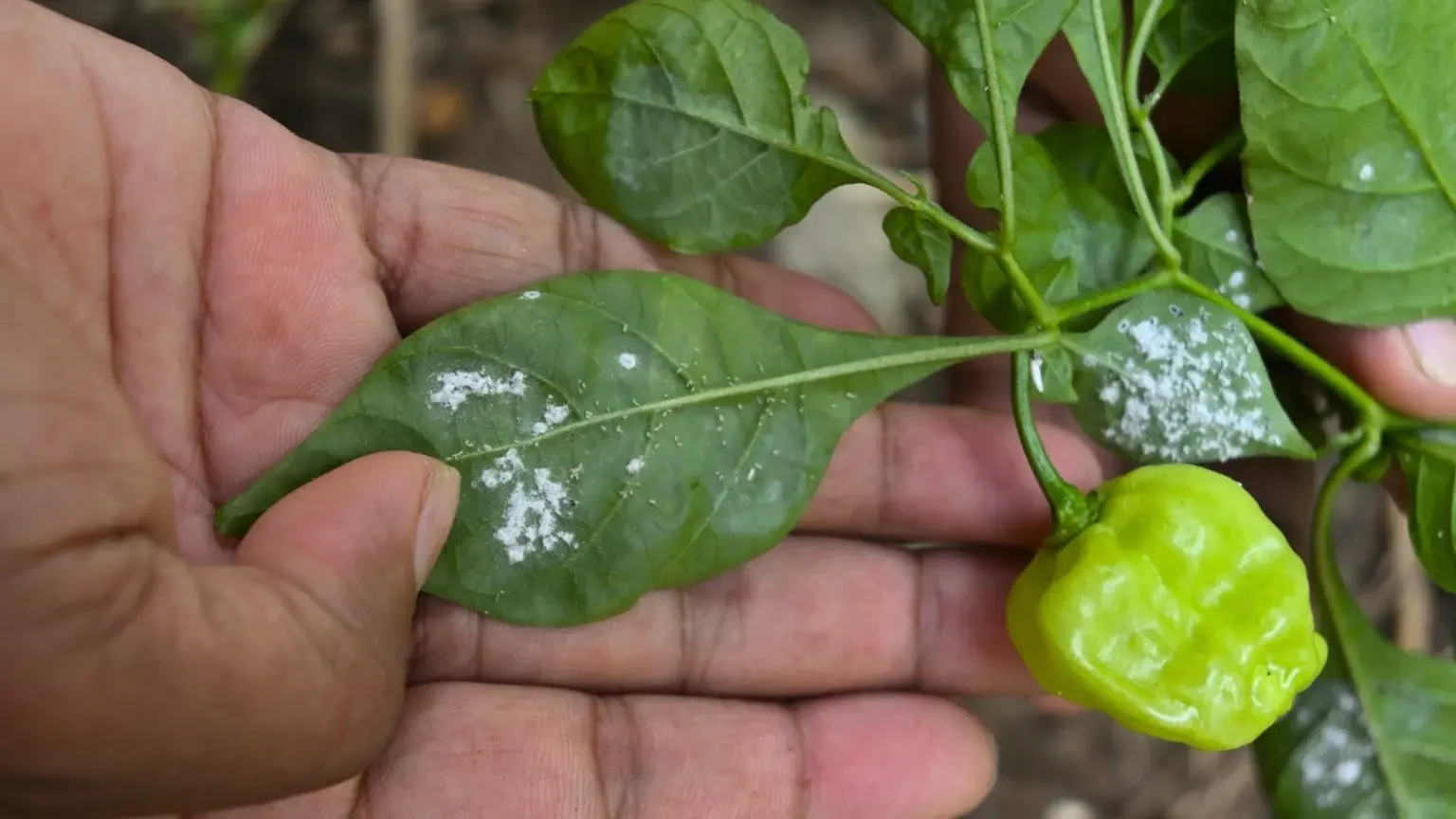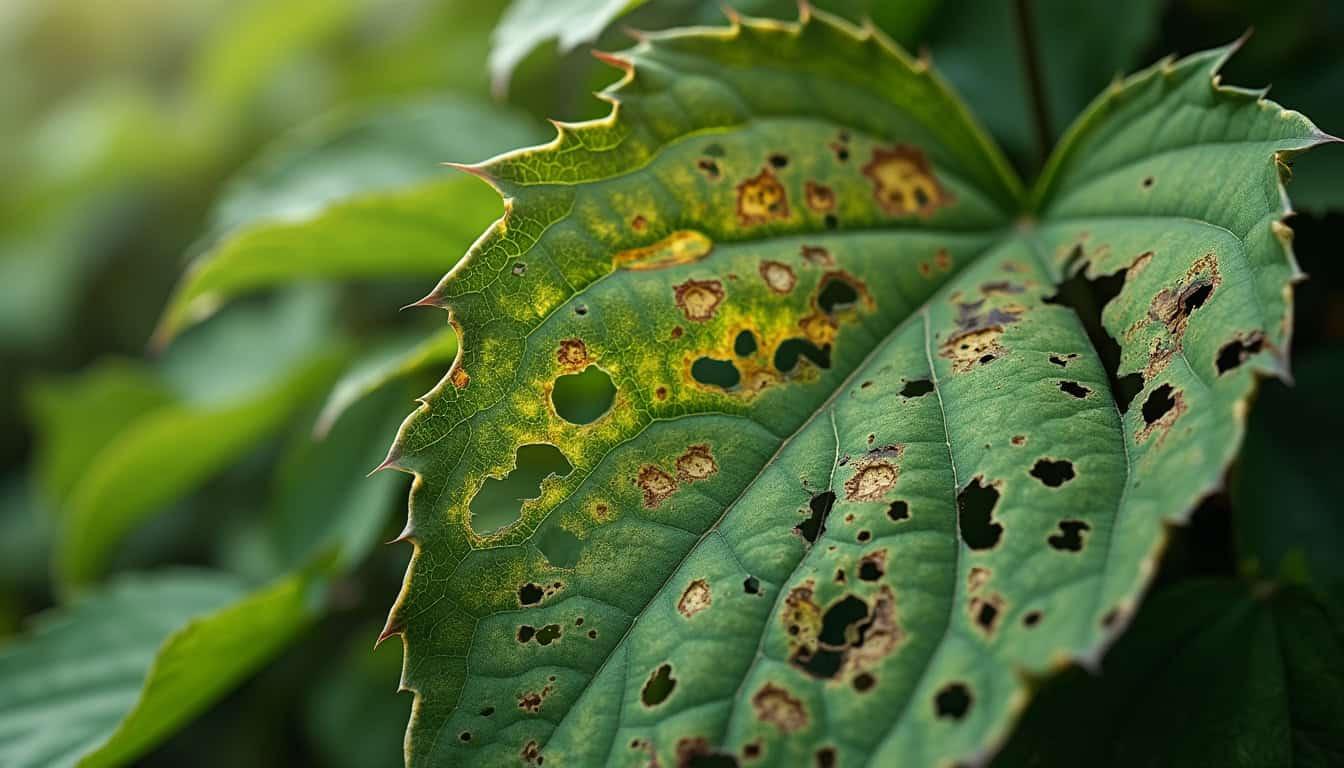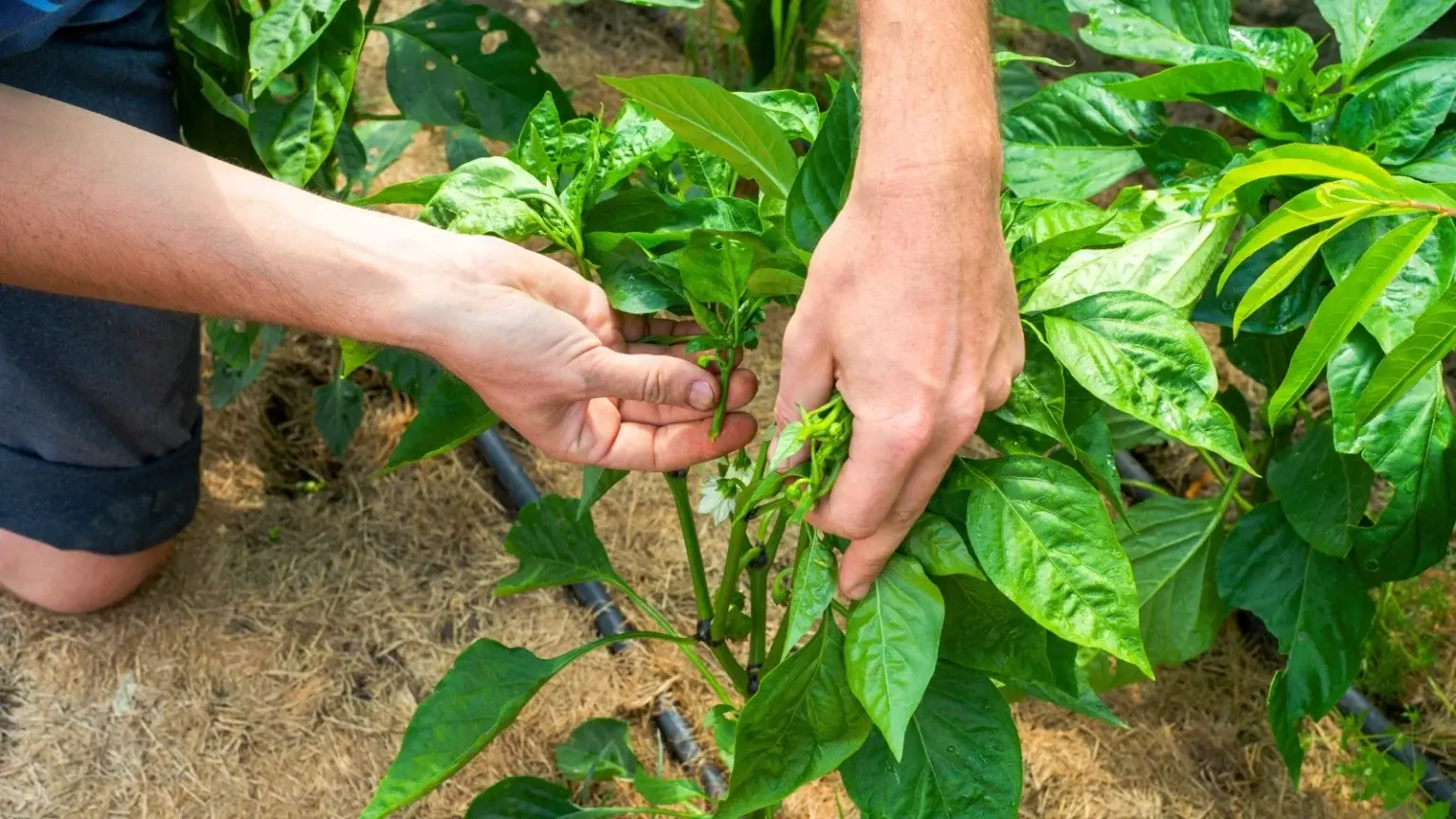
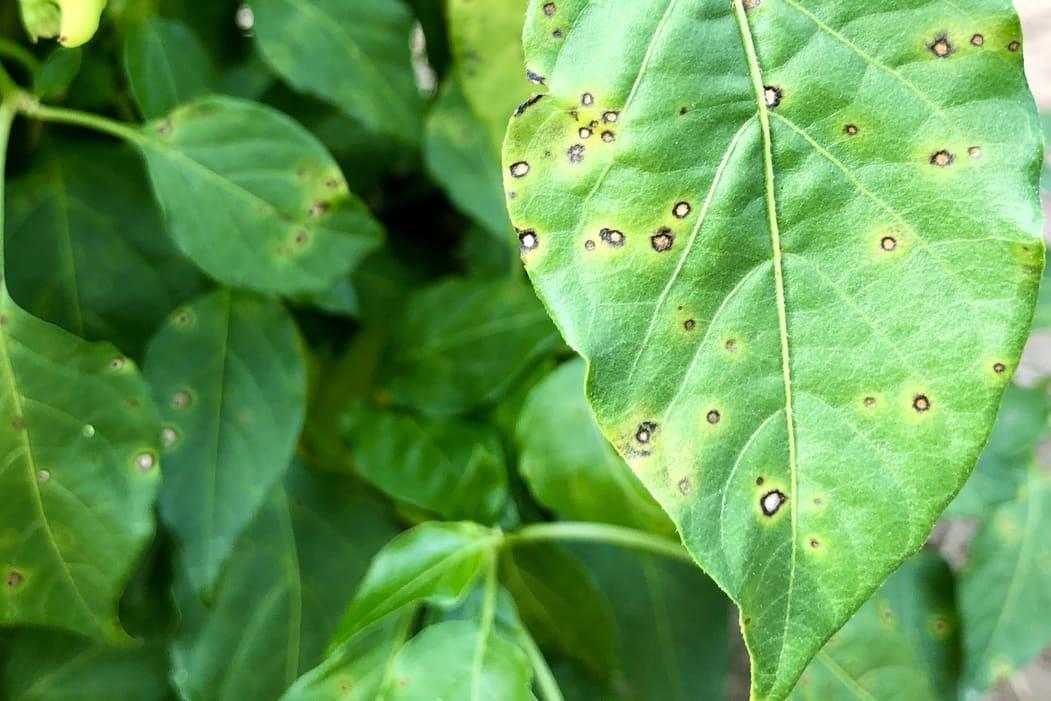
You walk through your pepper garden and notice something troubling. The leaves on several plants are covered with brown spots and strange markings. Some spots look water-soaked and greasy. Others have circular patterns that almost resemble tiny bulls-eyes. Your first instinct is alarm, but you're not entirely sure what disease has attacked your peppers. Is it serious? What caused it? Will it spread to your other plants?
Welcome to the world of pepper leaf spot diseases. Two distinct pathogens can cause spotted, damaged leaves on peppers, and they look surprisingly similar at first glance. But here's the critical part: they require completely different management strategies. Using the wrong treatment wastes money, time, and effort. Understanding which disease you're facing is the essential first step toward protecting your pepper crop.
This comprehensive guide walks you through identifying bacterial versus fungal leaf spot, understanding environmental conditions that trigger disease, implementing prevention strategies, and applying effective treatments that work.
Understanding Pepper Leaf Spot: Two Distinct Diseases
Pepper leaf spot is not one disease—it's actually two separate diseases caused by two completely different pathogens. The distinction matters enormously because management strategies that work for one disease won't work for the other.
Bacterial Leaf Spot is caused by the bacterium Xanthomonas campestris pv. vesicatoria. This gram-negative rod-shaped bacterium survives in seeds, plant debris, and weeds from one season to another. Different strains or races exist, and each can affect specific pepper varieties. Bacterial leaf spot occurs worldwide and has been particularly destructive in the eastern United States.
Fungal Leaf Spot is caused by the fungus Cercospora capsici. This pathogen is most damaging in tropical and subtropical regions where warm, wet conditions prevail year-round. Cercospora survives in infected seeds, old plant debris, and soil as tiny black fungal tissue called stromata.
Both diseases favor similar environmental conditions—warm temperatures, high humidity, and prolonged leaf wetness. Both spread via splashing water, wind, and plant-to-plant contact. Yet they differ in crucial ways that affect diagnosis and treatment. Recognizing these differences is key to successful disease management.
Bacterial Leaf Spot: Identification and Symptoms
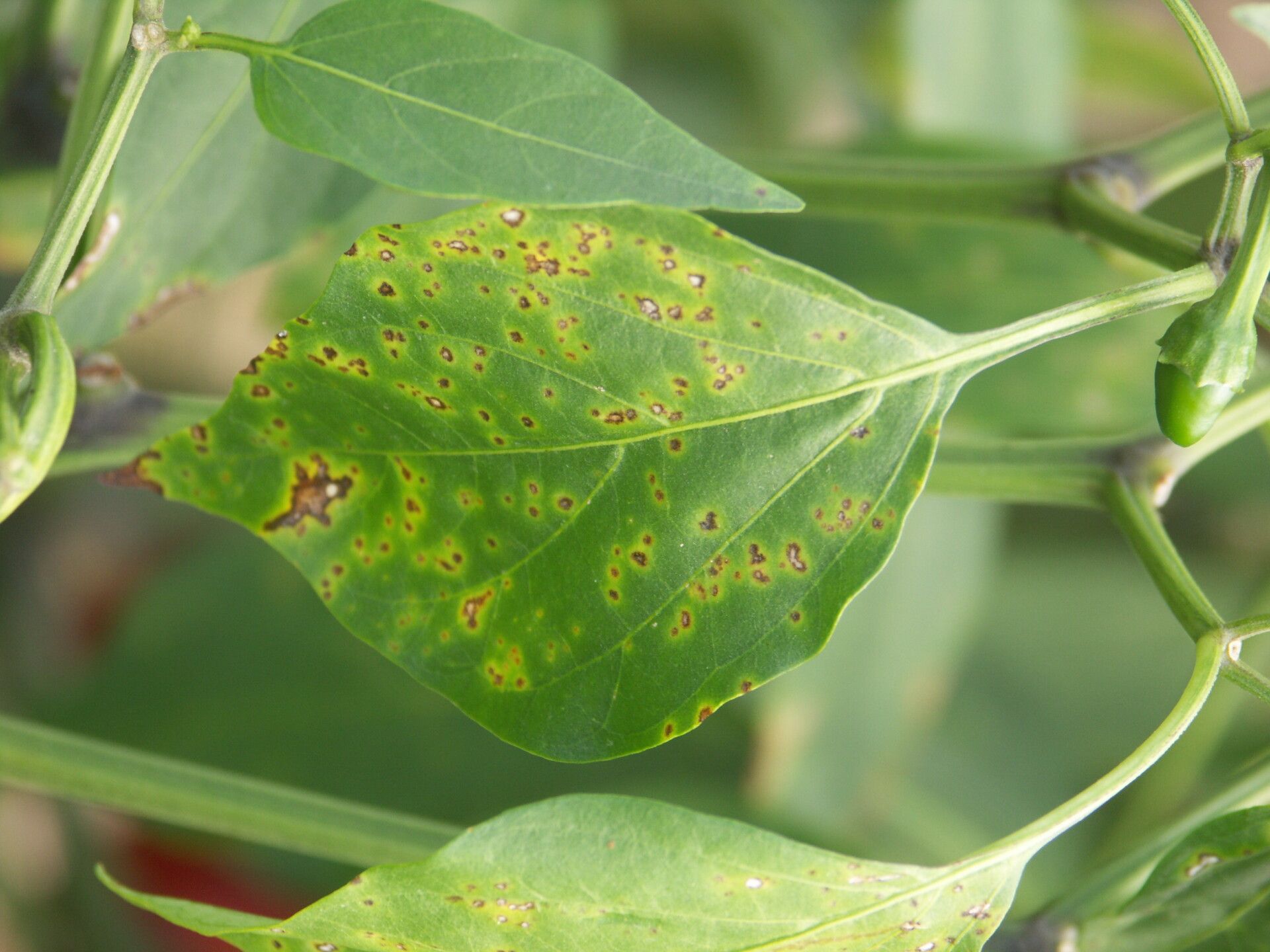
Bacterial leaf spot appears early as small, water-soaked lesions on leaves that can quickly change from green to dark brown. These initial lesions are the hallmark of bacterial infection. The spots enlarge into circular or irregular shapes, typically up to 1/4 inch in diameter (0.25 to 0.5 centimeters) with slightly raised margins.
As bacterial spots age, they develop a distinctive appearance: purplish-gray centers with a black core, surrounded by a narrow yellow halo. This yellow halo is one of the most diagnostic features of bacterial leaf spot. Under dry conditions, the damaged tissue at the lesion center dries up and falls away, creating a tattered, ragged appearance on leaves. Leaves become ragged, turn yellow, and eventually drop from the plant.
The disease tends to appear more frequently in the lower canopy where moisture concentrates and air circulation is poorest. When bacterial infections become severe, affected leaves turn yellow prematurely and defoliate entirely, exposing the plant's interior structure.
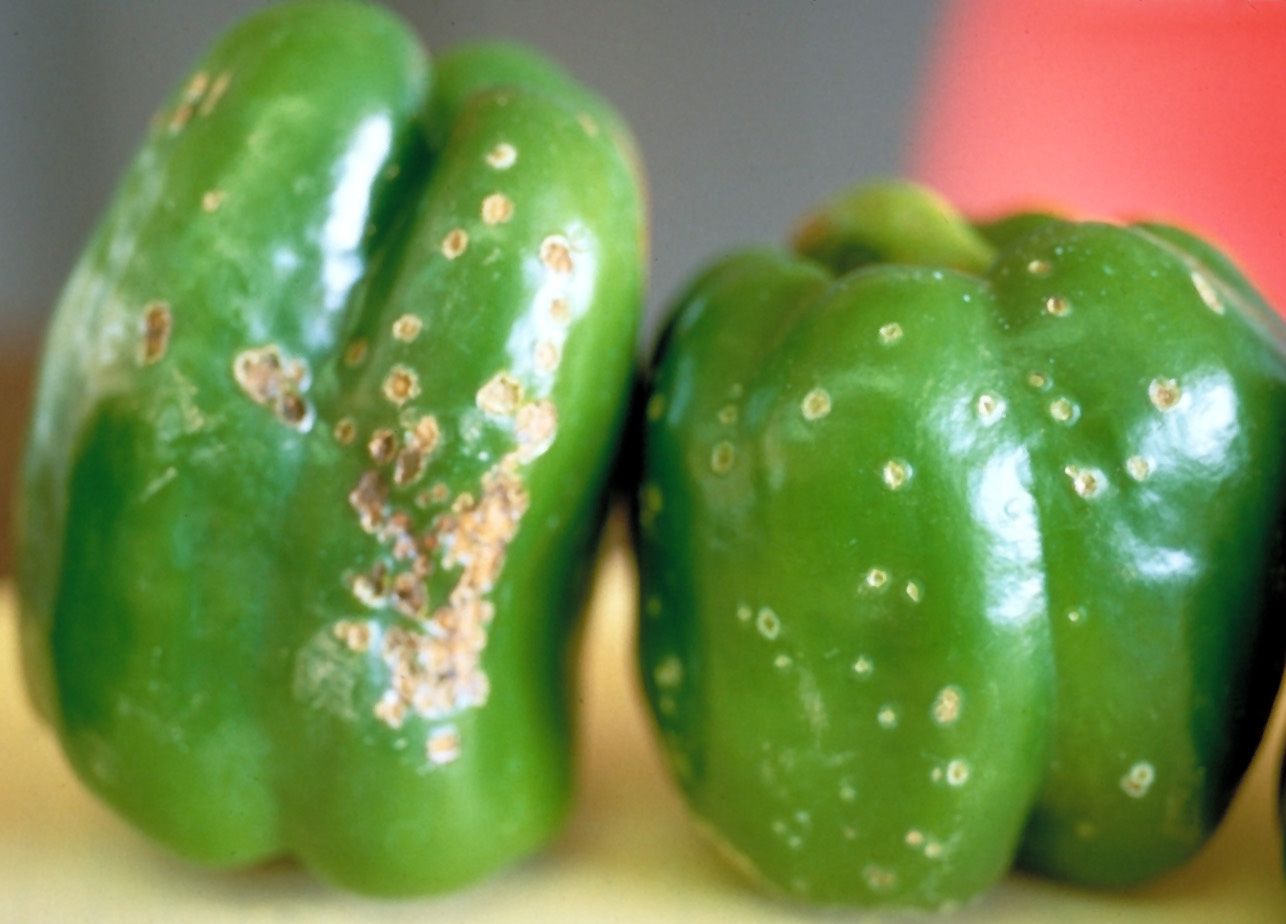
Fruit infection is particularly damaging from an economic standpoint. Bacterial leaf spot produces small, roundish, raised, dark, scabby lesions on fruit that render the peppers unmarketable. While bacterial infection doesn't directly cause fruit rot, these scabby lesions provide entry points for other fruit-rotting pathogens, allowing secondary infections to take hold and worsen damage.
Flower infections can also occur, resulting in severe blossom drop. This limits fruit set and dramatically reduces yields even before the fruit has a chance to develop.
In some cases, the size and number of lesions vary widely between pepper varieties. Some cultivars display numerous small lesions (1/4 to 1/2 centimeter each) covering over 80 percent of the leaf surface, while other varieties show fewer large lesions (larger than 1/2 centimeter). The lesson: different pepper varieties respond differently to the same bacterial strain.
Fungal Leaf Spot (Cercospora): Identification and Symptoms
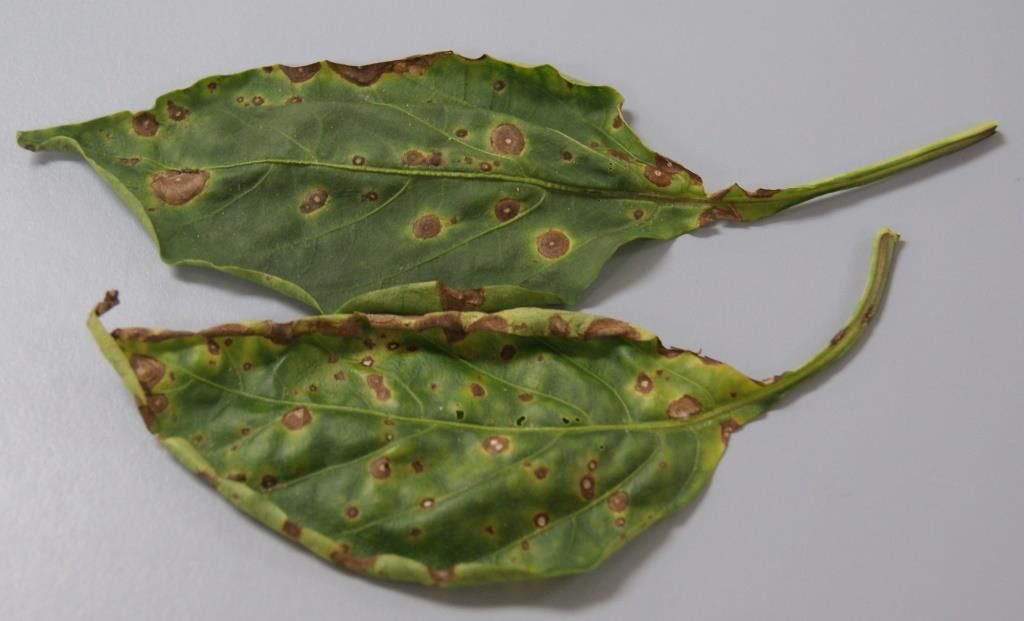
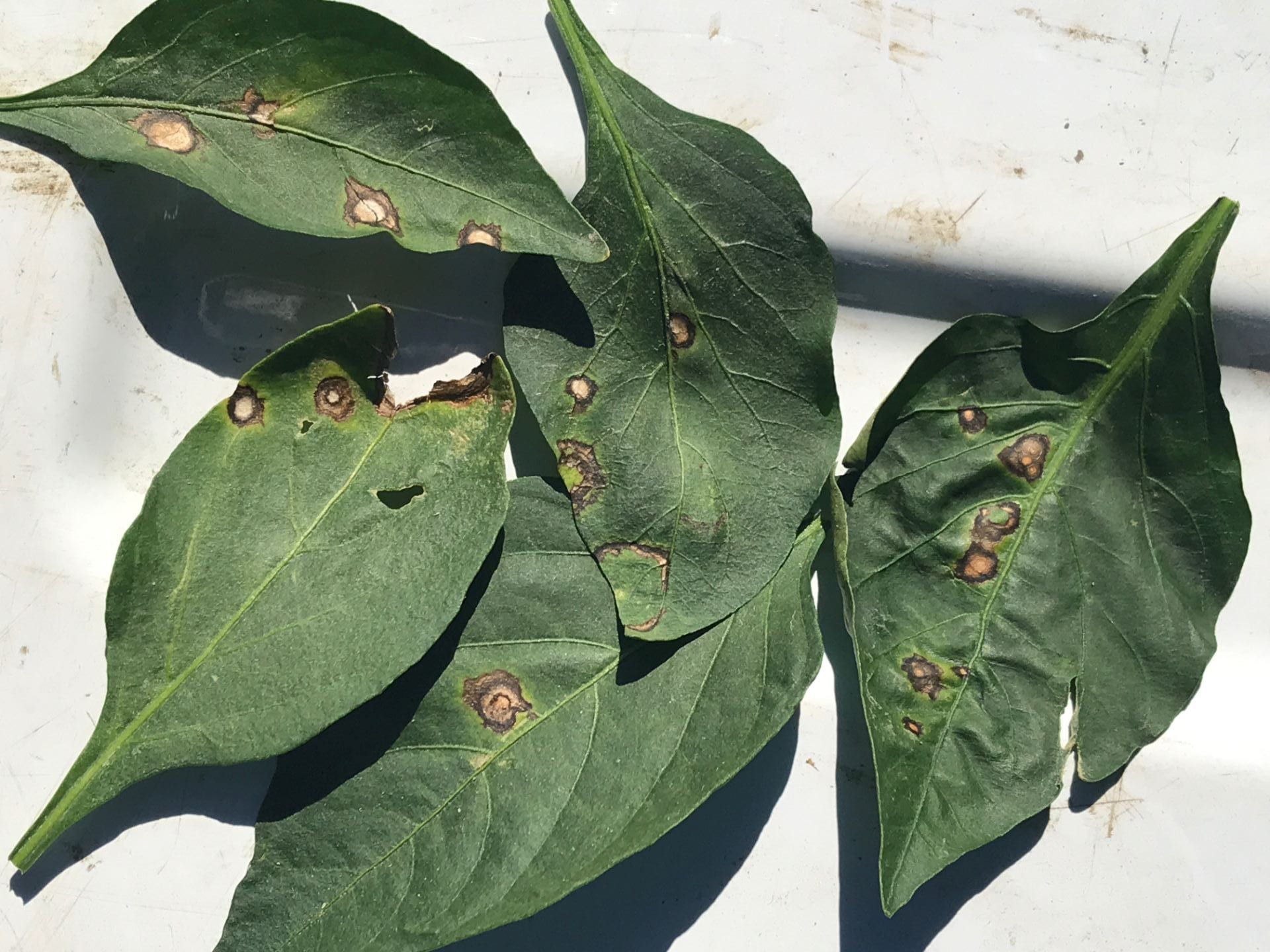
Fungal leaf spot caused by Cercospora capsici begins with circular spots that start yellowish but quickly transform into something more distinctive. Within days after infection, spots develop a light gray center surrounded by a reddish-brown margin. These spots grow up to 1 centimeter in diameter and develop a characteristic appearance: tan centers with dark concentric rings and a yellowish halo around the rings. This pattern creates a distinctive "frog-eye" appearance that experienced gardeners find instantly recognizable.
Under high magnification with a hand lens, thin, needle-like spores become visible in the center of spots, arising from small black fungal tissue. These needle-like spores are never present in bacterial leaf spot and represent a key diagnostic difference.
The affected centers of lesions gradually dry out and often drop away as they age. This creates the "shot-hole" effect where leaves develop conspicuous holes where lesions once existed. When numerous spots occur on foliage, leaves turn yellow and may drop or wilt. Serious infections cause entire leaves to fall from the plant, exposing peppers to direct sunlight and potential sun scald damage.
Spots also develop on stems and petioles, but they differ from leaf spots in one important way: stem spots are oblong rather than circular. This distinction can help you confirm fungal versus bacterial infection when examining the entire plant.
Here's a critical difference: Cercospora does NOT infect fruit. Unlike bacterial leaf spot, which produces scabby lesions on peppers themselves, fungal leaf spot remains confined to leaves and stems. The fruit damage you see with fungal leaf spot is sun scald resulting from defoliation, not direct infection by the fungus.
The most reliable diagnostic clues are:
Yellow halo presence: Both have halos, but bacterial halos are narrower and initial lesions are water-soaked; Cercospora halos are yellowish around a reddish margin.
Fruit infection: If you see scabby lesions on the actual peppers, it's bacterial leaf spot. Fungal leaf spot never infects fruit directly.
Spore visibility: If you can see needle-like structures in lesion centers under magnification, it's Cercospora (fungal).
Hole formation: Cercospora often creates shot-holes; bacterial rarely does.
When in doubt, consult your local extension office or use diagnostic tools. Accurate identification is worth the time investment.
Environmental Conditions Favoring Leaf Spot
Both bacterial and fungal leaf spot prefer similar conditions, but understanding these triggers helps you predict when disease will strike and implement preventive measures at the right time.
Bacterial Leaf Spot Environmental Triggers
Bacterial leaf spot develops most rapidly during periods of warm temperatures and prolonged wet conditions. Relative humidity above 85 percent creates ideal conditions for disease development. Extended periods of leaf wetness provide the moisture this bacterium needs to spread and cause infection. The bacteria enters leaves and stems through stomata (natural pores) or through plant wounds created by sand abrasion or wind damage.
However, here's something in your favor: short periods of three or more days below 40 percent relative humidity reduce disease severity and delay development. Extended periods of at least three weeks of low humidity irreversibly halt disease spread and development, even if favorable conditions return later. This means dry seasons offer natural disease suppression.
Heat waves, especially when night temperatures remain above 70 degrees Fahrenheit, strongly favor bacterial leaf spot. The bacteria survive the winter on infected seeds and in plant debris. In colder climates, contaminated seeds are actually the primary source of infection. Even dried seeds stored in the cold for 10 years can produce plants with bacterial spot symptoms, underscoring the importance of certified disease-free seed.
Fungal Leaf Spot (Cercospora) Environmental Triggers
Cercospora fungal leaf spot is most severe during periods of warm temperatures, specifically 20 to 25 degrees Celsius during the day, combined with excessive moisture from rain or overhead irrigation. Fungal growth slows dramatically if temperatures drop below 5 degrees Celsius or exceed 35 degrees Celsius.
The fungus requires water for spore germination and penetration of the host. Interestingly, heavy dew appears to be sufficient for infection to occur. This means morning dew in tropical regions can trigger infection without any rain or irrigation.
Water as the Critical Common Factor
For both diseases, water on leaves is the enabling factor. Overhead irrigation creates perfect conditions for both pathogens. Rain splash spreads bacteria and fungal spores alike. Morning irrigation allows leaves to dry during the day, reducing infection risk. Evening or night watering keeps leaves wet for extended periods, dramatically increasing disease risk for both pathogens.
Prevention Strategies: Breaking the Disease Cycle
Prevention is always easier than treatment. Implement these strategies before disease appears to avoid the heartbreak of watching your pepper crop decline.
Start with Disease-Free Stock
Use only certified disease-free seeds from reputable seed companies that screen for pathogens. When purchasing transplants, buy only disease-free certified nursery stock. Inspect transplants very carefully before purchasing and reject any showing leaf spots, lesions, or deformed leaves. If you raise your own transplants, grow them under sanitary conditions with disease-free water.
For high-risk situations where disease history exists in your region, seed treatment can provide additional protection. Soak seeds in a 20 percent bleach solution for 40 minutes (use one gallon of water per pound of seed, agitating constantly while soaking). After washing, air dry promptly. This treatment reduces bacterial populations on seed surfaces.
Water Management is Paramount
Switching from overhead irrigation to drip irrigation is the single most important prevention step you can take. Drip systems keep water confined to the soil, preventing splash onto leaves. If overhead irrigation is necessary, apply water only in early morning (6 to 8 AM), allowing foliage to dry during the heat of the day. Never water late afternoon or evening when leaves will remain wet overnight.
Avoid daily watering. Allow soil to dry between irrigation cycles to reduce moisture periods that favor both pathogens. Fix irrigation leaks immediately. A constantly seeping line creates continuously moist leaves, which is exactly what these diseases need to thrive.
Improve Air Circulation and Spacing
Space plants properly to allow air movement between foliage. Increased air circulation helps leaves dry faster after dew or rain. Avoid planting too densely, where lower leaves stay constantly moist. Stake plants or use support systems to elevate foliage off the ground.
Proper spacing can reduce disease severity by 30 to 40 percent compared to crowded plantings. This simple practice also makes disease detection easier during weekly scouting.
Field and Garden Sanitation
Remove and destroy all infected plant debris immediately after disease appears. Pick up fallen leaves from the ground, as fungal spores survive in debris and bacteria overwinter there. Never compost infected plant material, as spores and bacteria survive composting temperatures. Clean tools and implements between plants if disease is present. Wash hands after handling diseased plants.
Control solanaceous weeds including nightshade, horsenettle, and jimsonweed. These plants host both bacterial and fungal leaf spot pathogens. Many weeds serve as overwintering sites for disease inoculum that spreads to peppers the following season.
Crop Rotation Provides Real Benefits
Use a minimum 2 to 3 year rotation period where peppers do not grow. Plant non-host crops in rotation years such as corn, beans, onions, lettuce, cabbage, or small grains like wheat, barley, and oats. Never rotate peppers with tomatoes, eggplant, or potato since all host both pathogens.
After removing infected plants, disk or plow fields immediately to hasten breakdown of crop residue. Complete residue destruction reduces pathogen survival and carryover to the next season.
Choose Resistant Pepper Varieties
Where available, select pepper varieties with resistance to bacterial leaf spot. Resistant sweet pepper varieties include F1 Autry, Green Flash, Labelle, Ninja, Outsider, Playmaker, Prowler, Raven, Samurai, SB3255 PB, and Tracer. Green Machine, Antebellum with X10R and 4288a with bs5 plus bs6 genes offer intermediate resistance.
For Cercospora fungal leaf spot, check with local extension agents about varieties showing tolerance to Cercospora capsici. Avoid highly susceptible varieties like Sandia which suffers severe infections.
Management and Treatment Options for Active Disease
If leaf spot disease has already appeared in your pepper plants, these management strategies can reduce losses and prevent spread to other plants.
Fungicide Applications for Bacterial Leaf Spot
Copper-based products are most effective for bacterial leaf spot. These include copper hydroxide, copper sulfate, and copper ammonium carbonate. Apply these products as foliar sprays with a spreader sticker to improve coverage and adhesion.
Apply fungicides preventively before symptoms appear, not reactively after spots develop. Begin applications when environmental conditions favor infection (warm humid periods). Continue spray schedules throughout the season at 7 to 10 day intervals using shorter intervals during wet weather with high humidity and warm temperatures. Use longer intervals during dry weather.
Continue applications until 3 to 4 weeks before final harvest. Important note: some strains of the bacteria are resistant to copper-based chemicals, which may not be effective against those particular strains. If copper sprays don't provide adequate control, consult your extension office about alternative products.
Fungicide Applications for Fungal Leaf Spot (Cercospora)
Copper-based fungicides are effective for Cercospora management. Apply fungicides preventively using a 10 to 14 day spray schedule starting when conditions favor infection. Continue until 3 to 4 weeks before harvest.
For seed treatment, hot water treatment at 52 degrees Celsius for 30 minutes reduces fungal populations on seeds. Alternatively, use commercial seed disinfectants if seeds come from infected plants.
Field Management When Disease is Present
Scout fields weekly, especially after heavy rain. Look first in lower-canopy areas where moisture concentrates. Remove and destroy individual infected plants and a border of asymptomatic neighboring plants surrounding them. Dig out plants completely, including roots, and dispose far from the field. Do not compost.
Avoid field operations and mechanical work when plants are wet. This prevents spreading bacterial spores via equipment and tools. Timing operations during dry periods reduces transmission risk.
Integrated Pest Management Approach
No single method controls leaf spot effectively. Combine resistant varieties, water management, sanitation, and fungicides into an integrated program. Research consistently shows that combining two or three methods provides significantly better results than relying on any single approach.
Example integrated program: Plant resistant variety plus use drip irrigation plus apply preventive fungicide sprays on schedule plus scout fields weekly for early symptom detection plus remove infected plants immediately upon discovery.
When Disease Pressure Becomes Unmanageable
In some climates or unusual years, disease pressure may be too high for economical control. Document crop loss for insurance purposes and replanting decisions. Plan differently for the next season by emphasizing prevention from the start.
Early Detection and AI-Powered Diagnosis
Early detection is your secret weapon against leaf spot diseases. Catching disease in its earliest stages, when symptoms are just becoming visible, dramatically improves control success. Identifying which disease you're facing at this early stage is even more critical—the right diagnosis enables the right treatment.
Yet diagnosing leaf spot correctly in the early stages can be challenging. Bacterial lesions at first glance look similar to Cercospora lesions. Distinguishing between them without experience is difficult. Many gardeners waste valuable time trying to identify what they're seeing, time that should be spent implementing treatment.
This is where modern technology helps. Using tools like Plantlyze's AI-powered plant diagnosis tool (visit plantlyze.com) can help you quickly and accurately identify whether your pepper leaf spot is bacterial or fungal. Snap a photo of suspicious spots or discolored leaves and receive instant AI-powered diagnosis backed by visual analysis.
The benefit is clear: eliminate guesswork and laboratory delays. Get specific management recommendations tailored to your disease type within minutes. Once Plantlyze confirms whether you're facing bacterial or fungal leaf spot, cross-reference the specific management strategies in this guide matched to your particular disease type for faster, more effective disease control.
Conclusion and Action Steps
Pepper leaf spot is serious but highly manageable with the right knowledge and timely action. The critical difference lies in knowing which disease you're facing and implementing the correct management strategy for that specific pathogen.
Prevention is vastly easier than treatment. Start these action steps today:
Evaluate your current irrigation system. Is it overhead or drip? If overhead, plan a conversion to drip irrigation for the next season.
Time your watering correctly. If you must use overhead systems, water only in early morning between 6 and 8 AM, never in the evening.
Source disease-free seed and transplants. Contact your seed supplier to confirm certification status. Inspect transplants very carefully before purchasing.
Space plants properly in your next planting. Ensure adequate air circulation between plants and that foliage stays elevated off the ground.
Scout fields or gardens weekly during warm wet periods. Look first in low-lying areas where moisture concentrates. Remove any spotted leaves or infected plants immediately.
Plan your fungicide schedule in advance. If your area has a history of leaf spot disease, arrange preventive fungicide applications starting at planting.
The best leaf spot strategy combines several approaches: drip irrigation, good air circulation, proper plant spacing, disease-free plants, sanitation practices, and when necessary, preventive fungicide applications. No single method works alone, but together they create an environment where bacterial and fungal leaf spot cannot establish or spread.
Your pepper crop is worth protecting. Implement one improvement today.
References
West Virginia University Extension: Bacterial Leaf Spot of Pepper
https://extension.wvu.edu/lawn-gardening-pests/plant-disease/fruit-vegetable-diseases/bacterial-leaf-spot-of-pepperUniversity of Florida IFAS: Cercospora: A Summer Fungal Disease Problem
https://nwdistrict.ifas.ufl.edu/hort/2013/08/19/cercospora-a-summer-fungal-disease-problem/World Vegetable Center: Cercospora Leaf Spot on Pepper
https://worldveg.tind.io/record/39507/files/f0109.pdfPlanet Natural: Bacterial and Fungal Leaf Spot Comprehensive Guide
https://www.planetnatural.com/pest-problem-solver/plant-disease/bacterial-leaf-spot/