
By mid-July, most zucchini gardens show disease. Powdery mildew coats leaves in white powder. Leaves yellow and die. Fruit production slows dramatically. Plants that produced abundantly in June produce almost nothing by August. Most gardeners wait until disease appears, then struggle to control it. Smart gardeners prevent it from arriving at all. Learning the five core prevention strategies stops 90 percent of zucchini diseases before they start. Prevention beats treatment every single time. One diseased plant spreads problems to neighbors. Your prevention strategy protects your garden and nearby gardens.
Why Prevention Beats Treatment Every Time
Treatment arrives too late. Fungicides are preventive, not curative. When powdery mildew cloaks 30% of leaves, the efficacy of active ingredients in fungicides decreases dramatically. Disease spreads quickly. Up to 3 weeks after a single infected leaf and not an entire plant has emerged. Production loss is massive. Infected plants yield 50-80% less fruit. Plant death becomes real. Certain diseases kill whole plants by August. Expense multiplies when disease spreads. Treatment costs multiply as you continue to spray. Neighbor impact matters. Powdery mildew is spread by the wind to other nearby gardens. Resistance buildup happens. Using fungicides over and over again breeds up fungi that become resistant to them and are more difficult to manage. Your best defense occurs before you buy trouble. Prevention isn't reactive. Prevention is proactive.
Air Movement: Your Most Powerful Weapon
Fungal spores need humidity and still air to establish. Moving air reduces leaf wetness and spore germination. Tight spacing creates microclimate: 90-100 percent humidity at canopy level. Proper spacing maintains 40-60 percent humidity even in rain. Airflow benefit: Leaves dry faster after rain or overhead watering. Disease pressure increases 300 percent with poor circulation.
Why 3-4 Feet Spacing Matters
Minimum spacing is 3 feet between plant centers in all directions. Dense soil amendment allows 1-2 feet for advanced growers only. Row spacing should be at least 4 feet between rows for walkway access. Avoid shading neighbors. Position tall plants to not shade adjacent zucchini. Container strategy uses one plant per 5-gallon minimum. Observation method: Sunlight reaching soil at midday means adequate spacing. Adjustment point: If leaves touch, spacing is too tight.
Pruning as Air Circulation Strategy
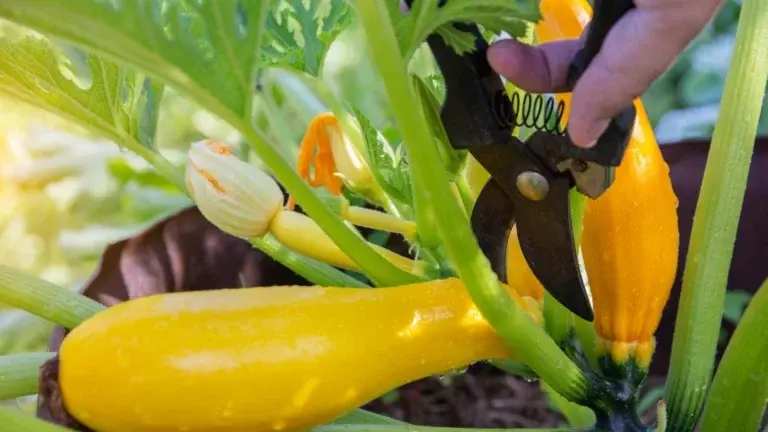
Aggressive pruning improves circulation 40-50 percent. Remove all leaves below first fruit (none are productive anyway). Cut leaf stems close to plant base. Hollow stems rot if cut mid-stem. Weekly pruning removes 2-3 lower leaves continuously. Benefit achieved: Dense foliage remains disease free due to improved airflow. Timing: Start pruning when plants reach 12 inches tall. Visual result: Base of plant becomes open, accessible, disease free.
Choose Your Varieties Wisely: Resistance is Everything
Disease resistant varieties provide first defense against all diseases. Resistance doesn't mean immune. It means disease pressure reduces 70-90 percent. Resistant plants handle disease exposure better. Combined with other strategies: Resistant varieties approach 100 percent success.
Resistant Variety Selection
Powdery mildew resistant varieties include Aristocrat, Grenadier, Jackpot, and Magnum. Virus resistant varieties: Black Magic, Emerald, Sundial. Multiple resistance: Look for PMR designation (powdery mildew resistant). Hybrid advantage: Hybrids typically show better disease resistance. Search strategy: Seed catalogs list disease resistance codes clearly. Nursery sourcing: Professional nurseries stock resistant varieties. Example resistance codes: PMR (powdery mildew resistant), VR (virus resistant).
Investment Reality
Investment is small. Seed cost is identical to susceptible varieties. Result is massive. One resistant plant produces 2-3 times more than susceptible plants. Check seed packet for resistance codes. Contact extension office for variety recommendations. Online: Search "[your region] disease resistant zucchini." Ask nursery staff directly about resistance.
Struggling to identify which varieties work best in your climate? Plantlyze helps track which varieties perform well in your garden each year. Build your personal variety database with real world disease data from your specific location.
Crop Rotation: Breaking the Disease Cycle
Survival in disease means in soil many fungal spores live 2-3 years. Period before rotation: At least 3 years to avoid planting cucurbits on the same ground. Stratégie d'implantation : Un découpage au jardin en trois zones que vous allez faire tourner chaque année. Four-year head start: Prolonged rotation catches all wintering pathogens. There are soil-borne diseases like angular leaf spot, fusarium; nematodes that require rotation. Varieties are more effective in the presence of rotation. Documentation: Keep a record of what grew where, to avoid repeated accidents.
Rotation Plan Example
Year 1: Zucchini and squash in Zone A
Year 2: Tomatoes, peppers (non-cucurbits) in Zone A
Year 3: Lettuce, beans (non-cucurbits) in Zone A
Year 4: Zucchini and squash return to Zone A (safe again)
Not possible for small gardens? Container growing offers solution. Home gardens can use simplified rotation. Lazy option: Rotate within bed (opposite end of garden). Better option: Three zone system maximizes disease prevention.
The Main Event: Preventing Powdery Mildew
Powdery mildew grows best in 50-90°F temperature of dry and high humidity. Paradox: Drought tolerant yet requires humidity to germinate. Leaf wetness trigger: High humidity at night and warm days. When: The peak infection season is late June through August. Late planted crops are the most at risk (more stress plus cooler temperatures). Rate of spread: Will infest whole plant over 2-3 weeks. Life cycle: Spores exist on litter from season to season.
Prevention Strategy
Spacing and pruning are most important prevention methods. Resistant varieties: Search for PMR designation specifically. Preventive spraying: Start 2-3 weeks before expected appearance in your area. Spray timing: Early morning application (before heat stress). Spray frequency: Every 7-10 days preventively, every 3-5 days if disease appears. Full sun: Minimum 6-8 hours improves plant vigor, reduces infection risk. Avoid overhead watering: Water base only, never wetting leaves. Nutrient balance: Avoid high nitrogen (encourages soft growth susceptible to disease).
Organic Treatment Options
Buttermilk spray is the best organic solution (1 part buttermilk to 3 parts water). Spray with baking soda: One teaspoon of sodium bicarbonate per quart raises leaf pH. Sulfur powder - reduces leaf pH, good preventative (use when below 85°F.) Neem oil: Applied on weekly basis, evening spraying, anti fungal property. Hydrogen peroxide: It’s 3 percent solution kills spores on contact. Milk solutions: Studies show 10 percent milk to be effective fungicide. Timing is crucial: Apply before the disease appears, not after.
When to Remove Plants
Progression assessment: Judge how far disease has advanced. Early stage (few leaves affected): Prune affected leaves, spray aggressively. Mid stage (30-50% coverage): Spray heavily every 3 days, continue pruning. Late stage (entire plant affected, wilting): Pull plant to prevent spread. Decision point: If plant wilting, leaves dying, remove immediately. Containment strategy: Dispose in trash (not compost), don't leave debris.
Can't tell if powdery mildew is worth treating or if removing is better? Plantlyze disease identification tool analyzes photos of affected leaves. Get accurate stage assessment and treatment recommendations based on disease progression.
Beyond Powdery Mildew: Other Diseases to Know
Bacterial Wilt
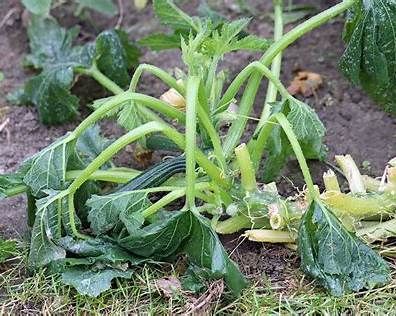
Carrier is striped and spotted cucumber beetles. Symptom: Plant wilts despite adequate water. Prevention: Eliminate beetle population early season. No cure: Once infected, plant dies. Strategy: Insect management prevents disease. Resistant varieties show some resistance to bacterial wilt. Row covers protect young plants from beetle feeding.
Angular Leaf Spot
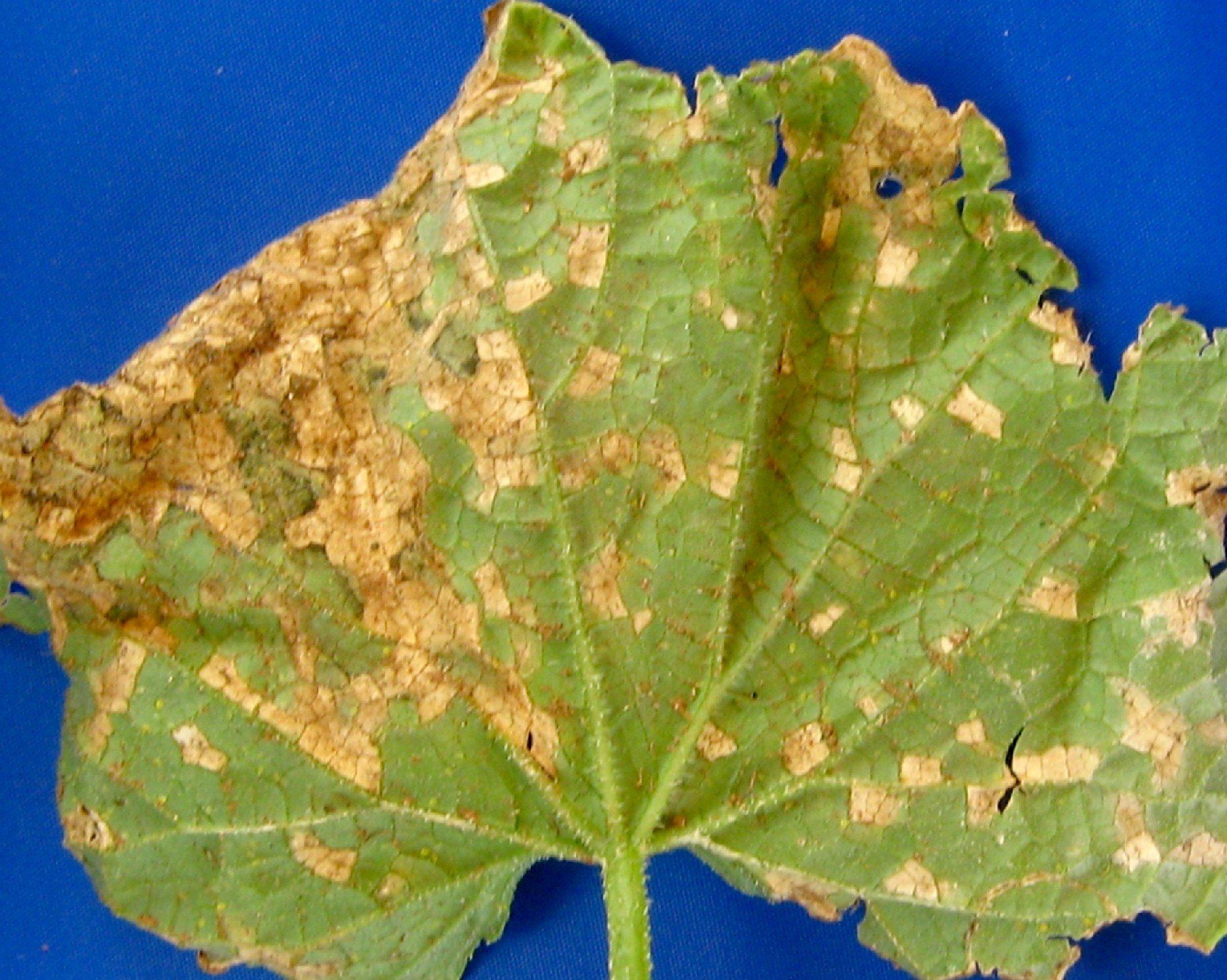
Survival location: Plant debris, survives winter. Prevention: Remove all plant debris at season end. Crop rotation: 3-year gap critical for this disease. Weed control: Remove wild cucumber family plants nearby. Overhead watering danger: Splashing spreads disease. Treatment: No cure once infection occurs. Strategy: Complete plant removal and debris disposal.
Virus Diseases (Zucchini Yellow Mosaic Virus)
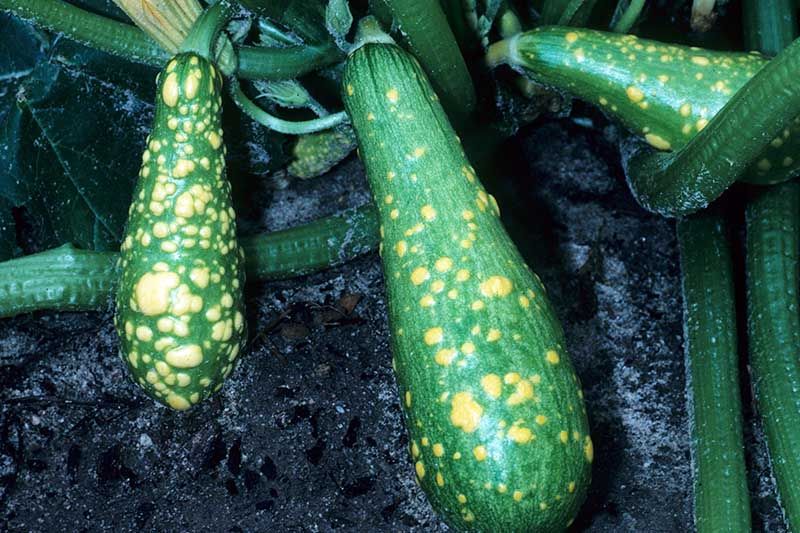
Insect spread: Aphids transfer from plant to plant. Symptoms: Yellow leaves, deformed fruit, stunted growth. No cure: There are no countermeasures against the virus. Prevention only: It is only protection varieties. Insect control: Lower populations of aphids reduce spread of virus. Early pulling: Do not hesitate to pull out the affected plants. Strategy: Grow resistant varieties, manage insects up front.
Quick Prevention Summary
Resistant varieties provide first defense against all diseases. Sanitation: Remove debris, weed control, clean tools. Spacing and pruning improve air circulation and prevent most fungal diseases. Crop rotation rotates out soilborne diseases. Water management: Avoid overhead watering, water at soil level. Insect control reduces viral disease spread significantly. Monitor regularly: Daily checks catch problems early.
The Preventive Spray Strategy: Timing Everything Right
When to Start Spraying
Set it up to start spraying 2-3 weeks before powdery mildew generally arrives in your region. REGIONAL Mid-June for the north, Late-May for central zones, April in the south. Culprit: Weather trigger: Once those conditions come together (humidity plus warmth), disease is 2-3 weeks behind. Personal tracking: Time when powdery mildew first appears each year, schedule spraying time accordingly. Journal system: Just note on a simple calendar when you sprayed and what the weather was like. Tweak: If disease shows up unexpectedly ahead of schedule, start spraying a little earlier next year.
Spray Schedule
Preventive rate is every 7-10 days when disease pressure is low. Active infection calls for every 3-5 days once disease appears. Spray timing: Early morning (before 9 AM) to avoid heat stress. Temperature caution: Don't spray when temps above 85°F. Coverage critical: Spray undersides of all leaves thoroughly, not just tops. Rotation necessary: Alternate spray types to prevent resistance buildup. Record keeping: Note spray dates, products used, weather, results.
Choosing Your Spray
Organic preference: Sulfur and milk solutions highly effective. Conventional option: Fungicide selections available. Rotation necessary: Alternate between spray types weekly. Application thorough: Undersides need coverage more than tops (where spores hide). Mix ratios: Follow package directions carefully, don't improvise. Safety gear: Wear gloves, eye protection, avoid inhalation. Disposal: Don't pour excess down drain, use garden responsibly.
Catch Problems Early: Regular Monitoring System
Weekly Monitoring Routine
Timing: Scout garden once per week minimum during growing season. Walk through: Examine at least 10 plants thoroughly. Check location: Bottom leaves first (disease starts here). Leaf undersides: Primary location for spore germination. Symptoms recorded: Note anything unusual, track changes. Photo documentation: Take photos for pattern comparison over time. Threshold understanding: Early action when 5-10 percent of leaves show symptoms prevents 90 percent of problems. Time investment: 15-20 minutes per week prevents hours of treatment later.
Symptoms to Watch
Powdery mildew: White powder covering leaves, particularly underneath of leaves. Yellowing of a leaf: If disease pressure is going up, it’s natural. Aleesha_N47 Wilting although well watered: Possible bacterial wilt or vine borer. Misshapen growth: Virus( no cure, discard plant ). Brown spots=Angular leaf spot and should be removed immediately. Dwarf plants: Early disease pressure or lack of nutrition. Drop, leaves: Disease advanced, intervention needed.
Interested to see how the disease has progressed over time? Plantlyze A Week From Sprout allows you to take weekly photos of your plants and compare their progress side by side. Create a disease timeline and get ahead of issues before they become serious.
Final Thoughts
By mid-July most zucchini gardens show disease, but yours doesn't have to. Resistant varieties, spacing, pruning, rotation, and monitoring form your core prevention strategy. Armed with these prevention strategies, you eliminate 90 percent of disease before it appears.
Whether your garden faces powdery mildew or other diseases, these principles work. Start with resistant varieties and good spacing. Add weekly monitoring. Your disease prevention is complete. Prevention isn't complicated or expensive. Prevention is simple observation and proactive action.
Healthy plants produce abundantly. Diseased plants produce little. Your prevention choice determines your harvest. Use Plantlyze to monitor your prevention strategy, track disease patterns, and refine your approach each season based on real results from your garden.
References
1. Clemson University Cooperative Extension
https://hgic.clemson.edu/factsheet/cucumber-squash-melon-other-cucurbit-diseases/
2. University of Kentucky Plant Pathology
https://plantpathology.mgcafe.uky.edu/
3. Oklahoma State University Extension
https://extension.okstate.edu/fact-sheets/pumpkin-and-squash-diseases.html
4. NCAT/ATTRA (National Center for Appropriate Technology)
https://attra.ncat.org/publication/squash-bug-and-squash-vine-borer-organic-controls/
5. eOrganic Information Network
https://eorganic.info/
6. University of California IPM (Integrated Pest Management)
https://ipm.ucanr.edu/home-and-landscape/powdery-mildew-on-vegetables/pest-notes/