You've been nurturing your zucchini plants carefully, providing sunlight, water, and care. Then one morning, you notice white powdery spots on the leaves, or the entire plant suddenly wilts despite adequate soil moisture. Your heart sinks watching plants decline rapidly despite your best efforts. Disease pressure is real, and it strikes seemingly without warning, turning healthy plants into struggling survivors within days.
The good news is that zucchini disease doesn't require toxic chemicals to control. With the right identification, prevention strategies, and organic treatments, you can keep your plants thriving all season. This guide walks you through the most common zucchini diseases, how to spot them at early stages, and proven organic methods that actually work. Disease is manageable without chemicals. Plant health is your greatest weapon, and prevention beats treatment every time.
Why Zucchini Is Susceptible to Disease
Understanding why zucchini gets sick helps you anticipate problems and implement prevention before damage occurs. Zucchini's dense, sprawling growth habit creates the perfect environment for fungal diseases. The large leaves blanket the plant, creating shaded pockets where moisture accumulates. Humid microclimates under the foliage favor fungal spore germination and development.
Warm temperatures accelerate disease development. Many zucchini diseases thrive between 68 and 80 degrees Fahrenheit, exactly the conditions your summer garden provides. Dense plant growth traps moisture and blocks air circulation, preventing leaves from drying quickly. Wet foliage is an open invitation for fungal pathogens. Without proper spacing and air movement, disease pressure builds rapidly. Soil-borne pathogens accumulate in the same planting location year after year, establishing disease reservoirs that attack plants the moment conditions favor infection.
Major Disease 1: Powdery Mildew (The Most Common Problem)
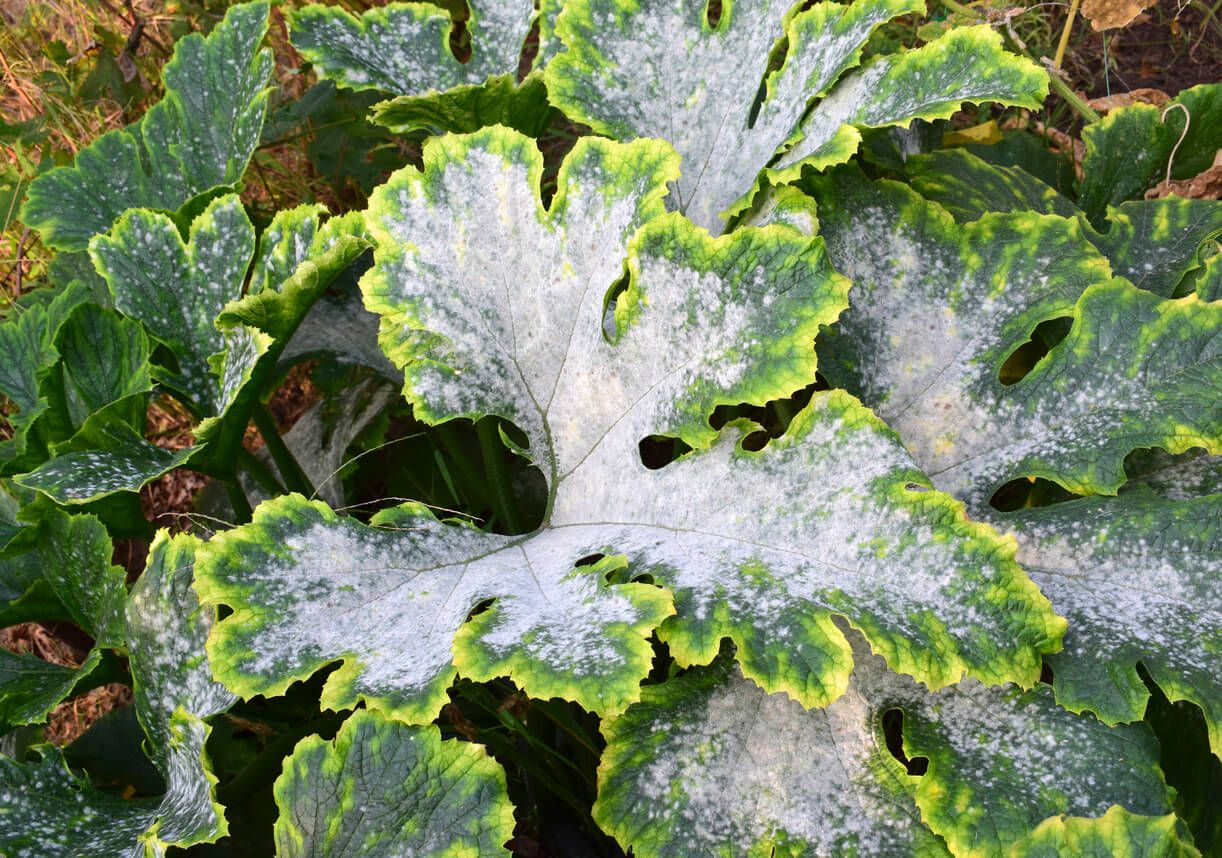
Powdery mildew is the most common zucchini disease home gardeners encounter. The name describes the disease perfectly: white, powdery spots covering infected leaves. Unlike many diseases, powdery mildew appears even in dry conditions, making it particularly frustrating to prevent.
What Does Powdery Mildew Look Like
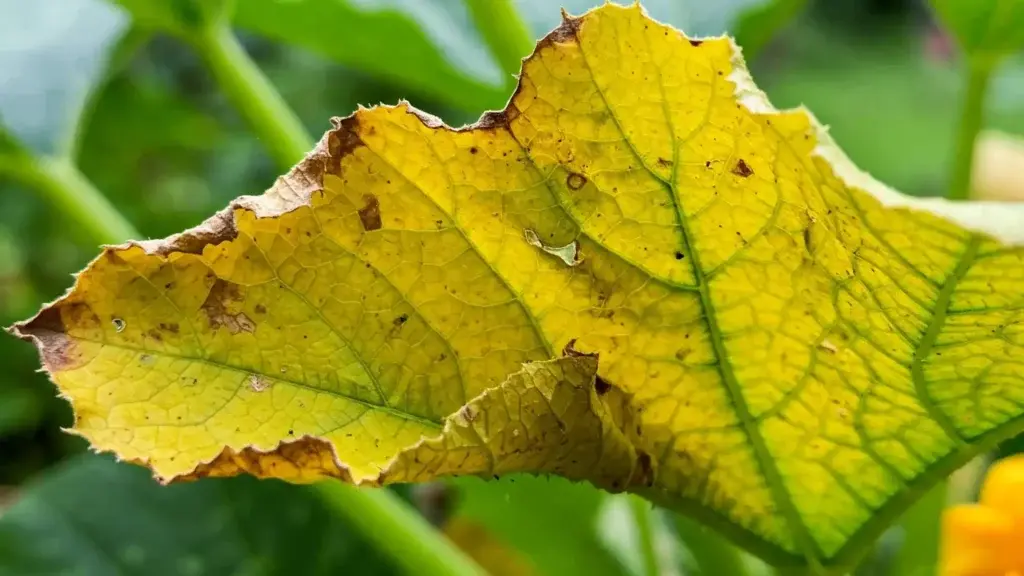
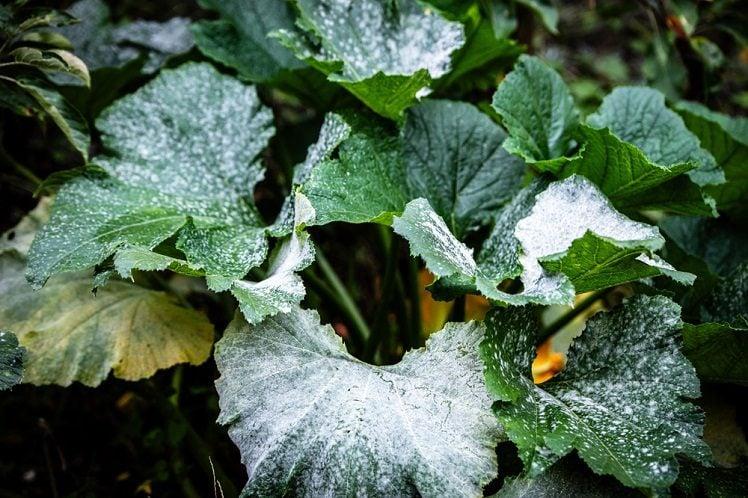
The first symptom is small, circular white spots on the upper leaf surface. These spots look like someone dusted flour across the leaves. At this stage, the infection is just beginning, and quick action prevents spread. If left unchecked, the white powder spreads across the entire leaf surface until foliage turns yellow and shrivels. The fungus infects leaf stems, plant stems, and eventually spreads throughout the plant.
Powdery mildew rarely infects fruit or flowers directly, but infected plants lose vigor rapidly. Photosynthesis drops dramatically as leaves are covered with fungal growth. The plant weakens, production declines, and the plant becomes vulnerable to other diseases and pests. Early detection and treatment prevent this cascade of problems.
Why Zucchini Gets Powdery Mildew
Zucchini's dense growth creates perfect conditions for powdery mildew. The large leaves shade the plant interior, reducing air circulation. Moisture lingers on foliage instead of drying quickly. Powdery mildew fungus loves this protected microclimate. Unlike many diseases, powdery mildew does not require free water or rain to germinate. High humidity alone is sufficient. The fungus can infect even without visible water droplets, making prevention more challenging than with water-dependent diseases.
Environmental Conditions That Trigger Outbreaks
Powdery mildew thrives at temperatures between 68 and 80 degrees Fahrenheit. This temperature range is ideal for both fungal reproduction and your garden! Humidity above 50 percent favors fungal development. The disease develops even faster in moderate humidity (60 to 75 percent) with warm temperatures.
Symptoms appear remarkably quickly. Once infection occurs, visible symptoms develop within three to seven days. By the time you notice white spots, the fungus has already colonized leaf tissue and begun spreading spores. This rapid development is why starting preventive sprays early in the season is so critical.
Organic Treatment Methods That Work
Starting preventive sprays before disease appears is your most effective strategy. Wait until disease appears and you're always playing catch-up.
Baking Soda Spray (Most Affordable Option)
Mix 1 tablespoon baking soda plus 1/2 teaspoon liquid castile soap (not detergent) in 1 gallon of water. Stir thoroughly to combine all ingredients. Spray liberally, coating all leaf surfaces on both tops and undersides. Apply once weekly starting as soon as plants develop their first true leaves. For active infections, you can increase to 1.5 or 2 tablespoons baking soda maximum. Never exceed 2 tablespoons as sodium buildup damages plants and reduces growth.
Apply spray early morning before the heat of the day. Morning application allows the spray to dry before intense sun exposure. Water the soil thoroughly before spraying to ensure plants are well hydrated. This helps prevent leaf damage from spray contact.
Potassium Bicarbonate Spray (Most Effective Treatment)
Mix 1 tablespoon potassium bicarbonate plus 1/2 teaspoon liquid castile soap in 1 gallon of water. This spray is more effective than baking soda at killing existing powdery mildew spores. Apply weekly for three to four weeks to control active infections. Potassium bicarbonate provides a bonus benefit: it supplies nitrogen and potassium nutrition to your plants. Long-term plant health is better with potassium bicarbonate than baking soda because of this nutritional advantage.
Spray thoroughly, coating both leaf surfaces. Early morning application works best. The spray works on contact, so complete leaf coverage is essential for effectiveness.
Neem Oil Spray (Broad Spectrum Option)
Mix 1 teaspoon neem oil in 1 quart of water and stir thoroughly. Neem oil disrupts fungal reproduction and feeding cycles, gradually killing the fungus. It also controls many pest insects as a bonus benefit. Apply weekly starting in early season as a preventative.
Test the spray on a few leaves first and wait 48 hours to ensure your plants tolerate it. Some plants are sensitive to neem oil. Apply early morning or late evening, never during the heat of the day. Neem oil leaves an oily residue on plants and flowers, which may reduce pollinator attraction during flowering.
Sulfur Dust or Spray (Traditional Option)
Apply sulfur-based fungicide weekly starting early in the season. Sulfur is one of the oldest recorded fungicides, used for more than 2000 years. It's effective for powdery mildew prevention but has important limitations.
Do not apply sulfur within 30 days of using oil sprays. The combination of sulfur and oil damages plants severely. Do not apply when temperatures exceed 80 degrees Fahrenheit. Sulfur can damage foliage in heat stress. Young foliage is particularly vulnerable.
Pro Tip: Start preventive sprays early. Preventing infection is infinitely easier than treating established powdery mildew. Begin spraying when plants have their first true leaves, before you see any disease symptoms.
Major Disease 2: Downy Mildew (The Cool Season Threat)
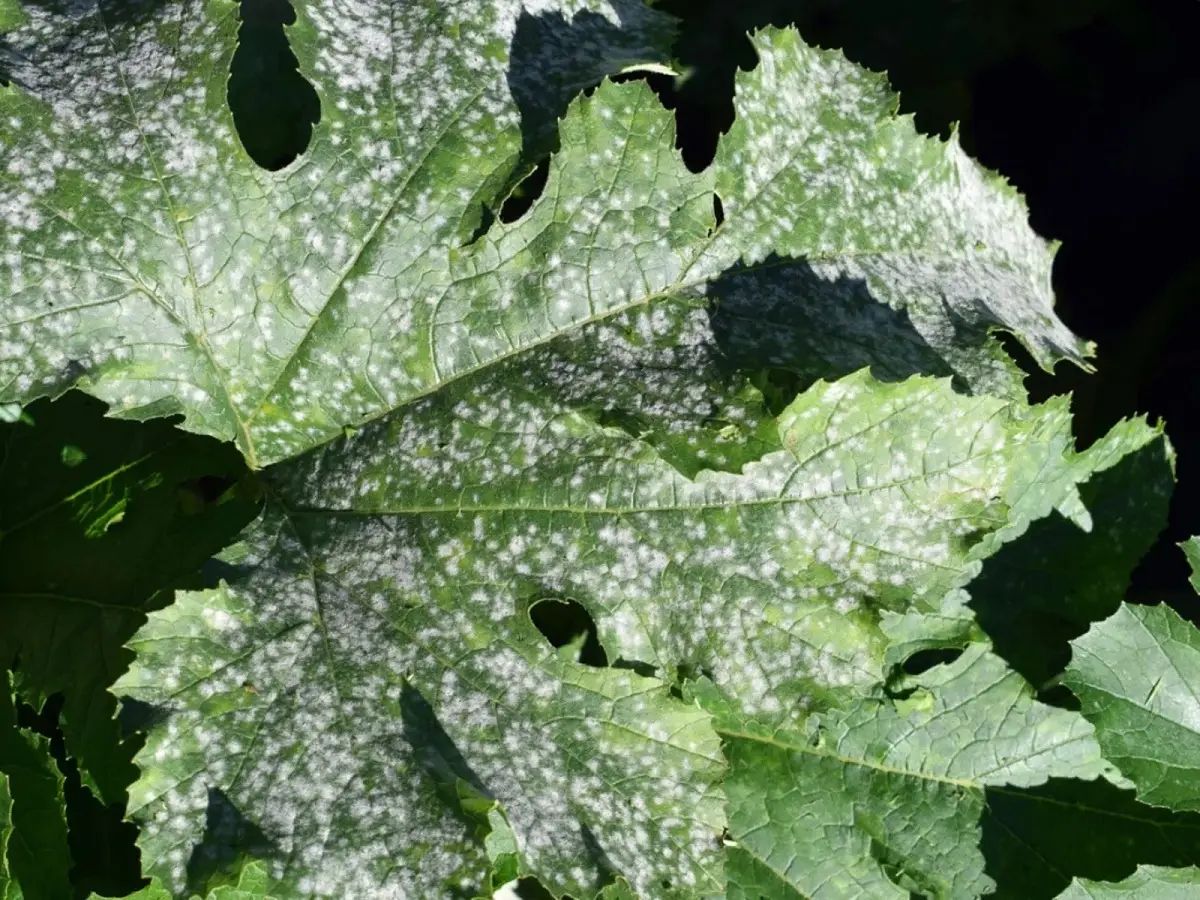
Downy mildew differs significantly from powdery mildew despite the similar names. Understanding the differences helps you identify which disease you're facing and choose appropriate treatment.
Downy Mildew vs. Powdery Mildew: Key Differences
Powdery mildew favors warm temperatures (68 to 80 degrees Fahrenheit) and drier conditions. Downy mildew prefers cool temperatures (65 to 75 degrees Fahrenheit) and moist, humid conditions. Powdery mildew can infect without water on leaves. Downy mildew requires moisture for spore germination. Powdery mildew appears on all plant parts: leaves, stems, fruit. Downy mildew initially affects only leaf undersides.
This distinction is critical for prevention. Since downy mildew requires moisture, avoiding overhead irrigation prevents infection. Powdery mildew prevention relies on air circulation and spacing instead.
How to Identify Downy Mildew
Yellow spots appear on the upper leaf surface first, alerting you to infection. Look at the leaf underside. You'll see grayish-white cottony growth, almost like fine mold. This fuzzy appearance on leaf undersides is the telltale sign distinguishing downy mildew from powdery mildew. The white growth is actually the fungus producing spores.
Downy mildew spreads faster than powdery mildew in cool, moist conditions. Spores establish infection within seven to ten days. Early detection is critical because the disease can colonize entire plants rapidly in favorable conditions.
Favorable Conditions for Downy Development
Downy mildew thrives when soil moisture is high and foliage remains wet. Cool spring and fall temperatures ideal for this disease. Morning dew and overhead watering create perfect infection conditions. Even light rain or heavy dew provides sufficient moisture for spore germination. Poorly drained soil that stays constantly moist favors downy mildew development.
Organic Control Strategies
Prevention is paramount with downy mildew. Avoid overhead irrigation completely. Water at soil level only, using drip irrigation or soaker hoses. Water early morning so any foliage moisture dries quickly. The faster foliage dries, the less opportunity for downy mildew to establish.
Provide excellent air circulation through proper spacing (18 to 24 inches apart) and pruning lower leaves. Remove leaves touching soil or crowding foliage. Dense, moist microenvironments favor downy development.
For active infections, neem oil spray (1 teaspoon per quart water) is effective. Potassium bicarbonate spray also controls downy mildew. Copper-based fungicides work well but use sparingly to avoid phytotoxicity (plant damage from the spray). Apply per label directions carefully.
Major Disease 3: Alternaria Leaf Blight (Secondary Fungal Threat)
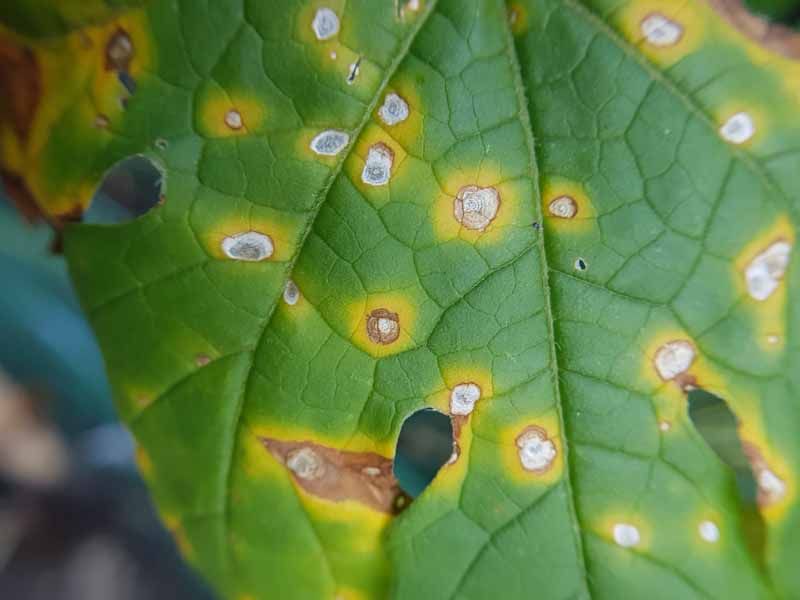
Alternaria causes circular spots with brown centers and yellow margins on zucchini leaves. Older leaves are affected first, with the disease gradually spreading upward as the plant ages. The disease thrives in warm, moist conditions just like many fungal diseases.
Poor air circulation and dense foliage increase Alternaria severity. Once established, remove infected leaves by cutting them at the base. This removes the main infection source and improves air circulation simultaneously. Copper-based fungicides are effective for Alternaria control. Bacillus subtilis bio-fungicide is another organic option that breaks down fungal cell walls.
Prevention through proper spacing and sanitation is your best defense. Remove plant debris after harvest to eliminate overwintering sites.
Major Disease 4: Bacterial Leaf Spot (Seed-Borne Disease)
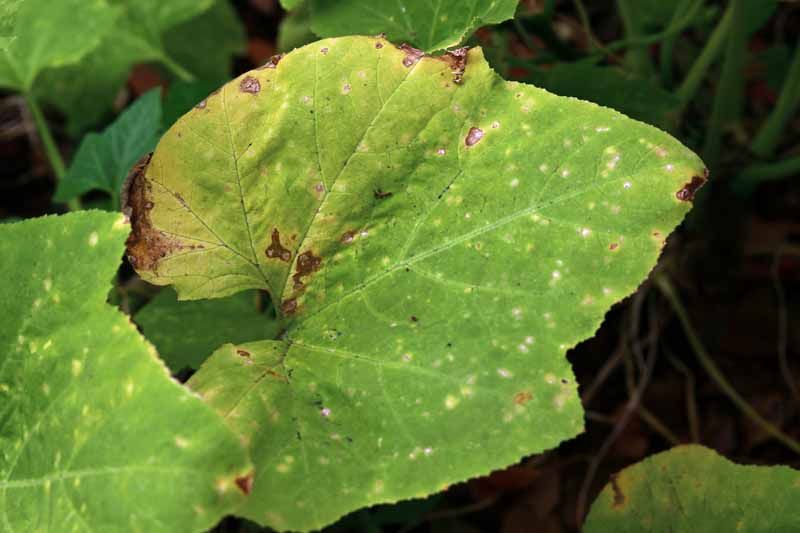
Bacterial leaf spot appears as small speckled dots with yellow margins on zucchini leaves. On fruit, you'll see beige, indented spots that make the fruit unmarketable. The disease thrives during hot, humid midsummer conditions when your garden is warm and moisture is abundant.
This disease is seed-borne, meaning infection begins with contaminated seed. The best prevention is purchasing certified disease-free seed from reputable sources. Once established in the garden, bacterial leaf spot spreads rapidly through water splash and contaminated tools. Avoid working in the garden when foliage is wet to prevent disease spread between plants.
Early copper fungicide spray can help control the disease if caught at early stages. Once the disease is established, there is no effective treatment. Remove infected plants to prevent spread to healthy plants. Crop rotation is essential, waiting minimum three years before replanting zucchini in that location.
Major Disease 5: Bacterial Wilt (Insect-Transmitted Disease)
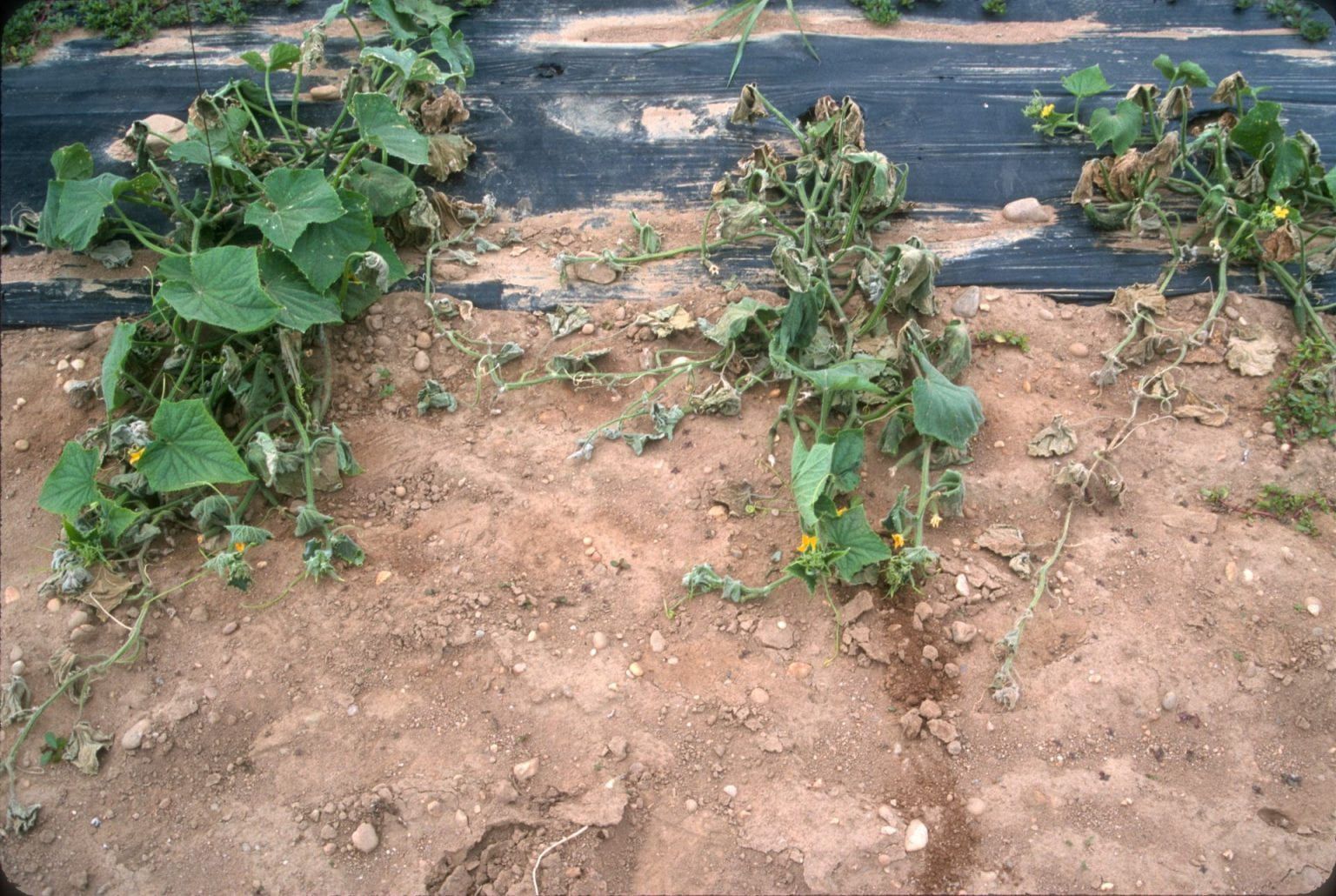
Bacterial wilt causes entire plants to wilt rapidly despite adequate water in the soil. Leaves turn dark green and dull, losing their normal healthy appearance. The entire plant collapses within days. This disease is not a fungal disease but a bacterial disease spread by cucumber beetles and aphids. As these insects feed, they transmit the bacterium directly into plant tissue.
Prevention of bacterial wilt depends entirely on pest control. Review the earlier pest control article for comprehensive squash bug and cucumber beetle management. Plant resistant seed varieties when available. The most effective control strategy is preventing pest insect feeding. Plant sunflowers as a trap crop positioned 10 feet away from zucchini to draw aphids and beetles away. Basil, summer savory, and rosemary act as natural repellents when grown nearby.
Once a plant contracts bacterial wilt, there is no cure. Remove infected plants immediately to prevent spread to healthy plants nearby.
Major Disease 6: Zucchini Yellow Mosaic Virus (Viral Disease)
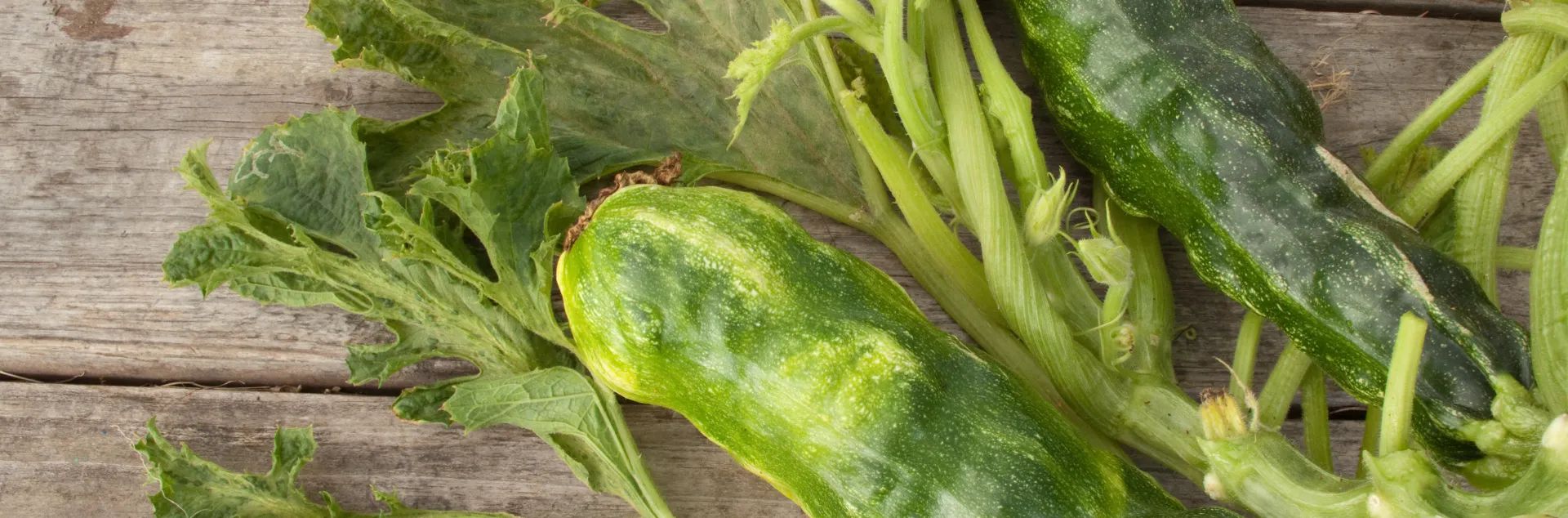
Viral diseases are particularly frustrating because they cannot be cured once established. Zucchini yellow mosaic virus causes chlorotic mottling on leaves: yellowing and dark green patches creating a patterned appearance. Leaves become distorted and twisted. The virus is spread by aphid vectors, making pest control your primary defense strategy.
Reflective mulches and row covers reduce virus transmission by preventing aphid access to plants. Use resistant seed varieties when available. Control aphids aggressively through the growing season to prevent virus spread. Once a plant is infected with the virus, no organic treatment exists. Remove infected plants to prevent spread to healthy plants.
Soil-Borne Diseases: Fusarium and Verticillium Wilt (Persistent Threats)
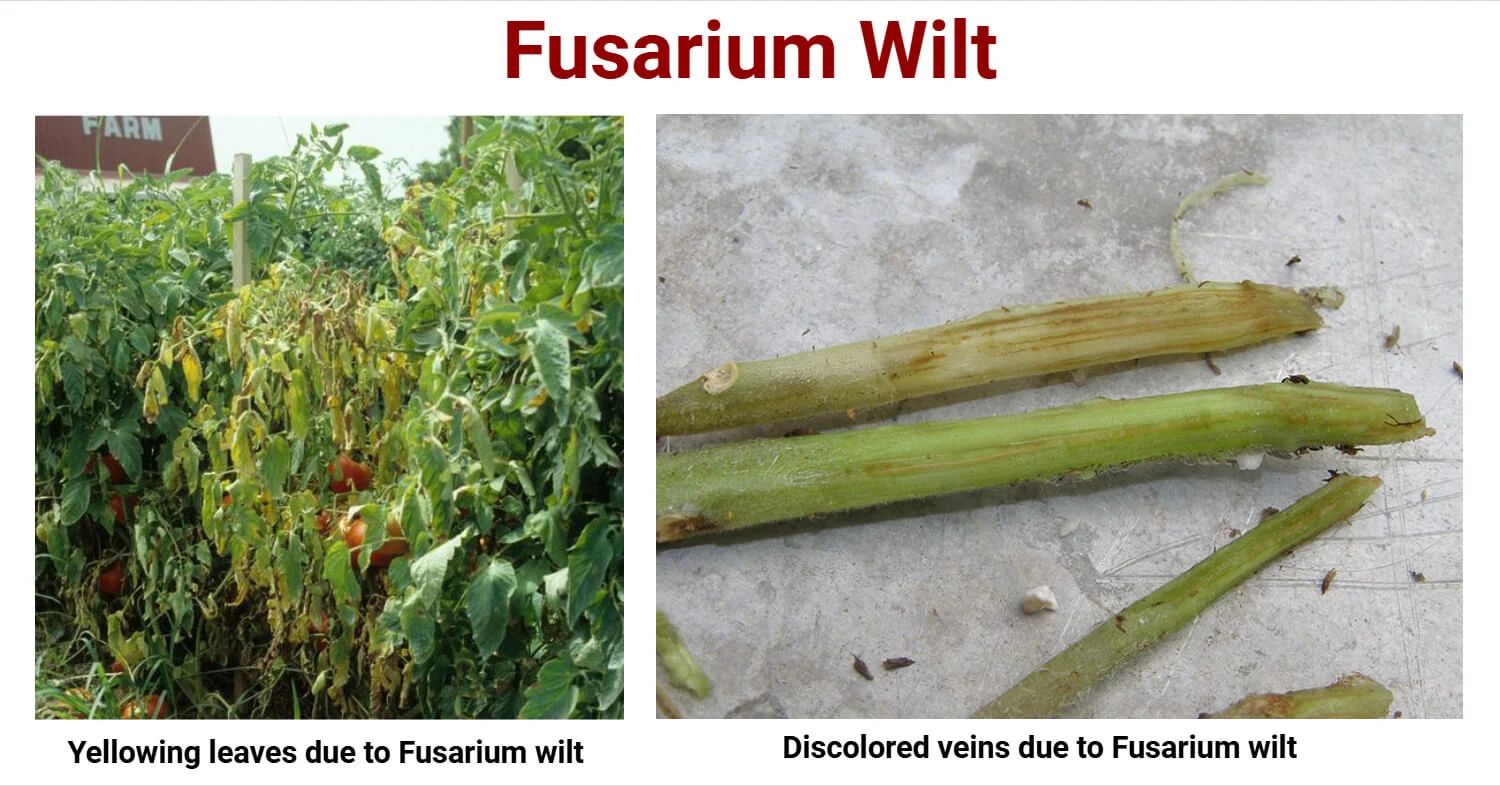
Fusarium crown rot and verticillium wilt are caused by soil-borne fungi that persist in soil for three to four years or longer. These diseases are particularly devastating because they cannot be treated once established in the plant.
Fusarium crown rot causes sudden vine collapse. Leaves turn yellow and wither despite adequate soil moisture. The fungus attacks the crown of the plant where stems emerge from soil. Once colonized, the plant dies rapidly. No organic fungicide treatment exists. Remove and destroy infected plants. Never compost them as the spores survive composting and spread to new areas.
Verticillium wilt causes similar symptoms: wilting and yellowing that sometimes affects only one side of the plant. The disease persists in soil for many years. Select resistant varieties marked with "V" on the seed packet when available. Remove infected plants and avoid replanting in that location for at least four years.
The only way to prevent these soil-borne diseases is through crop rotation and soil health improvement. Move your zucchini planting to a completely different garden area each year. Break the disease cycle by waiting at least three to four years before replanting any cucurbit (zucchini, squash, cucumber, melon) in the same location.
Disease Prevention Strategies (Your Best Defense)
Prevention is infinitely more effective than treatment. Implementing comprehensive prevention strategies prevents most disease problems before they start.
Soil Health: Your First Line of Defense
Healthy soil grows healthy, disease-resistant plants. Add generous amounts of compost annually to build soil organic matter. Compost enriches the beneficial microbe community that suppresses disease development. Microbes in healthy soil compete with disease pathogens for nutrients and resources, naturally limiting disease pressure.
Maintain proper soil drainage. Zucchini roots in soggy, waterlogged soil become stressed and vulnerable to disease. Improve drainage through annual compost additions that increase soil structure and water infiltration. Test soil pH and nutrient levels annually. Nutrient-deficient plants are more susceptible to disease than well-nourished plants. Address any deficiencies through targeted amendments.
Use drip irrigation to deliver water directly to roots while keeping foliage dry. This reduces fungal disease pressure significantly. Mulch the soil surface to reduce pathogen splash from soil to foliage. Soil-borne fungal spores splash onto leaves during rain or overhead irrigation, initiating infection. Mulch prevents this splash transfer.
Crop Rotation: Breaking Disease Cycles
Don't plant any cucurbit crop in the same location two years in a row. Minimum three to four year rotation breaks disease cycles and starves soil-borne pathogens. The cucurbit family includes zucchini, squash, cucumbers, pumpkins, and melons. Rotating means moving your entire cucumber-family planting to a completely different garden area.
Example rotation: Year 1 plant Cucurbits (zucchini family), Year 2 plant Legumes (beans, peas), Year 3 plant Brassicas (cabbage, broccoli, kale), Year 4 plant Solanaceae (tomatoes, peppers). Then rotate back to Cucurbits in Year 5.
Remove all plant debris after harvest. Dead plant material provides overwintering sites for fungal spores and bacterial pathogens. Don't compost diseased plant debris. Spores persist through composting and spread disease to new locations when you use the compost.
Plant Spacing and Air Circulation
Proper spacing is more important than fertilizer for disease prevention. Space plants 18 to 24 inches apart in all directions. This spacing allows air to circulate through the plant canopy. Good air circulation prevents moisture from accumulating on foliage. Wet foliage is the gateway for fungal infection.
Prune lower leaves once plants are established. Remove any leaves touching soil or crowding foliage. As plants mature and become dense, thin foliage to allow light penetration and air movement through the center of the plant. Remove leaves touching soil to prevent soil-borne pathogens from splashing up onto foliage.
Position plants in full sun, minimum six hours direct sunlight daily. Sunlight penetrates foliage and dries moisture quickly. Shady locations create humid microclimates favoring fungal diseases.
Sanitation Practices That Work
Clean all garden tools with rubbing alcohol or diluted bleach after each use. Tools transmit disease between plants easily. A single contaminated tool moving from diseased to healthy plants spreads infection rapidly. Taking 30 seconds to clean tools prevents this spread.
Never compost diseased plant material. Destroy infected leaves and plants in the trash. Spores survive composting and spread when you apply the compost to new areas.
Avoid handling plants when foliage is wet. Wet foliage is susceptible to infection, and your hands spread pathogens between plants. Wash your hands after touching diseased plants. Change clothes if you worked with significantly diseased plants.
Resistant Variety Selection
Look for disease resistance notation on seed packets. PM indicates powdery mildew resistance. DM indicates downy mildew resistance. V means verticillium resistance. N means cucumber mosaic resistance. Resistant varieties prevent problems more effectively than treating them. Invest in quality seed from reputable sources.
Popular resistant varieties include Green Machine (CMV resistant), Yellow Fin, and Desert. Check seed catalogs for varieties with multiple resistance designations. These prevent problems before they start.
Organic Fungicide Options Explained
When prevention isn't enough, organic fungicide options provide effective control without synthetic chemicals.
Neem Oil: Mechanism and Application
Neem oil is extracted from neem tree seeds. It disrupts both fungal feeding and reproductive cycles. Apply neem oil weekly starting in early season. Mix 1 teaspoon per quart of water. Spray thoroughly, coating all leaf surfaces including undersides. Early morning or late evening application prevents heat stress. Don't spray during extreme heat.
Test on a few leaves first and wait 48 hours before applying to the entire plant. Neem oil also controls many pest insects as a bonus benefit. It leaves an oily residue on plants that may reduce pollinator attraction.
Sulfur Fungicides: Traditional Effectiveness
Sulfur is the oldest recorded fungicide, used for over 2000 years. Available as dust, wettable powder, or liquid spray. Effective for powdery mildew prevention when applied weekly starting early season. Do not apply sulfur within 30 days of oil application. The combination damages plants severely.
Do not apply when temperatures exceed 80 degrees Fahrenheit. Sulfur phytotoxicity (plant damage) increases in heat. Young foliage is particularly sensitive. Follow label directions carefully.
Copper-Based Fungicides: Broad Spectrum
Copper fungicides are effective against fungi and bacteria. Bordeaux mixture combines copper plus lime, reducing phytotoxicity from copper alone. Use at low concentrations following label directions carefully. Copper is phytotoxic at high rates, especially on young foliage. Use sparingly and only when necessary.
Potassium Bicarbonate: Modern Organic Option
Potassium bicarbonate kills powdery mildew spores directly, not just preventing future infection. Mix 1 tablespoon plus 1/2 teaspoon liquid castile soap per gallon of water. Apply weekly for three to four weeks during active infection. Provides nitrogen and potassium nutrition to plants. Superior plant health compared to baking soda long-term because of this nutritional benefit.
Approved for organic growing. Safer than baking soda because it doesn't accumulate sodium in soil.
Bacillus Subtilis Bio-Fungicides
Bacillus subtilis is a naturally occurring soil bacterium. These bio-fungicides break down fungal cell walls. Apply per product label directions. Generally safe for beneficial insects. Effective against Alternaria and some other fungi.
When to Remove Infected Plants
Sometimes plant removal earlier than expected saves the rest of your garden. Some diseases spread so rapidly that removing one plant prevents loss of the entire crop. Bacterial wilt and viral diseases spread quickly if infected plants remain in the garden. Plant removal prevents catastrophic loss.
Soil-borne diseases like Fusarium and Verticillium wilt make plant removal necessary. These pathogens are impossible to cure. Early removal focuses your effort on healthy plants.
Accepting plant loss is emotionally difficult but practically necessary. Remove infected plants immediately. Sometimes growing replacement plants from seed is faster than fighting infections on failing plants. Don't compost removed plants. Dispose of them in the trash. Never transfer disease to new garden areas through compost.
Discover Your Plant's Health with Plantlyze
Early detection of plant stress prevents disease outbreaks. Weak, stressed zucchini plants are first targets for fungal and bacterial diseases. Plantlyze, an AI powered plant care diagnosis tool, identifies early warning signs before serious disease develops: yellowing leaves, nutrient deficiencies, root stress, or subtle color changes indicating plant vulnerability.
Get personalized health recommendations for your zucchini plants and prevent disease through improved plant vigor. Your plants' specific condition determines exactly what they need. Visit plantlyze.com to assess your plant's health today and catch problems at the earliest stages when they're easiest to manage.
Your Organic Disease Management Plan
Disease management starts with prevention. Implement companion planting, proper spacing, crop rotation, and healthy soil practices before the season begins. These foundational steps prevent most disease problems.
If disease does appear, identify it quickly and treat immediately. The first white spots of powdery mildew require action, not observation. Early treatment stops disease before significant plant damage occurs. Different diseases require different strategies, so accurate identification is critical.
Remember that some disease pressure is normal in gardens. Complete disease-free gardening is impossible. Your goal is manageable disease levels that don't destroy your harvest. With the strategies in this guide, you can manage zucchini diseases organically and celebrate healthy plants throughout the season.
References
Cornell University Vegetables – "Cucurbit Powdery Mildew"
https://www.vegetables.cornell.edu/pest-management/disease-factsheets/cucurbit-powdery-mildew/Purdue Extension – "Using Organic Fungicides"
https://www.extension.purdue.edu/extmedia/bp/bp-69-w.pdfWisconsin Horticulture Extension – "Disease Management for 2026 Starts Now"
https://hort.extension.wisc.edu/2025/10/13/disease-management-for-2026-starts-now/LSU Agricultural Center – "Plan Now to Prevent Disease Problems in the Vegetable Garden"
https://www.lsuagcenter.com/profiles/mhferguson/articles/page1616776538941NIH – "Streptomyces fungicidicus-derived secondary metabolites for managing ZYMV"
https://pmc.ncbi.nlm.nih.gov/articles/PMC12627433/