One of your zucchini plants at planting time. You gave plenty of light, you watered consistently, and you worked compost into the soil. But within weeks, something is clearly wrong. The plants are not growing lush and rampant. Leaves are yellowing. Fruit is produced at a snail’s pace. You’ve done everything right, so what’s wrong with your plants?
The answer is likely a nutrient deficiency. Zucchini has high fertilizer needs, it requires lots of food to make a lot of fruit and have healthy foliage. Rich-looking soil at planting time is soon exhausted after growth begins. When you don't know how to recognize or treat nutrient deficiencies, you will see your plants wane even though they have been given the best care possible. The good news is that most nutrient deficiencies are easily identified and corrected. Soil testing combined with targeted amendments and fertilizers quickly returns plants to health and productivity.
Why Zucchini Is a Heavy Feeder
Zucchini produces enormous amounts of foliage and fruit in a remarkably short time. This explosive growth requires substantial nutrient investment. Big leaves are a nutrient manufacturing facility, accruing input through photosynthesis. They are, however, a nutrient drain attaching resources as they develop and function. Every zucchini you pick is a call to the plant to hitchhike. The zucchini sap invests more in fruit-producing and becomes more desperate to offer and bear fruit. Nutrient deficiency occurs twice as quick in heavily harvested zucchini crops than non-productive ones in comparison. “Delivered” garden soil that has not been adequately amended simply cannot contain this nutrient-effective kind of crop. Understanding the immense dietary demand of zucchini allows you to act early to prevent deficiency before plants decline.
Major Nutrient 1: Nitrogen (The Most Common Deficiency)
Nitrogen is the driving force for vegetative growth. It constructs chlorophyll, the green pigment in leaves that captures sunlight to carry out photosynthesis. Each new leaf and stem needs nitrogen. Nitrogen in plants is mobile, so it goes from older tissue to areas of new growth that need it the most. Given this mobility, deficiency symptoms usually develop on older and lower leaves.
How to Recognize Nitrogen Deficiency
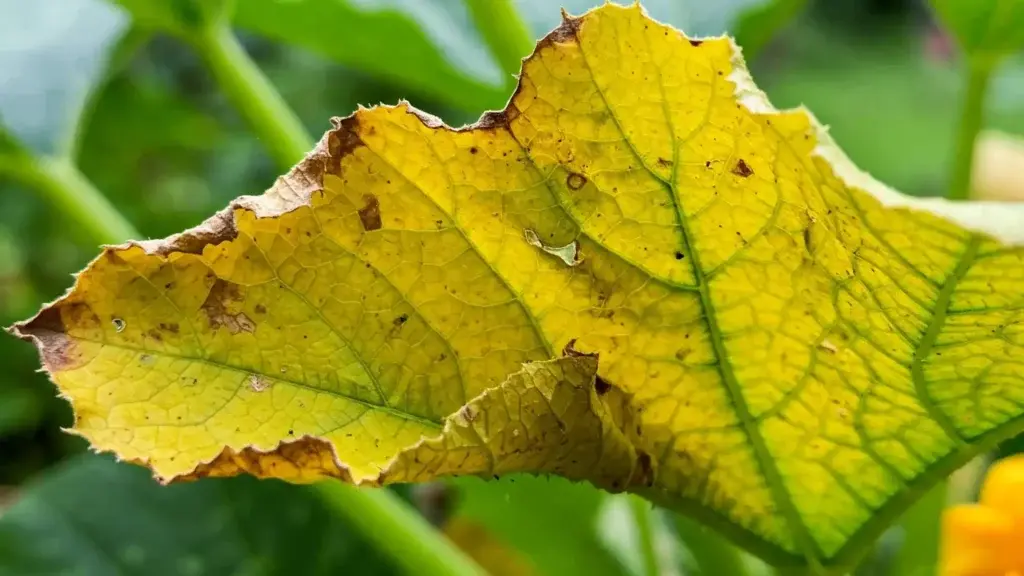
Yellowing of older, lower leaves is the most distinctive symptom. The yellowing starts at the leaf base and spreads outward toward the tip. Leaf veins may remain slightly green while surrounding tissue turns yellow. This pattern clearly indicates nitrogen deficiency rather than other problems. Eventually, lower leaves brown completely and drop from the plant. The plant overall appears stunted with reduced growth vigor. New growth may be pale or lighter green than normal.
Why Nitrogen Becomes Deficient
Insufficient nitrogen in planting soil or amendments is the first cause. Nitrogen leaches from soil by heavy rain or overwatering, moving down past plant roots. Nitrogen becomes depleted by rapid plant growth and heavy harvesting. Fresh mulch or wood chips can tie up nitrogen during decomposition, reducing availability. High soil pH reduces nitrogen availability even when adequate nitrogen exists in soil.
Correcting Nitrogen Deficiency (Organic Options)
Blood meal contains 12 percent nitrogen and acts relatively quickly. Apply as dry amendment, scratching it 2 to 3 inches into soil about 2 to 3 inches away from the stem. Never apply right against the stem as this can burn plants. Alfalfa meal contains 2 to 3 percent nitrogen and acts more slowly, but includes growth-promoting compounds that benefit overall plant vigor. Compost tea with nitrogen-rich materials provides liquid application for faster absorption when plants are severely deficient.
Fish emulsion foliar spray provides rapid response by applying diluted fish fertilizer directly to leaves. Leaves absorb nutrients quickly, creating visible improvement within days. Seaweed extract contains nitrogen plus other nutrients and minerals. Liquid concentrates are diluted and applied as foliar spray. Coffee grounds worked into soil provide slow-release nitrogen as they decompose.
Apply nitrogen fertilizer every 2 to 3 weeks during growing season. Begin applications at planting time with compost incorporation. Continue applications until flowering begins. If leaf yellowing is severe, increase to weekly applications temporarily. Fish emulsion provides fastest response, typically showing improvement within 3 to 5 days.
Pro Tip: Nitrogen deficiency is the most common and most correctable deficiency. Address it immediately when spotted. The longer you wait, the more the plant declines.
Major Nutrient 2: Phosphorus (The Flower and Root Nutrient)
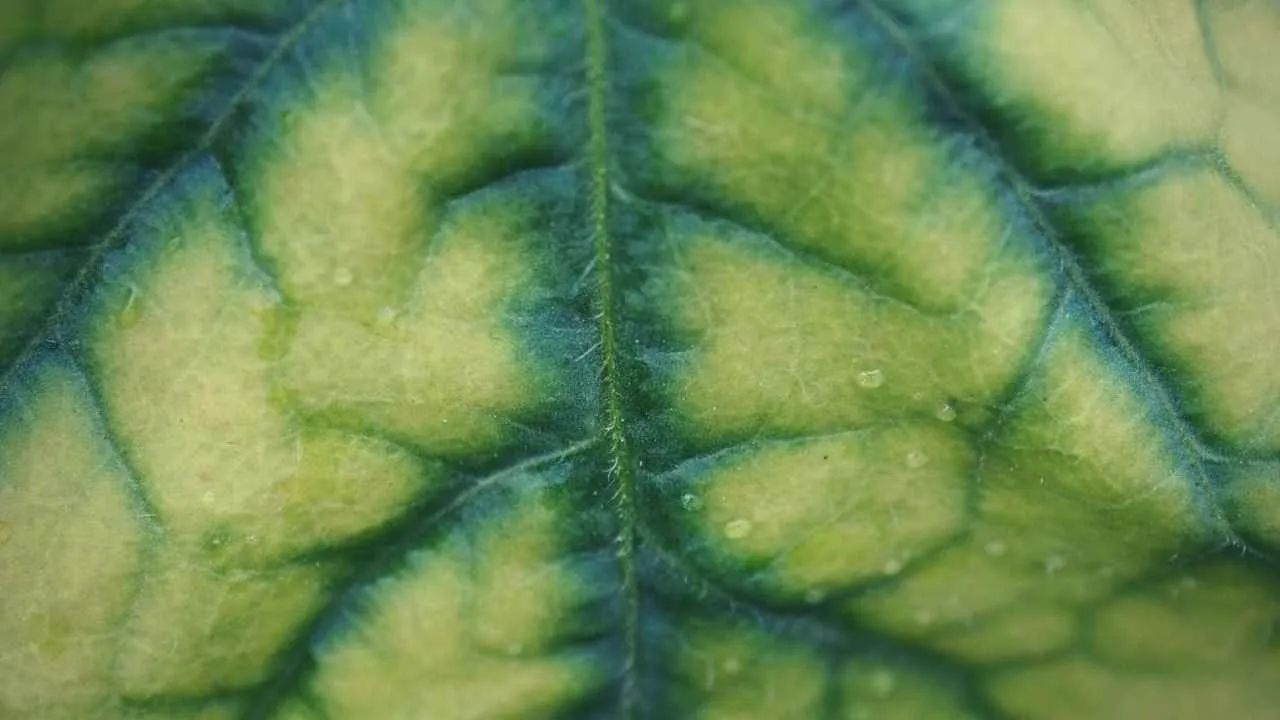
Phosphorus for root development and early plant success. It is fundamental for flower formation and fruiting. Deficiency indicates discolouration of older foliage very often reddish or purple with possible stunted growth and diminished root system. Due to cold wet soil, very acid or alkaline pH, or real phosphorus deficiency. Adjust with phosphate rock, bone meal or a general purpose fertilizer. Phosphorus levels in the soil are most accurately determined through soil testing.
Major Nutrient 3: Potassium (The Fruit Quality Nutrient)
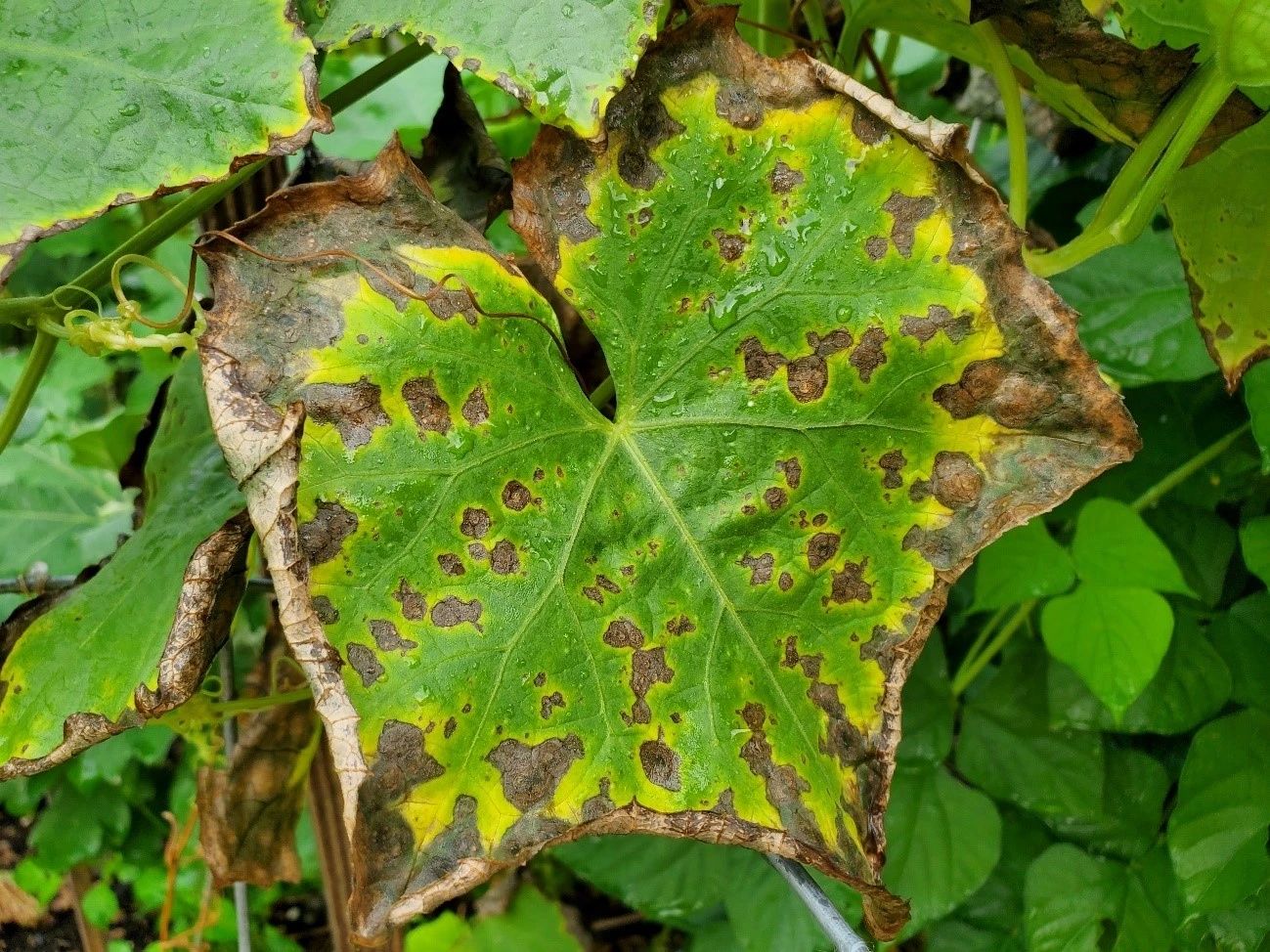
Potassium enhances fruit quality and disease resistance. Brown outer margins on leaves indicate deficiency. Yellow patches may develop on fruit. Fruit may be underdeveloped or small. More common in sandy soils where it leaches easily. Corrected with potassium sulfate or wood ash, applied cautiously. Blossom end rot sometimes relates to potassium deficiency. Soil testing is essential for accurate diagnosis.
Micronutrient 1: Iron and Magnesium (Interveinal Chlorosis)
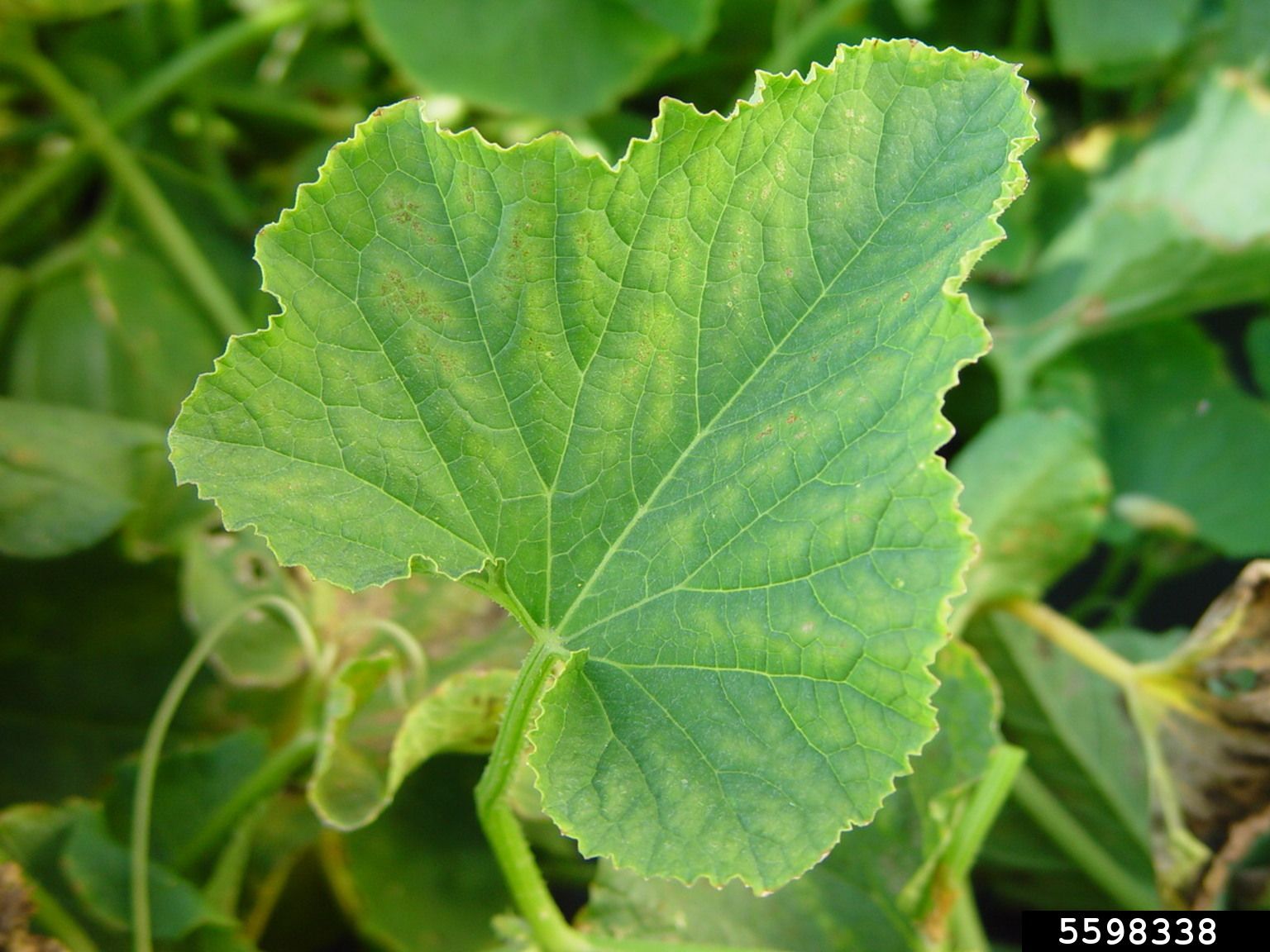
Iron and magnesium deficiencies create similar yellowing patterns called interveinal chlorosis. Yellowing appears between veins while the veins stay green, creating a striped appearance. The critical difference is timing. Iron deficiency appears on newer leaves first. Magnesium deficiency appears on older leaves first.
Iron Deficiency in High pH Soils
Iron deficiency yellowing appears on new leaves first, unlike nitrogen on older leaves. High pH soils above 7.0 reduce iron availability even when adequate iron exists in soil. Consistent watering prevents iron deficiency stress. Chelated iron products effectively treat the problem. Long-term solution involves acidifying soil by adding sulfur to lower pH toward 6.5 range.
Magnesium Deficiency and Potassium Interaction
Magnesium deficiency yellows older leaves while new growth stays green. Reddish or brown tints may appear alongside yellowing. Often caused by excess potassium fertilizer creating nutrient imbalance. Reduce potassium fertilizer immediately if this is suspected cause. Epsom salt (magnesium sulfate) applied to soil provides correction. Epsom salt foliar spray works fastest: dissolve 1 tablespoon in 1 gallon water and spray leaves thoroughly.
Pro Tip: Epsom salt spray provides rapid response to magnesium deficiency, typically showing improvement within 7 to 10 days.
Micronutrient 2: Calcium and Blossom End Rot (The Visible Deficiency)
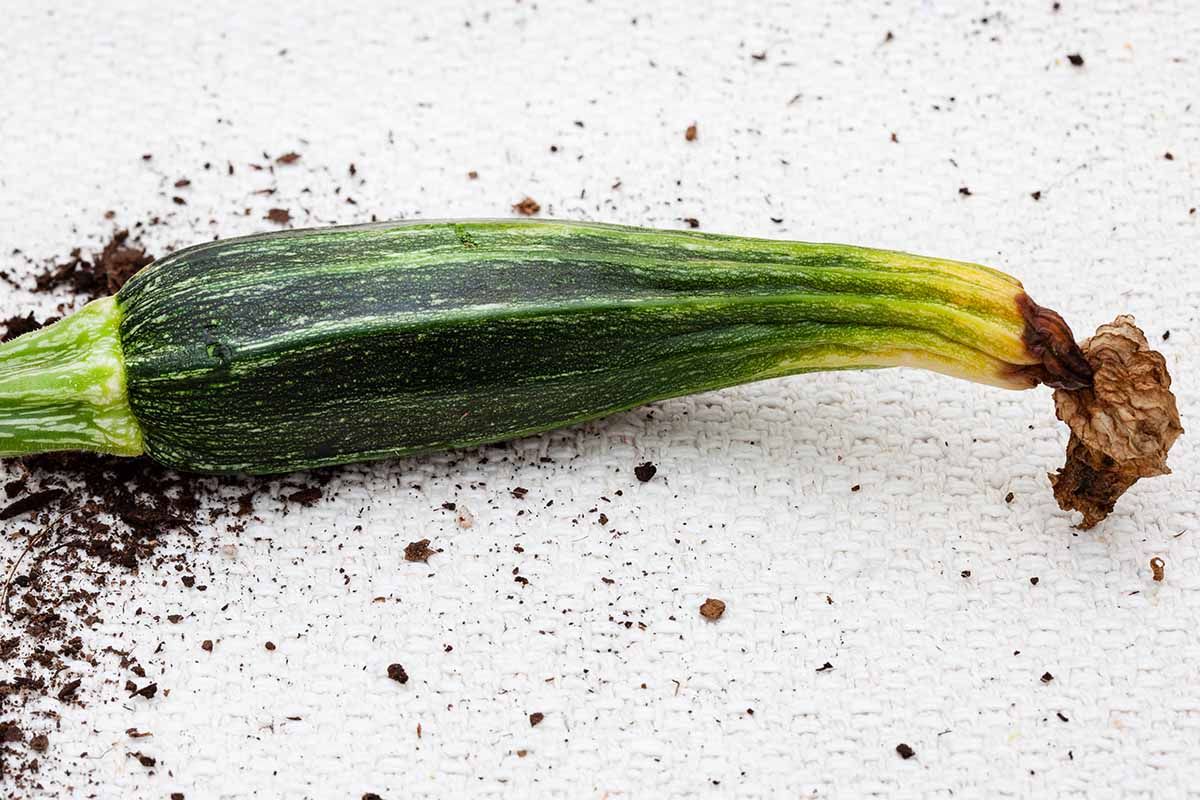
Blossom end rot is the most visible nutrient deficiency symptom. A black, leathery lesion develops on the bottom (blossom end) of developing fruit. The indented, sunken appearance makes fruit unmarketable. The damage spreads as fruit grows. But here's the paradox: blossom end rot usually isn't caused by calcium deficiency. Instead, it's caused by inconsistent watering combined with inadequate calcium uptake by damaged roots.
Why Zucchini Develops Blossom End Rot
Calcium deficiency in soil is less common than watering problems causing the issue. Inconsistent watering is the actual culprit in most cases. Excess nitrogen promoting vegetative growth at the expense of roots can also contribute. High pH soil or low pH soil reducing calcium availability creates conditions favoring the problem. Damaged roots unable to uptake available calcium cannot transport calcium to developing fruit.
Prevention (Most Important Strategy)
Maintain consistent soil moisture as your first defense. Not soggy soil, but evenly moist. Use mulch to stabilize soil moisture between waterings. Avoid excess nitrogen fertilizer promoting vegetative growth at the expense of roots. Maintain soil pH between 6.0 and 7.0 for optimal calcium availability. Test soil before planting to ensure adequate calcium. Water deeply and regularly, providing 1 inch per week minimum. Drip irrigation maintains consistent moisture better than overhead watering.
Correction
Gypsum (calcium sulfate) added to soil works relatively fast. Crushed eggshells work but take considerable time to break down. Ground oyster shells or dolomite limestone work slowly but provide long-term benefits. Foliar calcium spray provides rapid response, though roots must absorb most calcium. Continue consistent watering religiously during the entire growing season.
Micronutrient 3: Boron, Zinc, and Manganese
Boron deficiency causes distorted fruit and poor cell formation. Zinc deficiency causes stunted growth and leaf discoloration. Manganese deficiency is rare but related to soil pH issues. Micronutrient fertilizers are applied as foliar spray for fastest response. Soil pH significantly affects micronutrient availability. Prevention through balanced fertilizer including micronutrients prevents problems.
Soil Testing: Your Most Reliable Diagnostic Tool
Soil testing is the single best way to diagnose and prevent nutrient deficiencies. Guessing about soil nutrients often leads to expensive mistakes. Testing provides specific information about what your soil needs.
Why Soil Testing Matters
Testing prevents guessing about nutrient deficiencies. It identifies pH problems reducing nutrient availability despite adequate nutrients. Testing reveals excess nutrients (just as problematic as deficiencies). It provides specific fertilizer recommendations tailored to zucchini needs. Much cheaper than trial-and-error amendments. Testing saves money by preventing over-fertilization that creates other problems.
What Soil Tests Include
pH level is critical for nutrient availability. All nutrient elements are tested: nitrogen, phosphorus, potassium (macronutrients) and calcium, magnesium, sulfur (secondary nutrients). Optional micronutrient testing includes boron, zinc, copper, iron, and manganese. Organic matter content tells you about soil health. Soluble salts reveal salt accumulation from over-fertilization. Recommendations for lime or sulfur to adjust pH guide long-term improvements.
Sample Collection Process
Collect samples from multiple areas for representative sampling. Take samples from 4 to 6 inches deep where roots absorb most nutrients. Use clean tools to avoid contamination. Mix samples from different areas together into one composite sample. Send approximately 1 to 2 cups of soil. Follow Extension office instructions precisely for the best results.
Interpreting Results
Results are given as low, medium, optimum, or high categories. Recommendations are specific to zucchini or cucurbits. Optimal pH for zucchini is 6.0 to 6.8, with 6.5 being ideal. Nitrogen is expressed in different ways depending on the lab (ppm or pounds per acre). Follow Extension recommendations exactly for amendment amounts and types.
Pro Tip: Soil testing is cheaper than fertilizer mistakes. Test soil every 2 to 3 years to monitor changes and ensure continued productivity.
NPK Fertilizer Ratios for Different Growth Stages
NPK refers to the percentage of nitrogen (N), phosphorus (P), and potassium (K) in a fertilizer product. A 10-10-10 fertilizer contains 10 percent of each nutrient. A 5-10-10 fertilizer contains 5 percent nitrogen, 10 percent phosphorus, and 10 percent potassium.
Best Ratios for Zucchini
Early growth before flowering: 10-10-10 or similar balanced formula at half-strength applications every 7 to 10 days. Before flowering transition: Continue 10-10-10 at full strength every 10 to 14 days. Flowering and fruiting: Shift to 5-10-10 or similar (higher phosphorus and potassium, lighter nitrogen) every 10 to 14 days. Throughout season: Consistency matters more than achieving perfect ratios.
Application Methods
Granular fertilizer: Scratch into soil 2 to 3 inches away from stem, then water in thoroughly. Liquid fertilizer: Dilute and apply to soil at base of plant. Foliar spray: Dilute and spray leaves for rapid response to deficiency. Drip irrigation: Can add diluted liquid fertilizer to irrigation system for hands-off applications.
Never apply fertilizer right against the stem. This can burn plants severely. Keep distance to prevent damage. Water soil thoroughly before applying granular fertilizer to prevent concentration problems.
Organic Soil Amendments (Building Long-Term Fertility)
Compost is the best single soil amendment for zucchini. It provides slow-release nutrients over the entire season. It improves soil structure and water retention. It adds beneficial microbes that support plant health. Apply 2 to 3 inches worked into the top 6 to 8 inches before planting. Annual application maintains soil fertility. But caution: excessive compost (especially manure) can cause problems with too much nitrogen and pH shifts.
Aged manure must be aged at least 3 to 4 months before application. Never use fresh manure. Fresh manure burns plants and nitrogen content is dangerously high. Cattle manure generally works best for vegetables. Rabbit and chicken manure are more concentrated (use less). Horse manure often contains weed seeds.
Warning signs of too much compost include excessive nitrogen producing giant plants with few flowers. pH becomes too high or too low. Excess phosphorus accumulates in soil. Nutrient imbalances develop from too much amendment.
Correcting Nutrient Imbalances
Excess nitrogen reduces flowering and fruit production despite vigorous foliage growth. High potassium interferes with magnesium uptake creating interveinal yellowing. Excess phosphorus builds up over years from repeated applications. Salt accumulation from over-fertilization damages plants. pH problems prevent nutrient availability despite adequate nutrients in soil. Over-fertilization is as damaging as under-fertilization.
Discover Your Plant's Health with Plantlyze
Nutrient deficiency symptoms appear suddenly, but plant stress develops gradually. Plantlyze, an AI powered plant care diagnosis tool, helps you identify nutrient stress before visible yellowing or stunting appears. Upload plant photos and get real-time assessment of your zucchini plant's nutrition status and specific deficiency indicators. Personalized recommendations guide you to correct problems before they damage your harvest.
Monitor plant health throughout the season and adjust nutrition based on your plant's specific needs. Stressed plants recovering from disease or nutrient deficiency need lighter fertilizer applications than thriving plants. Understanding your plant's health status allows you to provide exactly what it needs when it needs it. Visit plantlyze.com to assess your plant's health today.
Your Nutrient Management Success Plan
Most zucchini nutrient deficiencies are easily corrected once identified. Start with soil testing before planting. This single investment prevents countless mistakes. Use the test results to guide fertilizer selection and application rates. Select balanced NPK ratio for early growth. Shift to higher potassium ratio during flowering for maximum fruit production.
Watch for early deficiency symptoms: yellowing leaves (nitrogen), purple discoloration (phosphorus), brown leaf margins (potassium), interveinal yellowing (iron or magnesium), black lesions on fruit (calcium). Address symptoms immediately with appropriate organic amendments. Don't wait for severe decline before correcting problems.
Annual compost additions build long-term soil fertility. Proper watering prevents blossom end rot and other water-related problems. Moderate fertilizer applications work better than excessive applications. Your healthy, well-fed zucchini plants will reward you with abundant harvest throughout the season.
References
University of Georgia Cooperative Extension (CAES) – "Nutritional Deficiencies in Vegetables"
https://fieldreport.caes.uga.edu/publications/B1569/nutritional-deficiencies-in-vegetables/
(University Extension, peer-reviewed research-based information)Colorado State University Extension – "Plant Nutrition"
https://extension.colostate.edu/resource/plant-nutrition/
(University Extension, scientifically accurate nutrient information)Michigan State University Extension (CANR) – "Secondary and Micro-nutrients for Vegetable and Field Crops"
https://www.canr.msu.edu/resources/secondary_and_micro_nutrients_for_vegetable_and_field_crops_e486
(University Extension, comprehensive micronutrient research)University of Minnesota Extension – "How to Correct Problems Caused by Using Too Much Compost and Manure"
https://extension.umn.edu/nutrient-management-specialty-crops/correct-too-much-compost-and-manure
(University Extension, nutrient balance and soil amendment guidelines)Purdue University Vegetable Crops Hotline – "Growing a Bountiful Zucchini Crop"
https://vegcropshotline.org/article/growing-a-bountiful-zucchini-crop/
(University Extension, zucchini-specific soil pH and nitrogen recommendations)Royal Horticultural Society (RHS) – "Nutrient Deficiencies"
https://www.rhs.org.uk/prevention-protection/nutrient-deficiencies
(UK authoritative horticultural research organization, comprehensive deficiency information)