Introduction: Getting the Depth Right from the Start
You're ready to grow your own zucchini. You've got your seeds, you've prepped the soil, and now comes the critical question that many home gardeners get wrong: How deep should you actually plant those seeds? It sounds simple, but planting depth is one of the most overlooked factors that determines whether your zucchini thrives or struggles from the very beginning. Plant too shallow, and your seeds might dry out or wash away. Plant too deep, and they'll struggle to push through the soil, wasting precious energy before they even sprout. The good news? Getting this right is easier than you think, and following the correct depth will give your zucchini plants the perfect start for a bountiful harvest.
Understanding Your Zucchini and Why Depth Matters
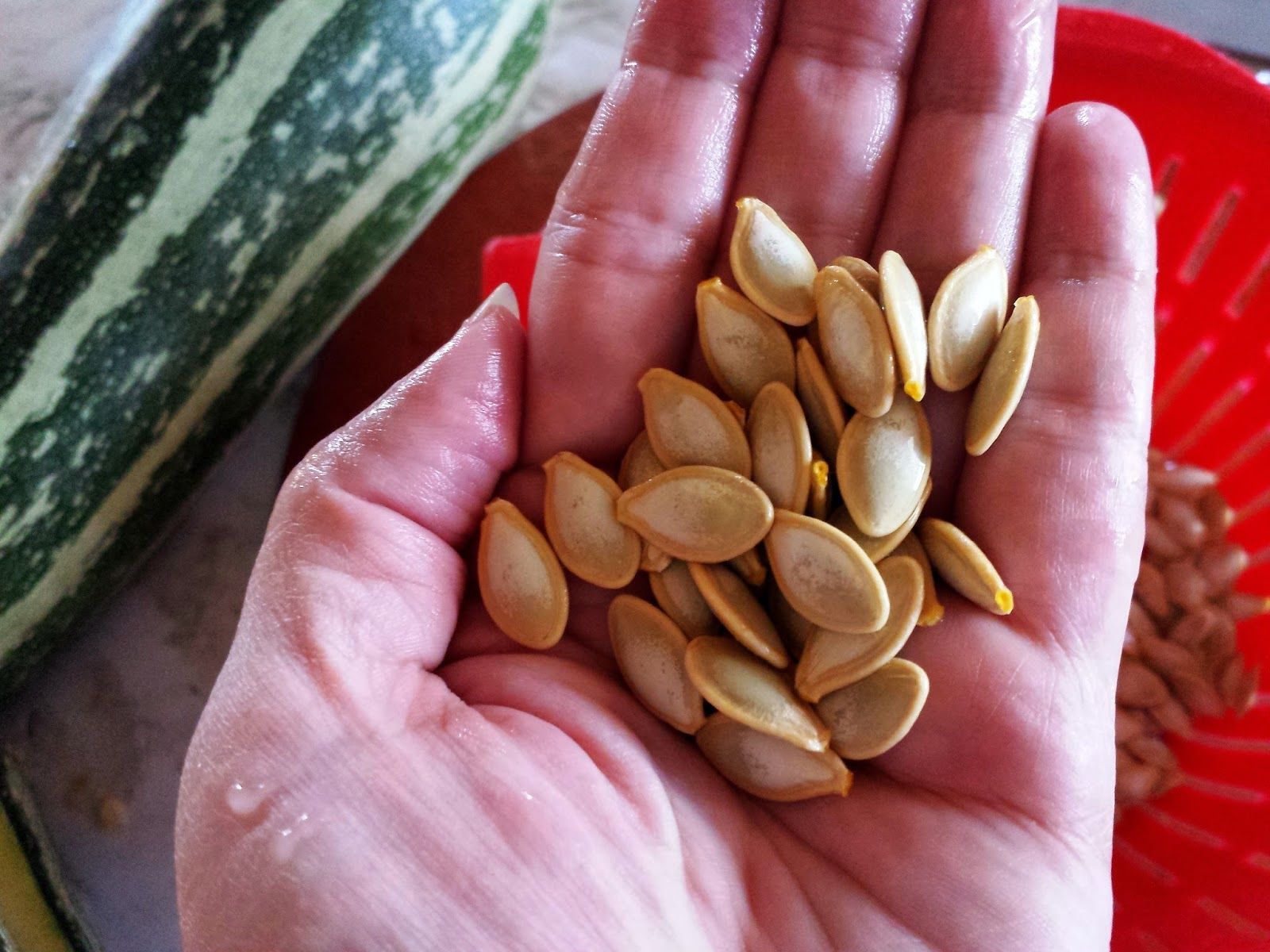
Before we dig into the specifics (pun intended), let's talk about what you're actually planting. Zucchini, scientifically known as Cucurbita pepo var. cylindrica, is a summer squash that belongs to the Cucurbitaceae family, the same family that includes cucumbers, melons, and pumpkins. What makes zucchini special is its incredible productivity—a single healthy plant can produce enormous quantities of fruit throughout the summer.
The reason planting depth matters so much comes down to how zucchini seeds germinate. These seeds need specific conditions to wake up and start growing. They need warmth, moisture, and oxygen. When you plant at the correct depth, you're creating the ideal microclimate where these three elements work together perfectly. Too shallow, and your seed might dry out as the surface soil loses moisture quickly. Too deep, and the seed exhausts its energy reserves trying to reach the surface, sometimes failing before it even sprouts leaves. Getting the depth right means your seed germinates quickly, establishes strong roots, and emerges as a vigorous seedling ready to grow into a productive plant.
The Optimal Planting Depth for Zucchini Seeds
The simple answer: Plant zucchini seeds between one half inch and one inch deep. Most gardening experts recommend one inch as the sweet spot, which is roughly the distance from the tip of your index finger to your first knuckle, making it easy to judge by sight.
Why One Inch Works Best
One inch deep provides the perfect balance. At this depth, your seed is protected from drying out from surface evaporation and exposure to intense sun, yet shallow enough that the emerging seedling won't exhaust itself pushing through the soil. The warmth of the soil reaches the seed effectively, triggering germination, and once the seedling emerges, it's only a short journey to the surface before those first leaves can start capturing sunlight.
The Half Inch Option
Some gardeners prefer planting at half inch depth, particularly in areas with high heat or intense sun. This slightly shallower depth means faster emergence and can reduce the risk of seeds rotting in cool, wet soil. However, this approach requires more attention to soil moisture since the seed is closer to the drying surface layer.
Going Deeper Than One Inch
You might be tempted to plant deeper for protection, but resist that urge. Planting deeper than one and a half inches rarely improves results and often causes problems. Seeds planted two inches or deeper often fail to emerge entirely because the energy reserves in the seed get depleted before the seedling reaches the surface. Deeper soil is also typically cooler, which slows germination and increases the chance of seed rot in moist conditions.
Temperature and Timing: When to Plant at Depth
Planting depth interacts with another critical factor: soil temperature. Zucchini seeds need warm soil to germinate reliably. Ideally, your soil temperature should be at least 65 degrees Fahrenheit before you plant.
If your soil is cooler than 65 degrees Fahrenheit, consider waiting a bit longer or using black plastic mulch to warm the soil. You can lay down black plastic mulch a couple of weeks before planting to raise the soil temperature by approximately 10 degrees Fahrenheit. This allows you to plant two weeks earlier and harvest two weeks earlier without risking seed rot from cold, wet soil.
If your soil is warmer than 70 degrees Fahrenheit, you can plant with confidence. Warm soil means faster, more reliable germination. Your seed will sprout within 7 to 14 days, sometimes even faster.
Step by Step: How to Plant Zucchini Seeds at the Correct Depth
Now let's walk through the actual planting process so you get it right the first time.
Step 1: Prepare Your Planting Area
Start by preparing your garden bed or container. Your zucchini loves well draining soil rich in organic matter. Mix in 2 to 3 inches of mature compost into your garden bed, or fill containers with quality potting soil mixed with compost. Your soil pH should ideally sit between 6.0 and 7.0 for optimal zucchini growth.
Rake the area smooth and water it thoroughly until the soil is moist but not waterlogged. You want the soil to be workable and damp, not muddy.
Step 2: Create Planting Holes
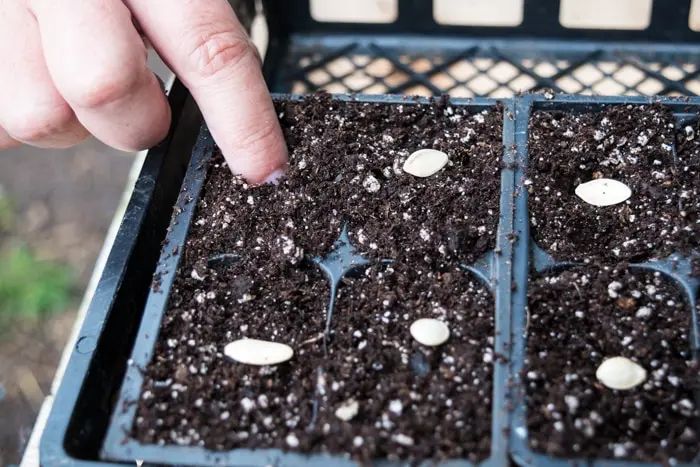
Using your finger or a small stick, poke holes into the soil exactly one inch deep. You can plant multiple seeds in a small area initially (called a hill) or space them out individually. If you're planting in hills, make 3 to 4 holes about 2 inches apart from each other in a small mound.
If you're planting in rows, space your holes about 3 feet apart since zucchini plants get quite large as they mature. Remember, you can always thin seedlings later, so it's okay to be generous with seeds at first.
Step 3: Plant Your Seeds
Drop one seed into each hole. Don't just toss it in carelessly. Position it gently at the bottom of your one inch deep hole. If you're planting multiple seeds per hole, space them out slightly within the hole.
Step 4: Cover and Water
Lightly cover the hole with soil, making the surface flush with the surrounding garden bed. Don't press down hard or compact the soil. You want the soil loose enough that your emerging seedling can push through easily.
Water gently but thoroughly with a fine mist or gentle spray. The goal is to settle the soil around the seed without creating a crust that would block emergence. Keep the soil consistently moist (not soggy) until your seedling emerges, which typically takes 7 to 14 days.
Step 5: Maintain Moisture Until Emergence
This is critical. From planting until you see those first tiny leaves breaking through the soil, keep your seedbed moist. Check it daily. In hot weather, you might need to water once or even twice daily to keep the soil from drying out.
Once your seedlings emerge and develop their first true leaves, you can back off on watering frequency slightly and let the soil dry out a bit between waterings. This encourages deeper root development.
Common Depth Mistakes That Kill Zucchini Seeds
Understanding what not to do is just as important as knowing what to do.
Mistake 1: Planting Too Deep
The most common error, planting seeds two inches or deeper, often results in failed germination. Deep soil is cooler, wetter, and lacks the oxygen that seeds need to wake up. Seeds might rot before they ever sprout. Some gardeners think deeper equals safer, but with zucchini, depth actually increases risk.
Mistake 2: Planting in Cool Soil
Planting at the correct depth won't help if your soil temperature is cold. Cool soil (below 60 degrees Fahrenheit) slows germination dramatically and increases seed rot risk. Always wait for warm soil or use mulch to warm it up first.
Mistake 3: Covering Seeds With Too Much Soil
Even if you plant at the right depth, covering the seed with extra soil can create the same problems as planting too deep. Pat your soil gently and lightly rather than piling it on.
Mistake 4: Neglecting Soil Moisture
Zucchini seeds that dry out after planting typically won't recover. If you plant and then forget about watering for three or four days during hot weather, you'll likely lose your seeds. Consistent moisture is essential during germination.
Soil Preparation for Success at Any Depth
The depth you plant at only works well if the rest of your soil conditions support healthy growth.
Your zucchini needs rich, well draining soil. Before planting, work in 2 to 3 inches of mature compost throughout your garden bed. This serves multiple purposes: it provides nutrients, improves soil structure, enhances water retention, and creates that loose, workable soil that seedlings love.
If you're working with heavy clay soil, incorporate sand along with compost to improve drainage. Zucchini doesn't tolerate waterlogged soil well, and roots can rot in soil that stays too wet.
Your soil pH should sit between 6.0 and 7.0. If you've never tested your soil, this is a great time to do it. A simple soil test tells you your pH and nutrient levels, guiding how much compost or fertilizer you need.
Planting Zucchini Seedlings vs Seeds: Different Depth Considerations
If you're starting with seedlings instead of seeds (maybe you bought transplants from a nursery), the depth approach changes slightly.
When planting a zucchini seedling, plant it so the soil line of the seedling matches the soil line of the garden. In other words, don't bury it deeper than it was growing in its container. Seedlings are already established and have a root system ready to grow downward, so you don't need the same deep planting depth strategy as you do with seeds.
However, unlike tomato seedlings that can be planted deeper (which helps them develop more roots), zucchini seedlings prefer to go in at the same depth they've been growing. Plant deeper than this and you risk the stem buried in soil developing rot issues.
Gently firm the soil around your seedling after planting, water well, and treat it similarly to seed plantings in terms of keeping soil consistently moist for the first week as it establishes.
Container Growing: Adjusting Depth for Pots
Growing zucchini in containers requires careful attention to depth in a different way. You're limited by the container itself.
For zucchini container growing, you need a container with at least 20 to 30 centimeters (8 to 12 inches) of depth minimum. Vining zucchini varieties that sprawl extensively actually prefer containers about 36 inches deep or larger, but many gardeners successfully grow zucchini in smaller containers by selecting compact varieties.
When planting seeds in containers, follow the same one inch depth guideline. Fill your container with quality potting soil mix (a blend of peat or coco coir, compost, and perlite or vermiculite works well), plant your seeds at one inch deep, and maintain consistent moisture.
The advantage of container growing is that you can control soil warmth by placing the container in a sunny spot, and you can move it if weather turns unexpectedly cold.
Watering, Mulch, and Post-Planting Care
Once your zucchini seedlings have emerged, depth becomes less critical, but your overall growing strategy becomes more important.
Water your zucchini consistently, providing about one inch of water per week through rainfall or irrigation. Deep watering encourages deeper root development. Drip irrigation or soaker hoses work better than overhead watering, which can promote fungal diseases on the leaves.
Mulching is your friend. Once your seedlings are a few inches tall and the soil has warmed up completely, add about one inch of mulch around your plants. This conserves soil moisture, keeps roots cooler during hot weather, and reduces weed competition. Keep mulch a few inches away from the plant stem to prevent rot.
Troubleshooting: When Seeds Don't Germinate
If you've planted at the correct depth and still aren't seeing seedlings emerge after three weeks, here are the likely culprits.
Cold soil remains the most common cause. Zucchini seeds won't germinate in cold soil, no matter how deep you plant them. Check your soil temperature and wait for it to reach at least 65 degrees Fahrenheit.
Waterlogged soil causes seed rot. If you're watering daily and your garden has poor drainage, let the soil dry out slightly between waterings.
Old seeds sometimes won't germinate. Zucchini seeds maintain good viability for about four years if stored in cool, dry conditions, but older seeds have lower germination rates.
Pests occasionally eat zucchini seeds right after planting. If you see evidence of this, consider protecting seeds with floating row covers until seedlings emerge.
Get Your Zucchini Growing: Practical Next Steps
Now that you understand planting depth, you're ready to plant zucchini like a pro. Start with warm soil (at least 65 degrees Fahrenheit), plant at one inch deep, keep the soil consistently moist until emergence, and you'll have healthy seedlings ready to grow into productive plants.
Remember, zucchini is one of the most forgiving summer vegetables. Even if you're not perfect with depth, zucchini plants are resilient. However, getting depth right from the start eliminates one major source of seedling failure and puts you on track for success.
As you grow your zucchini and watch those plants take off, consider tracking what works in your specific garden. Does slightly shallower planting work better in your hot climate? Does deeper mulching help in your humid area? Gardening is as much art as science, and your own experience becomes your best teacher.
Enhance Your Zucchini Growing Journey With Plantlyze
As you move through the growing season, keeping track of what works in your garden becomes essential. Plantlyze, an AI powered plant care and diagnosis tool, helps you monitor your zucchini plants throughout their lifecycle. From early growth stages all the way through harvest, Plantlyze provides personalized care recommendations based on your specific plants and local conditions. Whether you're troubleshooting yellowing leaves, identifying nutrient deficiencies early, or optimizing watering schedules for your climate, Plantlyze has you covered.
Visit plantlyze.com to explore how this intelligent tool can transform your gardening success.
References
University of Minnesota Extension — https://extension.umn.edu/vegetables/growing-summer-squash-and-zucchini
Britannica — https://www.britannica.com/plant/zucchini
Wikipedia — https://en.wikipedia.org/wiki/Zucchini
Gardenia.net (Botanical Database) — https://www.gardenia.net/plant/cucurbita-pepo-zucchini
GBIF (Global Biodiversity Information Facility) — https://www.gbif.org/species/144103253