Your zucchini patch has become a jungle. What started as a few neat plants has transformed into an overwhelming tangle of sprawling vines that cover half your garden bed. Finding fruit buried under dense foliage requires detective work. You harvest zucchini almost by feel, hoping you haven't missed any hidden beneath the leaves. The sheer vigorous growth that seemed like a blessing in early summer now feels like a management challenge.
Here's the good news: zucchini doesn't have to take over your garden. With simple pruning techniques, you can dramatically increase fruit production, prevent powdery mildew and other diseases, and make harvesting effortless. Pruning seems counterintuitive when you first hear about it. Removing leaves from a zucchini plant feels like you're harming your harvest. In reality, pruning signals the plant to produce more flowers, which means more fruit. This guide teaches you exactly how to prune zucchini confidently and effectively, transforming your tangled jungle into a productive, healthy, beautiful plant.
Why Zucchini Needs Pruning
Understanding why pruning helps makes the technique less intimidating. Zucchini's dense, sprawling growth habit creates conditions that actually limit productivity. The large leaves blanket the plant so thoroughly that inner foliage receives almost no sunlight. These shaded lower leaves are energy drains rather than energy producers. They consume plant resources without contributing meaningfully to photosynthesis or fruit production.
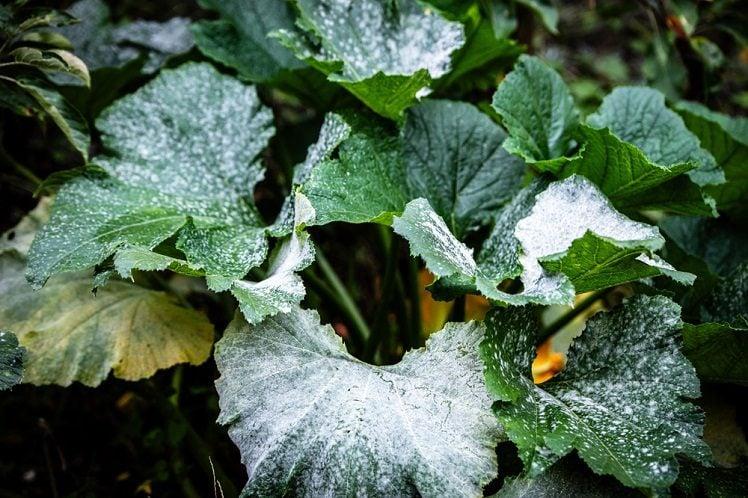
Dense foliage also blocks air circulation completely. Moisture becomes trapped inside the plant canopy, creating a humid microclimate. These humid, protected conditions are exactly what fungal diseases like powdery mildew need to establish and spread rapidly. Poor airflow means leaves stay wet longer after rain or watering, extending the window for disease spore germination. Pruning removes lower leaves and opens the plant structure, allowing air to move through freely and leaves to dry quickly. This simple change dramatically reduces disease pressure throughout the season.
Major Benefit 1: Increased Fruit Production
The most surprising benefit of pruning is increased fruit production. This seems backward. How can removing leaves produce more fruit? The answer lies in plant energy allocation and flowering patterns.
How Pruning Signals More Fruit Production
Zucchini leaves are energy factories producing sugars through photosynthesis. But not all leaves are equally productive. Lower leaves receive less sunlight and produce minimal energy. Plant priority naturally shifts away from these shaded leaves. When you remove lower unproductive leaves, the plant redirects energy upward toward new growth and fruit development. This energy redirection signals the plant to shift from vegetative growth mode into reproductive mode.
Pruning removes older growth and directly stimulates new growth production. New growth contains more flowers, the reproductive structures that become fruit. Each flower has the potential to develop into a zucchini, so more flowers directly means more potential fruit. The plant also responds to leaf removal by growing more vigorously, producing new leaves and stems faster to compensate for the removed foliage. These new stems carry flowers along their length.
Energy Redirection in Pruned Plants
Plant physiology follows simple logic. Energy saved by eliminating unproductive lower leaves gets redirected to productive new growth above. The plant doesn't waste resources maintaining foliage that contributes little to overall photosynthesis. Instead, that energy flows to flowering branches, fruit development, and new productive growth.
Consistent pruning maintains this energy redirection throughout the season. Regular pruning prevents the plant from ever returning to full jungle mode. Continuous light pruning keeps the plant in productive growth pattern rather than switching between vegetative and reproductive phases.
Yield Increase: What Research Shows
Research trials comparing pruned versus unpruned zucchini plants show striking results. Pruned plants consistently produced more flowers, more fruit, larger individual fruit, and overall higher yields than unpruned controls. One scientific trial found that simple early pruning of the first branch at 20 days and second branch at 30 days resulted in measurable yield increases. More aggressive pruning removing 30 to 40 percent of foliage produced even more dramatic results.
Experienced gardeners who prune heavily report doubling their zucchini harvest from the same number of plants. Even modest pruning shows noticeable improvements. The timing of pruning impacts results. Starting pruning early in the season produces benefits throughout the growing season. Late season pruning still helps but allows less time for the plant to recover and produce before frost.
Timing for Maximum Production
Start pruning as soon as your first flowers appear on the plant. This early signal tells the plant that reproduction is the priority. Continue pruning consistently throughout the growing season. Weekly pruning sessions maintain steady production. The plant continuously responds to removal of older leaves by producing new flowering growth.
Early pruning extends the productive season. Plants that never allowed to become overgrown and dense remain in production mode. Late in the season when unpruned plants might be declining, well-pruned plants continue flowering and producing new fruit. This extended productivity window adds significant harvest to your total yield.
Pro Tip: Prune regularly in small amounts rather than one dramatic cutback. Consistent weekly pruning maintains plant vigor better than occasional aggressive pruning sessions. The plant adjusts gradually to regular leaf removal.
Major Benefit 2: Disease Prevention
Powdery mildew is the most common zucchini disease, and pruning is your first line of defense against it. Unlike pesticides applied after disease appears, pruning prevents infection before it starts by changing environmental conditions inside the plant.
Air Circulation: The Disease Prevention Secret
Fungal diseases including powdery mildew, downy mildew, and Alternaria leaf blight all thrive in humid microclimates with poor air circulation. Dense zucchini foliage creates exactly these conditions. Leaves touching each other trap moisture. Shaded interior areas never dry completely. Fungal spores germinate readily in this protected, humid environment.
Pruning removes dead leaves that harbor fungal spores. More importantly, it opens the plant structure, allowing air to move through freely. Good air circulation dries foliage quickly after rain or watering. Fungal spores cannot germinate on dry leaf surfaces. Even when humidity is high, moving air prevents moisture from accumulating on foliage. This simple physical change prevents most fungal infection without any spray applications.
Which Diseases Does Pruning Prevent
Powdery mildew is prevented dramatically through improved air circulation. This disease typically appears mid-July onward when summer heat and humidity peak combined with dense plant growth. Regular pruning through the season prevents the dense conditions that trigger powdery mildew epidemics.
Downy mildew also benefits from improved airflow though it has different environmental triggers. Alternaria leaf blight lives on older leaves and is prevented by removing these infected leaves before spores spread. Bacterial leaf spot splashes from soil to wet lower leaves. Removing lower leaves eliminates this splash zone, preventing infection.
Prevention Timeline: When Disease Pressure Peaks
Powdery mildew pressure typically begins building in early July and peaks in August and September. Preventive pruning beginning in June, before disease appears, is most effective. You're preventing conditions that favor the disease rather than fighting established infection.
One major disease pressure wave typically occurs around peak summer heat and humidity. Regular pruning through June and July prevents this wave from becoming problematic. Late season pruning in August and September still helps prevent late season decline, though starting earlier prevents more disease overall.
Major Benefit 3: Easier Harvesting and Plant Access
Dense foliage makes spotting fruit incredibly difficult. Zucchini hidden under sprawling leaves often grows too large before you discover it. Large zucchini are tougher, have larger seeds, and are less desirable than tender medium-sized fruit harvested early. Hidden fruit that you don't harvest signals the plant to slow production. The plant thinks reproduction is complete and shifts energy away from flowering.
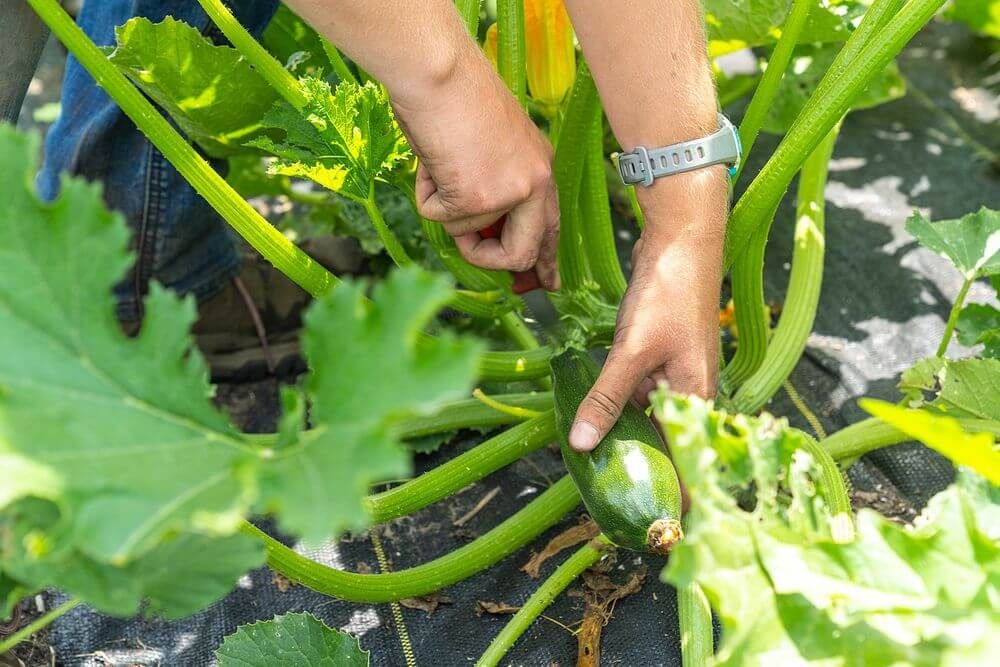
Pruned plants allow clear sight lines to fruit. You can see each developing zucchini easily and harvest it at optimal size. Regular harvesting combined with pruning creates a positive feedback loop. You harvest at the right time, which signals the plant to produce more fruit.
Poor visibility also leads to missed fruit that becomes overripe. These large overripe zucchini signal the plant that reproduction is complete. Production slows. With pruning providing clear visibility, you catch fruit at perfect size before it signals the plant to reduce flowering. Easier harvesting directly translates to continuous production rather than boom-and-bust cycles.
Major Benefit 4: Space Savings in Garden Beds
Zucchini naturally sprawls extensively, with vines spreading 3 to 4 feet or more in all directions. Unpruned plants consume enormous garden space that could grow other vegetables. Pruning allows more compact plant growth.
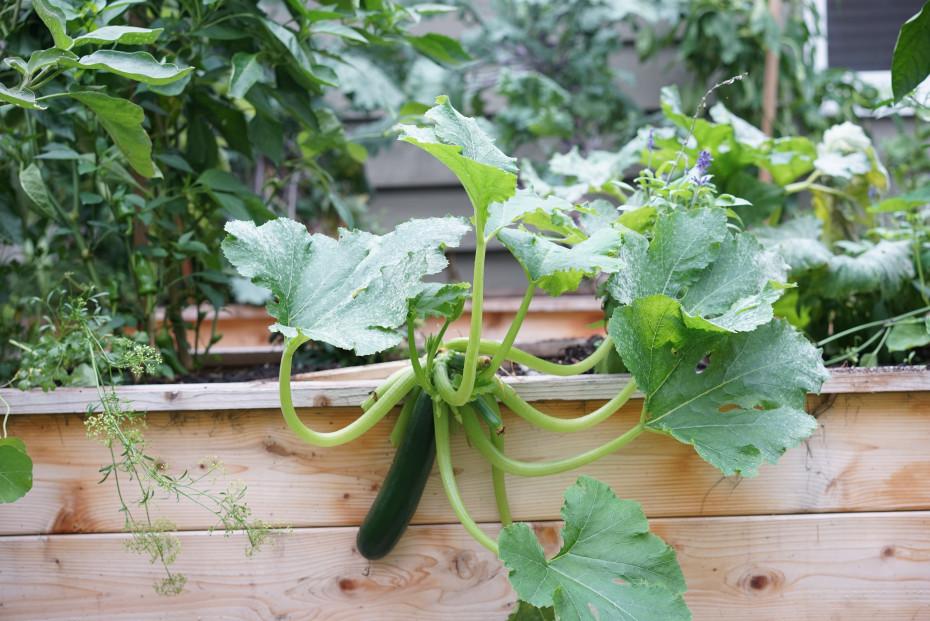
Vertical pruning techniques combine aggressive pruning with vertical training, allowing zucchini to grow upward instead of outward. Space-constrained gardens benefit dramatically. More plants can fit in the same footprint, and each plant is still productive. Vertical pruning enables container gardening and small-space zucchini growing that would otherwise be impossible. A single vertically pruned plant can produce as much as two or three sprawling unpruned plants while using a fraction of the space.
When to Start Pruning
Begin pruning when your first flowers form on the plant. This timing varies by planting date, typically occurring 30 to 50 days after planting. Early season pruning signals earlier and more continuous production than waiting until later in the season.
Continue pruning throughout the entire growing season until frost. Don't wait for the plant to become overgrown and jungle-like before starting. Early and regular pruning prevents the overgrown condition from ever developing. A weekly pruning schedule maintains consistent benefits. Most gardeners prune for 15 to 20 minutes weekly, a small time investment that yields dramatic harvest increases.
How to Prune: Step-by-Step Process
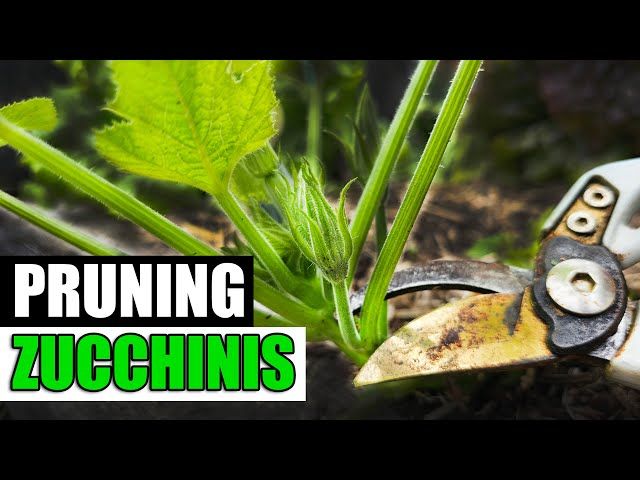
Pruning is simple once you understand the process. You'll gain confidence after the first or second pruning session.
Step 1: Locate the Lowest Fruit
Look at your plant and find the lowest developing zucchini currently on the plant. This is your pruning line. Never prune above this fruit. All leaves below this lowest fruit should be removed because these leaves receive minimal sunlight and contribute little to plant productivity.
The fruit above this point receives priority for foliage and plant energy. Leaves supporting this productive fruit remain on the plant. You're removing only the shaded, unproductive lower foliage.
Step 2: Remove Lower Leaves Systematically
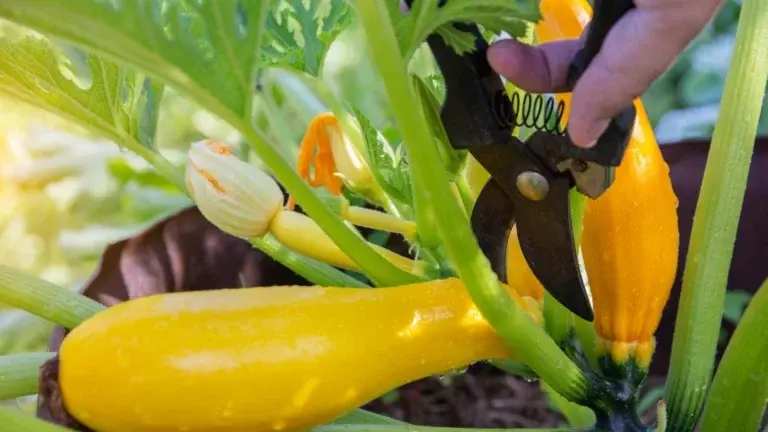
Using clean scissors or pruning shears, cut leaves below the lowest fruit. Cut right at the stem base, leaving minimal stub. Work systematically around the plant removing all lower foliage. Move upward from the lowest leaves to ensure you don't miss any.
Don't remove more than 30 to 40 percent of total foliage at one time. This conservative removal prevents stress on the plant. The plant adjusts gradually to leaf removal and recovers quickly. Gradual pruning is better than one dramatic cutback.
Step 3: Remove Dead and Diseased Foliage
Identify any yellowing, browning, or spotted leaves anywhere on the plant. These contribute nothing to plant health and actually harbor disease. Cut them off at the stem base using clean tools. Remove any leaves touching soil. Soil-borne pathogens splash onto these leaves, initiating infection. Removing them prevents disease entry.
Diseased foliage is your priority. Remove these first regardless of location on the plant. Dead leaves provide no value and only harbor problems.
Step 4: Thin Overlapping Foliage
Look for leaves that cross over or touch each other. These overlapping leaves prevent air circulation. Remove enough leaves to create an open canopy. After pruning, you should be able to see through the plant structure. You should be able to see clear to the center without dense foliage blocking your view.
Open plant structure allows pollinating bees to access flowers easily. You can spot all developing fruit without searching. Air moves freely through the plant, drying foliage quickly. This open structure is your goal.
Tool Recommendations
Sharp scissors work well for smaller stems. Felco-style pruning shears are excellent for thicker stems. Always use clean tools to prevent disease transmission. Clean tools with rubbing alcohol between plants. A single contaminated tool moving from a diseased plant to a healthy one spreads infection rapidly. Taking 30 seconds to clean tools prevents this serious spread.
Never pull leaves off with your hands. Hand pulling damages the main stem and creates wounds where disease enters. Cut leaves cleanly with tools.
Best Time to Prune
Prune in the evening when the sun is going down. Evening pruning prevents heat stress on exposed plant tissue. Avoid pruning during extreme heat when the plant is already stressed. Dry conditions are better than pruning wet plants. Water the soil thoroughly before pruning, but allow foliage to dry before you start cutting.
Vertical Pruning and Trellising
Vertical growing combines aggressive pruning with upward growth, saving dramatic amounts of garden space while improving plant health.
Vertical Growing Advantages
Vertical growing naturally improves air circulation without requiring as much active pruning. Vines suspended in air receive airflow from all directions. Fruit hangs clear of soil, preventing soil-borne disease issues. Harvesting happens at eye level instead of bending to ground level. Better visibility of all fruit prevents missed harvest and hidden overgrown zucchini.
Vertical growing creates natural pest management. Fewer dark, protected spaces exist for pests to hide. Plants are more visible for monitoring pest problems early. Space savings are dramatic. A single vertical plant occupies a fraction of the space that a sprawling plant requires. Container gardens and small space gardens become possible with vertical zucchini.
Staking Methods and Equipment
Insert a single tall stake (6 to 8 feet) driven 4 to 5 inches from the main stem early in the season, before deep roots establish. Insert stakes carefully to avoid damaging roots. A sturdy support structure remains stable even when weighted with mature plants and fruit.
Multiple stakes can create a wider supporting area. Use soft ties or cloth strips to secure plants to stakes. Never use wire that cuts into stems. Tie loosely, allowing room for stem growth. Create a loose loop around the main stem rather than a tight binding. Retie every 1 to 2 feet of new growth as the plant climbs upward.
Pruning for Vertical Growth
Remove all leaves below the lowest fruit initially. Continue removing lower leaves as the plant climbs the stake. Thin side shoots to encourage main stem growth upward. Remove leaves touching ground or stake. Maintain an open structure for air circulation throughout the season.
Vertical plants need less overall pruning than sprawling plants because the vertical structure naturally provides good airflow. However, consistent removal of lower and diseased leaves maintains plant health.
Pro Tip: Start staking early while plants are small. Early support makes training much easier than trying to support an established sprawling plant.
Common Pruning Mistakes to Avoid
Over-aggressive pruning removes too much foliage at once. Never remove more than 30 to 40 percent of foliage in a single session. The plant needs adequate leaf surface for photosynthesis and survival. Overly aggressive removal stresses the plant severely.
Pruning above the lowest fruit removes productive branches supporting developing fruit. This is the most critical mistake to avoid. Always identify lowest fruit first, then never prune above that line.
Using dirty tools spreads disease between plants. Clean with rubbing alcohol between each plant. This simple hygiene prevents serious disease problems.
Pruning during extreme heat stresses already heat-stressed plants. Wait for cooler parts of the day or cooler weather before pruning during heat waves.
Pulling leaves off with hands instead of cutting damages the main stem. Always use clean scissors or pruning shears to make clean cuts.
Special Considerations for Bush vs. Vining Varieties
Bush varieties grow compact naturally and require minimal pruning. Remove only dead or diseased foliage. Aggressive pruning reduces productivity on bush types that already occupy small space.
Vining varieties benefit from significant pruning. These sprawling types produce side shoots that respond well to pruning for space management. Prune side shoots aggressively while maintaining the main stem.
Compact varieties recommended for small spaces need less attention. Variety selection can significantly reduce pruning needs. If space is limited, choose naturally compact varieties rather than trying to prune large vining types into small spaces.
Discover Your Plant's Health with Plantlyze
Healthy plants respond dramatically better to pruning than stressed plants. Weak or stressed plants need gentler pruning protocols than vigorous healthy specimens. Plantlyze, an AI powered plant care diagnosis tool, helps you monitor plant vigor throughout the growing season.
Get real-time assessment of your zucchini plant's health status and personalized recommendations for optimal pruning timing and intensity. When you understand your plant's health status, you prune more effectively and achieve better results. Stressed plants recovering from disease or nutrient deficiency need lighter pruning than thriving plants. Visit plantlyze.com to monitor your plant's health today and optimize your pruning strategy.
Your Pruning Success Plan
Pruning zucchini is simple, effective, and transforms your garden. Start pruning as soon as flowers appear on young plants. Prune weekly in small amounts rather than occasional aggressive sessions. Never prune above your lowest fruit. Keep at least 12 leaves remaining on the plant.
Healthy pruned plants produce dramatically more fruit, resist disease better, and occupy less space than unpruned plants. Your harvest doubles or triples with consistent pruning. Finding fruit becomes easy when dense foliage isn't hiding everything. Air circulation prevents powdery mildew problems that plague unpruned plants.
Don't be hesitant about pruning. This simple technique is one of the most powerful productivity tools available to zucchini gardeners. Your vigorous, healthy zucchini plants will reward consistent pruning with abundant harvest all season long.
References
Gardener's Path – "When and How to Prune Zucchini Plants"
https://gardenerspath.com/plants/vegetables/prune-zucchini/Vegetable Academy – "How to Prune and Stake Zucchini Plants"
https://www.vegetableacademy.com/post/how-to-prune-and-stake-zucchini-plantsGrowVeg.com – "Perfect Zucchini Every Time"
https://www.growveg.com/guides/perfect-zucchini-every-time/Gardening Know How – "Information About Pruning Zucchini Plants"
https://www.gardeningknowhow.com/edible/vegetables/zucchini/pruning-zucchini-how-to-prune-zucchini-squash.htmThe Art of Doing Stuff – "You've Been Growing Your Zucchini All Wrong"
https://www.theartofdoingstuff.com/youve-been-growing-your-zucchini-all-wrong/