Timing confusion keeps many home gardeners from successfully growing eggplants. You might start seeds too early, lose them to cold snaps, or miss the perfect window for transplanting. This comprehensive guide reveals the exact planting dates for your climate zone, from indoor seed starting through outdoor transplanting. Whether you live in a warm southern region or a cooler northern climate, you'll discover the temperature thresholds and timelines that guarantee success. Keep reading to learn when to plant eggplant in your specific area and what conditions your plants need to thrive.
Understanding Eggplant's Temperature Requirements
Eggplant is fundamentally a warm season crop. Unlike tomatoes or peppers that tolerate slight temperature variations, eggplants demand consistent warmth at every growth stage. The optimal temperature range for eggplant growth is 70 to 85 degrees Fahrenheit, with seed germination occurring best between 75 and 90 degrees Fahrenheit. Your soil temperature must reach at least 70 degrees Fahrenheit before transplanting seedlings outdoors, though 75 degrees or warmer produces noticeably faster growth.
Night temperatures matter more than you might think. If nighttime temperatures drop below 60 degrees Fahrenheit, your eggplants may refuse to grow, no matter how much sun they receive or how well you water them. Ideally, night temperatures should stay consistently above 70 degrees Fahrenheit for optimal flowering and fruit development. Growth becomes severely stunted below 55 degrees Fahrenheit, and fruit production essentially stops. This temperature sensitivity is why waiting for your region's reliable warm period is absolutely critical. Furthermore, consistent warm nights prevent blossom drop and ensure that flowers transform into productive fruit rather than falling off the plant.
Timeline for Starting Eggplant Seeds Indoors
Successful eggplant growing begins 6 to 8 weeks before your anticipated transplant date. This indoor seed-starting window is longer than most other vegetables because eggplant seedlings develop slowly and need time to mature into sturdy transplants.
Eggplant seeds germinate within 7 to 14 days when soil temperatures stay between 75 and 90 degrees Fahrenheit. A seed starting heat mat is nearly essential for consistent results, maintaining bottom heat at the optimal temperature range. Plant seeds approximately 1/4 inch deep in sterile seed-starting mix, keeping the medium consistently moist but never waterlogged. Once seedlings emerge and develop their first true leaves (the leaves that appear after the initial cotyledons), provide bright light, ideally from grow lights positioned 2 to 3 inches above the seedlings.
The total indoor seedling stage lasts 6 to 8 weeks from seed sowing to transplant readiness. When seedlings develop their second set of true leaves, transplant them into individual 2 to 3-inch pots to encourage stronger root development. During this period, maintain soil temperatures around 70 to 75 degrees Fahrenheit and provide 14 to 16 hours of daily light. Water when the top of the soil feels dry, but avoid overwatering which promotes root rot and damping off disease.
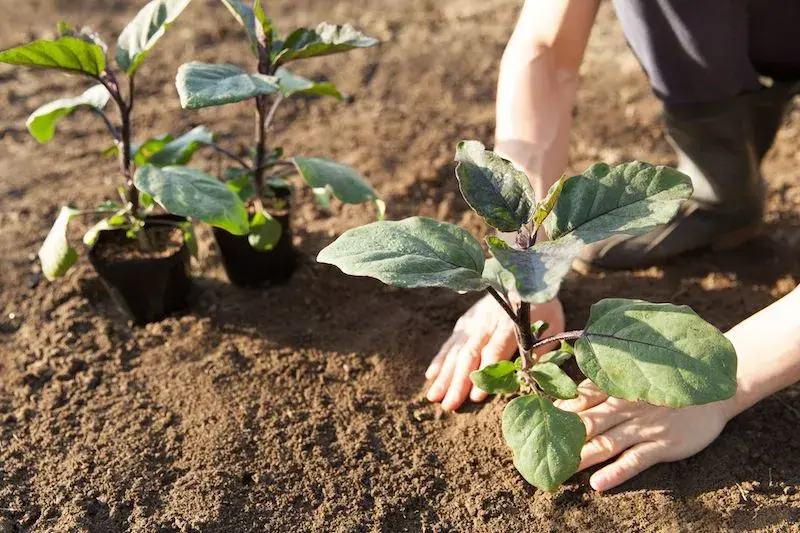
Before moving seedlings outdoors, conduct a hardening off process lasting 10 to 14 days. Hardening off means gradually acclimating seedlings to outdoor conditions by exposing them to increasing amounts of sunlight, wind, and temperature fluctuations. Start by placing seedlings outside in a sheltered, shaded location for 1 to 2 hours, then progressively increase outdoor exposure daily until they spend full days and eventually nights outside. This transition prevents transplant shock when seedlings move permanently into garden beds.
Outdoor Transplanting Timeline by Region
The cornerstone rule for eggplant transplanting is waiting until after your region's last expected spring frost date. However, eggplants require more than frost protection—they demand soil temperatures consistently at 70 degrees Fahrenheit or warmer and nighttime air temperatures reliably above 60 degrees Fahrenheit, ideally 65 to 70 degrees Fahrenheit or higher.
For southern warm climate regions in USDA hardiness zones 8b through 10, transplanting occurs in April and May. Gardeners in these areas can often produce spring crops and sometimes fall crops. If you live in the Piedmont region of zones 7 and 8, your transplanting window opens in late May through June. Northern gardeners in zones 3 through 6 must wait until late May or early June when soil has warmed sufficiently. For example, if you live in zone 6, start seeds in late February to early March for a mid-June transplanting. If you're in zone 8, beginning seeds in March to early April targets a May transplant date.
Coastal southern regions and Florida present unique opportunities. Florida gardeners can transplant in January and February for spring harvest or in August and September for fall production. This extended growing season comes from consistently warm winters in frost-free zones.
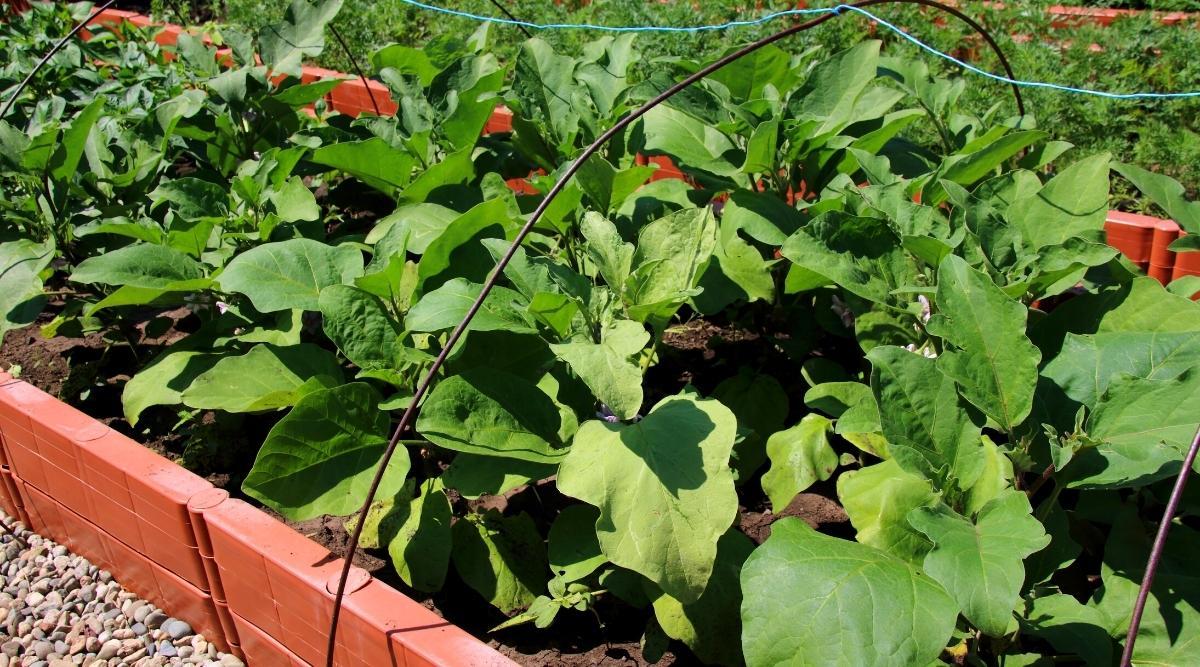
To accelerate soil warming in cooler climates, lay black plastic mulch over planting beds 2 to 3 weeks before your target transplant date. The dark plastic absorbs sunlight and warms the soil underneath. Additionally, raised beds warm faster than ground-level gardens. This simple technique can effectively extend your growing season and ensure soil reaches the necessary warmth threshold.
Prepare your planting site with rich organic matter before transplanting. Work in 2 to 3 inches of compost into the top 8 to 10 inches of soil. Eggplants prefer soil with a pH between 5.5 and 7.0, slightly acidic to neutral. If you've never tested your soil, now is the time for a soil test, which reveals pH and nutrient content. Most university extension services offer affordable soil testing through local county offices.
Spacing, Sunlight, and Soil Preparation
Space eggplants 12 to 18 inches apart with rows positioned 2 to 3 feet apart. Adequate spacing ensures good air circulation, reducing disease pressure and promoting strong growth. Eggplants demand full sun for maximum productivity, requiring 6 to 8 hours of direct, unobstructed sunlight daily. Less sun means fewer flowers, reduced fruit set, and overall disappointing yields.
Well-draining soil is essential because eggplants struggle in waterlogged conditions. If your garden has heavy clay soil or poor drainage, build raised beds filled with quality garden soil and compost blend. Mulch around plants with 2 to 3 inches of organic mulch such as straw or wood chips. Mulch serves multiple purposes: it moderates soil temperature fluctuations, conserves soil moisture during hot weather, suppresses weeds, and gradually breaks down into soil-enriching organic matter.
Keep soil evenly moist throughout the growing season but avoid overwatering. During hot periods, daily watering may be necessary, while cooler seasons might require watering only 2 to 3 times weekly. Inconsistent watering causes blossom end rot, a calcium deficiency disorder visible as dark, sunken spots on developing fruit.
From Flowering to Harvest: What to Expect
After transplanting hardened off seedlings into the garden, expect flowering to begin within 6 to 8 weeks. First fruits typically appear 9 to 11 weeks after transplanting outdoors. From seed to ripe eggplant, the timeline usually spans 100 to 140 days depending on variety and growing conditions.
Eggplant fruit is ready to harvest when the skin appears glossy and shiny with a rich, uniform color. The fruit should feel firm with only slight give when you gently squeeze it. Dark green, purple, or striped eggplants should show color characteristic of their variety. If the skin appears dull or feels soft and spongy, the fruit is overripe and developing large, bitter seeds inside.
Harvest eggplants by cutting the stem with pruning shears rather than pulling, as the stems are tough and spiny. Cut about 1 inch above the fruit, leaving a short stem attached to the eggplant. Continue harvesting regularly throughout the season. Frequent harvesting encourages the plant to produce more flowers and fruit rather than focusing energy on maturing single fruits to full size.
For extended harvests, employ succession planting by sowing seeds or transplanting seedlings at intervals of 2 to 3 weeks. This staggered approach provides new flowering plants just as earlier plantings begin slowing production.
Protecting Eggplants from Temperature Fluctuations
In regions where spring temperatures are unpredictably warm followed by cold snaps, use protective covers for vulnerable seedlings. Floating row covers or frost cloth provide several degrees of frost protection while allowing light and water penetration. Remove covers once nighttime temperatures consistently stay above 60 degrees Fahrenheit.
Black plastic mulch also moderates temperature swings, keeping soil warmer during cool periods and cooler during extreme heat. In tropical zones where temperatures exceed 95 degrees Fahrenheit regularly, shade cloth providing 30 to 50 percent shade during peak summer months prevents sun scald and reduces heat stress.
Container grown eggplants offer temperature flexibility, allowing gardeners to move plants to more favorable microclimates. Use large containers of at least 5 gallons, fill with quality potting mix, and provide consistent moisture and feeding.
Most gardeners harvest eggplants until the first hard freeze arrives, typically in October or November depending on region. As temperatures cool in fall, growth slows dramatically, but plants continue producing smaller fruits until frost kills them.
Discover Eggplant Variety Effects on Timing
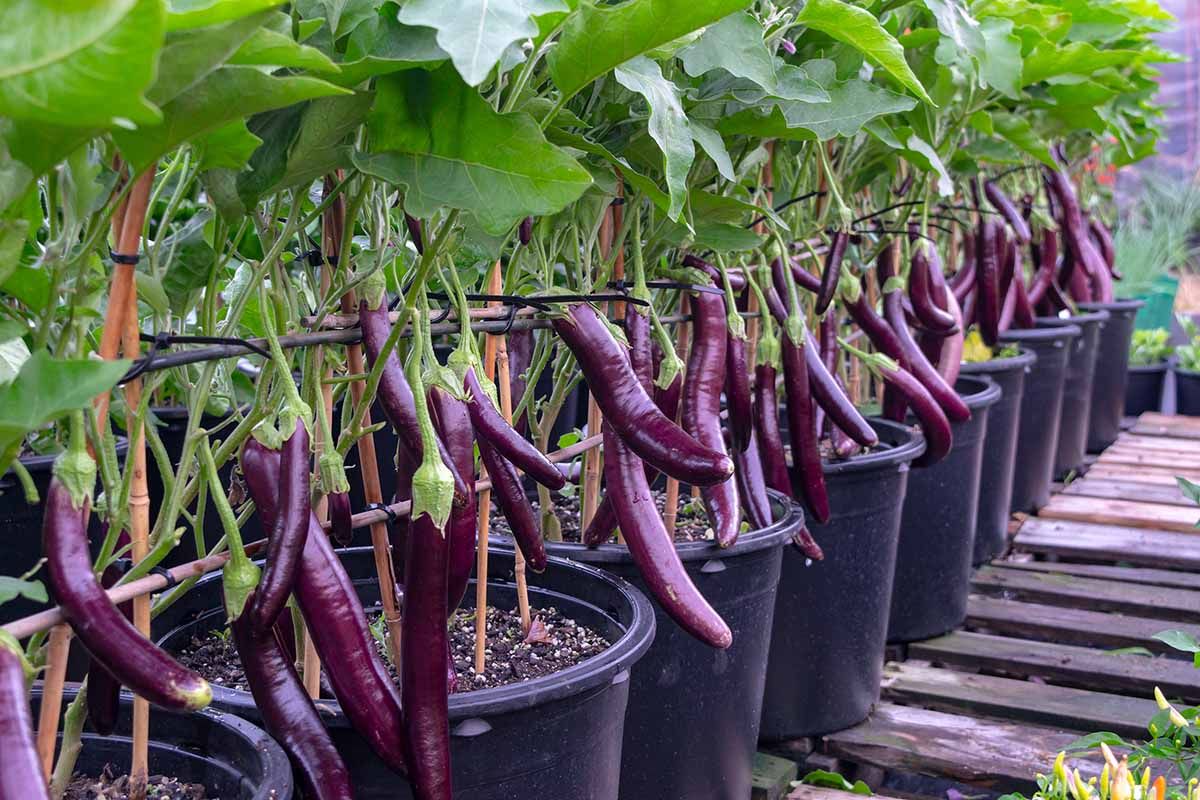
Eggplant varieties mature at different rates, affecting your overall planting strategy. Standard Italian types such as Black Beauty mature in 70 to 85 days from transplant. Asian varieties including Japanese and Thai eggplants often mature faster, sometimes producing harvestable fruit in 60 to 75 days from transplant. Some slim Asian varieties like Asian Bride produce earlier in warm conditions and require less space.
Always check your seed packet for days to maturity, which should specify days from transplant date rather than from seed sowing. This number varies between varieties and influences when you can expect first harvests. Some seed packets indicate heat and cold tolerance levels, helping you select varieties suited to your specific climate challenges.
Local seed companies and university extension offices often recommend varieties proven to perform in your region. Choosing regionally tested varieties dramatically increases success rates compared to random seed catalog selections. Additionally, heirloom varieties sometimes have different maturity timelines than modern hybrids, so verify this detail before planting.
Optimize Your Eggplant Growing with Smart Diagnosis
Getting the timing right is only half the battle. Eggplants need consistent monitoring for pests, diseases, and nutrient deficiencies once they start growing. This is where intelligent tools make the difference.
Plantlyze is an AI powered plant care and diagnosis platform designed to help you catch problems before they spiral. Whether you're dealing with yellowing leaves, suspicious spots, or mysterious wilting, Plantlyze provides instant diagnosis and actionable solutions right when you need them.
Once your eggplants are established and growing, Plantlyze helps you monitor plant health throughout the season. Identify diseases early including blossom end rot, early blight, and verticillium wilt before they devastate your crop. Troubleshoot nutrient deficiencies such as yellowing leaves that indicate nitrogen issues or purplish discoloration suggesting phosphorus problems. Get pest identification and management strategies for spider mites, flea beetles, and other eggplant pests.
Diagnose your eggplant issues instantly on Plantlyze.com or start your free plant health assessment today. From planting through harvest, having expert diagnosis on your phone means your eggplant crop stays healthy and productive throughout the growing season.
Common Eggplant Planting Mistakes to Avoid
Planting too early ranks as the most common eggplant failure. Cold soil and cold air temperatures stunt growth and invite transplant shock. Your seedling might survive but grow painfully slowly, delaying flowering and harvest by weeks. Patience is difficult when spring arrives but nighttime temperatures remain cool. Resist the urge to plant before conditions align with eggplant's warmth requirements.
Ignoring nighttime temperatures is a related error. Daytime warmth reaching 80 or 90 degrees feels summer-like, but if nights cool to 50 or 55 degrees, eggplant growth essentially stops. This temperature stress delays flowering and invites disease.
Overwatering seedlings promotes root rot and damping off disease, a fungal condition that kills seedlings at soil level. Allow the soil surface to dry slightly between waterings. Underwatering after transplanting causes water stress that reduces flowering and fruit development. Find the balance by watering when soil 1 inch below the surface feels dry to your touch.
Skipping the hardening off process causes dramatic transplant shock. Seedlings grown under lights in controlled temperature environments are tender. Direct movement from indoor conditions to outdoor sun, wind, and temperature swings stresses or kills plants. The 10 to 14-day hardening off period is absolutely worth the effort.
Insufficient sunlight results in fewer flowers and reduced fruit production. Six to eight hours of direct, unobstructed sunlight is non-negotiable. Additionally, poor spacing reduces air circulation, promoting disease and insect problems. Crowded plants compete for nutrients and water, producing smaller fruit.
Harvesting too late allows seeds to harden and flesh to become spongy and bitter. Check fruit frequently and harvest when skin is glossy and firm. Don't wait for maximum size if that means overripe fruit.
Final Planting Checklist Before You Begin
Before planting eggplants, verify these essential elements for success.
Know your hardiness zone and research your region's average last spring frost date. Purchase a soil thermometer and verify soil temperature reaches at least 70 degrees Fahrenheit before transplanting. Select eggplant varieties rated to mature in your growing season length and suited to your regional climate.
Start seeds indoors 6 to 8 weeks before your target transplant date. Maintain seed starting soil between 75 and 90 degrees Fahrenheit using a heat mat. Prepare garden beds with compost and organic matter at least 2 weeks before transplanting. Check soil pH if possible, aiming for 5.5 to 7.0.
Identify the sunniest location available, requiring at least 6 to 8 hours of direct daily sunlight. Plan spacing of 12 to 18 inches apart with rows 2 to 3 feet apart. Gather mulch and establish a watering system before transplanting. Monitor weather forecasts for sudden cold snaps and have frost cloth available as a precaution.
Conclusion
Eggplant success hinges on respecting warmth requirements and exercising patience. Temperature is the primary driver of timing throughout the growing cycle, from seed starting through transplanting and fruit development. The standard 6 to 8-week seed-starting window, combined with your zone's last frost date and soil temperature milestones, provides the exact timing framework needed. Consistent warm nights above 60 degrees Fahrenheit are non-negotiable for healthy, productive plants. Full sun and well-prepared soil amplify success, while hardening off prevents the transplant shock that derails otherwise healthy seedlings.
By aligning your planting with your region's growing season and respecting eggplant's warm-season nature, you'll set yourself up for a bountiful harvest. Whether you're a first time eggplant grower or refining your technique, the timeline and temperatures in this guide provide the roadmap to thriving plants and delicious fruit. Bookmark this guide, mark your planting dates on your calendar, and visit Plantlyze.com to monitor your eggplant's health throughout the growing season.
References
Clemson University Cooperative Extension. Home and Garden Information Center
https://hgic.clemson.edu/factsheet/eggplant/University of Florida IFAS Gardening Solutions
https://gardeningsolutions.ifas.ufl.edu/plants/edibles/vegetables/eggplant/University of Minnesota Extension. Growing eggplant in home gardens
https://extension.umn.edu/vegetables/growing-eggplantMissouri Botanical Garden. Eggplant Fact Sheet
https://www.missouribotanicalgarden.org/Maine Organic Farmers and Gardeners Association. Seed Planting Calendar
https://www.mofga.org/resources/gardening/seed-planting-calendar/