Have you ever watched your tomato plants mysteriously wilt despite watering them regularly? One day they look healthy, and weeks later they're drooping and yellowing despite your best efforts. You're not alone. Tomato fusarium wilt is one of the most common and devastating diseases affecting home gardeners and commercial growers worldwide. The good news? This disease is preventable and manageable once you understand what you're dealing with.
Fusarium wilt is a soil-borne fungal disease that colonizes the vascular tissue inside your tomato plants, essentially blocking the plant's water and nutrient transport system. Think of it like a disease that clogs the plant's internal plumbing. Without proper prevention, this disease can persist in your garden soil for up to 10 years, waiting for susceptible tomato plants to arrive. The key to success is understanding how this disease works and taking action before it takes hold in your garden.
What Is Tomato Fusarium Wilt?
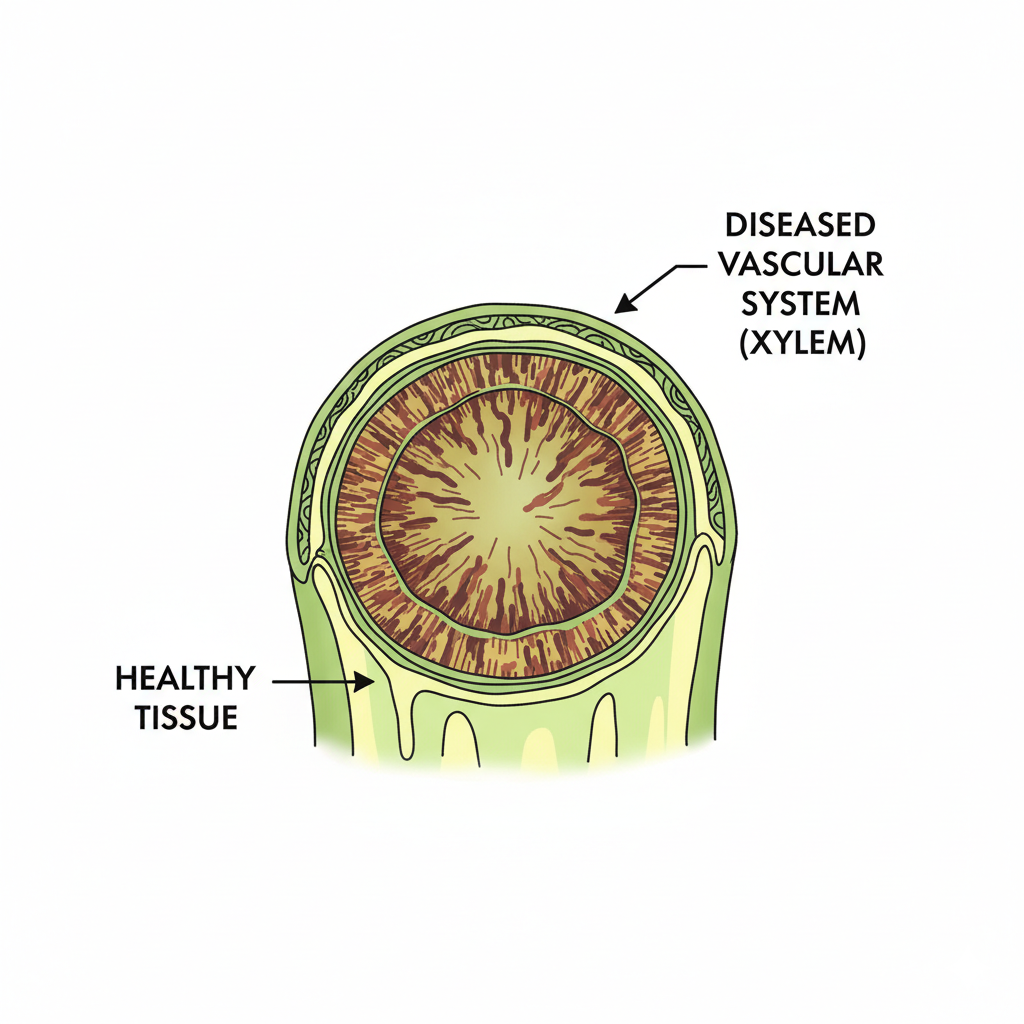
Tomato fusarium wilt is caused by a soil-borne fungal pathogen called Fusarium oxysporum. This fungus lives in the soil and enters tomato plants through their root systems. Once inside, it colonizes the xylem vessels, which are the plant's vascular tissue responsible for transporting water and nutrients from the roots to the leaves and fruit.
What makes this disease particularly destructive is how it operates. The fungus essentially blocks the plant's water transport system, causing the plant to wilt even when soil moisture is adequate. This is why you'll often see wilting that doesn't respond to additional watering. The plant isn't dying from lack of water; it's dying because water cannot reach the leaves and growing tissues due to fungal blockage.
The fungus produces specialized resting structures called chlamydospores, which allow it to survive in soil indefinitely. This means that once the disease establishes itself in your garden bed, it can persist for years even without a tomato host plant. The persistence of this pathogen is why crop rotation and preventive measures are so critical for long-term gardening success.
One important distinction: fusarium wilt is different from verticillium wilt and bacterial wilt, two other wilting diseases that affect tomatoes. While they cause similar symptoms, the management strategies and host ranges differ significantly. Proper identification is the first step toward effective management.
Recognizing Tomato Fusarium Wilt Symptoms
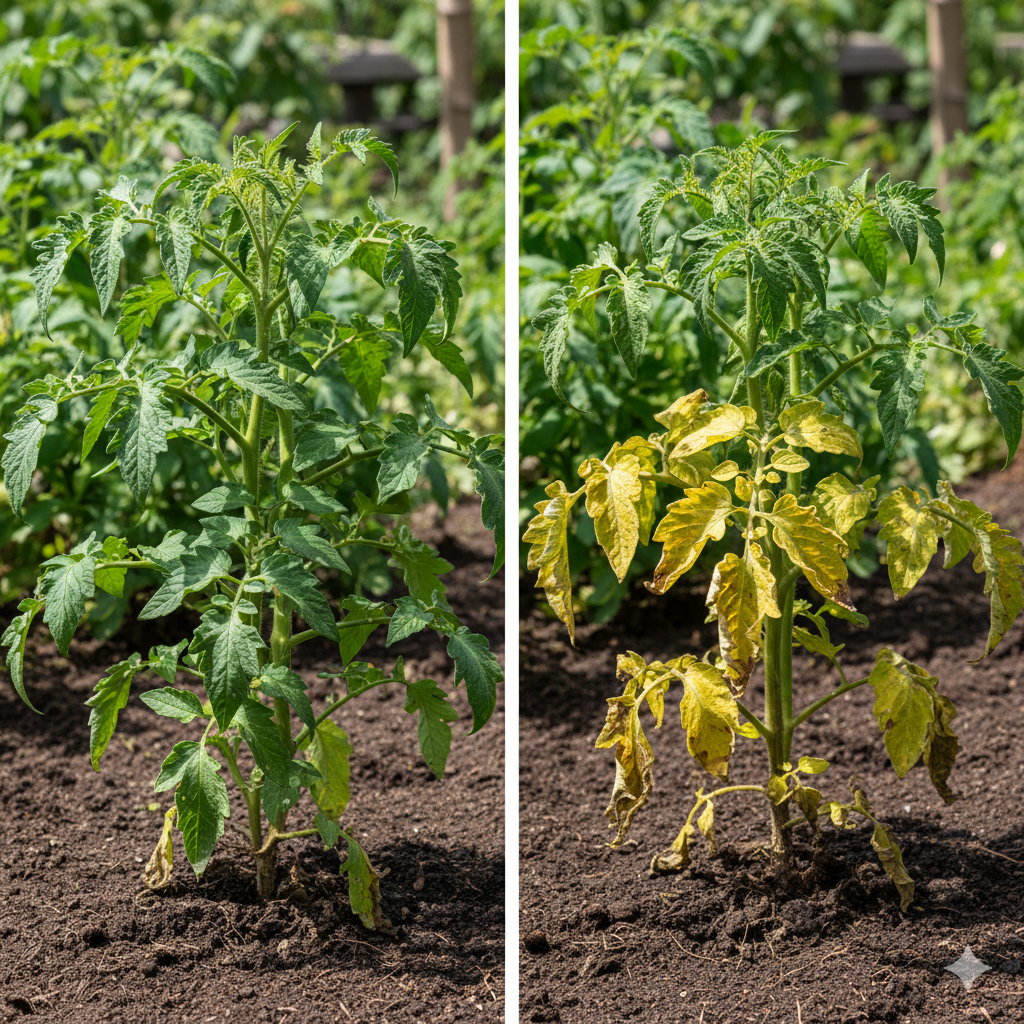
Early identification of fusarium wilt makes the difference between saving your harvest and losing entire plants. Here's what to look for as the disease progresses through the growing season.
Initial Visual Symptoms
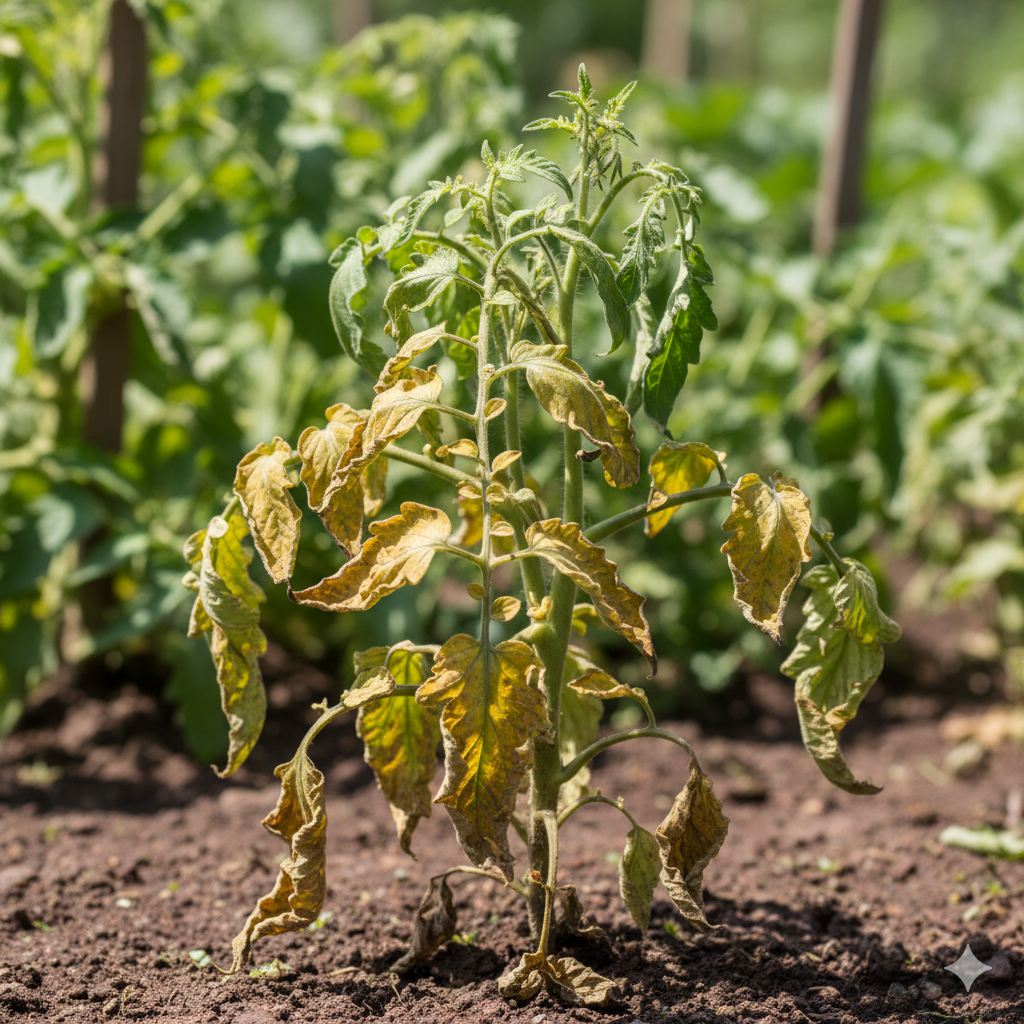
The disease typically appears as yellowing that starts on the lower leaves of the plant. What makes fusarium wilt distinctive is that the yellowing often appears on only one side of the plant or one side of a branch. This one-sided pattern is a telltale sign that differentiates it from other plant stresses that typically cause uniform yellowing across the plant.
As the disease progresses, the yellowing intensifies and moves up the plant. Wilting follows closely behind the yellowing. You'll notice leaves drooping even when soil moisture is sufficient. The leaves may appear slightly dried out or papery as the disease advances. Stunting of growth becomes visible, with the plant remaining much smaller than healthy plants in the same garden.
When Symptoms Appear
Symptoms typically don't show until mid to late in the growing season, usually when fruit begins to set and mature. This timing can be deceptive because gardeners may think the plant is healthy all season before problems emerge. The disease has actually been colonizing the plant's vascular system throughout the season, but visible symptoms lag behind the fungal activity inside the plant.
Initially, the plant may recover slightly during cool nights when water stress is reduced. However, this recovery becomes less pronounced as the disease advances, and eventually the plant wilts permanently and stops producing fruit.
Internal Diagnostic Clues
To confirm your suspicion of fusarium wilt, make a small cut or scrape near the base of the stem. Look inside the stem carefully. In fusarium wilt-infected plants, you'll see brown vascular tissue streaks inside the stem. The outer tissues of the plant remain relatively healthy, but the internal vascular system shows distinct discoloration. This internal browning is key diagnostic evidence of fusarium wilt.
Quick Comparison With Other Tomato Wilts
Characteristic Fusarium Wilt Verticillium Wilt Bacterial Wilt Yellowing Pattern One-sided, lower leaves first More uniform and symmetrical Top-down progression Symptom Speed Mid to late season, slower Mid-season, variable Sudden wilting Internal Discoloration Brown vascular streaks Brown to gray Usually absent Plant Recovery Brief recovery at night initially Sporadic recovery Typically permanent Leaf Texture Papery, dried appearance Wilted but green Wilted but green.
The Fusarium Wilt Disease Cycle
Understanding how this disease progresses through your garden helps explain why prevention is the most effective strategy. The disease cycle reveals why early action matters so much.
The journey begins with fungal survival in the soil. The Fusarium oxysporum pathogen can survive in garden soil for many years without an active host plant. Resting structures allow the fungus to persist through winter, lack of host plants, and unfavorable conditions. This longevity is why a garden bed can remain contaminated long after infected plants are removed.
Infection occurs when tomato roots come into contact with soil containing the fungus. The fungal spores penetrate root tissues and begin colonizing the vascular system. Once inside the plant, the fungus spreads upward through the water-conducting tissues, releasing toxins that damage plant cells and further reduce water movement.
Environmental Factors That Favor Infection
Temperature plays a crucial role. Fusarium wilt is most aggressive when soil temperatures remain between 75 and 85 degrees Fahrenheit. Acidic soil (pH 5.0 to 5.5) favors the fungus more than neutral or alkaline soil. High humidity combined with warm temperatures creates ideal conditions for fungal activity. Poor soil health and low organic matter also increase plant susceptibility to infection.
How the Disease Spreads
The pathogen can spread through several routes. Infected seedlings introduced into a clean garden immediately bring the disease to a new location. Contaminated soil on gardening tools, shoes, or equipment can carry the fungus from an infected garden to a healthy one. Infected plant debris left in the garden or compost pile serves as a long-term pathogen source. In commercial or large-scale settings, contaminated irrigation water can spread the disease across multiple beds.
Once one plant becomes infected, the fungus begins producing resting spores that contaminate the surrounding soil, potentially affecting neighboring plants and persisting in that location for years to come.
Proven Prevention Strategies
Prevention is significantly easier and more cost-effective than managing an established infection. Here's what actually works to keep your tomatoes healthy.
Selecting Resistant Varieties
The most effective long-term strategy is growing tomato varieties resistant to fusarium wilt. Look for seed catalogs that specify "Fusarium Wilt Resistance" with a race designation. The most common resistant races are Race 1, Race 2, and Race 3. Many regions have specific races of the fungus that are most prevalent, so researching what's dominant in your area helps with variety selection.
Excellent resistant varieties include 'Mountain Fresh,' 'Iron Lady,' 'Defiant PhR,' and 'Plum Regal.' These varieties have been bred specifically to resist the pathogen while maintaining good flavor and productivity. While resistant varieties are not 100 percent immune under extreme disease pressure, they provide outstanding protection under typical garden conditions.
Even if you've had fusarium wilt before, resistant varieties give you the confidence to replant tomatoes in the same area without risking another devastating outbreak. This alone makes resistant varieties worth seeking out.
Managing Your Soil
Soil pH significantly influences fusarium wilt severity. The fungus thrives in acidic conditions but struggles in neutral to slightly alkaline soil. Testing your soil pH is one of the simplest and most effective steps you can take. If your soil pH is below 6.5, raise it toward 7.0 using agricultural lime. This simple adjustment creates less favorable conditions for the fungus while improving overall plant health.
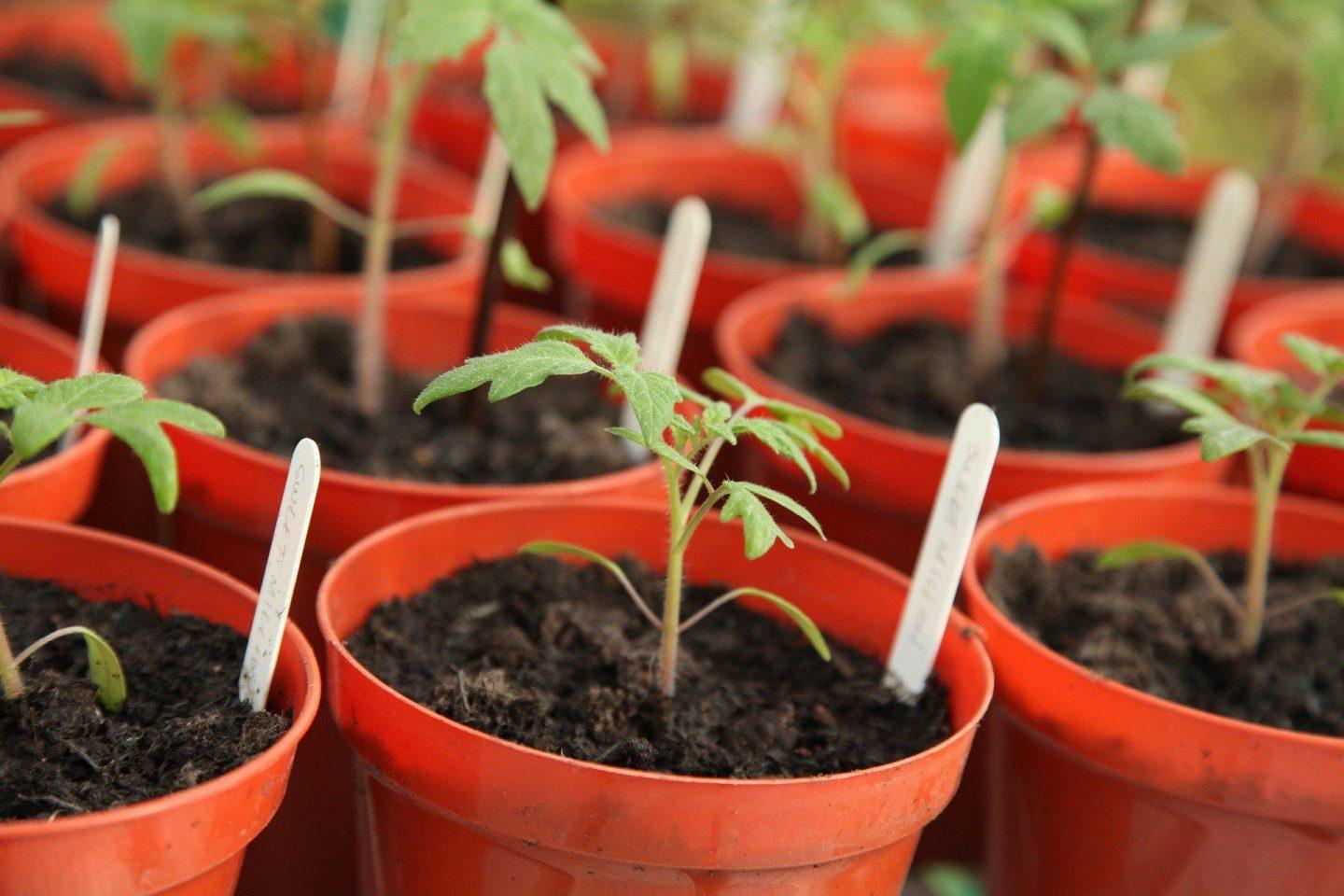
When starting seeds indoors, use sterile, commercial potting media. Never reuse potting soil from previous seasons, as it may harbor resting fungal spores. This precaution prevents introducing the disease before your plants even reach the garden. The investment in fresh growing media is minimal compared to the potential loss of an entire tomato crop.
Consider building raised beds with fresh, sterile soil if you've had severe fusarium wilt problems. This provides physical separation between clean growing medium and potentially contaminated soil. Many gardeners find this approach restores their confidence and eliminates years of disease problems.
Implementing Strategic Crop Rotation
Rotate tomatoes and other nightshade crops (peppers, eggplants, potatoes) to different garden locations every three to five years. The longer the rotation period, the more opportunity for fungal resting spores to deteriorate in the soil. During rotation years, grow unrelated crops in the tomato bed. Alternate crops like beans, squash, lettuce, or brassicas provide excellent rotation options.
Don't overlook controlling volunteer weeds, as some weed species like pigweed and mallow can serve as alternative hosts for the fungus. Removing weeds prevents these alternate hosts from maintaining the pathogen population in your soil between tomato plantings.
Essential Sanitation Practices
Treat your gardening tools like you would medical instruments when working in beds with fusarium wilt history. Sterilize tools between garden locations and between different gardeners using a 10 percent bleach solution (one part bleach to nine parts water). Let tools soak for several minutes before rinsing thoroughly.
Dispose of infected plant debris in household trash rather than composting. Compost piles rarely reach temperatures high enough to reliably kill fungal spores. Home compost typically tops out around 140 to 150 degrees Fahrenheit, while reliable pathogen destruction requires sustained temperatures above 160 degrees for extended periods.
Wear different shoes or boot covers when moving between gardens, and wash your hands thoroughly after handling infected plants. These simple practices prevent casual disease transfer that can establish problems in new areas. In multi-garden situations or community gardens, this practice becomes critically important.
Managing Infected Plants and Advanced Strategies
If fusarium wilt shows up despite your prevention efforts, immediate action limits damage and prevents future problems.
Immediate Response
Remove infected plants promptly and dispose of them in household trash. Delaying removal allows the fungus to produce more resting spores that contaminate surrounding soil. After removal, clean the immediate surrounding area with a bleach solution to minimize fungal populations in the soil.
Do not replant tomatoes in the same location the following season. Even with all prevention measures, waiting one full season allows some fungal reduction through natural decay of resting spores. Better yet, implement a three-year rotation in that bed before returning to tomatoes.
Advanced Cultural Techniques
For raised bed systems, consider removing the top 6 to 12 inches of soil if disease pressure was severe. Replace it with fresh, sterile growing medium. This dilutes the fungal population and provides an extended disease-free period for tomato production.
Grafting susceptible tomato varieties onto resistant rootstocks offers another solution for high-disease-pressure situations. This technique allows you to grow your favorite tomato variety while the resistant rootstock manages the disease pressure. It's more labor-intensive than variety selection but works well for serious gardeners with specific variety preferences.
Watering and Mulching Practices
Water plants at soil level rather than wetting foliage. This reduces overall humidity around the plant and minimizes conditions favoring disease spread. Consistent soil moisture prevents stress that makes plants more susceptible to infection. Underwatered plants show greater disease severity than well-irrigated plants growing in the same contaminated soil.
Mulching around plants reduces soil-to-plant contact and creates a physical barrier against soil-borne pathogens. A 2 to 3-inch layer of mulch also moderates soil temperature and maintains consistent moisture, creating conditions that favor plant health over fungal activity.
Biocontrol and Treatment Options
Trichoderma harzianum, a beneficial fungus, competes with Fusarium oxysporum in the soil and can reduce disease pressure. These products work best as a preventive treatment applied to soil before planting. Effectiveness varies based on soil conditions, application method, and environmental factors.
Conventional fungicide options exist but require application before disease appears. Miravis Prime (pydiflumetofen and fludioxinil) provides soil application at planting and foliar applications during the season. However, fungicides work best in combination with resistant varieties and crop rotation. Fungicides alone cannot overcome severe soil contamination.
The reality is this: variety resistance and cultural practices remain far more reliable than any fungicide or biocontrol product. Use those products as supplements to, not replacements for, proper prevention strategies.
Using AI Tools for Early Disease Detection
Early identification of plant problems makes an enormous difference in management success. With thousands of potential plant issues affecting home gardens, correctly diagnosing your specific problem can be challenging, especially when disease symptoms resemble multiple conditions.
Plantlyze offers an AI-powered plant care and diagnosis tool that helps gardeners identify issues instantly. By uploading a photo of your affected tomato plant, Plantlyze uses artificial intelligence to analyze symptoms and distinguish fusarium wilt from other wilting diseases, nutrient deficiencies, or environmental stress. This clarity allows you to take appropriate action immediately rather than guessing or wasting time on treatments for the wrong problem.
Beyond diagnosis, Plantlyze provides personalized care recommendations and prevention tips specific to your situation. The tool helps track your plants' health over time, giving you early warning of potential problems. Visit plantlyze.com to try free diagnosis and unlock insights into your plant's health.
Key Takeaways
Tomato fusarium wilt is preventable. This is the most important message to take away from this guide. The disease becomes problematic only when prevention breaks down, not because the pathogen is unstoppable.
Focus on three essential actions to protect your tomato harvest. First, grow resistant varieties whenever possible. This single step eliminates the vast majority of fusarium wilt problems. Second, practice crop rotation by moving tomatoes to different locations every three to five years. Third, maintain your soil health through proper pH management and organic matter addition.
Start this week by testing your soil pH. If it's below 6.5, obtain agricultural lime and begin raising it toward neutral. Order seeds of resistant varieties for next season. Note in your garden journal where you plant tomatoes this year so you can rotate next season. These three simple actions create a foundation for decades of healthy tomato production without fusarium wilt problems.
You've got this. Thousands of gardeners successfully grow abundant tomatoes every season while managing fusarium wilt simply by following these proven strategies. Your tomato harvest is coming.
References
University of Maryland Extension. Fusarium Wilt. Available at: extension.umd.edu/resource/fusarium-wilt-tomatoes-home-gardenextension.umd
NC State Extension Publications. Fusarium Wilt of Tomato. Available at: content.ces.ncsu.edu/fusarium-wilt-of-tomatonhb
Cabarrus Cooperative Extension. Fusarium Wilt Tomato. July 2025. Available at: cabarrus.ces.ncsu.edu/2025/07/fusarium-wilt-tomato/pubmed.ncbi.nlm.nih
National Horticultural Board. Tomato: Diseases. Government of India. Available at: nhb.gov.inces.ncsu
Peixoto H, Roxo M, Wang X. Integrated Management Strategies for Tomato Fusarium Wilt. Plant Disease Management Reports, 2012;12(41):1 to 8.pmc.ncbi.nlm.nih
Gardening Know How. Tomato Plants With Fusarium Wilt. Available at: gardeningknowhow.com/edible/vegetables/tomato/tomato-fusarium-wilt-control.htmcabarrus.ces.ncsu