You’ve started your tomato seeds, they’ve sprouted-and now you’re wondering what comes next. Growing tomatoes appears to be simple until one notices that their care requirements change over the season. First you are managing seedlings, then transplanting, and suddenly it is watering schedules and nutrient needs as well as pruning decisions and a debate on how best to prevent diseases, It can feel overwhelming, but here's the truth: proper care through all stages produces abundant harvests.
This guide walks you through every stage from seed starting through harvest. You'll understand what tomatoes need at each growth stage and how to provide it. Monitor plant health with AI diagnostics throughout season to catch disease symptoms early and take action before they spread. Let's start from the beginning and build your confidence for a rewarding tomato season.
Starting from Seed: The Foundation
Starting from seed gives you variety selection and saves money. Most home gardeners start seeds indoors to time seedling readiness with outdoor planting season.
Timing Your Seed Start
Start seeds indoors 6 to 8 weeks before your last frost date. Timing matters tremendously for transplant readiness. Rushing outdoors before soil warms stunts growth and can kill young plants. Waiting too long means late harvest and reduced production. Calculate your seed starting date backward from your frost date. If your last frost date is May 15, count back 6 to 8 weeks and start seeds around March 15.
Seed Starting Setup
Use sterile seed starting mix (not garden soil which compacts). Plant seeds 1/4 inch deep in containers with drainage holes. Plant 2 to 3 seeds per cell. Maintain consistent moisture but not soggy soil. Provide warmth with 70 degrees F day and 65 degrees F night as ideal temperatures. Bottom heat or heating mats accelerate germination significantly.
Early Growth Care
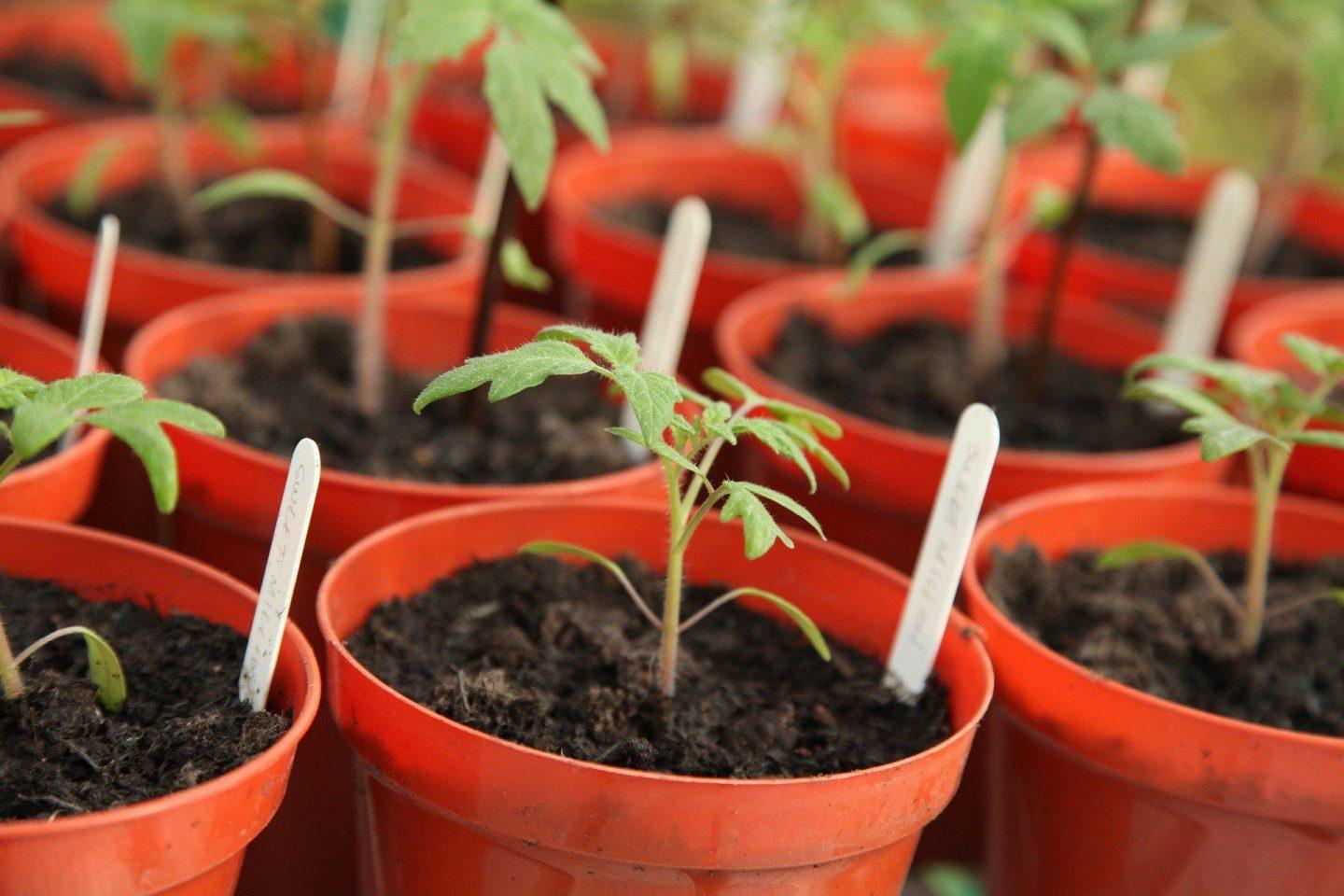
Seedlings appear in 5 to 10 days with warmth. Move them to bright light immediately once sprouted (windowsill or grow light). Keep seedlings 2 to 3 inches from light source to prevent stretching. Water carefully because damping off disease kills young seedlings in soggy soil. Water from below using a tray method rather than overhead watering. Begin feeding with diluted liquid fertilizer when true leaves appear (about two weeks old).
Transplanting Seedlings
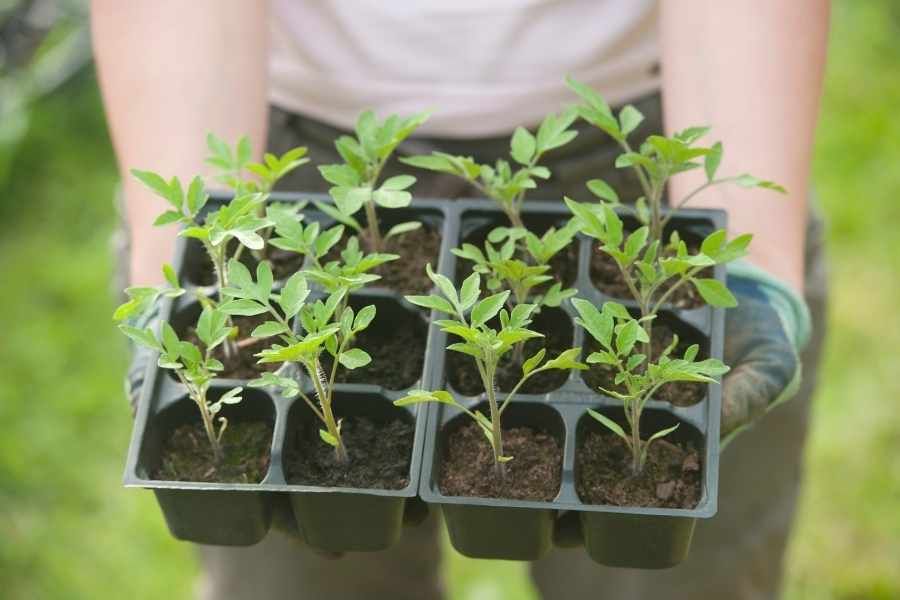
Transplant to larger containers when first true leaves develop. True leaves are the ones that look like tomato leaves, not the first rounded seedling leaves. Bury up to the lowest set of leaves when transplanting. Tomato roots form on buried stems which make an exceptionally strong root system.[32] Allow proper spacing to avoid crowding and air circulation problems. Monitor growth and if necessary re-transplant before finally setting outdoors.
Seedlings growing in cool conditions with good light stay compact. Warm seedlings under poor light stretch and become leggy.
Hardening Off and Transplanting Outdoors
Hardening off is the critical process of acclimating indoor seedlings to outdoor conditions gradually. This step is often skipped, resulting in sun scald, wilting, and stunted growth.
Begin hardening off 7 to 10 days before planting outdoors. On the first day, place the seedlings outside for one hour in complete shade. Take them back inside. On the second day, leave them outside for two hours in shade. Continue increasing outdoor time by one hour daily while gradually introducing filtered light, then partial sun. By day 7 or 10, let them be in full sun for the entire day.
This gradual transition toughens plants and prepares them for outdoor conditions. Rushing this process stresses plants severely and causes leaf burn. Plant seedlings outdoors only after your last frost date and when soil has warmed to at least 60 degrees F (preferably 65 to 70 degrees F). Planting into cold soil causes root rot and stunts growth for weeks.
Choose your planting location carefully. Tomatoes need minimum 6 to 8 hours of direct sunlight daily, but more is better. Select well drained soil free from competition with tree roots. Avoid areas where tomatoes, peppers, eggplants, or potatoes grew in past two years to prevent soil-borne disease buildup.
Soil Preparation: Building the Foundation
Tomato success begins with proper soil preparation before planting. Test your soil pH and adjust to 6.0 to 6.5 range, which is optimal for tomato nutrient uptake. Add lime to raise pH or sulfur to lower it based on test results. Most extension offices provide affordable soil testing.
Incorporate 3 to 4 inches of organic matter like compost or well-rotted manure into the top 4 to 6 inches of soil. That increases the water holding capacity together with slow release nutrients. Organic matter improves the structure of soil and supplies microbial activity which happens to be beneficial, in raised beds or containers premium vegetable growing mix intended for tomatoes should be used as it provides proper drainage while retaining adequate moisture.
Avoid planting tomatoes where nightshade family crops (tomatoes, peppers, eggplants, potatoes) grew in past two years. These plants attract similar pests and diseases. Three to four-year rotation is even better for soil health and disease prevention. Add a balanced fertilizer at planting time or use slow-release organic fertilizer mixed into soil before planting. Avoid high nitrogen at planting because it promotes leaves over fruit. Balanced or slightly higher phosphorus supports root development and flowering.
Planting Your Tomato Seedlings
Plant seedlings deeper than they were growing in nursery pots. This is unique to tomatoes and crucial for success. Remove lower leaves, leaving at least two sets of leaves on the plant. Bury the stem up to the bottom remaining leaves (or even deeper if you're using tall seedlings). Roots will form along buried stem portions, creating exceptionally strong root systems that access more water and nutrients.
Dig planting holes slightly deeper than seedling height. For indeterminate varieties, space plants 24 to 36 inches apart to allow better airflow. For determinate varieties, 18 to 24 inches spacing is adequate. Gently place seedling in hole and backfill with soil. Water thoroughly immediately after planting to settle soil and eliminate air pockets. This reduces transplant shock significantly.
Install stakes or cages immediately at planting time. Waiting until plants need support damages established roots. Choose your preferred method of support-single stake, Florida weave or cage-based on available space and variety type. Apply two to four inches of mulch around the base of plants five to six weeks after planting once the soil has warmed.(Do not place mulch directly against the stem.Leave at least six inches between mulc h and trunk.) Mulch will conserve moisture in the soil, maintain a moderate temperature in th e soiland prevent most splashing(we can say reduce because some areas are not covered) diseases.
Watering: The Most Critical Care Task
Watering is both the easiest and most challenging aspect of tomato care. Consistent, deep watering produces healthy plants. Inconsistent watering creates serious problems that ripple through your entire season.
Tomato plants need 1 to 1.5 inches of water weekly during the growing season. This includes rainfall plus supplemental watering. Water deeply and slowly to encourage deep root formation. Shallow frequent watering creates shallow roots vulnerable to stress. Always water at the base of the plant, directing water toward soil and away from leaves. Overhead watering wets foliage, creating humidity that encourages fungal diseases. Evening watering leaves wet foliage overnight, again promoting disease. Water in early morning when foliage will dry quickly.
Check soil moisture by feeling the top inch of soil. If dry, water. Don't water on a fixed schedule; water based on soil conditions. Weather variability means watering needs change weekly. During hot spells you may need to water 3 to 4 times weekly. During cool rainy periods you may skip a week.
Inconsistent watering causes multiple problems: blossom end rot (calcium deficiency caused by moisture fluctuations), fruit cracking (too much water after dry period), and stress that invites pest and disease problems. Use soaker hoses or drip irrigation for consistent soil moisture. Mulch helps retain moisture between waterings. In containers, check soil moisture daily as pots dry much faster than ground soil. Container plants may need daily watering in hot weather.
Fertilizing for Abundant Fruit
Tomatoes are heavy feeders but too much nitrogen produces leafy plants with little fruit. Balance is essential throughout the season. Apply fertilizer when first fruit reaches 1 inch diameter. Use balanced fertilizer like 5-10-5 or similar, not high nitrogen formulas. Side dress with 1/2 cup fertilizer per plant worked into the top inch of soil. Repeat fertilizer application two weeks after first harvest.
Continue fertilizing every 2 to 3 weeks once fruit production begins. Monitor plant appearance: if leaves pale or production slows, increase fertilizer frequency. If excessive foliage with little fruit develops, reduce or eliminate nitrogen until fruit production accelerates. Avoid fertilizers high in nitrogen (which promote leaves over fruit). Use formulas with higher phosphorus and potassium to encourage flowering and fruiting.
Water soluble fertilizers applied weekly or biweekly work well for ongoing nutrition. Follow label directions carefully. Granular slow-release fertilizers incorporated at planting provide steady nutrition throughout season. Consider calcium-containing fertilizers like calcium nitrate starting around fruit development. Calcium deficiency causes blossom end rot, a common and frustrating problem. Consistent watering plus adequate calcium prevents this disorder completely.
Organic gardeners can use fish emulsion, kelp extract, compost tea, or aged manure. These provide nutrients slowly while improving soil biology. Compost applications throughout season provide slow-release nutrition and organic matter. Many organic gardeners swear by composted chicken manure for tomato fertilizing.
Pruning and Support for Indeterminate Varieties
Indeterminate tomato varieties benefit greatly from pruning and support for disease prevention and improved fruit quality. Determinate varieties don't need aggressive pruning. Remove suckers (shoots growing between main stem and leaf) from indeterminate plants to focus energy on fruit production. Suckers are easiest to remove by pinching when small (under 3 inches). Remove every other sucker as you go up plant, or use single-stem training depending on your support system.
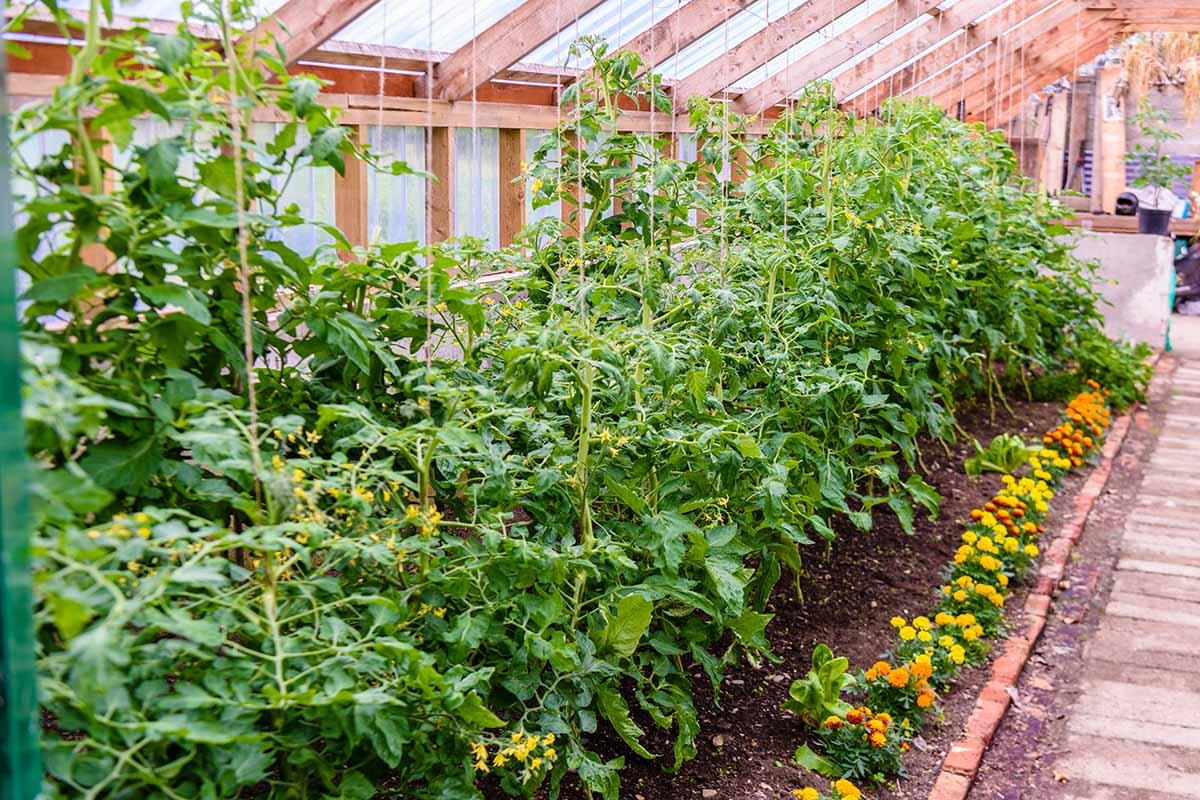
Progressively remove lower leaves as your plant grows, creating a 12-inch gap between soil and lowest foliage. This prevents soil-borne disease splash. Do this gradually over the season, not all at once. Support plants using stakes, Florida weave, or cages. Install supports immediately at planting to avoid root damage. Stakes keep plants vertical and compact. Cages support determinate varieties well. Florida weave supports rows of plants efficiently.
Pruning and support improve airflow dramatically, allowing leaves to dry faster after rain. Dry foliage is a hostile environment for fungal diseases. Proper support keeps fruit off ground, preventing soil contact diseases. Never remove more than one-third of leaves at any given time. Plants need foliage for photosynthesis and feeding fruit. Aggressive pruning stresses plants more than it helps.
Pest and Disease Management
Healthy, well-cared tomato plants resist most pests and diseases. Proper cultural practices prevent problems better than any chemical treatment. Start with disease-resistant varieties. Choose seeds or seedlings labeled with disease resistance codes (V, F, N indicating resistance to various problems). These varieties handle pest and disease pressure better than susceptible varieties.
Practice crop rotation, avoiding nightshade family crops in the same location for 3 to 4 years. This breaks disease cycles in soil. Clean all stakes, cages, and tools with bleach solution before reuse. Sterilization eliminates overwintering pathogens. Scout plants weekly, inspecting both leaf surfaces for early symptoms. Yellowing leaves, dark spots, or unusual discoloration warrant investigation.
Common tomato problems include early blight (dark spots on lower leaves, concentric ring pattern), septoria leaf spot (small spots with gray centers), hornworms (large green caterpillars), and whiteflies (tiny insects causing yellowing). Address problems promptly. Remove infected lower leaves immediately. Thin crowded foliage to improve airflow. Apply organic fungicides (copper, sulfur) for fungal diseases if symptoms appear. Hand pick hornworms or introduce parasitic wasps.
Spotting disease symptoms early is critical. By the time symptoms become obvious, infection has spread extensively. Plantlyze's AI diagnostics detect disease symptoms before visible damage occurs, allowing early treatment. This combination of good cultural practices and smart monitoring ensures disease-free tomatoes.
Harvest Timing and Techniques
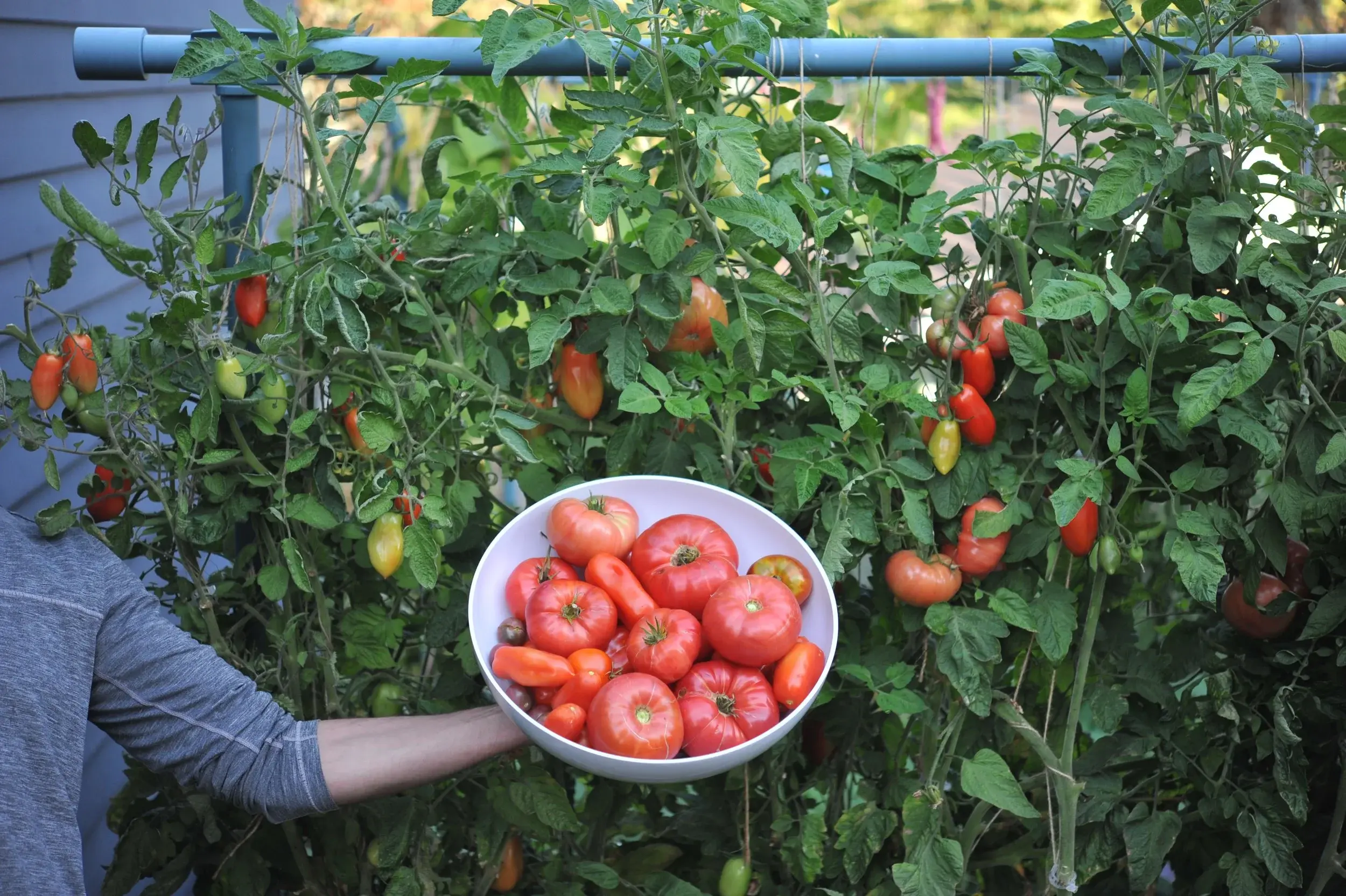
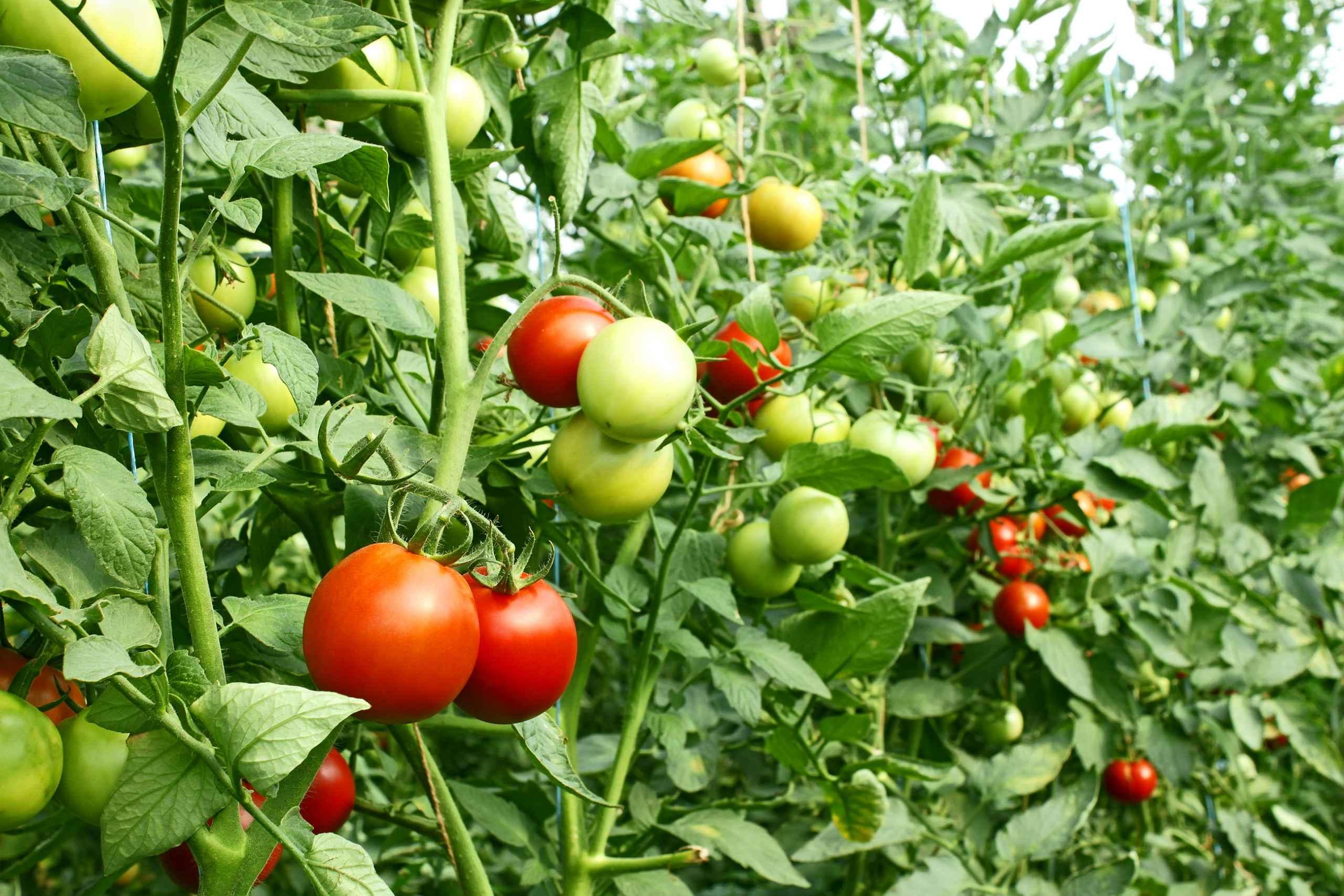
Harvest timing affects flavor dramatically. Fully ripe tomatoes picked vine-ripened taste dramatically better than store-bought alternatives. You can also harvest at breaker stage (just beginning to show color) and ripen at room temperature if needed for space or weather reasons.
Grasp tomato firmly but gently and twist until it releases from vine. If resisting, use garden pruners to cut stem close to fruit. Cutting prevents unnecessary branch damage compared to pulling hard. Harvest frequently (every 2 to 3 days at peak production) to encourage continued fruit production. Each ripe tomato removed signals plant to produce more. Leaving overripe fruit on plant signals plant that reproduction is complete, slowing production.
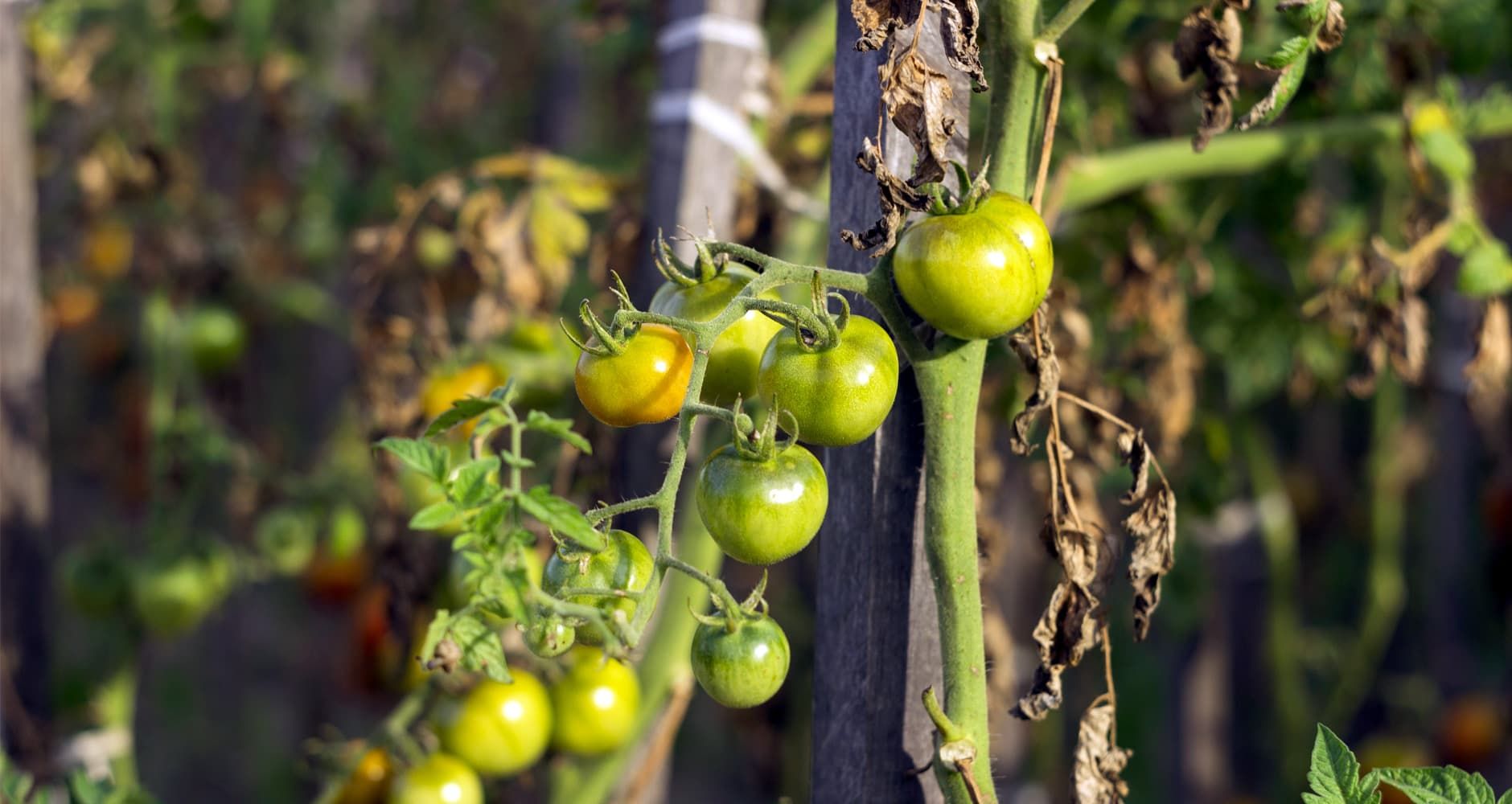
Harvest before first frost in fall. Pick all fruit (including green) before temperature drops below freezing. Green tomatoes ripen indoors at room temperature over 1 to 3 weeks. Store ripe tomatoes at room temperature, never refrigerated (cold damages flavor and texture). Use within 1 to 2 weeks for best quality. Tomatoes picked at breaker stage ripen at room temperature in 1 to 3 weeks.
End-of-season green tomatoes can be ripened on windowsill, used for fried green tomatoes, or processed into salsa. Nothing goes to waste if you harvest before frost kills remaining fruit.
Smart Monitoring for Disease-Free Harvests
Good care prevents most problems but early detection saves plants from spreading disease. Subtle symptoms like slight yellowing and tiny spots often go unnoticed until disease spreads extensively. By the time obvious symptoms appear, infection has reached advanced stages. Plantlyze's AI diagnostics monitor your plants continuously, identifying disease symptoms before they become severe and spread to other plants.
Get personalized recommendations based on your plant stage and local growing conditions. Early detection allows quick treatment before spread becomes problematic. Combine expert care knowledge with smart technology for disease-free harvests throughout entire season. Catch diseases in early stages when treatment is most effective. Ensure healthy plants producing abundant fruit from spring through fall. Try Plantlyze's free plant disease detection today.
Troubleshooting Common Tomato Problems
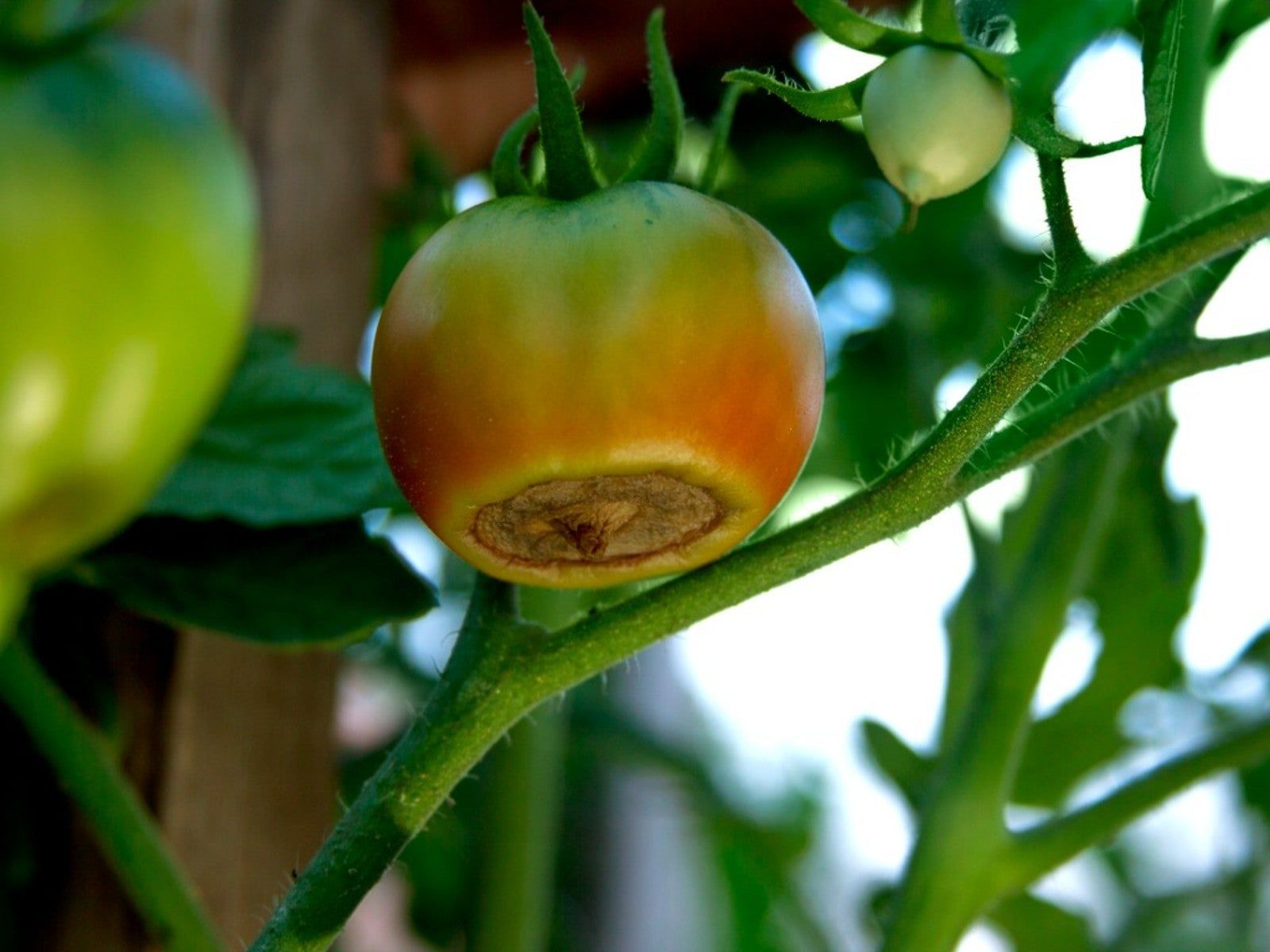
Blossom End Rot: Water-soaked spots on fruit bottom turning black. Caused by calcium deficiency from inconsistent watering. Solution: water consistently, mulch to retain moisture, avoid over-fertilizing with nitrogen.
Sunscald: White or yellow bleached areas on fruit from excessive sun exposure. Solution: maintain adequate foliage (don't over-prune), shade excessive sun exposure during extreme heat waves.

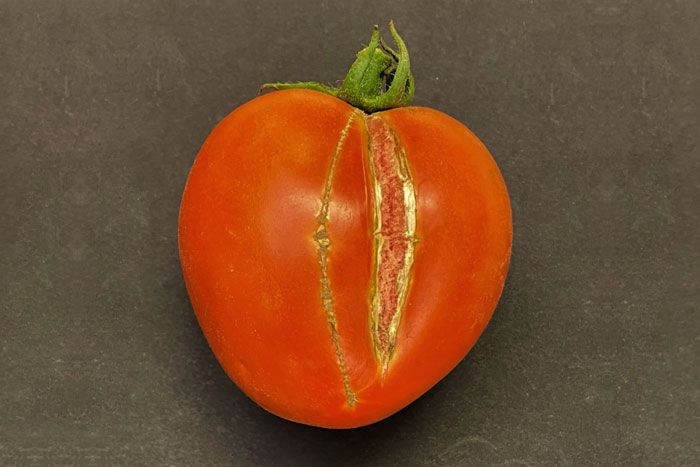
Fruit Cracking: Skin splits allowing disease entry. Caused by heavy rain after dry period, creating sudden moisture availability. Solution: provide consistent watering, mulch to buffer moisture fluctuations, harvest ripe fruit promptly.
Early Blight: Dark spots on lower leaves with concentric rings. Common in high humidity conditions. Solution: improve airflow through pruning and spacing, remove lower leaves, apply fungicide if severe.
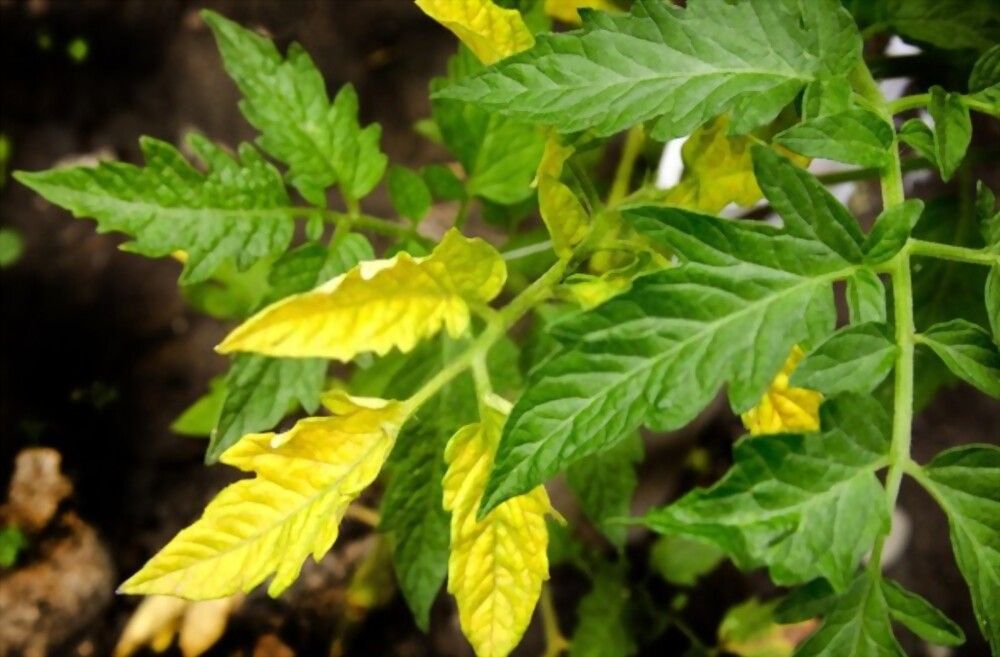
Yellowing Leaves: Can indicate nutrient deficiency, disease, or watering problem. Check lower leaves first (normal senescence versus disease pattern). Solution: consistent watering, appropriate fertilizing, adequate spacing for airflow.
Slow Fruiting: Excessive foliage with little fruit often means too much nitrogen. Flower drop can result from temperature stress, inconsistent watering, or extreme heat. Solution: reduce nitrogen, provide consistent water, select heat-tolerant varieties.
Conclusion
Tomato care requires consistency throughout the season. Starting strong with seeds, hardening off, and transplanting properly sets the foundation for success. Consistent watering and balanced fertilizing produce abundant fruit. Disease prevention through cultural practices beats chemical treatments every time. Proper support and pruning improve airflow and light access to developing fruit. Regular monitoring catches problems early before they spread.
Different varieties need slightly different care. Not one-size-fits-all approach exists; adapt guidance to your specific conditions. Combine experience-based knowledge with modern monitoring tools. Season-long attention produces rewarding harvests. This guide covers fundamentals; each garden is unique. Monitor your specific plants and adjust accordingly. Year-to-year experience teaches what works in your climate and conditions.
Combine your tomato care knowledge with Plantlyze's AI monitoring for healthiest, most productive tomato plants throughout entire season. You've got this.
References
Rutgers University Extension - Growing Tomatoes in the Home Garden
https://njaes.rutgers.edu/fs678/Cornell University Vegetables - Managing Tomato Diseases Successfully
https://www.vegetables.cornell.edu/pest-management/disease-factsheets/managing-tomato-diseases-successfully/University of Wisconsin Extension - Tomato Pruning and Care
https://hort.extension.wisc.edu/articles/tomato-pruning/Iowa State University Extension - Managing Tomato Diseases, Disorders, and Pests
https://yardandgarden.extension.iastate.edu/how-to/managing-tomato-diseases-disorders-and-pestsUniversity of Maine Extension - Growing Tomatoes
https://extension.umaine.edu/gardening/