There's nothing quite like biting into a sun-warmed tomato you grew yourself. That explosion of flavor makes everything you bought at the grocery store taste like cardboard. Growing your own tomatoes transforms your garden and kitchen, and the good news is that tomatoes are surprisingly manageable even for beginning gardeners.
Tomatoes are the most popular home garden vegetable because they reward your effort with abundant, delicious fruit. From the moment you plant that first seedling until you harvest the final ripe tomato before frost, the journey teaches you valuable gardening lessons that apply to every crop. Understanding why tomatoes need what they need and how to provide it consistently separates gardeners who struggle from those who consistently harvest buckets of beautiful fruit.
This complete guide walks you through every stage of tomato growing. Whether you're starting from seed or buying transplants, whether you have a sprawling garden or a few containers on a patio, you'll find practical advice that works for your situation. The knowledge you gain from your first season becomes the foundation for continuous improvement in future years.
Choosing Your Tomato Variety
With thousands of varieties available, choosing which tomatoes to grow is the fun part. Understanding the basic types helps you select varieties matching your space, time, and taste preferences.
Understanding Tomato Growth Types
Tomatoes fall into two main growth patterns, and this choice is more important than color or flavor. Determinate tomatoes, often called bush types, stop growing at a set height and ripen most of their fruit within a concentrated period. These work well for canning, sauce making, and gardeners with limited space. Determinate varieties typically grow three to five feet tall and finish producing within six to eight weeks.
Indeterminate tomatoes, called vining types, continue growing and producing fruit until frost kills them. These are the most popular for home gardeners because they produce continuously throughout the season, giving you ripe tomatoes from mid-summer until the first heavy frost. Indeterminate varieties can reach six to twelve feet or taller, depending on climate and care. Semi-determinate varieties represent a newer type with several flushes of growth and production spread throughout the season, offering a middle ground.
Heirloom varieties are open-pollinated for exceptional flavor but often lack disease resistance. Hybrid varieties are bred specifically for disease resistance, longer shelf life, and reliable production. The trade-off is usually slightly less dramatic flavor compared to heirlooms, though modern hybrids have narrowed this gap significantly.
Selecting by Fruit Size and Use
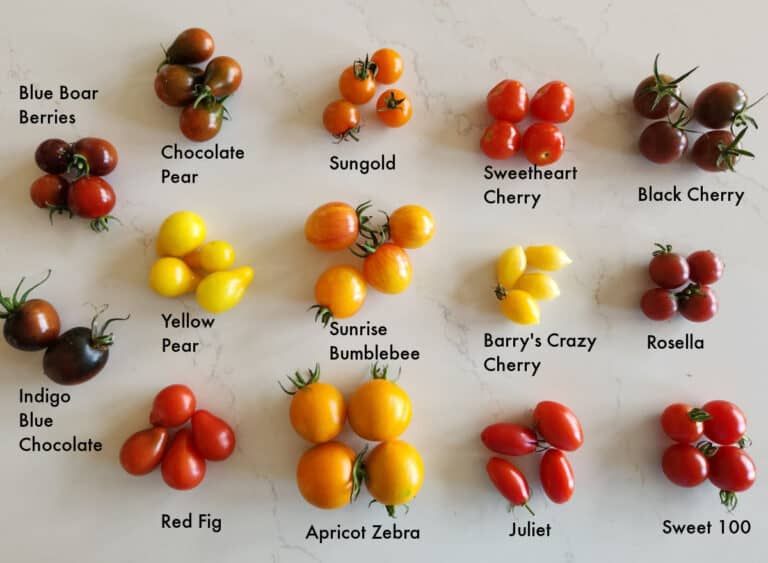
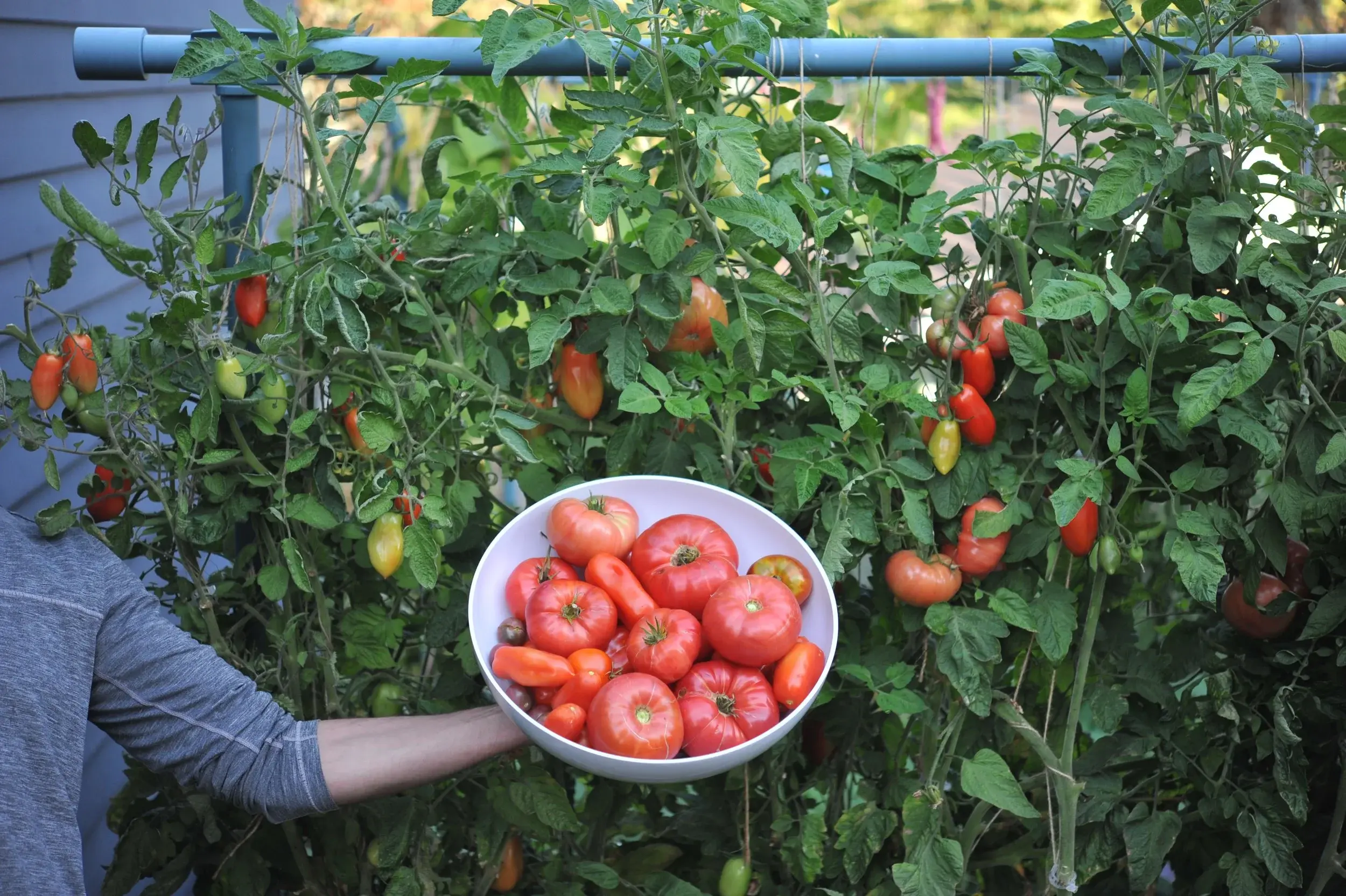
Cherry tomatoes produce small fruits perfect for snacking and salads. Most cherry varieties are indeterminate, producing heavily throughout the season. Grape tomatoes are slightly larger than cherry, less watery, and many gardeners find them more flavorful than cherry types.
Beefsteak varieties produce large slicing tomatoes, sometimes exceeding one pound each. These are ideal for slicing onto sandwiches and salads but tend to be more prone to cracking in variable weather. Paste or pear tomatoes are meaty with few seeds, making them excellent for sauce, canning, and drying.
For small spaces and containers, compact and patio varieties grow just two to three feet tall and produce substantial fruit. These are indeterminate but with shorter growth habit, making them perfect for balconies and patios.
Disease Resistance Matters
If you've had tomato problems in previous years, look for hybrid varieties with VFN designation. This indicates resistance to Verticillium wilt, Fusarium wilt, and root knot nematodes. Some newer hybrids add resistance to late blight (EB) and early blight (EB), which are common in humid regions.
Popular reliable varieties include Early Girl for gardens with short seasons, Celebrity for mid-season reliable production, Big Boy and Better Boy as classic main season choices, Brandywine for heirloom flavor lovers, and San Marzano for gardeners focused on sauce and paste making.
Once you've selected your variety and it's growing, tools like Plantlyze help you quickly identify and address any disease or disorder issues before they affect your harvest. Upload a photo of concerning symptoms and get immediate identification with care recommendations.
Starting from Seed or Transplants
Growing from seed gives you the widest variety selection and is economical for large plantings. Purchasing transplants from a garden center saves time and is perfect if you lack indoor lighting or prefer a simplified approach.
Growing Your Own Seeds Indoors
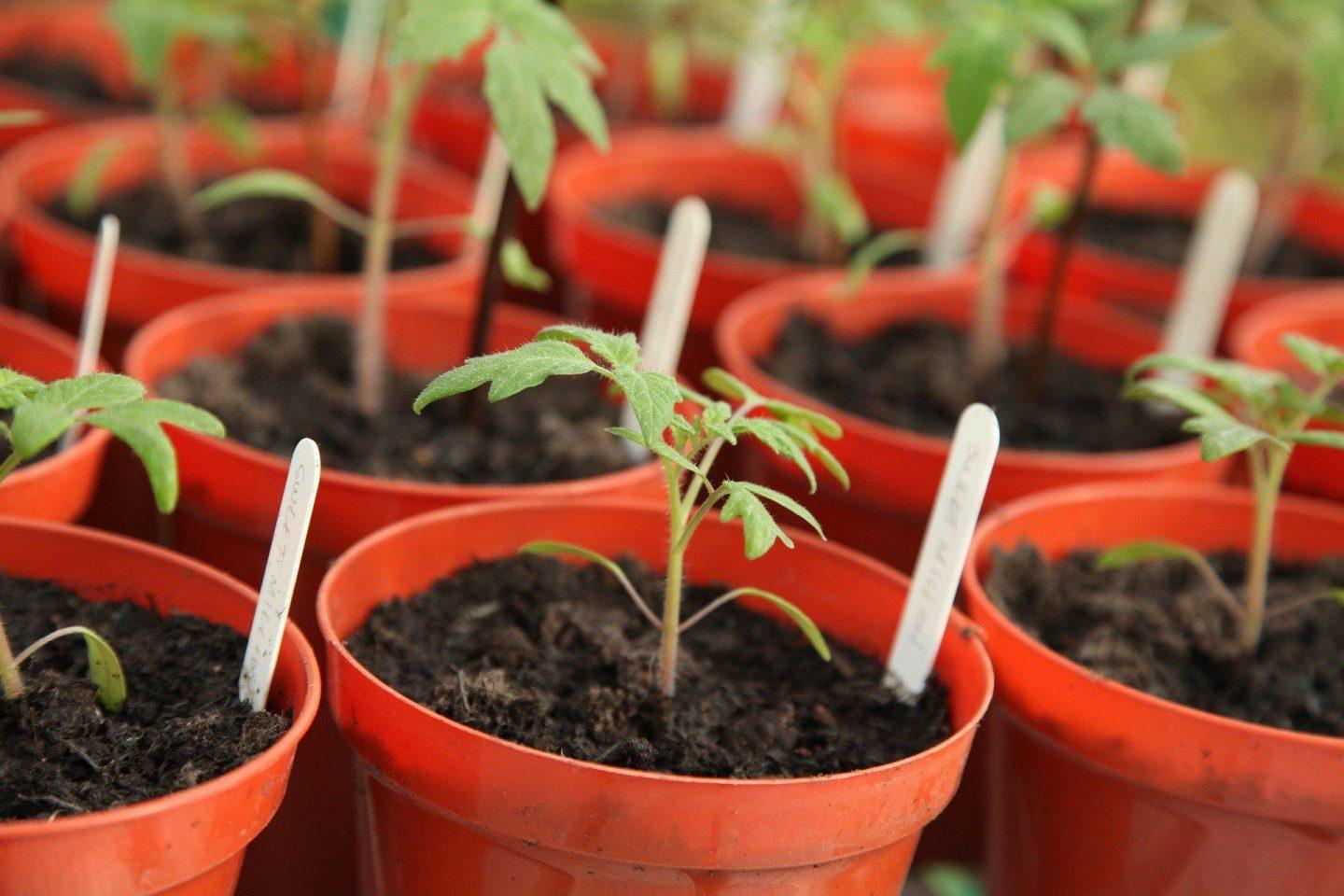
Start seeds indoors four to six weeks before your expected last spring frost date. Plant seeds one-quarter inch deep in moist seed starting mix. Keep the soil warm at seventy to seventy-five degrees Fahrenheit to encourage germination. Seeds typically germinate in seven to fourteen days.
Provide grow lights once seedlings emerge, positioning lights four to five inches above the plants. Adjust light height as seedlings grow. Keep lights on for fourteen to sixteen hours daily to prevent legginess. Water seedlings carefully, keeping soil moist but not waterlogged.
When seedlings develop two to three true leaves (the second set of leaves), pot them up into three-inch containers. This gives roots more space to develop. Thin seedlings weekly to prevent legginess. During the last few weeks indoors, gradually reduce temperatures slightly to toughen plants for eventual outdoor conditions.
Selecting Healthy Transplants
If you're buying seedlings from a garden center, selecting healthy plants ensures success. Look for plants six to ten inches tall that appear stocky, not spindly. The stem should be about pencil width, indicating good health and vigor. Healthy plants display dark green color throughout without yellowing or spots.
Choose plants with five to seven true leaves. Avoid purchasing plants already in flower or with small fruit. These plants have used energy on reproduction rather than root development and will be slower to produce after transplanting. Look for hardened-off plants, which have been gradually exposed to outdoor conditions and are more resilient to transplanting shock.
Hardening Off Your Seedlings
Whether you grew from seed or purchased transplants, prepare them for outdoor conditions gradually. Begin the hardening off process seven to ten days before transplanting outdoors. Start by placing seedlings in a shaded, protected location for two to three hours.
Gradually increase light exposure and time outdoors each day. By day seven, seedlings should handle six to eight hours of dappled light. By day ten, they should tolerate full direct sunlight. Reduce watering slightly during hardening off to slow growth and toughen plants. This tough preparation prevents transplant shock and produces stronger, more resilient plants.
Preparing Your Growing Space
Tomatoes are sun worshippers. Give them ample light and they'll reward you with prolific production and sweeter, more flavorful fruit.
Location and Sunlight Requirements
Tomatoes need minimum six hours of direct sun per day. Eight to ten hours of sunlight is ideal for maximum production. Even five hours of sunlight produces fruit, though yields are reduced and flavor is less concentrated.
Full sun facing south or west is excellent. Ensure plants receive adequate air circulation as well as sunlight. Good airflow reduces humidity around foliage, making fungal diseases less likely to establish. Afternoon shade in extremely hot climates (over ninety-five degrees daily) can prevent fruit scalding, but morning sun is always beneficial.
Soil Preparation Determines Success
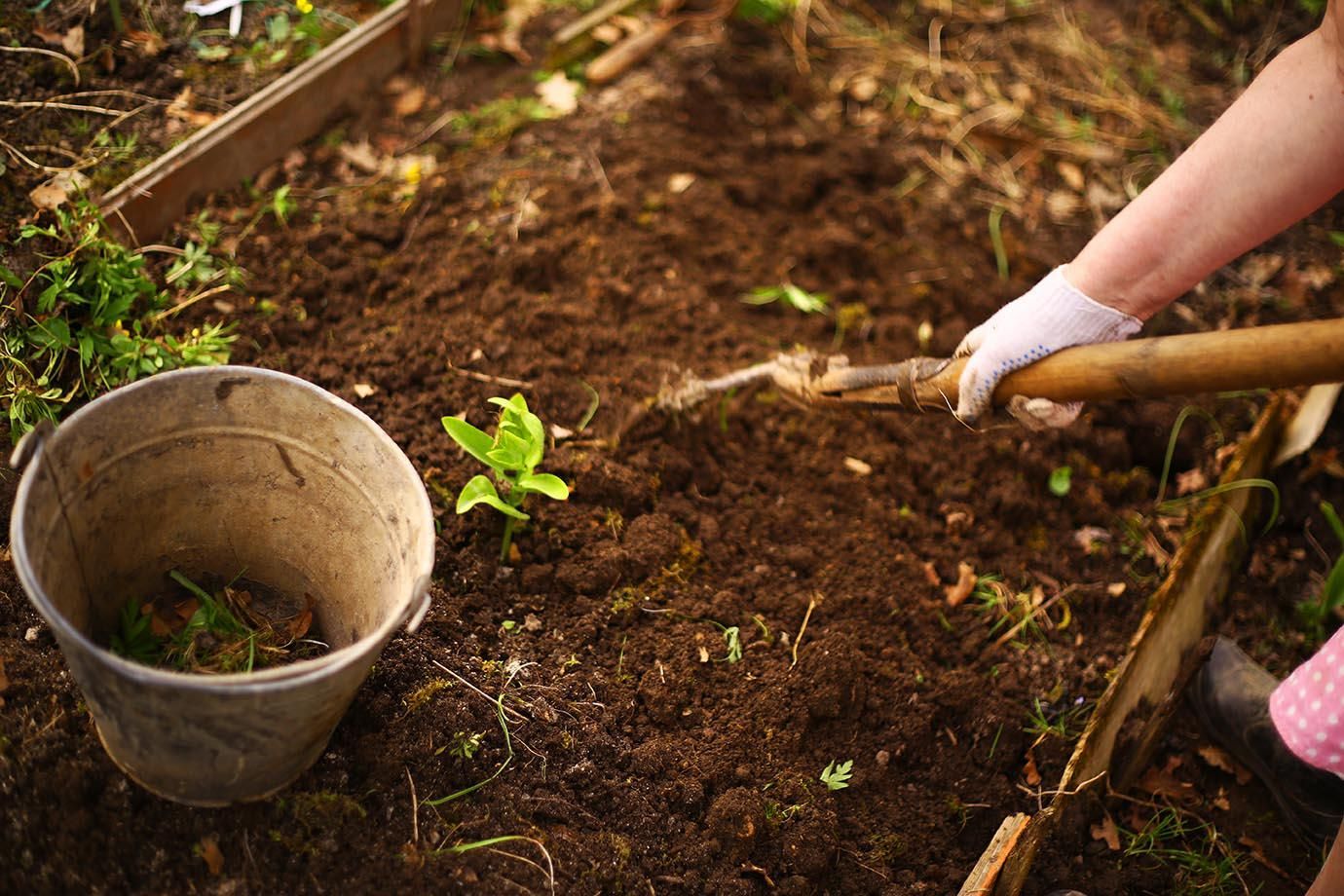
Good soil is the foundation for healthy, productive tomato plants. Test your soil for pH and nutrient levels through your county extension office. Adjust pH to the target range of 6.0 to 6.8, which is slightly acidic. Use lime to raise pH or sulfur to lower pH if needed. Allow several weeks for pH adjustments to take effect, then retest before planting.
Incorporate three to four inches of compost before planting. Aged manure adds organic matter and nutrients wonderfully. Never use fresh manure, which is too high in nitrogen and salts and can damage roots.
Mix one and one-half pounds of 10-10-10 complete fertilizer per 100 square feet into the soil before planting. Add one-quarter cup of gypsum per planting hole to provide calcium and prevent blossom end rot. Avoid Epsom salts unless soil testing shows magnesium deficiency, as excess magnesium interferes with calcium uptake.
Spacing and Support Installation
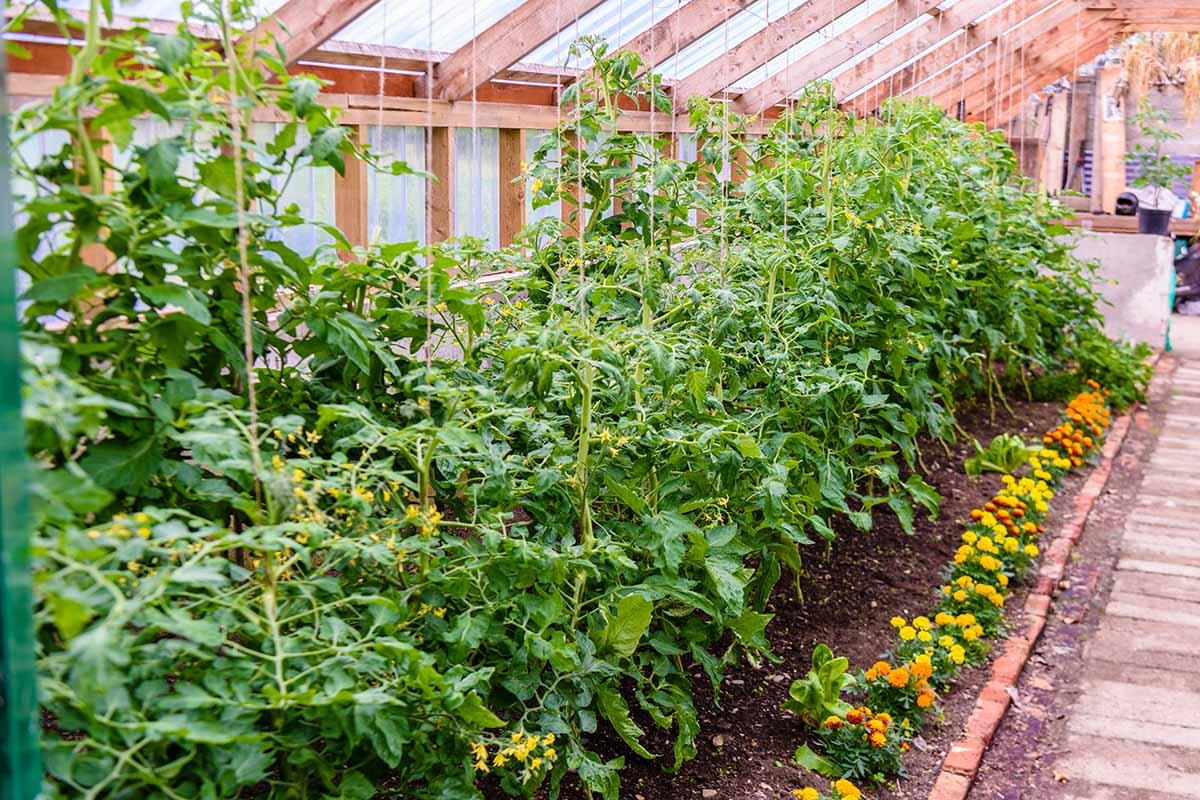
Proper spacing and early support installation saves headaches later. Space plants twenty-four to forty-eight inches apart, depending on your support method and pruning intensity. Rows should be thirty-six to sixty inches apart minimum. Determinate bush types need less space. Indeterminate vining types need maximum space for pruning access.
Install stakes, cages, or trellises before planting. This prevents root damage from installation after planting. Sturdy construction is essential because mature plants laden with fruit create substantial weight. Concrete reinforcing mesh makes excellent DIY cages that outlast commercial cages and accommodate larger plants.
Planting Your Tomatoes
Tomatoes are cold sensitive. Plant too early and you'll stunt growth or lose plants to frost. Rushing planting is the most common mistake home gardeners make.
Timing Your Planting Correctly
Wait until danger of frost has completely passed. Check your local frost date and add one additional week. Air temperatures should be consistently above forty-five degrees Fahrenheit, with soil temperature at minimum fifty degrees Fahrenheit. Ideally, wait for air temperatures of sixty degrees Fahrenheit or higher and soil of fifty-five degrees Fahrenheit or warmer.
A single week of cool daytime temperatures below fifty-five degrees Fahrenheit stunts plant growth and reduces yields significantly. Late May to early June is typical planting time in most northern regions. Warmer southern regions can plant earlier. If you've hardened off plants in early May but weather remains cool, keep transplants in a protected location until conditions warm.
The Deep Planting Technique
This unusual step is critical for tomato success. Bury two-thirds of the tomato stem underground. This seems counterintuitive compared to other plants, but it's one of the most important tomato secrets.
When you bury the stem deeply, roots form along the entire buried portion. This creates a stronger, more robust root system capable of finding water deeper in the soil. Plants with deep root systems weather droughts better and produce more consistently. Only the top few true leaves should remain above soil.
Before planting, remove all leaves from the lower two-thirds of the stem. This allows the buried portion to focus on root development without trying to support unnecessary foliage. This technique works specifically for tomatoes and tomatillos but not for most other vegetables.
Planting Day Steps
Dig planting holes deeper than the root ball requires. To the bottom of each hole, add a handful of compost, one tablespoon of bone meal for phosphorus, and one tablespoon of slow-release fertilizer. This creates a nutrient-rich pocket to encourage root development.
Remove lower leaves from the transplant stem until only the top few true leaves remain. Position the plant so most of the stem is buried with only the top leaves above soil. Backfill the hole with soil and press gently to eliminate air pockets. Water thoroughly to settle soil around the roots.
Install your support structure immediately if not already in place. Apply a starter fertilizer diluted solution around each plant to stimulate growth after transplant shock. Add two to four inches of mulch around the base, being careful not to touch the stem directly.
Watering and Irrigation Management
Inconsistent watering causes more tomato problems than any other factor. Master watering and you've solved half your challenges.
The Watering Problem
Tomatoes need one to two inches of water per week from rainfall or irrigation combined. Water deeply to encourage roots to grow deep and seek moisture during dry periods. Keep soil moist but not waterlogged. Waterlogged soil damages roots and encourages root rot diseases.
Inconsistent watering causes blossom end rot (dark sunken spots on fruit bottom) and fruit cracking. Your goal is maintaining steady, consistent moisture rather than extremes of wet and dry. A regular schedule matters more than precise amounts because it prevents the stress that causes problems.
Water Delivery Method
How you water matters as much as how much you water. Always water at the base (at the roots), never overhead. Overhead watering splashes fungal spores from soil onto foliage, where they can cause disease. Wet foliage creates ideal conditions for early blight, late blight, and other fungal diseases.
Soaker hoses or drip irrigation are ideal for consistent root-zone watering without wetting foliage. Water slowly to ensure moisture penetrates deeply rather than running off the surface. Morning watering is best because it allows plants to absorb water when they need it most and allows any accidental foliage wetting to dry during the day.
Heavy soaking once or twice weekly that penetrates eight to twelve inches deep is better than light frequent watering. Deep watering encourages deep rooting. Frequent light watering keeps roots near the surface where they're vulnerable to heat and drying.
Mulching and Moisture Conservation
Mulch is your secret weapon for consistent moisture and disease prevention. Apply two to four inches of organic mulch such as straw, shredded leaves, or wood chips around each plant. Pull mulch back one inch from the stem to prevent rot at the plant base.
Mulch reduces evaporation significantly, reducing watering frequency required. It prevents soil-borne fungal spores from splashing onto leaves during rain or watering. Mulch maintains consistent soil temperature, reducing stress from temperature fluctuations. It also reduces weeds that compete with tomatoes for water and nutrients.
Fertilizing for Production
Too much nitrogen produces all leaves and few fruits. Too little reduces vigor and invites disease. Tomatoes are fussy nitrogen feeders, requiring just the right amount at each stage.
The Nitrogen Balancing Act
Begin with pre-plant soil amendment of one and one-half pounds of 10-10-10 per 100 square feet worked into soil. At transplanting, apply a starter solution of two tablespoons of 5-10-10 fertilizer diluted in one gallon of water, applying one cup per plant. This gives young plants an initial nutrient boost.
Once fruits reach two inches in size, begin side-dressing. Apply fertilizer every two to three weeks during the growing season. Use a balanced fertilizer or one slightly higher in phosphorus and potassium than nitrogen. High nitrogen at this stage causes excessive vine growth and reduces flowering and fruiting.
Fertilizer Timeline and Products
Create a simple fertilization schedule to eliminate guesswork. Pre-plant applications provide the foundation. Starter solution at transplanting gives new plants a boost. Side-dressing every two to three weeks supplies ongoing nutrition. Water-soluble fertilizers act quickly if you spot deficiencies. Granular slow-release fertilizers provide steady nutrition over weeks.
Fish emulsion is excellent for nitrogen during growth phase. Rock dust or kelp meal provides phosphorus during fruiting phase. Many gardeners find that heavy compost amendment at planting provides sufficient nutrients for the entire season, requiring no additional fertilizer.
Organic Feeding Approaches
Heavy compost amendment at planting can provide most nutrients needed for the entire season. Fish emulsion applied every two to three weeks supplies nitrogen during growth. Rock dust or kelp meal applied during fruiting provides phosphorus and other minerals. Crushed eggshells provide slow-release calcium.
Aged compost used as mulch provides steady nutrient release as it breaks down. Some gardeners swear by burying aged manure in planting holes for slow-release nutrition. Compost tea (compost steeped in water) provides readily available nutrients. Experiment in your garden to find what works best with your soil and water.
Pruning, Support, and Maintenance
Smart pruning transforms your harvest and prevents disease. Proper training to support systems makes management easier throughout the season.
Understanding Suckers and Pruning
Suckers are shoots growing between the main stem and side branches. Each sucker will eventually flower and fruit if left unpruned. Moderate pruning increases fruit size and hastens ripening by focusing plant energy on fewer fruits.
For staked plants, remove all suckers weekly with your fingers (no tools needed) to maintain one to three main stems. Completely remove suckers from the plant base. Pruning improves air circulation around the base, reducing disease. Remove any leaves showing disease symptoms immediately to prevent spread.
Lower Leaf Removal for Disease Prevention
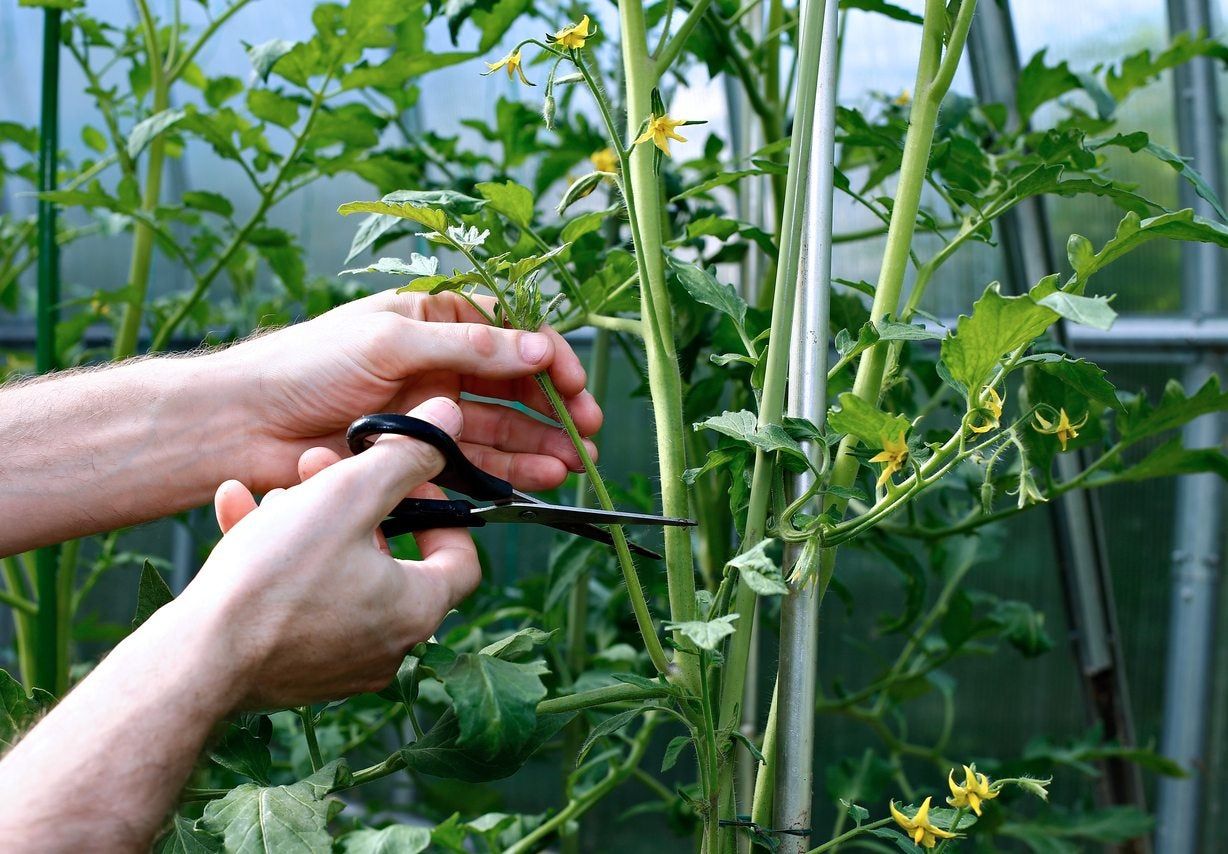
One of the most impactful disease prevention techniques is removing lower leaves. Remove the lowest twelve to eighteen inches of foliage once the plant is established. Continue removing leaves as the plant grows, always maintaining this clear zone near the soil.
Lower leaves are most vulnerable to early blight and other fungal diseases because they're closest to soil-borne spores. Removing them prevents soil-borne fungal spores from splashing onto foliage during rain or overhead watering. Improved air circulation around the base of the plant reduces humidity, making fungal disease less likely.
Training to Supports
Proper training to your support system pays dividends in management ease. Tie stems loosely to stakes with soft ties such as old t-shirt strips. Use cages for a hands-off approach requiring minimal tying. Fan trellises encourage horizontal growth and work well for larger fruits and intensive production.
Ensure support is installed before planting to avoid root damage. Sturdy construction is important because a mature plant heavily laden with fruit creates substantial weight. Check ties weekly as stems thicken to prevent them from becoming too tight.
Recognizing and Managing Problems
Prevention is better than cure but knowing what to watch for helps you intervene early.
Common Issues and Quick Solutions
Blossom end rot appears as a black sunken spot on the fruit bottom, caused by calcium deficiency from water stress. Maintain consistent watering and mulch heavily.
Fruit cracking appears as radial or concentric splits on the fruit, caused by irregular watering. Keep watering consistent, particularly when fruit is ripening.
Yellow lower leaves indicate nitrogen deficiency. Side-dress with balanced fertilizer to boost nitrogen.
Early blight appears as brown spots with concentric rings on lower leaves. Remove affected leaves and improve air circulation.
Septoria leaf spot shows as small circular spots with gray centers. Remove affected foliage and water only at the base.
Curly top virus appears as upward leaf curling. Control whiteflies and leafhopper insects that spread the virus.
Hornworms, psyllids, flea beetles, aphids, and whiteflies are common insect pests. Hand-pick large insects or use organic insecticides as needed.
Quick Diagnosis with Plantlyze
When you spot unusual symptoms, accurate diagnosis determines the right solution. Upload a photo of affected leaves at Plantlyze.com to get immediate disease identification and treatment recommendations. Quick diagnosis prevents small problems from becoming serious issues affecting your harvest.
Harvesting at Peak Ripeness
Timing your harvest ensures peak flavor and the best quality fruit.
When to Harvest
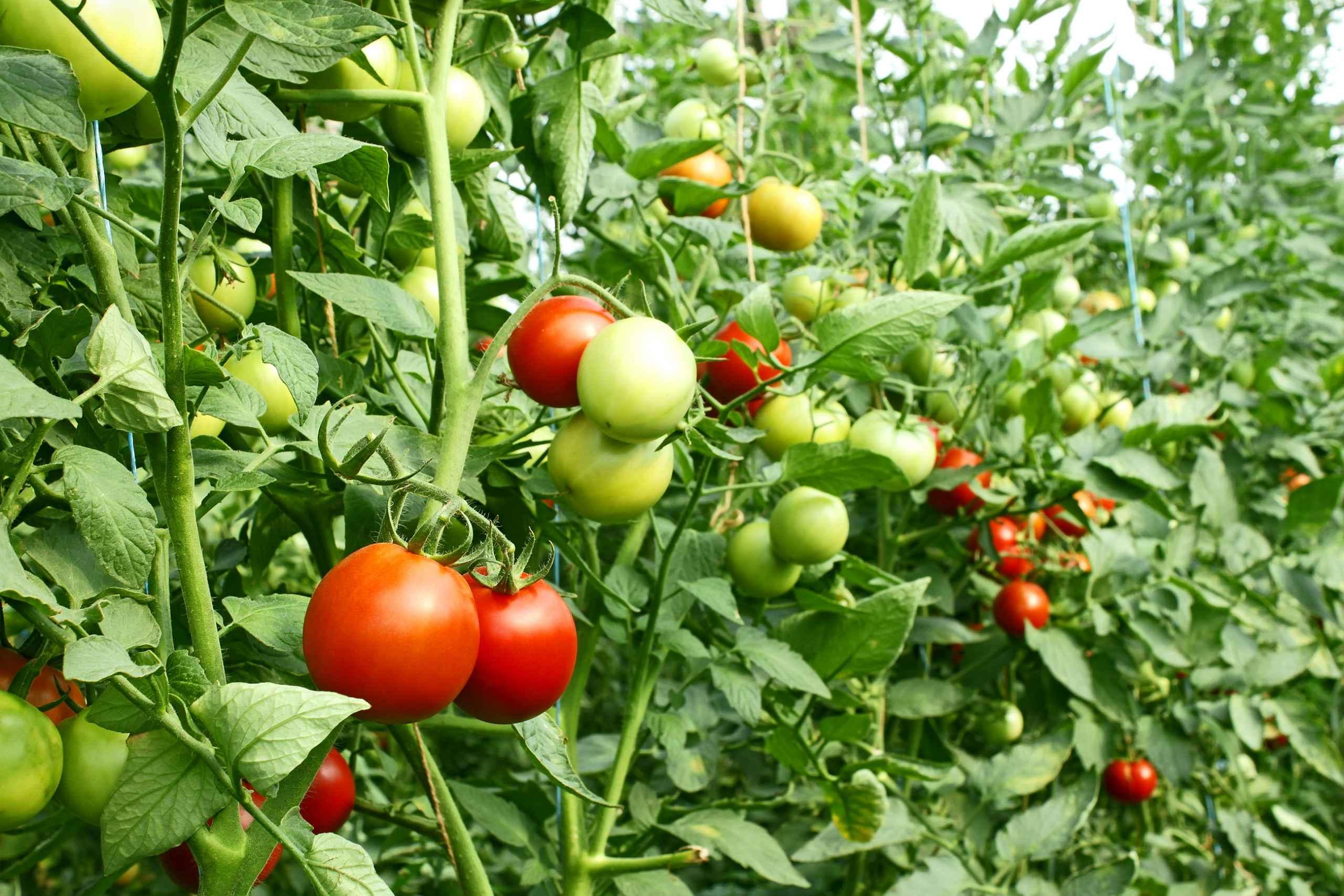
Pick tomatoes when they're firm but slightly yielding to gentle pressure. Ripe fruits pull easily from the vine without tugging. Fully ripened on the vine has the best flavor. Some gardeners prefer harvesting at the mature green stage (glossy green) and ripening indoors to prevent bird damage or to extend harvest.
Mature green tomatoes ripen well off the vine and can be picked before heavy frost. Check plants every two to three days during peak season to harvest ripe fruit promptly. Leaving overripe fruit on the vine slows new fruit production.
Ripening Green Tomatoes Indoors
End-of-season green tomatoes don't need to go to waste. Place tomatoes in a warm location at sixty-five to seventy degrees Fahrenheit away from direct sunlight. Ripening takes two to three weeks at room temperature.
Include one ripe tomato to increase ethylene gas and speed ripening of surrounding green tomatoes. Avoid refrigeration until fully ripe, as cold temperatures below fifty degrees Fahrenheit cause bland flavor. Once ripe, store in the refrigerator for a few days or use immediately.
Some gardeners hang entire plants upside down in a barn or basement, where fruit continues to ripen off the vine. This technique captures a larger harvest as frost approaches.
Your Tomato Growing Monthly Action Plan
Create a seasonal action plan that guides your gardening decisions throughout the year.
Spring Phase (4 to 6 weeks before planting)
Start seeds indoors or purchase transplants from a garden center. Test your soil and adjust pH if needed to the target range of 6.0 to 6.8. Prepare beds with three to four inches of compost and mineral amendments. Plan your variety selection based on garden space and available sunlight. Build or gather support structures for installation at planting time.
Late Spring (Planting Phase)
Harden off seedlings over seven to ten days. Dig deep planting holes with amendments. Plant deep, burying two-thirds of the stem with only top leaves above soil. Install support structures immediately. Apply mulch around the base (not touching the stem). Establish your consistent watering schedule before plants need heavy water.
Early Summer (Growth Phase)
Monitor soil moisture and water regularly, maintaining one to two inches per week. Watch for pests and disease symptoms during weekly garden visits. Begin fertilizing once plants are established and producing flowers. Start pruning suckers weekly and remove lower leaves for air circulation.
Mid-Summer (Fruiting Phase)
Continue consistent watering schedule. Side-dress with fertilizer every two to three weeks. Maintain aggressive pruning of suckers and lower leaves. Monitor closely for disease and insect problems. Check support structures for strength and integrity as fruit develops.
Late Summer and Early Fall (Harvest Phase)
Pick ripe tomatoes every two to three days. Continue fertilizing until frost approaches. Reduce watering gradually to concentrate flavor in remaining fruit. Monitor weather forecasts for frost warnings. Harvest all remaining tomatoes before the first heavy frost and ripen indoors.
Key Takeaways
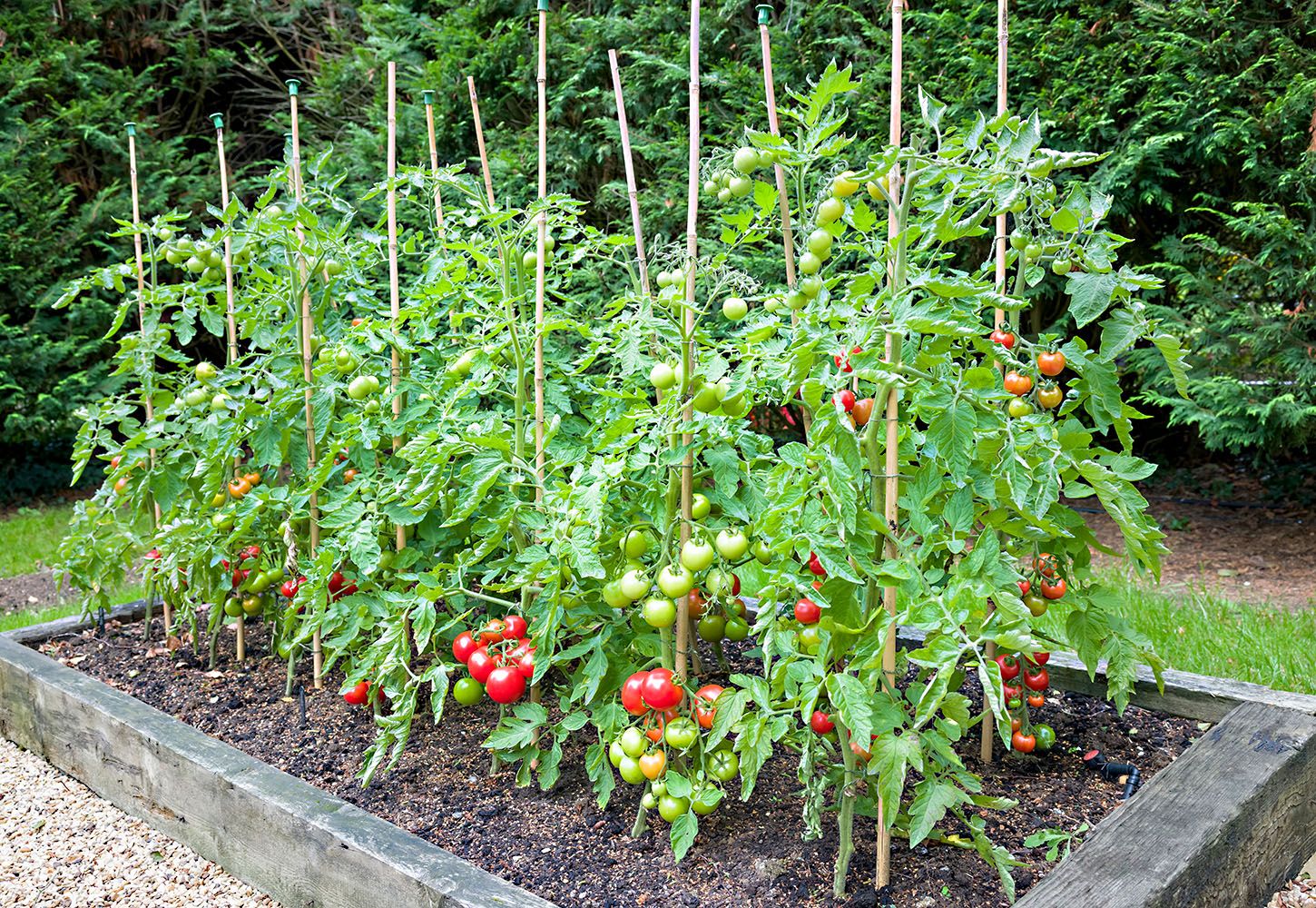
Growing your own tomatoes transforms how you think about this beloved crop. From that first seedling to the final ripe tomato at season's end, homegrown tomatoes deliver flavors and satisfaction that store-bought simply cannot match.
Variety selection determines success. Understanding determinate versus indeterminate types helps you choose plants matching your space and goals. Sunlight requirement minimum is six hours, with eight to ten hours ideal for maximum production. Deep planting creates stronger root systems more resilient to stress.
Consistent watering prevents problems and produces better fruit. Proper fertilization balances growth and production. Pruning improves air circulation and disease management. Support systems essential for keeping fruit off the ground. Regular monitoring catches problems early before they become serious.
Throughout your tomato growing season, you'll learn to recognize healthy plants and spot problems early. When disease or disorder symptoms appear, quick and accurate identification is critical. Visit Plantlyze.com for AI-powered plant diagnosis and custom care guidance. Your tomato garden deserves expert attention, and with this complete guide, you're equipped to provide it.
References
University of Maryland Cooperative Extension
https://extension.umd.edu/resource/growing-tomatoes-home-gardenColorado State University Extension
https://extension.colostate.edu/resource/growing-tomatoes/North Carolina State University Extension
https://extensiongardener.ces.ncsu.edu/2021/04/growing-tomatoes-at-home/Seed Savers Exchange
https://seedsavers.org/grow-tomato/University of Georgia Extension
https://fieldreport.caes.uga.edu/news/balance-your-tomato-gardens-soil-ph-and-fertilization-for-a-bountiful-homegrown-harvest/Cornell University College of Agriculture and Life Sciences
https://www.vegetables.cornell.edu/University of California Integrated Pest Management (UC IPM)
https://ipm.ucanr.edu/Purdue University Extension Horticulture
https://www.purdue.edu/hort/