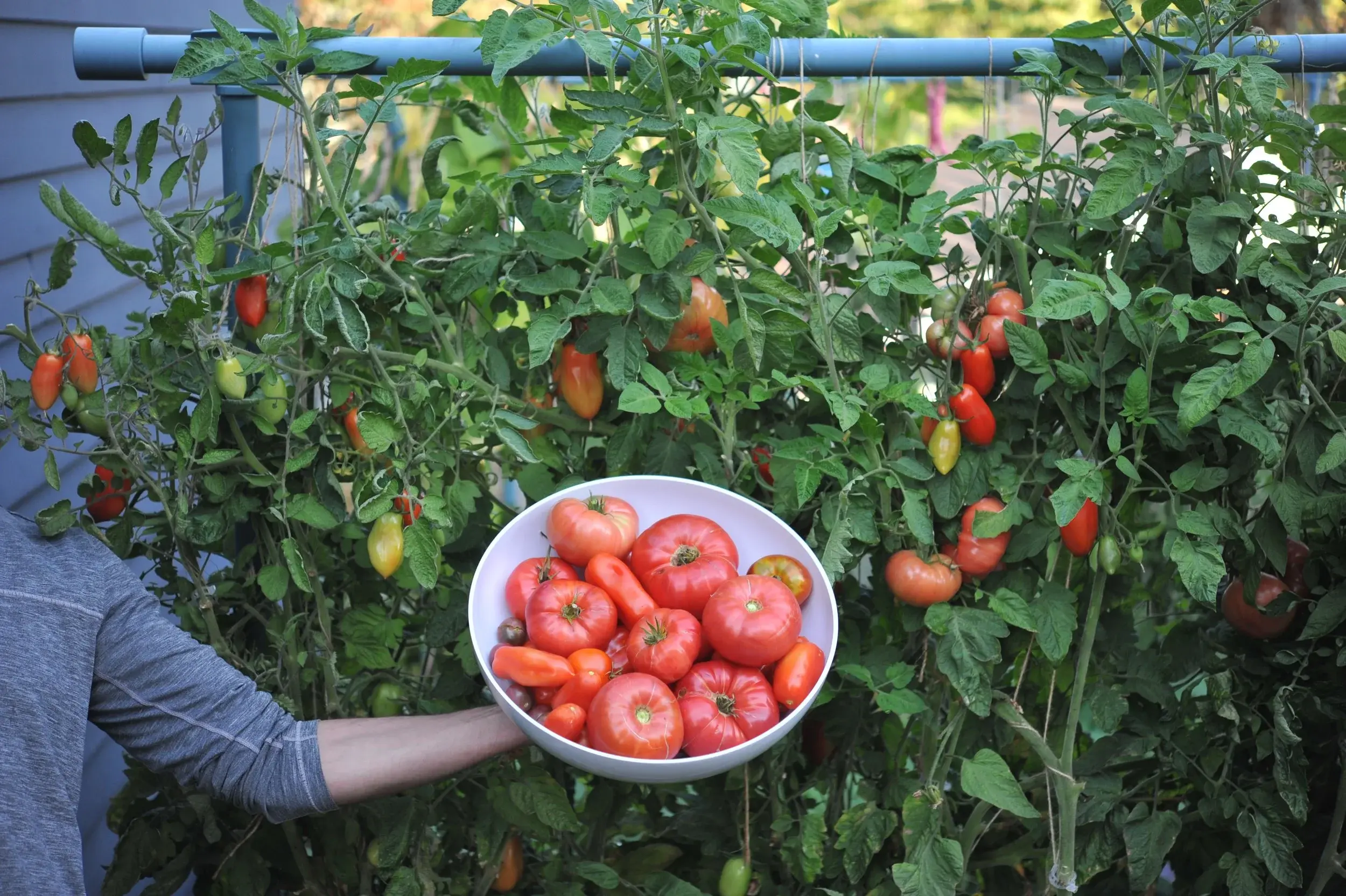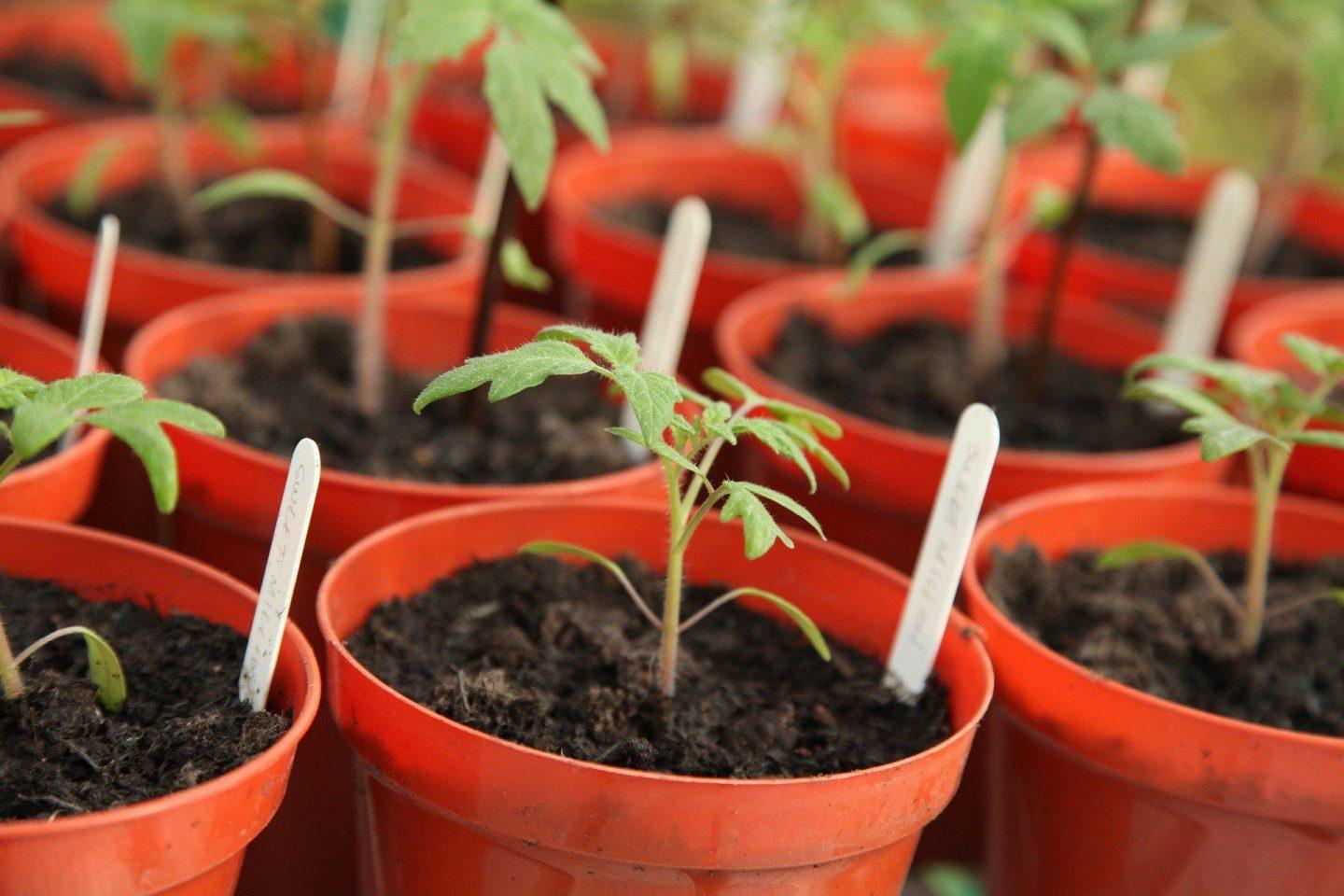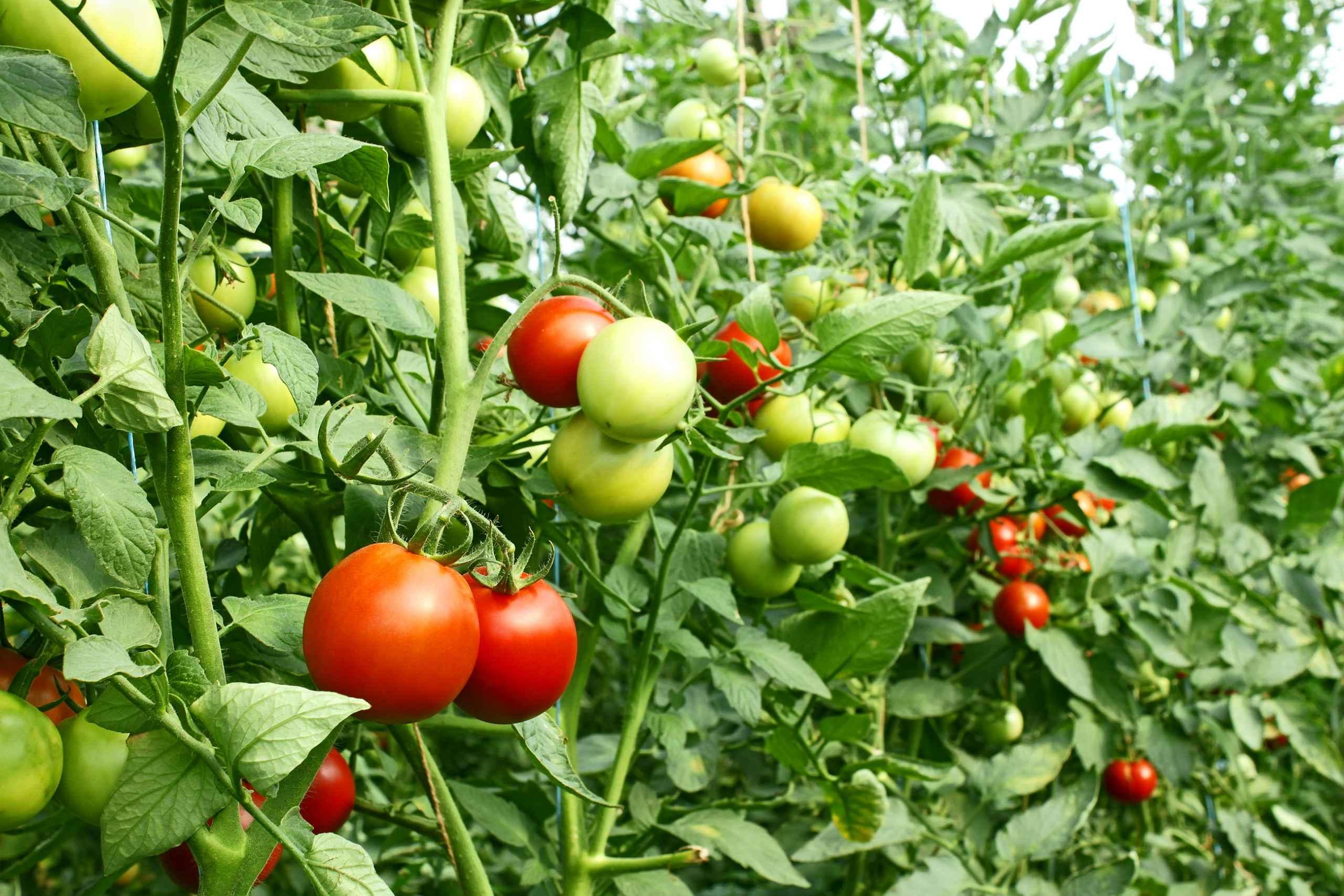
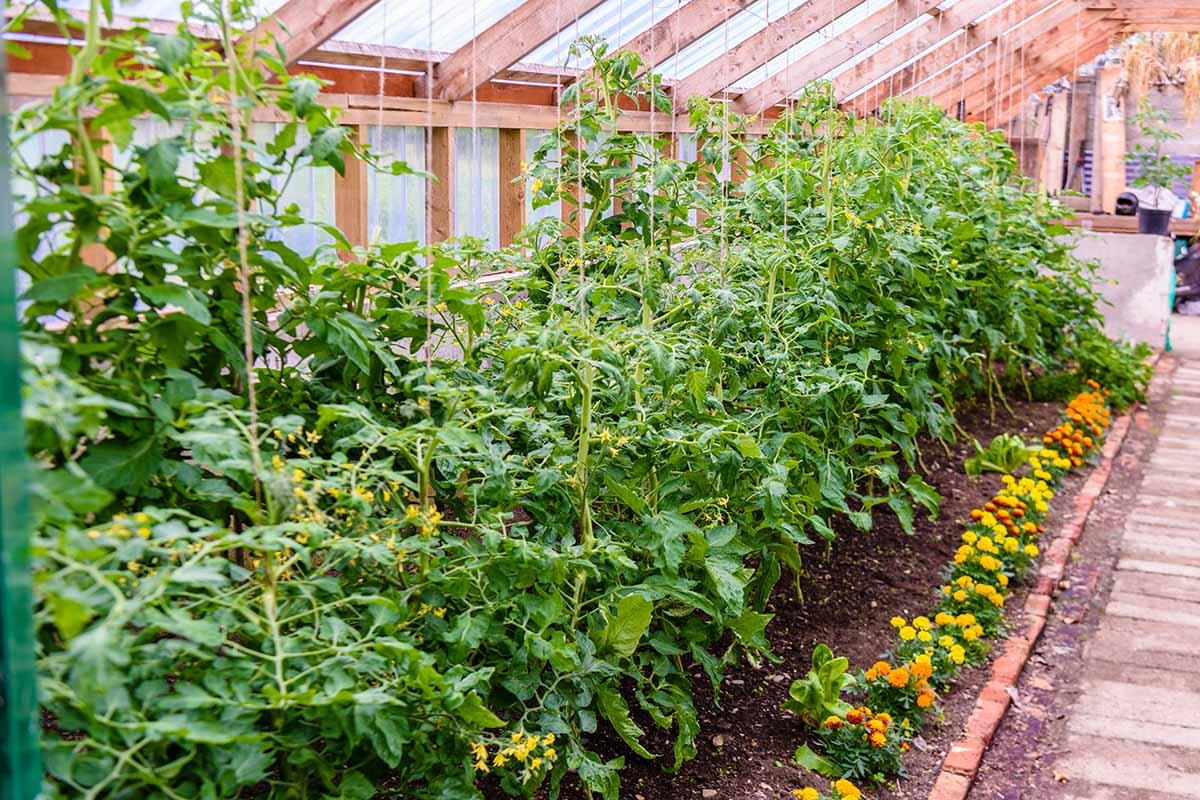
Organic tomatoes! Yes, that would be the ideal situation. However, most gardeners share two big problems-lack of space and controlling pests to get organic tomatoes. You want healthy tomatoes without constant spraying. You want maximum use of your garden space. Companion planting is practicing companion planting offers working solutions with nature rather than against it. Companion planting means growing specific plants together because they help each other grow better. Some plants repel the pests targeting tomatoes. Others attract beneficial insects that eat tomato pests. Some plants add nutrients to soil while others create ideal shade conditions. The right plant combinations transform your tomato garden from a simple tomato patch into a thriving ecosystem that produces more abundant, healthier fruit with fewer pest problems.
Understanding How Plants Help Each Other: The Companion Planting Framework
There are several completely natural mechanisms through which companion planting works, and those have been used by gardeners for centuries. Now scientists explain them in the language of modern biology. Some companions emit odoriferous smells to drive away the specific pests targeting tomatoes. Others attract to the garden beneficial insects that prey upon tomato pests. Some plants access nutrients from deeper soil layers, reducing competition with shallow-rooted tomatoes. Certain plants add nitrogen to soil, creating a natural fertilizer. Understanding these mechanisms helps you choose companions wisely and appreciate why specific combinations work so well together.
Three main benefits drive companion planting success. Pest management through natural defenses is the most obvious benefit. Aromatic plants like basil and garlic confuse pests with strong scents. Trap crops like nasturtiums lure pests away from tomatoes to sacrifice themselves instead. Beneficial insect attractors like marigolds bring predatory bugs that devour tomato pests. The result is reduced pest damage without synthetic pesticides, which appeals to gardeners seeking organic methods.
Soil health and nutrient cycling is the second benefit. Legumes fix atmospheric nitrogen into soil where plants can use it. Deep-rooted plants break up compacted soil layers and bring nutrients upward. Certain plants add trace minerals that improve overall plant nutrition. Better soil supports better tomato growth naturally.
Space efficiency and garden optimization is the third benefit. Low-growing plants don't compete for light with tall tomatoes. Different root depths prevent underground competition. Multiple harvests come from the same garden area. You get more food from the same footprint.
Scientific foundation backs up these benefits. University research, including studies from the University of Minnesota, confirms that basil and marigolds actually reduce thrip and pest populations on tomatoes in both field and greenhouse conditions. This isn't just tradition passed down through generations; it's science-backed strategy proven by university researchers.
Your Essential Five: The Best Companion Plants for Tomato Success
These five companions provide the most benefit and adapt to most growing situations. Include all five if space allows because they work together beautifully, creating synergistic pest control and soil improvement. Start here before exploring other options.
Basil: The Classic Companion with Proven Results
Basil represents the quintessential tomato companion. The strong aromatic oils in basil repel aphids, whiteflies, and tomato hornworms, the three pests that cause the most damage to tomato plants. Basil grows low, staying under 2 feet tall, so it doesn't shade tomatoes significantly. As a bonus benefit, tomatoes grown near basil actually taste better. Plant one basil plant for every tomato plant in your garden. The more basil plants you have, the stronger the pest repellent effect. This pairing works so well that fresh basil next to tomatoes becomes convenient for cooking. You reach out, pick tomato and basil at the same moment, and you have the foundation for countless dishes.
Marigolds: The Nematode Fighter with Visual Appeal
Marigold roots release compounds toxic to root-knot nematodes, devastating soil pests that damage tomato roots. The pyrethrum compound in marigold flowers repels moths that lay tomato hornworm eggs. Marigolds also attract ladybugs and lacewings, beneficial insects that eat aphids and whiteflies. Beyond pest control, marigolds bring visual beauty to the garden with bright orange, yellow, and red flowers that make your tomato bed look intentional and cared for.
Border your tomato bed with marigolds around the edges. Plant them in groups of three to five for visual impact and maximum pest control effect. Mass plantings look better than single scattered plants and provide better nematode control through concentrated root activity. Marigolds are easy to grow in almost any climate and reward you with continuous flowers throughout the season.
Garlic: The Protective Bulb with Antibacterial Power
Garlic's pungent scent repels spider mites and various other pests that nibble tomato foliage. Beyond pest deterrence, garlic has natural antifungal and antibacterial properties. It adds protective compounds to soil that benefit the entire plant community. Plant garlic at garden bed edges where it can mature without disturbing tomato roots. Most garlic matures by mid-summer and is harvested before heavy tomato harvest. This timing means garlic use doesn't compete with tomato season. Garlic bulbs become part of your kitchen harvest, adding culinary bonus to pest control benefits.
Carrots: The Underground Helpers with Shade Preference
Carrots benefit from the cool shade provided by tall tomato plants. Their roots naturally break up and loosen soil around tomato roots, improving overall soil structure. Carrots have different root depths from tomatoes, so they don't compete for the same soil nutrients. Leave adequate space between carrot and tomato to avoid crowding. Carrots can be planted early for spring harvests before tomatoes reach full size, or late season for fall harvests after tomatoes finish. This flexibility means you can get multiple cropping cycles from the same bed space.
Nasturtiums: The Trap Crop with Edible Beauty
Nasturtiums are irresistibly attractive to aphids. Insects choose nasturtium over tomato every time when both are available. This preference makes nasturtiums the ultimate trap crop. Beyond pest control, nasturtium flowers and leaves are edible with peppery flavor perfect for salads. Colorful flowers in orange, yellow, and red bring pollinator insects and visual interest. Trailing varieties spread along bed edges if using raised beds, tumbling over the side attractively.
Plant just a few nasturtium plants and let them expand naturally. They'll spread more than you expect, so don't overcrowd them initially. Nasturtiums prefer slightly dry conditions compared to tomatoes, so position them where water runoff from tomato watering doesn't pool.
Additional Great Companions Worth Considering
Beyond the essential five, several other plants offer significant benefits. Borage attracts pollinators with its blue star-shaped flowers while adding trace minerals to soil. Its hairy stems deter soft-bodied insect larvae that chew plant foliage. Asparagus gives off a compound protecting tomatoes from root-knot nematodes. Its deep root system doesn't compete with shallow-rooted tomatoes underground.
Cilantro and parsley seem insignificant until you let them flower. Once flowering, both attract parasitic wasps and hoverflies that prey on tomato hornworms and aphids. These beneficial insects do the pest control work for you. Bee balm attracts pollinators with its minty aroma while helping repel various pests. Calendula and zinnias attract beneficial insects and bring pollinator activity that increases fruit set on tomato flowers.
Lettuce and spinach work as living mulch, shading soil to retain moisture and suppress weeds while their small size doesn't shade tomatoes. Plant them early for spring harvest or late season for fall harvest after tomato season winds down. Chives repel pests with their sulfurous compounds while offering mild onion flavor for cooking. Dill, when used strategically as a young trap crop, attracts tomato hornworms away from your plants. However, mature dill should be removed before competing with tomatoes for resources.
The key is mixing herbaceous plants, flowers, and vegetables in your tomato bed. This diversity creates a balanced ecosystem more resilient to pest outbreaks and more interesting visually. Most successful gardeners plant multiple companions rather than relying on a single type. Start with the essential five and add others as space and interest allow.
Critical Warning: Plants That Harm Tomato Growth
Certain plants should never share space with tomatoes because they create problems rather than benefits. Understanding these incompatibilities protects your harvest and prevents frustration from watching your tomatoes struggle in proximity to the wrong plants.
Potatoes belong to the same nightshade family as tomatoes and share identical pests and diseases. Growing them together doubles disease pressure and creates nutrient competition underground. Verticillium wilt, bacterial wilt, and late blight can spread between the two plants and devastate both crops. Keep tomatoes and potatoes far apart in your garden, rotating them to different beds yearly.
Eggplants also belong to the nightshade family and face the same disease susceptibility. They share pests like fruitworms and bacterial wilt with tomatoes. Plant eggplants completely separately from tomatoes in your garden.
Corn and tomatoes attract the same pests, particularly moth larvae that bore into fruit. Growing them together creates a pest magnet with double the damage potential. Also avoid growing them in the same bed for more than one season because shared pest pressure increases with each cycle.
Brassicas including cabbage, broccoli, and cauliflower are heavy nutrient feeders like tomatoes. They compete for the same soil nutrients, resulting in stunted growth for both. These cool-season crops should finish growing before tomatoes are planted anyway, so seasonal separation naturally solves this problem.
Fennel secretes chemicals that inhibit tomato growth. This licorice-scented plant does poorly with most vegetables and should be grown in isolation far from your tomato bed.
Peppers share disease susceptibilities with tomatoes, particularly Fusarium wilt. Keep them separate to prevent disease spread between related nightshade family members.
Dill in its mature phase competes heavily for soil nutrients. Use dill only as a young trap crop for attracting hornworms, then remove mature plants before they become serious competitors.
Walnuts release juglone compounds that stunt tomato growth. Never plant tomatoes anywhere near black walnut trees because root expansion will eventually introduce the fatal walnut wilt disease.
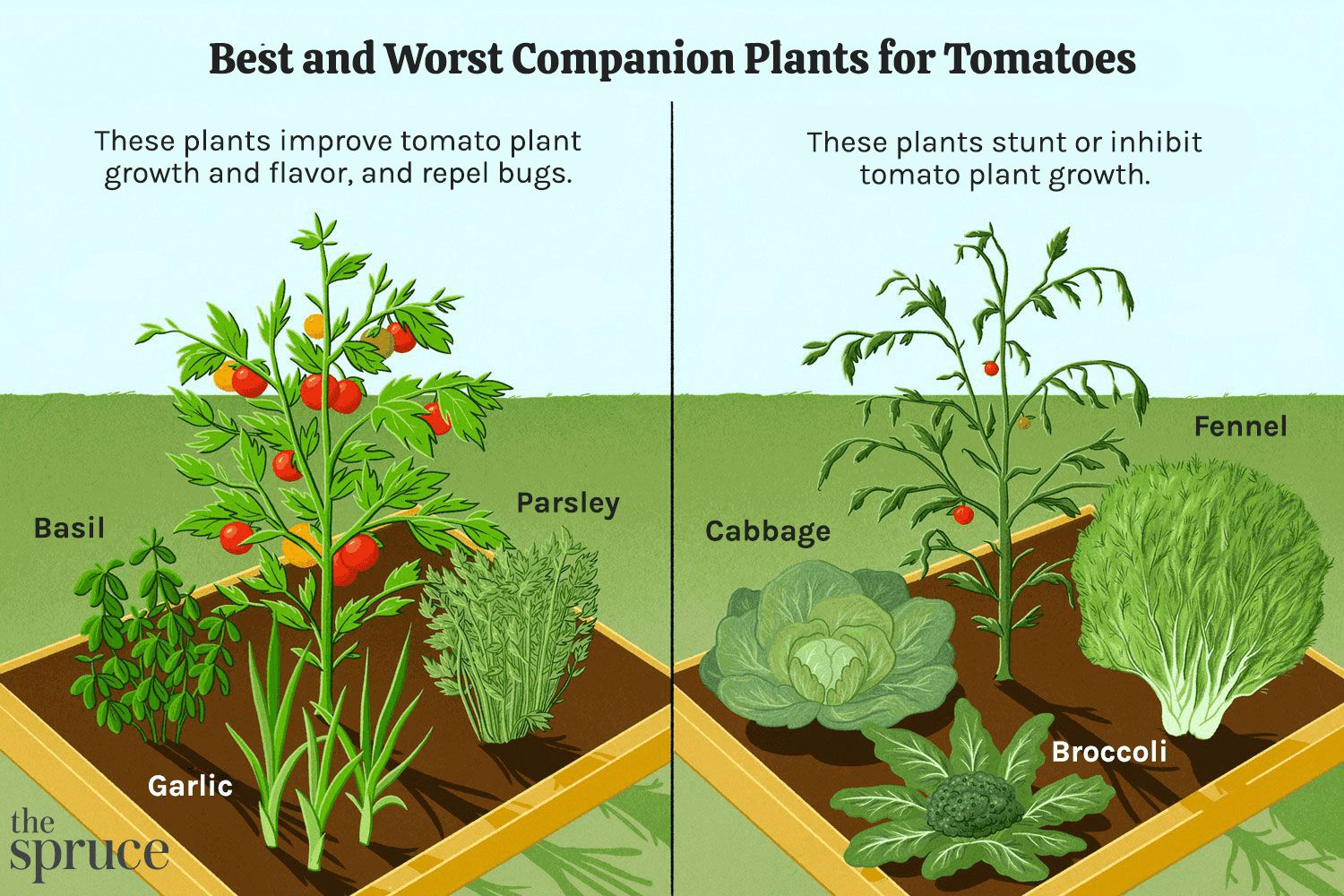
Understanding the Science of Plant Incompatibility
Knowing why certain plants fail together helps you avoid making the same mistakes repeatedly. Plant incompatibility stems from four main causes that each affect your garden differently.
Shared pest susceptibility means if a pest species loves plant A, and another pest species also loves plant A, growing two plants that attract the same pests nearby doubles pest concentration and damage. Tomatoes and potatoes exemplify this perfectly. Both attract the same major disease organisms and pests. Growing them together is like hanging a welcome sign for those organisms.
Disease vulnerability compounds when two plants susceptible to identical diseases share space. Soil-borne fungi and bacteria can establish strongholds if two suitable host plants are adjacent. Verticillium wilt devastates tomatoes and potatoes. Why give it two target plants in the same bed?
Nutrient competition occurs when two heavy-feeding plants compete for limited soil nutrients. Tomatoes are notorious nutrient hogs. Pairing them with other heavy feeders like brassicas means both plants suffer reduced growth and production.
Allelopathy, chemical inhibition, occurs when plant roots release compounds inhibiting neighboring plants. Fennel is famous for this behavior. It secretes compounds that suppress tomato growth. Walnut roots release juglone that essentially poisons soil for tomato growth.
Understanding these mechanisms helps you make better decisions about which plants to include in your tomato bed. You're not following arbitrary rules but working with plant biology and chemistry. This knowledge also helps you understand why something failed in a previous season and how to adjust future planting based on actual reasons rather than guessing.
Putting It Together: Designing Your Companion Planting Bed
Theory is helpful, but practical garden design determines your success. Start with tomatoes as the centerpiece. Determine their height and support structure, then plan other plants around them with specific positioning in mind.
In a typical tomato bed, place tall indeterminate varieties in the back where they cast afternoon shade, creating a microclimate for shade loving companions. Determinate varieties suit the center. This arrangement gives you visual layers: tall plants in back, medium in middle, low growing in front.
Place basil plants directly adjacent to tomato stems, spaced every 2 to 3 feet along the row. One basil plant per tomato works well. Let basil grow naturally without pruning too heavily; the more leaf surface for scent production, the more pest protection.
Marigolds border the bed edges. This positioning creates a protective perimeter while allowing easy harvesting of both the flowers for arrangements and the pest control benefits. Mass marigolds in groups of three to five for visual impact and maximum nematode control through concentrated root activity.
Plant garlic at bed edges where it can mature and be harvested without disturbing tomato roots. Place garlic every two to three feet along edges. Garlic matures mid-summer and is harvested before heavy tomato harvest, opening space if needed for additional plantings.
Carrots plant between tomato plants if bed space allows. The underground spacing prevents competition while carrots benefit from tomato shade. Plant carrot seeds in succession: early spring plantings harvest before tomatoes get large, late plantings harvest after tomatoes finish. This staggered approach gives you continuous carrot harvests.
Nasturtiums trail along bed edges, tumbling over the side if using raised beds. Their spreading growth and bright flowers create visual interest while trapping aphids. Nasturtiums spread naturally; plant just a few and let them expand.
Lettuce, spinach, and cilantro fill interior spaces where shade tolerates their growth. These cool-season crops grow strongest in spring and fall anyway, naturally rotating with tomato seasons.
Seasonal Timing: When to Plant Each Companion
Companion planting success depends partly on timing. Cold-hardy plants like garlic and onions plant in fall for spring growth before tomato season heats up. These plants are well established before tomatoes arrive, giving them time to develop strong root systems.
Cool-season companions like lettuce, spinach, and carrots plant early spring before tomatoes. These plants mature and are harvested before intense summer heat and before tomato plants reach full size. Late-season plantings of cool-crops plant in mid-summer for fall harvest after tomato season winds down when temperatures cool.
Warm-season companions like basil, nasturtium, and borage plant when danger of frost passes, exactly like tomatoes. Plant basil at the same time as transplanting tomatoes so both establish together and develop side by side.
Spring planting companions include carrots planted early spring for harvest before tomatoes dominate, onions and garlic planted in fall and established by spring, and lettuce and spinach planted early spring for quick harvests.
Summer planting companions include basil, nasturtium, borage, marigolds, and cilantro planted at the same time as tomato transplants.
Fall planting companions include carrots from late summer seeds for fall harvest, lettuce and spinach from late summer plantings for fall harvest, and garlic and onions planted in fall for spring growth.
Understanding seasonal rotation helps you maximize space and create an ecosystem in constant flux, never static, always productive through every season.
How Plantlyze Supports Your Companion Planting Success
As you design your companion planting bed and track which combinations work in your specific garden, monitoring individual plant health becomes increasingly valuable. Different plants in close proximity create complex relationships, and understanding how each plant responds to companion planting helps you refine your strategy over time. Plantlyze helps you identify pest damage early before it spreads, track plant growth patterns as you implement companions, and diagnose nutritional problems that might develop from soil interactions. Understanding your specific plants' responses to companion planting helps you refine your strategy season to season. Did basil truly reduce your aphid population? Are marigolds as effective in your climate as in other regions? How much did carrots actually compete with tomatoes in your specific bed? These observations gathered over years build personalized knowledge far more valuable than general guidelines.
Visit plantlyze.com to explore plant health monitoring and how understanding your plants' specific patterns improves your companion planting results.
Common Questions About Tomato Companion Planting
If I plant all these companions, won't they shade my tomatoes? Not if you layer them strategically. Low-growing companions near soil level like lettuce, spinach, and nasturtium don't shade tomatoes significantly. Taller companions like basil, reaching 2 feet, plant where afternoon shade is actually beneficial.
Can I grow companion plants in containers with tomatoes? Yes, in large containers. Use 20 to 25 gallon containers and plant basil companions at the container edge with tomato in center. Large pots offer enough volume for multiple plants to coexist.
What if I don't have space for all these companions? Prioritize basil and marigolds. These two provide the most benefit for space invested. Add others as space allows. Even just basil dramatically improves pest control.
Do companion plants actually reduce pests, or is it just tradition? University research confirms it. UMN Extension studies show basil and marigolds reduce thrip populations in tomatoes. Tradition has scientific backing.
Can I plant herbs like basil after tomatoes finish? Yes, but basil prefers warmth. In cool fall climates, basil struggles. Spring and summer plantings work better for basil success.
Your Companion Planting Success Checklist
Before planting season arrives, prepare thoroughly using this checklist to guide your planning and ensure nothing gets overlooked. Identify your garden space dimensions and sunlight patterns across the day. Choose tomato varieties understanding whether determinate or indeterminate affects spacing and layering options. Select your essential five companions: basil, marigolds, garlic, carrots, and nasturtiums. Plan additional companions based on available space and interest level. Identify plants to avoid growing near your tomato bed and plan separate locations for them. Design your bed layout on paper before planting season, sketching where each companion goes. Determine planting timeline accounting for spring cool-season crops, then summer warm-season crops. Gather seeds or starter plants for all chosen companions. Prepare soil with compost before planting season. Create visual markers or labels for planned positions so you remember your design. Plan watering system accounting for multiple plants with different water needs. Note companion harvest timings: early lettuce harvest before tomatoes, mid-summer garlic harvest, continuous basil harvest.
Creating Your Natural Tomato Ecosystem
Companion planting is proven strategy for managing pests naturally, improving soil health, and maximizing garden space. Combining multiple companions creates a resilient ecosystem more resistant to pest outbreaks. Success comes from starting simple with the essential five, then adding others as experience builds. Your specific garden will develop unique patterns. What works perfectly in one climate might underperform in another. Observation and adaptation matter more than perfect adherence to general rules.
This learning process unfolds over multiple seasons. Your first year teaches you basics. Your second year refines your approach. By year three, you're designing custom combinations specific to your garden's unique conditions and challenges. This personalized knowledge becomes far more valuable than generic guidelines.
Successful companion planting combines knowledge of which plants work together with observing how they actually perform in your specific garden. Tracking plant health, pest populations, and growth patterns over seasons helps you build increasingly effective companion plantings. Plantlyze's plant identification and health diagnosis tools help you monitor companion relationships and adjust as needed based on actual observations rather than assumptions. Visit plantlyze.com to learn how plant monitoring and health tracking support your companion planting success and help you develop the personalized knowledge that makes your garden thrive uniquely.
Your tomato garden becomes a thriving ecosystem where plants protect each other, pests are naturally managed, and you harvest more than just tomatoes. You harvest basil, garlic, carrots, lettuce, and edible nasturtium flowers. Your garden produces more food from less space and less chemical input. This is the power of companion planting done well.
References
1. University of Minnesota Extension
https://extension.umn.edu/planting-and-growing-guides/companion-planting-home-gardens
2. Southern Living (Editorial Standards)
https://www.southernliving.com/what-not-to-plant-with-tomatoes-11763224
3. Fruition Seeds (Research-Based)
https://www.fruitionseeds.com/learn/blog/fruitions-guide-to-companion-planting/
4. Martha Stewart (Educational Standards)
https://www.marthastewart.com/what-not-to-plant-next-to-tomatoes-11759860
5. Connect Extension (University Partnership)
https://connect.extension.org/fileSendAction/fcType/0/fcOid/533452520226457483/filePointer/534156463535726107/fodoid/534156463535726107