You care about your garden and you have given your eggplants plenty of attention. Then one day you walk outside and notice white powder on the leaves or dark sunken spots on the fruit. The plants start to wilt even though the soil is moist. It feels frustrating and a bit confusing.
Eggplant diseases are a common problem for home gardeners and small farmers. Fungal, bacterial and soil borne pathogens can easily reduce yield and ruin a promising harvest. The good news is that most of these problems are manageable once you know what to look for and how to respond early.
This guide walks through the main eggplant diseases, what their symptoms look like in real life, and practical steps you can take to prevent and treat them. Along the way you will see simple routines you can add to your weekly garden checks so that small issues never become big disasters. If you ever feel uncertain about what you are seeing on your plants you can also use an AI powered diagnosis assistant such as Plantlyze to help you identify diseases from clear photos and get tailored suggestions.
Main Eggplant Diseases and Their Symptoms
Eggplant belongs to the same family as tomato and pepper. That means it faces many of the same disease pressures. Below are the main problems you are likely to meet in the garden and how to recognize them.
Powdery Mildew
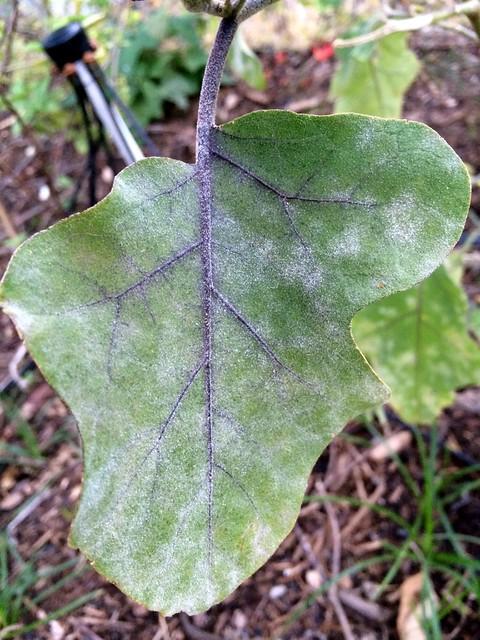
Powdery mildew is one of the easiest diseases to spot because the name describes the look very well.
Typical Symptoms
White or gray powder on the upper surface of leaves
Coating may spread over stems and petioles
Leaves often curl, yellow and dry out over time
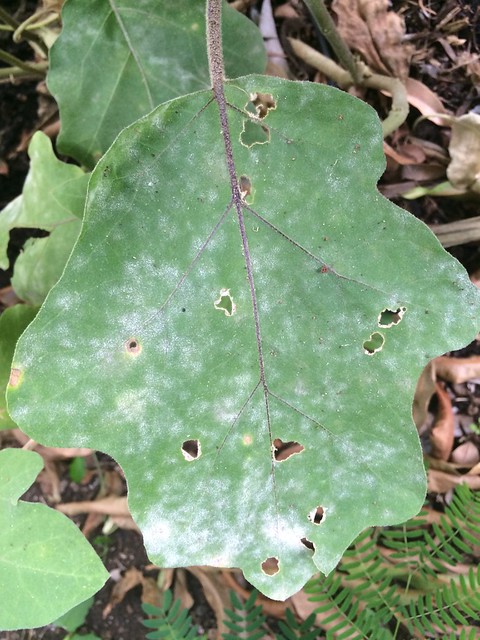
This disease likes warm days and cooler nights with high humidity and poor air flow. It often shows up in crowded beds and in greenhouses with little ventilation.
Prevention Tips
Give eggplants enough space so air can move between plants. Prune a few lower leaves to open up the center of the plant. Water at the base instead of over the top of the leaves. Try to water in the morning so foliage dries quickly.
Treatment Options
When powdery mildew appears early you can still limit damage. Remove badly affected leaves and dispose of them in the trash. Many gardeners use sulfur based products, potassium bicarbonate or neem oil sprays at regular intervals. Always read labels and follow local regulations before using any product.
Anthracnose
Anthracnose is a fungal disease that attacks fruit and sometimes leaves. It is often noticed close to harvest when fruit starts to develop spots.
Typical Symptoms
Small sunken dark spots on fruit that enlarge
Spots may show concentric rings
In humid conditions a salmon or pink colored mass of spores appears in the center

Anthracnose thrives in warm wet weather. Fungal spores spread with splashing rain, overhead irrigation and on hands or tools.
Prevention Tips
Start with clean healthy seed and transplants. Aim for drip irrigation or careful hand watering at the base of plants. Avoid overhead watering on warm evenings. Rotate eggplants with non related crops for at least three seasons to reduce spores in the soil. Remove and destroy infected fruit as soon as you see it.
Treatment Options
When weather favors disease and fruit infection is severe, fungicide programs may be recommended by local extension specialists. Many growers rely on a combination of sanitation, rotation and protective sprays applied before heavy rain periods.
Verticillium Wilt
Verticillium wilt is a serious soil borne disease. Once it is established in a field or garden bed it can persist for many years.
Typical Symptoms
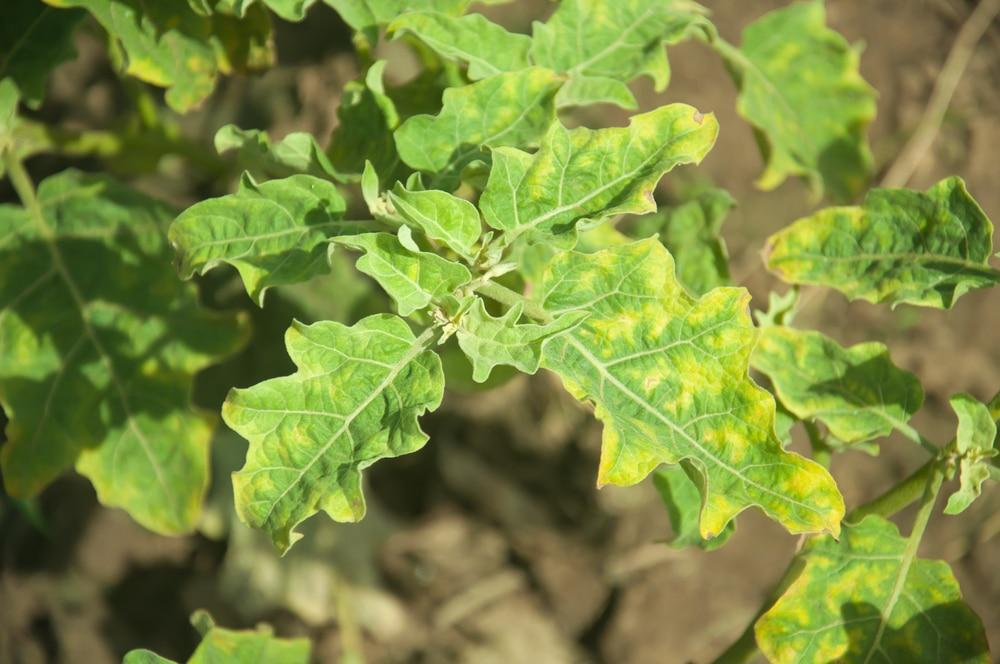
Lower leaves show V shaped yellow areas that start at the edges
Wilting during the day even when soil is moist
Brown discoloration in the vascular tissue when you cut the stem
The fungus lives in soil and enters through roots. Stress from drought or heavy fruit load makes symptoms worse.
Prevention Tips
The main defense is rotation. Avoid planting eggplant and other nightshade crops in the same soil for at least four years when wilt is present. Maintain healthy soil with good organic matter and do not overwater. Clean stakes and tools so you do not move contaminated soil around the garden.
Treatment Options
There is no cure once plants are infected. Remove and discard wilted plants and as much root system as possible. Do not compost these plants. In small plots some growers use soil solarization during hot months to reduce pathogen levels near the surface. Choosing tolerant varieties and grafted plants onto resistant rootstock can also help in commercial systems.
Early Blight
Early blight caused by Alternaria species is common wherever conditions are warm and humid. It usually shows up on lower leaves first.
Typical Symptoms
Brown spots on the oldest leaves
Spots develop concentric ring patterns that look like a target
Leaves turn yellow and drop, starting from the bottom of the plant
Spores survive in plant debris and on volunteer plants. They are spread by rain splashes and wind.
Prevention Tips
Keep eggplants well spaced. Prune lower leaves that touch the soil. Mulch the soil surface so spores do not splash up. Avoid overhead irrigation if you can. At the end of the season remove all crop residue.
Treatment Options
Remove infected leaves as soon as you notice them. In regions with heavy disease pressure growers often apply protective fungicides on a regular schedule once conditions become favorable. Combining these sprays with good cultural practices gives the best results.
Phytophthora Blight
Phytophthora blight is a water mold disease that can cause sudden collapse of plants. It thrives in saturated soils and low lying areas.
Typical Symptoms
Dark water soaked lesions on stems near the soil line
Rapid wilting of the entire plant
Fruit with brown water soaked spots that may cover large areas
This disease is often linked with poor drainage and prolonged standing water. It also spreads with contaminated irrigation water.
Prevention Tips
Choose well drained beds and raised rows when growing eggplants. Avoid planting where water collects after heavy rain. Use drip lines instead of furrow flooding. Rotate fields and do not reuse soil from infected containers.
Treatment Options
Once Phytophthora is active, plant loss can be severe. Remove and destroy affected plants and improve drainage immediately. In some systems soil applied fungicides or drenches are used as part of an integrated program guided by local experts.
Bacterial Wilt
Bacterial wilt causes sudden and dramatic wilting even though roots may appear intact. It is especially serious in warm climates.
Typical Symptoms
Sudden wilting of leaves and stems during the day
No clear root rot in early stages
Brown streaks in stem when cut
When the cut end of a stem is placed in water, milky strands of bacteria may ooze out
The bacteria live in soil and can be spread by water, tools and insect vectors. It survives for long periods without host plants.
Prevention Tips
Use certified disease free transplants and seed. Rotate away from nightshade crops for at least three years if wilt is present. Promote good drainage and avoid working in beds when soil is very wet. Disinfect stakes, knives and pruning tools.
Treatment Options
There is no direct chemical cure. Plants that show wilt should be removed as soon as possible along with surrounding soil. In areas where bacterial wilt is common, resistant varieties and grafted plants are sometimes the best long term solution.
Fruit Rots and Blossom End Rot
Several fungi can rot eggplant fruit, especially under very humid conditions. Another common problem is blossom end rot which is linked to calcium imbalance and irregular watering rather than an infection.
Typical Symptoms of Fruit Rots
Soft watery spots on fruit surface
Spots enlarge and may be covered with mold growth
Fruit becomes unmarketable very quickly
Typical Symptoms of Blossom End Rot
Dark sunken area at the blossom end of the fruit
Tissue becomes leathery and dry
Often appears on the earliest fruit set
Prevention Tips
Keep soil moisture consistent through mulching and regular irrigation. Avoid wide swings between very dry and very wet conditions. Test soil and ensure adequate calcium. Remove affected fruit promptly so it does not become a source of secondary rot fungi.
Treatment Options
For blossom end rot the main correction is cultural. Improve watering practices and, if needed, apply calcium in line with soil test results. For fungal rots focus on sanitation, good air movement and harvest timing. Post harvest handling also matters because fruit injured during picking or transport rots more easily.
Prevention as Your Main Defense
While each disease has its own behavior, almost all of them exploit the same weak points in a growing system. Focusing on prevention gives the biggest return on effort.
Crop Rotation and Sanitation
Try not to plant eggplant, tomato, pepper or potato in the same spot year after year. A simple rotation with grains, legumes or leafy vegetables breaks many disease cycles. After harvest remove crop residues and volunteer plants so pathogens have fewer places to survive until next season. Clean stakes and cages before storing them.
Water Management
Wet leaves for long periods are a perfect environment for many fungi. Drip irrigation or careful hand watering at soil level keeps foliage dry. Watering early in the day allows any splashes to dry before night. In containers and raised beds check drainage holes so water does not pool around roots.
Plant Spacing and Airflow
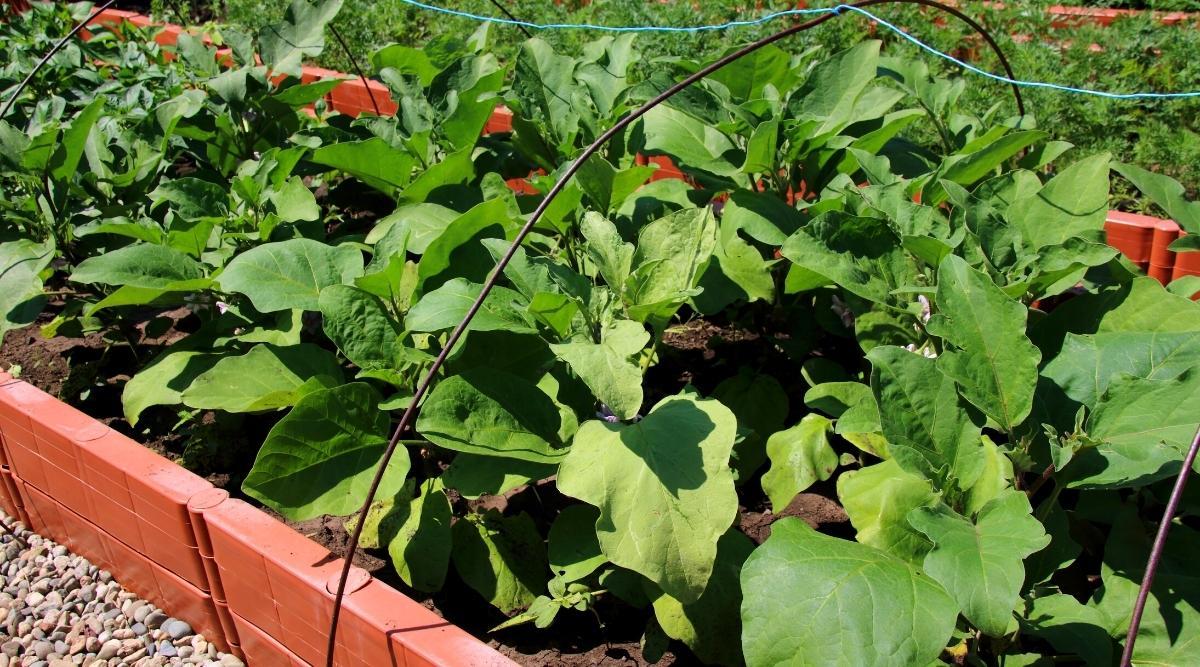
Crowded plants trap humidity and shade lower leaves. Follow spacing guidelines on seed packets or from local extension services. In many gardens eggplants do well with roughly 18 inches between plants in the row and more between rows. Light pruning of dense foliage improves airflow and makes inspection easier.
Soil Health and Fertility
Healthy soil supports vigorous plants that can better tolerate stress and minor infection. Add compost or well rotted organic matter. Avoid excessive nitrogen which can produce very lush foliage that is more prone to disease. Regular soil tests help you fine tune nutrient levels and pH for your region.
Disease Resistant Varieties
When possible choose varieties that show resistance or tolerance to common local diseases. Seed catalogs and extension bulletins often list these traits. While resistance does not mean complete immunity it can make the difference between a partial loss and a complete failure in a difficult season.
Monitoring and Early Detection
Early detection is often the dividing line between minor damage and major loss. A simple weekly routine can protect much of your crop.
Walk through your eggplant rows at least once a week. Look at the top and underside of leaves, check stems and inspect fruit closely. Pay attention to any new spots, color changes or wilting. Take note of patterns such as all symptoms starting on lower leaves or on fruit near the soil.
When something looks unusual, take a few clear photos in good light. You can compare them with disease guides or university extension pictures. If you prefer a faster digital helper, you can upload these photos to Plantlyze at plantlyze.com. The AI system compares your images with a large library of plant disease cases and suggests likely matches and management options. This is especially helpful when several diseases have similar symptoms.
At the first sign of a serious problem, separate affected plants from healthy ones as much as you can. Remove severely diseased leaves or fruit. Clean tools after cutting diseased tissue. Quick action keeps inoculum levels lower in the garden.
Treatment Options
When prevention and monitoring show that disease is present you still have several tools to protect the rest of your crop.
Biological and Organic Methods
Many growers prefer to start with organic and biological approaches. Products containing beneficial fungi such as Trichoderma are used as seed treatments or soil drenches to compete with root pathogens. Neem based products can suppress some leaf diseases when applied preventively. Sulfur and copper based fungicides have long histories of use in vegetable disease management, although labels and local regulations should always be respected.
Timing matters. Most organic fungicides work best as protectants rather than cures. That means they should be present on leaves before spores arrive in large numbers. Regular reapplication after rain or heavy dew is often required.
Cultural Treatments
Cultural methods are those that change the environment of the plant. They include removal of infected leaves and plants, adjustment of irrigation schedules, pruning for airflow and sometimes staking or trellising to keep fruit off the ground.
If a plant is badly infected with a soil borne disease such as bacterial wilt or Verticillium it is usually better to remove it completely rather than let it act as a source of inoculum. For foliar diseases selective removal of the worst leaves combined with improved watering and spacing can slow progression enough to save much of the harvest.
Chemical Fungicides
In commercial production or in regions with very heavy disease pressure, conventional fungicides may be part of an integrated program. These products can provide strong protection when used correctly.
If you decide to consider chemical options, always consult local extension recommendations for your area. Choose products labeled for eggplant and for the specific disease you are targeting. Follow all safety instructions, pre harvest intervals and mixing guidelines. Combining chemical control with good rotation, sanitation and resistant varieties makes resistance development less likely.
Bringing It All Together
Managing eggplant diseases is not about eliminating every microbe from your soil and leaves. It is about creating conditions where your plants are strong and pathogens struggle to gain a foothold. Spacing, clean watering, rotation and healthy soil form the base of that strategy.
When you recognize the classic signs of problems such as powdery mildew, early blight, wilt or fruit rots you can act quickly with pruning, sanitation and, if needed, carefully chosen treatments. Even experienced growers lose a plant now and then. That is part of learning how your local climate and soil behave.
If you are facing a confusing set of symptoms or want a second opinion, consider using digital tools that extend your own observation skills. Plantlyze at plantlyze.com is an AI powered plant care assistant that analyzes photos of your eggplants and other crops. It helps you match symptoms with likely diseases and suggest next steps so you can treat problems early.
With a bit of knowledge and a regular habit of walking your rows, you can keep your eggplants productive and healthy season after season.
References
University of Florida IFAS Extension
https://edis.ifas.ufl.edu/publication/PG047Clemson University Home and Garden Information Center (HGIC)
https://hgic.clemson.edu/factsheet/eggplant-insect-pests-diseases/UC Davis Integrated Pest Management Program
https://ipm.ucanr.edu/agriculture/eggplant/New England Vegetable Management Guide
https://nevegetable.org/crops/eggplant/disease-controlTNAU Agritech Portal (Tamil Nadu Agricultural University)
https://agritech.tnau.ac.in/crop_protection/crop_prot_crop%20diseases_veg_brinjal.html