You've been tending your spinach bed carefully, watering regularly and providing good growing conditions. Then one morning you notice it: some of your vibrant green leaves are starting to turn yellow. What went wrong? Is your spinach dying? Should you pull it out? Yellow spinach leaves rarely mean your crop is lost, but they do signal something needs attention immediately.
The good news is that spinach yellowing has multiple causes, most of which are fixable with the right diagnosis and response. Understanding what triggers those color changes empowers you to take swift action and restore your spinach to vigorous health. In many cases, the problem catches very early stages when intervention is easiest and most effective.
This guide walks you through the most common causes of spinach yellowing, how to identify which problem you're facing, and proven solutions that work whether you're growing in raised beds, containers, or traditional garden soil.
Understanding Spinach Chlorosis and Yellowing
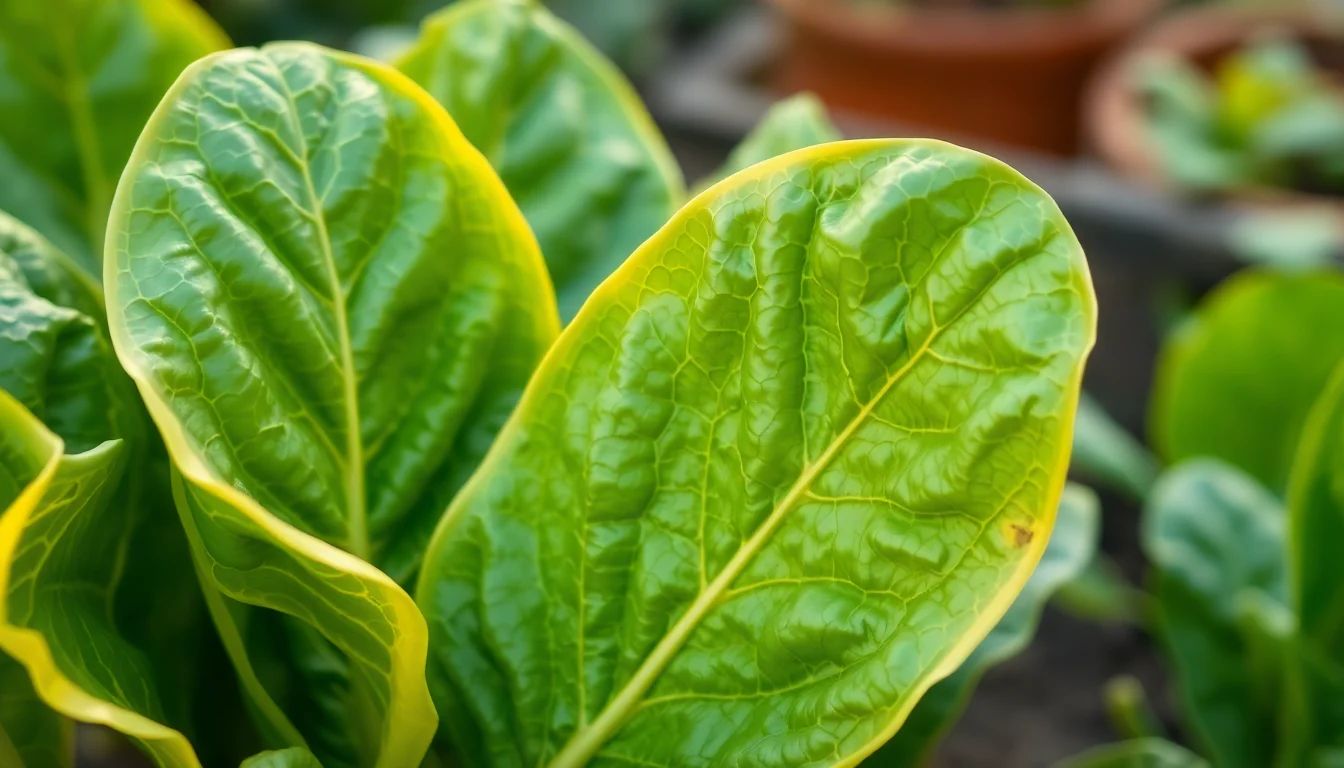
Chlorosis is the official plant science term for what you're seeing: yellowing of leaf tissue due to reduced chlorophyll production. Chlorophyll is the green pigment that allows plants to convert sunlight into energy through photosynthesis. When chlorophyll decreases, yellow becomes visible underneath.
Spinach is even more than most vegetable crops intolerant of any environmental or nutritional stress so we see yellowing of plant tissues earlier in spinach than in most other vegetables. This sensitivity is in fact your ally, because it’s an early warning system you have that something off-kilter needs to be set right. When that spinach leaf goes from green to yellow, it’s your plant signaling that something has changed and the environment is no longer perfect.
Early yellowing typically starts on older, lower leaves and progresses upward as the problem intensifies. This progression pattern actually tells you something important about what's wrong. Understanding this timing helps you distinguish between different causes and respond accordingly.
The urgency of response depends on the severity and cause. Minor nutrient deficiencies may slow growth but won't kill your crop. Certain diseases, however, can spread rapidly through your spinach bed in just a few days during favorable conditions. The faster you diagnose and respond, the better your chances of preserving your harvest.
Nitrogen Deficiency: The Most Common Culprit
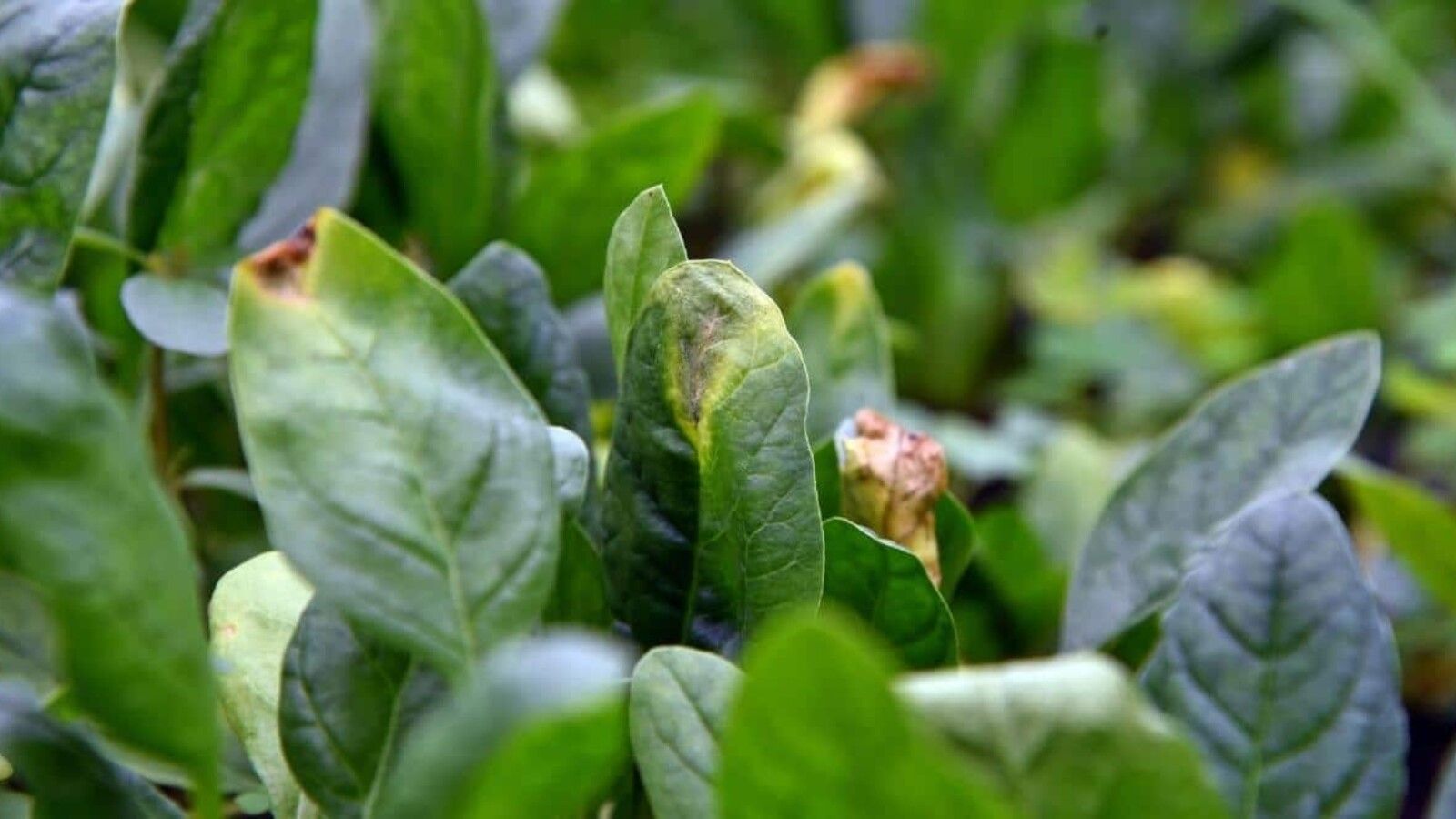
If you're looking for a single most likely cause of spinach yellowing, nitrogen deficiency is your prime suspect. Nitrogen is absolutely fundamental to chlorophyll production and protein synthesis in plants. Without sufficient nitrogen, leaves simply cannot maintain their green color.
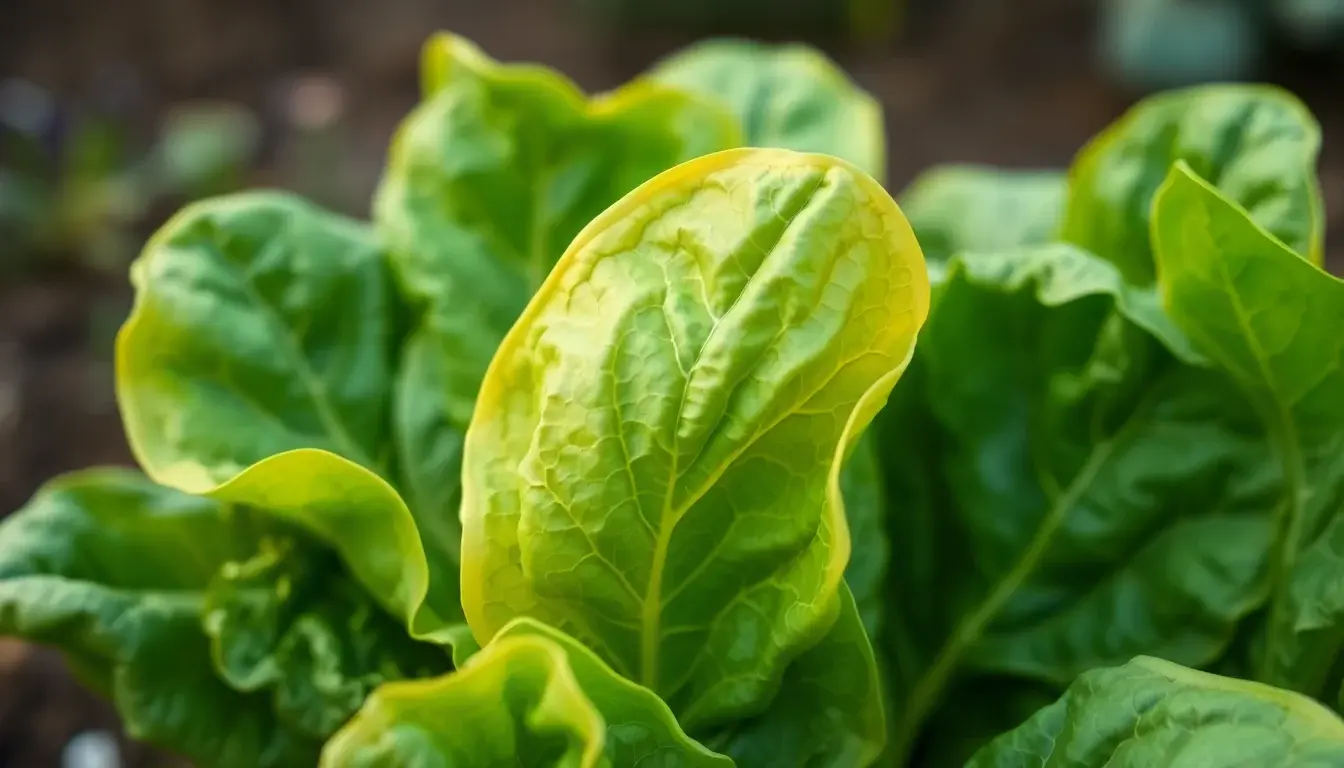
Nitrogen deficiency yellowing typically starts on the oldest, lowest leaves and works its way upward as the plant struggles. The entire leaf develops a pale yellow or light green color, not the interveinal pattern you see with some other deficiencies. The older leaves may eventually look almost white before dropping off.
This is because spinach reallocates nitrogen from the older leaves to the younger growth when nitrogen is lacking. The plant prioritizes new leaf growth over the maintenance of older foliage. Essentially, it sacrifices the bottom leaves to keep growing. This survival strategy gives a window period for adding nitrogen before it totally ceases production.
Nitrogen deficiency often emerges early in the growing season, particularly if you planted into soil without sufficient nitrogen from prior organic matter additions or pre-applied fertilizer. Spring weather also impacts nitrogen availability because soil microbes work slowly in cool temperatures, releasing less nitrogen from organic matter.
Fixing nitrogen deficiency is straightforward. Apply a fertilizer that is balanced but emphasized more on nitrogen. ten five five or twelve four four will do just fine. For the organic growers, compost tea fish emulsion or blood meal will work just great. Do not over apply follow recommended application rates to avoid other problems due to over fertilization typically one to two weeks after the right nitrogen application you will see new leaves improve in their color.
Iron Deficiency and Interveinal Chlorosis
While nitrogen deficiency causes uniform yellowing across the leaf, iron deficiency looks distinctly different. In iron deficiency, the veins of the leaf remain green while the tissue between the veins turns yellow. This pattern is called interveinal chlorosis, and it's instantly recognizable once you know what to look for.
Iron deficiency typically appears on younger, newer leaves rather than older foliage. The yellowing starts at the leaf edges and works inward, often with a somewhat speckled appearance. Affected plants often show stunted growth because they're struggling to photosynthesize effectively.
The frustrating part about iron deficiency is that it usually isn't caused by low iron in the soil. Instead, it results from your soil pH being too alkaline, making soil iron unavailable for plant roots to absorb. Spinach thrives in slightly acidic soil with pH between 6.0 and 7.0. When soil pH climbs above 7.0, iron becomes chemically locked up in forms that plant roots cannot utilize, even though iron is physically present in the soil.
This explains why iron deficiency often appears in gardens with heavily composted or amended soils that may have drifted toward neutral or alkaline pH over time. It also explains why the symptom can appear suddenly: perhaps a soil amendment shifted your pH, restricting iron availability.
Fixing iron deficiency requires a two-pronged approach. Immediately, you can apply iron chelate fertilizer through foliar sprays or soil application, which provides available iron directly to plants. Simultaneously, address the underlying pH problem by testing your soil and, if needed, applying sulfur or other acidifying amendments to lower pH back into the optimal 6.0 to 7.0 range. This prevents iron deficiency from recurring in future seasons.
Other Critical Nutrient Deficiencies
Beyond nitrogen and iron, several other nutrient deficiencies can cause spinach yellowing, each with recognizable patterns.
Magnesium deficiency causes yellowing that appears as speckles or scattered yellow patches on older leaves, with veins remaining green similar to iron deficiency. This happens because magnesium is essential for chlorophyll production. You can address magnesium deficiency quickly by applying Epsom salt (magnesium sulfate) at rates of about one tablespoon per gallon of water, applied to soil or as a foliar spray.
Boron deficiency leads to yellowing combined with stunted growth and potentially twisted foliage. This is less common in spinach than other crops, but it does occur in boron-poor soils. If boron deficiency is confirmed through soil testing, small amounts of boron fertilizer applied carefully will correct it.
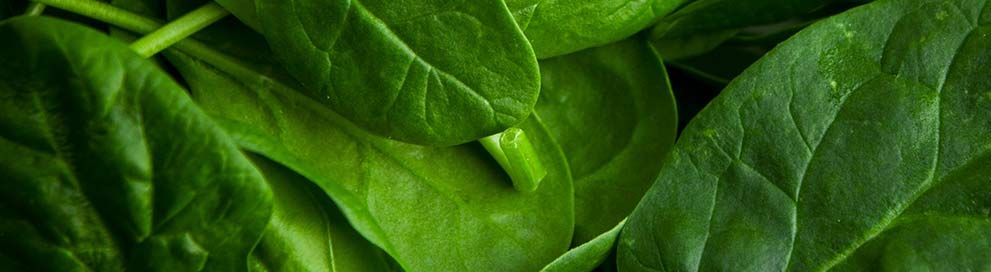
Sulfur deficiency causes pale yellow coloring on newer leaves while older foliage remains green. This is uncommon in most regions because sulfur is present in the atmosphere and enters soil naturally through rainfall. When it does occur, applying a sulfur-containing fertilizer or elemental sulfur solves the problem.
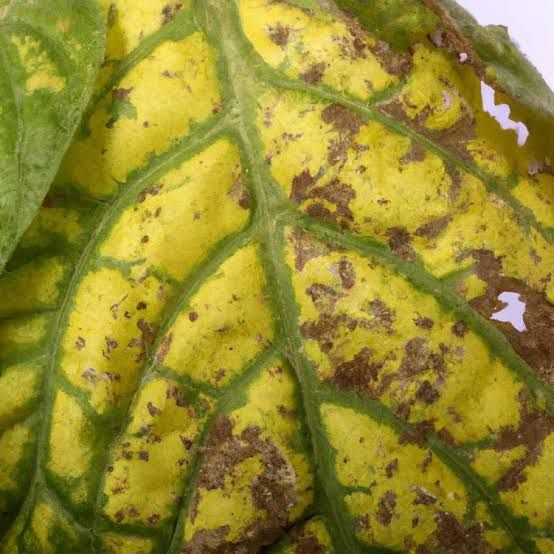
Manganese deficiency creates an interveinal pattern on younger leaves with a somewhat speckled appearance, different from iron deficiency's solid yellowing between veins. This is relatively rare in spinach but does occasionally occur.
In many cases, multiple nutrient deficiencies occur together, particularly in severely depleted soils. This is why applying a complete balanced fertilizer with all macronutrients and micronutrients can sometimes address yellowing even when you're uncertain about the specific deficiency. A good quality spinach fertilizer contains nitrogen, phosphorus, potassium, iron, magnesium, manganese, zinc, boron, and copper in balanced proportions.
Watering Problems and Root Health
Improper watering is second only to nutrient deficiency as a cause of spinach yellowing. The tricky part is that both overwatering and underwatering can cause yellowing, though the underlying problems differ.
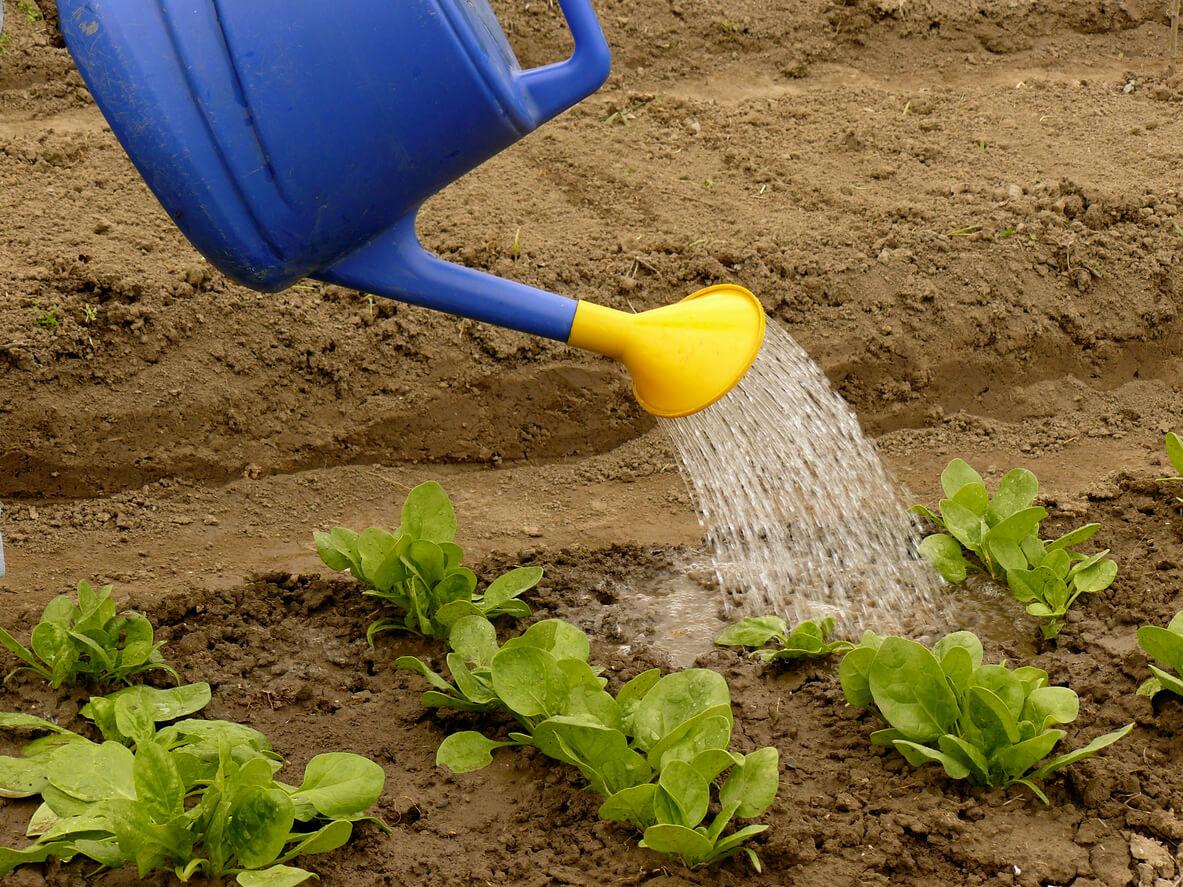
Overwatering creates waterlogged soil conditions where roots cannot access oxygen. The roots need oxygen. In the absence of oxygen, the cells die and rot sets in. Once the roots are damaged, no matter how abundantly water is supplied to the plant, it cannot uptake nutrients or even water itself effectively- thus yellow leaves with wilting appear above wet soil; a frustrating situation that baffles most gardeners because it seems as if all conditions have been met.
The yellowing due to overwatering can appear in all leaves at once instead of starting from the older foliage. The soil may have a foul smell because of anaerobic (oxygen-free) decomposition taking place. If you suspect that it is overwatering, improve drainage immediately by adding organic matter to increase soil structure and aeration. Reduce watering frequency significantly and allow soil to partially dry between waterings.
Underwatering stresses spinach plants because they require consistent moisture. When soil becomes too dry, plants wilt and cannot move nutrients effectively within their tissues. This causes yellowing, though usually accompanied by obvious wilting. Spinach leaves may also develop papery, thin texture when severely underwatered.
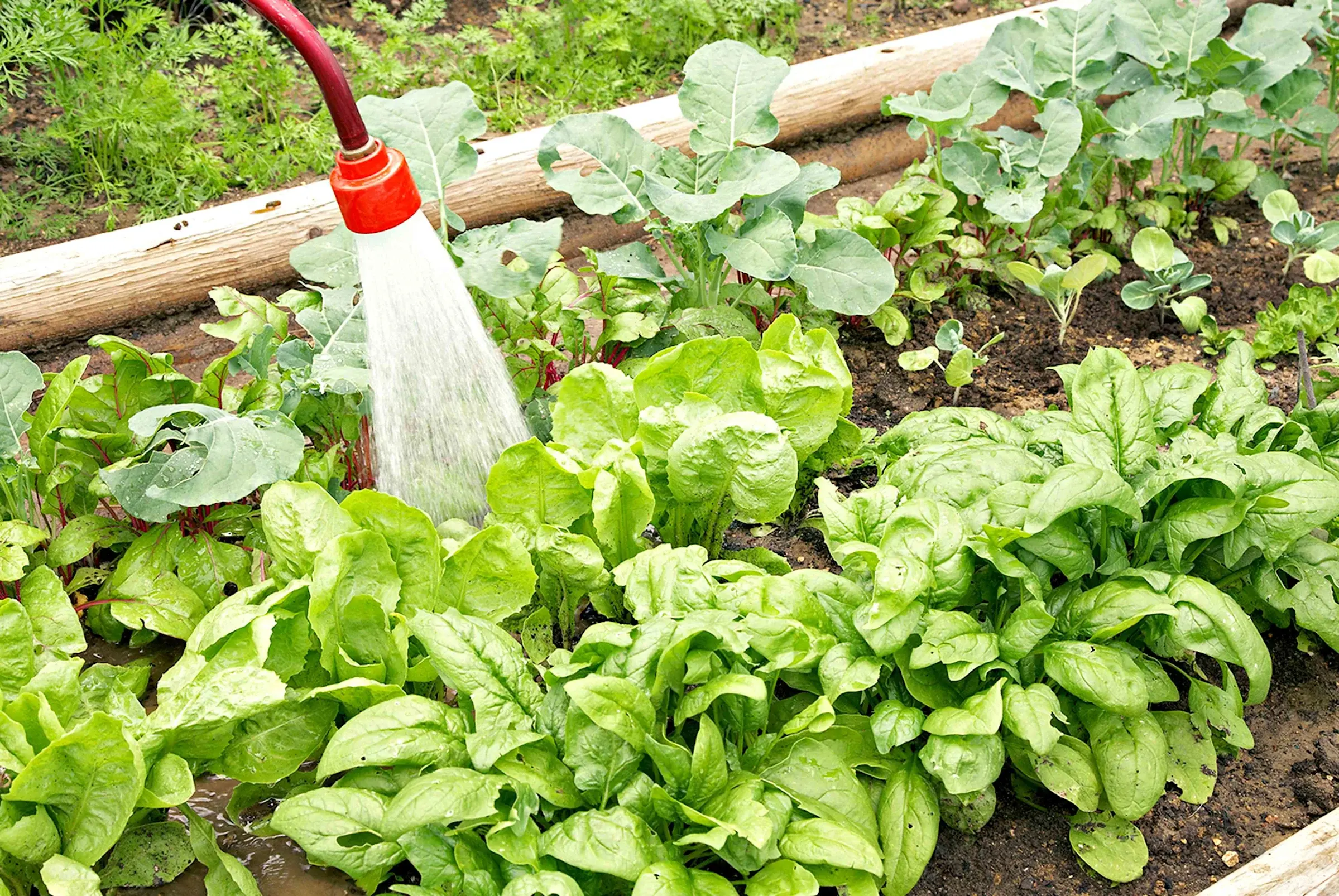
Spinach prefers consistently moist soil, roughly at moisture level where soil squeezes together slightly but doesn't compress into a solid ball. Water deeply once every few days during dry periods rather than daily light watering. Mulch around plants to help soil retain moisture and moderate temperature fluctuations.
Soil pH and Drainage Solutions
Beyond individual nutrient issues, soil pH is a master control that affects overall nutrient availability. Spinach performs best when soil pH is between 6.0 and 7.0. Within this range, most nutrients become available to plant roots. Outside this range, nutrient lock-up occurs regardless of whether nutrients are physically present.
Alkaline soils (pH above 7.0) commonly cause iron, manganese, and zinc unavailability, leading to various yellowing patterns. Acidic soils (below 6.0) can lock up phosphorus and calcium. Testing your soil pH before planting prevents these problems entirely.
If soil testing reveals that pH is too alkaline, incorporate sulfur, peat moss, or acidifying fertilizers to lower it. These amendments work gradually, so plan ahead if possible. If soil is too acidic, adding lime raises pH slowly over time.
Drainage ties directly to both nutrient availability and root health. Poorly drained soil stays waterlogged and anaerobic, creating both oxygen deprivation and conditions favoring disease. Spinach in heavy clay soils often shows yellowing even with correct nutrient application because drainage is compromised.
Improve drainage by incorporating 2 to 3 inches of compost into the top 8 to 10 inches of soil. Add organic matter annually to maintain good soil structure. For container growing, use a quality potting mix designed for good drainage rather than garden soil, which compacts and drains poorly in containers.
Disease and Pest-Related Yellowing
Several diseases and pests cause spinach yellowing that mimics nutrient deficiency, making diagnosis tricky without careful observation.
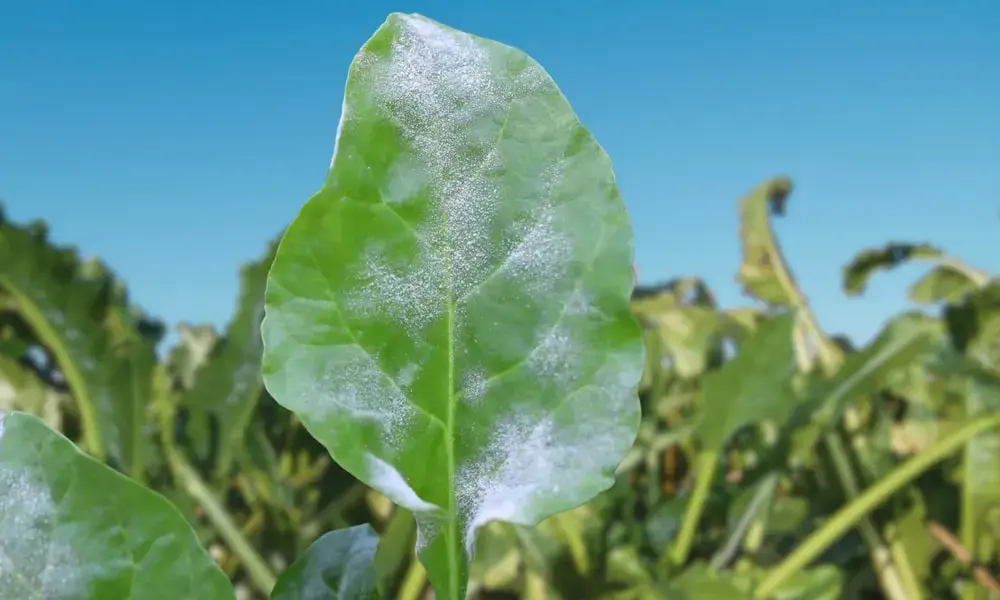
Downy mildew causes yellowish areas on the upper leaf surface with gray to violet fungal growth on the undersides. This fungal disease thrives in cool, moist conditions. Affected leaves develop a characteristic appearance different from nutrient deficiency. Prevent downy mildew through proper spacing for air circulation, avoiding overhead watering that wets leaves, and using resistant varieties when available.
Fusarium wilt causes yellowing of older leaves first with interveinal chlorosis and potential wilting. This soilborne fungus is difficult to treat once established. Prevention through crop rotation, using wilt-free seed, and avoiding contaminated soil is essential.
Virus diseases including cucumber mosaic virus and beet western yellows virus cause distinctive yellowing patterns. Cucumber mosaic appears as slight yellowing of younger leaves, often with puckering or rolling of leaf margins. Beet western yellows causes interveinal chlorosis on older leaves that intensifies over time. Virus-infected plants typically cannot be saved, so removal and destruction prevent spread to other plants.
Pests like aphids and spider mites pierce leaves and feed on plant sap, disrupting nutrient and water transport. This causes yellowing and stippled appearance. Control pests with insecticidal soap, neem oil, or horticultural oils. Encourage natural predators like ladybugs and parasitic wasps.
Distinguishing disease-related yellowing from nutrient deficiency requires examining the entire plant. Nutrient deficiencies usually follow consistent patterns and affect leaves symmetrically. Diseases often create irregular patterns, spotting, lesions, or unusual textures. When you're uncertain, removing affected leaves and observing whether remaining foliage remains healthy helps clarify whether the problem is systemic disease or isolated nutrient stress.
Temperature Stress and Environmental Factors
Spinach is a cool season crop that thrives in temperatures between 50 and 70 degrees Fahrenheit. Outside this range, stress develops and yellowing may appear.
Heat stress during summer or in hot climates causes spinach to bolt (flower prematurely) or develop yellowing as the plant struggles to manage water balance. Provide shade cloth during the hottest parts of summer, typically 30 to 50 percent shade depending on your climate. Ensure consistent moisture because heat stress is exacerbated by drought conditions.
Cold stress when temperatures drop below 40 degrees Fahrenheit can stunt growth and cause yellowing, particularly in young plants. Young seedlings are more sensitive than established plants. Start spinach at the right time for your climate, allowing plants to establish before extreme temperatures arrive.
Light requirements affect spinach yellowing indirectly. Spinach needs at least 3 to 4 hours of direct sunlight daily but prefers cooler growing conditions. In hot climates, partial shade (afternoon shade specifically) actually improves growth. In cool climates, full sun maximizes photosynthesis. Insufficient light combined with other stresses makes yellowing worse.
Humidity and moisture interact with disease pressure and nutrient availability. High humidity without good air circulation promotes fungal diseases that cause yellowing. Ensure adequate spacing between plants for air movement. Keep mulch pulled back from plant stems to prevent moisture retention that encourages fungal growth.
Using Plantlyze to Diagnose Your Spinach Yellow Leaves
When you're facing yellowing spinach, quick accurate diagnosis accelerates your response and success rate. The Plantlyze AI powered plant care diagnosis tool streamlines this process by analyzing images of your affected plants.
Simply upload clear photos of yellowing leaves, ideally showing both the upper and lower leaf surfaces plus overall plant appearance. The platform's AI analyzes leaf color patterns, spotting, texture, and growth patterns to identify whether you're facing nutrient deficiency, disease, pest damage, or environmental stress.
This diagnostic capability saves precious time that would otherwise go to guesswork. Rather than applying nitrogen fertilizer to an iron deficiency problem, or treating a fungal disease as a watering issue, Plantlyze's analysis points you toward the correct solution immediately.
Early detection through regular Plantlyze monitoring means you catch yellowing problems while they're still minor and easily reversed. Upload photos weekly during the growing season if you're in a region with disease pressure or other spinach challenges. The tool's feedback helps you adjust watering, feeding, spacing, or other management practices before minor issues become major crop losses.
Visit Plantlyze.com to access this comprehensive plant health monitoring tool and explore additional resources for managing spinach health throughout the growing season.
Preventing Yellow Leaves Before They Start
The best cure for spinach yellowing is preventing it entirely through thoughtful soil preparation and consistent management.
Start with soil testing before planting. Know your soil pH, nutrient levels, and organic matter content. Amend based on test results before planting rather than scrambling to fix problems later. Add 2 to 3 inches of quality compost into your spinach beds annually to maintain soil fertility and structure.
Provide consistent moisture through mulching and regular watering. Mulch conserves moisture, moderates soil temperature, and suppresses weeds that compete for nutrients. Water deeply when the top half inch of soil feels dry, aiming for consistent moisture without waterlogging.
Space plants appropriately for your spinach variety and growing conditions. Proper spacing ensures air circulation that prevents disease while allowing each plant adequate root space and light. Thin seedlings to final spacing size rather than allowing crowding that restricts growth.
Rotate spinach location annually, growing it in a different bed each year. Crop rotation breaks disease cycles, distributes soil nutrient demands evenly, and prevents buildup of soilborne pathogens. Wait at least two years before planting spinach in the same location.
Monitor plants consistently starting from seedling stage. Catch problems early when intervention is simplest. Remove any yellowing leaves from severely affected plants to redirect energy to remaining healthy growth.
Your spinach yellow leaves likely tell a correctable story. Identify the cause, apply the appropriate solution, and watch your spinach recover to vibrant green health.
References
Chlorosis and Nutrient Deficiency Symptoms -- https://byf.unl.edu/chlorosis/
Nutrient Deficiency of Vegetable Plants -- https://extension.umd.edu/resource/nutrient-deficiency-vegetable-plants
Virus Diseases of Spinach -- https://ipm.ucanr.edu/agriculture/spinach/virus-diseases/