Your spinach was thriving last week. Now the leaves are drooping, turning yellow, and the plant looks like it's giving up. You've been watering consistently. The soil seems fine. So why is your spinach wilting?
The answer is likely one of five diseases attacking your crop right now. Each disease requires a completely different treatment approach. Misidentifying the problem means wasted time, wasted resources, and a lost harvest. But identifying it correctly means you can act fast and save your plants.
Identify the exact cause within minutes. This guide walks you through each disease, shows you exactly what to look for, and gives you the treatment plan that actually works. You'll also discover how to prevent these problems from ever happening again.
Understanding Spinach Wilting: The Root Causes
Spinach wilting signals that something has gone seriously wrong below or on the plant. The wilting itself is just the symptom. Underneath, one of five specific diseases is likely taking hold. Understanding which disease you're facing is the only way forward.
Fusarium Wilt: The Permanent Soil Resident
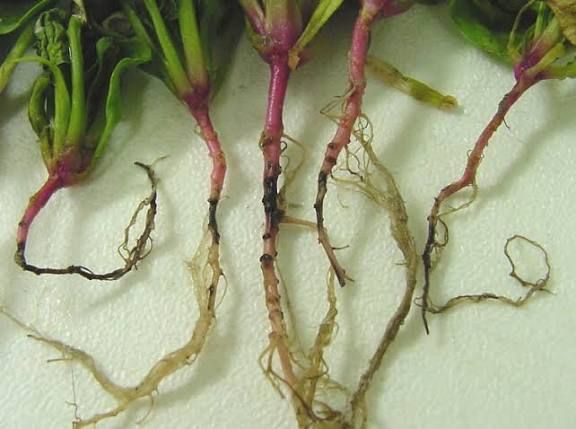
Fusarium wilt is a fungal disease that enters spinach through the roots. Once established in soil, it stays there indefinitely. This is the disease growers fear most because there is no cure once it takes hold.
The fungus attacks the plant's vascular system, the network that carries water and nutrients upward. As the pathways become blocked, the plant can no longer absorb water. Leaves turn yellow, starting at the bottom and moving upward over several days. The wilting accelerates. Eventually, the entire plant collapses.
What makes Fusarium wilt particularly devastating is this: susceptible spinach varieties can become completely infected within a single growing season. If Fusarium wilt is in your soil, it can infect your entire crop. The pathogen will remain in that soil for 6 to 12 years, making it impossible to grow spinach there again without changing the soil completely.
Varieties like Jade, St. Helens, Chinook II, and Skookum have been bred for resistance to Fusarium. If you've had this disease before, resistant varieties are your only option.
Downy Mildew: The High Humidity Culprit
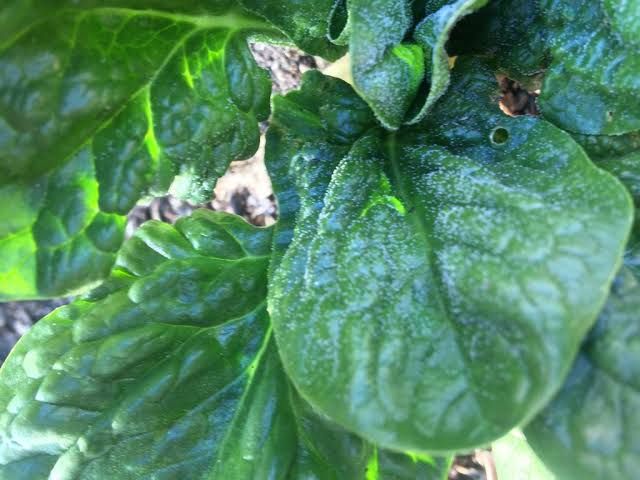
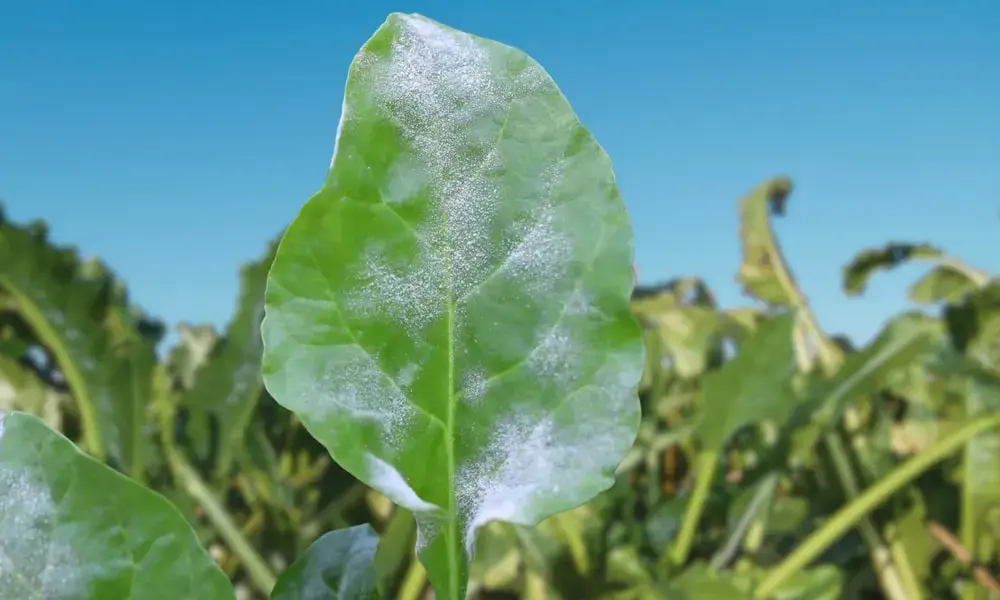
Downy mildew, also called blue mold, thrives in specific conditions. Cool nights around 48 degrees Fahrenheit combined with humid days create the perfect environment. If moisture sits on spinach leaves overnight, this disease spreads rapidly.
Early symptoms appear on older leaves first. You'll see small yellow patches on the upper leaf surface. Flip the leaf over and you'll find the telltale sign: a gray or white fuzzy growth coating the underside. This fungal mat produces spores that spread to other leaves within days.
Unlike Fusarium wilt, downy mildew progresses quickly but can be controlled with proper management. The key is moisture prevention. Overhead watering that wets the foliage is your enemy. High humidity trapped between densely planted leaves makes the problem worse.
Susceptible varieties suffer severe damage. Resistant varieties show minimal symptoms even in conditions favoring the disease. Your variety choice matters enormously for downy mildew control.
Pythium Root Rot and Damping Off: Early Stage Killers
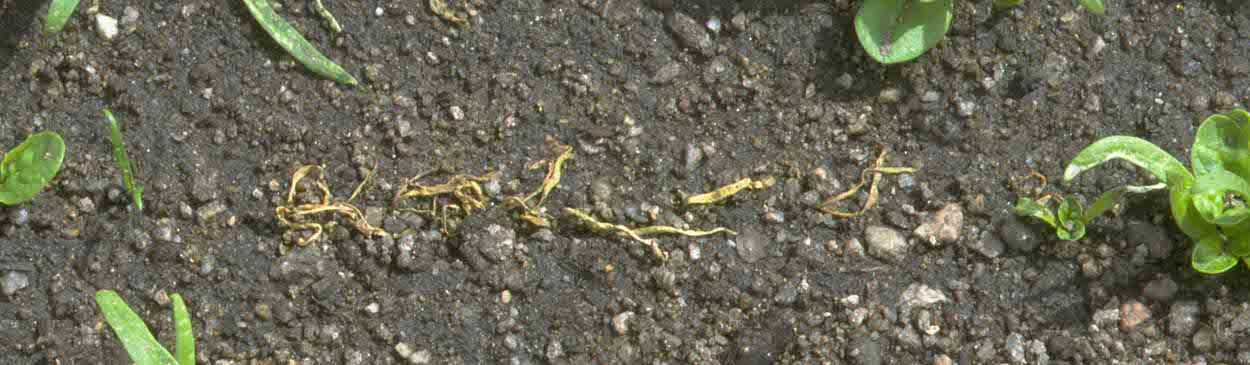
Root rot diseases are caused by several fungi and water mold pathogens, most commonly Pythium species. These pathogens thrive in wet soil. Overwatering, poor drainage, or heavy clay soil that holds moisture create ideal conditions.
Damping off occurs in seedlings, usually in the first 4 weeks after germination. The seedling stems become thin and collapse at the soil line. The plant falls over despite having adequate water. By the time you notice the problem, the seedling is usually dead.
Damping off is particularly destructive in germination trays or seed starting containers. Poor air circulation and constantly moist soil create a dangerous combination. Once damping off starts, it spreads quickly through a entire seedling flat.
More mature spinach plants develop root rot more slowly. The roots become dark, mushy, and water-soaked. The plant wilts even though the soil is moist. The damage has already occurred below the soil surface where you can't see it.
What makes root rot treacherous is this: by the time you see wilting, the root system is severely compromised. Recovery is possible only if you catch it very early and change cultural practices immediately.
Leaf Spot and White Rust: Surface Signs of Deeper Issues
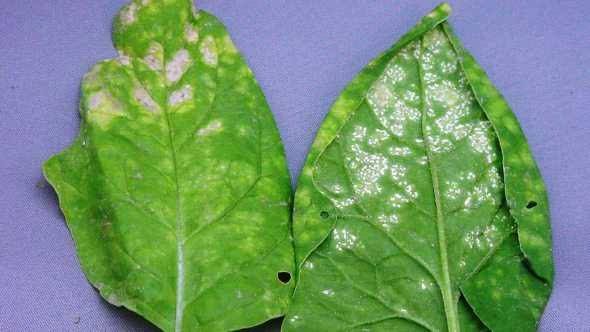
Leaf spot diseases show up as dark lesions with olive colored centers and dark brown margins. These spots enlarge over days, eventually merging together. The affected leaves weaken and die.
White rust is more distinctive. You'll see small white pustules on the lower leaf surface, almost like tiny blisters. These pustules contain spores. When leaves brush against each other, spores scatter. The disease spreads from leaf to leaf rapidly during cool, humid weather.
Both diseases weaken the plant's ability to photosynthesize and transport nutrients. Severe infection causes wilting as the plant struggles to maintain function. The diseases progress quickly when conditions favor them, slowing dramatically once temperatures warm above 75 degrees Fahrenheit.
These surface diseases are often easier to control than root diseases because you can see them and treat them directly. They're also less likely to destroy your entire crop if caught early.
How to Diagnose Your Spinach Wilting Problem
You can't treat a disease you can't identify. Before you try any treatment, you need to know exactly which disease is attacking. This diagnostic process takes about 10 minutes and requires nothing more than careful observation.
Step 1: Examine Leaf Symptoms Carefully
Start with what you can see above the soil. Look at both the upper and lower surfaces of wilting leaves. This is where the specific disease shows itself most clearly.
Yellow patches without visible growth underneath suggest early-stage downy mildew. Wait a few days and check again. If fuzzy gray growth appears on the undersides, that confirms downy mildew.
White pustules on the leaf undersides, almost like tiny blisters, point to white rust. These pustules have a very distinctive appearance. Once you see them, there's no confusion.
Dark spots with defined margins and olive-colored centers indicate leaf spot disease. These spots expand over days and often have yellow halos around them.
All-over yellowing without clear spots, progressing from lower to upper leaves over several days, suggests Fusarium wilt. The wilting happens despite adequate soil moisture.
Take clear photos of both leaf surfaces. Compare your plant against images online or on Plantlyze's symptom library. Matching the specific symptoms is your first clue to the correct diagnosis.
Step 2: Inspect Your Plant Roots
This step requires care because you don't want to damage the plant further. Carefully excavate soil around the plant base, using your fingers to gently expose the upper roots and the taproot. Work slowly to minimize disturbance.
Healthy roots are white or light tan in color. They're firm to the touch. They snap when bent sharply. Healthy roots feel almost crisp.
Infected roots are a completely different story. Roots affected by Pythium or other root rot fungi are dark brown to black. They're mushy and soft. They disintegrate if you touch them. Often the root system collapses into a slimy, water-soaked mess.
Fusarium wilt victims show something specific: dark vascular tissue visible in the root cross-section when you cut the root lengthwise. The internal tissue is discolored even if the root exterior looks only slightly off-color.
If roots look healthy and firm, the disease is not a root pathogen. This points toward downy mildew, leaf spot, or white rust. If roots are clearly damaged, you're dealing with a root disease like Pythium, damping off, or Fusarium.
Step 3: Assess Your Growing Conditions
Environmental conditions often reveal which disease is most likely. Think about what's been happening in your garden over the past 2 to 3 weeks.
Soil drainage is critical. After you water, does the water drain away within a few hours? Or does it sit, leaving the soil soggy? Poor drainage supports root rot and damping off. If your soil stays wet for 24 hours after watering, root diseases are your likely culprit.
Air circulation around the plants makes a huge difference. Are your spinach plants spaced at least 6 inches apart? Can air move between the leaves? Dense planting keeps foliage wet longer, favoring downy mildew and leaf spot. Loose spacing dries leaves faster.
Your watering method matters more than you might think. Overhead watering splashes soil onto leaves and keeps the foliage wet. Drip irrigation and soil-level watering keep leaves dry. If you've been overhead watering during cooler parts of the day, downy mildew becomes much more likely.
What about weather? Cool nights with humid days are perfect for downy mildew and leaf spot. Hot, dry conditions slow both diseases dramatically. If temperatures have been consistently above 75 degrees, these leaf diseases progress more slowly even when present.
Step 4: Confirm with Plant Disease Diagnosis Tools
You've examined the leaves. You've inspected the roots. You've assessed your conditions. You probably already have a good idea of which disease you're facing.
But sometimes doubt remains. The symptoms could fit two different diseases. The conditions could support multiple pathogens. This is where Plantlyze's AI-powered diagnosis tool becomes invaluable.
Upload a clear, well-lit photo of your wilting spinach to Plantlyze. Include at least one clear view of the upper leaf surface and one view of the undersides. The AI analyzes your plant against 10,000-plus verified disease images and delivers a diagnosis within seconds.
This removes the guesswork. You get confirmation of your suspected disease. You receive tailored treatment recommendations specific to that diagnosis. Most importantly, you avoid wasting time on treatments that won't work for your specific problem.
Visit Plantlyze.com and start your free plant assessment today. Upload your spinach photos and receive instant disease identification.
Treatment Strategies for Each Spinach Disease
You've identified the disease. Now comes the action that saves your crop. Each disease demands a specific treatment approach. A treatment that works for downy mildew won't help with Fusarium wilt. Generic plant disease treatments often fail. Disease-specific treatment is what actually works.
Treating Fusarium Wilt: Accept and Prevent Spread
This is the hardest truth: Fusarium wilt cannot be cured. Affected plants cannot recover. Once the vascular system is compromised, no treatment can restore function.
Your first action must be complete removal. Pull the infected plant and all its roots from the soil. Do not break the plant apart or leave small root pieces behind. Do not add the infected plant to compost. Dispose of it completely by burning or deep burying away from growing areas.
Sanitize your tools immediately after handling the infected plant. Wipe them with a 10-percent bleach solution or heat them to 160 degrees Fahrenheit. Any soil on your tools can carry Fusarium spores to other plants.
Now accept the hard reality: your soil is contaminated. Fusarium wilt will survive in that soil for 6 to 12 years. You cannot grow spinach in that location during this period. Swiss chard and other relatives are also susceptible. Avoid all susceptible crops.
Your options going forward are three-fold. First, rotate to completely unrelated crops for 6 to 12 years. Grow tomatoes, beans, or other crops unrelated to spinach. Second, grow spinach in containers with brand-new, uncontaminated soil in a different location. Third, replace the top 12 inches of soil with clean, disease-free soil from elsewhere.
For future spinach planting, select resistant varieties like Jade, St. Helens, Chinook II, or Skookum. These varieties have been bred specifically to resist Fusarium wilt. They won't prevent spores from entering the soil, but they won't become infected even if spores are present.
Managing Downy Mildew: Moisture Control First
Downy mildew is the disease you can actually control. Unlike Fusarium wilt, infected plants can recover if you take action immediately.
Start by removing leaves with visible symptoms. Pick off any leaf showing yellow patches or gray fuzzy growth. Dispose of these leaves in the trash, never compost. Removing infected foliage reduces the source of spores spreading to healthy leaves.
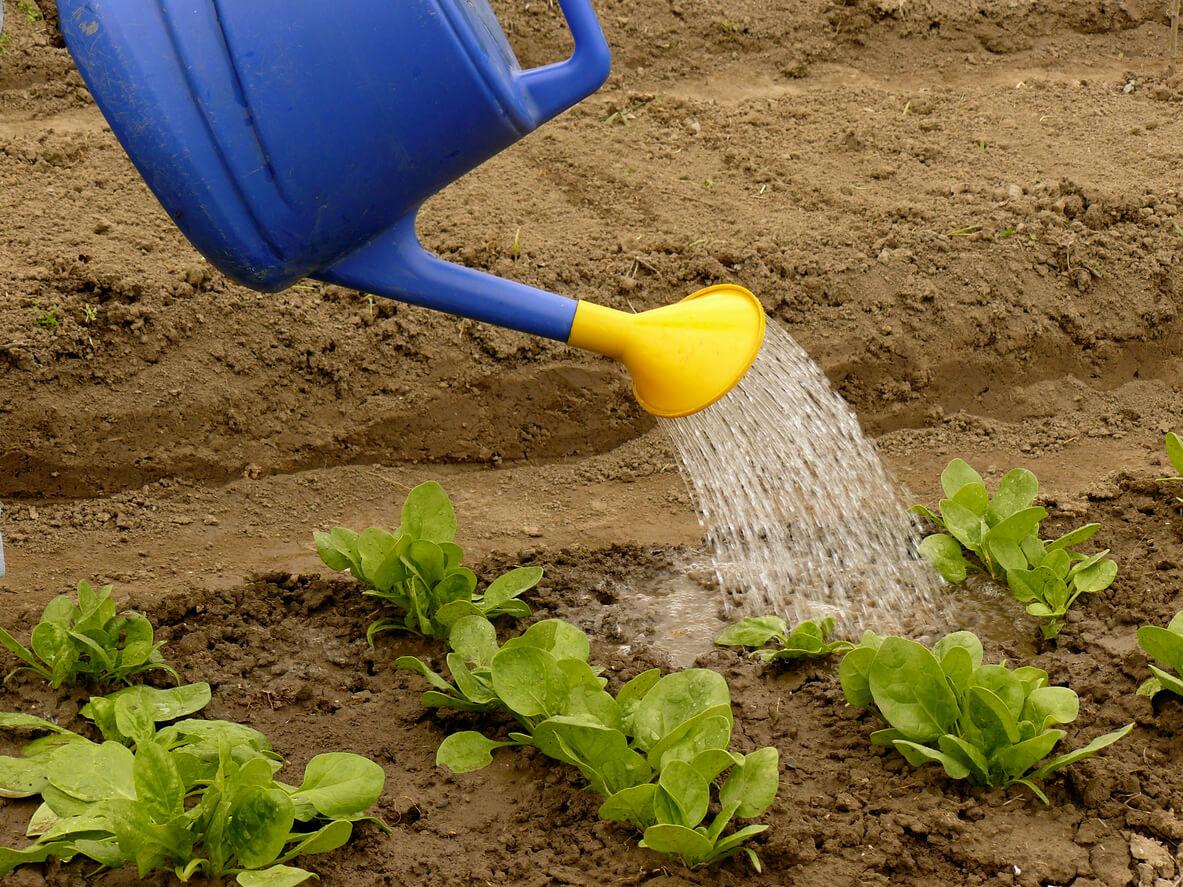
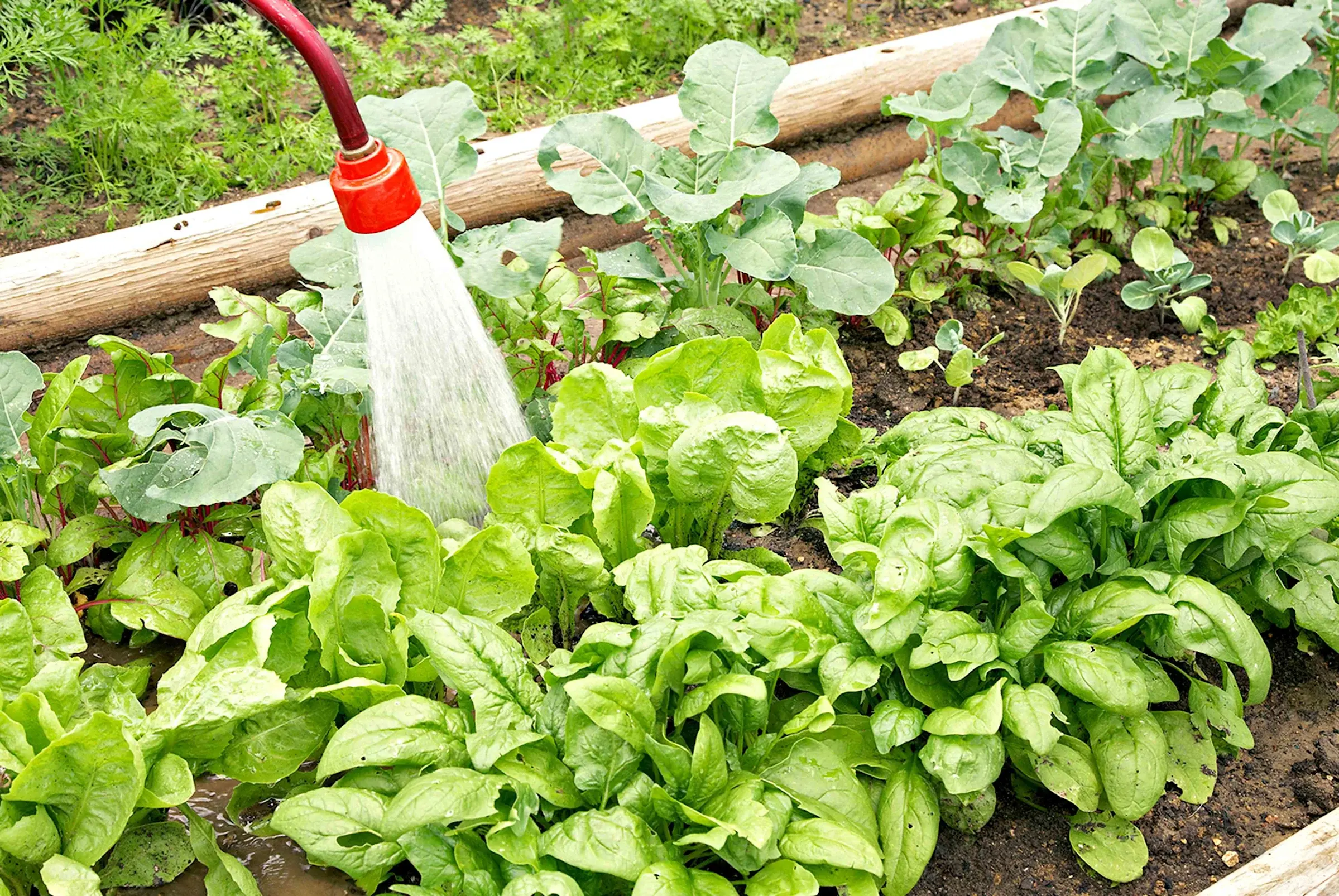
Next, change your watering completely. Stop overhead watering today. If water reaches spinach leaves from above, move to drip irrigation or soil-level watering immediately. Water only the soil, never the foliage. Water early in the morning if possible, giving any accidental leaf wetness time to dry in sunlight.
Spacing is your next priority. If plants are crowded, thin them now. Create at least 6 inches of space between each plant. This allows air to circulate freely between leaves. Moving air dries foliage quickly, preventing the moist conditions the disease needs to spread.
Remove lower leaves from remaining plants to improve air flow. These oldest leaves are closest to the soil where humidity is highest. Removing them opens the plant canopy to air movement.
If the disease is spreading despite these changes, fungicide becomes necessary. Apply fungicides on a 7 to 14 day schedule during cool, humid periods. Evening applications work best, giving the fungicide time to absorb into the leaf before morning sun arrives. Continue applications until temperatures warm above 75 degrees Fahrenheit, which naturally slows the disease.
At harvest, remove all remaining plant material. Do not leave spinach in the field to overwinter. These volunteer plants harbor the pathogen for next season.
Controlling Root Rot and Damping Off: Improve Drainage
Root rot and damping off are both water-related diseases. Reducing soil moisture is the single most important intervention.
For seedlings showing damping off, immediate action is required to prevent spread. Reduce watering frequency dramatically. Water only when the top half inch of soil is dry. Increase air circulation with a small fan if seedlings are in a propagation tray. Remove any dead or dying seedlings immediately.
Drainage amendment comes next. If you're starting seeds or growing in containers, add compost or sand to the soil mix to improve drainage. Heavy clay soil stays too wet. Light, well-draining soil prevents the conditions damping off needs.
For more mature plants with root rot developing, drainage improvements are critical. Heavy clay soil needs amendment with sand, compost, or both. Work these materials into the top 4 to 6 inches of soil around the plant. This improves drainage going forward.
Irrigation timing changes immediately. Water only when the top inch of soil is dry. Never water on a fixed schedule. Let soil moisture guide your watering. If soil feels moist, don't water yet.
Seed treatment with fungicides can prevent damping off in future plantings. Treated seed includes mefenoxam or similar fungicides that protect the seedling during germination and early growth. Use treated seed for your next spinach planting if damping off was a problem this season.
Container growing offers an escape route if soil contamination is severe. Grow spinach in pots with fresh, new substrate brought in from outside your garden. This completely avoids whatever pathogens exist in your ground soil.
Addressing Leaf Spot and White Rust: Combination Approach
Leaf spot and white rust are surface diseases. You can see them directly, which means you can treat them more effectively than hidden root diseases.
Remove affected leaves as soon as symptoms appear. This means checking plants twice weekly and removing any leaf showing spots or pustules. The sooner you remove infected foliage, the fewer spores remain to spread to healthy leaves. Dispose of removed leaves in the trash.
Sanitation matters. If you touch an infected leaf and then touch a healthy leaf, you're spreading spores by hand. Wash your hands after touching plants showing symptoms. Better yet, wear gloves while handling infected foliage.
Check for volunteer spinach nearby. These leftover plants from previous seasons harbor white rust and leaf spot pathogens. Remove any wild or escaped spinach plants in surrounding areas.
Fungicide becomes necessary if the disease is spreading rapidly. Apply fungicides on a 7 to 14 day schedule while conditions favor the disease. These are cool, humid periods with leaf wetness overnight. Once temperatures warm above 75 degrees consistently, the disease slows naturally and fungicides become less critical.
Evening applications work best for fungicides. Apply when plants are slightly moist and temperatures are cool. This gives the fungicide time to absorb before morning sun and heat arrive.
Most importantly, understand that leaf spot and white rust slow or stop once the weather warms. They're seasonal problems. If you can keep the crop alive through the cool season, growth accelerates as temperatures rise and disease pressure drops.
Prevention Framework for Healthy Future Spinach Crops
Every disease begins with prevention. Preventing these five diseases from establishing is far easier than treating them after they've taken hold. A simple prevention framework protects your crops going forward.
Pre-Planting Checklist
Before you plant spinach, lay the foundation for disease-free growth. Testing your soil reveals important information. A soil test shows pH, which matters because Fusarium wilt thrives in acidic soil below 6.5. If your soil is too acidic, raise pH toward neutral.
Review your crop history. Has spinach or Swiss chard grown in this location within the past 10 years? If yes, Fusarium wilt might already be in the soil. If you've had problems with downy mildew or leaf spot in this location, remember that. Disease pressure may be higher in that spot.
Inspect your compost before adding it. Only well-composted material should enter your garden. Raw plant debris or partially composted material can harbor pathogens. Compost that reaches 140 degrees Fahrenheit internally kills most plant pathogens, so properly heated compost is safer than cold or fresh compost.
Sanitize your garden tools before the season begins. Wipe tools with 10-percent bleach solution or heat them. Contaminated tools carry diseases from previous years forward to new plantings.
During Growing Season Monitoring
Consistent monitoring catches diseases early when treatment is most effective. Inspect spinach plants every 3 to 4 days during the growing season. Spend just a few minutes visually checking both leaf surfaces and plant spacing.
Look for the earliest symptoms. Small yellow patches on leaves demand attention before they become widespread. Early-stage wilting in a single plant gives you a chance to remove that plant before disease spreads.
Check drainage after heavy rain or watering. Water should drain away within hours. If puddles form or soil stays soggy for 24 hours, you have a drainage problem to fix immediately.
Review spacing and air circulation. Are plants still at least 6 inches apart? Has new growth or nearby plants reduced air movement? Adjust spacing as needed to maintain air flow.
Document any symptoms with photos and dates. Keep records of which diseases appeared, when they appeared, and what weather conditions preceded them. These notes guide your prevention strategy next season.
Harvest and End-of-Season Practices
How you end the season directly affects disease pressure next season. Proper cleanup removes pathogen sources that would otherwise persist.
Remove all spinach plant material immediately after harvest. Do not leave plants in the field expecting them to decompose naturally. Do not leave spinach to overwinter, even if winters are mild. Volunteer spinach plants harbor pathogens through the off-season.
Dispose of all plant material properly. Material showing disease symptoms should never go to compost. Burn it or bury it deeply away from garden areas. Only disease-free material should be composted.
Tool cleanup applies at the end of the season as well as the beginning. Clean and sanitize tools before storing them. This prevents pathogens from surviving on tools through winter dormancy.
Soil amendment for next season should happen in fall. Add compost to improve drainage and soil structure. These improvements protect next season's crops. Fall preparation prevents problems from starting in spring.
Order disease-resistant seed varieties for next planting now. Don't wait until spring when seed supplies run low. Resistant varieties like Jade, St. Helens, Chinook II, and Skookum for Fusarium wilt and downy-resistant varieties prevent problems before they start.
Conclusion: Your Spinach Recovery Plan
Spinach wilting signals one of five specific diseases. Fusarium wilt spreads through roots and cannot be cured once established, requiring crop rotation for 6 to 12 years. Downy mildew thrives in moisture and spreads rapidly but responds to moisture control and fungicides. Pythium root rot and damping off kill seedlings and mature plants through waterlogged soil. Leaf spot and white rust are surface diseases that can be managed through sanitation and fungicides.
Most spinach diseases are preventable, not inevitable. Your variety selection, spacing, watering method, and end-of-season cleanup create conditions where disease struggles to take hold. Prevention is always more powerful than treatment after disease appears.
But when doubt strikes and symptoms confuse you, technology can help you decide fast. Unsure whether your spinach is experiencing early stage Fusarium or just underwatering? Plantlyze's AI diagnosis tool provides 97-percent accurate disease identification. Upload a photo, receive treatment recommendations, and save your crop within minutes. Visit Plantlyze.com and start your free plant assessment today.
You now have the knowledge to diagnose and treat spinach wilting effectively. The best defense remains prevention. Every saved crop begins with early identification. Implement the strategies in this guide, monitor your plants consistently, and watch your spinach thrive through the growing season.
References
UC IPM Program (University of California)
https://ipm.ucanr.edu/agriculture/spinach/Texas A&M AgriLife Extension
https://agrilife.org/PNW Handbook Plant Disease Management
https://pnwhandbooks.org/plantdisease/Oregon State University Extension
https://extension.oregonstate.edu/National Center for Biotechnology Information (NCBI/PMC)
https://www.ncbi.nlm.nih.gov/pmc/USDA Plant Disease Database
https://www.ars.usda.gov/