You wake up one morning, excited to harvest your spinach, and discover something heartbreaking. Brown spots cover the leaves. Your mind races. Is it disease? Will the entire crop be ruined? You feel that familiar gardener's panic. The truth is that brown leaves on spinach aren't a death sentence. Most causes are fixable, and many are preventable. This guide reveals what's actually causing those brown spots and exactly how to save your crop.
Why Brown Leaves Appear on Spinach
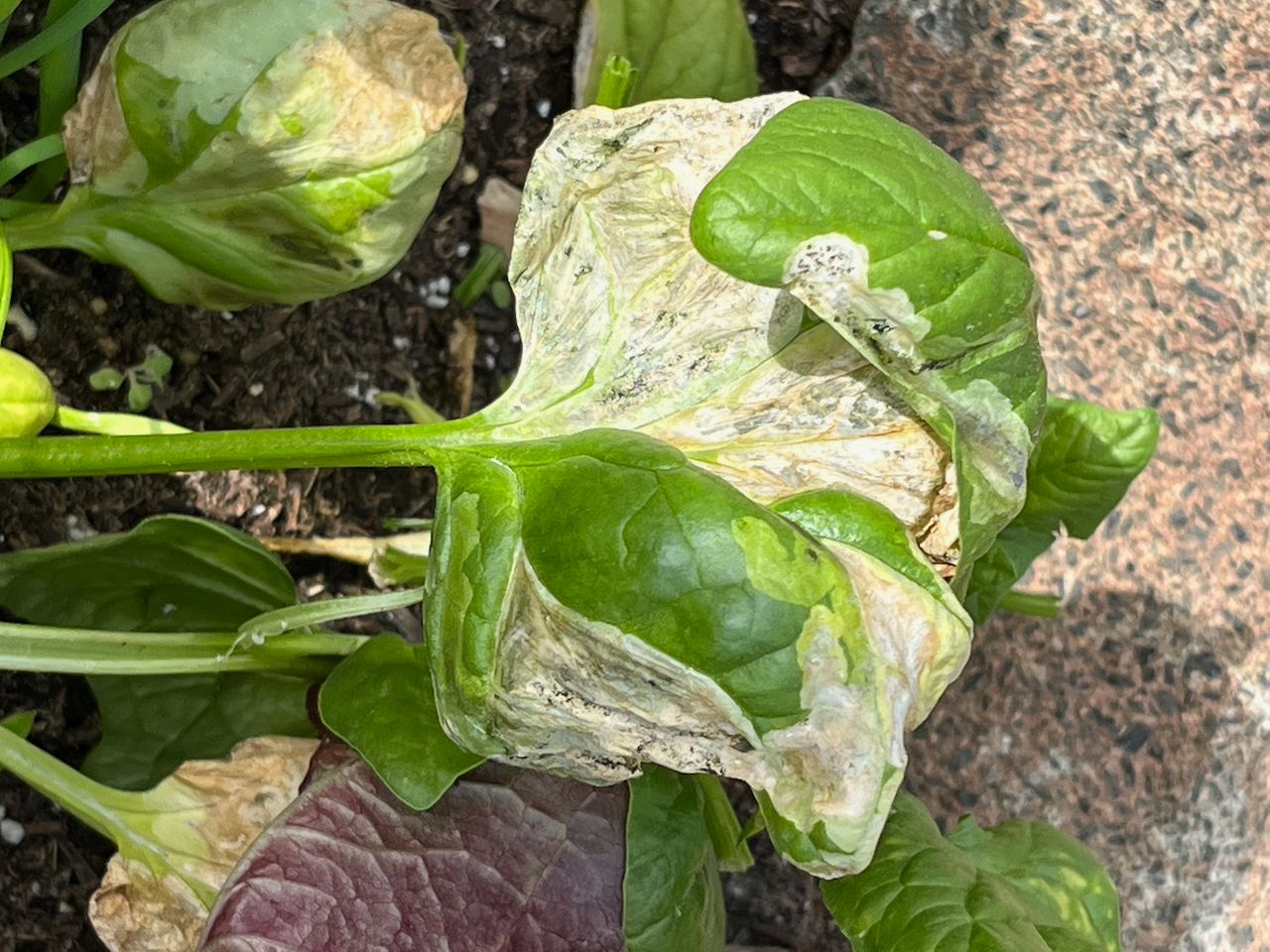
Brown leaves on spinach signal that something has gone wrong. Your plant is trying to tell you it's under stress. The key is figuring out what kind of stress before you waste time treating the wrong problem. Many gardeners guess wrong and apply fungicide to a watering problem or adjust watering for a disease. Understanding the root cause saves your crop and your sanity.
Brown leaves destroy both the appearance and usability of your spinach. Even if the plant survives, those brown, damaged leaves often aren't worth eating. The sooner you identify the problem, the sooner you can stop it from spreading to healthy leaves. Early intervention is the difference between losing a few leaves and losing your entire harvest.
Multiple causes create brown leaves on spinach. Fungal diseases are the most common culprit, but environmental stress and pests also cause browning. This is why accurate diagnosis matters more than rushing to treatment. Taking 30 seconds to identify the real problem saves you hours of wasted effort and money on unnecessary treatments.
The Three Main Fungal Diseases Causing Brown Leaves
Fungal diseases are the primary reason spinach develops brown leaves. Three specific fungi cause most cases. Learning to identify each one helps you treat it correctly and prevent it from spreading.
Cercospora Leaf Spot: The Most Common Problem
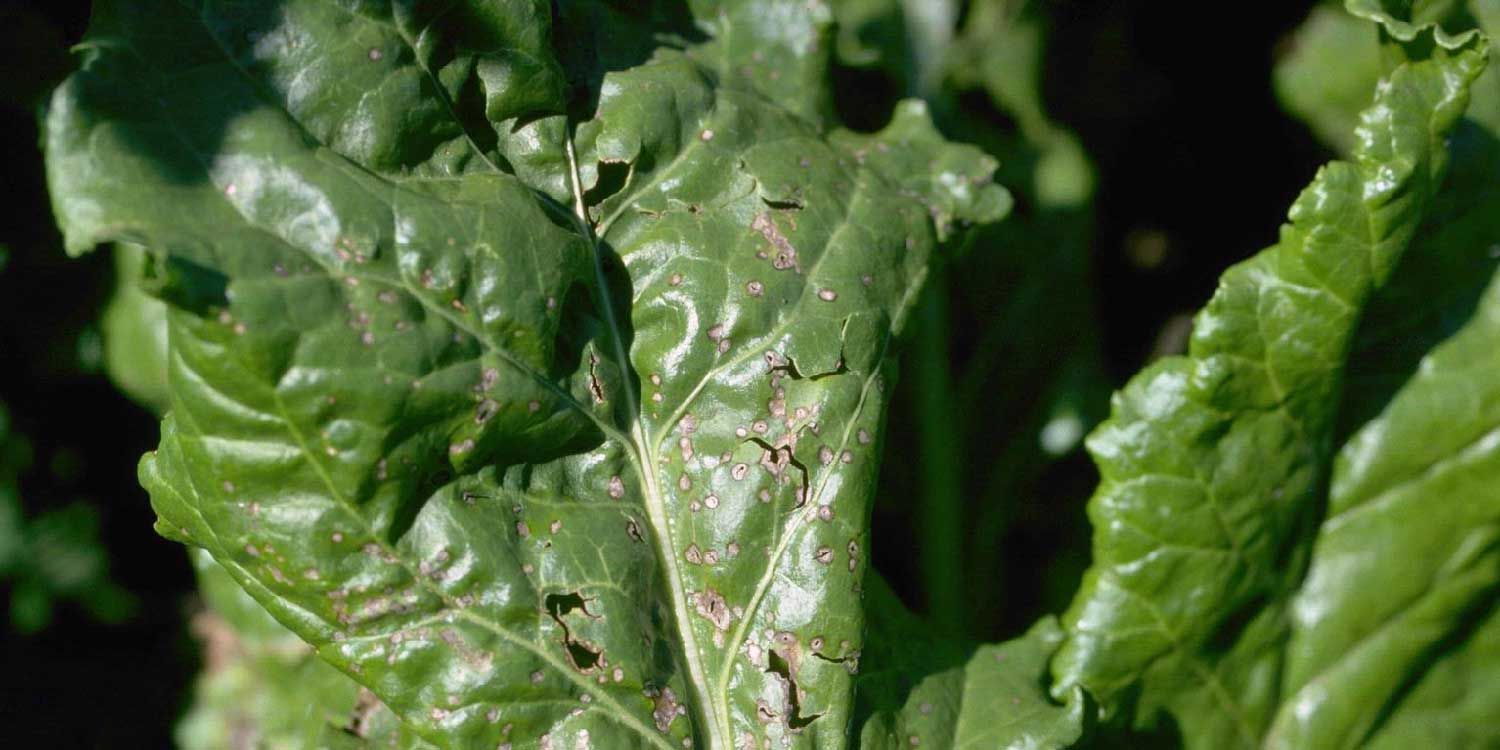
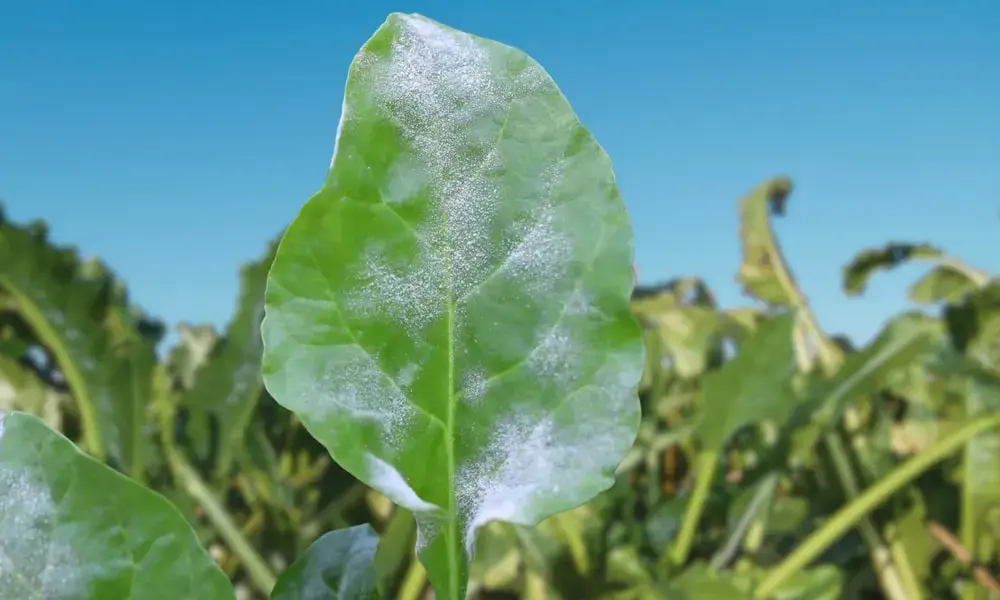
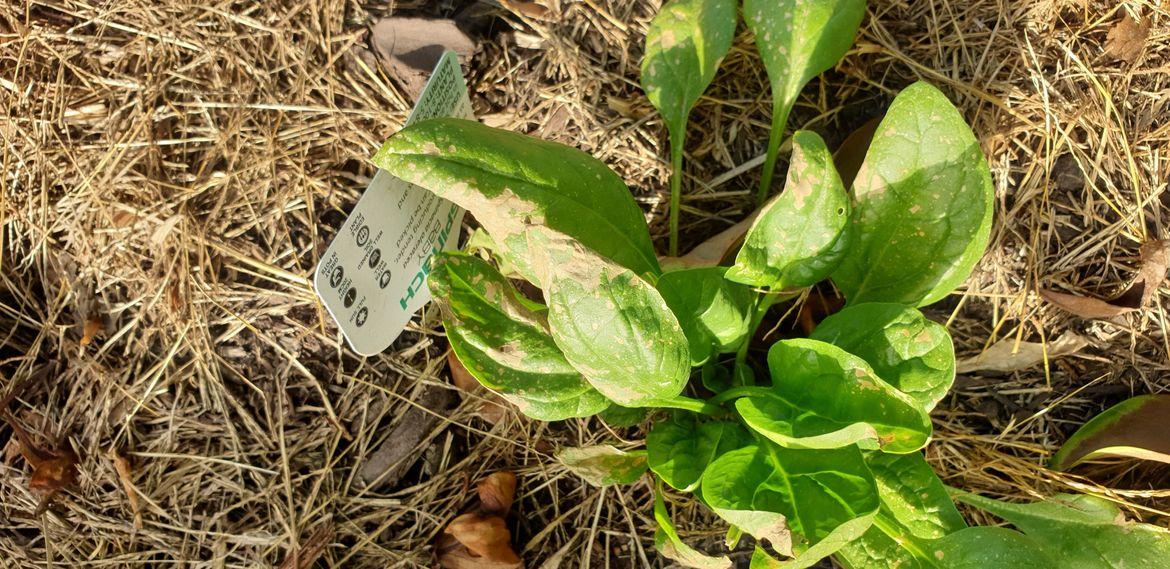
Cercospora leaf spot is the fungal disease you'll encounter most often. It's caused by the fungus Cercospora beticola. If brown spots are destroying your spinach, this is probably the culprit. The disease starts as tiny, circular brown spots with reddish or purplish borders. The center of each spot often turns gray or tan, creating a target like appearance.
This disease loves warm, humid conditions. When temperatures hover between 65 to 80 degrees and moisture hangs in the air, Cercospora thrives. It starts on the lower, older leaves and works its way up the plant. If you see brown spots on the bottom leaves first, you're likely dealing with Cercospora. The disease spreads rapidly once it takes hold. Without treatment, it can destroy an entire crop within a week or two.
Cercospora spreads through water splash and air currents. That overhead watering you did yesterday? Perfect for spreading the disease. The fungus loves wet foliage. It produces spores on the undersides of leaves, which release during wet conditions and travel on water droplets to healthy leaves. One infected plant can infect an entire row.
Cladosporium Leaf Spot: The Wet Weather Problem
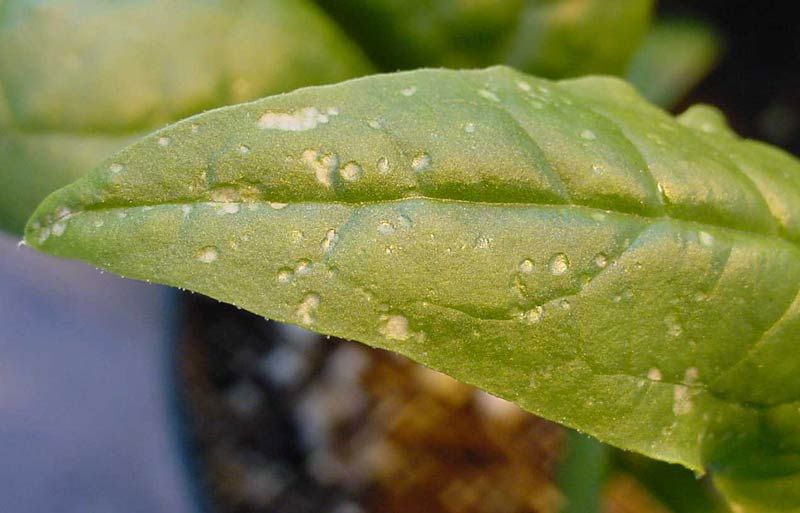
Cladosporium leaf spot appears during prolonged wet periods. This disease caused by Cladosporium spinacinum is less common than Cercospora but equally destructive. The spots start as brown or olive colored markings. Unlike Cercospora, Cladosporium spots often have concentric rings, creating a bullseye pattern on your leaves.
This disease thrives during spring and fall when temperatures are mild and moisture is abundant. If you live in a humid region or grew your spinach during a rainy season, Cladosporium might be your problem. Seedlings are particularly vulnerable. A wet spring can devastate young plants before they ever establish. The disease spreads through water splash just like Cercospora, so overhead watering accelerates its spread dramatically.
Cladosporium is sneaky because it often starts inside the leaf tissue. By the time you see symptoms, the fungus has already established itself. The spots can merge together, making leaves look completely covered in brown discoloration. Affected leaves often yellow and die within days.
Stemphylium Leaf Spot: The Temperature Trigger
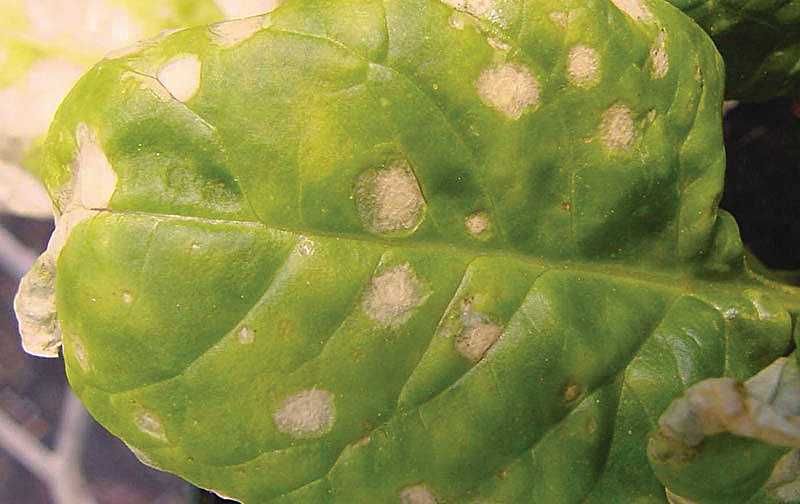
Stemphylium leaf spot caused by Stemphylium botryosum is the third major fungal disease affecting spinach. This disease thrives in moderate temperatures between 60 to 75 degrees. The spots are dark brown to black with yellow halos around them. This halo effect is your key identification clue. No other spinach disease produces that distinctive yellow ring.
Stemphylium is often confused with other diseases because the symptoms vary depending on conditions. Sometimes the spots look more purple. Sometimes they're almost black. The yellow halo usually gives it away though. This disease affects both seedlings and mature plants but tends to be less common than Cercospora. When it does appear, it spreads quickly if conditions stay favorable.
Non-Fungal Causes of Brown Leaves
Not all brown leaves come from disease. Environmental stress and pest damage can also create brown discoloration. Misdiagnosing these problems leads to wasted fungicide applications and continued crop deterioration. Always consider the complete picture before treating.
Environmental Stress Creates Brown Edges and Tips
Underwatering causes the most common environmental browning. The leaf edges turn crispy and brown. This happens because the plant can't move enough water to the leaf edges. The plant prioritizes keeping the center alive and sacrifices the edges. If you notice browning only on leaf edges and tips, underwatering is likely your problem. The browning pattern looks different from fungal spotting.
Overwatering creates a different problem. Too much water leads to poor root function and disease development. Roots sitting in soggy soil can't absorb nutrients or oxygen. The leaves yellow and brown as the plant weakens. You might also see soft, mushy stems. Overwatering creates conditions that invite fungal diseases.
Calcium and magnesium deficiency also cause brown spots. Calcium deficiency causes dark brown spots on younger leaves. The spots don't have the fungal pattern. Magnesium deficiency shows as browning between leaf veins while veins stay green. These nutrient problems develop slowly over time, not suddenly like fungal diseases.
Sunburn from extreme heat exposure can brown spinach leaves. Spinach prefers cool conditions. During intense heat waves, the leaves can literally scorch. The damage looks like bleached, papery brown spots. Cold damage from frost creates similar symptoms. Temperature shock from sudden cold snaps can brown leaf edges overnight.
Pests Create Brown Marks and Damage
Spider mites cause fine, light colored stippling that turns brown over time. The leaves look dusty and weak. Thrips create brownish scars and streaks on leaves. Leaf miners tunnel through leaves, leaving brown trails behind them. Pest damage typically affects only parts of the leaf while fungal diseases create distinct spots or patterns.
How to Diagnose Brown Leaf Problems Accurately
The most important step is identifying what's really causing the problem. Misdiagnosis leads to wasted time and money. Accurate diagnosis means effective treatment. Take a moment to assess the situation carefully before taking action.
The Visual Assessment Process
Start by checking where the brown spots appear. Fungal diseases typically start on lower, older leaves. Environmental problems and pests usually affect the entire plant equally. Look at the spot pattern. Fungal diseases create distinct spots with defined edges or halos. Environmental stress usually affects leaf edges and tips. Pest damage creates irregular marks and trails.
Feel the texture. Fungal diseased leaves often feel crispy and brittle. Underwatered plants also feel crispy. Overwatered plants with disease feel mushy and soft. Look at the undersides of leaves. Fungal diseases often show brown or black structures on the undersides. Pests like spider mites leave webbing. Environmental stress doesn't change the undersides.
Count the percentage of affected leaves. Is it just a few scattered leaves or is the entire plant covered? One to two affected leaves might be early disease or environmental stress. Half the plant affected suggests active disease spread or severe environmental problems. A completely destroyed plant usually means you caught the problem too late.
The Timing Connection Matters
When did the brown spots appear? Did they show up after a wet period? Probably fungal. Did they appear during a heat wave? Possibly sunburn or heat stress. Did they gradually worsen over weeks? Environmental stress or slow disease development. Did they explode overnight? More likely fungal disease or environmental shock.
What happened before the spots appeared? Did you change your watering routine? Did weather shift dramatically? Did you add or remove shade cloth? Did you recently water overhead? Connect the timeline to the symptom. This detective work often points to the real cause.
Using Plantlyze for Accurate Diagnosis
You don't have to be a disease expert to get an accurate diagnosis. Plantlyze is an AI powered plant care tool that analyzes photos of your spinach leaves. Take a clear photo showing the affected area. Upload it to Plantlyze. Within seconds, the AI identifies the specific problem. You get exactly the information you need without guessing.
Using Plantlyze removes doubt. You know immediately whether you're dealing with Cercospora, environmental stress, or pest damage. The tool recommends specific treatments based on the diagnosis. You waste no time on wrong approaches. Your spinach recovery begins immediately.
Treatment Options for Fungal Diseases
Once you've confirmed you have a fungal disease, it's time to take action. Speed matters. Fungal diseases spread rapidly. The sooner you treat, the better your chances of saving the crop.
Immediate Action Steps Before Treatment
Remove all brown spotted leaves immediately. These leaves are already lost. Removing them stops the fungus from spreading to healthy leaves. Be careful not to touch healthy leaves while handling diseased ones. Sterilize your pruning shears with rubbing alcohol between cuts. Use a paper towel or burn the diseased leaves. Never compost diseased plant material.
Increase air circulation around your plants immediately. Space plants further apart if possible. Remove any shade cloth temporarily. Use a small fan if growing indoors. Improved air circulation dries foliage faster and slows fungal spread. Stop overhead watering immediately. Switch to drip irrigation or water at soil level only. Wet foliage is a fungal disease invitation.
If growing multiple spinach crops, isolate the affected plants. Keep them separate from healthy plants. Don't touch healthy plants after handling diseased ones. Wash your hands thoroughly between plants. The fungus can travel on your hands and tools.
Fungicide Options and Application
Organic fungicides work well for spinach diseases. Sulfur dust or spray is effective against all three main spinach diseases. Neem oil disrupts fungal development. Copper based fungicides also work. Follow label directions carefully. Apply fungicides every 7 to 10 days until symptoms stop appearing.
Timing is critical. Apply fungicides when temperatures are between 60 to 80 degrees. Don't apply in intense heat. Spray in early morning or late evening when pollinators aren't active. Wet both sides of leaves. The fungus hides on leaf undersides. Thorough coverage is essential.
You might need two to three applications to fully control the disease. Don't give up after one spray. Give the fungicide time to work. Some improvement should appear within 7 to 10 days. If no improvement appears after two applications, the diagnosis might be wrong. Reconsider your treatment approach.
When to Remove Plants Entirely
Sometimes the damage is too severe to save the plant. If more than 50 percent of leaves show brown spots, the plant won't recover well. The energy spent recovering could be invested in replanting. At the end of the season, even if treatments work, harvest what you can and replant next season.
If the fungus has spread to the root system, the plant is doomed. Signs include wilting despite moist soil and black discoloration on the base of the plant. These plants won't recover. Remove them to protect other plants. Never compost severely diseased plants. Dispose of them in the trash or burn them.
Prevention Strategies to Stop Brown Leaves Before They Start
Prevention is far superior to treatment. The time you invest in prevention saves you from dealing with disease later. These strategies work for all three main spinach fungal diseases.
Cultural Practices That Reduce Disease
Practice crop rotation. Don't plant spinach in the same location every year. Fungal spores can persist in soil. Rotate crops for at least three years. Plant spinach in a different bed. Move to completely different soil if possible. This single practice prevents many problems.
Space plants appropriately. Crowded plants create humid conditions fungi love. Space plants 3 to 4 inches apart. Good air circulation around each plant dries foliage quickly. Wet foliage is where disease takes hold. Thin seedlings properly. Remove weaker seedlings to give strong ones room.
Mulch around plants to prevent soil splash. Fungal spores live in soil. When water splashes soil onto leaves, it transfers spores. A 1 to 2 inch mulch layer breaks the splash barrier. Mulch also keeps soil cooler and moisture consistent. Use compost or shredded leaves as mulch.
Remove old leaves and debris regularly. Dead leaves are fungal breeding grounds. Pick off dead or dying leaves before disease takes hold. Don't let debris accumulate under plants. A clean growing area is a disease resistant growing area. At end of season, remove all plant material.
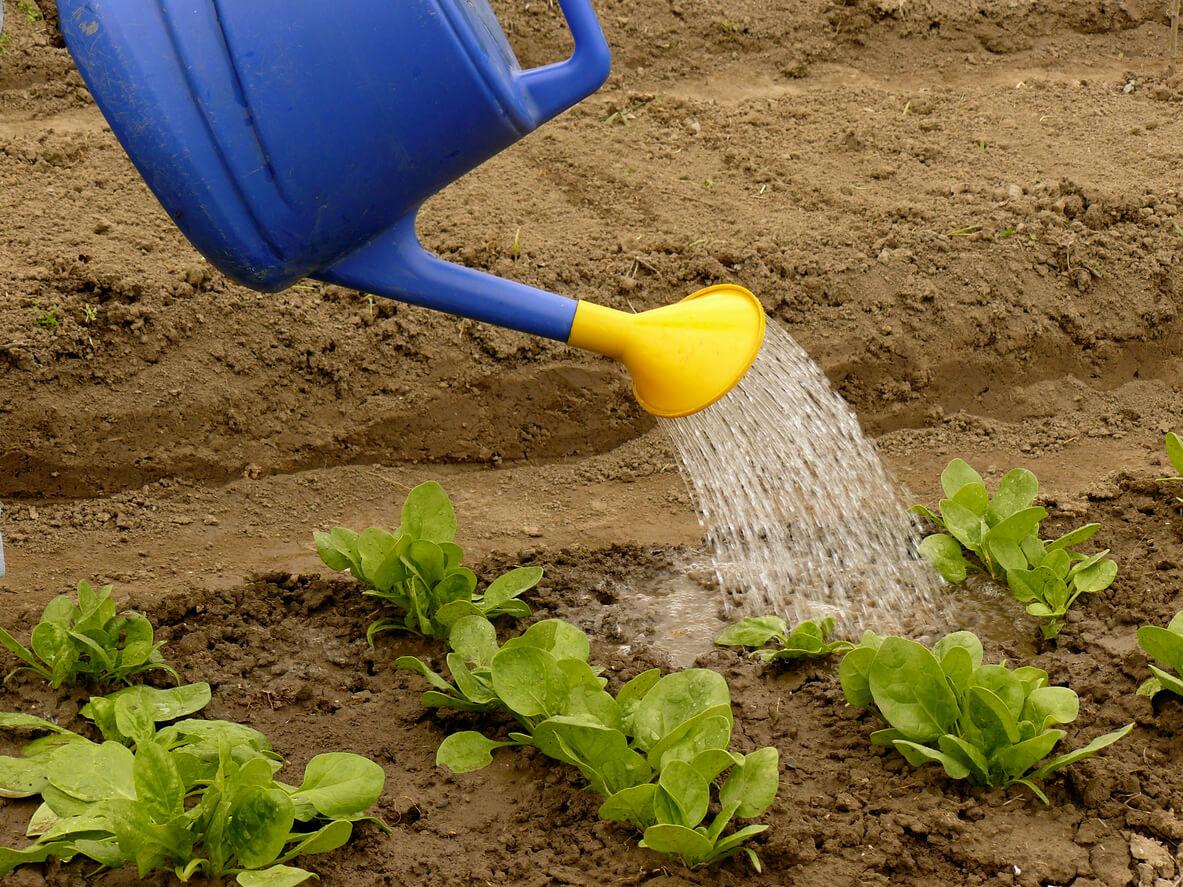
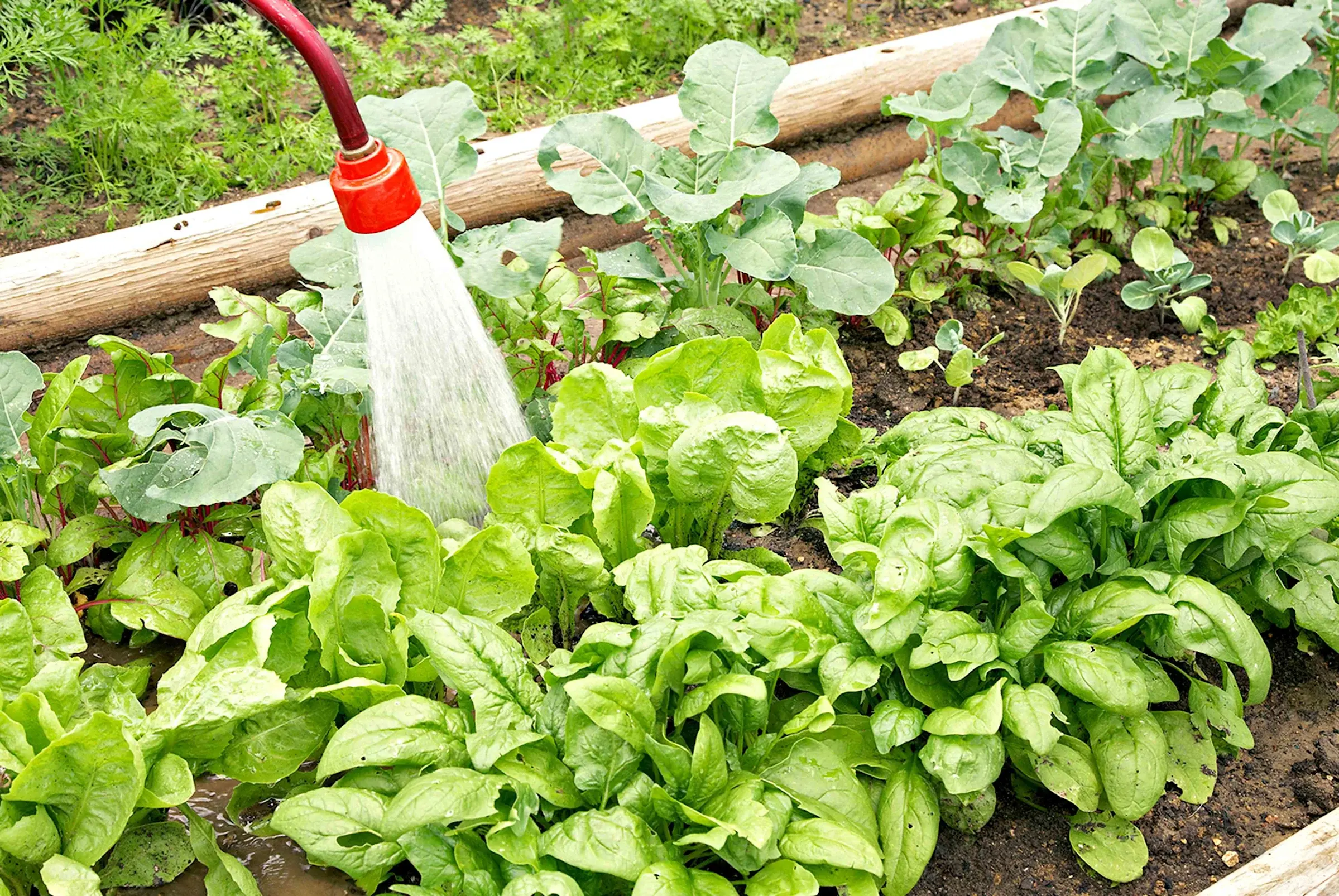
Water at soil level, never overhead. Overhead watering wets foliage, inviting disease. Drip irrigation delivers water where roots need it. Soaker hoses work well too. If you must hand water, do it early morning and keep foliage dry. Point water at the base of plants only.
Choosing Disease Resistant Varieties
Disease resistant varieties aren't immune, but they're much tougher. Check seed packets for resistance codes. Look for Cercospora resistance marked as "C" or similar. Some varieties show resistance to multiple diseases. Popular resistant varieties include Bloomsdale Long Standing and Space. These varieties survive disease pressure better than susceptible types.
Plant resistant varieties as your first line of defense. Combined with good cultural practices, resistant varieties rarely develop disease. You still might see occasional spots, but the plant stays healthy. The investment in resistant seed pays off through fewer problems and better harvests.
Environmental Management Prevents Ideal Conditions
Temperature control matters. Spinach likes cool conditions between 50 to 70 degrees. Temperatures above 80 degrees stress plants and promote fungal growth. Use shade cloth during hot seasons. Provide afternoon shade during heat waves. In greenhouses, use fans and ventilation to maintain proper temperatures.
Humidity management is critical. Keep humidity below 85 percent when possible. In greenhouses, ventilate to reduce humidity. Avoid creating still, humid air pockets. Morning air circulation helps dry dew from leaves. Evening ventilation removes humidity before night falls.
Proper drainage prevents water pooling. Soggy soil invites root rot and weakens plants. Ensure beds drain well. Amend heavy clay soil with compost. Use containers with excellent drainage holes. Poor drainage is a disease risk factor.
Treating Non-Fungal Brown Leaf Problems
Not all brown leaves require fungicide. Environmental problems need different solutions. Treating the real problem fixes the issue. Treating the wrong problem wastes time and money.
Fixing Environmental Stress
Underwatering is easy to fix. Adjust your watering schedule to keep soil consistently moist. Use the finger test. Push your finger into soil. It should feel like a wrung out sponge. Water deeply when it feels dry. The browning stops as the plant recovers. New leaves grow in healthy.
Overwatering requires reducing watering frequency. Let soil dry out slightly between waterings. Improve drainage by amending soil or using containers with better drainage. Remove mulch temporarily to speed soil drying. The plant recovers as soil conditions improve.
Nutrient deficiency requires adding nutrients. Compost addresses most deficiencies. Work in 1 to 2 inches of compost around plants. For quick fixes, use balanced liquid fertilizer. Follow label directions. Growth resumes and new leaves emerge healthy. The old brown leaves won't green up, but new growth is perfect.
Heat stress requires shade. Provide afternoon shade during extreme heat. Use shade cloth or plant near taller plants. Keep soil moist during heat waves. Water more frequently in hot conditions. The plant recovers once temperatures moderate.
Managing Pest Damage
Identify which pest caused damage. Spider mites create fine stippling. Thrips create streaks and scars. Leaf miners create tunnels. Different pests need different treatments. Organic pest control includes insecticidal soap and neem oil. Follow label directions carefully. Multiple applications might be needed.
Beneficial insects control pests naturally. Ladybugs eat spider mites. Parasitic wasps control thrips. Encourage beneficial insects by planting flowers nearby. A diverse garden hosts natural predators.
When to Harvest Spinach With Some Brown Leaves
Not all brown leaves mean inedible spinach. Some situations allow harvesting despite browning. Understanding when spinach is still safe saves you from throwing away usable plants.
Isolated brown spots on a few leaves don't make the plant inedible. Harvest the healthy leaves. Remove the spotted ones. Use the healthy leaves immediately or store them. The plant recovers and produces new healthy growth. You get to harvest while treatment continues.
If more than 30 percent of leaves show brown spots, the plant isn't worth harvesting. Focus on treatment and recovery instead. Wait for new growth to appear. Healthy new leaves will emerge once the disease stops spreading. Harvest those new leaves once they reach size.
Fungal disease doesn't make spinach unsafe to eat once it's cooked. Cooking kills the fungal spores. However, the texture and taste of diseased leaves are usually poor. The browning indicates dying tissue. Prioritize harvesting healthy leaves. Avoid eating severely damaged ones.
How Plantlyze Helps Save Your Spinach Crop
Accurate diagnosis is the foundation of successful treatment. Getting the diagnosis right means your treatment works. Plantlyze removes guesswork from plant problem diagnosis.
Plantlyze uses artificial intelligence to analyze photos of your spinach. You upload a clear photo of the affected area. The AI examines the image and identifies the specific problem. Within seconds, you know exactly what you're dealing with. The diagnosis includes specific treatment recommendations personalized to your problem.
Using Plantlyze is free and incredibly quick. Take a clear photo showing both the overall plant and close ups of the brown spots. Upload it to the app. Get your diagnosis instantly. You can photograph again a few days into treatment to track progress. The app helps you verify that your treatment is working.
Plantlyze saves time, money, and your sanity. You avoid wasting money on wrong treatments. You don't waste weeks using ineffective approaches. You get your spinach back on track fast. You gain confidence in your plant care skills. Next time you see brown leaves, you know exactly what to do.
Check your spinach health free at Plantlyze.com. Whether you're seeing mysterious brown spots, unclear patterns, or plants that aren't thriving despite your efforts, Plantlyze identifies the issue and tells you what to do next.
Your Action Plan for Brown Leaf Recovery
Brown leaves are fixable. Your spinach has a good chance of recovery. Follow these steps in order for the best results.
Step 1: Photograph and diagnose. Take clear photos of the affected leaves. Use Plantlyze to get an accurate diagnosis. Know exactly what you're dealing with.
Step 2: Remove affected leaves. Pick off all brown spotted leaves immediately. Don't leave them on the plant. Dispose of them properly. Never compost diseased leaves.
Step 3: Adjust growing conditions. Stop overhead watering. Increase air circulation. Space plants further apart if needed. Create conditions unfavorable to disease.
Step 4: Apply treatment. If it's fungal disease, apply appropriate fungicide. If it's environmental stress, adjust watering or nutrients. If it's pests, apply organic pest control. Follow treatment directions carefully.
Step 5: Monitor daily. Check your spinach daily for the next week. Look for improvement. New browning means the treatment isn't working. No new browning for three to five days means you're winning.
Step 6: Implement prevention. Once you save this crop, implement prevention strategies for next season. Crop rotation, resistant varieties, and cultural practices prevent future problems.
Recovery typically takes 1 to 3 weeks depending on disease severity and how fast you acted. New healthy growth appears first. Be patient. Your spinach is tougher than you think.
Brown Leaves Don't Mean Failure
Finding brown leaves on spinach is frustrating. Your first instinct might be to rip out the plants and start over. Don't give up. Most brown leaf problems are manageable. You can save your crop with accurate diagnosis and prompt treatment.
Brown leaves signal plant stress, but stressed plants recover. Getting the diagnosis right means your treatment works. Acting quickly stops disease spread. Prevention for next season ensures you don't face this again. You're not failing as a gardener. You're learning what spinach needs to thrive.
Take three immediate action steps. First, photograph your spinach and use Plantlyze to diagnose the exact problem. Second, remove affected leaves and adjust your growing conditions. Third, apply the appropriate treatment for your specific problem. Within a few weeks, you'll have healthy spinach again. Next season, use the prevention strategies you've learned. Your future spinach crops will be disease free and beautiful.
References
1. University of Minnesota Extension
https://apps.extension.umn.edu/garden/diagnose/plant/vegetable/spinach/discoloredleaves.html
2. UMass Amherst Agriculture
https://www.umass.edu/agriculture-food-environment/vegetable/fact-sheets/spinach-cladosporium-leaf-spot
3. PNW Handbooks (Pacific Northwest)
https://pnwhandbooks.org/plantdisease/host-disease/spinach-spinacia-oleracea-leaf-spot
4. Rutgers Plant and Pest Advisory
https://plant-pest-advisory.rutgers.edu/vegetable-disease-update/
5. USU Extension (Utah State University)
https://extension.usu.edu/vegetableguide/leafy-greens/leaf-spots