Sarah noticed something odd on her potato plants last summer. Small brown spots with concentric rings were spreading across the lower leaves, and within weeks, her entire crop showed signs of distress. What she was dealing with is one of the most common potato diseases worldwide: early blight.
If you grow potatoes, tomatoes, or other related plants, you've probably heard about this fungal threat. Whether you're managing a large commercial field or tending a backyard garden, understanding early blight can mean the difference between a thriving harvest and significant crop loss. This guide walks you through everything you need to know about identifying, preventing, and managing this disease so you can protect your growing season.
What Is Potato Early Blight?
Early blight is a fungal disease caused by the pathogen Alternaria solani. It affects potato leaves, stems, and tubers, and while it's manageable with the right approach, it can cause serious economic losses if left unchecked. The disease impacts both the appearance and marketability of your potatoes, making prevention and early detection absolutely critical.
Many growers confuse early blight with late blight, but they're different diseases caused by different pathogens. Late blight is more destructive and spreads faster, while early blight develops more gradually but can still significantly reduce yield quality and quantity. Understanding which disease you're dealing with helps you respond appropriately.
The Disease Biology Explained Simply
Think of the early blight fungus like a persistent winter cold. It overwinters in infected plant debris on the soil, in seed potatoes, and in plant material left behind after harvest. When spring arrives and conditions become favorable, the fungus wakes up and starts spreading spores through the air and via soil splash onto your plants.
The fungus particularly loves warm, wet conditions. When your potato leaves stay moist for extended periods, the spores land on the foliage, germinate, and penetrate the leaf tissue. This is why overhead irrigation and rainy weather create the perfect storm for early blight development. Once the infection establishes, the disease progresses rapidly, especially when plants are stressed or crowded together.
How to Identify Potato Early Blight
Early detection is your most powerful tool. When you know exactly what to look for, you can catch the disease in its earliest stages, making control much easier and more effective.
Early Leaf Symptoms
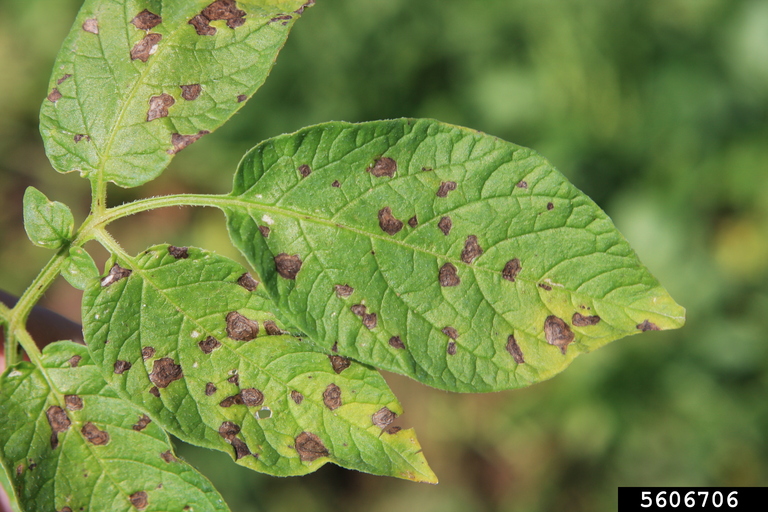
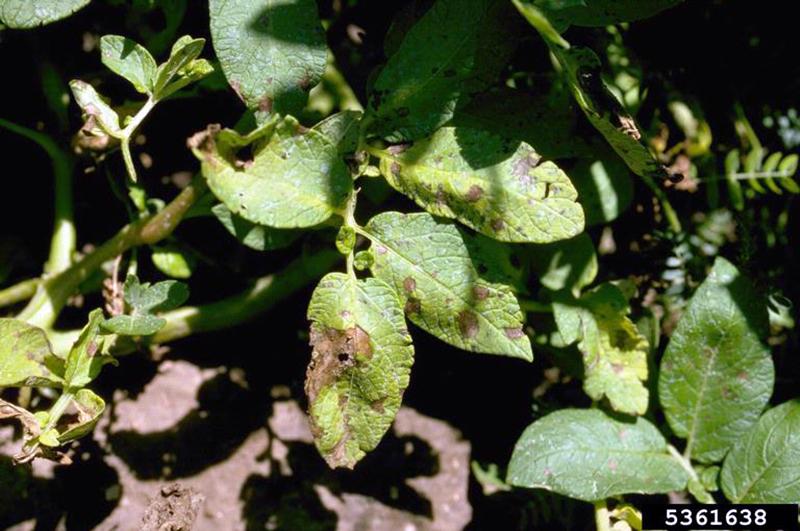
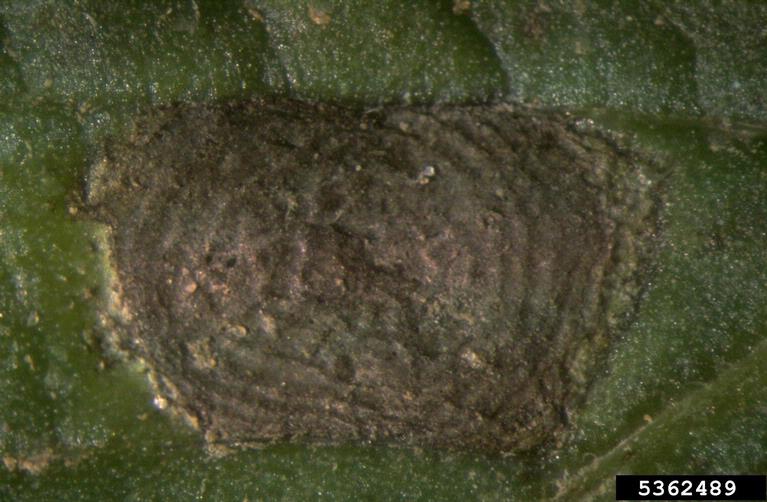
The first signs appear on the oldest, lowest leaves of your potato plants. Look for circular to angular dark brown lesions that are typically 3 to 4 millimeters in diameter. The characteristic feature is the target board pattern: concentric rings that make the lesion look like a bullseye. Yellow margins often surround these spots, making them stand out against the green leaf tissue.
As the disease progresses, you'll notice yellowing around the lesions and the affected leaves may wilt and drop off. The disease spreads upward through the plant, moving from old foliage toward newer growth. If conditions remain favorable, the entire lower portion of the plant can defoliate within weeks, leaving the upper canopy exposed and vulnerable.
Stem and Tuber Symptoms
Beyond the leaves, early blight can affect other plant parts. Brown lesions develop on stems, and these lesions can girdle the stem if they encircle it completely. This can cut off water and nutrient flow to sections of the plant above the infection.
The most serious problem develops in your potato tubers. Alternaria solani causes brown, corky dry rot in stored tubers that often goes unnoticed until weeks or months after harvest. This is particularly problematic because the infection happened during the growing season, but symptoms don't appear until after harvest when you're storing your potatoes. Secondary bacterial rot can also colonize these tuber lesions, making the situation worse.
Disease Progression Stages
Understanding how early blight develops helps you intervene at the right time. The disease moves through distinct stages:
Stage 1: Initial Leaf Spots — Small brown spots with the characteristic target board pattern appear on lower leaves. You might see just a few lesions scattered across older foliage.
Stage 2: Rapid Spread — During warm, wet weather, the spots multiply quickly. The disease spreads upward on the plant, and infected leaves yellow and drop.
Stage 3: Severe Defoliation — If unchecked, the disease strips most of the lower and middle foliage from the plant. The canopy becomes progressively thinner.
Stage 4: Tuber Infection — As harvest approaches, fungal spores from infected foliage can infect developing tubers in the soil, leading to post-harvest rot problems.
Conditions That Favor Early Blight Development
Early blight doesn't develop randomly. Specific environmental and management conditions create the perfect environment for this fungus to thrive.
Environmental Factors
Warm temperatures accelerate disease development. The fungus prefers temperatures between 65 and 80 degrees Fahrenheit, though it can cause problems across a wider range. Combine warmth with moisture, and you've created an ideal situation for the pathogen.
Wet conditions from rain, overhead irrigation, morning dew, or high humidity provide the moisture the fungus needs to germinate and spread. Interestingly, alternating periods of wet and dry weather, combined with wind, can accelerate disease spread even more than constant moisture. The wet periods allow infection, while the dry periods allow spores to develop and disperse on the wind.
Poor air circulation around plants keeps foliage wet longer. Dense planting, failure to remove lower leaves, and location in areas with limited airflow all contribute to creating humid microclimates where the fungus thrives.
Cultural and Management Factors
The way you manage your potato crop directly influences early blight risk. Overcrowded planting prevents air movement and keeps foliage wet. Excessive nitrogen fertilization stimulates lush leaf growth that's more susceptible to infection. Over irrigation, particularly overhead watering that wets the foliage, creates the moist conditions the fungus loves.
Stressed or senescent plants (older plants nearing the end of their natural lifecycle) are more vulnerable to infection. Plants weakened by other diseases, nutrient deficiencies, or environmental stress are less able to defend themselves against the pathogen.
Historical and Varietal Factors
The history of your growing area matters significantly. If you grew potatoes or tomato family plants in the same location last year and didn't thoroughly clean up plant debris, residual fungal inoculum remains in the soil. Growing in the same spot year after year builds up disease pressure in your soil.
Some potato varieties are naturally more susceptible to early blight than others. Plant breeding has developed resistant varieties that can reduce your disease risk significantly. Growing highly susceptible varieties in areas with previous early blight problems is like inviting trouble.
Proximity to other diseased fields, gardens, or solanaceous crops (tomato, pepper, eggplant) increases your risk. All of these plants can host the same pathogen, and spores can drift considerable distances on the wind.
How to Prevent Early Blight in Your Potato Crop
Prevention is always easier and more cost-effective than treatment. By implementing these strategies, you can dramatically reduce early blight risk and protect your harvest.
Variety Selection
This is your foundation. Choose later maturing, longer season potato varieties with natural resistance to early blight. Some varieties tolerate the disease better than others due to their genetics and growth characteristics. Your local extension service can recommend varieties suited to your region and known for early blight tolerance. Starting with the right variety sets you up for success before you plant a single seed.
Crop Rotation Strategy
The single most important cultural practice is crop rotation. The fungus overwinters in plant debris, so growing non-host crops like corn, small grains, soybeans, or brassicas for two to three years before returning to potatoes or other solanaceous crops dramatically reduces disease pressure. This breaks the disease cycle and gives the fungus population time to decline in your soil.
Proper Plant Spacing
Adequate spacing between plants promotes air circulation and allows foliage to dry quickly after rain or irrigation. Dense planting creates humid microclimates where the disease thrives. Follow recommended spacing for your variety, and don't be tempted to squeeze in extra plants. The slightly lower plant density pays for itself through reduced disease pressure and better overall plant health.
Smart Irrigation Management
Water management is critical. Use drip irrigation or soaker hoses that deliver water directly to the soil without wetting the foliage. If you must use overhead irrigation, apply water early in the morning so foliage dries quickly as the day warms. Avoid irrigating in the evening when foliage will remain wet throughout the cool night. Never irrigate when rain is forecasted, and adjust irrigation schedules during rainy periods.
Leaf Removal and Pruning
Remove lower leaves on your potato plants, particularly once the plant is well established. The bottom 6 to 12 inches of foliage is most vulnerable to early blight because soil splash carries fungal spores onto the lower leaves. Removing this foliage also improves air circulation. Disinfect your pruning tools between plants to avoid spreading disease.
Soil Mulching
Cover the soil around your plants with organic mulch, plastic, or landscape fabric. This prevents infected soil from splashing onto plant leaves during rain or irrigation. Mulch also moderates soil temperature and moisture, providing an additional benefit to your plants. If using organic mulch, apply it after soil has warmed in spring to avoid creating excessively moist conditions.
Thorough Sanitation
Destroy all infected plant material rather than composting it. Deep plow infested plant debris into the soil to bury it beyond the root zone, or remove it completely from your growing area. Eliminate nearby nightshade weeds like groundcherry, horsenettle, and jimsonweed, which can host the pathogen. Clean up all plant debris before winter and remove it from the growing area entirely.
Regular Scouting
Walk your potato fields or garden regularly, checking the undersides of lower leaves where early blight typically starts. Early detection gives you options. You might catch the disease when just a few lesions are present, before it spreads widely. Scout at least weekly during the growing season, and more frequently during warm, wet weather when disease pressure is highest.
Proper Nutrition Management
Maintain balanced plant nutrition with appropriate nitrogen levels. Plants weakened by nutrient deficiencies are more susceptible to infection. However, avoid excessive nitrogen, which stimulates lush growth that's more vulnerable to the pathogen. Follow soil test recommendations for your region, and provide consistent nutrition throughout the growing season. Well nourished plants with adequate vigor defend themselves against disease more effectively.
Certified Seed Importance
Always start with certified disease free seed potatoes. Certified seed is tested for common diseases and provides cleaner planting material than seed saved from previous crops or purchased from uncertified sources. This single step reduces your initial disease inoculum significantly, giving you a head start in disease prevention.
Managing Early Blight When It Appears
Despite your best prevention efforts, early blight sometimes develops. When it does, your response matters. Prompt action can still salvage your harvest.
Understanding Fungicide Timing
Fungicides are most effective when applied early, as soon as symptoms first appear or during periods of high disease pressure before symptoms develop. Once the disease becomes severe, fungicides can't reverse existing damage, though they protect new growth from infection.
Continued protection requires reapplication at 7 to 10 day intervals, following label instructions. The timing depends on weather conditions, rainfall, and how quickly new foliage develops. During extended rainy periods, you may need to spray more frequently. During dry periods, you can extend the interval.
Consider a preventive spraying program if early blight has historically developed early enough in the season to cause significant yield loss in your area. Work with your local extension service to determine if prevention is economically justified for your situation.
Integrated Pest Management Approach
The most effective disease management combines multiple strategies. Cultural practices like crop rotation, sanitation, and proper spacing reduce the overall fungal population in your field. When disease pressure is high despite these efforts, fungicides provide protection during critical growth stages. This integrated approach reduces your reliance on any single control method and makes resistance development less likely.
Rotate fungicide modes of action to prevent the fungus from developing resistance to any particular chemical. Consult your local extension office for fungicide recommendations specific to your region, as approved products and rates vary by location.
Storage Management for Tuber Protection
Even if you manage the disease well during the growing season, proper harvest and storage practices protect your tubers. After harvest, tubers need to undergo rapid suberization, the process where the skin thickens and hardens. This typically takes 2 to 3 weeks at slightly warmer temperatures with appropriate humidity.
Alternaria solani cannot infect through intact suberized skin. During this critical period, maintain proper temperature and humidity to facilitate skin formation. Avoid bruising tubers during harvest and handling, as wounds provide entry points for the pathogen. After suberization, store potatoes in cool, dark, well ventilated conditions.
Monitor stored tubers throughout the winter for signs of rot development. Early detection and removal of affected tubers prevents secondary bacterial rot from spreading to healthy tubers in storage.
When to Seek Professional Guidance
If you're uncertain about disease identification, fungicide recommendations, or whether treatment is justified, contact your local extension office. Extension specialists and pathologists have expertise in regional disease management and can provide recommendations tailored to your specific situation. Different regions have approved products and application rates, so local guidance is invaluable.
For small home gardens, cultural controls alone often provide adequate disease management. You might never need fungicides if you implement the prevention strategies outlined above. Larger operations might benefit from a formal fungicide program, but the decision should be based on disease history, variety susceptibility, and economic analysis.
Using Technology to Monitor Plant Health
Early detection is the most powerful tool you have against early blight. By monitoring your plants regularly and understanding the symptoms, you can catch the disease in its earliest stages when control is easiest. If you're looking for a smarter way to diagnose plant problems before they become serious, Plantlyze offers an AI powered plant care tool that helps you identify diseases and get recommendations for treatment. Whether you're managing a large potato field or a small home garden, having a reliable plant health assistant can make all the difference in preventing crop loss. Visit Plantlyze.com to learn how AI powered diagnosis can protect your growing season.
Taking Control of Early Blight
You now have the knowledge to manage early blight effectively. Sarah's experience doesn't have to be yours. With proper variety selection, crop rotation, good sanitation practices, appropriate irrigation management, and regular scouting, you can prevent early blight from becoming a problem in your potato crop.
Remember that prevention is always easier than treatment. Start with resistant varieties, rotate your crops, maintain good air circulation, manage irrigation carefully, and scout your fields regularly. These steps work together to keep disease pressure low and your plants healthy.
If early blight does appear, you know how to respond. Early detection makes treatment effective. Your vigilance is your strongest defense. By combining cultural practices with targeted fungicide applications when necessary, you protect both your current harvest and your long term soil health.
The potato farmers and gardeners who successfully manage early blight aren't dealing with some mysterious disease. They're simply implementing proven strategies consistently. You now have those same strategies. Your potato crop is worth the effort it takes to protect it.
References
UC Agriculture and Natural Resources — "Early Blight / Potato / Agriculture: Pest Management"
University of California, 2014
https://ipm.ucanr.edu/agriculture/potato/early-blight/
University of Minnesota Extension — "Early blight in tomato and potato"
Minnesota Extension, 2024
https://extension.umn.edu/disease-management/early-blight-tomato-and-potato
UW Vegetable Pathology — "Potato Early Blight"
University of Wisconsin Vegetable Pathology, 2023
https://vegpath.plantpath.wisc.edu/diseases/potato-early-blight/
Bayer CropScience — "Understanding and managing early blight in Potatoes"
Bayer Crop Protection, 2024
https://www.cropscience.bayer.us/articles/cp/early-blight-potatoes
Royal Horticultural Society — "Potato blight: Symptoms & Control"
RHS, 2025