Your pepper plants looked healthy when you planted them in spring. Now, in the middle of summer, you notice something troubling. Small brown spots have appeared on the lower leaves. Within days, they spread upward, and the leaves turn yellow and drop. You realize with growing dread that early blight has invaded your garden. If this scenario feels familiar, you are not alone. Early blight stands as one of the most common and destructive diseases affecting pepper crops, causing losses of 20 to 50 percent in some growing seasons. The good news? You can prevent it and manage it effectively when you know what to look for and how to act.
Understanding Pepper Early Blight
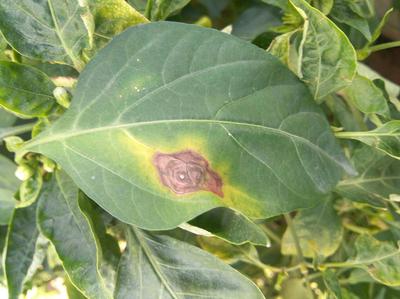
Early blight in peppers is a fungal disease caused by the pathogen Alternaria solani. This fungus survives in plant debris, soil, and the remnants of infected crops from previous seasons. Unlike some plant diseases that appear randomly, early blight thrives in specific conditions. When your pepper plants are crowded together in humid air and their leaves stay wet for extended periods, the fungus activates and spreads rapidly.
The disease becomes particularly aggressive during summer months when afternoon rains and warm temperatures create a perfect breeding ground. If left unchecked, early blight can strip a plant of all its lower leaves and eventually kill it, leaving your harvest destroyed.
Recognizing Early Blight Symptoms
Knowing what early blight looks like could mean the difference between saving your crop and losing it. Symptoms always appear first on the lower leaves of the plant, where humidity tends to be highest and air circulation weakest.
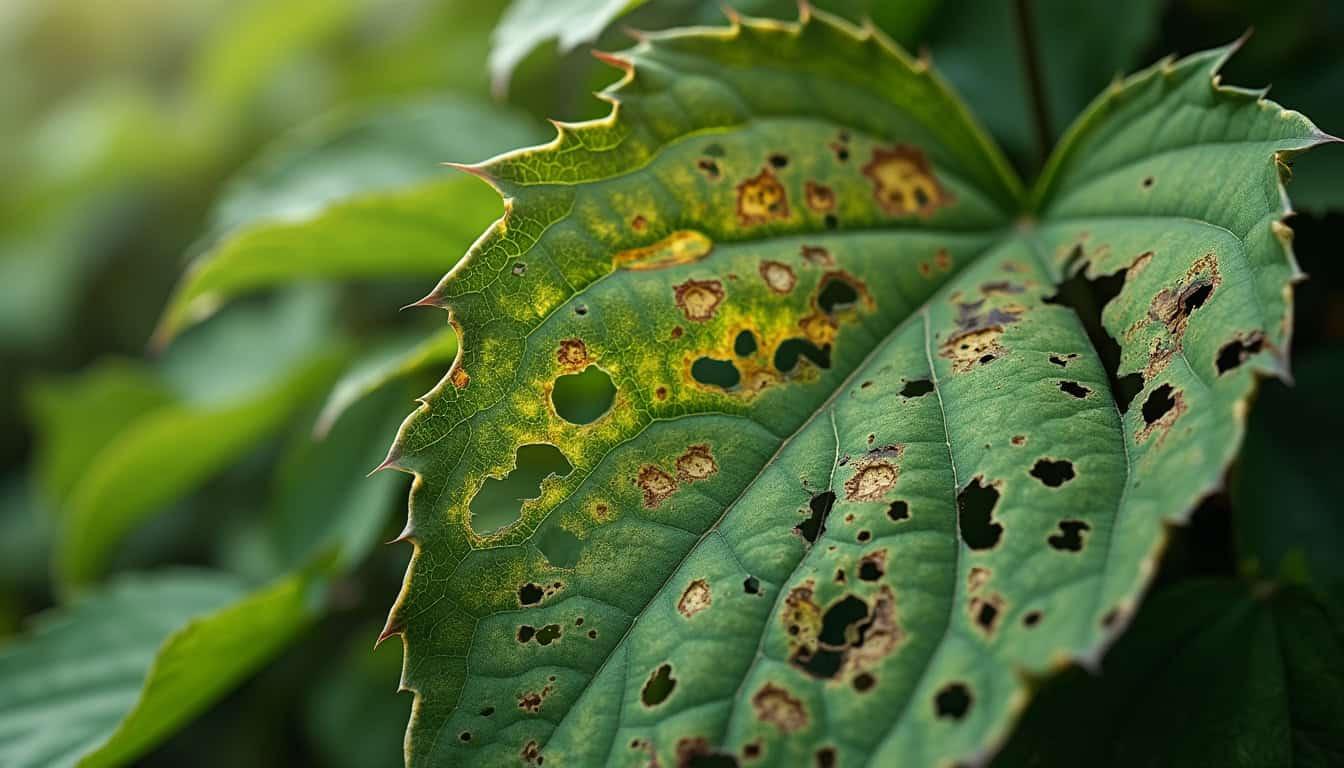
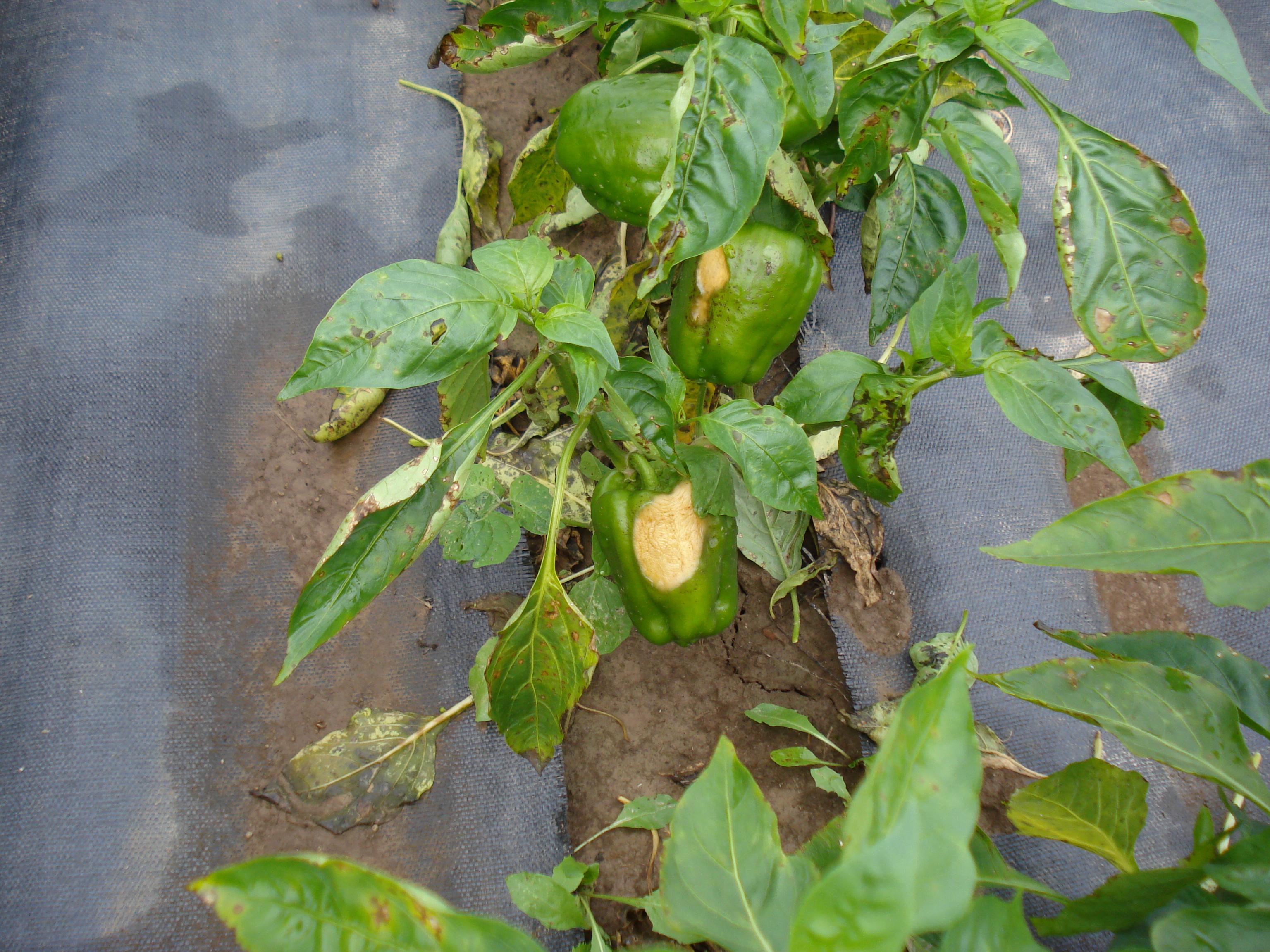
On the leaves, you will see roughly circular brown spots that enlarge over time. What makes early blight distinctive is the concentric rings these spots develop, creating a target-like appearance. Often, a yellow halo forms around these target spots. As the disease progresses, multiple spots merge together on a single leaf, eventually destroying large sections of leaf tissue.
On the stems, the fungus creates dark brown lesions that may girdle (circle) the stem completely. This girdling stops nutrients and water from moving up the plant, causing rapid wilting below the infected point.
On fruit, symptoms appear as dark, sunken lesions that expand over time. Infected peppers eventually shrivel and rot on the vine.
The disease moves upward from the base of the plant systematically. This progression means that catching it early, while it affects only the bottom leaves, gives you the best chance of saving your pepper crop.
Why Early Blight Spreads in Your Garden
Understanding the mechanism behind early blight helps you prevent it. Alternaria solani spores are incredibly efficient travelers. Splashing water from rain or overhead irrigation carries infected soil particles from one leaf to another and from plant to plant. Dense foliage traps moisture, creating pockets of humidity around leaves that can stay wet for hours even after watering stops.
Temperature plays a role too. The fungus thrives in warmth, particularly between 68 to 86 degrees Fahrenheit. These conditions often exist in mid to late summer when peppers are most productive but also most vulnerable.
Poor air circulation compounds the problem. When pepper plants are planted too close together, air cannot flow freely between them, and leaves dry slowly after watering or rain. This extended leaf wetness becomes an invitation for the fungus to germinate and infect.
Prevention: Your Most Powerful Tool
The most effective way to manage early blight is to prevent it from ever taking hold. Prevention requires thinking ahead and establishing good practices from the moment you plant.
Spacing and Air Flow: Plant pepper plants at least 12 inches apart, allowing adequate space for air to move freely around each plant. This reduces humidity around foliage and decreases the time leaves stay wet after rain or watering. Proper spacing alone can reduce early blight risk significantly.
Watering Technique: Always water at the base of plants using drip irrigation or soaker hoses. Never use overhead sprinklers, as the splashing water carries fungal spores from soil to foliage. Morning watering allows any accidental leaf wetting to dry quickly in the sun.
Sanitation and Debris: Remove all plant debris from the previous season before planting. Burn or bury infected plant material. The Alternaria solani fungus can persist in debris for extended periods, so thorough cleanup is essential. Clean and disinfect all garden tools after working with potentially infected plants.
Crop Rotation: Plant peppers in different locations in your garden each year. Wait at least three to four years before growing peppers (or any plants from the Solanaceae family, which includes tomatoes and eggplants) in the same soil. This breaks the disease cycle.
Resistant Varieties: Select pepper varieties bred for early blight resistance or tolerance. Varieties like Jedi, Paladin, Aristotle, and Revolution offer better protection. Check seed catalogs and plant labels for resistance designations before purchasing.
Mulching: Apply approximately one inch of high quality mulch around pepper plants. Mulch acts as a barrier, preventing soil from splashing onto foliage during rain. Just be careful not to over-mulch, as excessive mulch can trap moisture around the soil and increase humidity.
Treating Early Blight Once It Appears
Once you spot early blight symptoms, acting quickly makes a substantial difference in limiting damage.
Immediate Actions: Remove infected leaves by pruning them off completely. Dispose of these leaves in the trash or burn them (where local regulations allow). Do not compost infected plant material, as the fungus will survive composting and spread to other plants later. Thin the canopy by removing some lower branches to increase airflow and speed up leaf drying.
Fungicide Applications: For active infections, fungicides containing copper or chlorothalonil can slow disease progression if applied regularly throughout the growing season. Copper fungicides work best when applied before symptoms develop, so they serve as preventative sprays. Apply fungicides early in the disease progression before the infection becomes severe.
Start fungicide applications at the first sign of disease and continue on a schedule, typically every 7 to 14 days, depending on rainfall and humidity. Always read and follow all label instructions carefully, including pre-harvest waiting periods.
Organic Options: If you prefer an organic approach, copper-based fungicides provide effective control. These products have been used for decades and remain highly effective against early blight and similar fungal diseases.
Using Technology to Confirm Your Diagnosis
Uncertainty about whether your pepper plants have early blight can delay treatment. Sometimes gardeners mistake other conditions for blight or waste time treating the wrong problem.
Tools like Plantlyze can remove the guesswork. Plantlyze is an artificial intelligence powered plant care and diagnosis tool that analyzes photographs of affected leaves. You simply take a clear photo of a spotted leaf and upload it to the platform. The AI instantly identifies whether you are dealing with early blight or another condition entirely. This confirmation lets you begin appropriate treatment immediately instead of second-guessing yourself.
Long Term Management and Monitoring
Managing early blight is not a one-time effort but rather an ongoing practice that spans the entire growing season.
Weekly Inspections: Check your pepper plants every week during the growing season. Look at the lowest leaves first, as this is where early blight always appears initially. Catching spots in the earliest stages allows you to remove infected leaves before the disease spreads widely.
Seasonal Cleanup: At the end of the growing season, remove and destroy all pepper plant debris. Do not leave stems or leaves in the garden over winter. This eliminates the source of infection for next season.
Record Keeping: If early blight has been a problem in your garden in the past, keep notes about when it appeared, which plants were affected, and which management strategies worked best. This information helps you make better decisions the following year.
Variety Selection for Next Year: Based on your results, choose varieties with better disease resistance for the next season if early blight was severe.
Frequently Asked Questions About Pepper Early Blight
Can early blight completely kill my pepper plant?
Yes, in severe cases, early blight can kill pepper plants by causing complete defoliation and preventing fruit development. Plants with no leaves cannot photosynthesize and eventually collapse.
If I remove infected leaves, will the plant recover?
Pepper plants can recover and produce fruit if you catch early blight early and remove infected foliage before the disease becomes severe. Recovery depends on how much leaf area remains.
Is it safe to eat peppers from plants with early blight?
Peppers from plants with early blight are safe to eat if the fruit itself has no lesions. The fungus affects foliage primarily. Harvest fruit as soon as it reaches maturity and discard any peppers with dark sunken spots.
Can I use the same tools in my pepper garden and my tomato garden?
No. Alternaria solani infects both peppers and tomatoes. If you use tools on infected peppers and then on tomatoes without cleaning them, you spread the disease. Always clean tools thoroughly between plants.
What should I do if early blight returns every year?
If early blight is chronic in your garden, you may be growing peppers in soil that contains persistent spores. Consider moving to a different garden location. If that is not possible, use resistant varieties, maintain excellent sanitation, and apply preventative fungicides regularly throughout the season. In extreme cases, soil solarization (covering soil with clear plastic for 4 to 6 weeks during the hottest months) can reduce fungal populations.
Taking Action Now
Early blight threatens pepper harvests every season, but understanding the disease and following proven management strategies puts you in control. Prevention through spacing, sanitation, and resistant varieties remains your strongest defense. When early blight does appear, quick identification and removal of infected foliage can save your crop.
Start this season by spacing plants properly, using drip irrigation, and removing all garden debris from last year. If early blight emerges despite these precautions, act immediately by pruning infected leaves and applying fungicides. Your pepper plants will reward your efforts with a healthy, abundant harvest.
References
GardenTech. "How to Control Common Tomato, Pepper, Eggplant and Potato Diseases." gardentech.com
Wisconsin Horticulture. "Early Blight." hort.extension.wisc.edu, 2024.
Biology Insights. "Pepper Blight: Identification, Prevention, and Management." biologyinsights.com
Pepperjoe.com. "10 Disease Resistant Pepper Varieties to Try Growing." pepperjoe.com, 2023.
University of Wisconsin Extension. "Early Blight: Prevention and Management in Home Gardens." extension.wisc.edu