You've nurtured your pepper plants all season. The flowers bloomed. The fruit started forming. Then one day, you notice something wrong. Spots appear on the leaves. Some foliage wilts despite consistent watering. Discoloration spreads across the stem. Your heart sinks a little.
Here's the thing: you're not alone in this experience. Pepper diseases are incredibly common, and they happen to experienced gardeners and beginners alike. The good news? Most pepper diseases are preventable, and many are treatable if you catch them early. This guide will walk you through identifying what's attacking your plants, treating the problem, and preventing it from happening again next season.
If you're ever uncertain about what you're seeing, you can quickly upload a photo to Plantlyze's AI plant diagnosis tool at plantlyze.com to get instant identification. But let's start with the knowledge that gives you true control over your garden.
Why Peppers Get Diseases (And It's Not Your Fault)
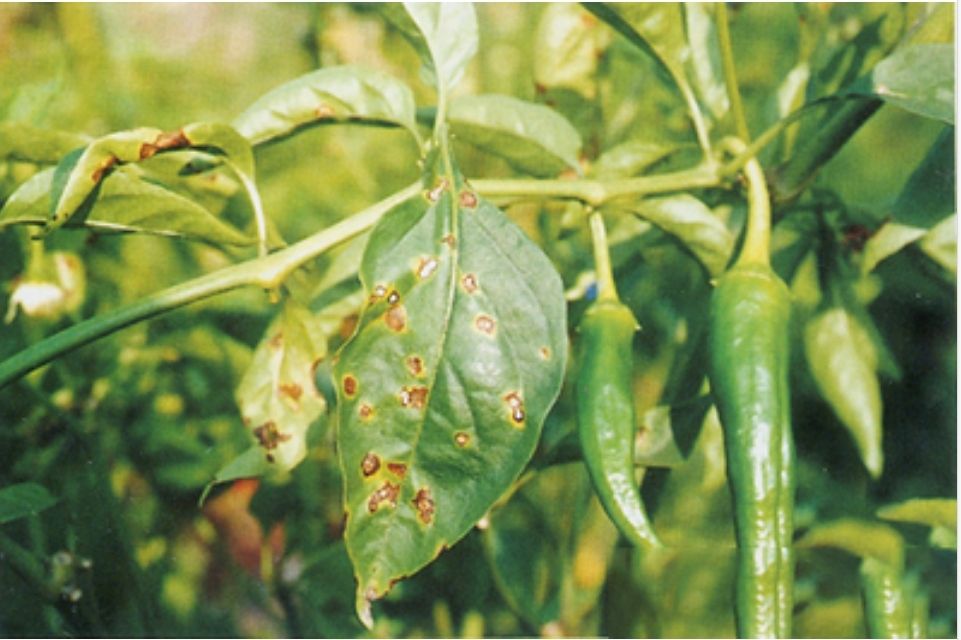
Before we talk about specific diseases, it's worth understanding why peppers fall ill in the first place. This knowledge transforms you from a reactive firefighter into a proactive gardener.
Pepper diseases thrive in specific conditions. Most fungal diseases love moisture combined with warmth. When you water your plants in the evening, the foliage stays damp through the cool night. Fungi wake up and feast. Bacterial diseases spread the same way, jumping from leaf to leaf through water droplets. Even splashing water from rain or irrigation can transport disease spores from soil to plant.
Humidity is another major factor. In muggy climates or poorly ventilated gardens, air can't dry the foliage quickly. This creates a perfect petri dish for fungal growth. Temperature extremes stress plants too. A sudden cold snap weakens a pepper plant's defenses just when disease pressure increases.
Think of preventing disease like vaccinating your plants. You're building their resistance before the enemy arrives. Even experienced growers with perfect techniques sometimes encounter pepper diseases. It's not about being a bad gardener. It's about understanding that plant diseases are a natural part of the ecosystem. Your job is managing them wisely.
The 6 Most Common Pepper Diseases You'll Face
Anthracnose: The Most Common Pepper Destroyer
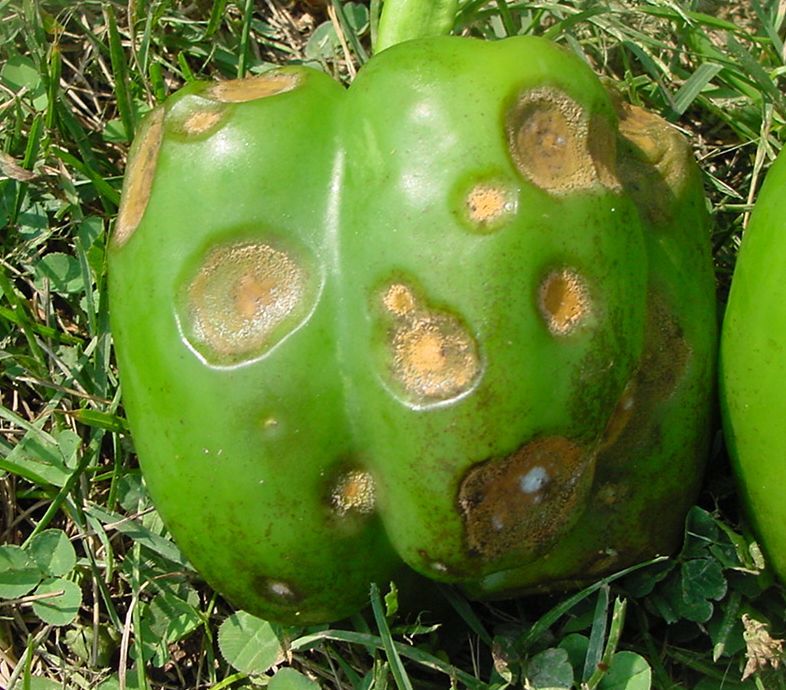
Anthracnose is the top pepper disease threat in most growing regions. If you only learn about one disease, make it this one.
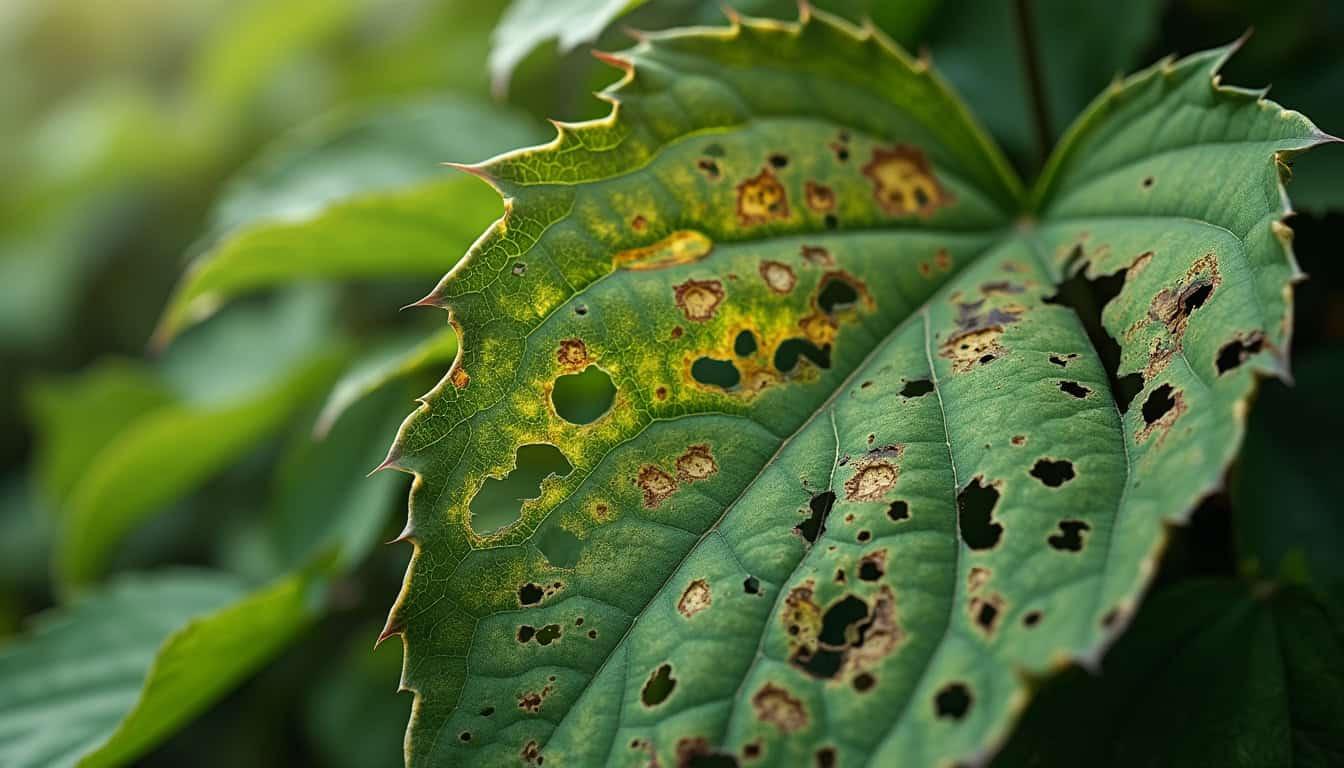
You'll recognize anthracnose by circular lesions on pepper fruit, usually appearing as the peppers mature and begin to change color. These spots look like sunken dimples with pink or orange spore masses in the center. On leaves, you'll see small brown spots that might look like just weathering at first. The spots start small and expand over time.
What causes it: A fungus lives in soil and plant debris. It loves warm, humid conditions and spreads through water splash and contaminated tools.
How it spreads: If you touch an infected plant and then touch a healthy one without washing your hands, you're moving the disease. Rain splash from soil to lower leaves is another common path.
When to worry: Early infections on foliage are manageable. But once anthracnose hits ripe fruit, that fruit is lost. The disease renders peppers unmarketable and inedible as the lesions expand and create rot entry points.
Treatment difficulty: Medium. Prevention is genuinely your best tool here. Once established, it requires consistent fungicide applications or removal of infected fruit.
Bacterial Leaf Spot: The Humidity Lover
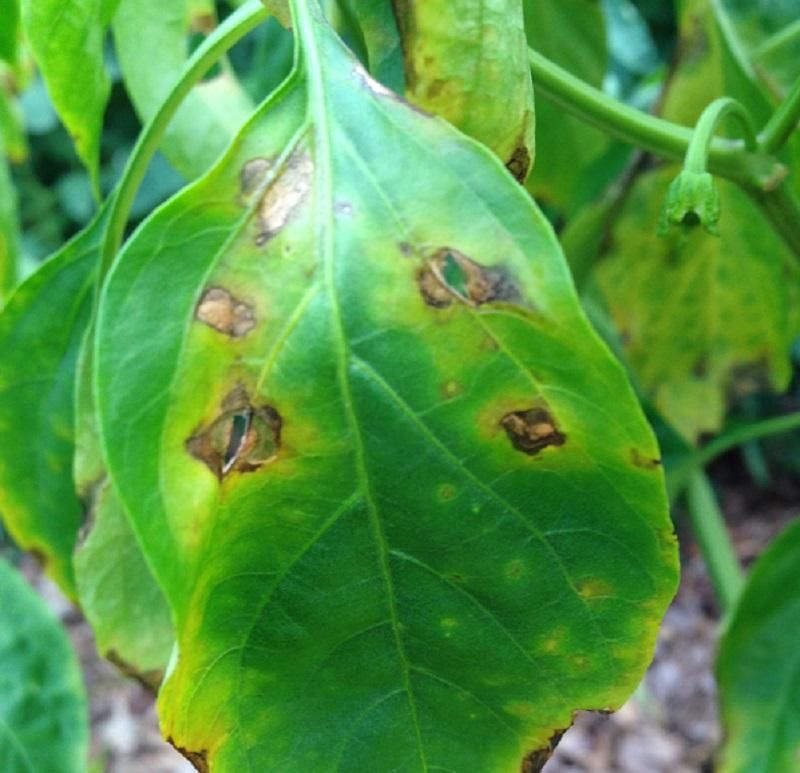
Bacterial leaf spot spreads rapidly in humid conditions, making it especially troublesome in rainy seasons or warm, tropical climates.
You'll see small, raised lesions on leaves that start yellow or tan, then develop a brown center with a yellow halo. The pattern is distinctive once you know it. On peppers, similar spots appear but often with a darker, soaked appearance. Affected leaves eventually yellow and drop, sometimes defoliating entire branches.
What causes it: A bacterium that loves warm temperatures and free moisture on leaves. Even damp humidity from morning dew is enough to spread it.
How it spreads: Water is the primary vector. Contaminated seeds, transplants, and tools also transport this bacterium.
When to worry: This disease spreads fast. If you spot it, you need to act within days, not weeks.
Treatment difficulty: Medium to high. Removing infected foliage is your most effective response. Copper fungicides provide some control but aren't a cure.
Powdery Mildew: The Aesthetic Problem
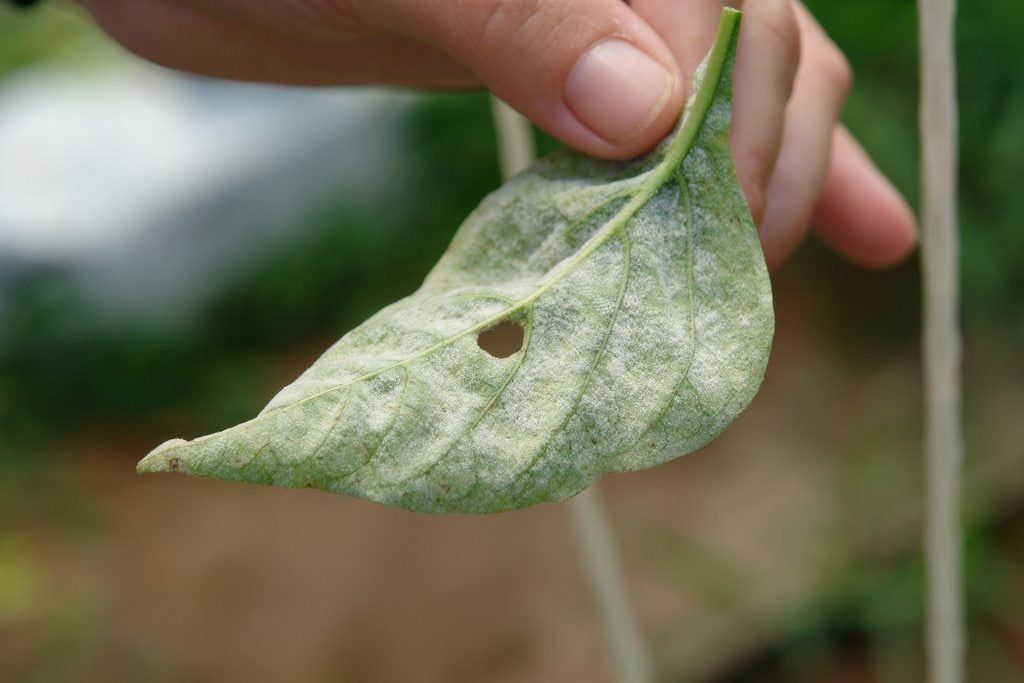
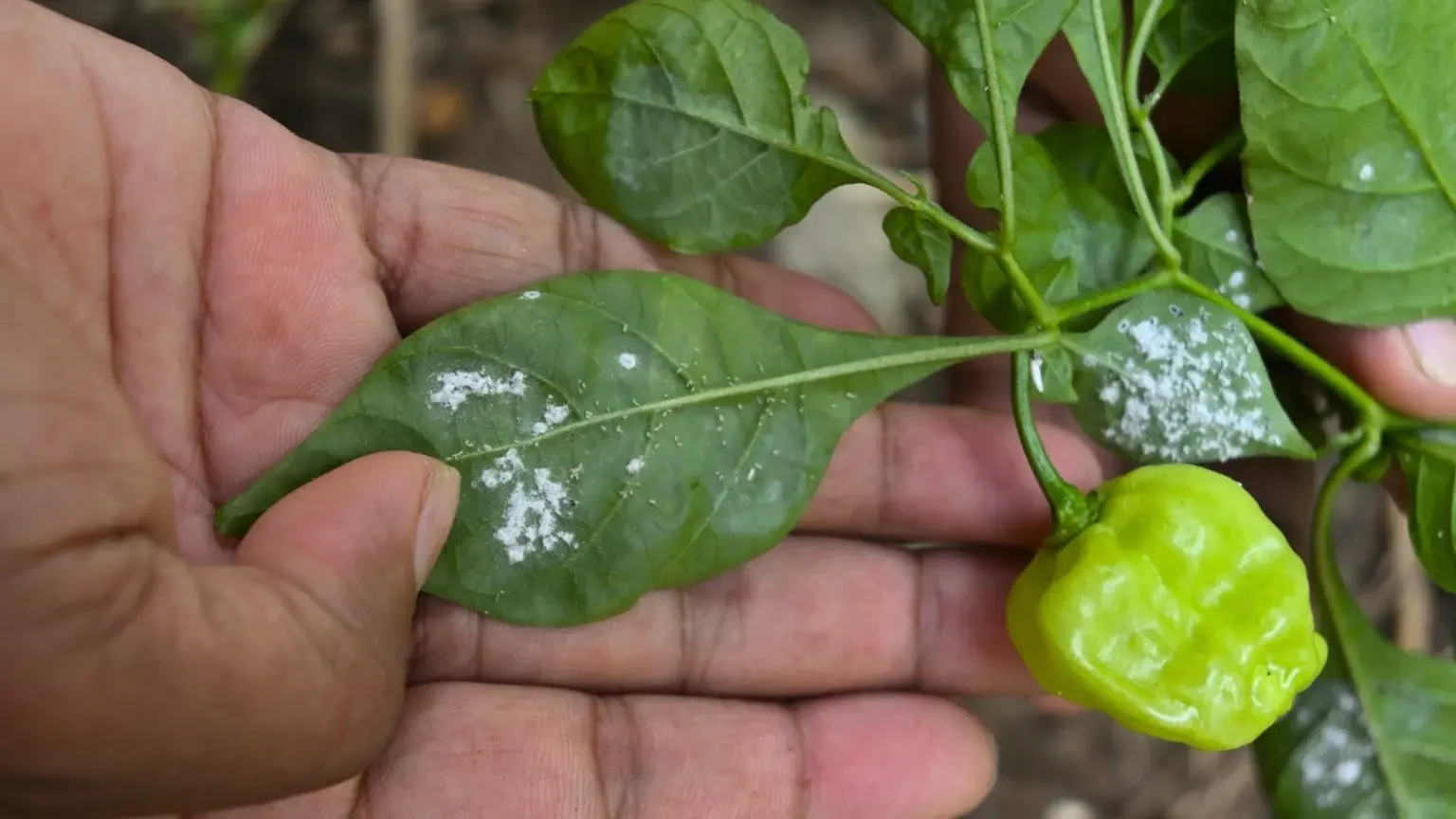
Powdery mildew looks alarming but is often less serious than gardeners fear. A white, powdery coating appears on leaves, sometimes on stems and fruit.
The white powder is actually millions of fungal spores. Unlike many fungal diseases, powdery mildew doesn't need the leaf surface to be wet to germinate. Warm days and cool nights with high humidity create ideal conditions.
What causes it: Multiple fungal species cause powdery mildew. They're airborne and nearly impossible to exclude completely.
How it spreads: Spores travel on air currents. You can't prevent exposure, but you can prevent establishment through air circulation and plant health.
When to worry: Powdery mildew reduces photosynthesis, which eventually impacts fruit production. But it rarely kills pepper plants outright.
Treatment difficulty: Low. Neem oil works. Sulfur works. Improving air circulation works. This is the most manageable major pepper disease.
Mosaic Virus: The Incurable Crisis
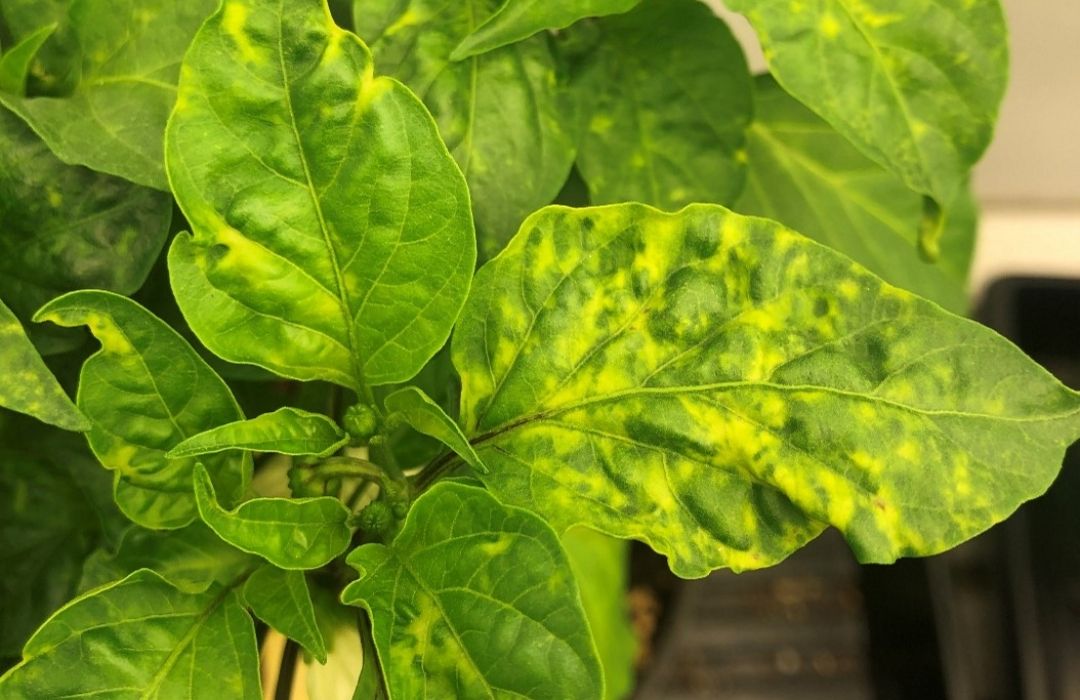
If anthracnose is your most common problem, mosaic virus is your most serious one. This is the disease you want to prevent at all costs because once a plant is infected, it's doomed.
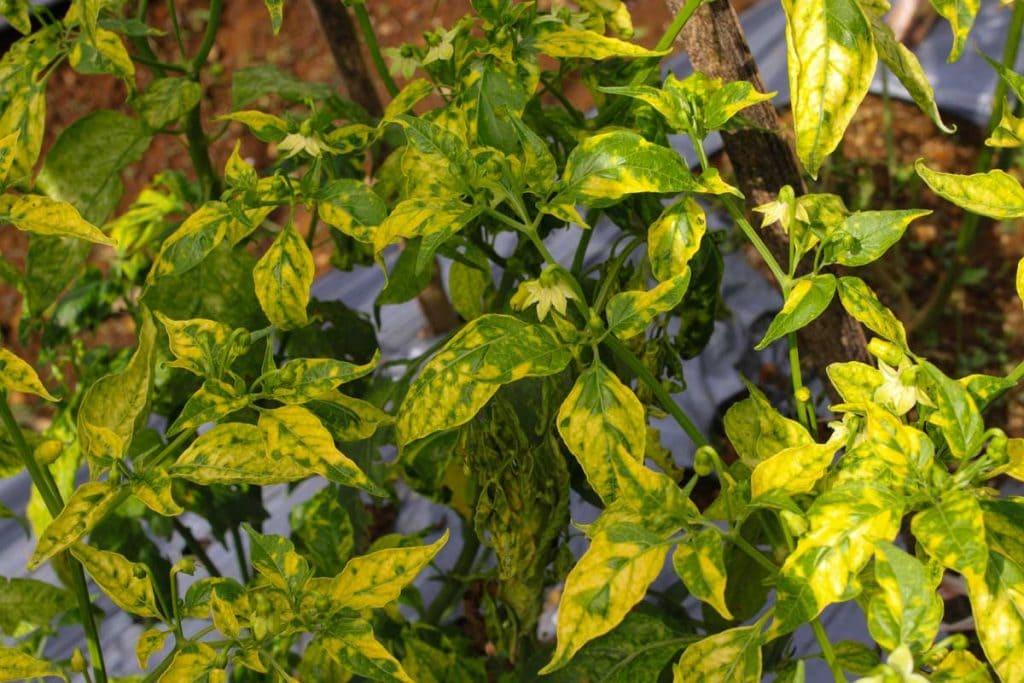
Affected leaves become mottled with light and dark green patches. The leaves may twist or curl. The plant appears stunted. Fruit comes out misshapen and discolored. There's no recovery from this once it establishes.
What causes it: A virus, usually spread by aphids. The aphids feed on an infected plant, then feed on a healthy one, transmitting the virus directly into the plant's vascular system.
How it spreads: Insect vectors, mainly aphids. You can also spread it by handling infected plants and then touching healthy ones.
When to worry: This is critical. The moment you confirm mosaic virus, remove that plant entirely and dispose of it in the trash, not the compost pile.
Treatment difficulty: Impossible. There is no treatment for plant viruses. Prevention through aphid control and resistant varieties is your only option.
Blossom End Rot: The Preventable Nutrition Problem
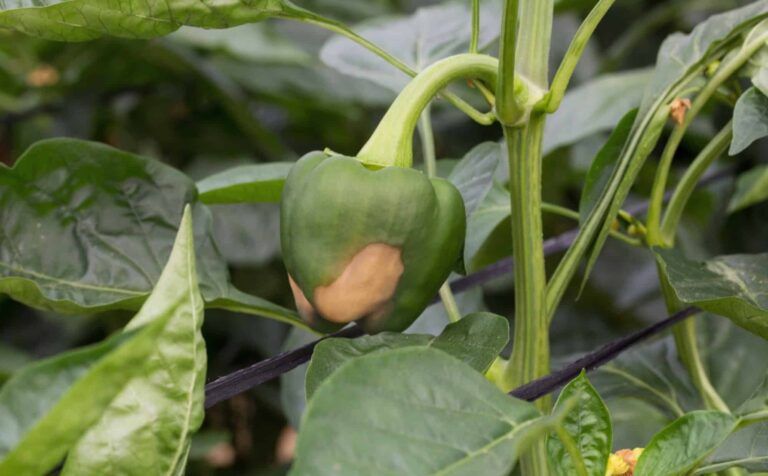
Blossom end rot is technically not a disease but a physiological disorder caused by calcium deficiency combined with inconsistent watering. It's worth knowing because it's common and entirely preventable.
You'll spot dark, sunken lesions on the bottom (blossom end) of developing pepper fruit. The spots start small and may expand. The fruit is still edible if you cut away the affected area, but it's not pretty.
What causes it: Calcium moves through plants via water uptake. When soil moisture fluctuates wildly, calcium transport becomes erratic. Peppers growing in low-calcium soil are more vulnerable.
How it spreads: It doesn't spread. It's a nutritional issue specific to individual fruit.
When to worry: Once it appears on a fruit, that fruit is affected. But you can prevent future fruit from developing the same problem by stabilizing watering.
Treatment difficulty: Low. This is a prevention disease. Add calcium (lime or gypsum), mulch to regulate soil moisture, and maintain consistent watering. Future fruit will develop normally.
Verticillium Wilt: The Worst Case Scenario
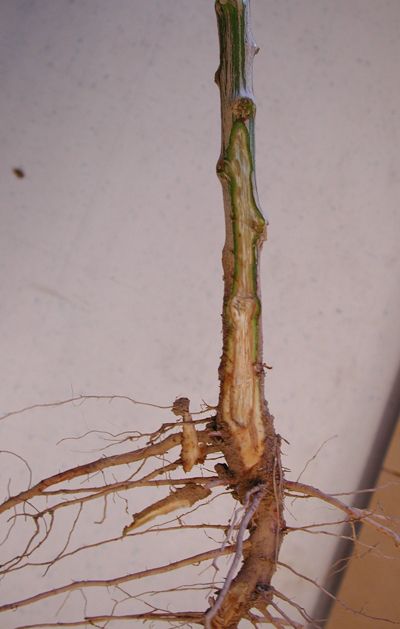
Verticillium wilt is the disease that makes gardeners consider giving up. It's catastrophic, rapid, and the plant cannot recover.
You'll notice one or more branches suddenly wilting despite wet soil. The wilting spreads. The entire plant yellows and collapses over days or weeks. If you cut into the stem, you might see dark discoloration in the vascular tissue.
What causes it: A soil-borne fungus that clogs the plant's water-conducting vessels. Once inside, it's unstoppable.
How it spreads: Through infected soil. Contaminated tools and equipment can move it between gardens. You can't see it until the plant is already dying.
When to worry: This is a worst-case scenario disease. If you're certain of the diagnosis, remove the plant and don't plant peppers (or tomatoes or eggplants) in that soil for several years.
Treatment difficulty: Impossible. Remove the plant immediately. Your only consolation is that this disease is less common than the others on this list.
Spot It Early: Your Identification Guide
The key to managing pepper diseases is catching them before they become serious. This requires regular observation and knowing what's normal versus concerning.
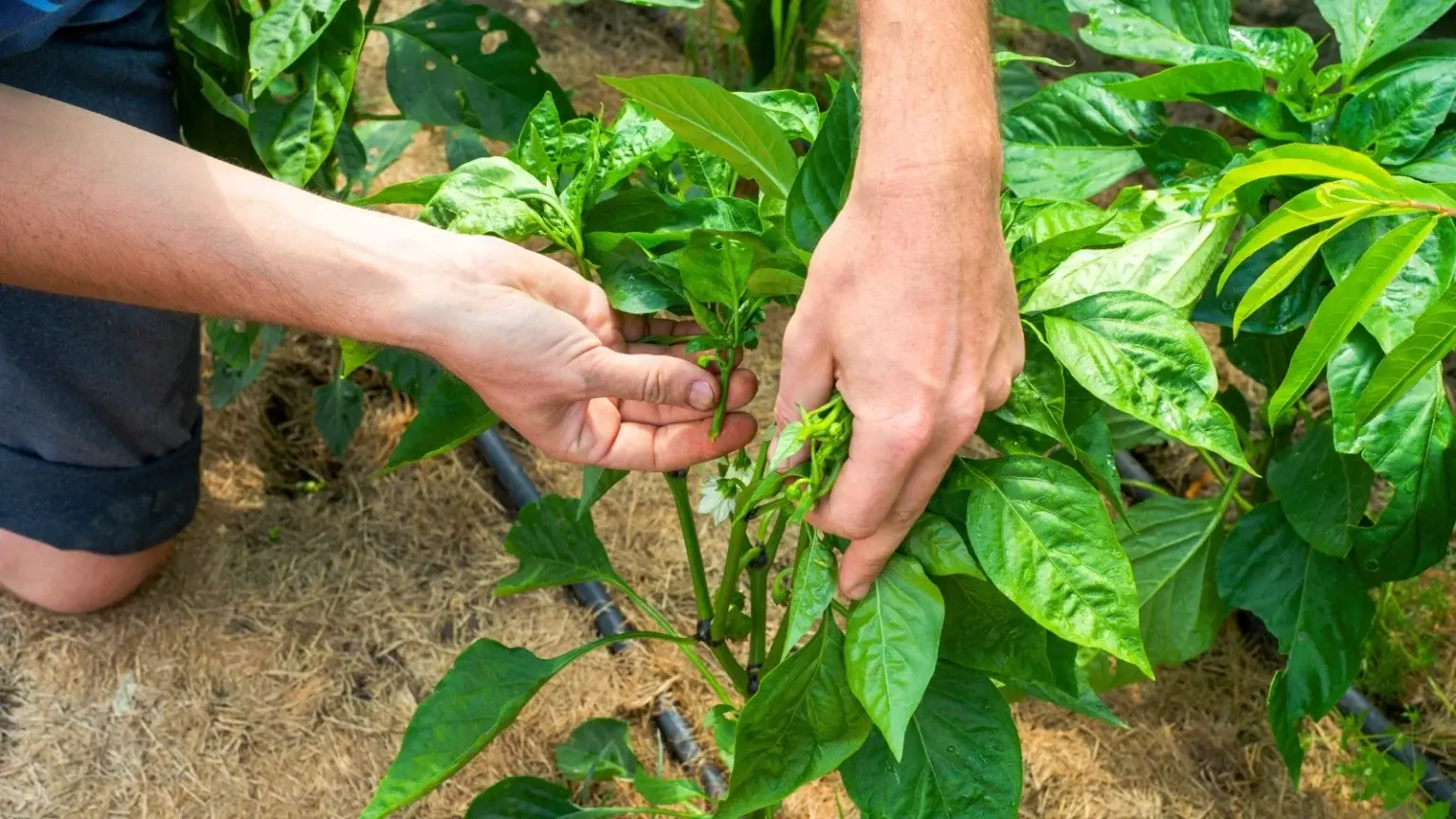
Start a weekly inspection routine. Set a specific day each week, maybe Saturday morning, to examine your pepper plants carefully. This consistency creates a baseline. You'll notice changes quickly because you're checking regularly.
Where should you look first? Start with the undersides of leaves. Many diseases hide here where it's damp and cool. Then examine the stems, checking where leaves attach. Move to the base of the plant where humidity is highest. Finally, inspect fruit carefully, especially ripening peppers.
What's normal varies by variety and growth stage. Some leaf yellowing as the plant matures is fine. A few lower leaves dropping is typical. What's not normal? Rapid spotting on new growth. Wilting despite wet soil. Spots that spread noticeably from day to day. Discoloration that follows a pattern (halos around lesions, for example).
Use a simple color coding system in your mind. Green leaves with normal texture are fine. Yellow or tan spots with a clear edge need investigation. Brown or black spots spreading rapidly demand immediate action.
Here's a practical tip: check your plants tomorrow morning when leaves are dry. You'll see issues much more clearly than in afternoon heat. Moisture and glare can hide the early signs you're looking for.
Can't quite tell what you're seeing? Upload a photo to Plantlyze's AI plant diagnosis tool. You'll get instant identification and specific treatment recommendations based on exactly what's affecting your plant.
Prevention: Your Best Defense
Let's be direct: preventing disease is 100 times easier than treating it. The effort you invest in prevention now eliminates 80 percent of your pepper problems later.
Watering Wisdom
How you water makes an enormous difference. Water at soil level, never overhead. When you use sprinklers or spray the foliage, you're creating the exact moist conditions that fungi and bacteria love.
Instead, use drip irrigation or soaker hoses. Direct water to the soil. This keeps foliage dry while still hydrating the roots.
Deep, infrequent watering beats daily sprinkling. A thorough watering once or twice weekly, depending on your climate, encourages deeper rooting and stronger plants. Shallow daily watering keeps the top inch wet but roots shallow.
Morning watering is ideal when you must use overhead irrigation. The foliage dries quickly as temperatures rise. Evening watering leaves foliage wet through the cool night when fungal spores germinate.
Location and Spacing
Plant peppers in full sun. At least six hours of direct sunlight is minimum, but eight hours is better. Sunlight has natural antifungal properties and helps foliage dry quickly.
Air circulation matters enormously. Space your pepper plants so foliage isn't touching. A plant touching another plant can't dry quickly. In humid climates, wider spacing is worth the reduced plant count.
Ensure soil drains well. If your garden holds standing water after rain, add compost or sand to improve drainage. Peppers in constantly wet soil are stressed and susceptible.
Sanitation: The Underrated Game Changer
Clean your tools between plants. If you're pruning off diseased foliage, sterilize your pruners before touching healthy plants. A quick wipe with a rag soaked in isopropyl alcohol is sufficient.
Remove fallen leaves immediately. These decomposing leaves on the soil surface are disease factories. Rake them up and dispose of them.
Never compost diseased plant material. Disease organisms survive in compost. Dispose of infected leaves and fruit in the trash.
At season's end, clean your entire garden. Remove plant debris, fallen leaves, and old mulch. Compost these materials separately or dispose of them if they're diseased. This removes overwintering disease sites.
Crop Rotation
Peppers, tomatoes, and eggplants are all nightshades and susceptible to many of the same diseases. Practice a three-year rotation. Don't plant peppers in the same soil for three years straight.
In year one, grow peppers. In year two, plant unrelated crops like beans, squash, or lettuce. In year three, grow something else again. By year four, your soil has recovered enough to grow peppers there again.
If you have a small garden, consider growing peppers in containers with fresh soil each year. This sidesteps soil-borne disease entirely.
Seeds and Transplants
Buy disease-certified seed from reputable sources. Good seed companies test their stock for seed-borne diseases.
When purchasing transplants, inspect them carefully. Healthy transplants have green foliage with no spots or discoloration. Reject plants with yellowing, spotting, or stunted growth.
When you bring transplants home, isolate them for a week if possible. Watch for disease symptoms before transplanting into your garden. This prevents introducing disease to your clean soil.
Treatment Options: What Actually Works
Now let's talk about treating disease when prevention hasn't been quite enough. Not every situation requires the same response.
When to Treat Versus Remove
Mild infections are worth treating. Powdery mildew on a few leaves? Treat it. Yellow spots on lower leaves just starting to appear? Treat it. You're stopping the problem before it becomes serious.
Severe infections warrant removal. Mosaic virus on any plant? Remove it. Verticillium wilt with the whole plant wilting? Remove it. A plant with more than 50 percent of its foliage affected? You're better off removing it than spending time and money treating something that will likely fail.
Think about a simple decision tree. Is the infection new and limited to one area? Treat it. Does it affect the whole plant? Remove it. Is it a virus that can't be cured? Remove it.
Organic Treatments
Neem oil is the most popular organic fungicide for peppers. It works well on powdery mildew and early anthracnose. Apply it in early morning or late evening when pollinators are inactive. Spray every seven to ten days until the problem resolves.
What neem doesn't do well: It's not very effective against bacterial diseases. Its coverage is incomplete on large fungal outbreaks. Repeated applications are needed.
Copper fungicides offer another organic option. They work on bacterial leaf spot and some fungal diseases. Apply according to label directions, typically once every 10 to 14 days.
Sulfur-based products work on powdery mildew specifically. They're cheap and effective but can burn foliage in temperatures above 85 degrees Fahrenheit.
Realistic expectations matter. Organic treatments slow disease progression. They don't eliminate it instantly. You're managing the problem, not curing it. If you spray once and expect the disease to vanish, you'll be disappointed.
Conventional Fungicides
Conventional fungicides like chlorothalonil and mancozeb offer stronger control. These are what commercial pepper growers use when disease pressure is high.
They're more effective than organic options but also more toxic. Follow label directions carefully. Respect safety intervals before harvesting.
These fungicides work best as preventives. Spray before you see obvious disease symptoms. Once disease is established, they provide control but not elimination.
When Nothing Works
Sometimes you do everything right and disease still wins. Viruses especially offer no treatment. Severely rotted plants offer no recovery path.
This is the moment to accept the loss and learn. Document what happened. Did humidity spike unexpectedly? Did you bring in contaminated plants? Did you skip your inspection routine?
Every season, even bad ones, teaches you something valuable. The loss of some pepper plants today prevents greater losses tomorrow because now you know what to watch for.
Your Action Plan
Knowing what to do is one thing. Actually doing it requires a step-by-step plan with realistic timing.
This Week
Inspect your pepper plants thoroughly. Get down close and look at every plant. Check undersides of leaves. Examine stems carefully.
Check your soil moisture and watering setup. Is your irrigation system wetting foliage? Are you watering in evening? These are the first things to adjust.
Improve plant spacing if plants are touching. Prune out internal branches if the center is crowded. Air flow is foundational.
This Month
Implement your prevention strategies. Set up drip irrigation if you're using sprinklers. Mulch around plants to regulate soil moisture. Add a thick layer that keeps the soil moist but doesn't touch the stem.
Start scouting for early disease signs. Go beyond your weekly inspection. Look specifically for the earliest stages of the diseases covered in this article.
Start record-keeping of what you observe. Even simple notes work: "June 15: Noticed three tiny spots on leaf undersides, removed leaves." This documentation becomes your reference guide for next season.
This Season
Maintain your prevention routine even when plants look fine. Especially maintain it when plants look fine, because that's when prevention works best.
Document what worked and what didn't. Which fungicide was most effective? Which spacing prevented problems? What made a difference in your specific garden?
Plan crop rotation for next year. Now, before season ends, decide where peppers will grow next season. Are they rotating to a new bed? Are you using fresh soil in containers?
Long-term Thinking
Build healthy soil with compost and organic matter. Healthy soil grows healthy plants that resist disease.
Save seeds from your healthiest plants. Over years, you're selecting for disease resistance in varieties you like.
Learn from each growing season. Every gardener has seasons when disease runs rampant and seasons when it's minimal. The difference is usually learning, observation, and adjustment.
For ongoing monitoring throughout the season, Plantlyze makes tracking your plant health simple. Upload photos of your peppers weekly, and the AI tool not only diagnoses problems but actually predicts potential issues before they become critical. It's like having a plant pathologist in your pocket. The system learns your garden over time, so recommendations become increasingly personalized.
Conclusion
It's completely normal to encounter pepper diseases. Every gardener, from beginners to veterans, faces these challenges. The difference between those who keep growing peppers and those who quit is not immunity to disease. It's knowledge and willingness to act.
You now understand what causes pepper diseases and why prevention is your most powerful tool. You can identify the six most common diseases and know which ones are emergencies and which ones are manageable. You have real, actionable steps for preventing disease before it takes hold. And you know what to do if disease appears despite your prevention efforts.
Growing peppers is entirely worth it. That first harvest of fresh, homegrown peppers tastes incomparably better than anything from a store. Yes, you'll face disease challenges. But you're equipped now. You know what to watch for. You know how to respond.
Ready to take control of pepper disease in your garden? Try Plantlyze to identify and monitor any issues as they emerge. Spot problems early, prevent disasters, and grow the healthy, productive pepper plants you're working toward.
References
Cornell University Division of Plant Pathology - Anthracnose on Pepper
https://blogs.cornell.edu/livegpath/gallery/peppers/anthracnose-on-pepper/blogs.cornellRutgers Plant & Pest Advisory - Controlling Pepper Anthracnose
https://plant-pest-advisory.rutgers.edu/controlling-pepper-anthracnose/Rutgers Plant & Pest Advisory - Pepper Anthracnose 2025
https://plant-pest-advisory.rutgers.edu/controlling-pepper-anthracnose/plant-pest-advisory.rutgersONvegetables - Pepper Anthracnose Management Update 2025
https://onvegetables.com/2025/06/18/pepper-anthracnose-management-update-2025/onvegetablesGardening Know How - Common Pepper Plant Problems
https://www.gardeningknowhow.com/edible/vegetables/pepper/common-pepper-plant-problems.htmgardeningknowhow