Imagine opening your greenhouse on a warm, humid morning to discover water-soaked spots covering your pepper leaves. Yellow rings surround angular dark lesions and brown scabbed areas disfigure the fruit. This nightmare scenario unfolds when pepper bacterial spot strikes your garden. Understanding this destructive bacterial disease equips you to protect your harvest before symptoms spread everywhere.
This guide reveals everything from recognizing early warning signs to implementing proven prevention strategies. You will learn how to identify pepper bacterial spot quickly, understand its lifecycle, and apply practical solutions that work. Whether you grow peppers in a backyard garden or manage commercial fields, these steps safeguard your crop from devastating losses.
What Is Bacterial Spot Disease?
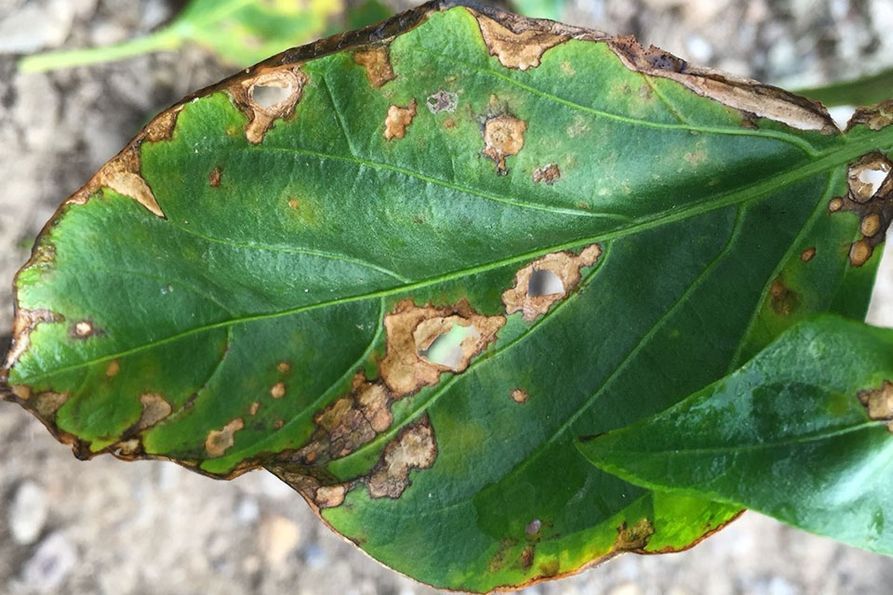
Pepper bacterial spot comes from Xanthomonas bacteria, a group of plant pathogens that attack peppers, tomatoes, eggplant, and related crops. Multiple bacterial species cause this disease, including Xanthomonas vesicatoria, Xanthomonas euvesicatoria, and Xanthomonas gardneri. The pathogen enters plants through natural leaf openings and wounds, spreading rapidly in warm, wet conditions.
Seedborne bacteria represent the primary infection source worldwide. Contaminated seed introduces the pathogen into new gardens and farms each season. Once established, the bacteria survive on crop residue and volunteer plants, waiting for the next suitable host. The disease now appears wherever peppers and tomatoes grow commercially.
Unlike some plant diseases that merely reduce quality, pepper bacterial spot makes fruit completely unmarketable. The brown scabbed spots and cracks on fruit render it unsuitable for sale even though it remains technically edible. Infected foliage yellows and drops prematurely, reducing plant vigor and productivity. Commercial growers lose millions annually to this pathogen. Home gardeners risk losing their entire pepper harvest in a single season.
Prevention becomes critical once you understand how rapidly this disease spreads. The bacteria multiply quickly in warm, humid conditions, overwhelming unprotected plants within weeks. Once established in your garden soil and on crop residue, bacterial spot becomes nearly impossible to eliminate without multi-year management strategies.
Recognizing the Symptoms
Spotting pepper bacterial spot early provides your best chance for intervention. The disease displays distinctive symptoms on leaves, stems, and fruit that allow confident identification.
Leaf Symptoms
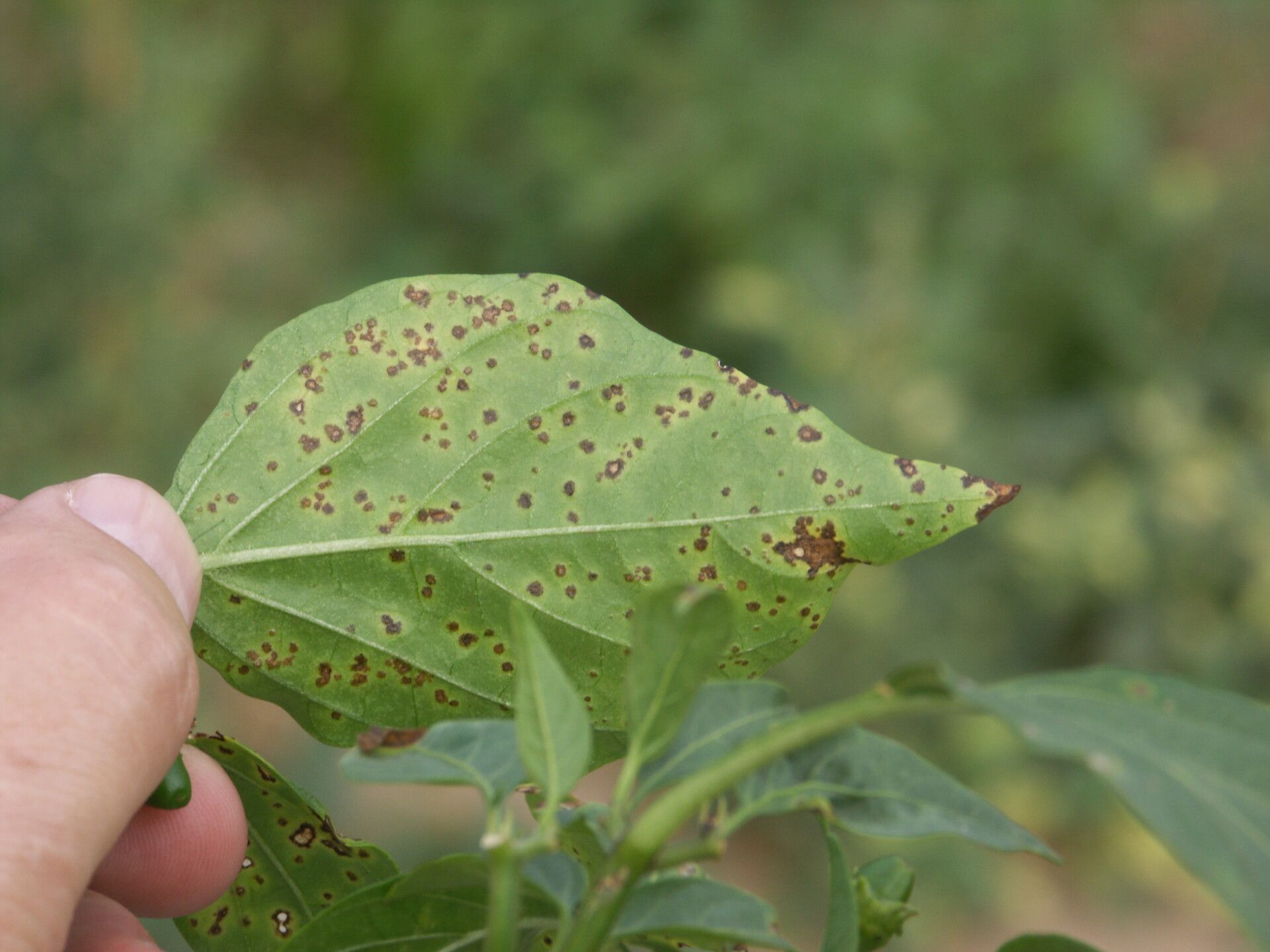
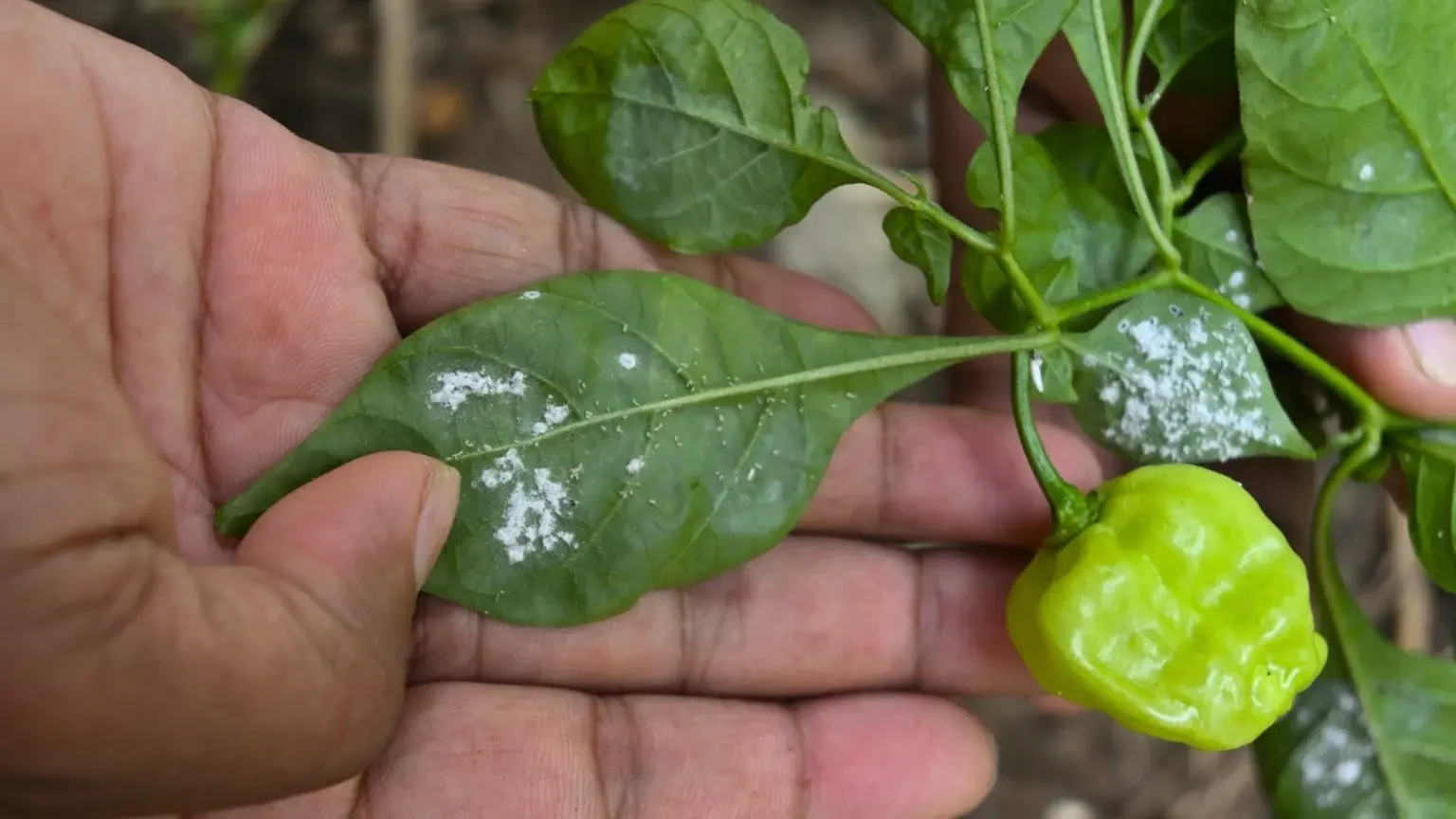
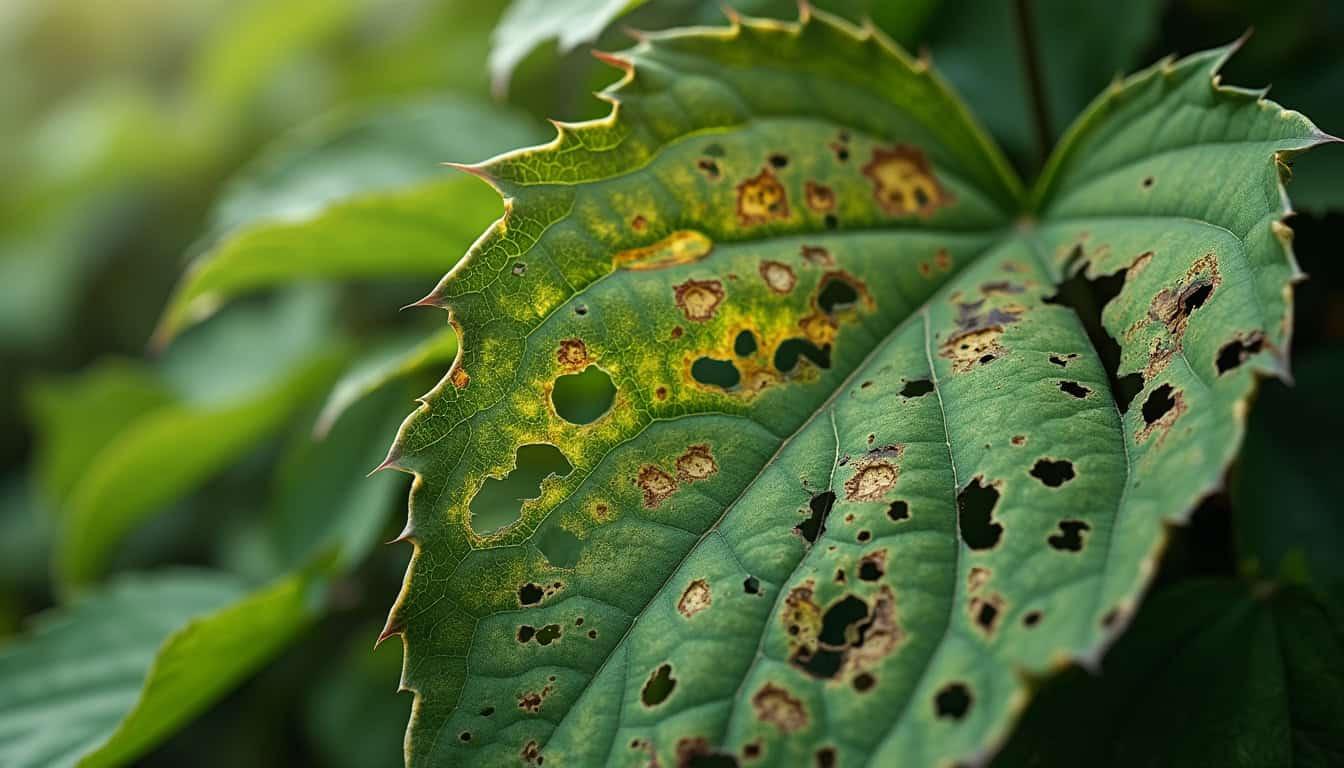
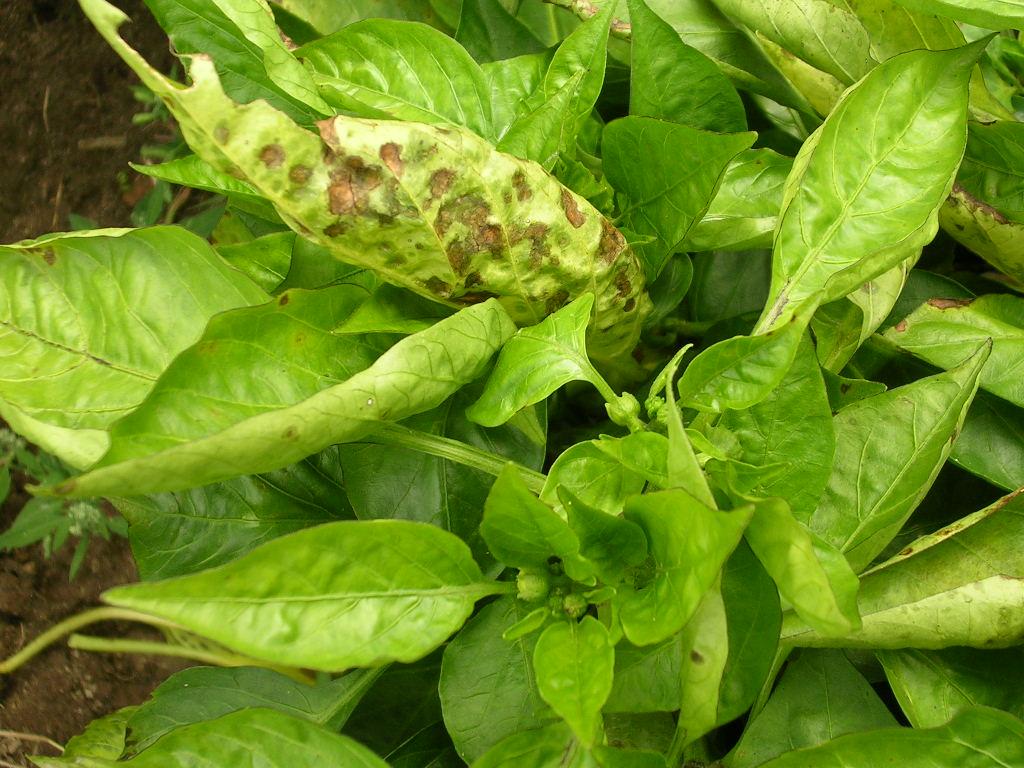
The first visible symptoms appear as small yellow-green lesions on young pepper leaves. These lesions often cause young foliage to appear twisted and deformed. Progressive infection creates angular dark-green spots with a greasy appearance. A distinctive yellow halo surrounds the lesions, setting bacterial spot apart from other diseases.
As lesions age, the center tissue dries up and falls away, creating a shot-hole appearance. Severely affected leaves show yellowing throughout and eventually drop from the plant. Leaf margins and tips often show higher lesion concentrations than leaf centers. The damage progresses rapidly during warm, wet weather periods.
Stem and Petiole Symptoms
Dark, elongated lesions develop on pepper stems and leaf petioles (stems connecting leaves to main plant stem). These lesions can eventually girdle the petiole or stem, disrupting water and nutrient flow. Canker-like lesions form on larger stems, creating obvious sunken necrotic areas. Bacterial exudate sometimes oozes from infected stem tissue during wet conditions.
Fruit Symptoms (Most Damaging)
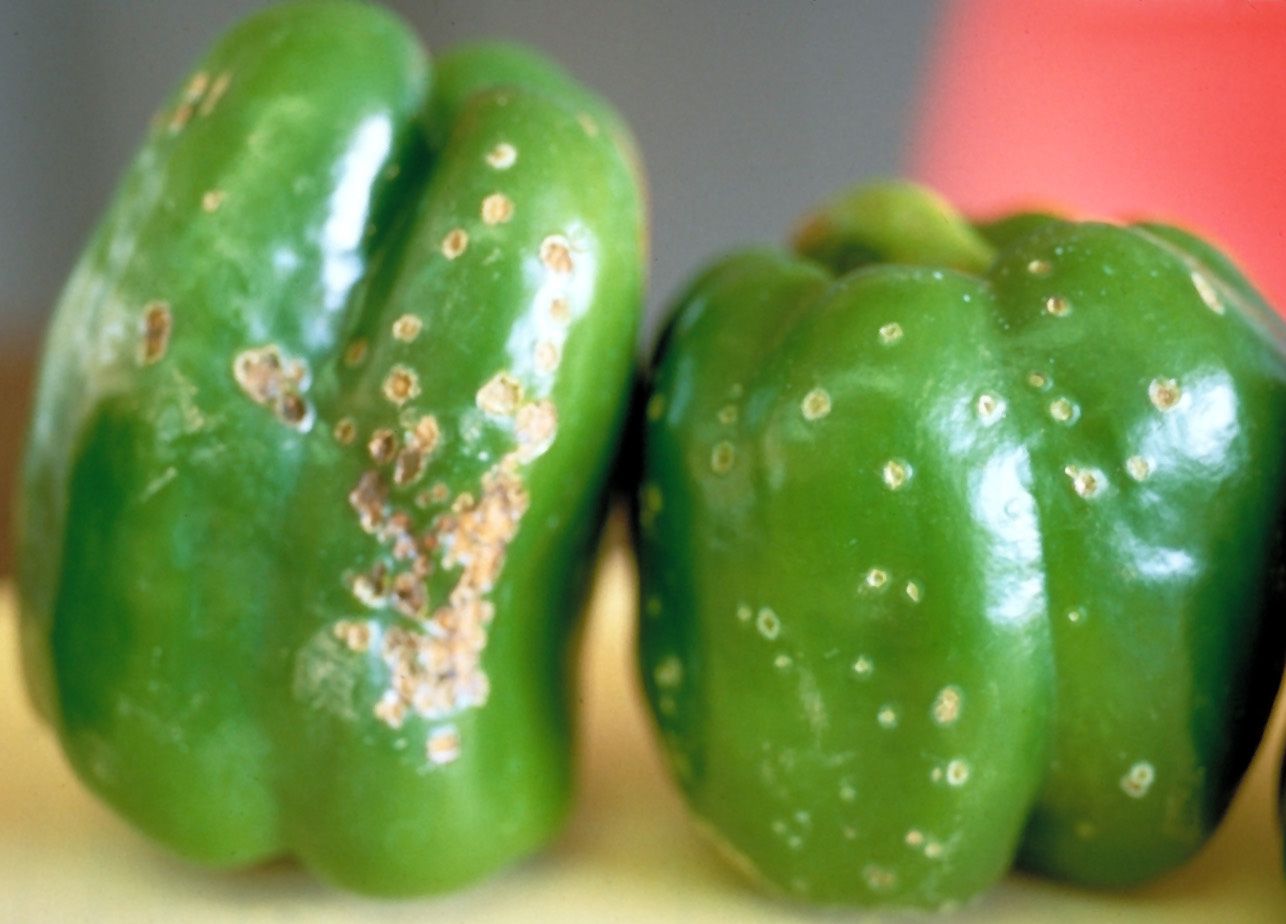
Fruit infection begins as pale-green water-soaked areas on green pepper fruit. These lesions eventually roughen and turn brown, developing into raised, scabbed spots. Individual lesions may reach up to 0.5 centimeter diameter and appear quite prominent.
The scabbed appearance makes fruit completely unsuitable for sale despite being edible. Secondary soft-rot organisms invade through the bacterial lesion cracks, causing mushy decay. Heavily infected fruit eventually rots completely and falls from the plant. Even lightly infected fruit loses all market value.
Visual Indicator Tip:
The yellow halos surrounding angular dark-green leaf lesions combined with raised, scabbed brown fruit spots confirms pepper bacterial spot. The shot-hole appearance in severely affected foliage provides additional diagnostic confirmation.
Timeline and Environmental Influence
Infection can occur from seedling through mature plant stages. Symptom development depends on environmental conditions and temperature. Warm temperatures between 70 and 85 degrees Fahrenheit with humidity above 85 percent accelerate disease development dramatically.
Extended periods of wet foliage from rain, dew, or overhead irrigation promote rapid bacterial spread. The bacteria can penetrate plant tissues within hours of landing on wet leaves. Symptoms may appear within days under ideal conditions, while cooler weather slows disease progression significantly.
Quick Identification Checklist:
Small yellow-green lesions on young pepper leaves
Angular dark-green lesions with yellow halos on older foliage
Shot-hole appearance from lesion centers dropping out
Water-soaked spots on green pepper fruits
Brown raised scabbed spots on mature fruit
Yellow circles completely surrounding leaf lesions
Disease Lifecycle and Conditions
Understanding how pepper bacterial spot survives and spreads helps you break the disease cycle permanently.
How Bacteria Survive and Spread
Seedborne bacteria represent the primary disease source. Contaminated seed introduces the pathogen into new locations each season. Commercial seed companies now test extensively to reduce seedborne contamination, but infected seed still enters gardens occasionally.
The bacteria survive in crop residue left in soil after harvest. They persist on volunteer pepper plants that regrow from dropped fruit. The pathogen also survives on related crops like tomatoes and eggplant, and even on weeds like horsenettle and jimsonweed. Once established, elimination requires years of careful management.
Perfect Conditions for Infection
Pepper bacterial spot thrives in warm, humid conditions. Temperatures between 70 and 85 degrees Fahrenheit with humidity above 85 percent create ideal disease conditions. The bacteria cannot infect leaves in dry conditions, making moisture critical for disease development.
The pathogen enters plants through natural leaf openings called stomata and through any wounds on leaf surfaces. Overhead irrigation or rainfall combined with warm weather creates dangerous conditions. Extended periods of leaf wetness lasting several hours enable bacterial penetration and rapid multiplication.
Insects like beetles and aphids that feed on pepper plants create entry wounds, dramatically increasing bacterial infection likelihood. Wet conditions combined with insect damage accelerate disease establishment significantly.
Moisture-Temperature Connection:
High humidity above 85 percent combined with temperatures between 70 and 85 degrees Fahrenheit and overhead irrigation or rainfall creates perfect disease conditions.
Bacterial Multiplication and Spread
Once bacteria penetrate plant tissue, they multiply in the spaces between plant cells. The bacteria secrete enzymes and toxins that break down plant cell walls. These compounds disrupt plant defense mechanisms, enabling rapid bacterial expansion.
Infected tissues ooze bacterial exudate that provides additional inoculum for further spread. Water splash from rain or irrigation carries bacterial cells to nearby healthy leaves. Wind, contaminated tools, and handling wet plants all transmit bacteria between plants and gardens.
Long-Distance Spread Methods
Contaminated seed and transplants represent the primary long-distance spread mechanism. Moving infected plants between gardens introduces the pathogen into new locations rapidly.
Mechanical transmission occurs when tools, hands, and equipment contact infected plants then touch healthy foliage. Worker movement from diseased to healthy plants spreads bacteria efficiently. Mechanical harvesters and plant handlers transmit pathogens throughout fields quickly if disease is present.
Prevention Strategies (Your Best Defense)
Prevention stops pepper bacterial spot before it destroys your crop. Implement these proven strategies from the beginning of your growing season.
Use Disease-Free Seeds and Seed Treatment (Critical)
Always purchase certified disease-free seeds from reputable suppliers. This single step prevents seedborne bacterial transmission that jumps years ahead in the disease cycle. Check seed company catalogs carefully for disease-free certification statements.
Treat your seeds before sowing to provide additional protection against hidden bacterial contamination. Hot water treatment involves soaking seeds for 30 minutes in 125-degree Fahrenheit water. This method reduces bacterial populations significantly without damaging seed viability.
Bleach treatment offers another effective option. Wash seeds for 40 minutes in diluted bleach solution made from 2 parts bleach plus 8 parts water. Both methods reduce bacterial seed contamination substantially when used properly.
Never save seed from your own garden if any disease appears. This practice guarantees disease will appear in next year's crop. Even one infected seed plant perpetuates the bacteria to all seeds produced.
Implement Strict Crop Rotation
Rotate peppers and tomatoes out of the same location for minimum 2-3 years. Include eggplant in the rotation period since it also hosts the bacteria. The longer the rotation, the better the bacterial elimination.
Plant completely different crop families during the rotation period. Choose crops like cereals and legumes that do not host Xanthomonas bacteria. Plow under all plant material immediately after harvest to speed decomposition and eliminate survival sites.
Destroy all volunteer pepper and tomato plants that regrow from dropped fruit or seeds. These volunteers serve as survival sites where bacteria wait for the next planting season. Clean fields immediately after final harvest to eliminate overwinter survival locations.
Environmental Management (Critical Success Factor)
Avoid overcrowding plants in your garden. Proper spacing ensures air penetrates to lower foliage and leaves dry quickly after rain. Dense plantings with poor air flow create microclimate conditions favorable for disease development.
Switch from overhead sprinkler irrigation to drip irrigation systems immediately. Overhead watering wets foliage, creating perfect moisture conditions for bacterial penetration and spread. Drip systems deliver water directly to soil where it benefits plants without wetting leaves.
If overhead irrigation is unavoidable, water only in early morning so foliage dries quickly as sun rises. Never water in evening because wet foliage overnight creates 8-12 hours of perfect infection conditions. Space plants according to spacing instructions on seed packets to allow adequate airflow.
Lower leaf pruning removes foliage susceptible to water splash spread. Removing the bottom 4-6 inches of foliage reduces bacterial spread from soil-borne water splash. This practice improves air circulation while reducing disease pressure simultaneously.
Remove all solanaceous weeds like horsenettle and jimsonweed from the garden area. These plants host the bacteria, serving as alternative hosts when peppers are not growing. Weeds also reduce air circulation and trap moisture around plants. Ensure the field location has good natural drainage to prevent water accumulation.
Moisture Control Emphasis:
High humidity above 85 percent combined with wet foliage creates perfect disease conditions. Drip irrigation, adequate spacing, lower pruning, and morning-only watering dramatically reduce pepper bacterial spot risk.
Transplant Selection and Nursery Management
Check every pepper seedling carefully before purchase from garden centers. Reject any transplants showing yellow lesions or leaf spots, regardless of plant quality otherwise. Many nursery operations fail to monitor transplant health adequately before selling.
Grow your own transplants under sanitary conditions if commercial quality is uncertain. This gives you complete control over disease prevention from seed through transplanting. Clean all growing areas regularly before use. Sterilize all tools with 10 percent bleach solution or 70 percent alcohol before propagating seeds.
Inspect seedlings every 2 days for early symptoms including yellowing or lesions. Remove any symptomatic seedlings immediately and destroy them completely. Never compost diseased plants because bacteria survive composting and spread to next season's crops.
Field Sanitation and Hygiene
Destroy all infected plant material completely after harvest. Bacteria survive on dead tissues, so burning or deep burial away from future planting areas is essential.
Remove all volunteer peppers and tomatoes before the growing season begins. These plants harbor overwintering bacteria waiting to infect new crops. Till or disk the field immediately after final harvest to incorporate all plant debris deeply into soil.
Clean all garden equipment, stakes, ties, and handlers before use. Contaminated equipment spreads bacteria from diseased to healthy plants efficiently. Wash your hands and change clothes after handling diseased plants before touching healthy foliage.
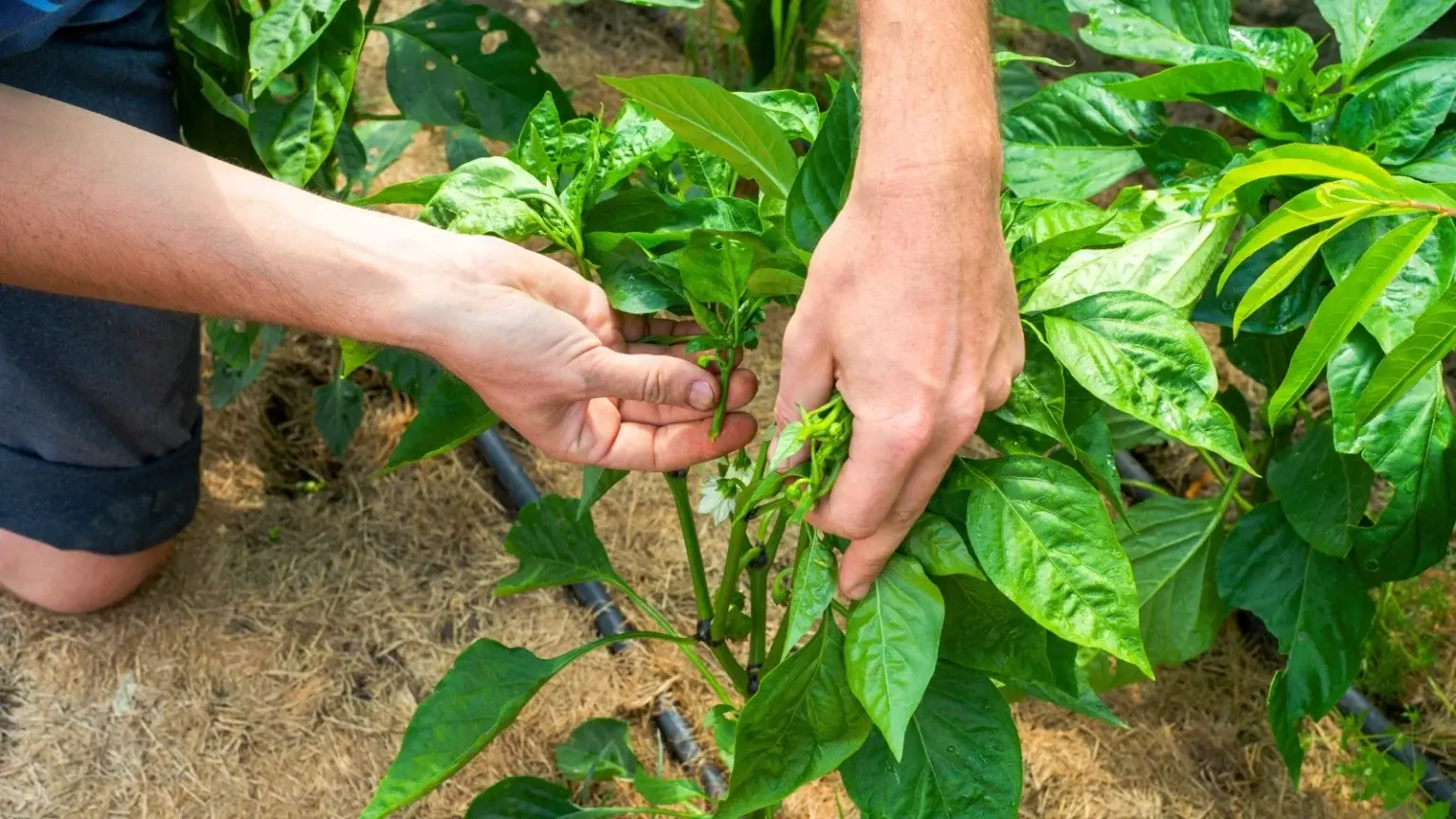
Schedule all cultural operations when plants are dry. Avoid pruning, staking, or harvesting wet plants because moisture facilitates bacterial spread. Work practices that keep foliage dry prevent transmission significantly.
Variety Selection and Monitoring
Plant tolerant pepper varieties when available from seed catalogs. Some varieties show better disease tolerance than others, though true resistance is rare.
Scout plants weekly throughout the growing season. Early detection and removal of first symptomatic plants limits bacterial population before major spread. Remove entire plants showing disease symptoms on more than 5 percent of foliage. Early roguing reduces bacterial populations before bacteria spread throughout the planting.
Three-Step Prevention Summary:
Disease-free seeds plus crop rotation plus environmental management prevents pepper bacterial spot before infection occurs.
Treatment Options When Prevention Falls Short
Understand upfront that treating established pepper bacterial spot becomes very difficult. Complete cure is impossible once bacteria establish deeply in plants. Prevention is always better than treatment. However, early treatment can slow disease spread if started immediately.
Early Intervention Strategies
Streptomycin sprays on early-stage greenhouse seedlings reduce disease if applied at the very earliest infection stage. Timing proves critical because effectiveness drops dramatically once bacteria become established.
However, repeated streptomycin use causes bacterial resistance development, eventually eliminating this tool's effectiveness. Many growers now avoid streptomycin to preserve its usefulness for future seasons.
Complete plant removal becomes the practical option if disease spreads beyond 5 percent plant coverage. Destroying infected plants prevents bacterial spread to healthy plants and reduces spore populations. This harsh choice often proves more economical than attempting chemical control of established infections.
Foliage Treatment Options
Beneficial microbe products containing Bacillus velezensis and Bacillus subtilis show promise as disease-suppression agents. These friendly bacteria compete with Xanthomonas, reducing disease severity if applied before infection occurs.
Products like Bactonus, Serenade, and Sonata provide microbial control using biocontrol bacteria strains. Application timing proves absolutely critical since these products work preventively, not curatively. Begin applications before disease appears, not after symptoms develop.
Effectiveness drops dramatically once 5 percent of plants show symptoms. Biocontrol cannot suppress disease once infections become established. Cost of these products generally exceeds conventional fungicide options.
Copper Treatment Options
Copper hydroxide provides protective cover on foliage but cannot penetrate existing infections. Combining copper with mancozeb improves control against copper-tolerant bacterial strains.
Begin copper applications when warm, wet conditions appear, not after symptoms show. Apply every 7-10 days for maximum protection. Copper provides about 50 percent disease reduction compared to untreated plants, not complete protection.
Rotate copper treatments with other bactericides to prevent resistance development. Never use the same product continuously or bacteria become resistant and control fails.
Integrated Treatment Reality
No single treatment stops established pepper bacterial spot infections. Copper treatments work best when combined with preventive cultural measures like removing infected plants and improving air flow.
Effectiveness drops during extended warm, wet weather because disease spreads faster than any treatment can suppress it. Early season disease often warrants crop destruction rather than expensive, ineffective treatment attempts.
Treatment Truth: Bacterial spot cannot be cured once established. Once fruit shows brown scabbed spots, no treatment restores marketability. Prevention through disease-free seeds and sanitation remains your only path to healthy pepper crops.
Early Detection and Diagnosis Makes All the Difference
Quick confirmation when you first suspect pepper bacterial spot saves your crop. Many plant diseases mimic these symptoms, leading to wrong treatments and wasted time. Early intervention during initial symptom onset actually works to slow spread.
Challenges of Identification
Yellow leaf margins appear in several different plant diseases. Water-soaked spots might indicate pepper bacterial spot or other bacterial diseases. Fungal diseases and even environmental damage create similar symptoms. Even experienced gardeners sometimes hesitate before taking action.
Delaying identification costs you critical days when early removal is most effective. By the time visual inspection confirms the disease, infection has already spread significantly throughout your planting.
The Power of AI-Powered Diagnosis
Advanced diagnostic tools use artificial intelligence to identify pepper bacterial spot instantly. Photograph suspicious leaf spots showing yellow halos or fruit displaying brown scabs. Image recognition technology confirms pepper bacterial spot within seconds and distinguishes it from look-alike diseases.
Modern diagnostic platforms deliver:
Confirmed disease identification
Symptom descriptions specific to your pepper situation
Treatment recommendations including organic and conventional options
Prevention suggestions for future growing seasons
Community expert support
Introducing Plantlyze
Plantlyze stands out among diagnostic solutions as an AI-powered plant care tool designed specifically for pepper diseases. Upload a photograph of your affected pepper plant and receive instant diagnosis.
Plantlyze provides:
Instant bacterial spot identification
Organic and conventional treatment suggestions
Prevention strategies for your specific situation
Community support from plant care experts
Offline disease library for future reference
Call to Action:
Do not wait for yellow halos to spread across all your foliage. Use Plantlyze to get instant confirmation and start prevention immediately. Visit plantlyze.com and diagnose your pepper plant today. Early detection stops disease before it destroys your entire harvest.
Conclusion and Action Steps
Pepper bacterial spot poses a serious threat to your pepper harvest, but proven prevention strategies protect your plants effectively. Disease-free seeds, strict crop rotation, and careful environmental management create strong defenses against this destructive bacterial pathogen.
What You Learned
Pepper bacterial spot comes from Xanthomonas bacteria
Symptoms include yellow leaf lesions with halos and water-soaked fruit spots that turn brown and scabbed
Disease thrives in warm, wet conditions above 85 percent humidity
Prevention proves far more effective than treatment
Seed treatment and disease-free seed prevent initial infection
Three-pronged approach works best: disease-free seeds plus crop rotation plus environmental management
Take These 7 Action Steps Today
Order certified disease-free pepper seeds immediately for this season
Plan a 2-3 year crop rotation keeping peppers and tomatoes out of same location
Install drip irrigation to keep foliage completely dry
Space plants properly according to spacing recommendations for air circulation
Schedule weekly plant inspections during warm, wet weather periods
Source all seeds from reputable disease-free suppliers only
Use diagnostic tools like Plantlyze at first sign of disease
Your Path to Success
Pepper bacterial spot is preventable through proper management strategies. By understanding the disease and implementing these comprehensive strategies, you can protect your harvest and enjoy healthy pepper plants all season. The effort you invest now in prevention saves you heartache and money later.
Perfect harvests await those who act decisively and plan ahead. Start implementing these strategies before the growing season begins. Next season will show dramatic improvement in plant health and fruit quality.
Final Call to Action:
Do not wait until brown scabbed spots appear on your fruit. Download Plantlyze now and keep it ready for immediate answers. When you spot suspicious yellow halos on leaves, you will have the AI diagnostic tool instantly available. Visit plantlyze.com today and take complete control of your pepper plant health management.
References
University of Kentucky Extension: Bacterial Spot of Pepper & Tomato
https://publications.mgcafe.uky.edu/sites/publications.ca.uky.edu/files/ppfs-vg-17.pdf