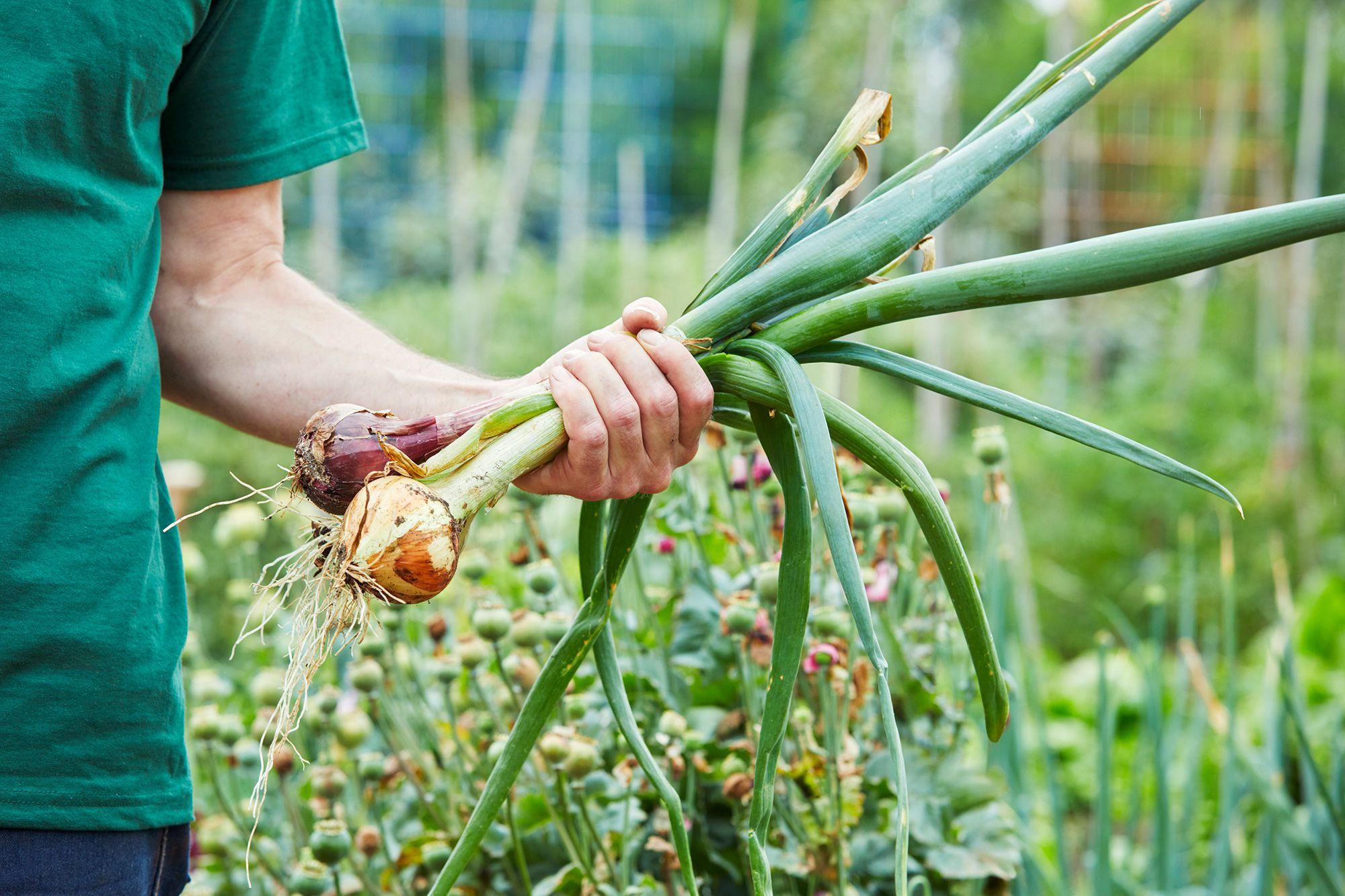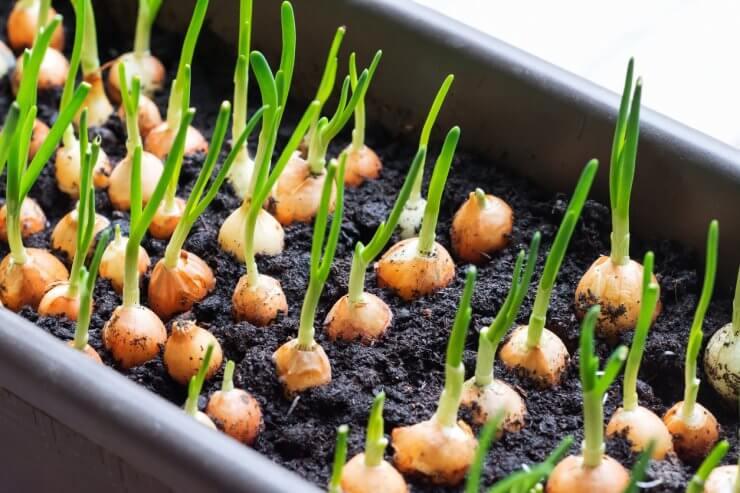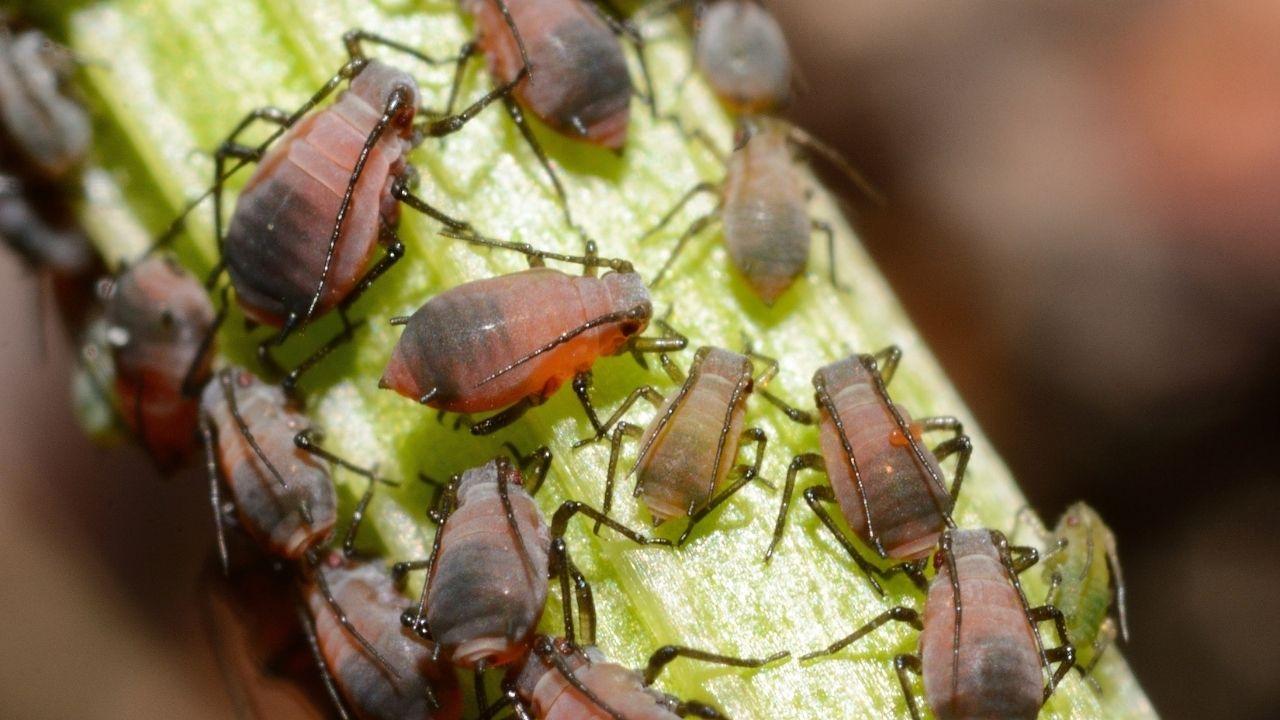
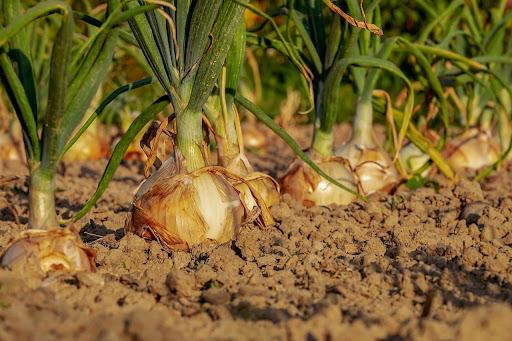
Do you ever wonder why your onions make skinny tops instead of forming nice fat bulbs no matter how well you care for them? Sunlight controls nearly everything from leaf growth to bulb size in onions. This guide will take you through their exact light needs, the differences between varieties, and fixes for common light problems so that next time you can harvest bigger onions.
Why Sunlight Drives Onion Success
Onions convert sunlight into energy through photosynthesis powering bulb formation. Insufficient light leads to weak spindly plants with tiny bulbs while excess in hot climates scorches leaves. Day length also triggers bulbing making light timing critical for success.
Gardeners often overlook sun exposure assuming more is always better. In truth onions balance light with temperature for peak growth. Getting this right boosts yields by 50 percent or more in home patches.
How Much Sun Do Onions Really Need
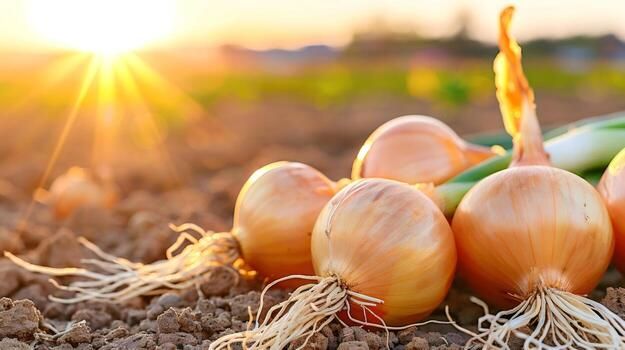
Onions thrive with 6 to 8 hours of direct sunlight daily for maximum bulb development. Seedlings tolerate 4 to 6 hours early on but mature plants demand full exposure during bulbing. Less than 6 hours consistently results in smaller harvests and leggy growth.
Track your gardens sunlight hours with a simple app or watch throughout the day. Morning sun works best filtering through cooler hours before intense afternoon rays. Full sun spots deliver the energy onions crave for thick necks and fat bases.
Onion Varieties and Their Sunlight Needs
Short Day Onions
Short day onions start bulbing at 10 to 12 hours of daylight suiting southern regions. These varieties handle slightly less intense sun well but still need 6 plus hours direct. Texas Sweet or Bermuda shine in milder light zones.
Long Day Onions
Long day onions require 14 to 16 hours of daylight thriving in northern areas with long summer days. They demand full sun exposure to build massive bulbs for storage. Walla Walla or Copra types excel here.
Intermediate Day Onions
Intermediate day onions bulb at 12 to 14 hours making them versatile for mid latitudes. Candy or Superstar handle variable light well across many climates. Aim for maximum sun to push these toward larger sizes.
Signs Your Onions Get Wrong Sunlight Amount
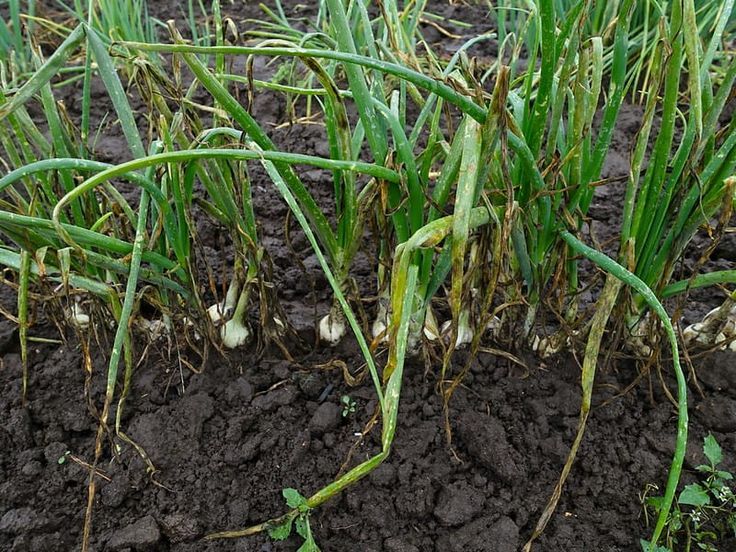
Leggy pale leaves stretching toward light signal too little sun. Plants lean and tops stay narrow with undersized bulbs at harvest. Scorched brown tips or early bolting point to excess especially in hot regions.
Yellowing lower leaves combined with stunted growth often trace to shade competition from trees or tall crops. Check for rapid flowering stalks diverting energy from bulbs. Snap a photo and upload to Plantlyze for instant light issue diagnosis.
Full Sun vs Partial Shade for Onions
Full sun of 8+ hours always grows big and juicy bulbs. Yields are cut by 30-50% in partial shade of 4-6 hours as the plant struggles for energy. Deep shade stalls growth completely.
The onion can tolerate a short spell of afternoon shade in a scorching climate, but never thrives there long-term. Test borderline spots by watching shadow patterns over weeks. Prioritize open south-facing areas for best results.
Best Sunlight Practices for Onion Patches
Site Selection Tips
Choose south or southwest facing garden beds free from tree or building shade. Test potential spots mid morning noting shadow shifts until evening. Elevate beds slightly for better light capture in low valleys.
Using Reflective Mulch or Walls
White plastic mulch reflects light back up to the lower leaves, which increases photosynthesis. In addition, light colored walls or fences nearby can reflect and amplify rays in a partial light garden. These tricks fool the plants into thinking they are getting about 1 to 2 more effective sun hours per day.
Companion Planting for Light Optimization
Pair onions with low growing lettuce or radishes keeping taller plants away. Avoid beans or corn overhead that steal sunlight midseason. Strategic companions maintain full exposure through growth cycles.
Fixing Sunlight Problems Mid Season
Transplant young onions to a sunnier bed if their roots cooperate gently. Prune overhanging branches or thin shading weeds immediately. Indoor starts benefit from full spectrum grow lights supplementing cloudy stretches.Apply reflective mulch at the same time in order to get any stray rays and monitor weekly for progress noted by leaf color and height gain. Many patches fully recover with quick light adjustments mid season.
Onion Sunlight by Climate Zone
Cool northern climates allow for maximizing all possible sunlight hours, therefore long day varieties shall be planted without any shade cloth. In hot southern zones, the onions are protected from burning by morning sun and light afternoon filtering. The intermediate zone benefits-from a combination of both strategies full sun short day types.
Plantlyze analyzes your locations sunlight patterns via photo upload tailoring advice perfectly. Visit plantlyze.com for climate specific onion plans.
Common Myths About Onion Sunlight
Myth one says onions grow fine in shade like other veggies. Truth onions rank as full sun lovers needing direct rays for bulb energy. Shade tolerant alliums like chives differ completely.
Myth two claims more sun always equals bigger onions. Intense midday scorch in tropics stresses plants diverting growth. Balance proves key over extremes.
Diagnose Sunlight Issues with Plantlyze
Unsure if light causes your onion struggles? Upload clear photos of your patch to Plantlyze an AI powered plant care diagnosis tool. It scores sunlight adequacy and flags shade problems instantly. Head to plantlyze.com today for personalized fixes and growth plans.
Prevention Tips for Perfect Onion Light
Mark out a grid over your garden to note which parts receive how much sunlight before planting. Choose varieties that match your latitude’s day length, exactly. Do not allow patches to become permanently shaded by younger tall plants in future years of rotation.
Reflective mulches can be installed as a border around the beds for an additional boost throughout the season long.Light shortfalls due to cloud cover can be anticipated if it is known whether there are any extremely cloudy summer months within what should normally be considered high season.
References
Bulb Onions | NC State Extension Publications - https://content.ces.ncsu.edu/bulb-onions
Growing Onions in the Garden | Ohioline - Ohio State University - https://ohioline.osu.edu/factsheet/hyg-1616