Harvesting your own onions is one of the most satisfying moments in the garden. After weeks of watching green tops grow and bulbs swell, you get to pull fresh, homegrown onions that can last for weeks or even months if you handle them correctly. Onion harvesting is more than just pulling plants out of the ground; it includes timing, gentle handling, curing, and proper storage to keep your onions firm and flavorful.
Tools like Plantlyze can help you track maturity and remind you when it is time to harvest and start curing. If you want personalized plant‑care tips and reminders, you can explore plantlyze.com and let an AI‑powered plant‑care assistant support your onion harvest.
When to harvest onions
Onions are ready to harvest when they show clear visual signs of maturity. The most reliable cue is when the tops start to yellow and fall over. As the leaves die back, the neck (the area where the leaves meet the bulb) becomes soft and thin, instead of firm and thick.
You can also gently scratch the top of the soil to check if the outer skin is starting to feel papery. When the bulbs look plump and the outer layers are dry, it is usually time to harvest.
For green onions or scallions, you can start harvesting much earlier, as soon as the stems are thick enough to use. For mature storage onions, wait until the tops fully flop down and the necks are soft. Different varieties mature at different times, so keep an eye on them rather than relying only on calendar dates.
How to harvest onions step by step
The best time to harvest onions is usually on a dry, sunny day when the soil is not soaking wet. Wet onions are more prone to rot, so avoid harvesting right after heavy rain.
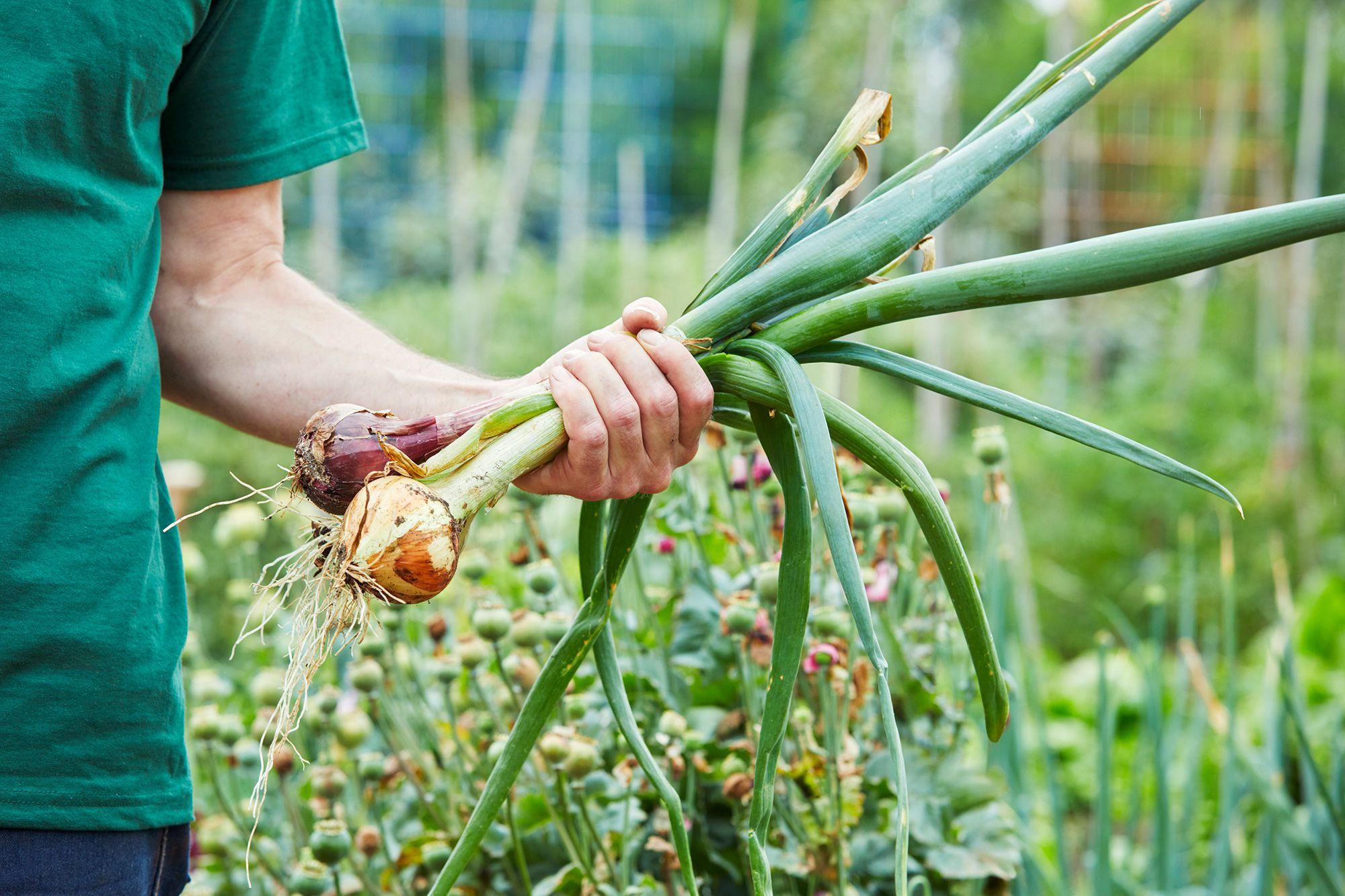
Start by gently loosening the soil around the bulbs with a trowel or a garden fork. Insert the tool a little away from the bulb so you do not cut into it. Once the soil is loose, grasp the onion by the bulb base, not the leaves, and lift it out of the ground. This helps prevent breaking the neck, which can shorten storage life.
After lifting, shake off excess soil and lay the onions in a single layer in a shaded, airy spot. Keep them out of direct sun for too long to avoid sunburn, but let some warmth help them start to dry.
Cleaning and sorting after harvest
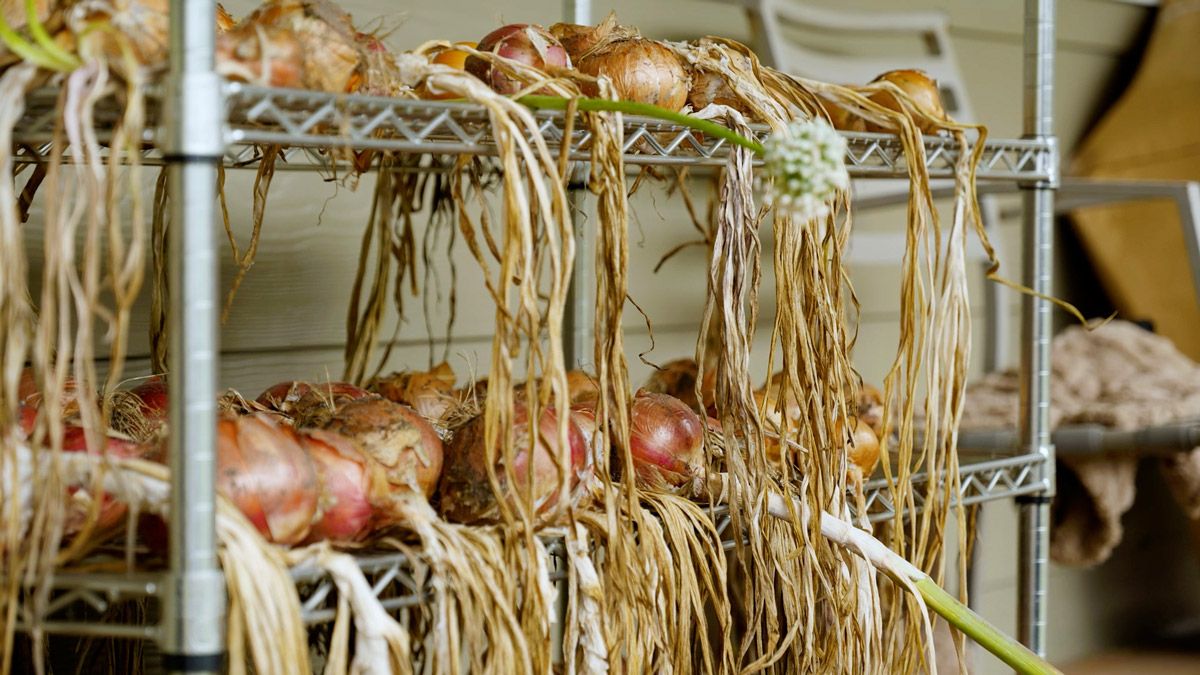
Onion cleaning should be gentle and dry. Do not wash the bulbs. Instead, brush off large clumps of soil with your hands or a soft brush. Washing creates moisture that can promote rot during storage.
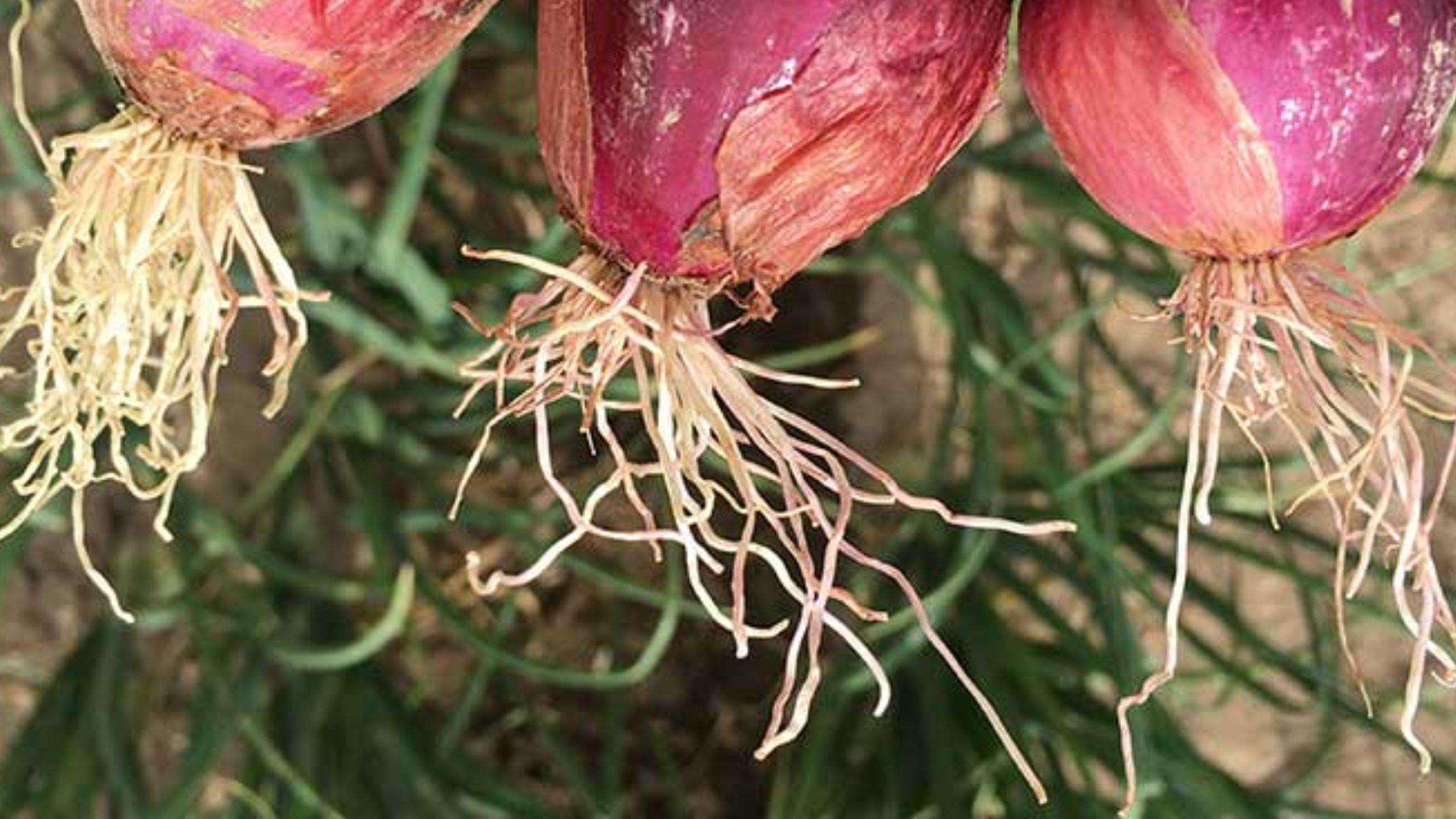
Once the necks are dry, trim the tops to about 1–2 inches above the bulb. If you want, you can trim the roots to a short stub, but it is not necessary as long as they are clean.
After trimming, sort your harvest. Set aside any bulbs that are soft, bruised, or clearly damaged. These will not store well and can spread rot to healthy bulbs. Use them first in cooking or share them with your community.
Curing onions for long‑term storage
Curing is the process of drying onions so their outer skins become papery and the necks seal shut. This step greatly improves their ability to last in storage.
Lay the onions in a single layer on clean racks, screens, or in shallow boxes. Place them in a dry, shaded, well‑ventilated area such as a garage, porch, or under a covered patio. If rain is expected, move them indoors or under cover.
Let the onions dry for about 1–2 weeks, depending on humidity and airflow. When the outer skins are crisp and the necks feel dry and firm, they are ready for storage. Field‑cured onions sometimes lie in windrows, but they should be moved undercover if wet weather threatens.
Storing onions at home
Once cured, onions need cool, dry, dark, and well‑ventilated conditions. An ideal temperature range is roughly 32–40°F (0–4°C) with low humidity.
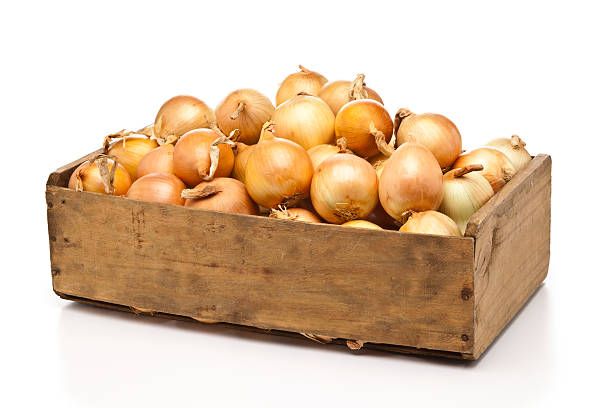
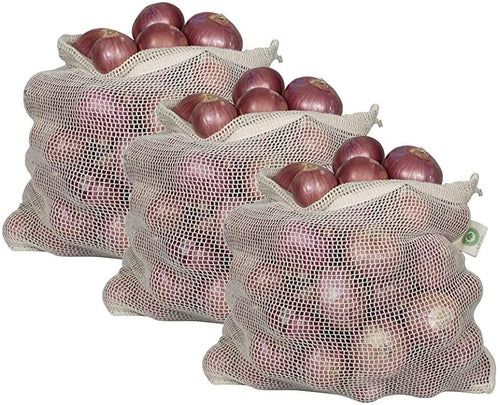
Use breathable containers such as mesh bags, baskets, wooden crates, or open boxes. Avoid sealed plastic bags that trap moisture and speed up rot. Keep the storage area as consistent as possible; large temperature swings can trigger sprouting.
Sweet onions like Vidalia or Walla Walla store for a shorter time and are best eaten first. Pungent or storage‑type onions such as Yellow Spanish, Copra, or Stuttgarter can last several months if properly cured and stored.
Keep onions away from strong light and fruits that emit ethylene gas, such as apples and bananas, because this can encourage sprouting and decay.
Common mistakes and how to avoid them
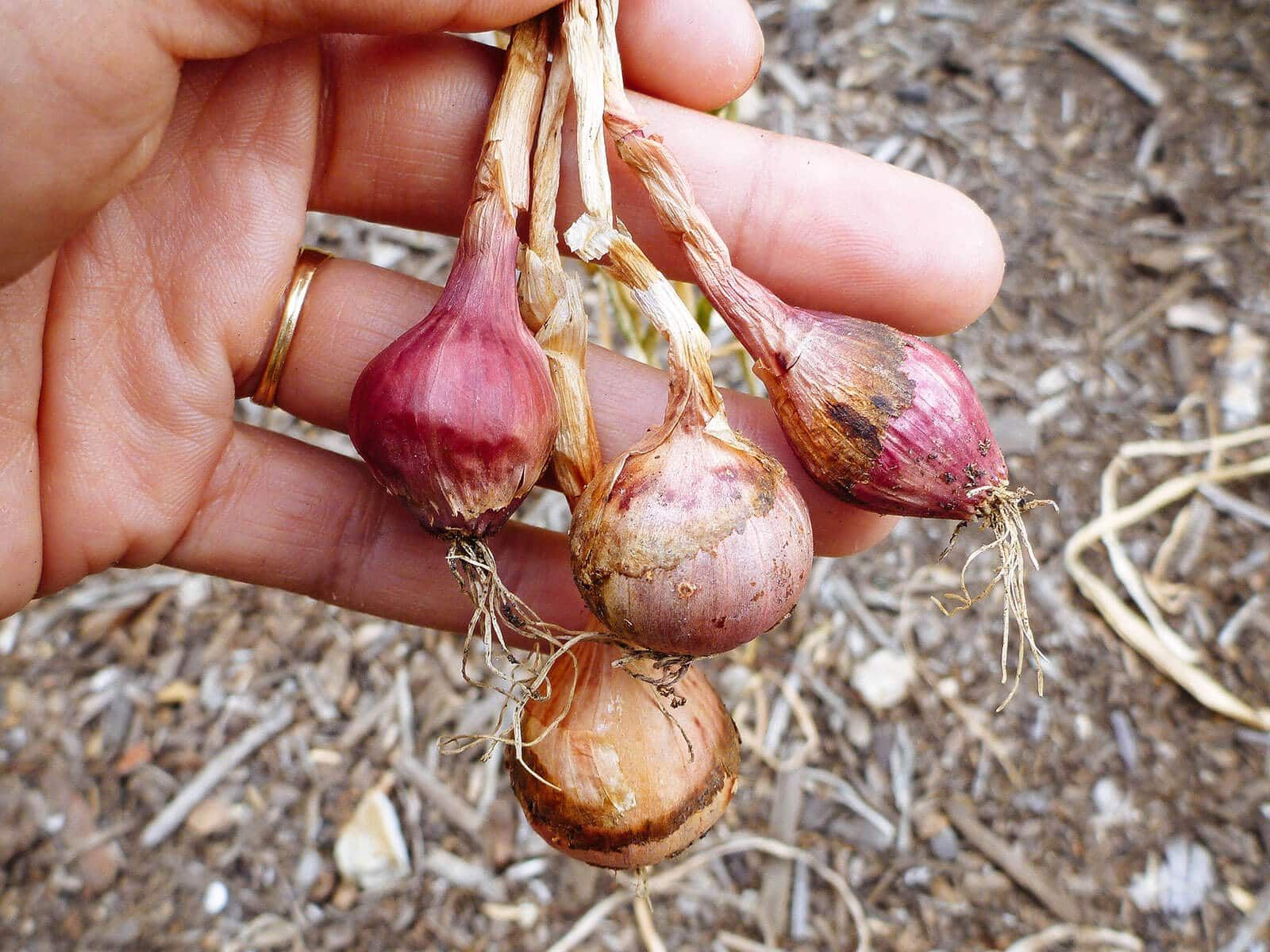
Harvesting onions too early is a common mistake. If you pull bulbs when the tops are still green and firm, they will be small and will not store well. Wait until the tops fall over and the necks feel soft and thin.
Poor curing can also reduce shelf life. Onions left in damp or poorly ventilated spots are more likely to rot. Dry them in a well‑aired, shaded area and avoid piling them too deep.
Storing damaged bulbs with healthy ones spreads rot quickly. Remove any soft or bruised onions and use them first.
Wrong storage conditions can shorten onion life. Too warm and humid encourages sprouting and shrinkage, while too cold can cause chilling damage. Aim for a cool, dry, and steady environment.
How Plantlyze can help with onion care
Growing and harvesting onions is easier when you have support. Tools like Plantlyze offer AI‑powered plant‑care guidance that can help you track your onions’ growth stages and remind you when they are nearing maturity.
You can upload photos of your onion plants if the leaves look off or the bulbs are not developing as expected. Plantlyze analyzes the images and suggests care steps so you can adjust watering, feeding, or harvest timing.
Whether you grow onions in the ground or in containers, plantlyze.com can help you stay on top of plant health, spot issues early, and plan your harvest for the best results.
How to improve this article for readability
To make this article easy to read, use short paragraphs of 2–3 sentences and plenty of line breaks. Reading the text aloud helps you catch awkward phrasing and smooth the flow.
Use clear headings such as “When to harvest onions” and “Storing onions at home” so readers can quickly find what they need. Highlight key terms like 32–40°F or well‑ventilated in bold, but do not overdo it.
Add short image alt text ideas for each section, such as “onions curing on a rack” or “onions stored in mesh bags,” to support accessibility and SEO.
References
University of Georgia Extension - https://openscholar.uga.edu/record/21918/files/B1198_2.pdf
Utah State University Extension - https://extension.usu.edu/productionhort/files/OnionHealthManagementandProduction.pdf