Growing your own onions might feel like a dream for city dwellers with tiny balconies or window‑box gardens. The good news is you absolutely can grow onions in containers and still enjoy fresh, homegrown bulbs and scallions. Container onion gardening is perfect for small spaces, indoor gardeners, and anyone who wants more control over their soil, pests, and watering schedule.
Whether you are starting from seeds, sets, or scraps from the kitchen, onions are surprisingly easy to grow in pots. With a little planning and the right care, you can harvest crisp green onions or small, flavorful bulbs from your own balcony or windowsill. Tools like Plantlyze can also help you track conditions, spot early signs of stress, and get friendly plant‑care tips for your onion plants. If you want extra support, you can explore plantlyze.com and let an AI‑powered plant‑care assistant help you grow healthier onions.
Why grow onions in containers
Growing onions in containers opens up gardening to people who do not have a yard or large garden beds. Balconies, patios, fire escapes, and even sunny window sills can all become onion gardens with the right pots and care.
Containers also give you more control over the growing environment. You can choose the best potting mix, adjust your watering easily, and move pots in and out of sunlight as seasons change. This makes it simpler to avoid waterlogged soil and heavy rains that can rot onions.
For beginners, containers are much less intimidating than whole garden beds. Mistakes are easier to fix, and you can start small with just one or two pots. As you gain confidence, you can add more varieties and even combine onions with herbs and leafy greens in the same container garden.
Picking the right onion varieties
Onions come in many forms, but not all are ideal for containers. The easiest options for pots are green onions (also ca
lled scallions), bunching onions, and small bulb varieties.
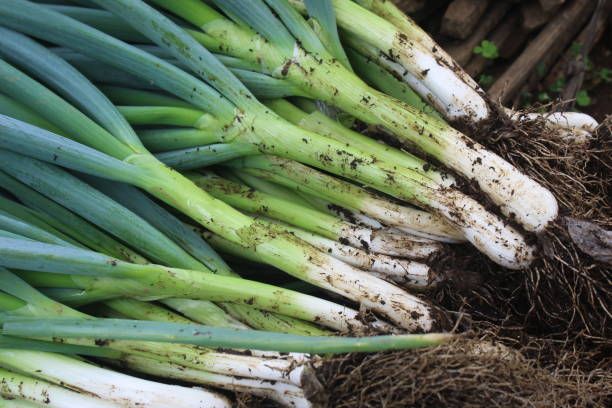
Green onions are perfect for containers because they have shallow roots and can be harvested early and often. Bunching onions stay relatively small and can be picked leaf by leaf or cut back regularly, giving you multiple harvests from the same plant.
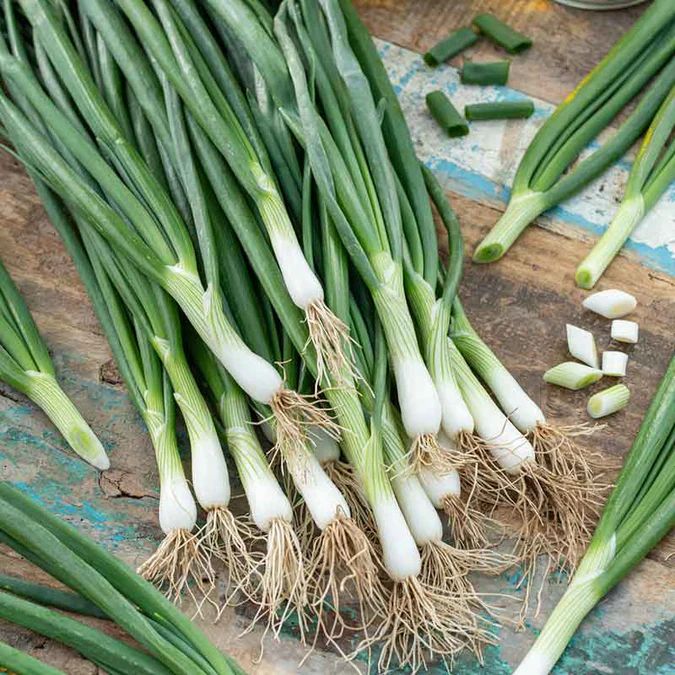
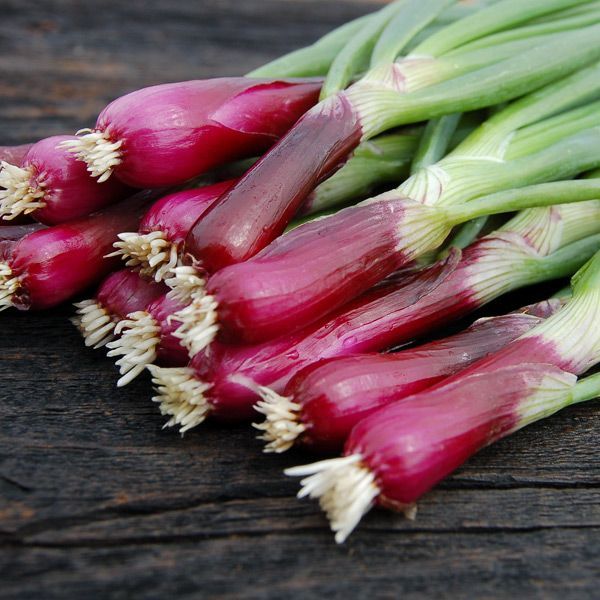
For small bulbs, look for varieties labeled as bush or patio types, such as Evergreen Bunching, White Lisbon, Paris Silverskin, or Red Baron mini. These are bred to stay compact and work well in pots. Avoid very large storage onions if your containers are shallow, as they demand deeper soil and more space.
Choosing the right pot or container
The container you choose makes a big difference in how well your onions grow. Onions need enough depth and width to develop strong roots and bulbs.
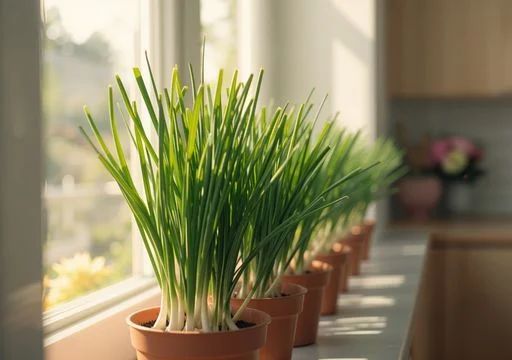
For full‑size bulbs, aim for a pot that is at least 10–12 inches deep. Green onions can thrive in slightly shallower containers, around 6–8 inches deep, as long as they still have room to spread. The wider the pot, the more plants you can fit, but each onion should have at least 3–4 inches of space around it.
Good materials include lightweight plastic, fabric grow bags, or glazed ceramic. Avoid very dark pots in hot climates, since they can overheat the soil and stress roots. Always make sure your container has drainage holes at the bottom so excess water can escape. If you use recycled containers like tubs or bins, simply drill a few holes and rinse them well before filling with soil.
Soil, pH, and nutrients
Onions prefer a light, well‑draining potting mix rather than heavy garden soil. A high‑quality container mix with compost or coco coir works very well.
The ideal pH for onions is slightly acidic to neutral, around 6.0–7.0. If you can test your soil, aim for that range. You can improve the mix by adding a handful of compost or composted manure to provide slow‑release nutrients.
At planting time, you can mix in a balanced vegetable fertilizer or use a slow‑release granular formula. Later in the season, when bulbs start to swell, switch to a fertilizer that is higher in potassium to help create firm, storable bulbs. Avoid over‑fertilizing, as too much nitrogen can lead to soft, disease‑prone bulbs and weak roots.
Planting onions from seeds, sets, or bulbs
You can grow onions in containers from seeds, sets (small immature bulbs), or even green onion scraps. Each method has its own strengths, and you can choose the one that fits your timeline and comfort level.
Starting from seeds
Fill a seed tray or small pots with moist potting mix. Sow onion seeds about a quarter‑inch deep and keep them about 1 inch apart. Keep the soil evenly moist and place the tray in a warm, bright spot. Once seedlings are strong and about a few inches tall, you can transplant them into your final containers, spacing them about 3–4 inches apart.
Planting onion sets or bulbs
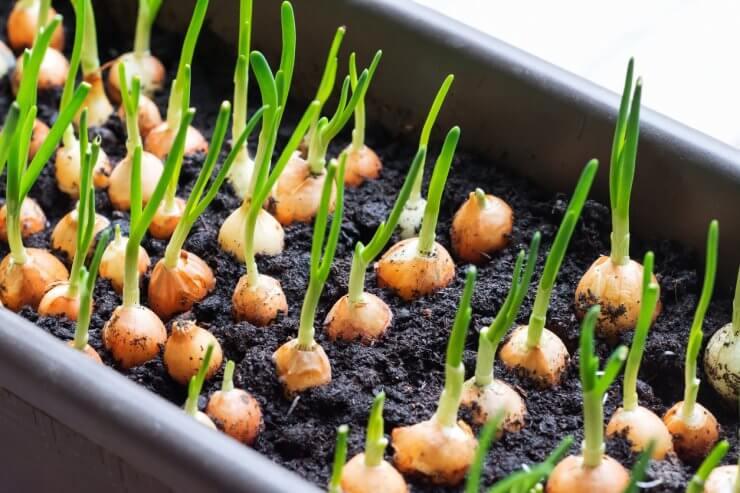
Onion sets are small, pre‑formed bulbs that are very easy for beginners. Push each set into the potting mix with the pointy end up, spacing them 4–6 inches apart. Plant them shallowly so the top just peeks above the soil, then water gently. Sets usually grow faster than seeds and give you usable onions in a shorter time.
Green onions from scraps
You can also regrow green onions from the white base left after cooking. Place the bases in a shallow dish of water on a sunny windowsill, or plant them directly in soil with the white part buried and the green part sticking up. Keep the soil moist and you should see new green growth within a week or two.
Light, temperature, and watering
Onions need plenty of light to grow well. Aim for at least 6 hours of direct sunlight each day. If you keep them indoors, place them near a bright south‑facing window or supplement with a grow light. They can tolerate some shade, but growth will be slower and bulbs smaller.
The ideal temperature range for onions is roughly 55–75°F (13–24°C). Most common varieties can handle mild cool or warm weather, but sudden temperature swings can stress the plants.
Watering is one of the most important parts of container care. Keep the potting mix evenly moist but not soggy. Water when the top inch of soil feels dry, and avoid letting the pot sit in standing water, which can cause rot. In hot weather, containers dry out faster, so check them more often.
Feeding and maintenance
Onions are not heavy feeders, but they do appreciate regular nourishment, especially during active growth. Early in the season, you can feed them every 3–4 weeks with a balanced liquid fertilizer.
Once the bulbs begin to swell, reduce nitrogen and favor a fertilizer that is richer in potassium to support firm, healthy bulbs. Always follow package instructions and avoid over‑doing it.
Light mulch around the base of the plants can help keep the soil moist and discourage weeds. If you started from seeds and thinned the seedlings, remember to keep each plant well spaced so they have room to grow and good airflow.
Common problems and how to fix them
Like any plant, onions can run into a few issues, but most are easy to manage with some attention.
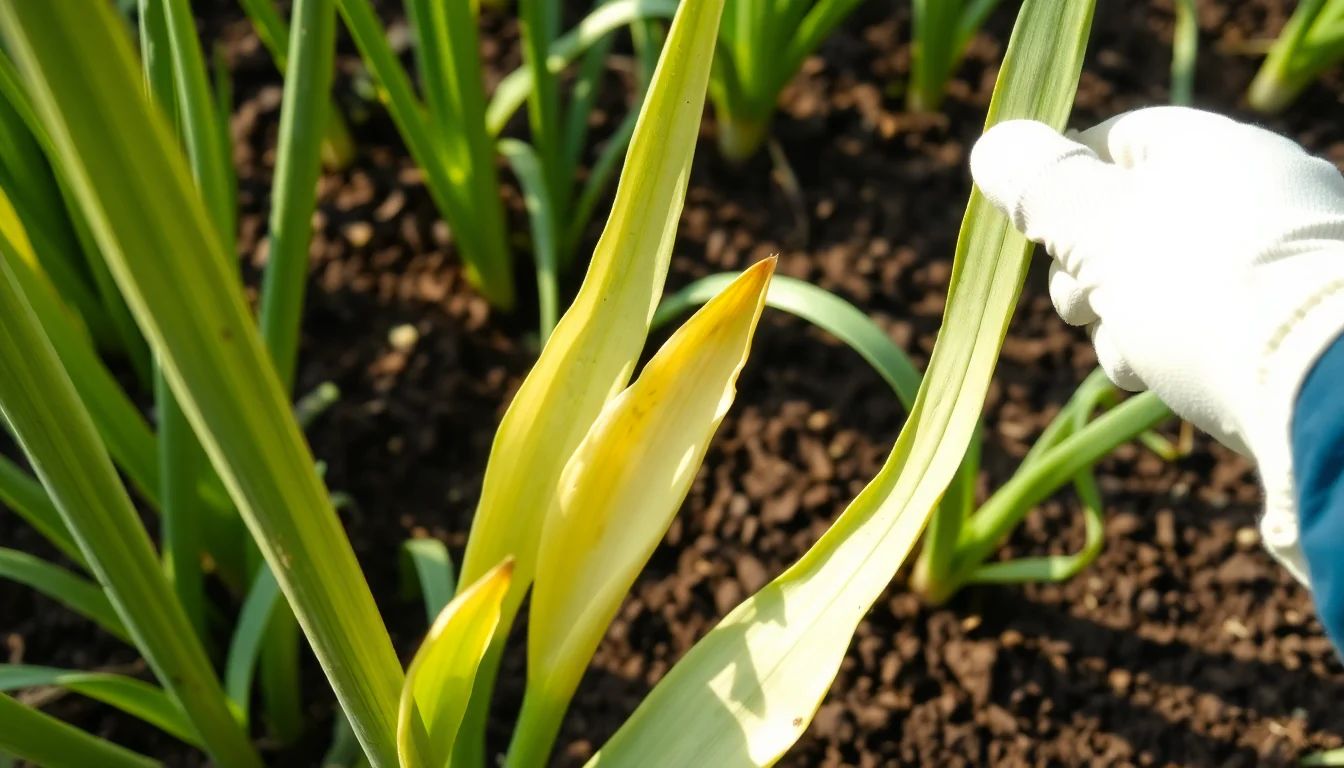
Yellowing or pale leaves often mean the plant is stressed by either too little nutrients or poor drainage. Check your soil, adjust watering, and consider a light dose of balanced fertilizer if the plants are otherwise healthy.
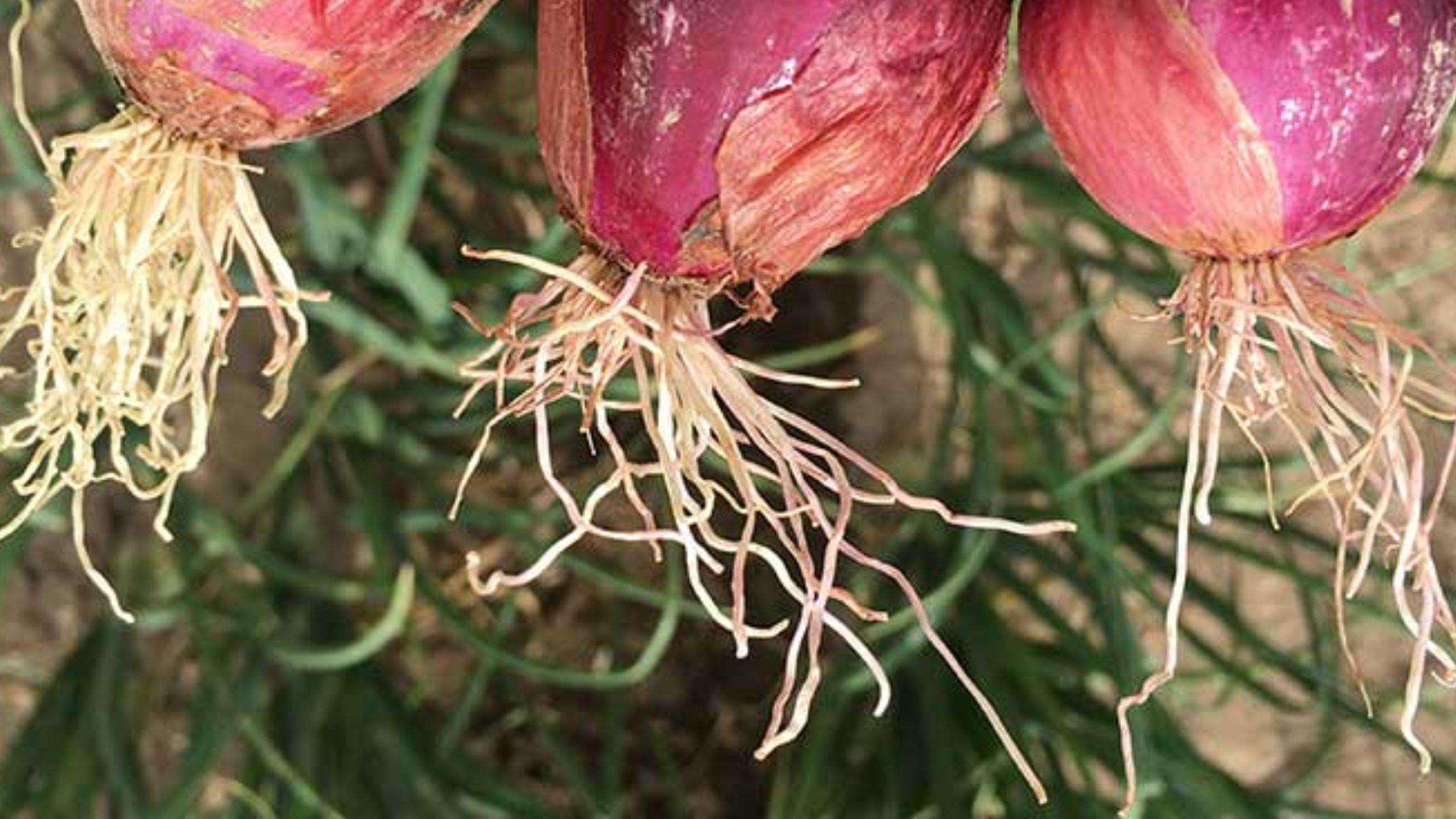
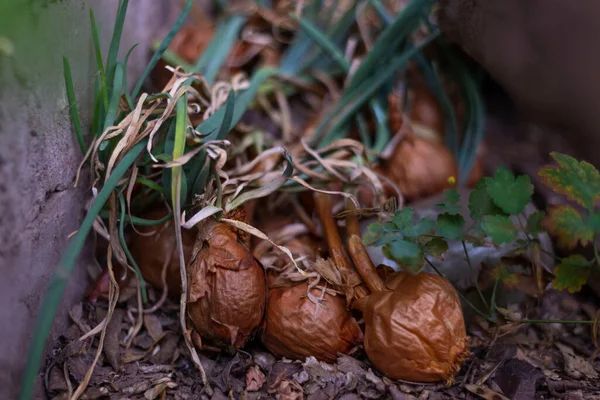
Soft or rotting bulbs usually point to too much moisture or poor airflow. If a pot is constantly wet, reduce watering, improve drainage, and space plants further apart. In containers, you can also raise the pot slightly to let air circulate underneath.
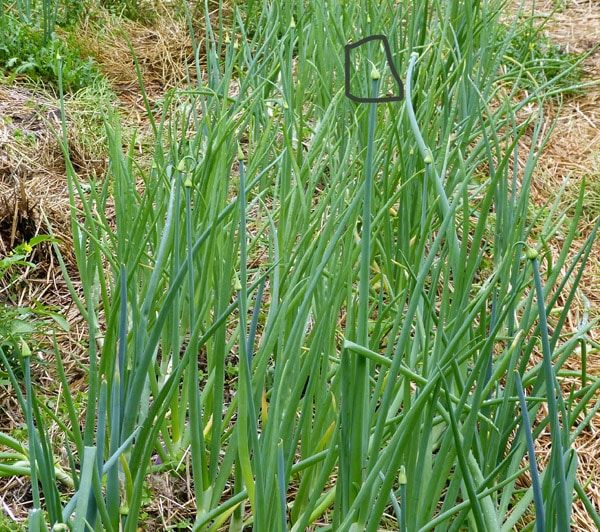
Bolting, or early flowering, can happen when onions experience sudden temperature swings or are stressed by drought or overcrowding. If your onion starts to flower, you can still harvest it, but the bulb will be smaller. For future crops, try to keep the soil evenly moist and avoid planting too early in unstable weather.
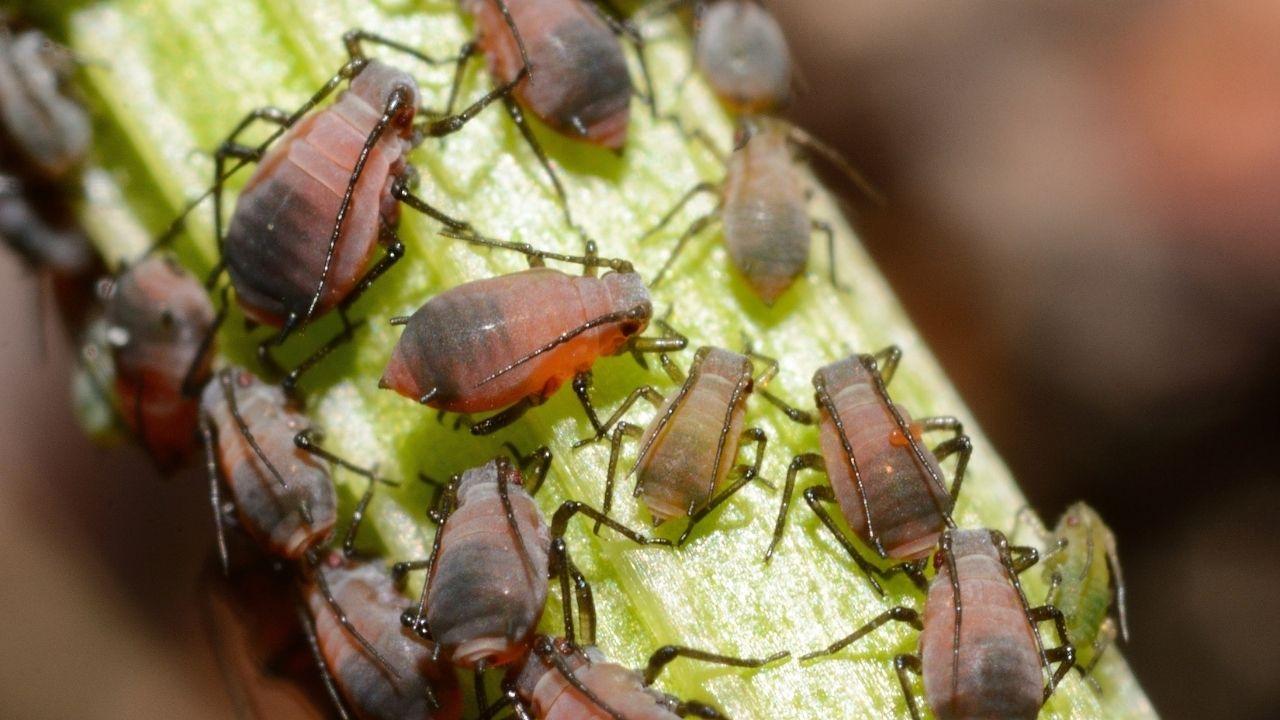
Pests like onion flies or thrips can sometimes appear, but they are less common in containers than in large garden beds. Keeping plants uncrowded and avoiding humid, stagnant conditions helps reduce these problems.
If you notice unusual spots, curling leaves, or slow growth, tools like Plantlyze can help you analyze photos and get personalized care suggestions for your onion plants.
When and how to harvest
Harvest time depends on what you are growing. Green onions are ready when the leaves are about 6–10 inches tall. You can cut the outer stems first, leaving the center shoots to keep growing, so you enjoy repeated harvests from the same plant.
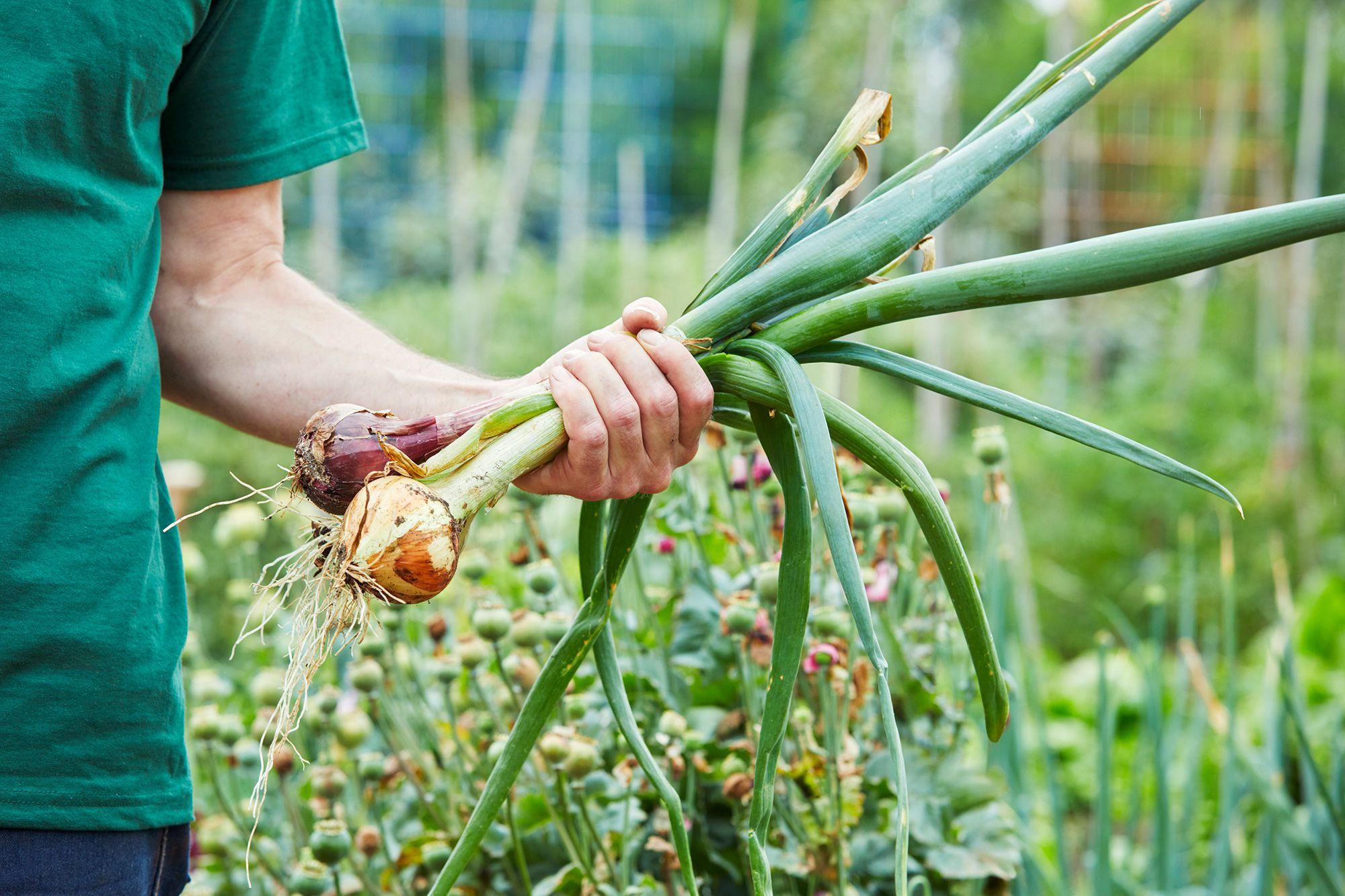
For bulb onions, wait until the tops start to yellow and fall over naturally. A few weeks before harvest, stop watering and fertilizing to allow the bulbs to harden. Gently lift them from the pot with your hands or a trowel, being careful not to bruise them.
After harvesting, lay the onions in a warm, airy place to dry for a few days. Once the outer skins are dry and papery, you can store them in a cool, dark, and well‑ventilated spot. Container‑grown onions are usually smaller than those from large garden beds, but they taste just as good and are perfect for everyday cooking.
Boosting your onion care with Plantlyze
Growing onions in containers is simple, but even experienced gardeners benefit from a little extra support. Tools like Plantlyze are designed to help you understand what your plants need, from light and watering to nutrient support.
With an AI‑powered plant‑care assistant, you can upload photos of your onions when the leaves look pale, droopy, or oddly colored and get guidance on how to adjust your care routine. You can also use reminders to track feeding, watering, and repotting schedules so your container onions stay healthy all season.
Whether you grow onions, herbs, or houseplants, plantlyze.com helps you make sense of what your plants need, so you spend less time guessing and more time enjoying your harvest.
How to improve this article for readability
To make this article even easier to follow, keep paragraphs short—aim for 2–3 sentences each—and use plenty of line breaks. Reading the text aloud helps you catch awkward phrasing and makes it flow more naturally.
Use clear headings like Why grow onions in containers and How to harvest so readers can quickly find what they need. Highlight key terms in bold (for example, 6 hours of sunlight or drainage holes) but avoid overusing them.
Finally, add short image alt text ideas for each section, such as “onion seedlings in seed tray” or “onion set planted in a pot,” to support both accessibility and SEO.
References
Rutgers New Jersey Agricultural Experiment Station - https://njaes.rutgers.edu/pubs/commercial-veg-rec/onions.pdf