Onion aphids are a quiet but serious threat to onion and other Allium crops. These tiny insects can quickly weaken plants, reduce yields, and even spread damaging viruses. For home gardeners and small‑scale farmers, catching them early and acting correctly makes all the difference. If you ever look at your onion leaves and wonder whether those dark clusters are aphids, tools like Plantlyze can help you confirm the problem with a simple photo upload. In this article, you will learn how onion aphids behave, what damage they cause, and how to manage them using both natural and practical methods.
What are onion aphids?
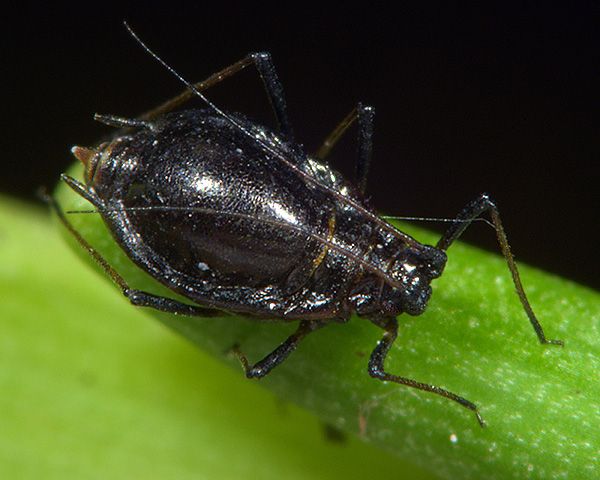
Onion aphids belong to the species Neotoxoptera formosana, a specialist aphid that feeds almost exclusively on onions, garlic, leeks, chives, and related Allium crops. They are part of the Aphididae family and are known for their dark body color and tight clustering on leaves and bulbs. This aphid is found in many onion‑growing regions around the world and can spread easily through infested planting material or by flying forms moving between fields.
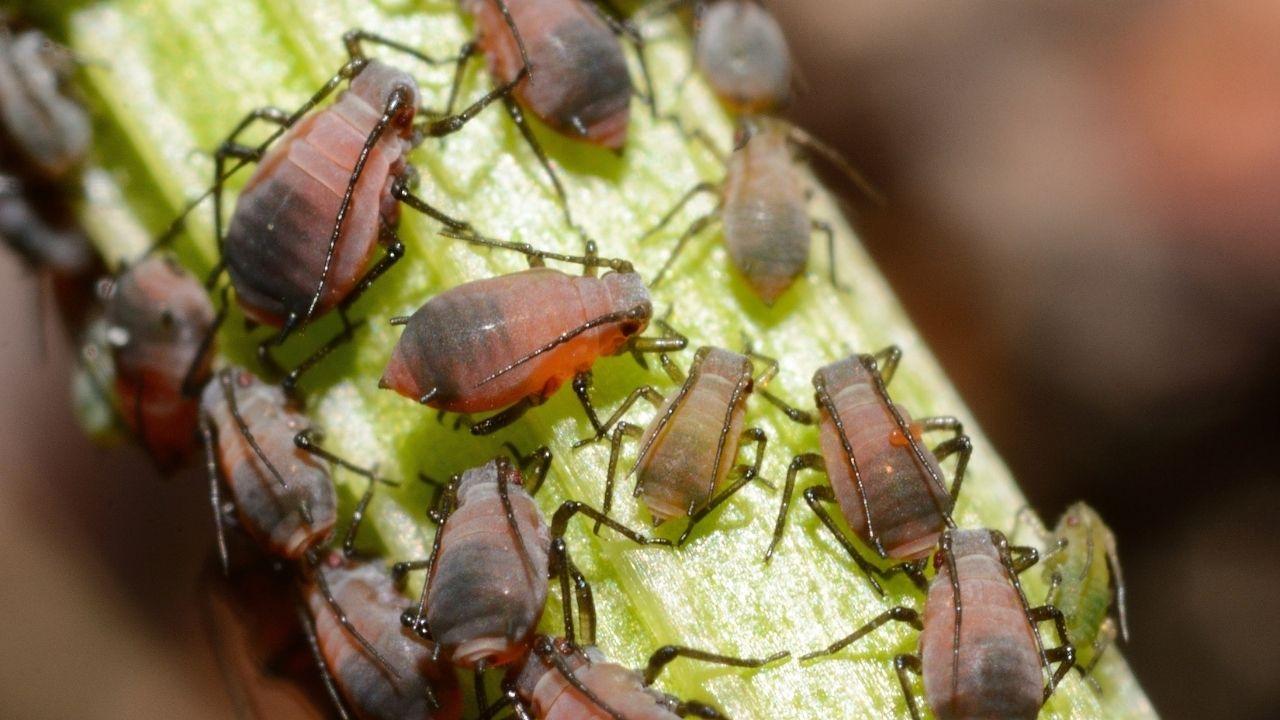
Adult onion aphids are small, usually about 1.5 to 2.5 millimeters long, with a dark reddish‑brown to black appearance. Both winged and wingless forms exist, and reproduction is mostly parthenogenetic, meaning females can produce offspring without mating. This leads to rapid population growth under favorable conditions, turning a small patch of aphids into a serious infestation in just a few days.
Onion aphids spend their entire life cycle on Allium plants, either on foliage during the growing season or on stored bulbs. They are especially active in warm, humid environments, which is why they can become a major problem in mild climates and in greenhouses. Their ability to overwinter on plants or bulbs makes them a recurring challenge if preventive measures are not in place.
How onion aphids damage onion plants
Onion aphids use their piercing‑sucking mouthparts to extract sap from leaves and bulbs. Direct feeding is responsible for visible symptoms of yellowing, streaking, and weakening of foliage. The plant becomes stunted or appears wilted and collapsed if there is a heavy infestation that dramatically reduces the bulb size as well as yields reduction- more market growers mean smaller unattractive hard‑to‑sell onions.
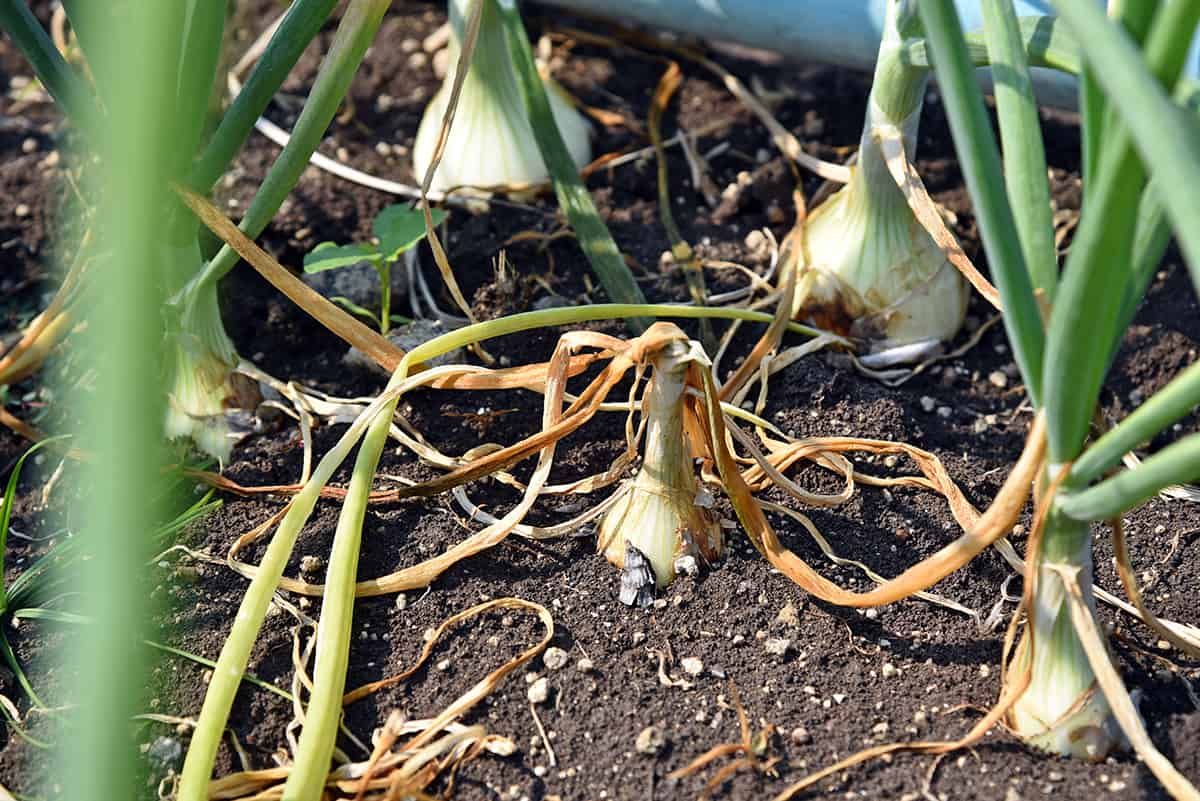
Besides the physical damages, onion aphids are also vectors of plant viruses including the onion yellow dwarf virus and other Allium‑specific viruses. As aphids move from one host plant to another, they can easily transmit these pathogens during feeding on plants. This makes crops weaker and less productive in the long run. Even relatively low aphid numbers can be dangerous if they carry and spread viruses through the field.
Aphids also secrete a sticky substance called honeydew, which covers leaves and promotes the growth of black sooty mold. This mold layer interferes with photosynthesis, reducing the plant’s ability to produce energy and grow properly. Sooty mold can also make harvested onions look dirty or unappealing, lowering their market value, especially in fresh‑produce markets.
How to identify onion aphids
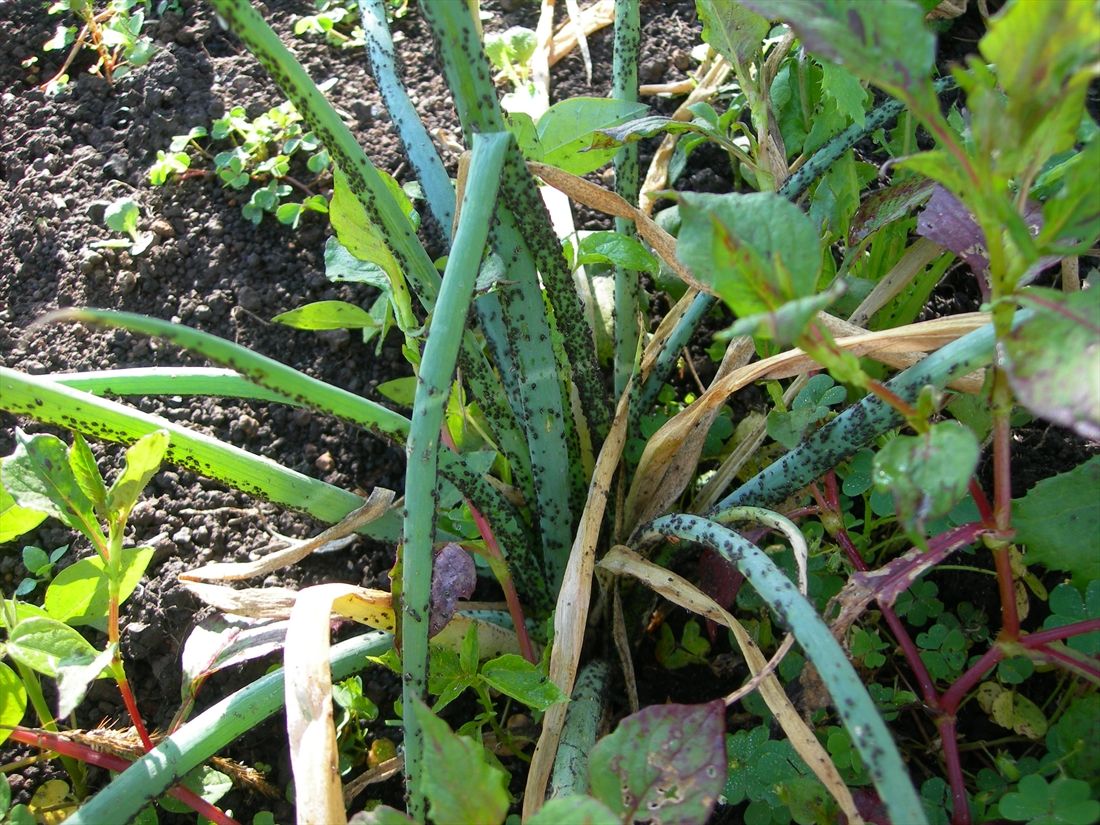
Onion aphids often appear as dark clusters on the undersides of onion leaves or nestled around the base of the plant. The clearest indications are black or dark-brown insects massed in a group, together with yellow or brown streaks on the leaves and some sticky or shiny residue left on the foliage. If you gently shake the plant, aphids may be seen dropping off or slowly moving along the leaves.
Sometimes people confuse these aphids with other pests-like thrips, spider mites, or even black species of aphids found on different crops. Onion aphid can mostly be found specifically on allium plants to help narrow down the diagnosis. If unsure, take a clear photo shot of the affected leaves or bulbs and upload it to an AI plant‑care tool that will help you identify and confirm the pest type.
This is where Plantlyze can be especially useful. As an AI‑powered plant‑care and diagnosis platform, it analyzes photos of your plants and provides beginner‑friendly explanations of what might be happening. If you see strange insects or discoloration on your onions, you can upload a picture at plantlyze.com and get guidance before deciding which treatment to use.
Preventing onion aphids with good crop practices
One of the most effective ways to reduce onion aphid problems is to start with clean, healthy planting material. Using disease‑free seed or bulbs from reliable sources lowers the risk of bringing in aphids or virus‑carrying insects. Avoid planting onions near fields or gardens where heavily infested Allium crops were grown in the previous season, as aphids can move short distances on wind or on equipment.
Practicing crop rotation and avoiding planting Alliums in the same spot every year helps disrupt aphid life cycles and reduces population buildup. Regular field inspections are also important, especially during warm, humid periods when aphid populations grow fastest. Early detection allows you to remove or treat infested plants before the problem spreads across the entire plot.
Proper fertilization and irrigation make a noticeable difference. Excessive nitrogen can produce lush, soft growth that aphids prefer, so using balanced, moderate fertilizer applications is advisable. At the same time, careful watering that avoids constant high humidity around the plant canopy can make the environment less attractive to aphids.
Natural and organic control methods
For many gardeners and small farmers, organic or low‑impact methods are the preferred way to manage onion aphids. A simple physical method is to use a strong jet of water to wash aphids off the leaves. This works best when populations are still low and can be repeated regularly as part of routine care. The water knocks many aphids to the ground, where they are less likely to climb back onto the plant.
Insecticidal soaps and horticultural oils, including neem‑based products, are widely used against aphids. These products work by coating the insects and disrupting their cuticle or suffocating them on contact. To use them safely, mix a small amount of pure liquid soap or neem concentrate with water and spray thoroughly on both sides of the leaves. Applications should be done in cool parts of the day, such as early morning or late evening, to avoid leaf burn and to maximize effectiveness.
Supporting natural enemies of aphids is another powerful strategy. Ladybird beetles, hoverflies, lacewings, and parasitic wasps all feed on aphids and can significantly reduce their numbers when present in sufficient quantities. Planting flowers such as dill, buckwheat, alyssum, or nasturtiums near your onion beds can attract these beneficial insects and create a more balanced ecosystem in your garden.
When chemical control may be necessary
Where infestations are severe or in areas considered high risk with respect to the spread of viruses, chemical insecticides may also be contemplated within integrated pest management approaches. Systemic insecticides such as imidacloprid are sometimes used in onion production, hence should be applied cautiously not to affect pollinators and other beneficial insects severely by strictly adhering to label instructions on rotation of different mode-of-action products and application only when thresholds have been attained.
The goal is to combine scouting, cultural practices, biological control, and targeted chemical use rather than relying on sprays alone. This approach reduces the chance of resistance and keeps the wider ecosystem of the garden or field healthier. If you are unsure about the severity of an infestation or the best product choice, using an AI‑assisted diagnosis tool can help you make a more informed decision.
Protecting onion bulbs in storage
Onion aphids can survive on cured bulbs stored under favorable conditions, which means they can emerge again when those bulbs are planted or simply spread to nearby healthy onions. Store in a dry and well ventilated place is the most important factor to reduce this risk. Do not allow bulbs to come into contact with moisture immediately after drying, keep them away from damp places or poorly ventilated places.
Check the onions for aphids or rotting bulbs while in storage and remove any bulb showing insect damage or soft spots so they do not get a chance to contaminate healthy ones. Clean storage places free from plant debris also reduce hiding places of aphids together with other pests.
How an AI plant‑care tool can support you
Onion aphid management is most effective when you catch problems early and act at the right time. Signs like dark clusters on leaves, yellowing streaks, or sticky residue are easy to miss or misidentify, especially for beginners. Something as AI plant-care tool can help you double check what you think by analyzing photos and suggesting possible apparent causes. Plantlyze is one such tool.
Plantlyze will walk you through possible explanations-from insect pests like aphids to fungal diseases or nutrient deficiencies. Then it offers simple practical steps that can be taken such as adjusting watering application, applying organic sprays, and improving field hygiene. If you are working on Allium crops and want a quick second opinion, upload a clear photo of your onions at plantlyze.com and use the insights to fine-tune your care routine.
References
CABI Compendium – Neotoxoptera formosana (Onion aphid)
https://www.cabidigitallibrary.org/doi/full/10.1079/cabicompendium.35872PubMed – “Understanding the onion aphid Neotoxoptera formosana’s feeding behavior and life history”
https://pubmed.ncbi.nlm.nih.gov/38408079/PMC – Chromosome‑level genome assembly of Neotoxoptera formosana
https://pmc.ncbi.nlm.nih.gov/articles/PMC9339310/EPPO – CSL Pest Risk Analysis for Neotoxoptera formosana
https://pra.eppo.int/getfile/6107991d-6061-42e0-87a0-14295deb7836University of California IPM – Onion Yellow Dwarf (virus vectored by aphids)
https://ipm.ucanr.edu/agriculture/onion-and-garlic/onion-yellow-dwarf/